


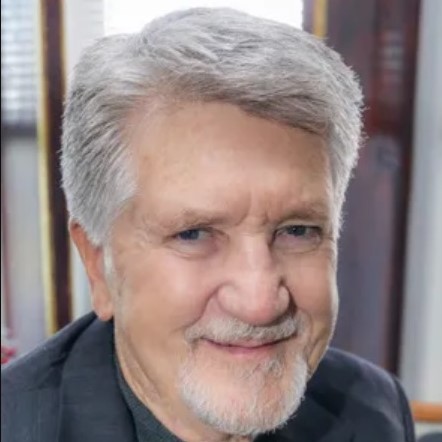
A new memoir by Richard W. Schiesser, Cert. ’79, “92 Hours,” details the tragic death of his 18-year-old son, Ben, the events leading up to it, and the lessons to be learned by those experiencing mental health challenges – and, in the case of teenagers and young adults – their parents.
“Ben entered his adolescent years as an over achiever,” Schiesser said. By the time he was 16, he was excelling both academically and athletically. He won awards in public speaking and at science fairs, captained and quarterbacked his football teams, and was twice elected class president.
“Then, in his junior year of high school, he was diagnosed with mild bipolar disorder. His grades suffered, his popularity diminished, and he started making poor decisions including an attempt to end his life. His story is a cautionary tale to teenagers and parents alike. Many consider teen suicide to be at crisis level.”
Indeed, a CDC study found that nearly 40% of students experienced persistent feelings of sadness and hopelessness, 20% seriously considered attempting suicide, and nearly 10% had attempted suicide. September is designated as National Suicide Prevention Month.
Schiesser takes us through two key spans of 92 hours during the last month of Ben’s life: a joyful four days that father and son spent together when the young man visited his dad in Southern California (“92 of the happiest hours of my life,” Schiesser says) and, soon after, the harrowing, heartbreaking final four days of Ben’s life.
“The memoir has been well-received,” said Schiesser. “In the words of a mental health professional who reviewed my book, ‘92 Hours’ may save a life and heal a family. An award-winning author wrote that it ‘gives the reader the gift of insight, empathy, relatability, and comfort.’ In a short time, it has received over 50 five-star reviews.”
Much of “92 Hours” is filled with details that allow the reader to feel a part of the unfolding story. Southern California locals, in particular, might appreciate the picture Schiesser draws of turn-of-the-millennium Los Angeles and Orange Counties.
Schiesser, who earned a University Extension certificate in business management for technical personnel and wrote several books on IT management, waited over 20 years to write this book. In the meantime, he published his first novel, “Shattered Hearts,” a fictionalized account of the experiences he describes in his new book.
“The idea of writing the book really came to me many years ago because as you can imagine, it took me a few years to just process it all,” Schiesser said. “It was so sudden. I remember looking at the death certificate and it just says, ‘Manner of death: suicide.’ And I said, how could my son do that?
“The analyst in me wanted to find out more. There were so many unanswered questions. So I dug into it more, talking to the first responders, the counselors, Ben’s mother and his brother, and we all came to the conclusion that he did not really intend to end his life.”
Schiesser lays out the specific disappointments, mishaps and criticisms that led to what he views as a “staged” suicide attempt – but one that was, unfortunately, unintentionally successful.
“At that moment in time,” Schiesser said, “we think the pain was just so overwhelming. He wanted the emotional pain to stop. And he made a tragic and terrible decision that ended it. But I wanted to explain his story. I wanted to kind of set the record straight in a way, but then at the same time share it with other families, other teenagers, other parents, that it might help them.”
In an epilogue he lists some of the lessons learned, many of which are expected (“Get Involved,” “Know Their Friends”) and some which are less often cited; in particular, “Factor In the Effects of Playing Sports.”
Schiesser writes, “Ben was a star athlete in track, soccer, and football during junior high and the first two years of high school. Then things changed, gradually at first, and then more abruptly. I’m not sure Ben was as well prepared for setbacks and defeats as he had been for enjoying successes and victories. I do not know the extent to which these failures, whether perceived or real, affected Ben’s dispositions, behaviors, and possible depressions, but I advise parents of student athletes to be mindful of the devastating effects athletic failures may have on a teenager.”
Schiesser has worked in many ways to preserve and honor his son’s legacy, including supporting the organization that helped administer the distribution of Ben’s organs, per the young man’s wishes. He writes of the comfort he felt when he received a letter from the recipient of one of Ben’s kidneys. His son’s eyes have also helped restore partial sight to two recipients. He hopes this book will provide clarity, advice and a vision of hope for those struggling as his son did, and for the parents who suffer alongside them.