

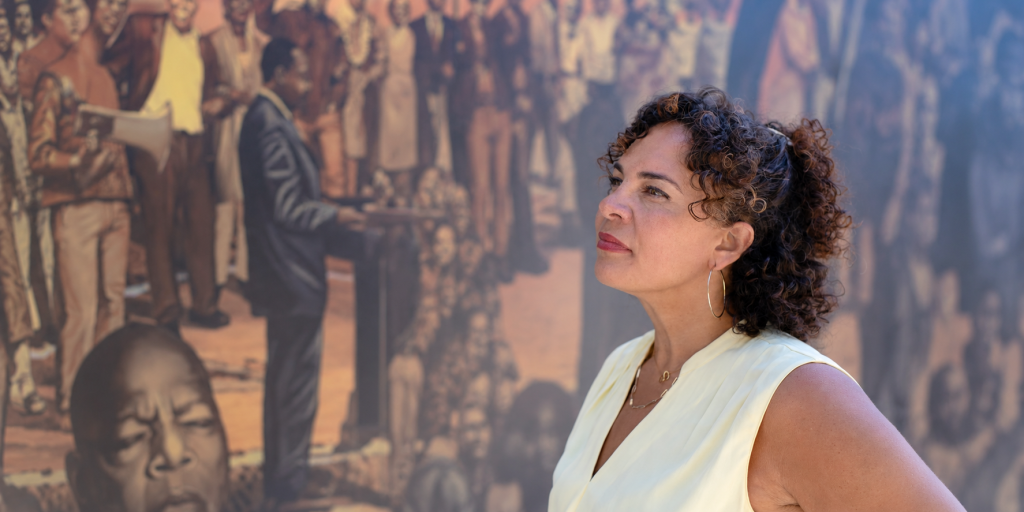
For Ralina Joseph, UCLA’s inaugural Vice Provost for Inclusive Excellence and professor of African American Studies, building bridges has been a way of life.
“I have always been in the position of being a bridge,” said Joseph when recalling her upbringing in an interracial family in the 1970s.
Her parents were married in Washington, D.C., just a few years after the landmark Supreme Court decision Loving v. Virginia (1967) legalized interracial marriage in the United States. Joseph learned firsthand what it meant to navigate multiracial identity in a rapidly changing political landscape. Those early experiences helped shape a career dedicated to understanding identity, fostering dialogue, and helping others connect across lines of difference.
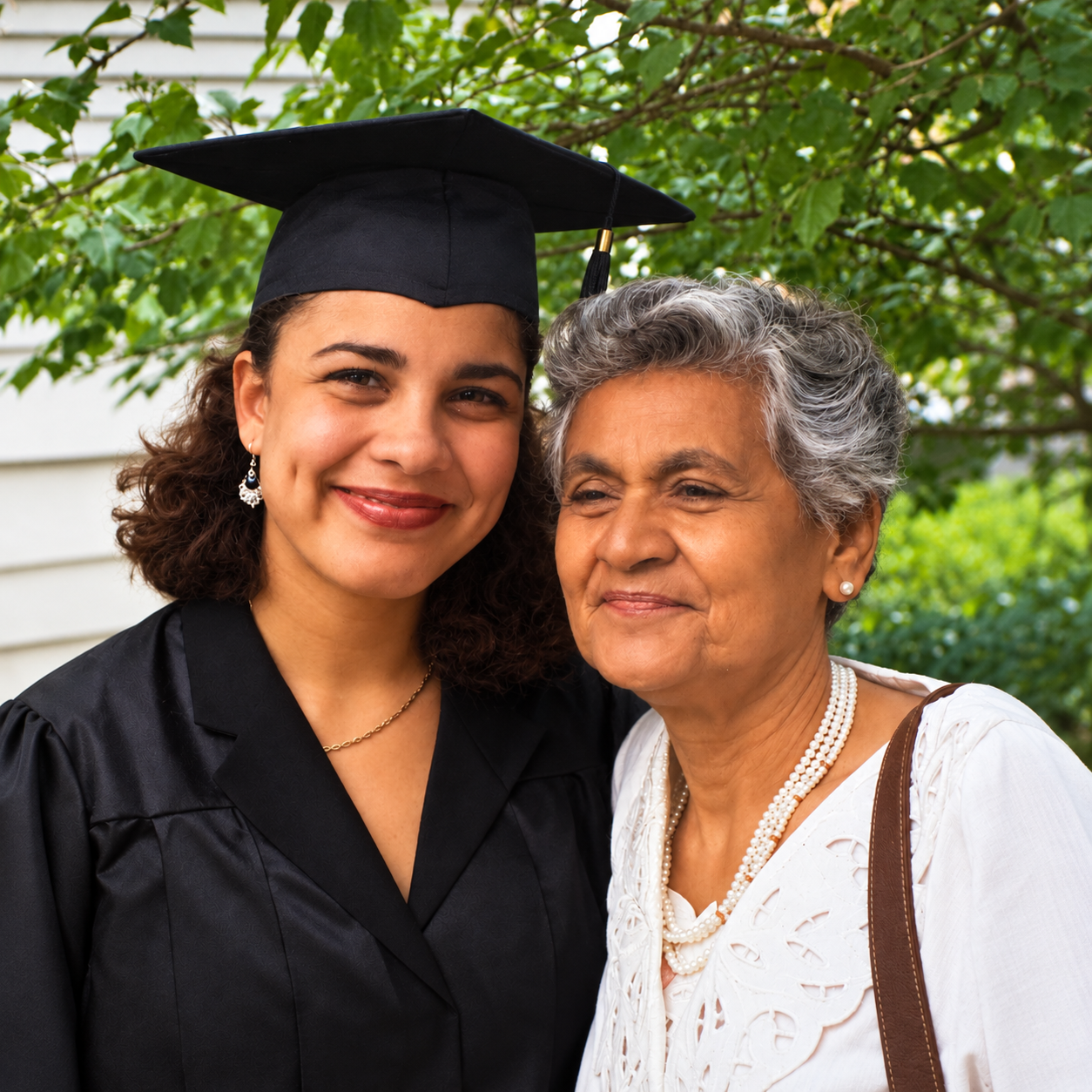
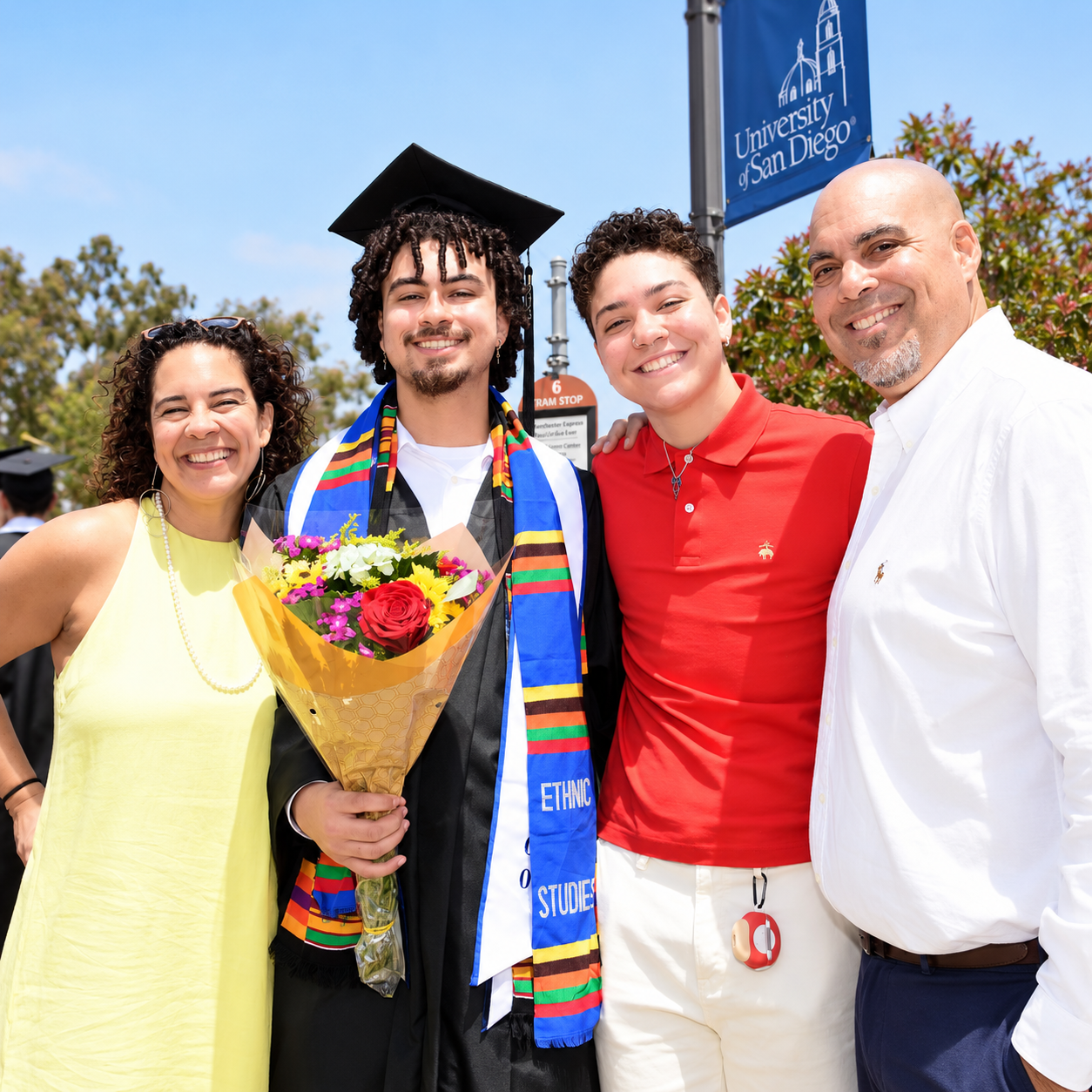
As an undergrad at Brown University, Joseph discovered her passion for race and ethnic studies. Her honors thesis, “Mixed Race Women in Advertising,” foreshadowed a growing legacy of scholarship examining race, identity and community. She delved further, earning her Ph.D. in Ethnic Studies at the University of California, San Diego, where she attributes the program’s interdisciplinary structure to her scholarly emphasis on interconnectedness, coalition building and community formation.
In 2016, Joseph founded the Center for Communication, Difference, and Equity at the University of Washington, creating programs designed to foster interracial and intergenerational dialogue. Through that work, she increasingly focused on what she calls “radical listening.”
“Radical listening is something that we are not all taught to do,” she said.
Unlike conventional listening, radical listening requires the practice of suspending evaluation and judgement. Listening without immediately assessing what is being said or deciding whether a person’s experience aligns with our own creates a space for deeper understanding – before we form a response. In practice, this can feel uncomfortable for listeners as they wrestle with the common urge to center themselves in a conversation.
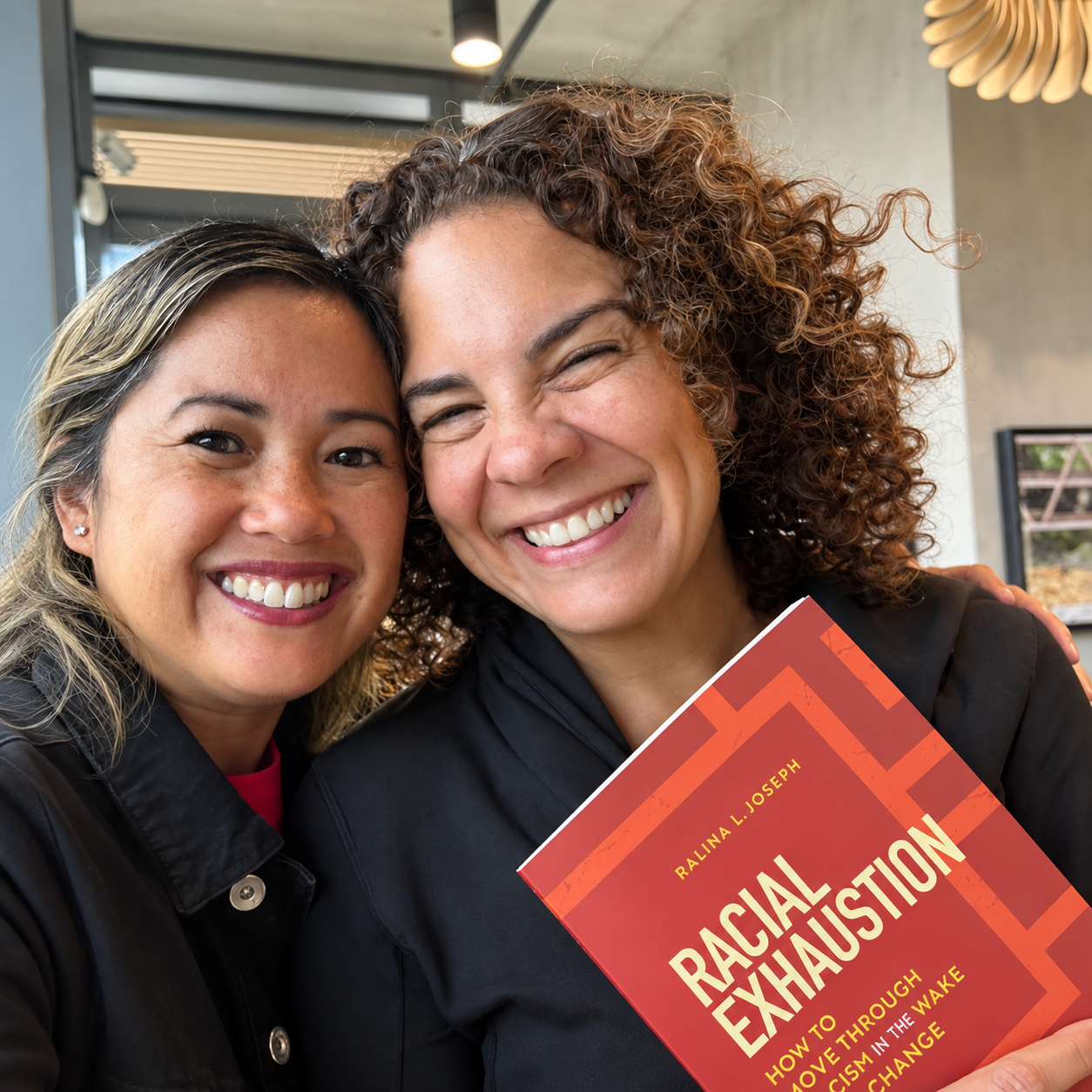
For Joseph, radical listening is inseparable from discomfort. Leaning into the discomfort, rather than avoiding it, can help people to interrupt what Joseph describes as “everyday acts of racism” and build stronger relationships across difference. These practices, she argues, offer a way to address what she names as “racial exhaustion” in her book “Racial Exhaustion: How to Move Through Racism in the Wake of DEI” published in December of last year. Joseph describes how, for people of color, racial exhaustion manifests as the weight of systemic racism while also shouldering the burden of explaining and confronting daily microaggressions, while for white people, whether allies or skeptics, it is a feeling of defensiveness, fatigue, or uncertainty about how to engage in discussions about race.
“The practices are supposed to give us some type of relief from the racial exhaustion that we are feeling all the time,” she said.
Today, Joseph describes one of her greatest strengths as facilitating conversations and creating spaces where meaningful engagement and dialogue can occur.
“It’s not a natural skill,” Joseph said. “It’s something I learned through teaching and experience.”
The challenge is then to create communities where radical listening can be practiced consistently and collectively. This is the opportunity she sees at UCLA where her role as Vice Provost for Inclusive Excellence will rely heavily on bridge-building through radical listening to ensure that voices from throughout our increasingly diverse Bruin community are heard, included and empowered.
This work spans multiple areas, including campus life, undergraduate and graduate student development, curriculum building, intergroup dialogue and various UCLA research initiatives.
Joseph’s goal is not only to grow our proficiency for radical listening but to also create spaces for Bruins to hone this ability together.
“We learn the skills of how to engage and practice those skills together for the purpose of creating a better world,” Joseph said.
“Being able to say, ‘I graduated from UCLA,’ and I still get to go here; it feels so good,” she said. “I feel so proud to be an alumna.”
Existing programs such as the Dialogue Across Difference Initiative and Campus Community Conversations will continue to facilitate the growth and practice of these bridge-building skills. Joseph brings other ideas for creating spaces for practice, including a multigenerational dinner series akin to the UCLA Alumni Dinner for 12 Strangers program, which could bring together alumni, students, staff and faculty to build community through conversation.
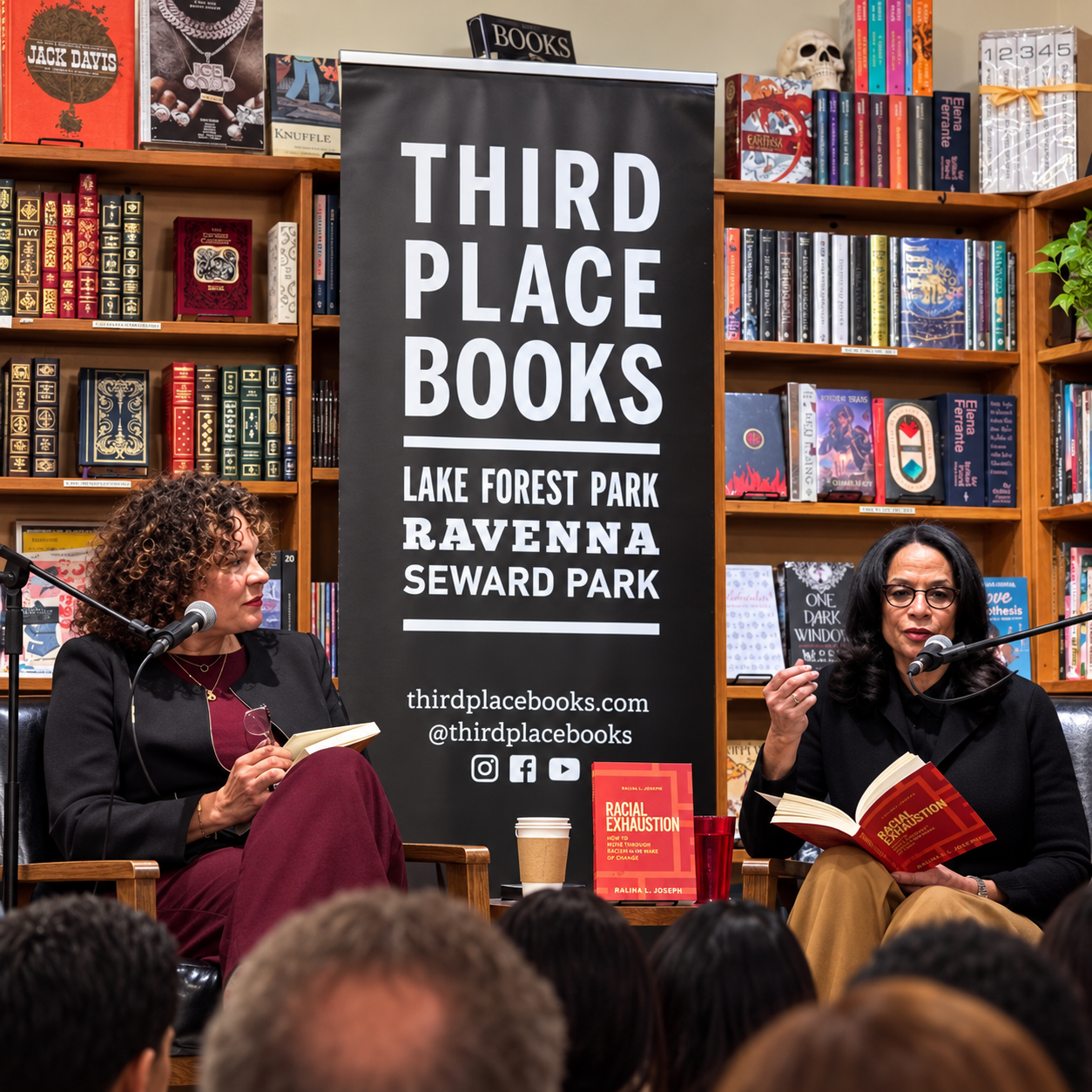
Looking ahead to the future, Joseph sees enormous potential at UCLA.
She recognizes that the university environment can proliferate what she describes as a “superstar culture,” where individual achievement is emphasized over the collective. Despite this, what gives her the most hope is the campus’ demonstrated desire for connection.
“There is a hunger for connection,” she said, even as people experience exhaustion or limited bandwidth in today’s world.
For a scholar-practitioner like Joseph, that hope is more than an aspiration. It is an invitation to grow our capacity for compassion, build community, and move forward together.
“I remain hopeful that we are not just going to be treading water,” she said, “but we are actually going to be moving forward as a community.”
Explore Joseph’s work:
“Racial Exhaustion: How to Move Through Racism in the Wake of DEI” (2025)
“Generation Mixed Goes to School: Radically Listening to Multiracial Kids” (2021)
“Postracial Resistance: Black Women, Media, and the Uses of Strategic Ambiguity” (2018)
“Transcending Blackness: From the New Millennium Mulatta to the Exceptional Multiracial” (2012)
the diversity digest
These alumni feature articles are developed by the Alumni Diversity Programs and Initiatives team to amplify the impact and reach of incredible Bruins across generations. They are published as part of the quarterly Diversity Digest newsletter, which highlights opportunities to engage with UCLA and the alumni community through a social justice lens.
Know a Bruin whose story should be told? We’d love to hear from you.
Questions? Reach us at diversity@alumni.ucla.edu
recent diversity digest articles
View All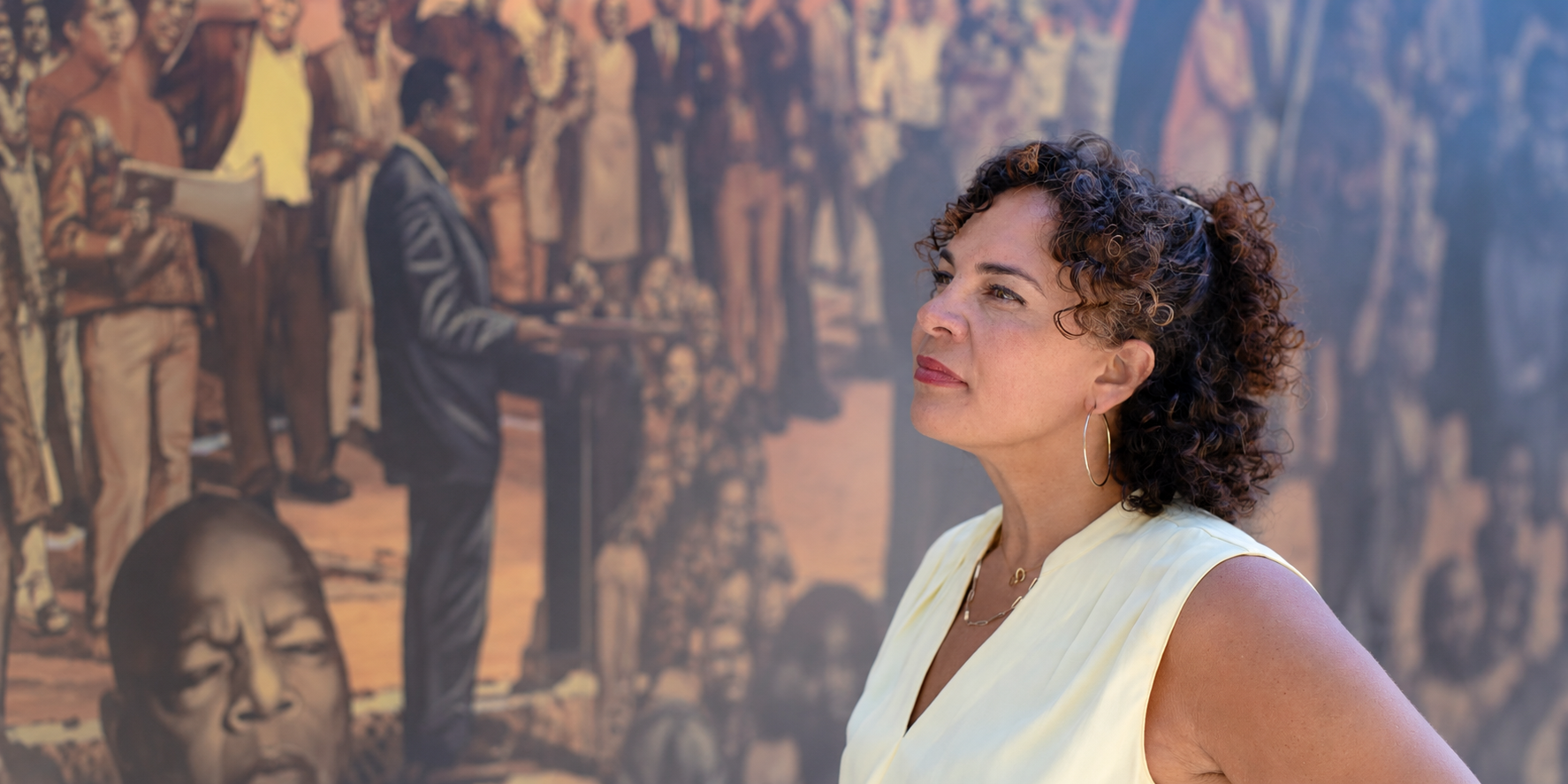
Connect Newsletter, Diversity Digest
Bruin Bridge Building: Radical Listening and Ralina Joseph’s Vision for Inclusive Excellence at UCLA
For Ralina Joseph, UCLA’s inaugural Vice Provost for Inclusive Excellence and professor of African American Studies, building bridges has been a way of life. “I have always been in the…
Connect Newsletter, Diversity Digest
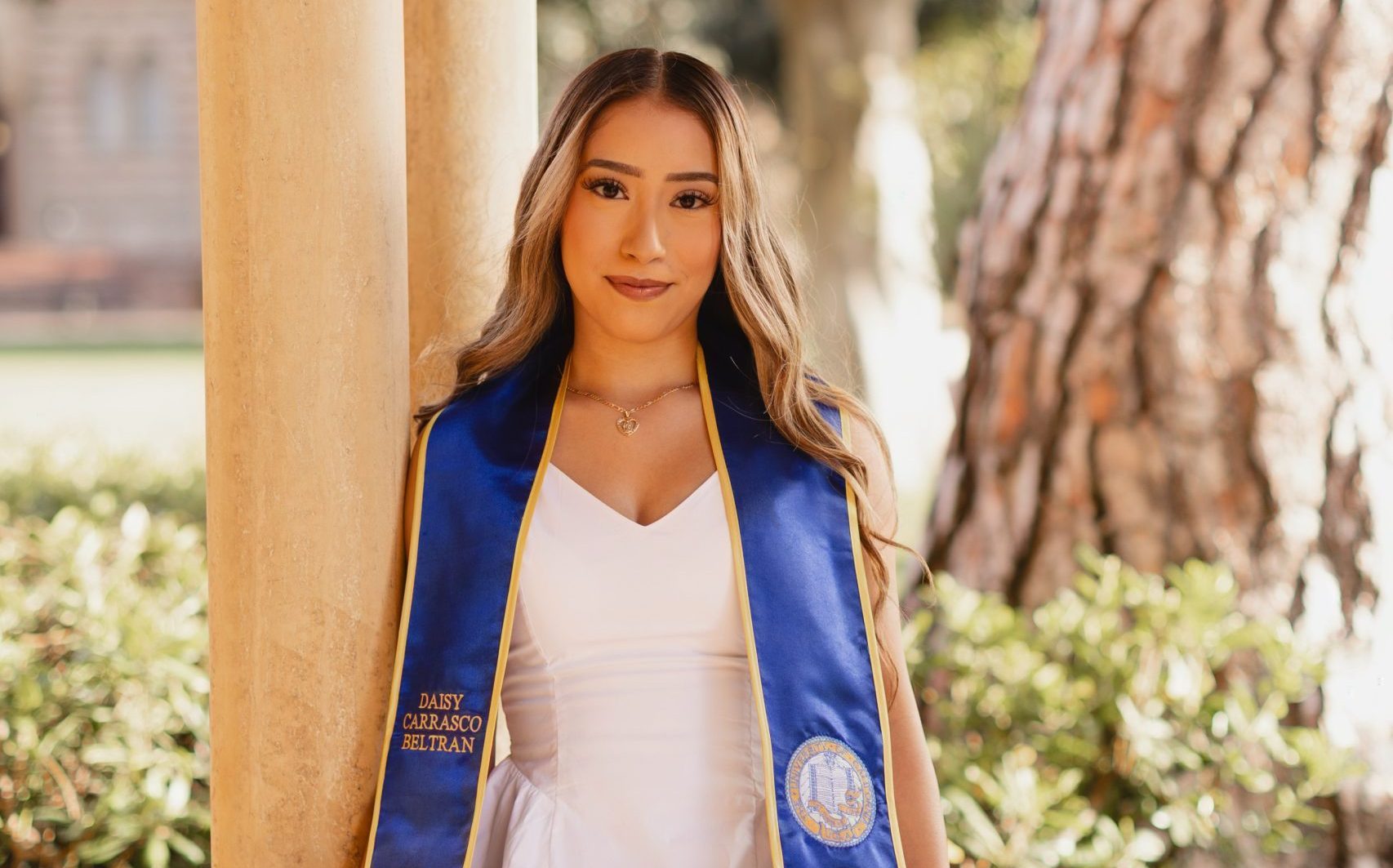
Daisy Carrasco Beltran ’26, Paying It Forward Through Education
Connect Newsletter, Diversity Digest