

you see la – central campus
Think you know UCLA’s campus? Put your Bruin memory to the test! In this edition of You See LA, we’re exploring the heart of campus, where historic architecture, familiar gathering spots and generations of Bruin memories come together.
From iconic landmarks to hidden architectural details, see if you can identify these Central Campus locations from a close-up photo. Make your guess, reveal the full picture and discover a little more about the places that make UCLA special.
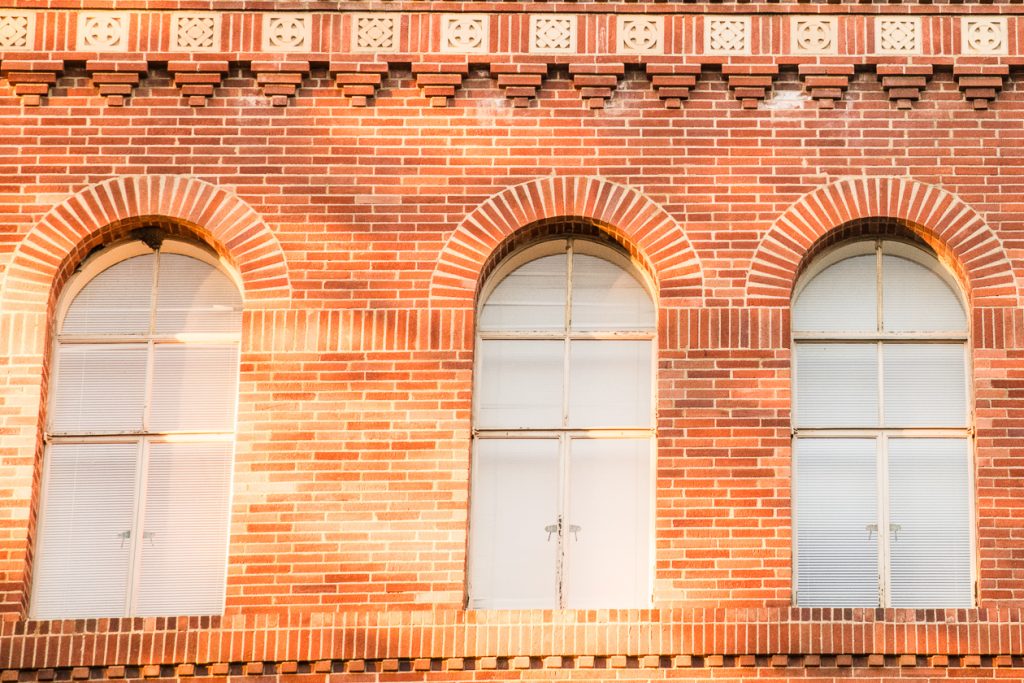
first opened in 1929
answer
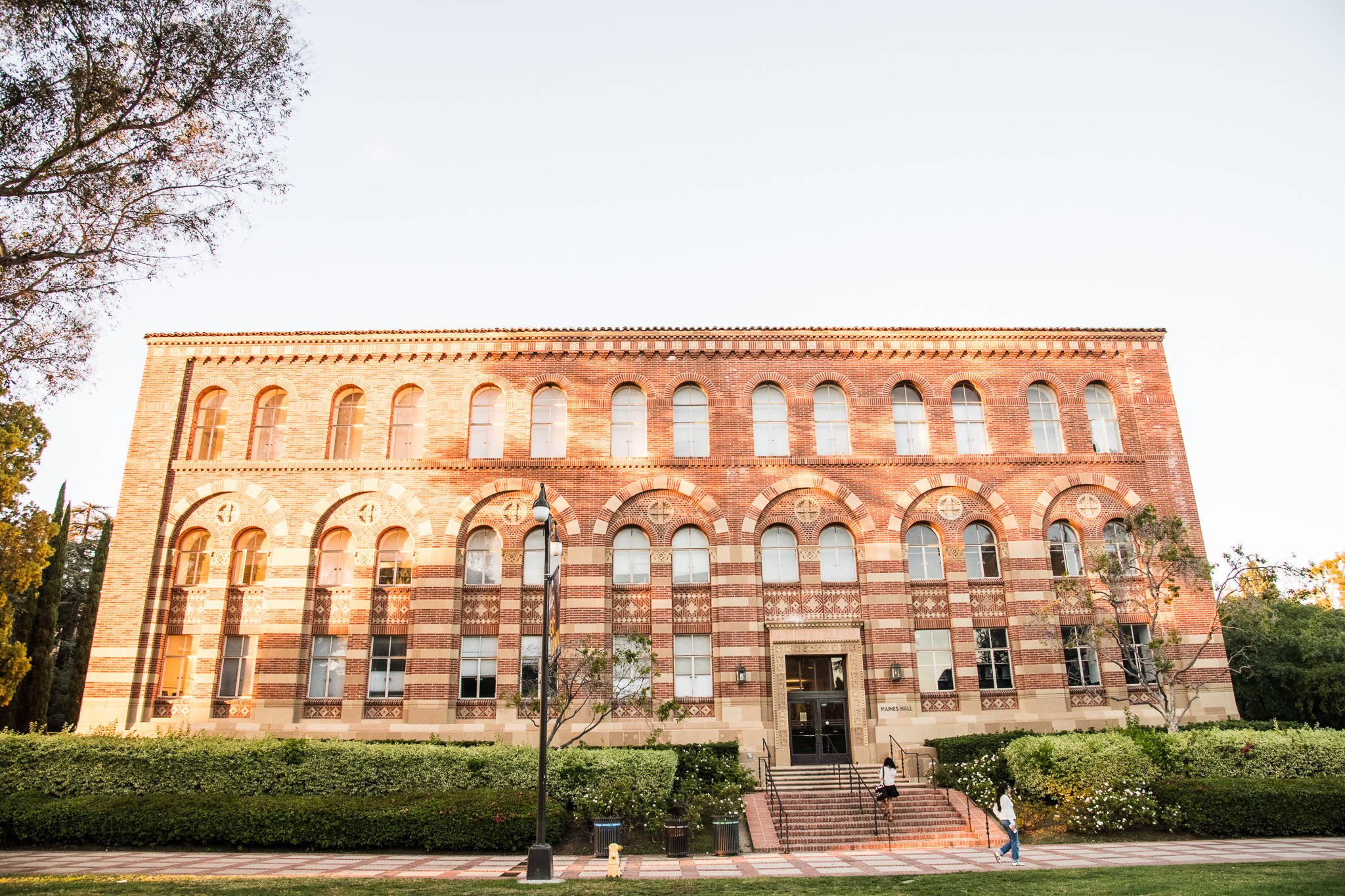
Answer: Haines Hall
One of UCLA’s four original Westwood campus buildings, Haines Hall began as the Chemistry Building. In fact, chemistry students were among the first to attend classes on the new campus in 1929. The building was renamed in 1952 in honor of political science professor Charles Grove Haines and now houses social science departments.
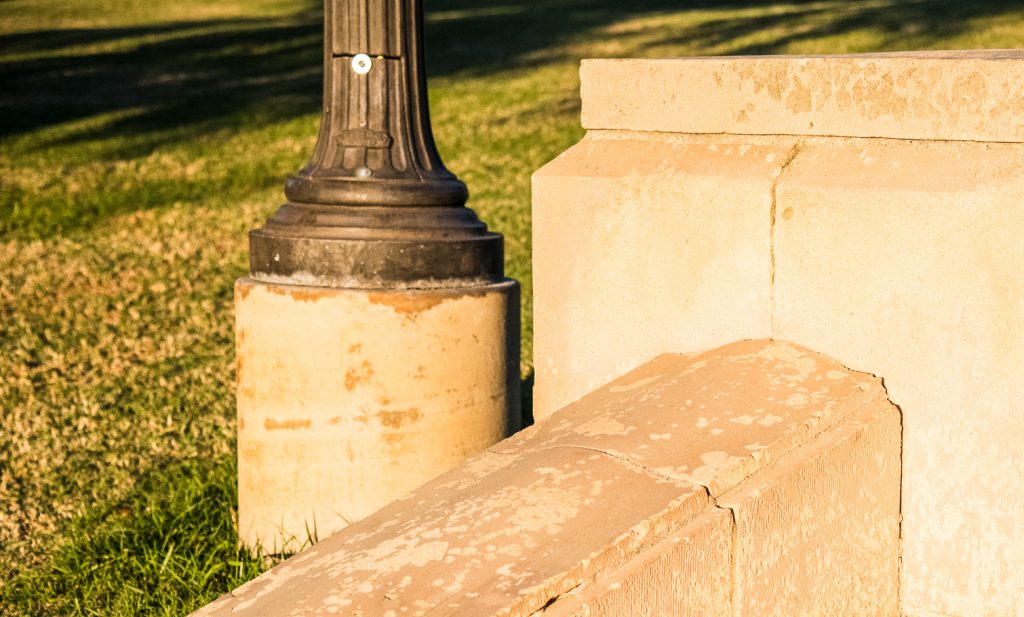
originally known as "The 87"
answer
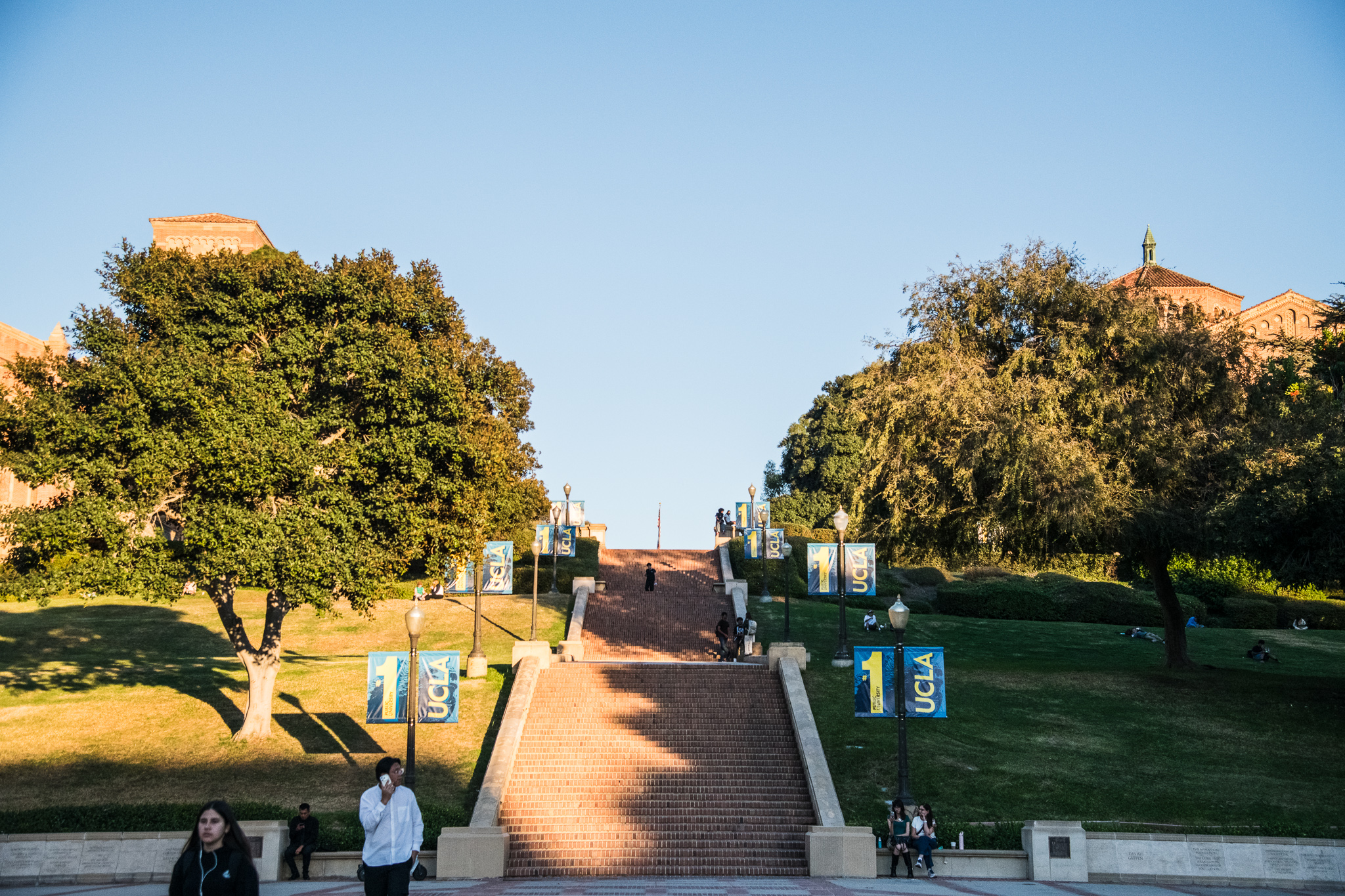
Answer: Janss Steps (also known as Tongva Steps)
Before they became a favorite spot for Bruin photos, Janss Steps served as one of UCLA’s original campus entrances. Named after brothers Edwin and Harold Janss, who helped bring UCLA to Westwood, the staircase was originally nicknamed “the 87” for its 87 steps. Generations of Bruins have made the climb ever since.
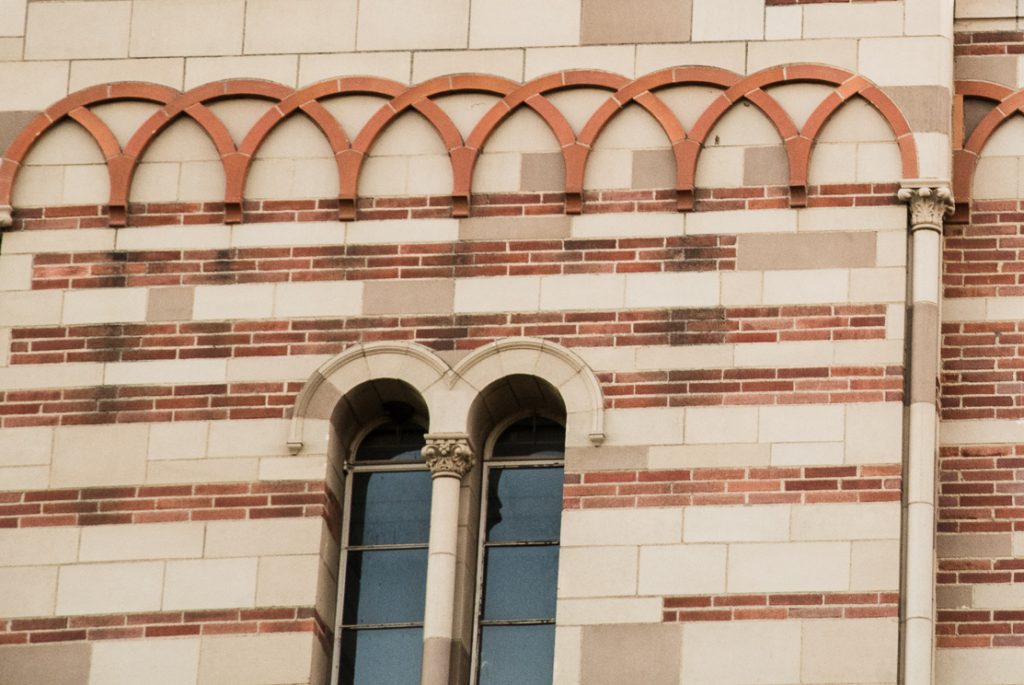
first opened in 1929
answer
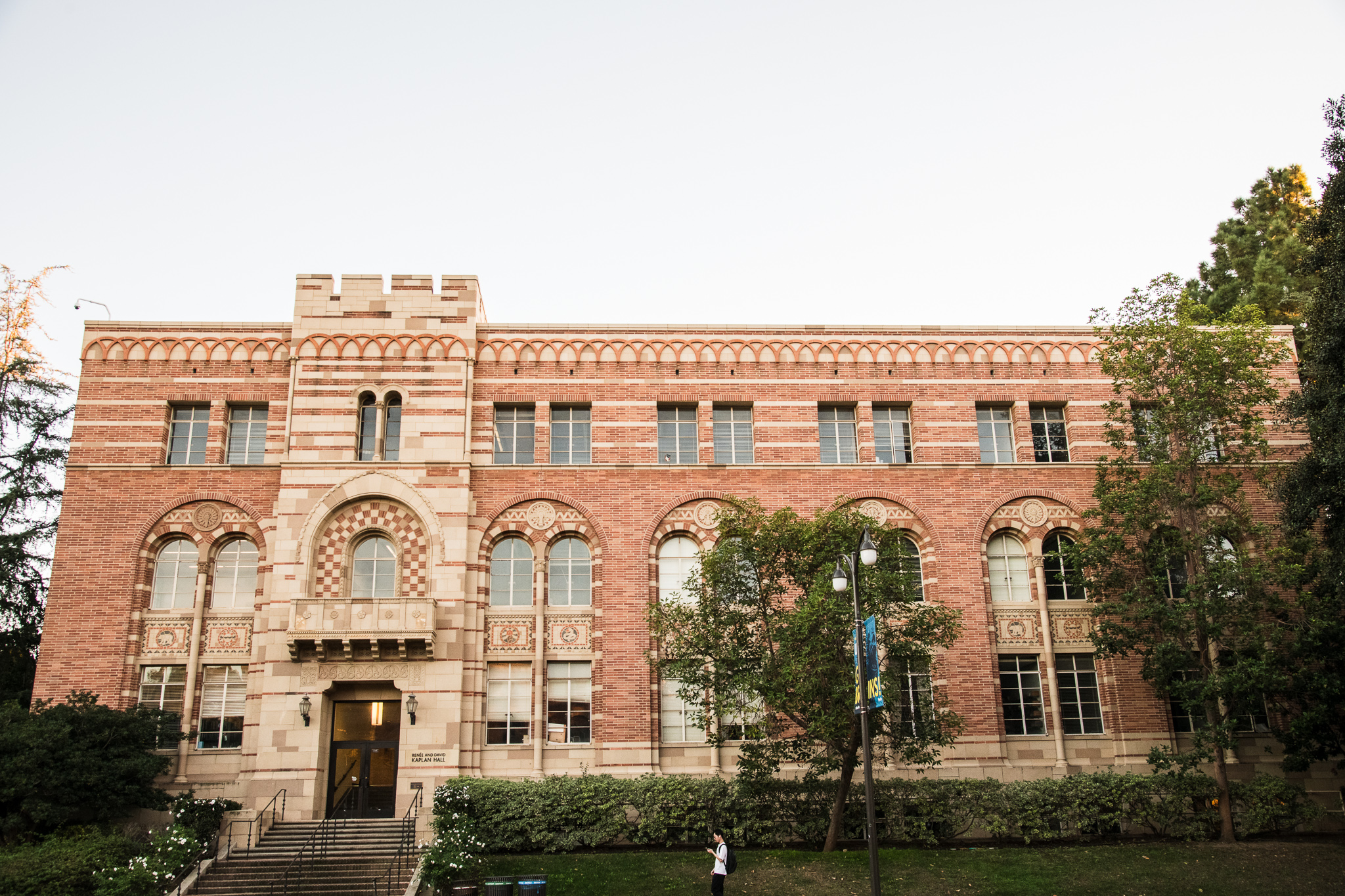
Answer: Renée and David Kaplan Hall
Originally the Physics-Biology Building, then renamed Kinsey Hall, Kaplan Hall was one of UCLA’s first four buildings. Its decorative exterior still offers clues to its scientific beginnings, including images of animals and symbols of discovery. Today, the building serves the humanities, reflecting how UCLA’s academic landscape has evolved over nearly a century.
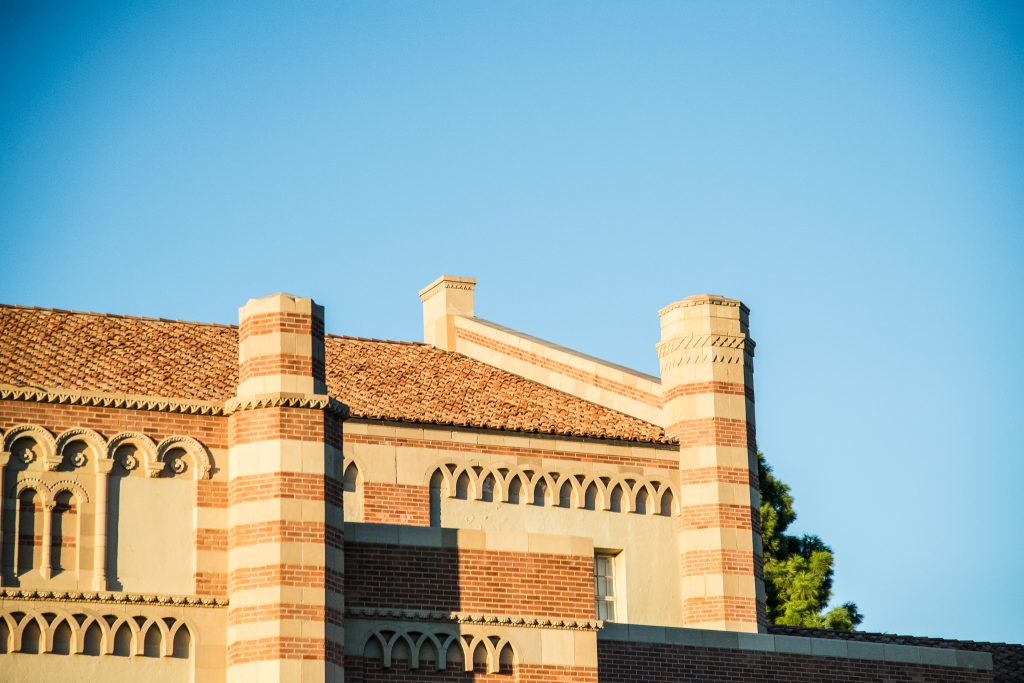
originally built in 1932
answer
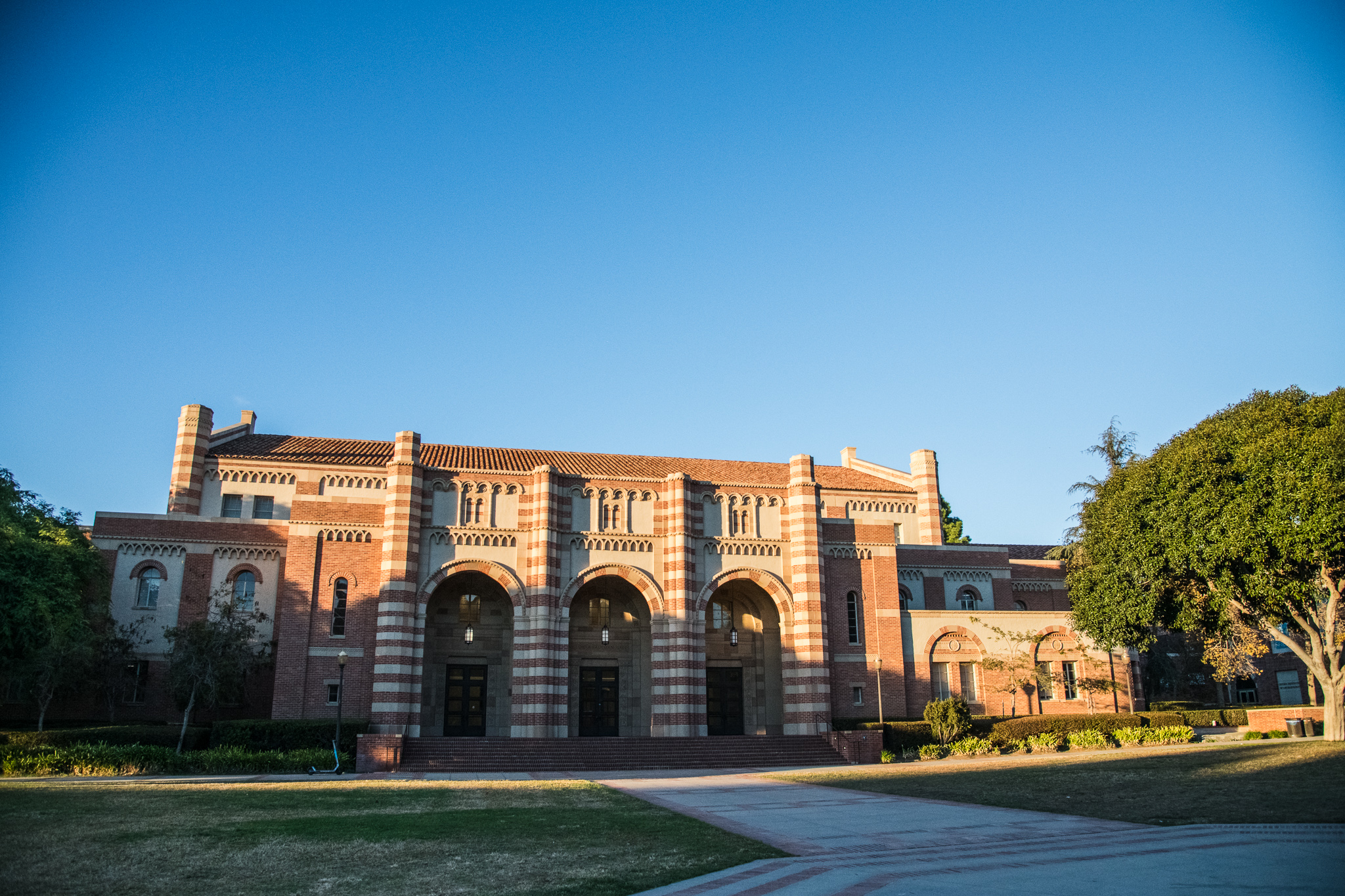
Answer: Glorya Kaufman Hall
Originally built as the Women’s Gymnasium, this historic building found new life as a center for dance and performance. A generous gift from philanthropist and dance enthusiast Glorya Kaufman helped transform the former athletic facility into a creative home for UCLA’s Department of World Arts and Cultures/Dance.
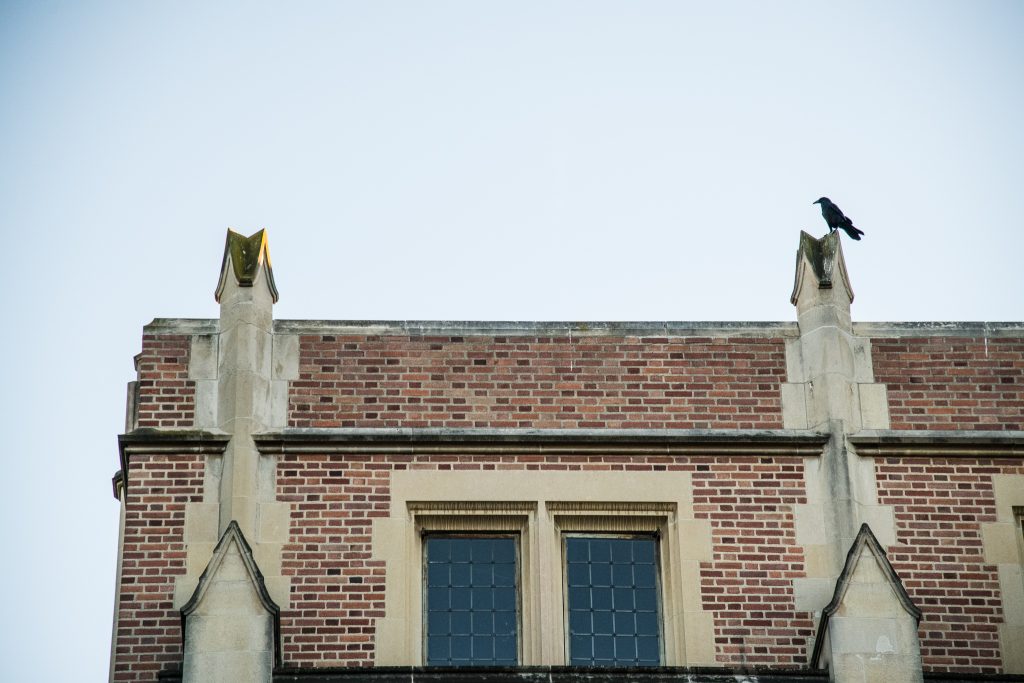
first opened in 1931
answer
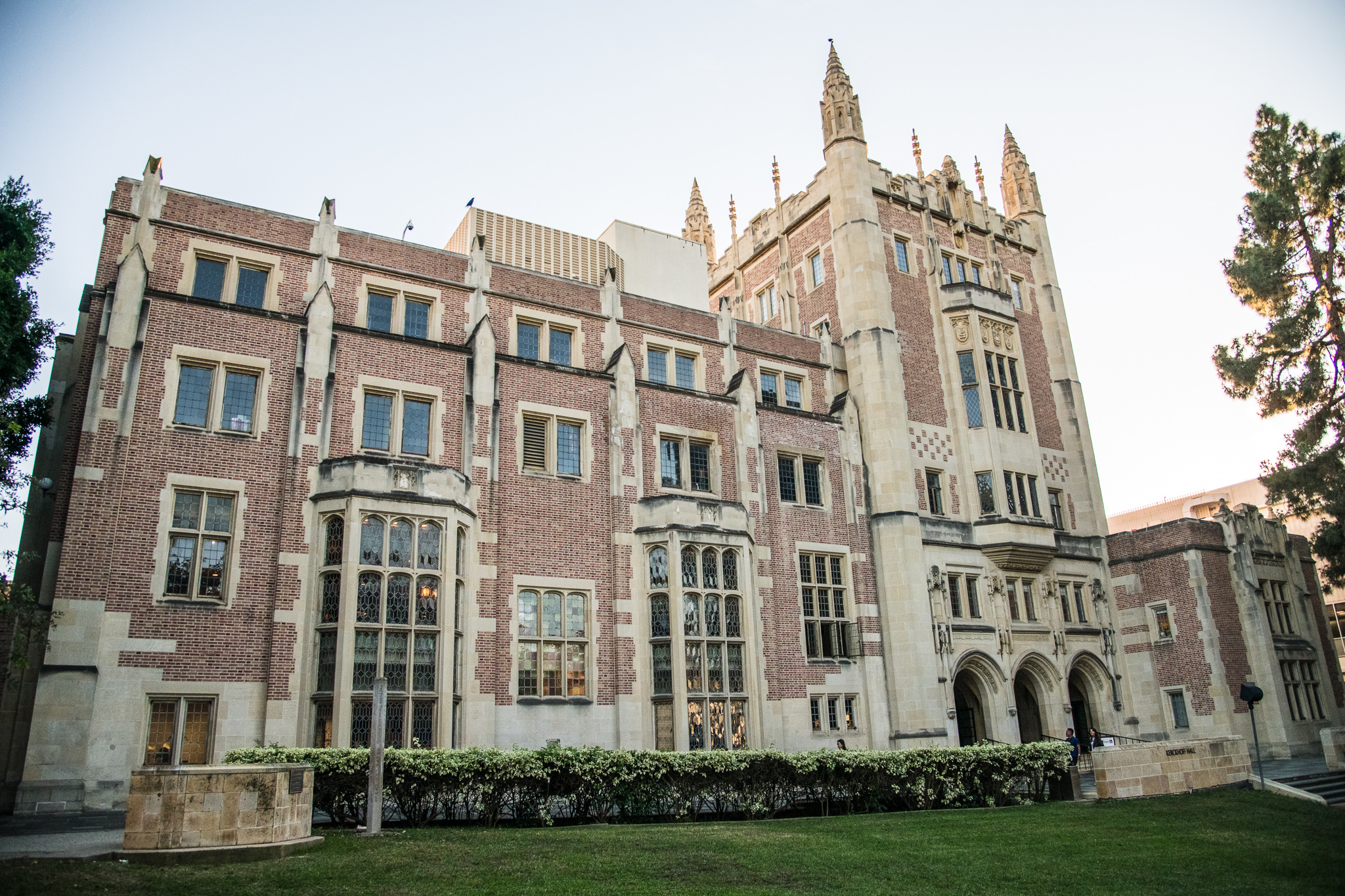
Answer: Kerckhoff Hall
With its Gothic spires, stained-glass windows and castle-like architecture, Kerckhoff Hall looks like something out of a movie. And it has been! The historic former student union has appeared in productions including “Legally Blonde”, “Scream 2” and “Oppenheimer”. Today, it’s a favorite gathering place for students, for its coffeehouse, study spaces and student organization offices.
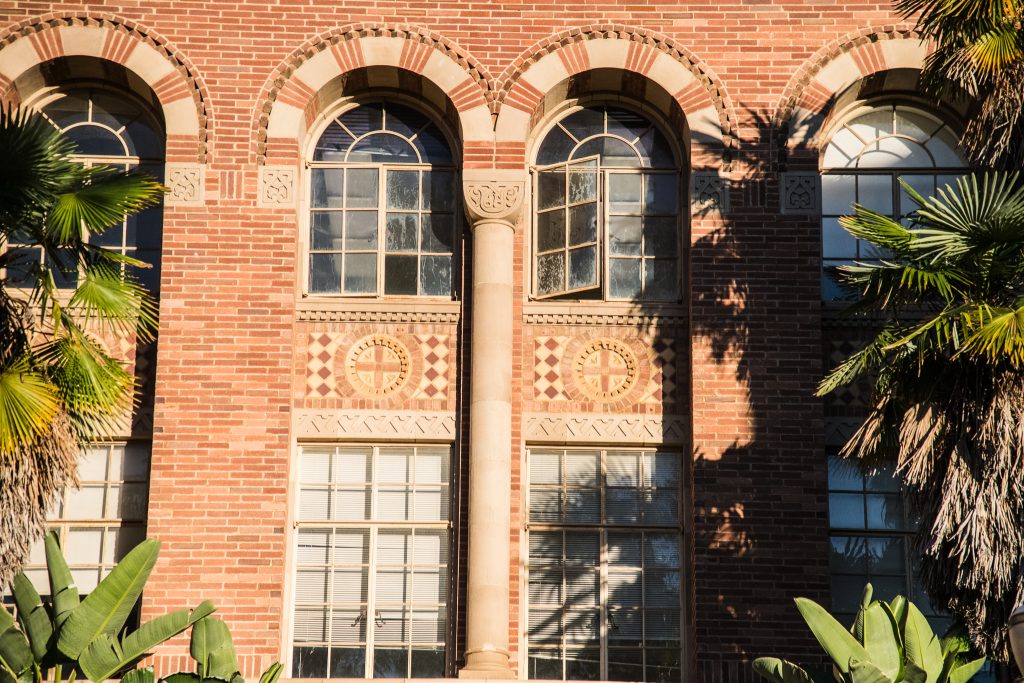
constructed in 1930s
answer
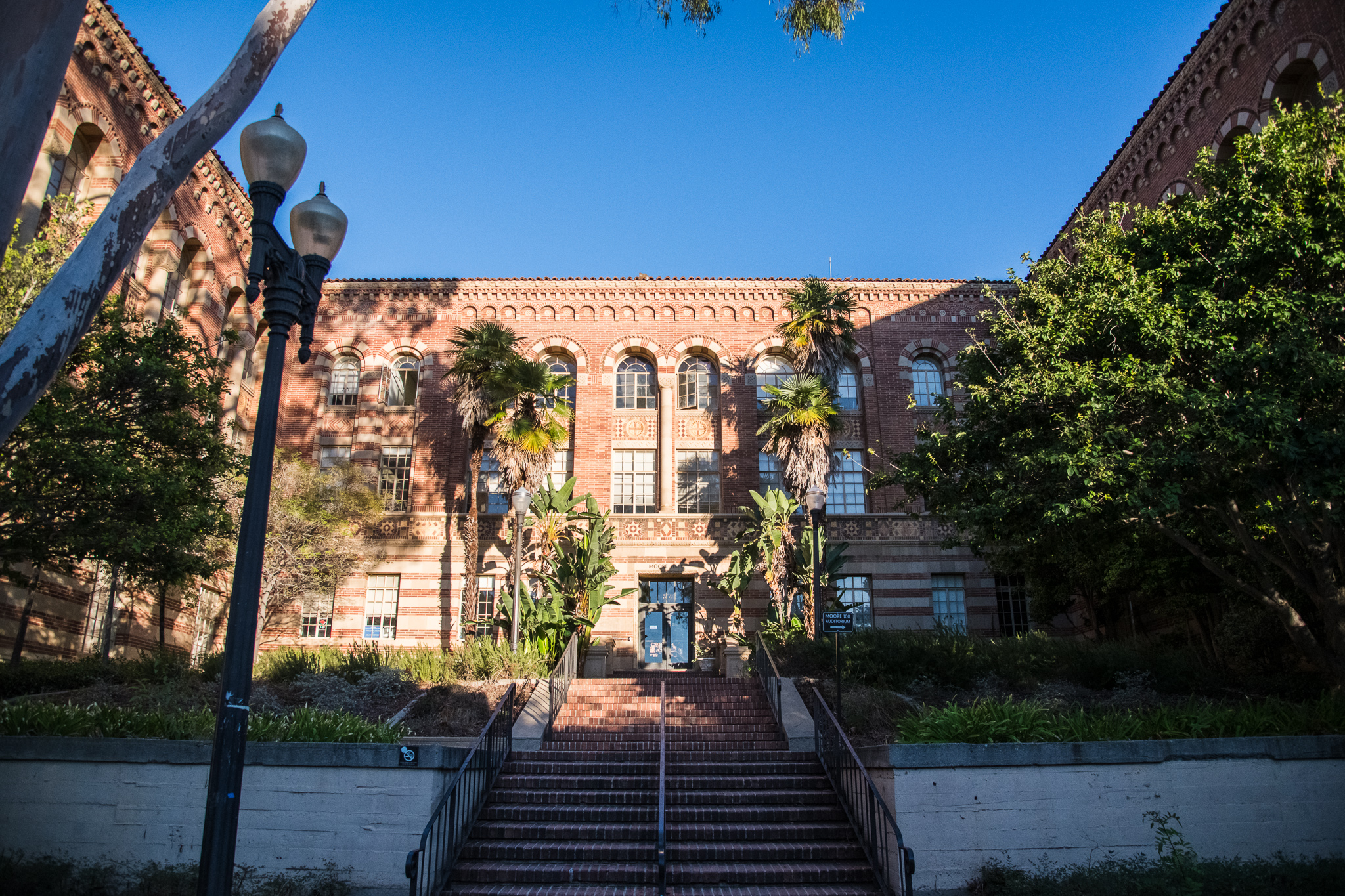
Answer: Moore Hall
Named for Ernest Carroll Moore, one of the key figures in UCLA’s founding, Moore Hall began as the Education Building. Moore helped guide the University through its early years and its transformation into a major public research institution. The building continues to reflect UCLA’s longstanding commitment to teaching and learning.
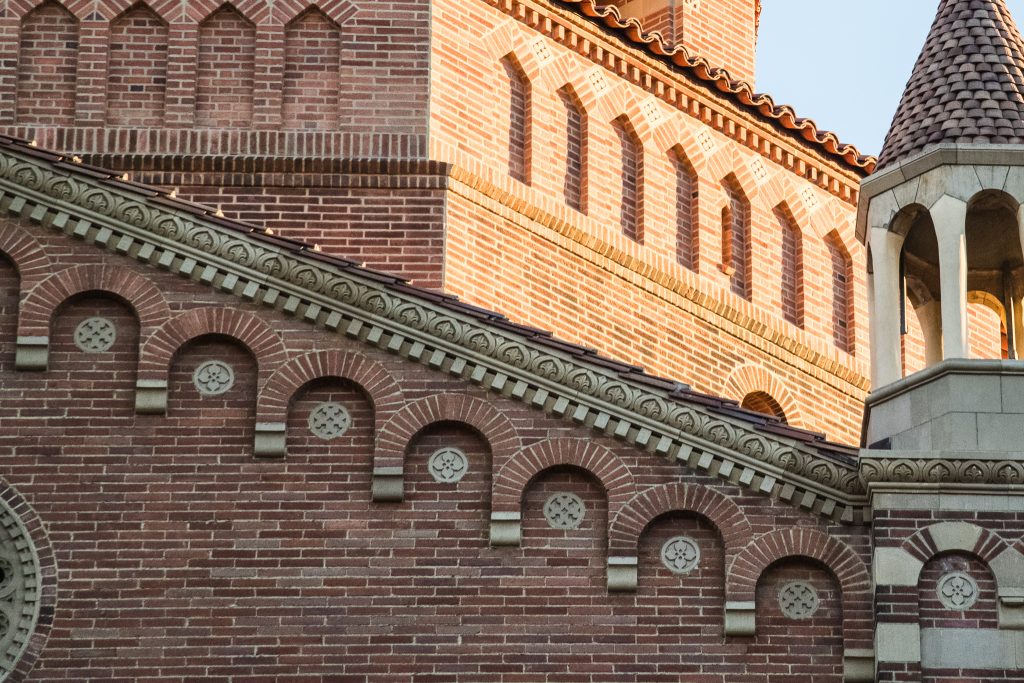
first opened in 1929
answer
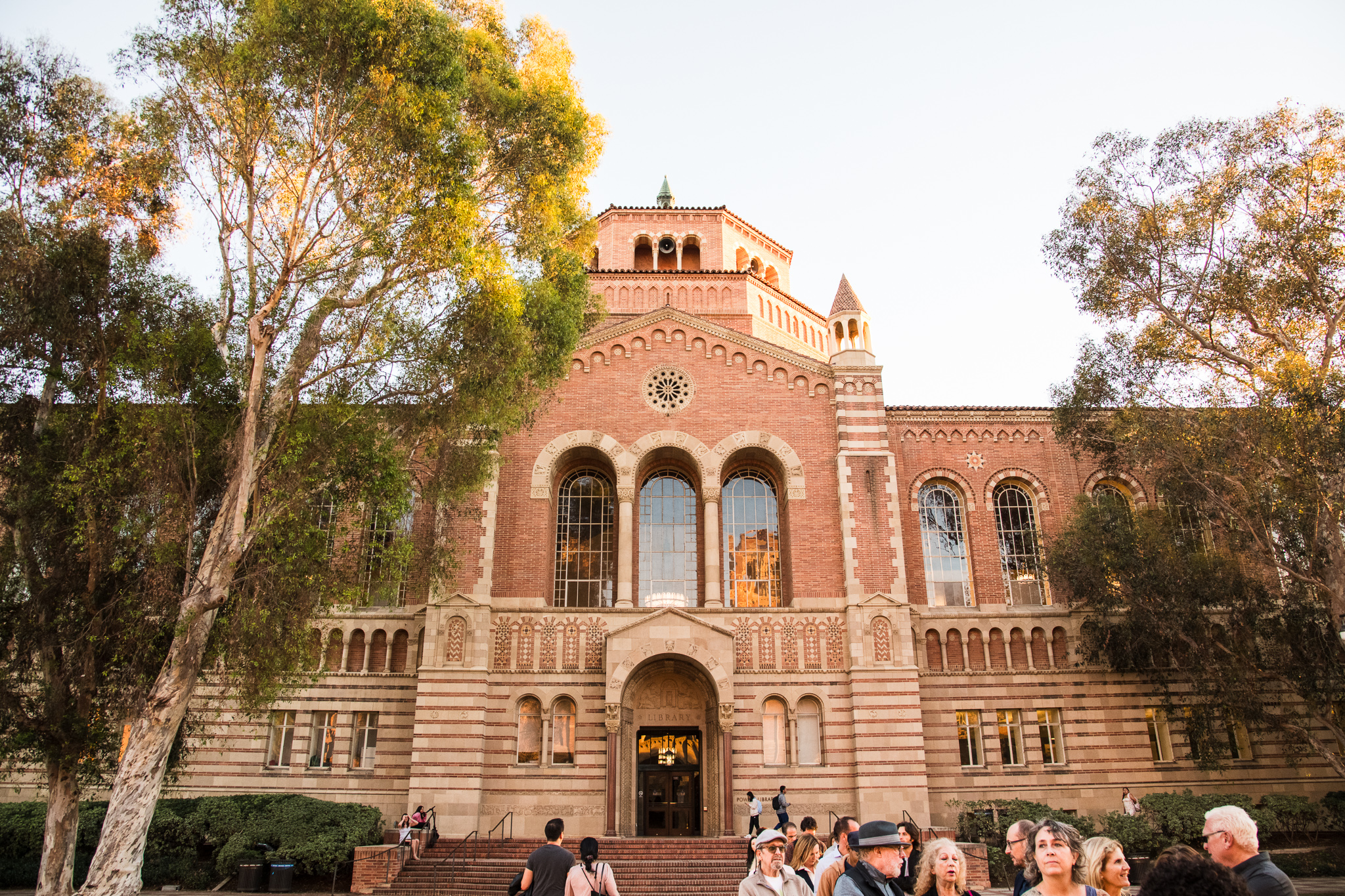
Answer: Powell Library
One of UCLA’s original four buildings, Powell Library has inspired generations of Bruins. But did you know science fiction author Ray Bradbury wrote an early version of “Fahrenheit 451” in the library’s basement? He rented a typewriter for 10 cents per half-hour, spending just $9.80 to complete the novella that would become his work of art.
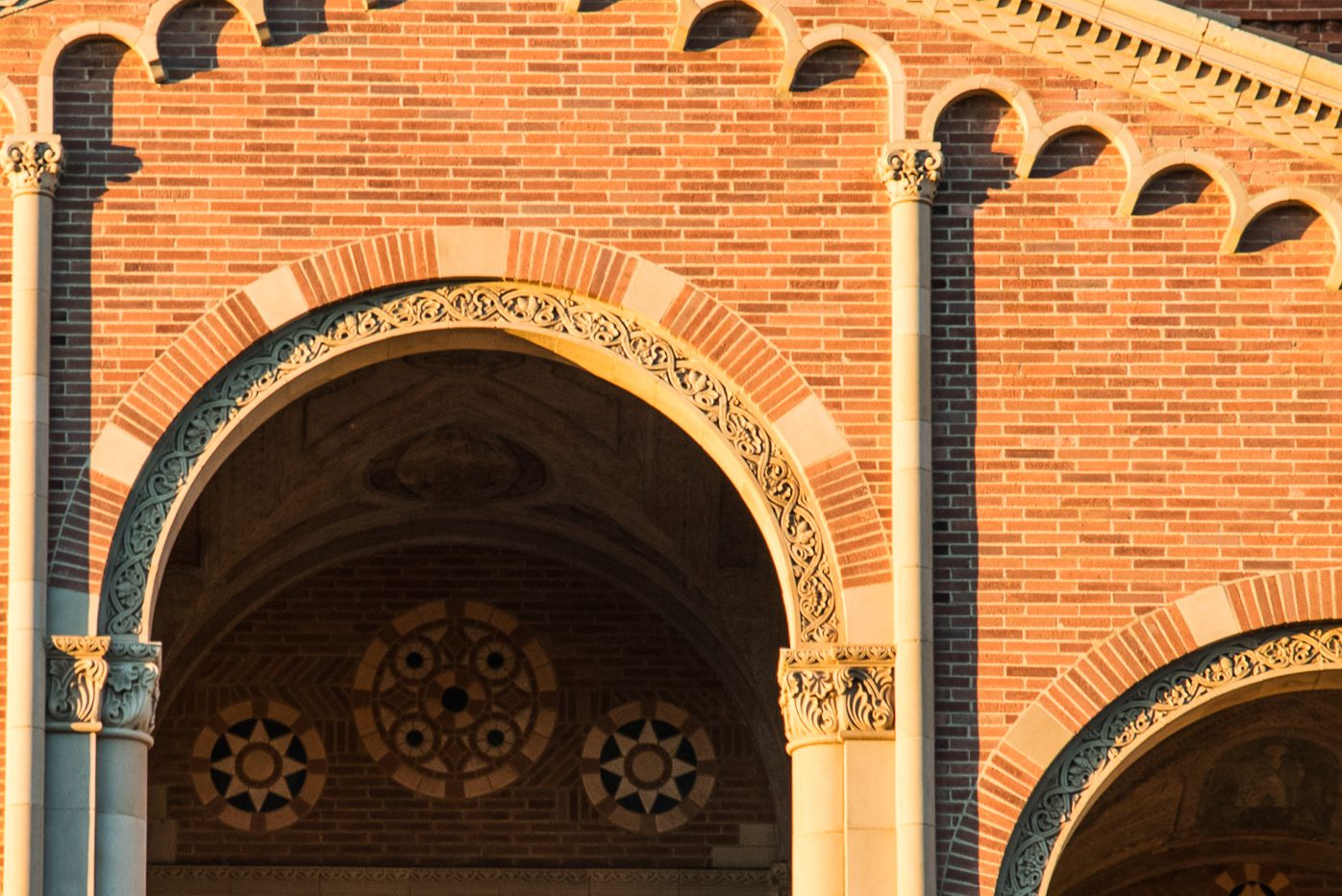
first opened in 1929
answer
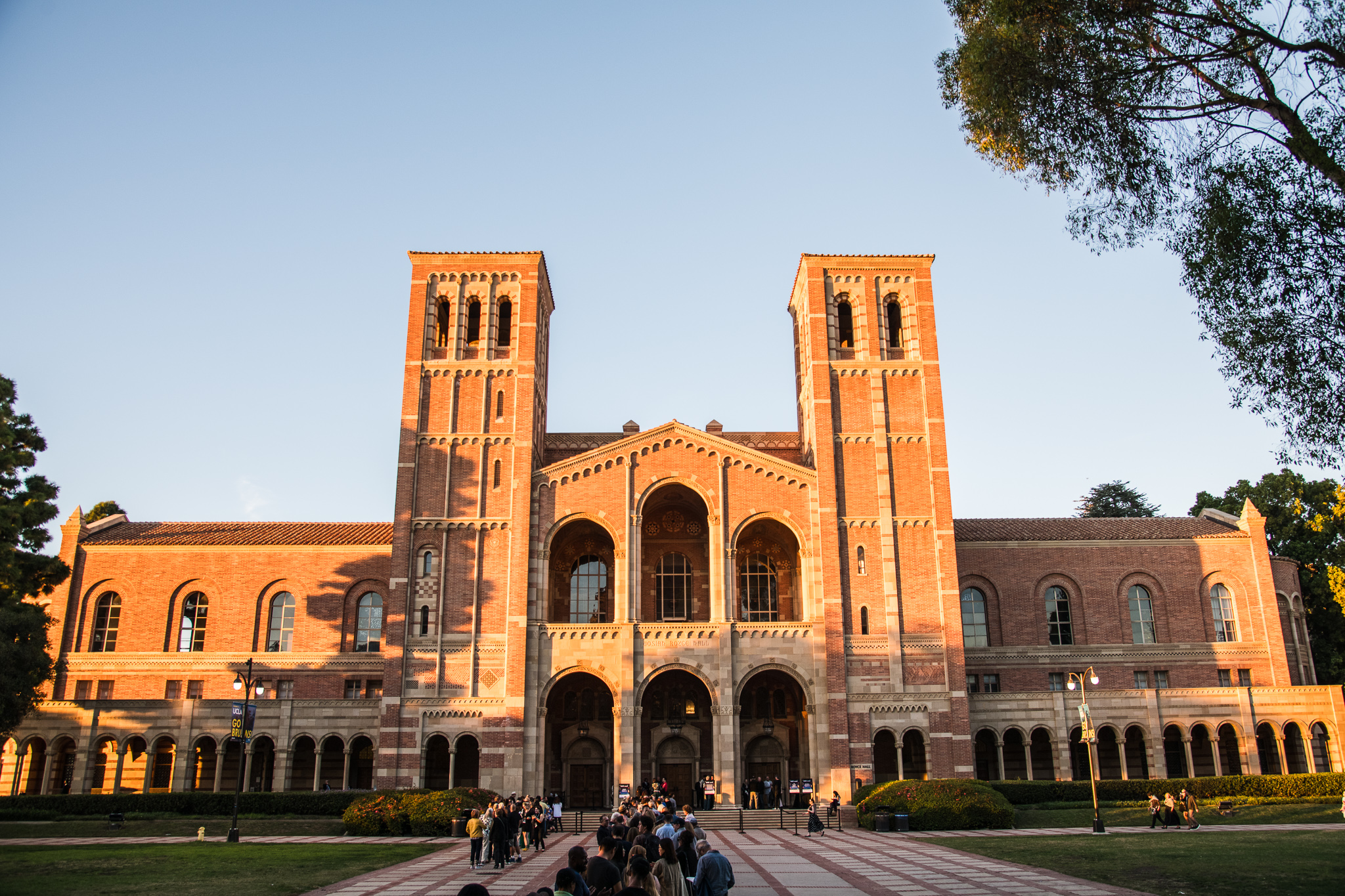
Answer: Royce Hall
With its iconic twin towers and Italian Romanesque architecture, Royce Hall is UCLA’s most recognizable landmark. Named after philosopher Josiah Royce, the building has welcomed extraordinary figures throughout its history, including Albert Einstein, Ella Fitzgerald and Leonard Bernstein. Today, its celebrated concert hall remains a centerpiece of UCLA’s cultural life.
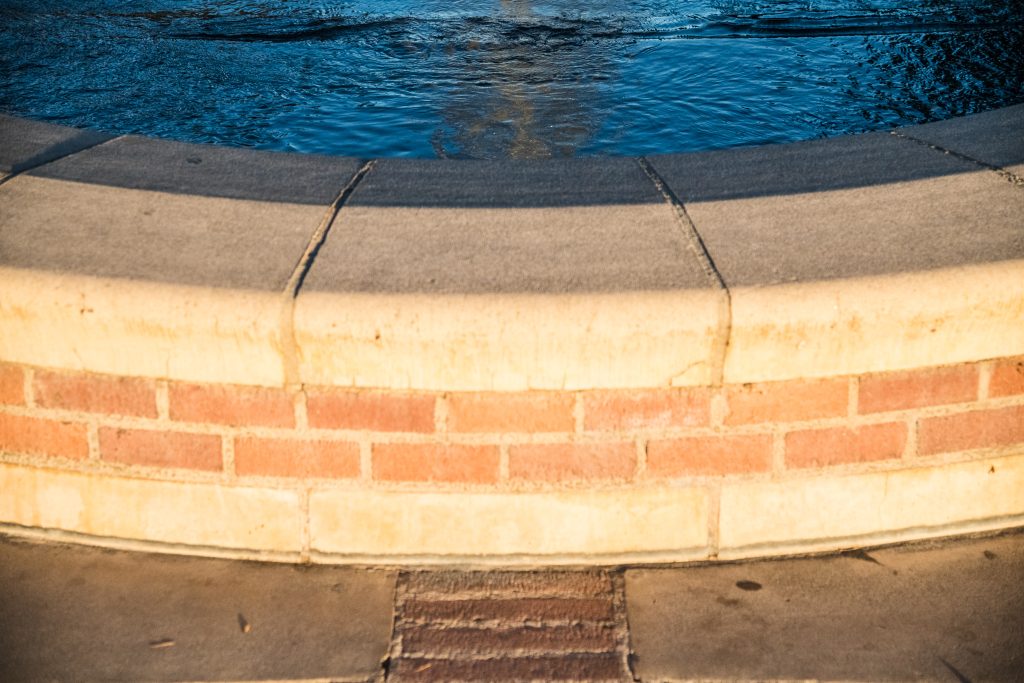
gifted by the class of 1989
answer
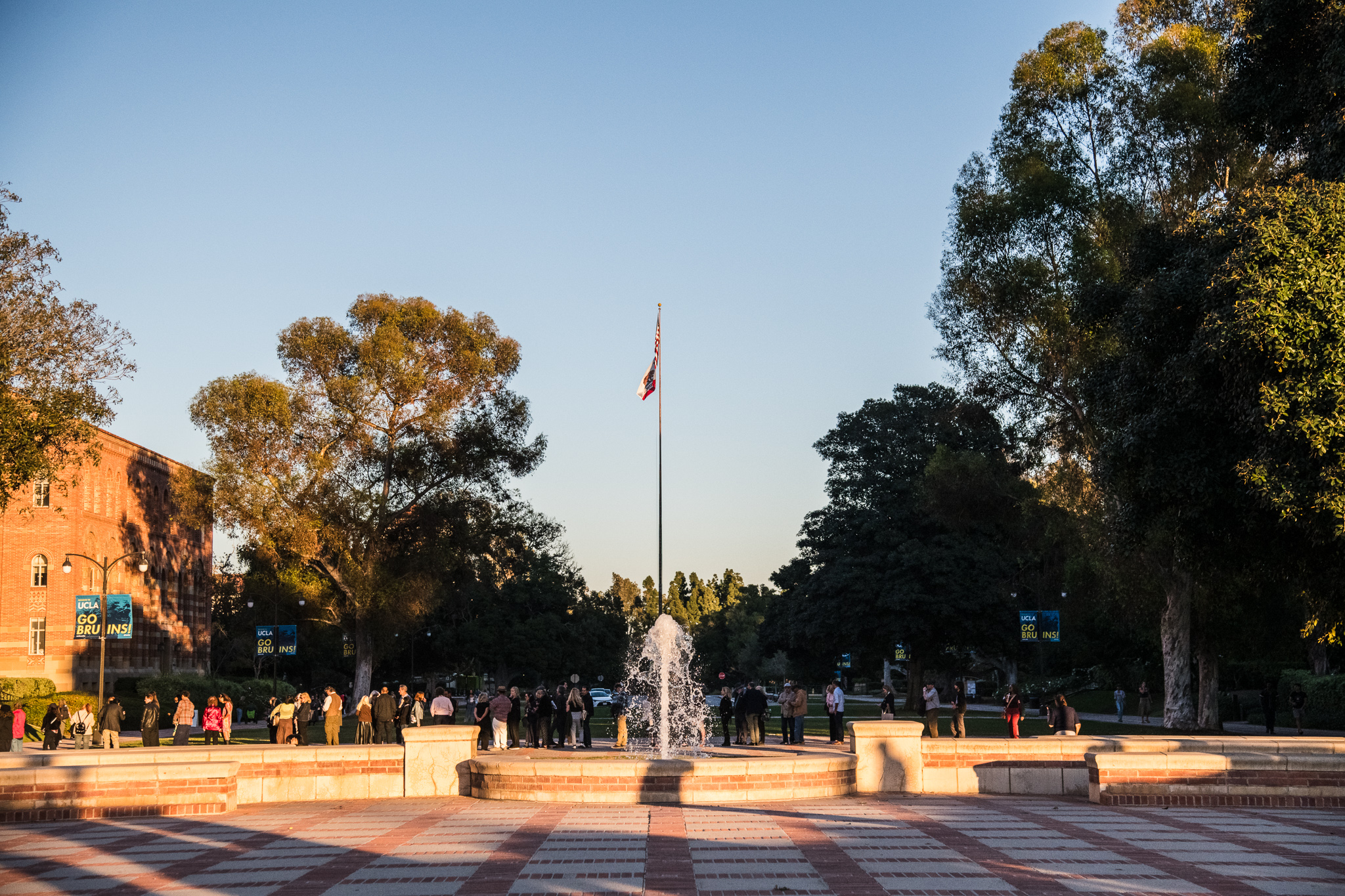
Answer: Shirley and Ralph Shapiro Fountain
Originally called “The Graduate,” this picturesque fountain was a gift from UCLA’s Class of 1989. Designed to complement the historic buildings of Royce Quad, it was constructed using bricks from the same quarry that supplied UCLA’s original four buildings. It’s a fitting connection between generations of Bruins and the campus they share.
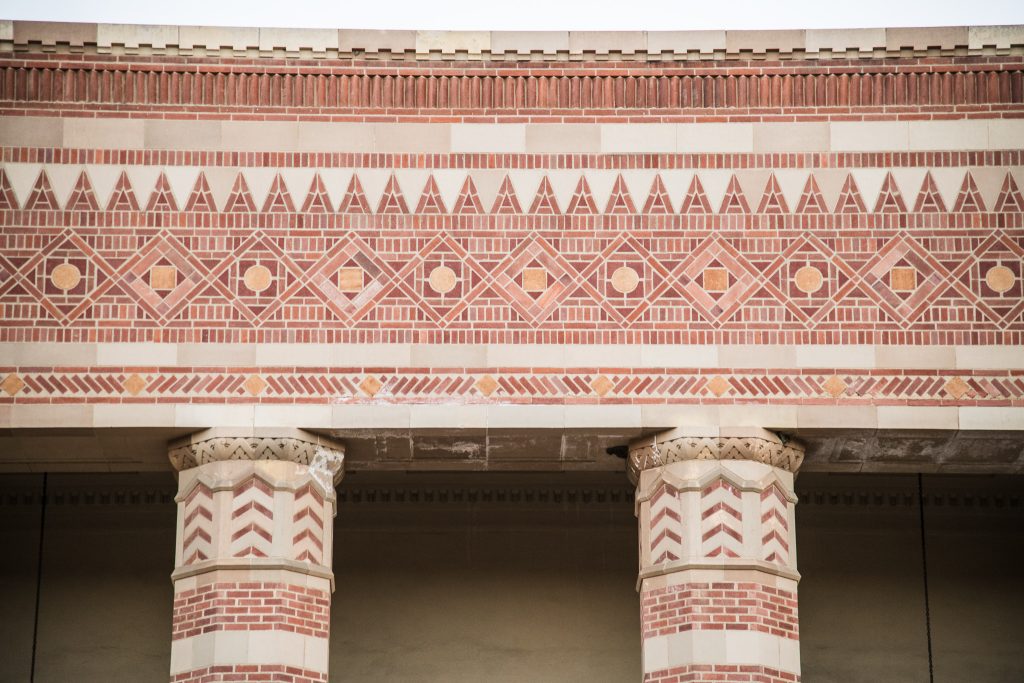
originally a gym
answer
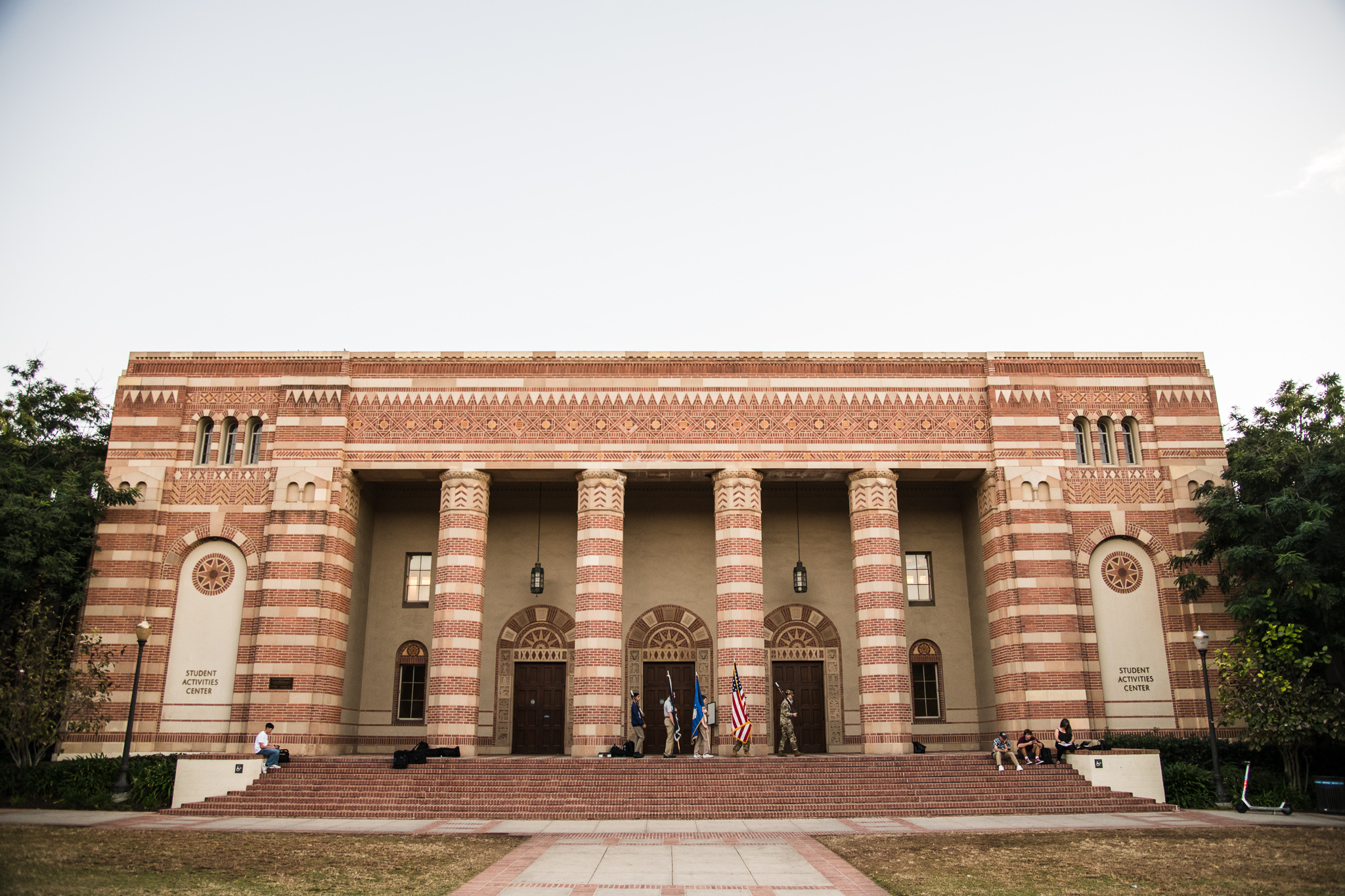
Answer: Student Activities Center
Before becoming a hub for student life, the Student Activities Center was UCLA’s original Men’s Gym. Look closely at the building’s north entrance and you’ll discover carved images of athletes playing football, baseball and other sports. These decorative details offer a glimpse into the building’s athletic past, even as its purpose has changed over time.
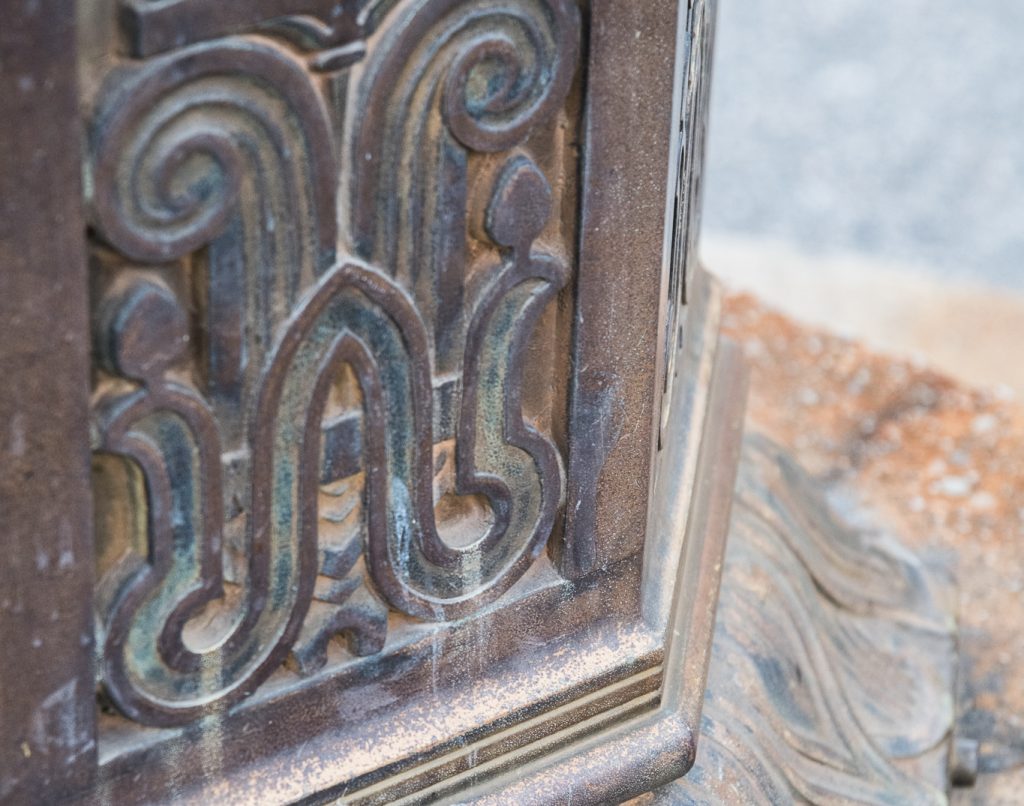
donated 1929
answer
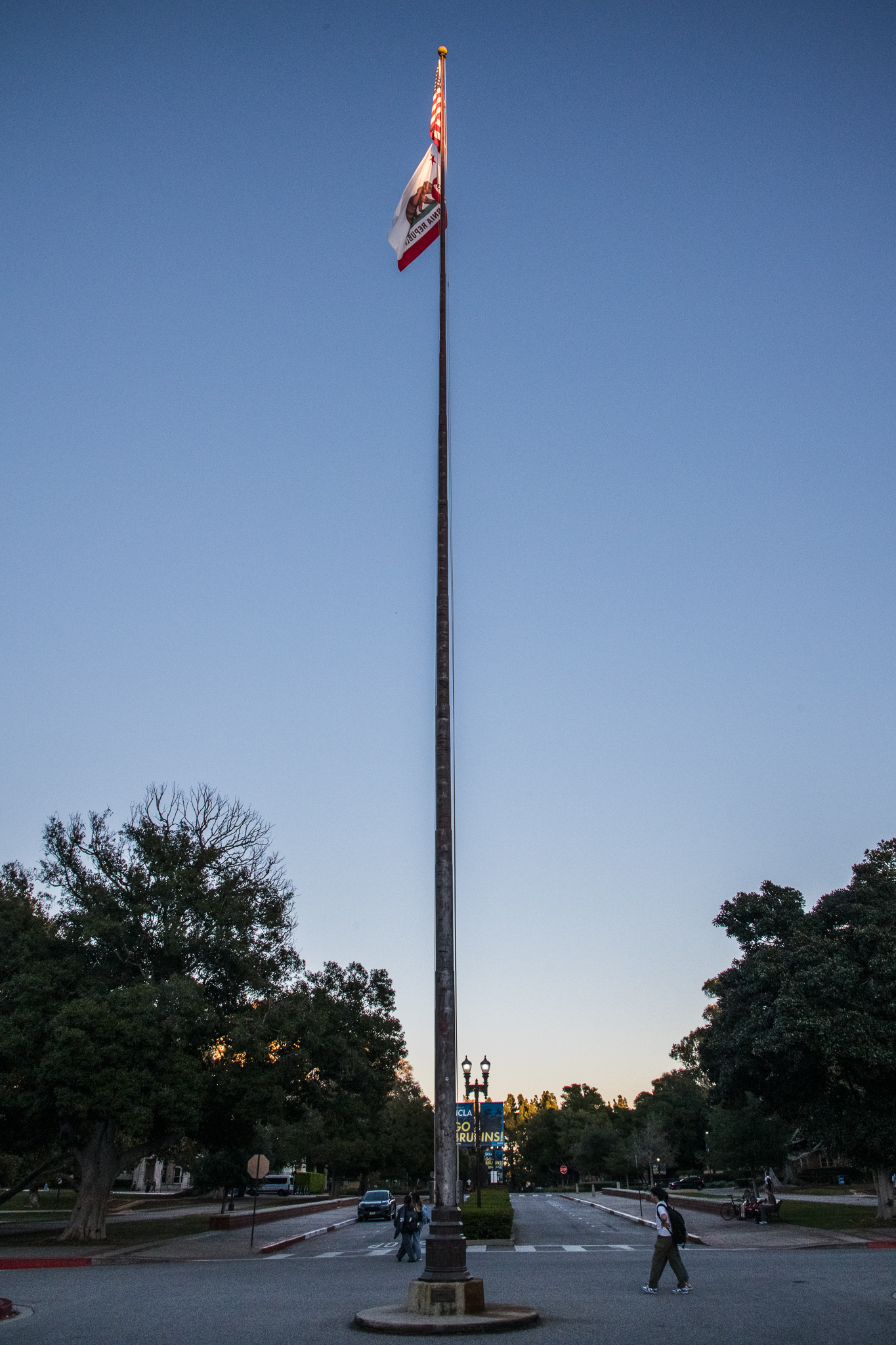
Answer: Gimbel Flagpole
Standing near Dickson Court, UCLA’s historic flagpole holds a surprising secret. Originally donated by philanthropist Jacob Gimbel in 1929, it was later replaced after developing cracks and decay over a decade, it was replaced in 1937 with the current 100-foot-tall steel flagpole. Its base features a small brass plaque depicting an electrical fish discovered during a South American expedition he helped finance. It’s an unexpected piece of campus history hiding in plain sight.
books by bruins
View All
Books by Bruins
Books by Bruins: Love Stories
Books by Bruins: Love Stories February is a month for love stories, whether it’s a romance novel, personal tale of love and loss, or a book about self-care. Bruin authors…

Books by Bruins, Connect Newsletter
Books by Bruins: Research

Books by Bruins