
BRUINS IN THE PROS: CHEER AND DANCE EDITION 2
UCLA has enjoyed a long history of producing professional athletes in a variety of sports. In this sequel to Bruins in the Pros: Cheer and Dance Edition, we’re featuring 12 recent graduates who are currently performing for professional cheerleading and dance teams in both the NFL and NBA.
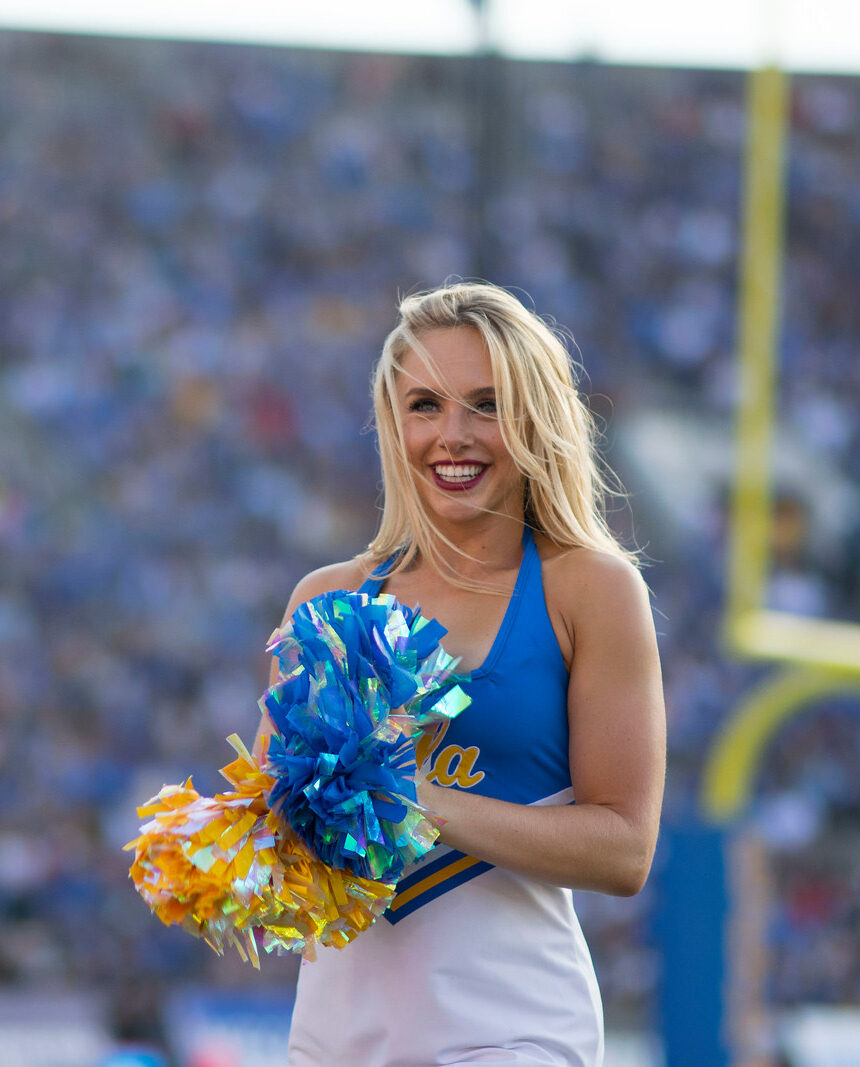
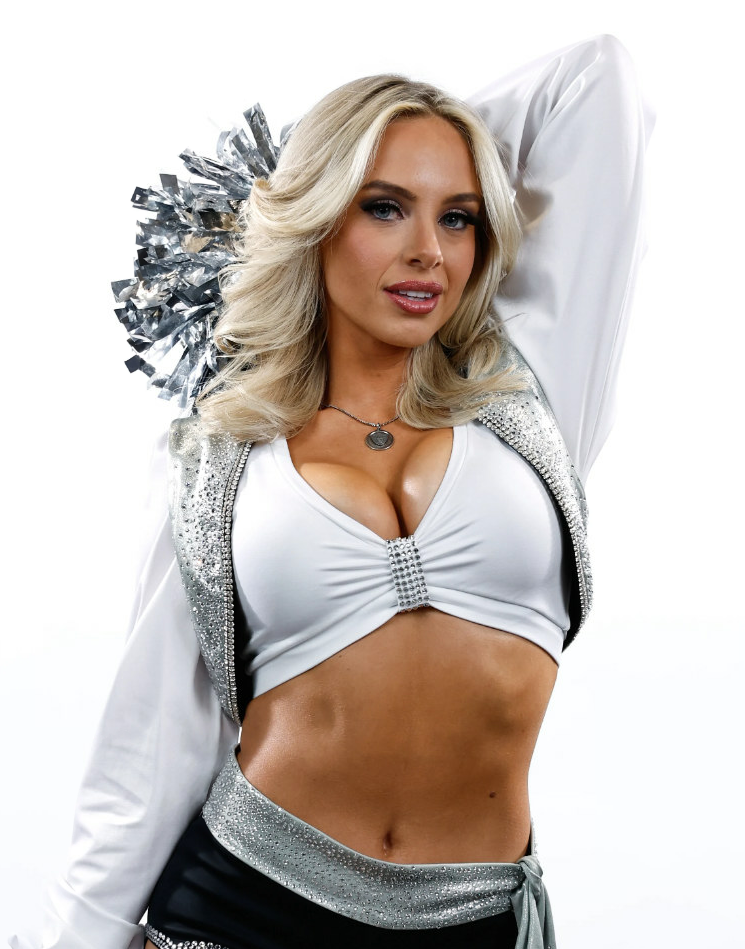
Claudia Borton ʼ21
UCLA Degree: Dance major, Spanish minor
Professional Teams: Third season with Las Vegas Raiderettes (2022 – Present), Los Angeles Charger Girls (2019-20)
UCLA Activities: Icarus Dance Company (2017), UCLA Dance Team (2018-19), Junior Spirit Squad Coordinator (2018-19), Student Representative at JWAC (2018-21), WACSmash 2020, Spring Sing 2021 (Outspoken), UCLA Snow Team (2020-21), Chi Omega Sorority (2017-21) (Recruitment Chair 2021)
Favorite UCLA Memory:
“During spring quarter of my senior year, we held many Ski Team traditions, some of which honored and recognized the seniors on the team. We spent almost every weekend at Mammoth Mountain, laughing, sharing stories and, most importantly, shredding. My younger sister Sarah, who originally recruited me for the team, is now the president of the Ski Team for her senior year.”
How has UCLA helped you in pursuing your goals?
“UCLA gave me the tools to think critically about how I approach my goals rather than being narrow-minded on how to achieve a certain outcome. The people I met over my four years taught me that the process of growth is much more rewarding than reaching a desired outcome. UCLA continues to help me as I have relationships with my professors and peers that will last a lifetime.”
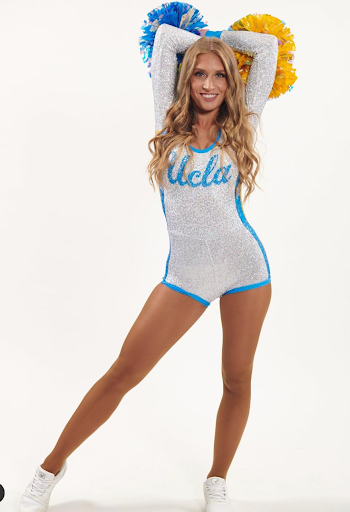
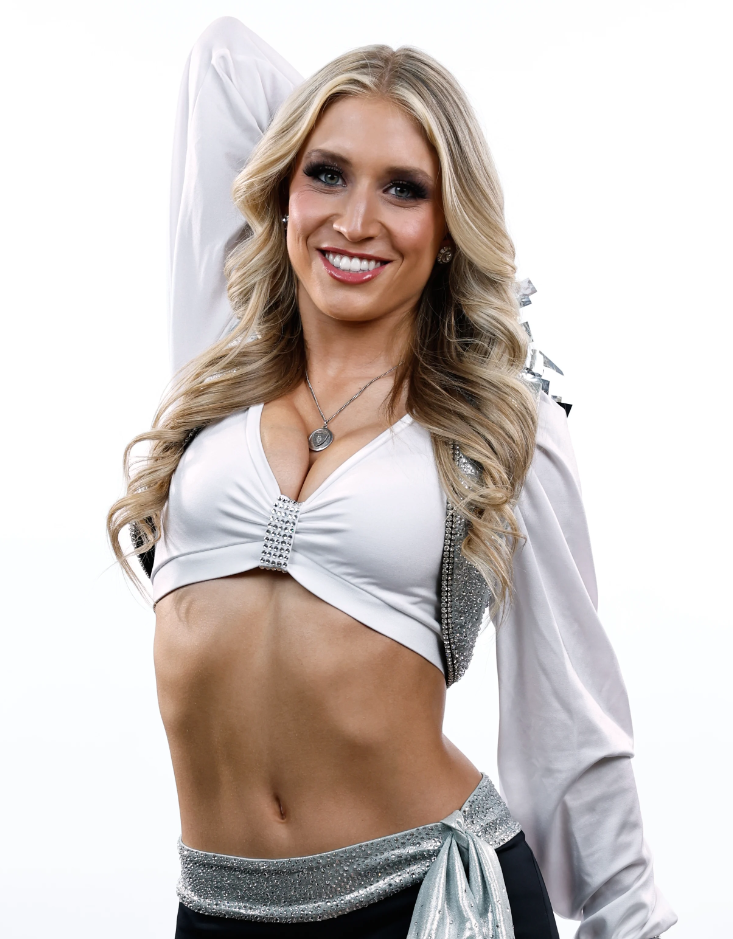
Ashley Holtz ʼ23
UCLA Degrees: Biochemistry, Biomedical Research minor
Professional Team: Second season with Las Vegas Raiderettes (2023 – Present)
UCLA Activities: UCLA Dance Team, Icarus Contemporary Dance Team, Undergraduate researcher in Dr. Steven Clarke’s lab, Rivkin EDU, Regenerative Medicine Associated Program, Expressive Movement Initiative, Pi Beta Phi sorority
Favorite UCLA Memory:
“One of my favorite memories was the UCLA vs. LSU football game in 2021. It was so exciting to perform to a stadium full of fans at the Rose Bowl during my first season! I also will always remember graduation weekend. I enjoyed celebrating with my friends and family before moving to Las Vegas!”
How has UCLA helped you in pursuing your goals?
“UCLA allowed me the opportunity to engage in pre-med activities while continuing to dance. In one of my first UCLA classes, I remember thinking I would never be able to read scientific literature. I have come a long way since, and I owe it to my PI and professors at UCLA. Additionally, my UCLA Spirit Squad coaches and teammates prepared me very well to cheer at the professional level. I cannot express enough gratitude for the inspiring peers and mentors I met at UCLA. Go Bruins!”
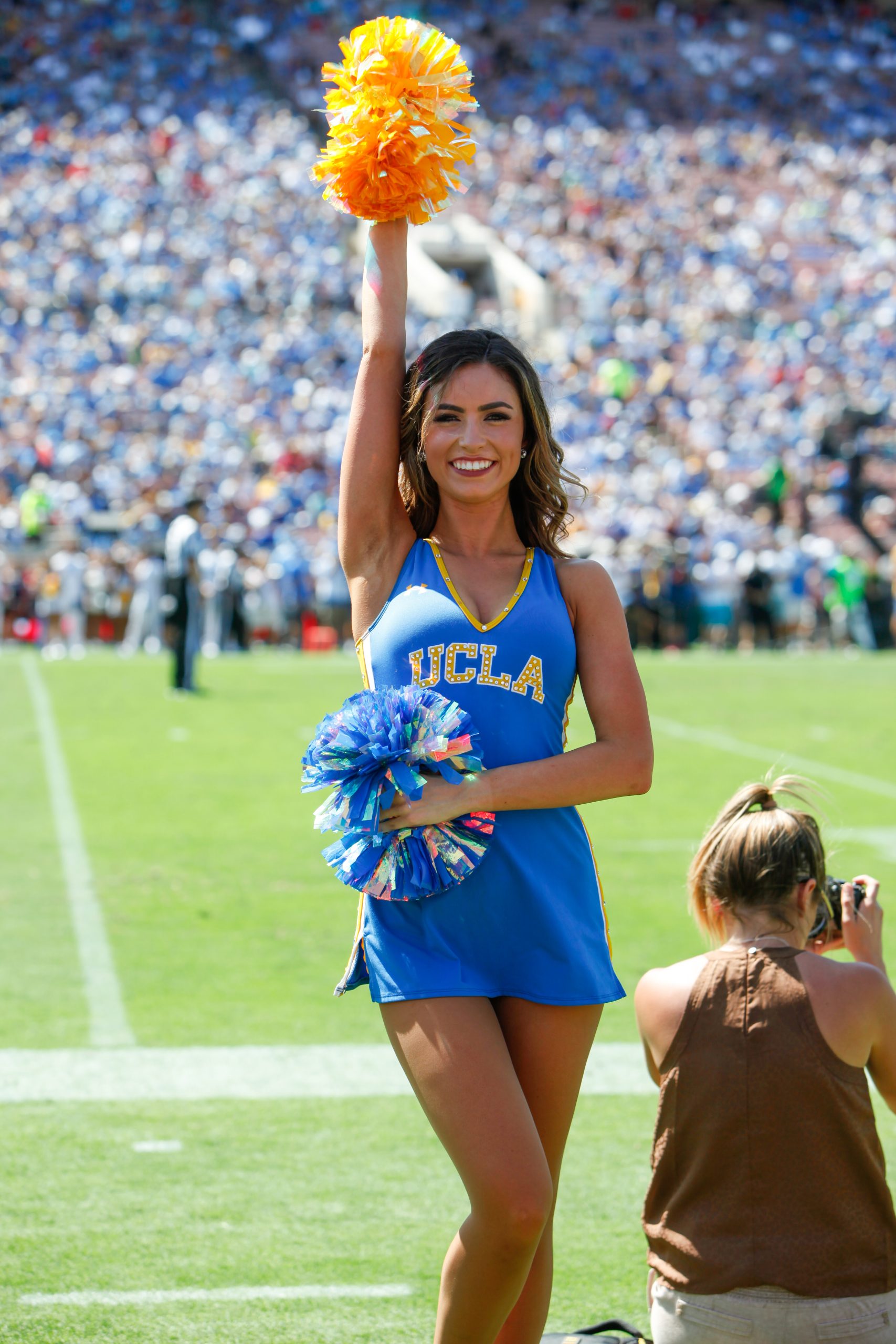
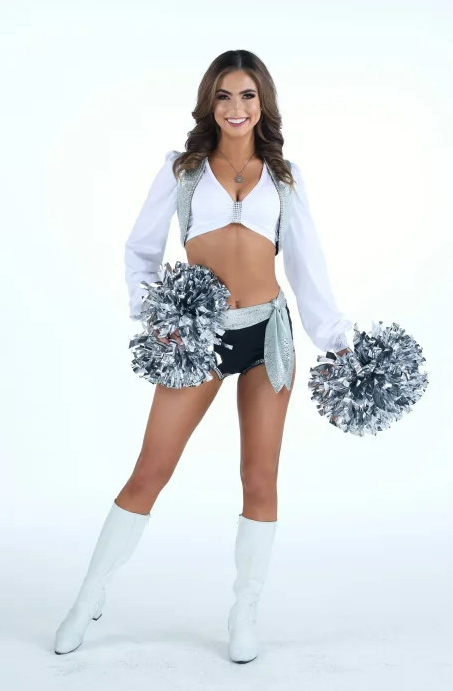
Maddie Mapes ʼ20
UCLA Degree: Dance major, Food Studies minor
Professional Team: Fifth season with Las Vegas Raiderettes (2020 – Present)
UCLA Activities: UCLA Dance Team
Favorite UCLA Memory:
“Taking the field for the first time at the Rose Bowl while on the UCLA Dance Team. I always dreamed about cheering for the Bruins and it was such an honor to represent UCLA.”
How has UCLA helped you in pursuing your goals?
“Being on the UCLA Dance Team challenged me to become a stronger dancer and overall shaped me into the person and athlete that I am today. I am grateful for my coaches who helped me pursue my goal of dancing and cheering at the professional level. I am so proud to be a Bruin and will always cherish my memories from UCLA. Go Bruins!”
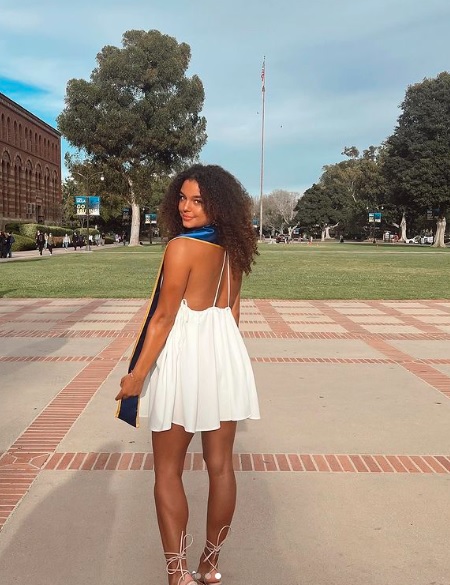
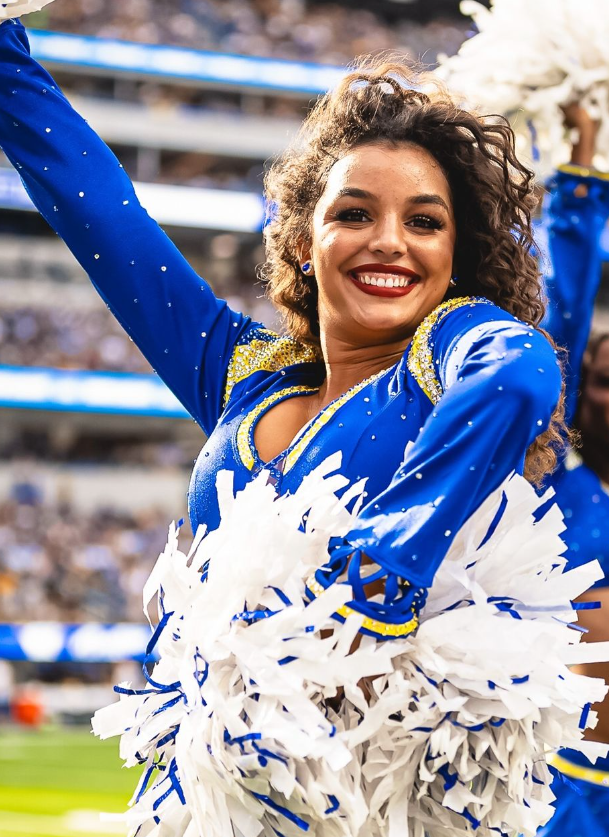
Mia Robertson ʼ22
UCLA Degree: Dance major, Film, TV, and Digital Media minor
Professional Team: Third season with Los Angeles Rams Cheerleaders (2022 – Present)
UCLA Activities: Kappa Kappa Gamma
Favorite UCLA Memory:
“Finally being able to take classes in person because I transferred here during the pandemic.”
How has UCLA helped you in pursuing your goals?
“UCLA helped me achieve my goals because the dance major introduced me to a great community of people with similar goals and aspirations.”
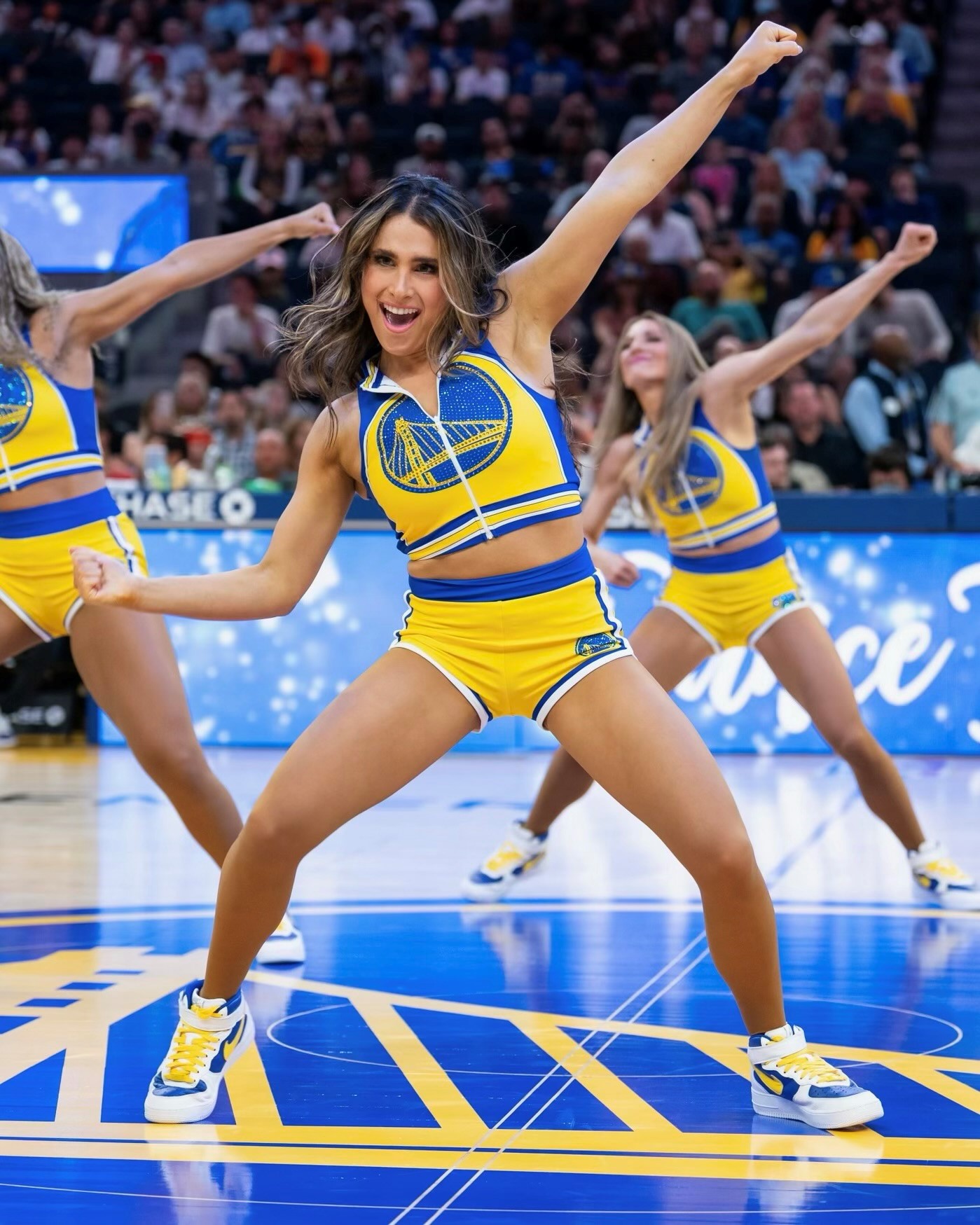
Leah Roga ʼ23
UCLA Degrees: Communications and Film, TV, and Digital Media minor
Professional Teams: Golden State Warriors Dance Team (2023-24)
UCLA Activities: UCLA Dance Team Captain, UCLA Athletics Marketing Intern and Expressive Movement Initiative Teaching Dance to Children With Special Needs
Favorite UCLA Memory:
“Performing with Gwen Stefani and the L.A. Philharmonic at the Hollywood Bowl! Dancing to ‘Hollaback Girl’ in front of thousands of people is an experience I will never forget.”
How has UCLA helped you in pursuing your goals?
“UCLA provided a strong foundation in my field and connected me with valuable opportunities for both my professional and dance careers. I am so grateful to be able to work full time as a marketing compliance specialist while also pursuing my lifelong dream of being a professional cheerleader!”
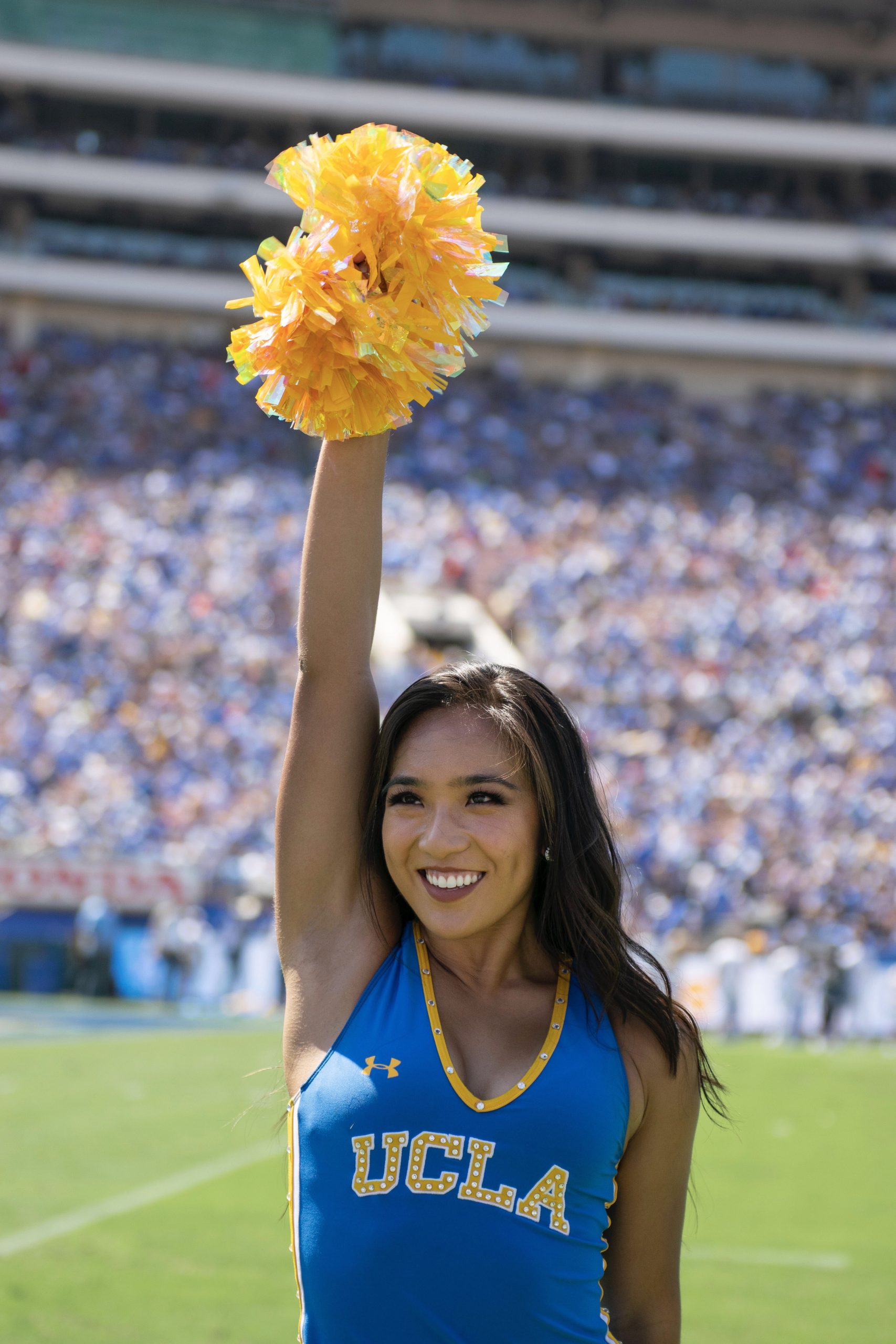
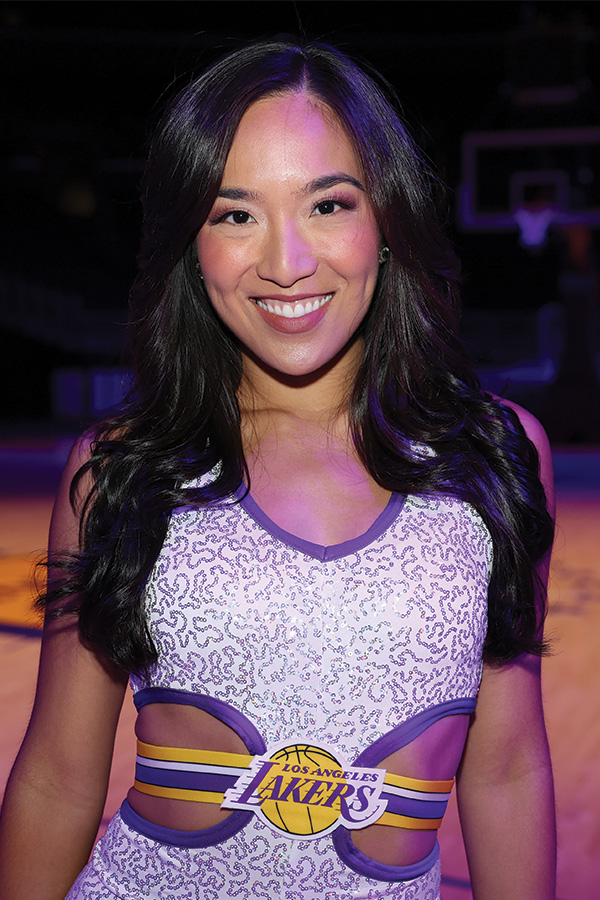
Abby Roque ʼ21
UCLA Degree: Nursing
Professional Team: Second season with Los Angeles Laker Girls (2022 – Present)
UCLA Activities: UCLA Dance Team
Favorite UCLA Memory:
“The UCLA vs. SDSU game in 2019 was the very first football game [at which] I danced with the Spirit Squad. The Bruin pride that fuels the energy at the Rose Bowl Stadium is unmatched! There is nothing like a first-game experience on the field and court.”
How has UCLA helped you in pursuing your goals?
“As the first nursing student on the UCLA Dance Team, I was able to continue chasing my love for dance while studying at one of the most prestigious nursing schools in the country. I have continued pursuing both of my passions, now practicing as an ICU nurse and professional NBA dancer.”
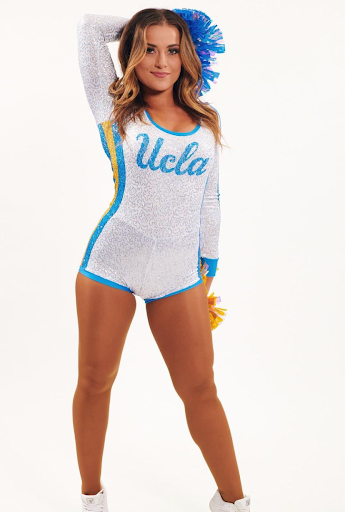
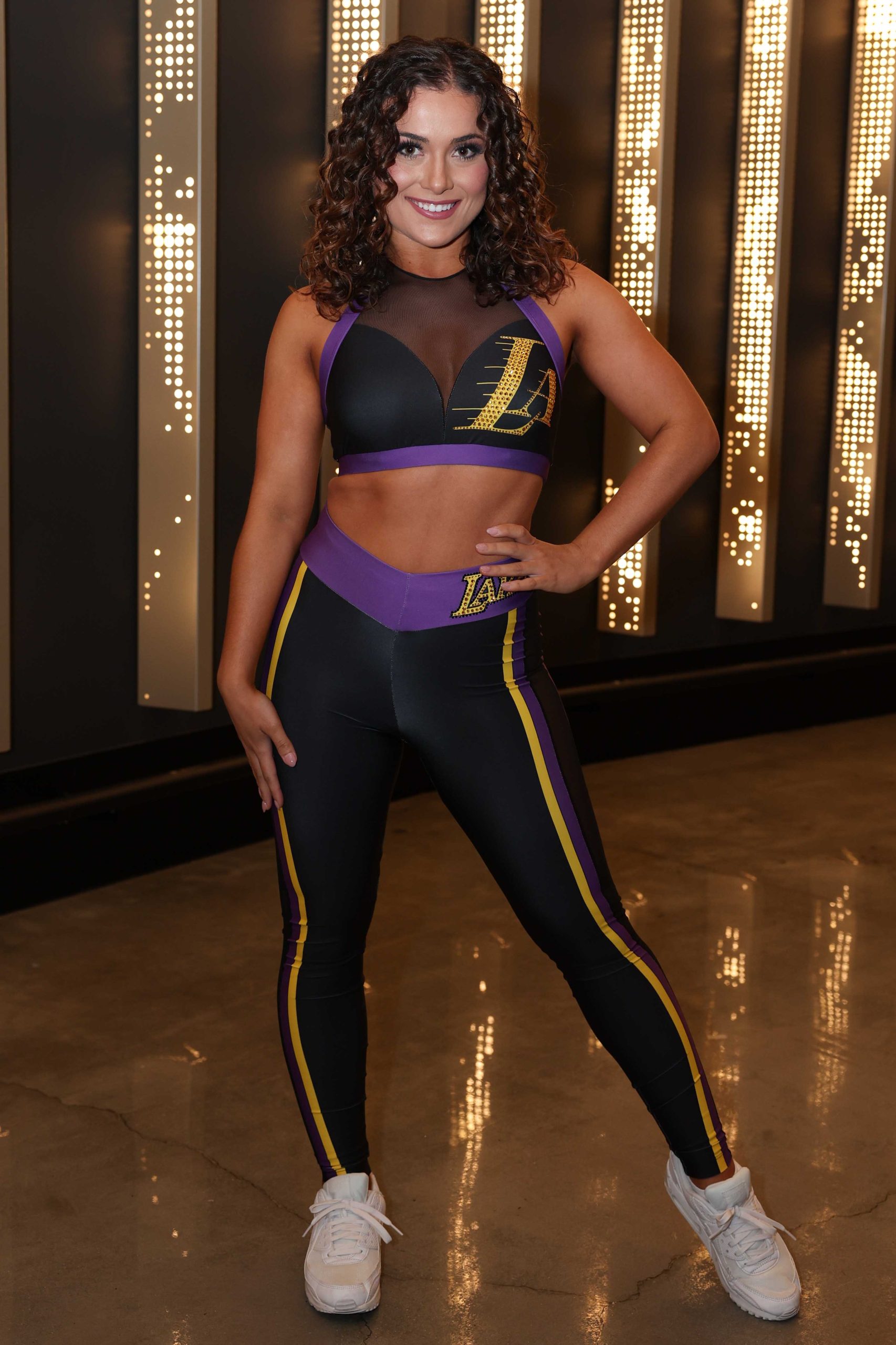
Ani Rosen ʼ23
UCLA Degrees: World Arts & Culture and Dance major and Entrepreneurship minor
Professional Team: First season with Los Angeles Laker Girls (2023-24)
UCLA Activities: UCLA Dance Team (Senior Captain), Member of the Kappa Alpha Theta Sorority
Favorite UCLA Memory:
“It is hard to pick just one memory – but some of my favorite memories include stepping out onto the field at the Rose Bowl for the first time, traveling with the UCLA Basketball team during March Madness, and dancing alongside a group of incredibly talented and inspiring teammates and coaches. It was truly an honor getting to represent UCLA!”
How has UCLA helped you in pursuing your goals?
“I will forever cherish the invaluable lessons that I learned throughout my time as a student at UCLA, and it was my experiences in and out of the classroom that set me up for a successful professional career. My time on the UCLA Dance Team inspired me to chase after my dreams of dancing professionally, and it truly is a dream come true getting to represent the Lakers organization as a Laker Girl!”
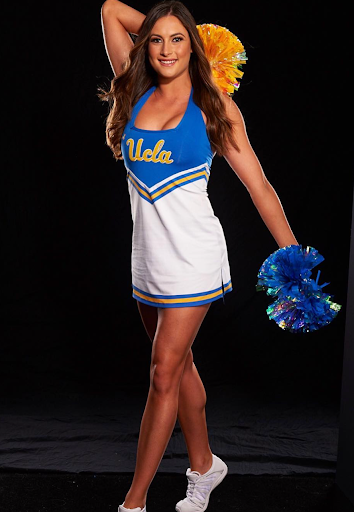
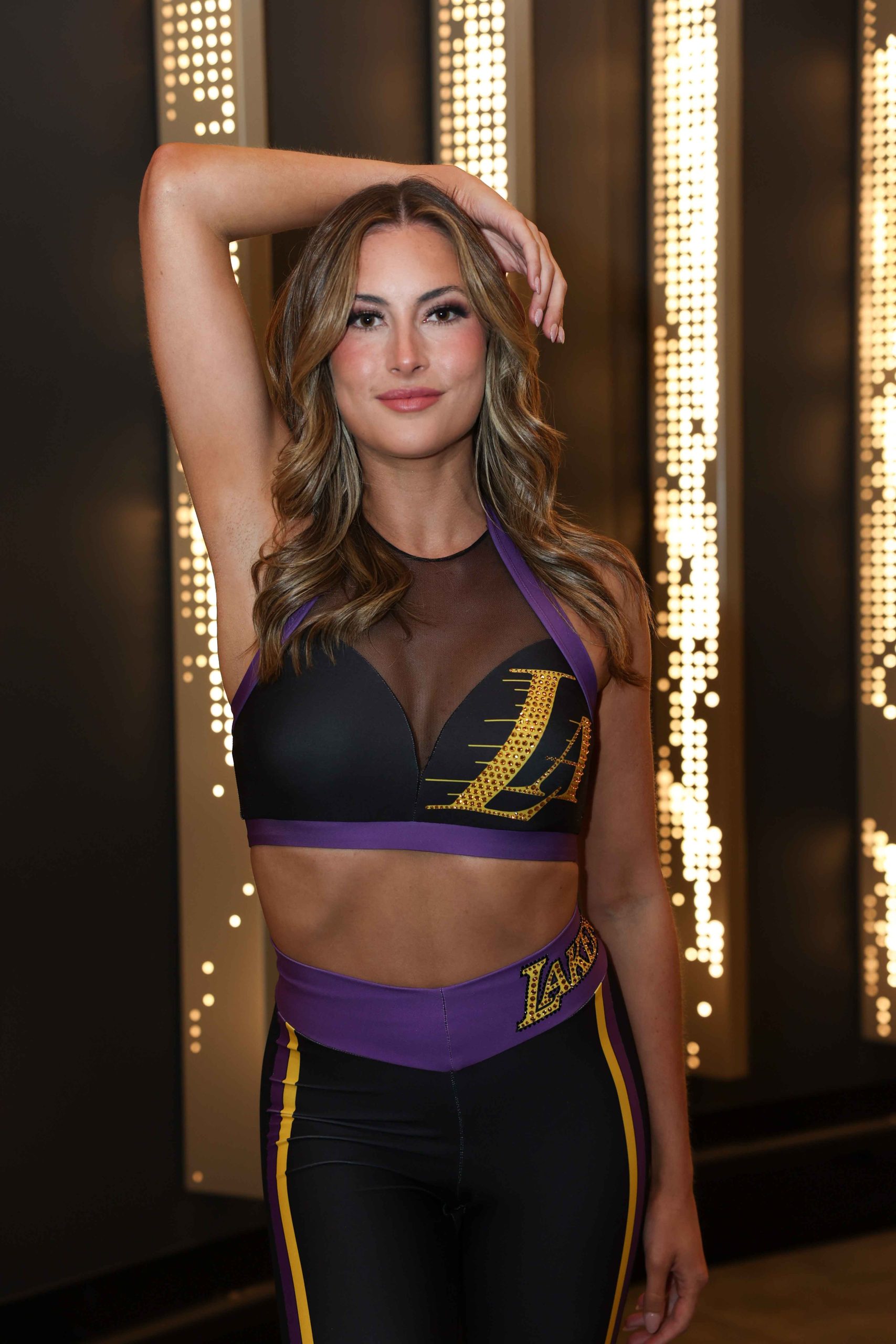
Sydney Rosen ʼ20
UCLA Degrees: Psychology Communications and Film, TV, and Digital Media minor
Professional Team: First season with Los Angeles Laker Girls (2023-24)
UCLA Activities: UCLA Dance Team (Captain Senior Year), Member of the Kappa Alpha Theta Sorority, Beta Xi Chapter
Favorite UCLA Memory:
“My first football game as a Dance Team member stands out. So much hard work and preparation had gone into that moment, and to feel the excitement of the crowd at the Rose Bowl, and dance in front of tens of thousands of fans for the first time, was an experience I will never forget. I also have fond memories of traveling for Pac-12 and NCAA tournaments, and meeting my forever best friends throughout my involvement on campus.”
How has UCLA helped you in pursuing your goals?
“The education I received at UCLA taught me how to be curious, think critically and thoughtfully, and always be dedicated to and passionate about what I am working on, which has served me in all aspects of life. The experience I gained on the UCLA Dance Team allowed me to accomplish my dream of being a Los Angeles Laker Girl, and I am forever grateful for the connections I made and lessons I learned as a Bruin.”
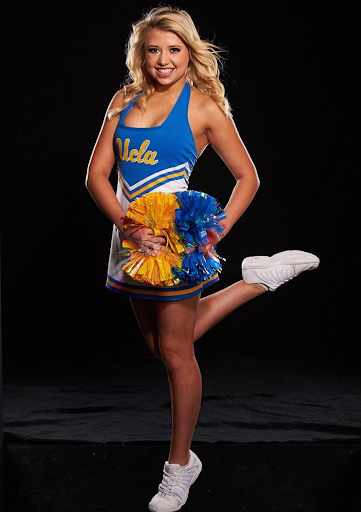
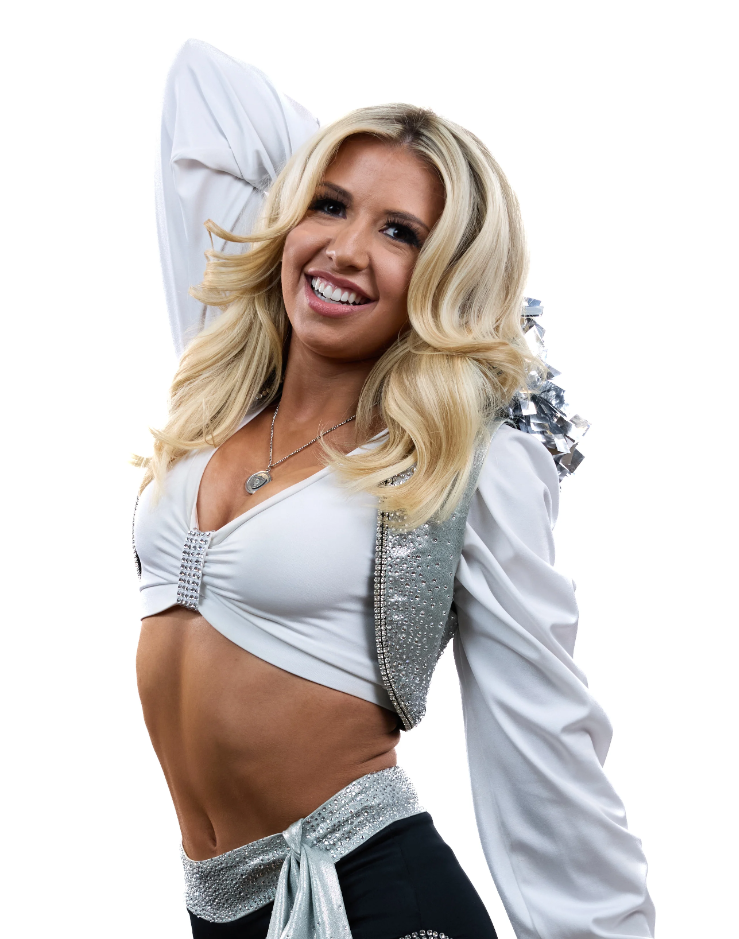
Jordie Schwerdt ʼ20
UCLA Degrees: Psychobiology
Professional Team: Second season with the Las Vegas Raiderettes (2023 – Present), Los Angeles Laker Girls (2021-22)
UCLA Activities: UCLA Dance Team, Kappa Alpha Theta, Alumni Affairs Intern, Bruins Fighting Pediatric Cancer Member, Volunteer at UCLA Mattel Children’s Hospital
Favorite UCLA Memory:
“My favorite UCLA memory is traveling to basketball tournaments with the UCLA Spirit Squad!”
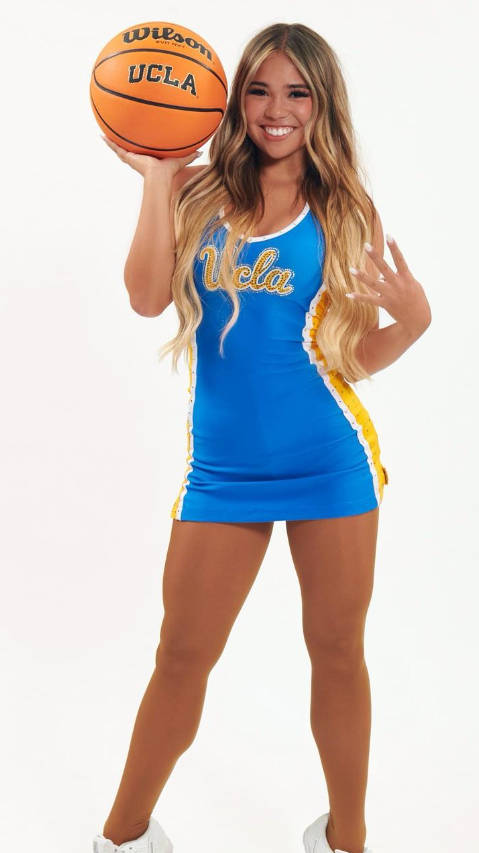
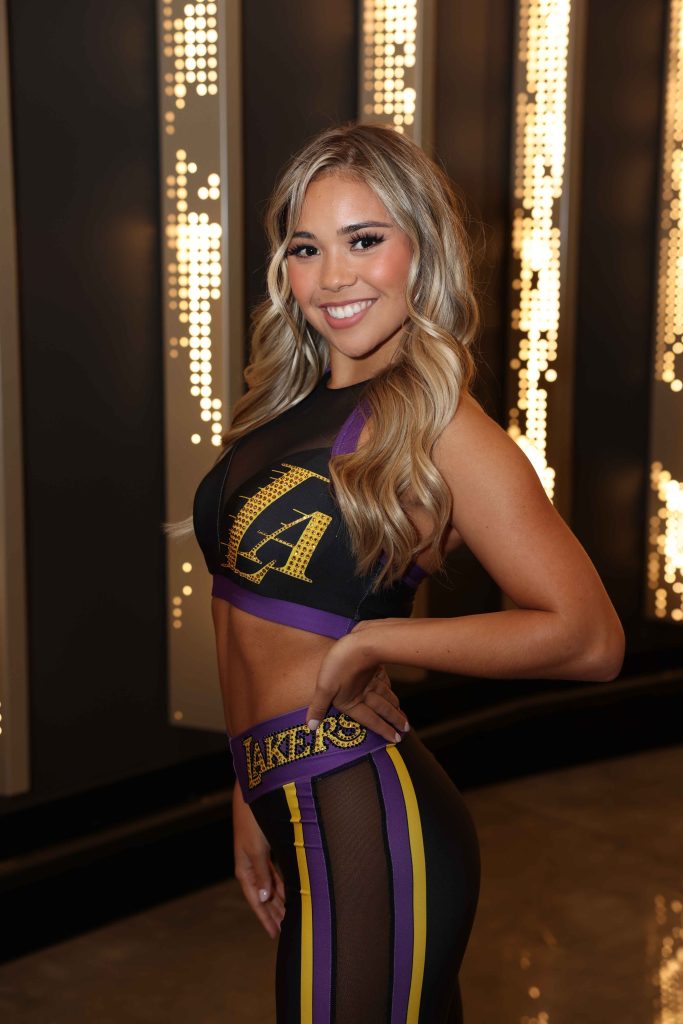
Lauren Shaw ʼ23
UCLA Degrees: Dance
Professional Team: First season with Los Angeles Laker Girls (2023-24)
UCLA Activities: UCLA Dance Team, Member of the Alpha Phi, Beta Delta Chapter (Vice President of Membership Recruitment)
Favorite UCLA Memory:
“Choosing just one favorite memory from my time at UCLA is difficult. However, a moment I will forever cherish is performing ‘Thunderstruck’ with my teammates at the Rose Bowl during the UCLA vs. USC football game.”
How has UCLA helped you in pursuing your goals?
“Growing up, I always dreamed of becoming a professional dancer. My experience with the UCLA Dance Team, dancing at football and basketball games, is where I truly fell in love with performing. This school and program taught me the importance of school spirit, being an ambassador and being a great teammate. It has equipped me with the skills I need today at the professional level. I am incredibly grateful to my coaches and directors for their guidance and mentorship throughout my time at UCLA. I will forever cherish the memories I made, both on and off the field. Go Bruins and Go Lakers!”
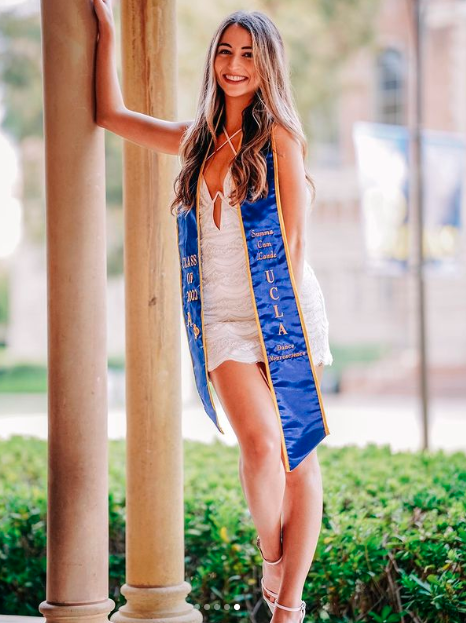
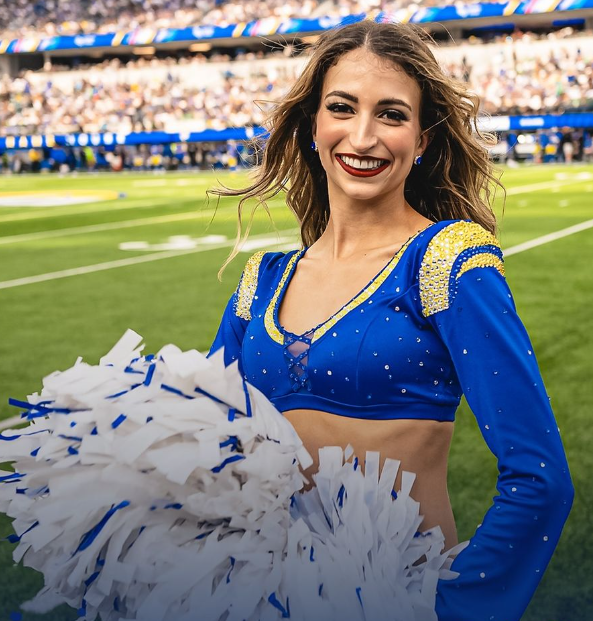
Aria Terango ʼ22
UCLA Degree: Dance and Neuroscience
Professional Team: Third season with Los Angeles Rams Cheerleaders (2022 – Present)
UCLA Activities: WACSmash, Expressive Movement Initiative, MYUCLA Health Ambassadors, Mortar Board, Medicine and Art, and Pre-med Undergraduate Society
Favorite UCLA Memory:
“At graduation, I spent the whole day going to my favorite spots on campus, from Ackerman to Royce, with my family and best friends! It was the perfect culmination of all my hard work and allowed me to truly appreciate everything UCLA has offered me.”
How has UCLA helped you in pursuing your goals?
“I’m so grateful to UCLA for offering me such a high-quality education and encouraging me to stay curious and pursue my passions. For these reasons, I had the confidence to audition for this life-changing role.”
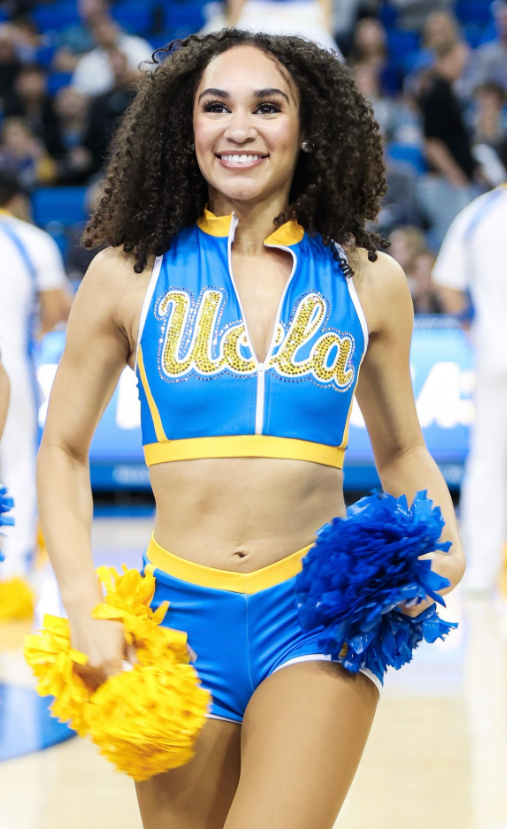
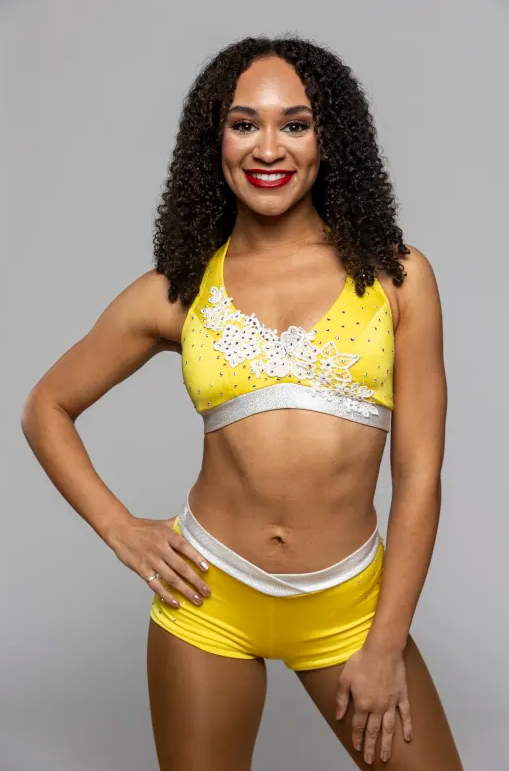
Mimi Wilson ʼ24
UCLA Degree: Psychology
Professional Team: First season with Los Angeles Rams Cheerleaders (2024 – Present)
UCLA Activities: UCLA Dance Team, Academic Advancement Program (AAP)
Favorite UCLA Memory:
“My favorite memory at UCLA was the basketball games at Pauley Pavilion. I got to dance and cheer for the Bruins on campus and it was a dream come true. There is nothing better than doing what you love, with people you love, for a school you love.”
How has UCLA helped you in pursuing your goals?
“Dancing professionally has always been a goal of mine, and the UCLA Dance Team helped me achieve that goal. Along with the irreplaceable memories, I trained with the incredible team and gained experiences that made me a well rounded individual. Being at UCLA in general has taught me the importance of being a good person and a hard worker.”
***
If we missed any Bruins who are currently cheering or dancing with a professional sports team, please email us at connectfeedback@alumni.ucla.edu.
Bruin news
View All
Connect Newsletter, Musical Bruins
Musical Bruins: Vol. 3
Musical Bruins: Vol. 3 In this new installment of Musical Bruins, we highlight another round of inspiring Bruin artists spanning decades and musical genres. Ready to dance? Tune in to…
Connect Newsletter
UCLA’s No. 2 Public School Ranking: A Closer Look
Connect Newsletter