
Why Donate Blood

Written by Adam Jameel ’25, Julia Davoudi ’24, Ellen Brock ’25
In the last 20 years, the Red Cross has experienced a drop in 40% of blood donations, one of the largest declines in donations they have on record.1 During the winter months, this data is only bound to get lower – with cold weather, cold/flu spikes, and holidays, eligible donors are not as active and free to be able to donate. In winter 2024, the Red Cross experienced an almost 7,000 unit loss in donations between Christmas day and New Year’s Day alone.1 The UCLA Blood and Platelet Center also experiences decreases in blood donations over the winter months with almost 200 fewer platelet units and over 100 fewer red blood cell units collected. Students leave campus for the winter break, high schools are not in session and our community donors engage in holiday activities. Nationally, in July-August 2024, there was a nationwide shortage declared as the blood supply dropped nearly 25% in one month’s span.2 This data not only gives a numerical understanding to the necessity for blood donations, but it represents the impacts beyond just the blood storage. In a healthcare setting, even a small shortage makes a huge impact on both physicians and patients.1 Dr. Dawn Ward, the medical director of the UCLA Blood and Platelet Center explains, “several patients require blood transfusions daily and at times, may need multiple platelet transfusions within a 24-hour period.” Her statement adds weight to the data provided, emphasizing the importance of donating if you are eligible – seeing as someone in need is always relying on that donation.
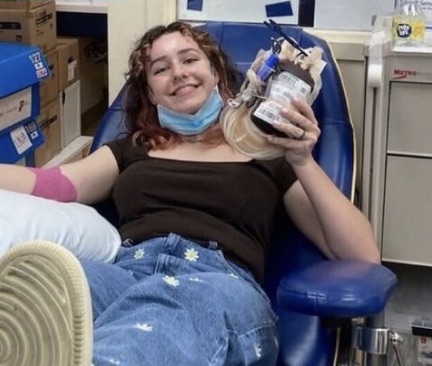
The role of young blood donors is incredibly significant, especially because these individuals tend to be healthier compared to older adults. In the United States, donors must be at least 17 years old to donate blood, or 16 years old with parental permission.5 Notably, according to reports from the National Library of Medicine, these adolescents make up about only 3% of the American population but donate about 10% of the annual blood supply with over a million donations yearly.6 This success is greatly thanks to high school blood drives and increased education initiatives on blood donation and shortages. Such programs spread awareness on the power of their blood and platelets donations, but they also provide an opportunity to give back to the community and engage in civic duty.5 Through participation in such initiatives, misconceptions around blood donations are debunked, awareness is spread and future generations learn the importance of public health overall.
Blood donations play a significant role in the lives of cancer patients, both during and after treatment. Upwards of 25% of the donations received are used towards patients who are struggling with various types of cancer. With around 1.9 million individuals diagnosed with cancer every year, about 6 blood products are needed every minute in order to aid someone going through treatment.3 Cancer patients are at risk of many complications due to chemotherapy which can damage bone marrow. These patients are often dependent on blood transfusions to replace the cells they are unable to make themselves. Seeing that every 3 minutes there is a blood cancer diagnosis, it is imperative that there is sufficient supply to help these patients through their treatment. One donation is valued, but continuous donation is what will really make the most impact.4 In one case with a 15-year-old boy battling aplastic anemia, he required 58 blood products in a two-year span in order to treat his disease. Now, imagine a room of other kids just like him. How about a whole floor? Or hundreds of hospitals across the United States treating kids suffering from blood cancer. Cancer is an ongoing process that requires a sustained supply of blood at all times in order to allow cancer patients the opportunity to survive and experience a life beyond their disease.
Blood donations not only help patients in need of blood and platelets, but they also can have positive health impacts for donors. Fundamentally, blood is absolutely essential for life, as blood delivers nutrients and oxygen to cells in the body.7 Since only about 3% of people who are eligible actually donate blood each year, it is critical to spread awareness and for those who are eligible to continue donating.7 For recipients, donations can gift life. Whole blood donations take less than an hour and platelet donations may take up to two hours. Each donation comes with free drinks and snacks in addition to a “thank you” gift for donors. Each donation has the power to save up to three lives and although, non-evidence based, there are several outlets whom report the act of donating blood on a regular basis may lower one’s risk of heart attack, balance iron levels, reveal potential health issues (through the required health screening prior to donating) and reduces one’s risk of cancer.7 Furthermore, the mental health benefits, as reported by the Mental Health Foundation, include lowered stress levels, increased sense of belonging and enhanced emotional well-being.8 Overall, blood donation serves as the ultimate win-win situation, benefiting both donors and patients in need.
To donate at UCLA, visit https://www.uclahealth.org/programs/gotblood. For further information, contact Tom King, UCLA Blood and Platelet Center Campus Recruiter, at tlking@mednet.ucla.edu. To donate outside of the LA area, visit the Association for the Advancement of Blood & Biotherapies at https://www.aabb.org/for-donors-patients/give-blood.
Credentials:
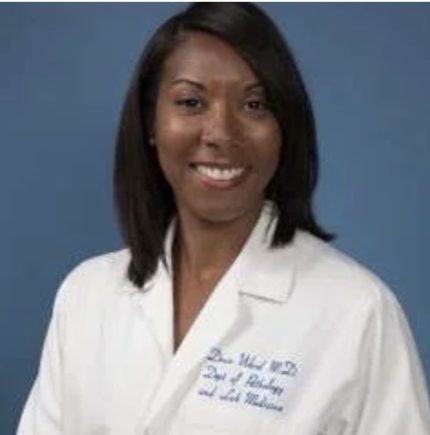
As an established leader within UCLA Health, the David Geffen School of Medicine (DGSOM), and the Department of Pathology and Laboratory Medicine, Dr. Dawn Ward was selected by her colleagues as UCLA Health Exceptional Physician in 2018. She is the Medical Director of the UCLA Health, Blood and Platelet Center, Associate Medical Director of the Transfusion Medicine Service and the Medial Director of DGSOM Human Gene and Cell Therapy Facility.
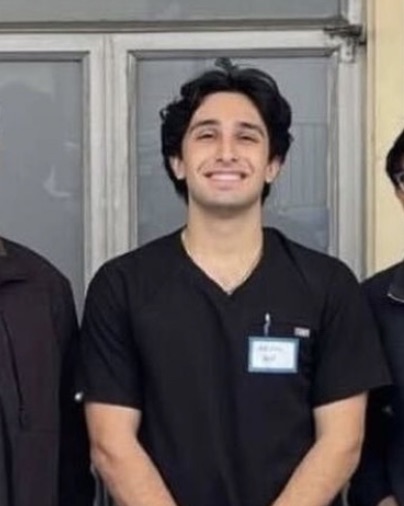
Adam Jameel is a third-year undergraduate at UCLA and the Research Coordinator of the Bruin Blood Initiative, a research-focused effort working with the UCLA Blood and Platelet center aimed at engaging undergraduates in blood donation studies. Through this initiative, Adam examines donation patterns and explores strategies to improve the donor experience.
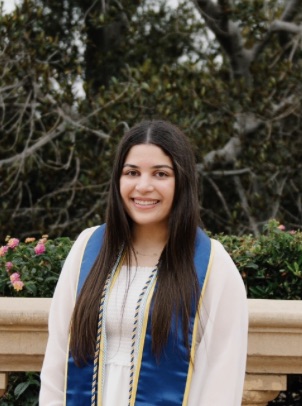
Julia Davoudi is a recent graduate of UCLA and a researcher of the Bruin Blood Initiative, a collaborative effort with the UCLA Blood and Platelet Center dedicated to promoting awareness of blood-related issues and blood donations. Through this initiative, Julia advocates for the importance of blood donation and participates in research on donation patterns and experiences.
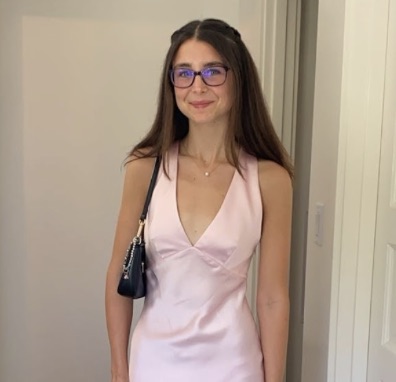
Ellen Brock is a fourth-year undergraduate at UCLA and a researcher of the Bruin Blood Initiative, a collaborative effort with the UCLA Blood and Platelet Center dedicated to informing and spreading awareness about blood donation throughout the student body. Through this initiative, Ellen has become an advocate for blood donation and is interested in researching improved outreach beyond the UCLA community.
Sources:
https://www.redcrossblood.org/local-homepage/news/article/emergency-blood-shortage.html
https://www.redcross.org/about-us/news-and-events/press-release/2024/red-cross-declares-emergency-blood-shortage-calls-for-donations-during-national-blood-donor-month.html
https://www.redcross.org/about-us/news-and-events/news/2022/world-cancer-day-give-blood-tohelp-patients-battling-cancer.html
https://www.redcrossblood.org/donate-blood/how-to-donate/info-for-student-donors.html
https://www.ncbi.nlm.nih.gov/pmc/articles/PMC5470587/#:~:text=The%20AABB%20
https://www.hcahoustonhealthcare.com/healthy-living/blog/donating-blood-benefits-both-recipients-and-donors
https://www.healthline.com/health/benefits-of-donating-blood
Bruin news
View All
Connect Newsletter
The Beat Goes On
Life can be very unpredictable. Such is the story of G’bari “GQ” Gilliam ʼ16, a hip-hop dancer/choreographer at the height of professional success when a health trauma earlier this year…
Connect Newsletter
Why Not Westwood?
Connect Newsletter