Story of Purpose: Alum Dean Florez Has Always Asked the Hard Questions—Even When No One Else Would
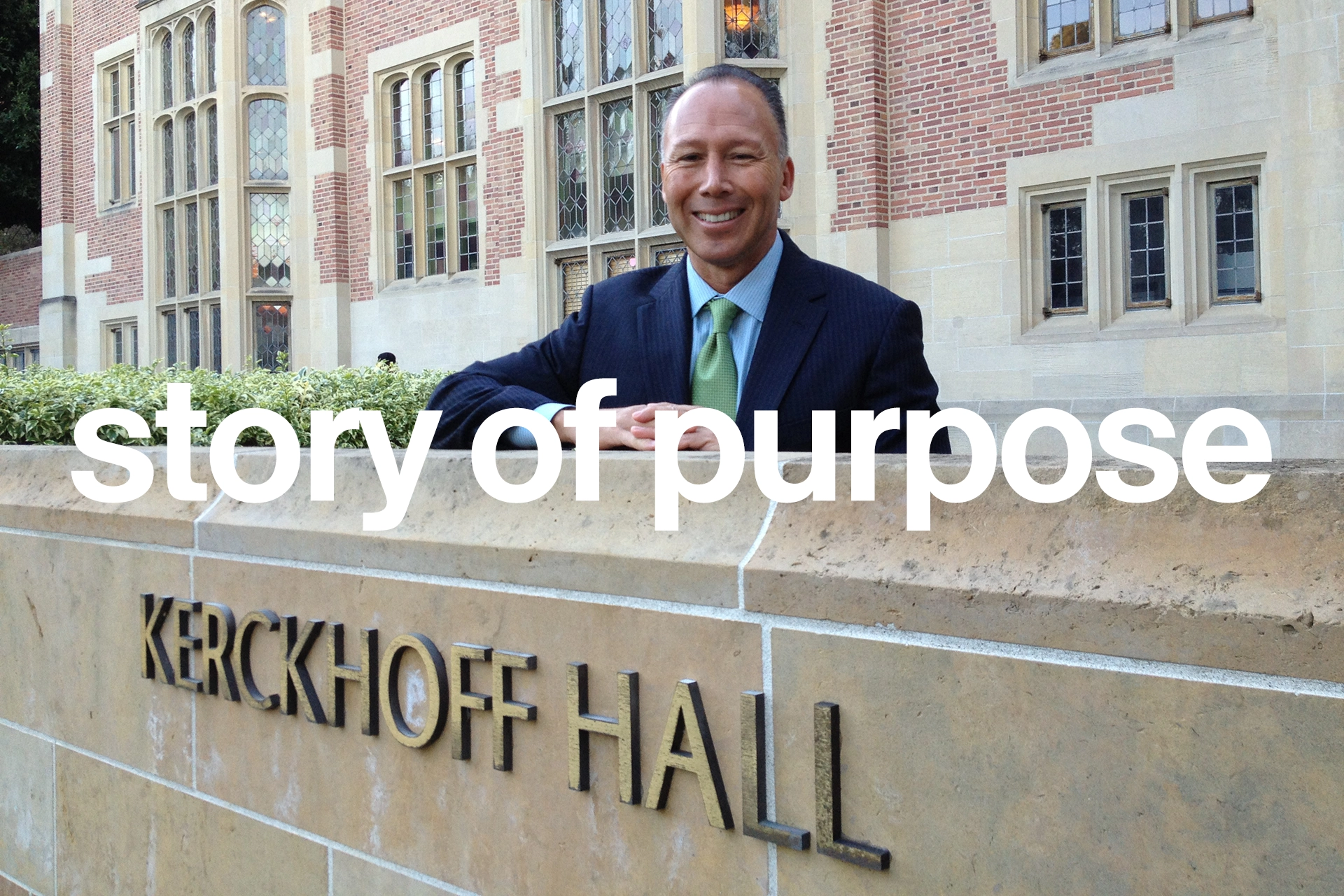
As a transfer student from the Central Valley, Dean Florez (Bruin story since ’87) found his political voice at UCLA—one built on truth-telling, discomfort, and a lifelong commitment to speaking up for the overlooked.
Senator Dean Florez’s story begins in the Central Valley of California, in a small agricultural town where, as he puts it, “farmers lived on one side of the tracks, and farmworkers on the other.” His parents came from farming backgrounds, and like many in his town, they believed success came from assimilation. “In my hometown, not speaking Spanish was a plus,” Florez said. “It’s how you kind of matriculate. I never knew a farmworker who wanted their kid to be a farmworker.”
That lens—of both survival and upward mobility—shaped Florez’s early identity. But it wasn’t until he transferred to UCLA in the mid-1980s that his sense of self, and sense of purpose, truly crystallized.“I wasn’t in the dorms. I wasn’t in sports. I was commuting from Van Nuys,” he recalled. “So finding community wasn’t easy.” What he did find, however, was a political spark. He joined the Latino Pre-Law Society, wrote a record number of op-eds in the Daily Bruin, and eventually ran for—and won—the student body presidency.
He credits UCLA as his first political training ground. “It’s like a mini city of [over 40,000] students,” he said. “When you’re student body president, you campaign just like everyone else. And you deal with every kind of constituent; from the dorms to Greek life to sports. It teaches you how to listen and lead.”
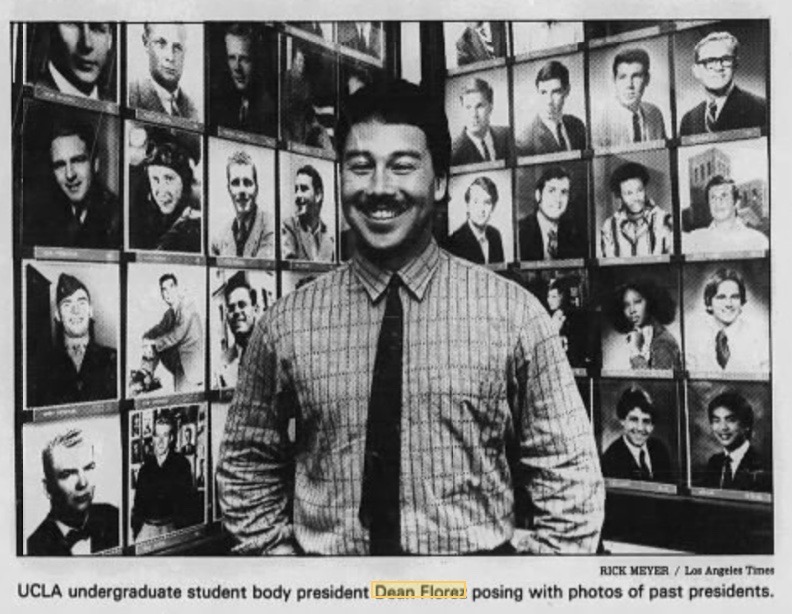
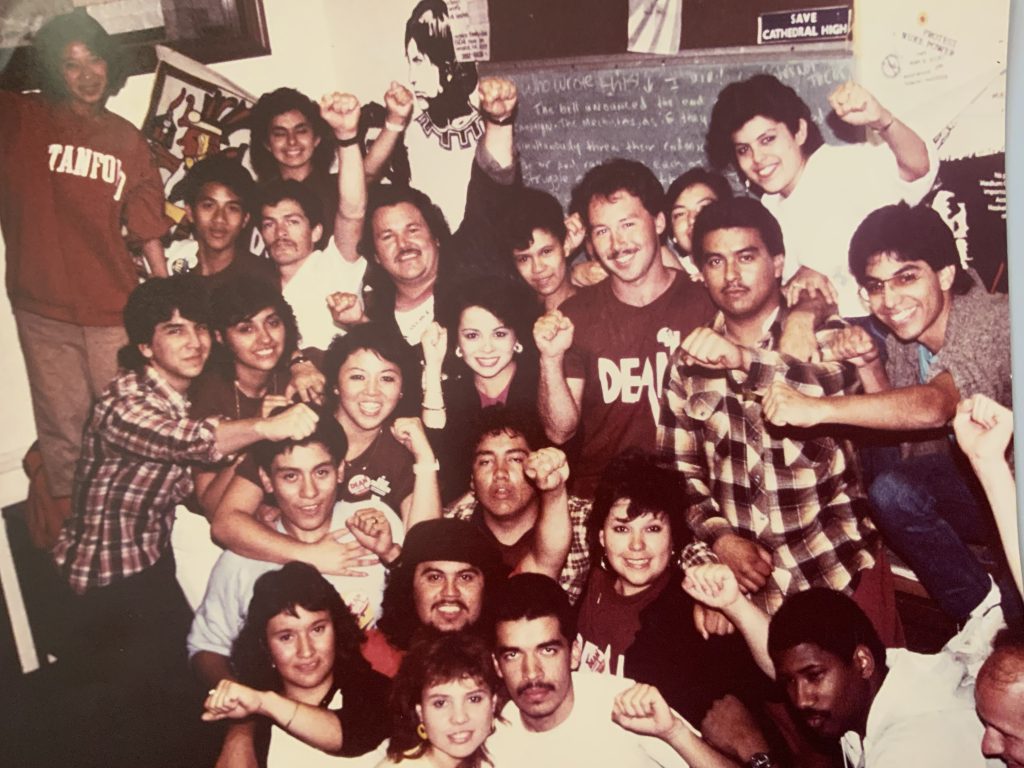
Florez’s leadership style emerged early: unapologetically inquisitive, often controversial, and rooted in moral clarity. “I always thought if you just spoke the truth, that would cause a debate,” he said. “And out of debate comes some retrenching of your own position because you’re not always right.” For him, initiating uncomfortable conversations wasn’t a political strategy. It was a personal imperative.
He brought that mentality to The Daily Bruin, where his opinion pieces often stirred strong reactions. One of his most memorable pieces was his critique of affirmative action, where he suggested income, not race, might be the more urgent factor in educational equity. “I remember Chancellor Young saying there were only three students he ever really wanted to see leave: Angela Davis, Bill Walton, and Dean Florez.”
But Florez’s activism was never performative. When he believed the university was neglecting its undergraduate population in favor of research and fundraising, he and a group of students staged a haunting protest: they carried 17 wooden coffins across campus to Murphy Hall, each labeled “undergraduate,” and laid them at the steps of the administration building. It was a symbolic act, meant to confront the institution with a stark question: Were undergraduates being buried by neglect?
He and fellow students also published a booklet titled The Ignored Undergraduate, drawing national attention to the diminishing quality of the undergraduate experience. “We had a big microphone,” Florez said. “And we used it.”That same sense of conviction followed him into the state legislature. One of his first bills sought to outlaw the retrofitting of passenger vans that crammed 20 plus farmworkers into vehicles with no seatbelts. “You would’ve thought I asked agriculture to turn upside down,” he said. “But we got it passed. And for ten years after, there were no farmworker fatalities in vans like that.”
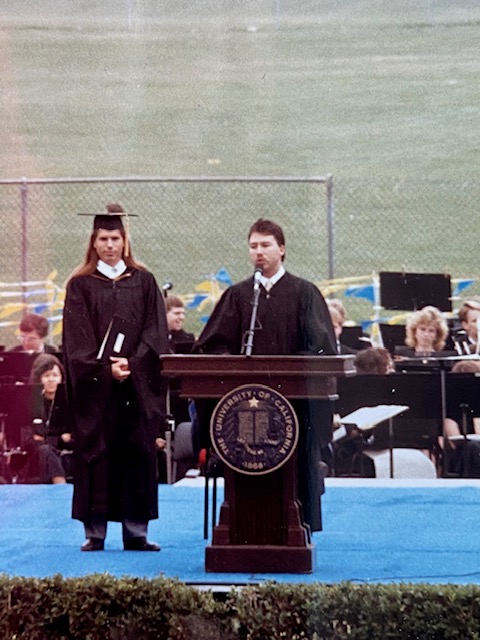
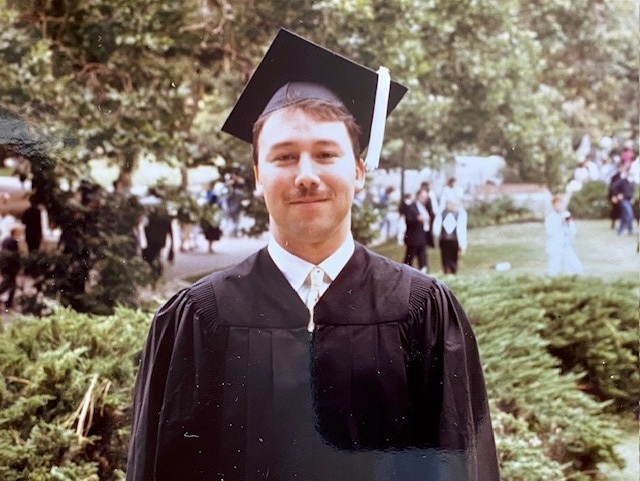
For Florez, politics has always been about discomfort. “I’ve never fit into one box,” he said. “I could never run statewide. Republicans didn’t trust me. Democrats didn’t fully claim me.” But that independence has also made him effective. “Nine times out of ten, I was the deciding vote.”
Now a public affairs strategist, Florez continues to push for progress—whether it’s advocating for AI sustainability or challenging outdated bureaucracy. His firm, Balance, helps new technologies and government agencies find common ground. “It’s not about passing laws. It’s about asking the right questions and asking them in the right forums.”
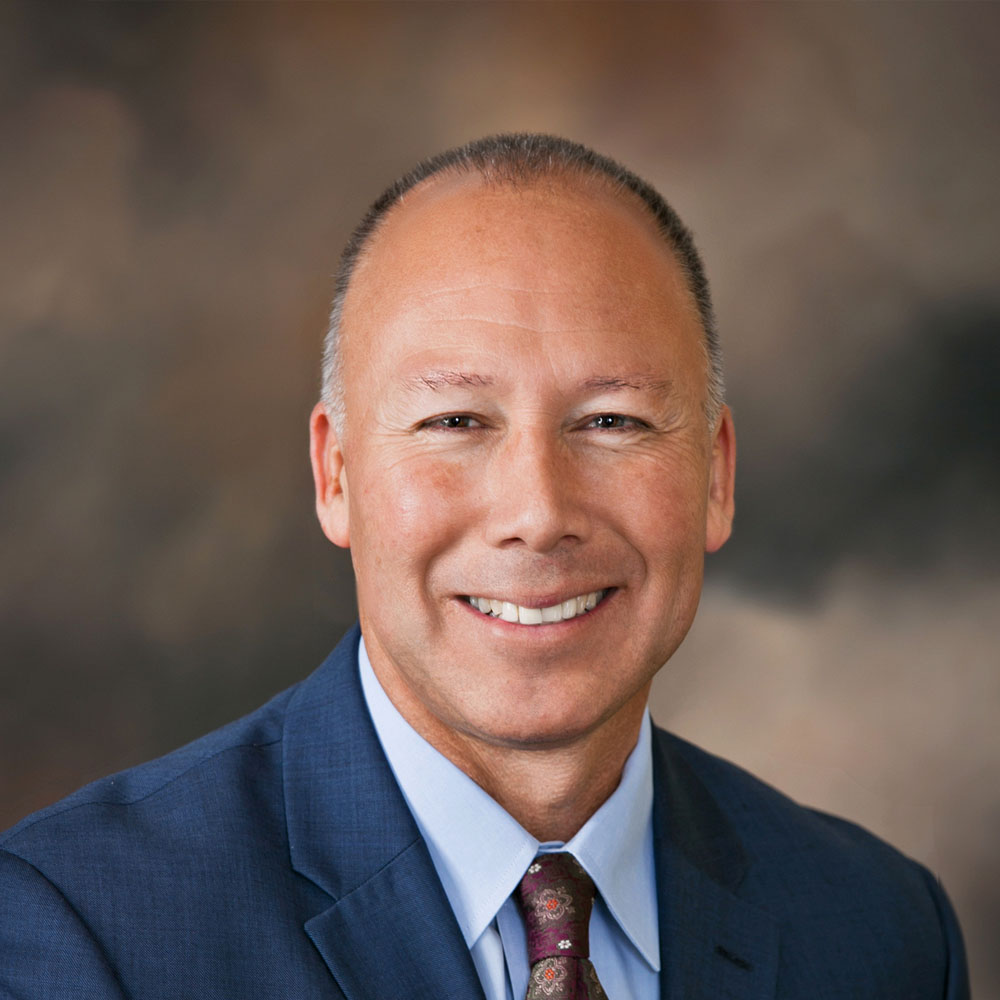
Florez says it all comes back to UCLA. “This place gave me moral authority and an intellectual viewpoint. It also taught me resilience. UCLA doesn’t coddle. It scrapes you up and makes you scrappy.”
His advice to graduates is simple, but profound: “Find your voice. Ask questions. And learn through your mistakes. The world isn’t black and white, it’s gray. And if you don’t ask the hard questions, you won’t find your way through it.”
To hear Dean Florez's story in his own words check out his recent episode at the Bruin Success Podcast:
 Listen to Dean Florez's Story
Our Proud Partners


