Story of Support, Professor Terry Kramer
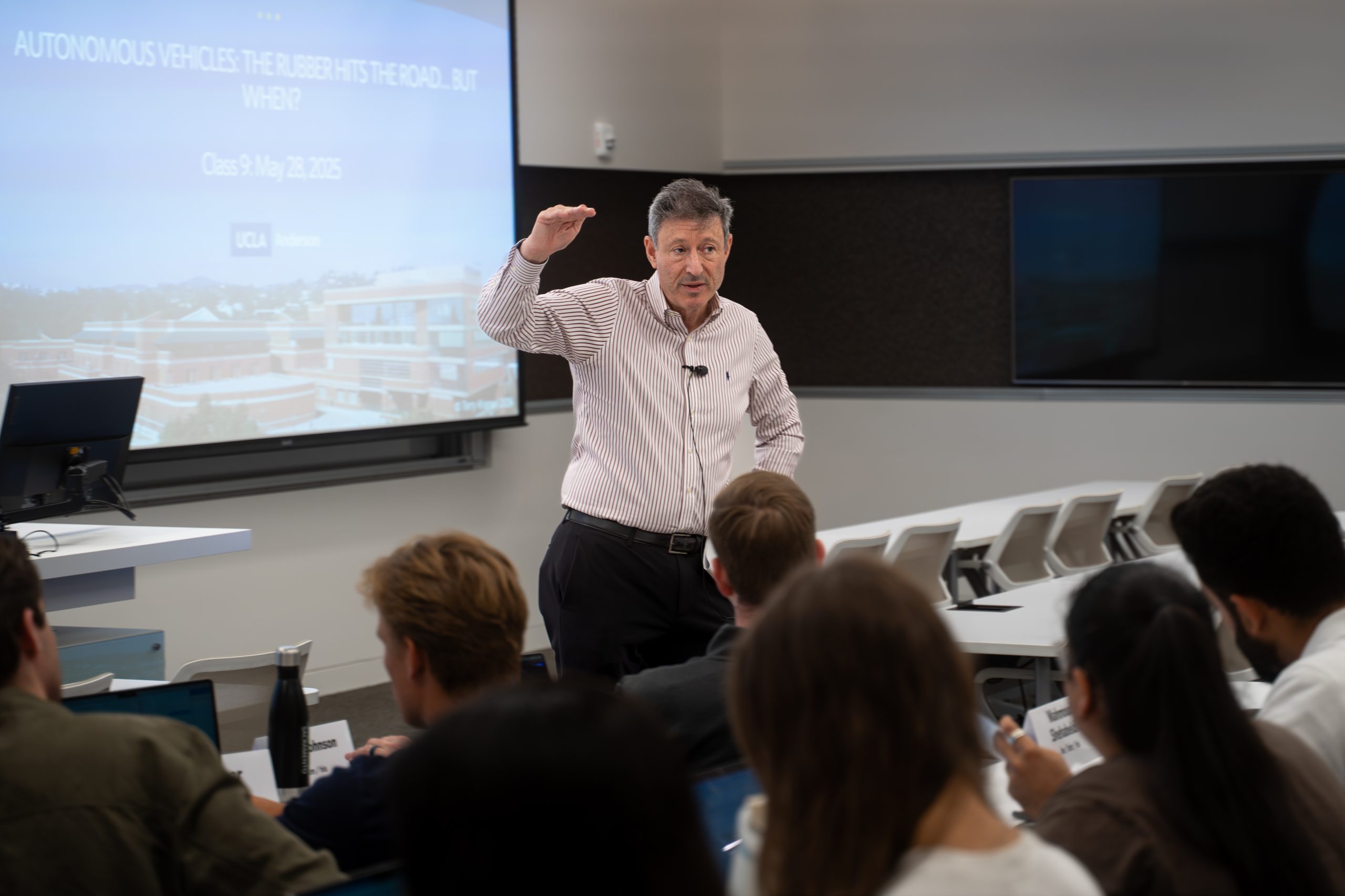
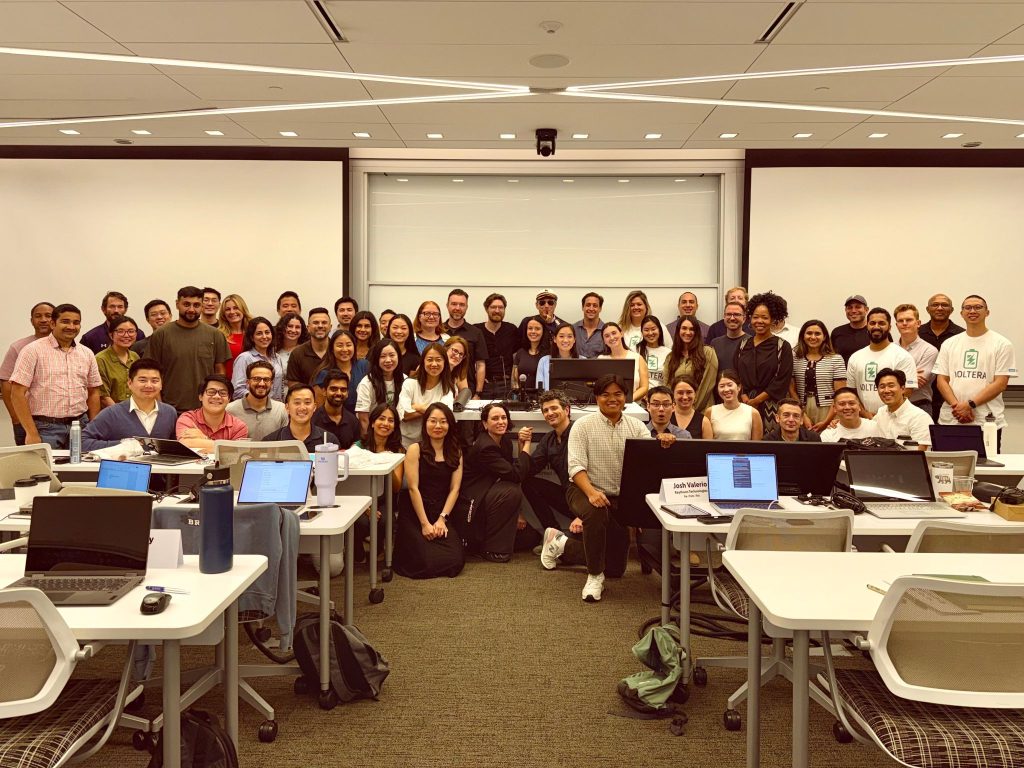
In a classroom of roughly thirty students, each pair of eyes stays fixed on Professor Terry Kramer ’82. They’re enthralled by his words as he animates his lessons, pacing from whiteboard to desk and back again with each new idea. The atmosphere is charged. These UCLA Anderson students know that at any moment they could be cold-called: randomly selected to participate in the discussion with perfect recollection of key-stats and figures.
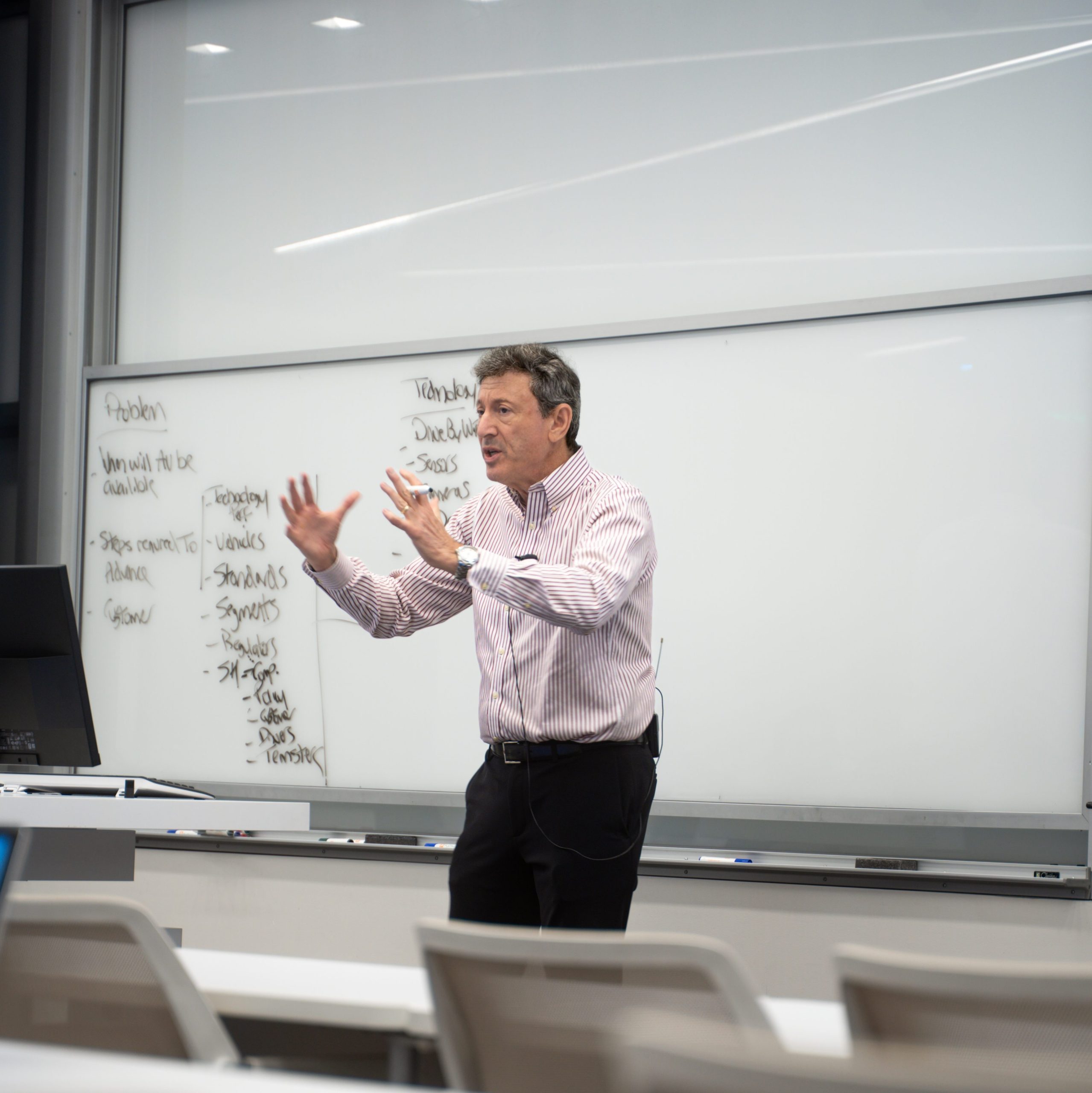
That expectation is by design.
“In my class, it’s very case-analysis oriented,” explains Kramer. “Students have to give their views. And it’s got to be one sentence, action-oriented, laser-like focus.” Clarity isn’t just an academic exercise, according to the professor. It’s a survival skill for leaders. He expects his students to have an intimate understanding of the material in order to make explicit decisions, just as any leader would.
Kramer’s standards in the classroom echo the lessons he absorbed during his own career. After earning his bachelor's degree from UCLA and eventually his MBA from Harvard Business School, he entered the telecom industry. He was quickly challenged by his mentors to move beyond analysis and into leadership.
“I would do all this great graphical analysis about how the market is performing and what’s going well and what isn’t in sales and network,” explains Kramer. “One day, [my boss] took my work and he threw it on the floor and he said, ‘I don’t think you know what your job is as a general manager. I’m paying you to make sure those salespeople are motivated and can sell our products well… I’m evaluating you on your impact on other people.’”
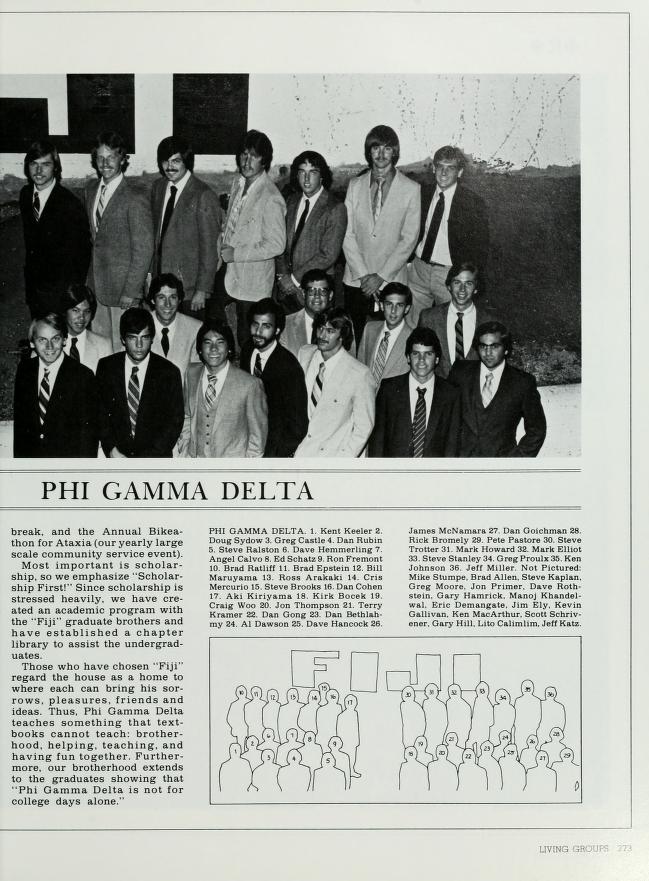
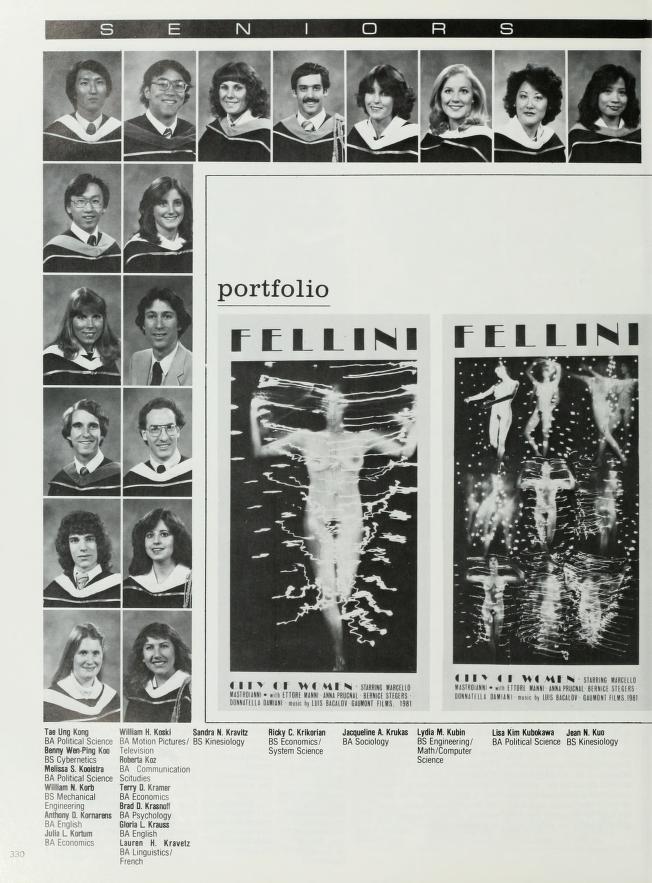
The moment stuck. Leadership, Kramer learned, is not about charts or strategies. “That was such a great learning experience – to see your success through other people, not just by what you do,” he says.
Before returning to UCLA as a professor, Kramer built a career at the center of the telecommunications revolution. He spent 18 years at AirTouch and later Vodafone, holding senior roles in strategy, mergers and acquisitions, and general management. That work took him and his family across the United States and twice abroad.
During these years, as he moved between Los Angeles, London and beyond, Kramer learned the power of context: that leadership must always adapt to the environment it operates in.

In 2012, Kramer was appointed U.S. Ambassador, representing the Obama Administration, leading negotiations centering the World Wide Web and the importance of a free and open Internet. He drew on everything he had learned at Vodafone and throughout his career to help the administration defend a core democratic value.
“What these submissions said was code words for censorship… Obviously the U.S. does not believe in that. That to me began what was a fascinating role, saying: ‘What is the importance of a free and open internet?’”
Representing the United States on the global stage, Kramer worked to rally coalitions of nations around the principle that open networks foster not only innovation and commerce, but also democracy and human rights. The fight for a free internet was another form of leadership, protecting access and opportunity on a global scale.
After decades abroad and in boardrooms, Kramer and his wife turned their focus to philanthropy and education. Together they endowed scholarships and funded programs that focused on providing opportunities for students in need. For him, it was natural to return to the institution that shaped him as a young man.
That connection is so strong that Kramer commutes weekly from his home in the Bay Area to teach on UCLA’s campus. Awake by 5 A.M. and on a plane by 8 A.M., there have been many mornings where the professor begins to question the commute for just one class at the business school.
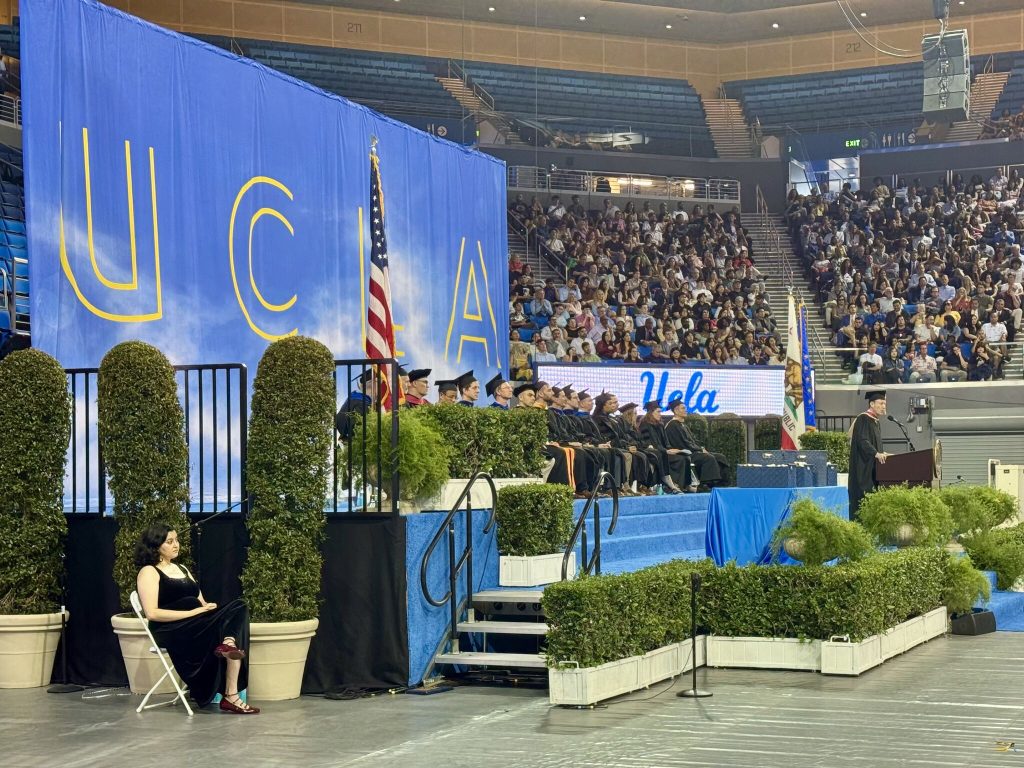
“But then I land,” he explains. “I walk onto campus, and all of a sudden I see Hedrick Hall up on the hill and I get this jolt of energy. I remember what that place meant to me and what an incredible period of growth it was… And I think this is a great institution to be involved with.”
For Kramer, each chapter of his journey has been about support: supporting his colleagues, supporting global access to information, and now supporting the next generation of Bruins.
“Teaching at Anderson has been the highest satisfaction role I’ve had… You’re dealing with great talent and you’re seeing the talent rise and grow. There’s nothing better than that.”
To hear Terry Kramer's story in his own words check out his video below:
dive into other alum stories
Our Proud Partners


