Updates From Ukrainian UCLA Student Olha Shevchenko

A
s the crisis in Ukraine continues, we checked in with Ukrainian UCLA student Olha Shevchenko, exp. Ph.D. ʼ26, to see how she is holding up since we last spoke with her at the start of the war. Olha came to UCLA from Kharkiv in September 2021 and is wrapping up her first year of doctoral studies in mathematics. We first met Olha when she reached out to us to bring awareness to what is happening in her homeland and how people can help.
In the months since the war began, Olha has had many difficult days. She says, “For the first few months, I was in need of support and people to talk to. I didn’t know many Ukrainian students at UCLA and it’s been hard to find people.” She shared that she has met a few Ukrainian students through a UCLA-hosted support group and a seminar to discuss emergency grants. She hopes UCLA will schedule more similar events in the future.
Studying remains a challenge as Olha continues to worry for her family and friends. She says, “At first it was impossible to concentrate. My productivity is lower than it used to be. It’s been a process of adjusting and doing the things that I need to do.” She recently received a call from one of her closest friends who had been forced to leave Ukraine and resettle in Europe. Her friend’s boyfriend, 29-year-old Serafim Sabaranskiy, had enlisted at the beginning of the war to defend Kharkiv. When he was killed by a bomb dropped from an airplane, Olha immediately flew to Vienna to support her friend.
Kharkiv is Ukraine’s second largest city and home to 1.4 million people. Less than 25 miles from the border with Russia, it is estimated that since the war began as many as half of the city’s population has fled. Until recently, her family remained in the city apartment Olha grew up in. Facing constant shelling and more than one missile strike on the building, her family fled to Olha’s grandparents’ apartment, squeezing six people into a two-bedroom unit, a common situation in these times. Recently, they moved again to a somewhat calmer location in the countryside, although it is not an ideal situation and remains far from safe.
Olha’s mother, an art teacher, has been volunteering with children sheltering for safety in Kharkiv’s metro tunnels. It is difficult for children to be underground, not knowing when they will be allowed to leave. Through her art lessons, her mother is trying to distract children from their worries, bring them hope and a little bit of beauty. Olha says, “It is incredible how people are doing everything they can to support and help each other. It seems like people found a way to be helpful in what they do best.”
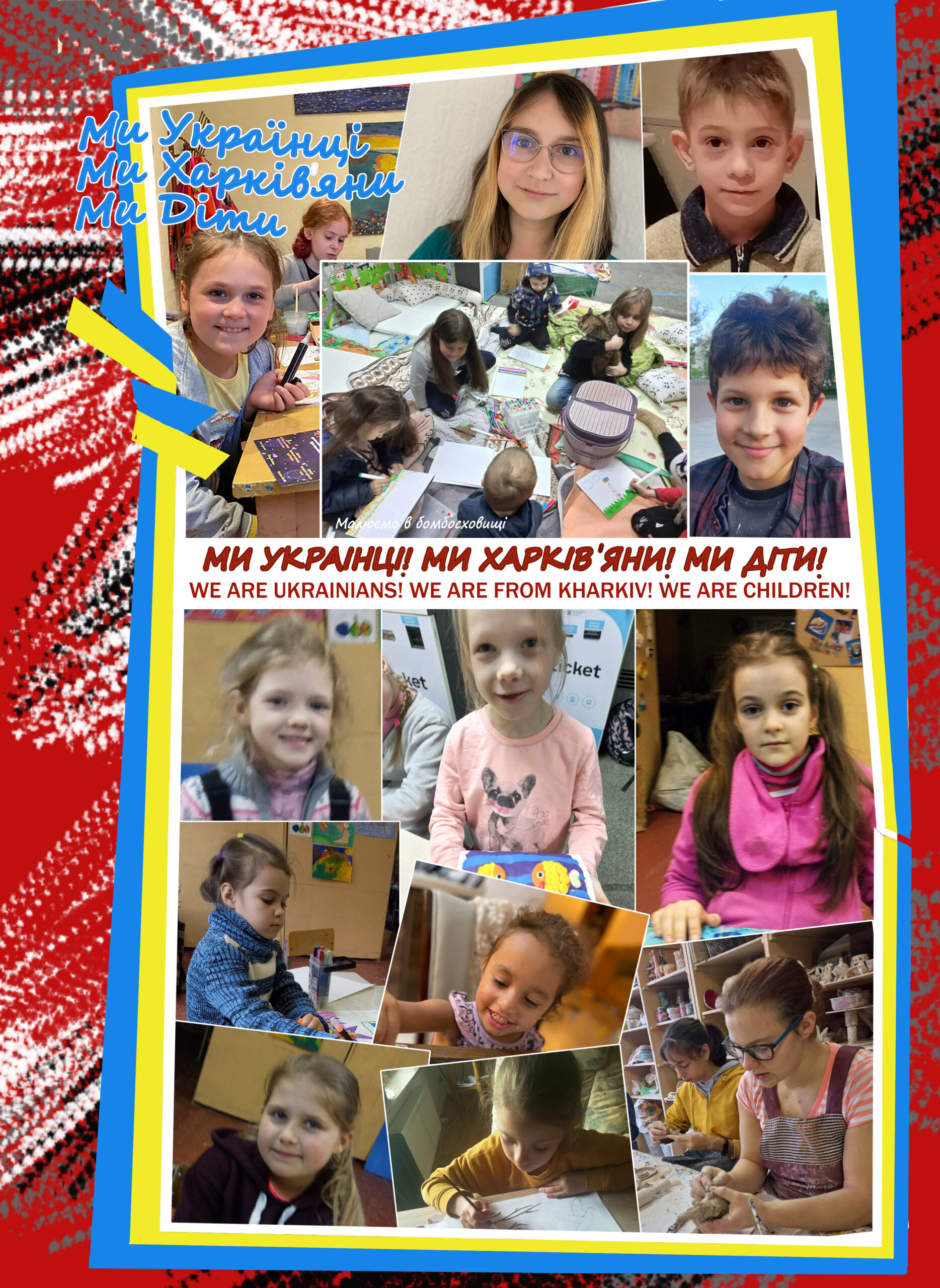
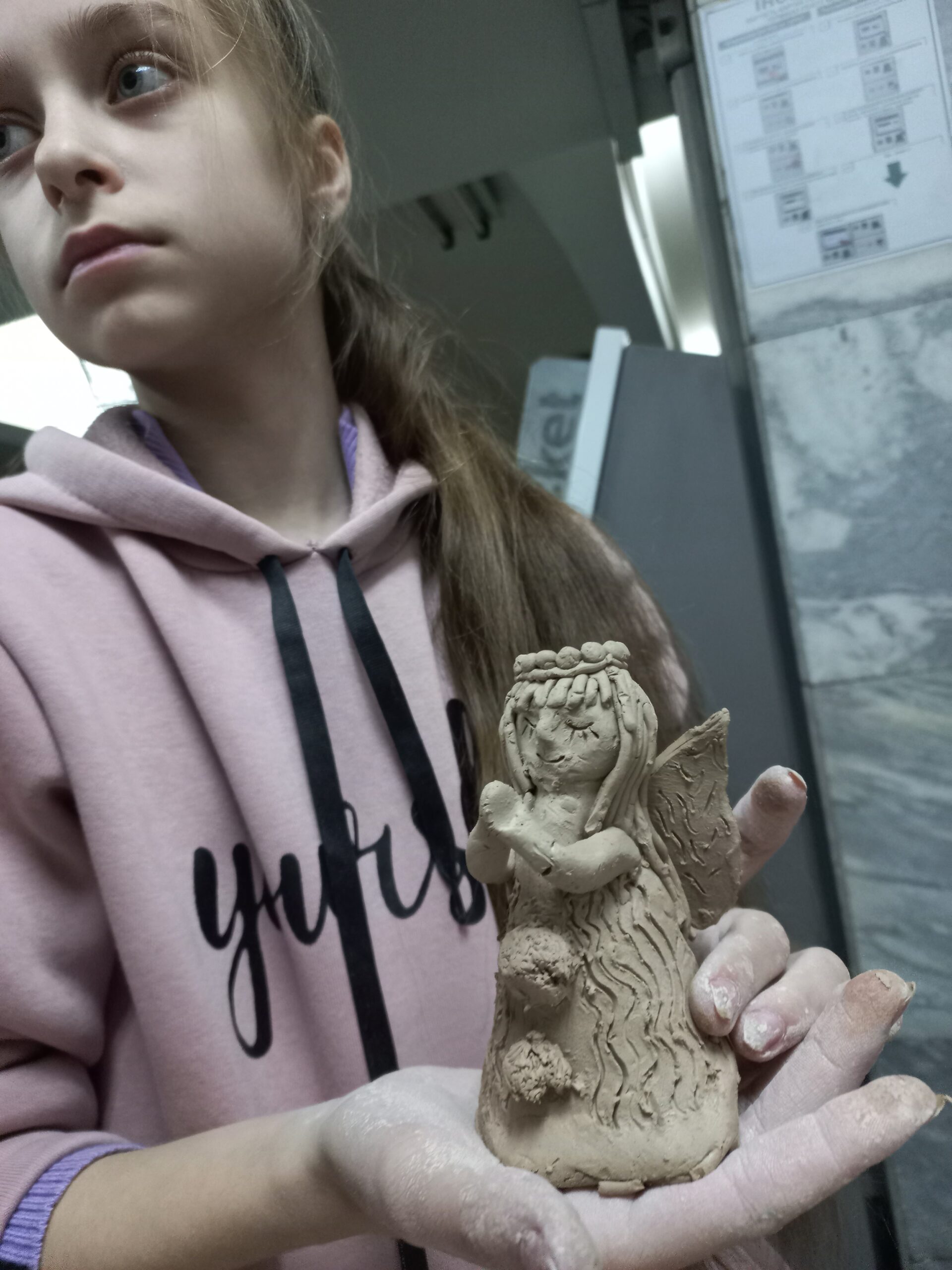
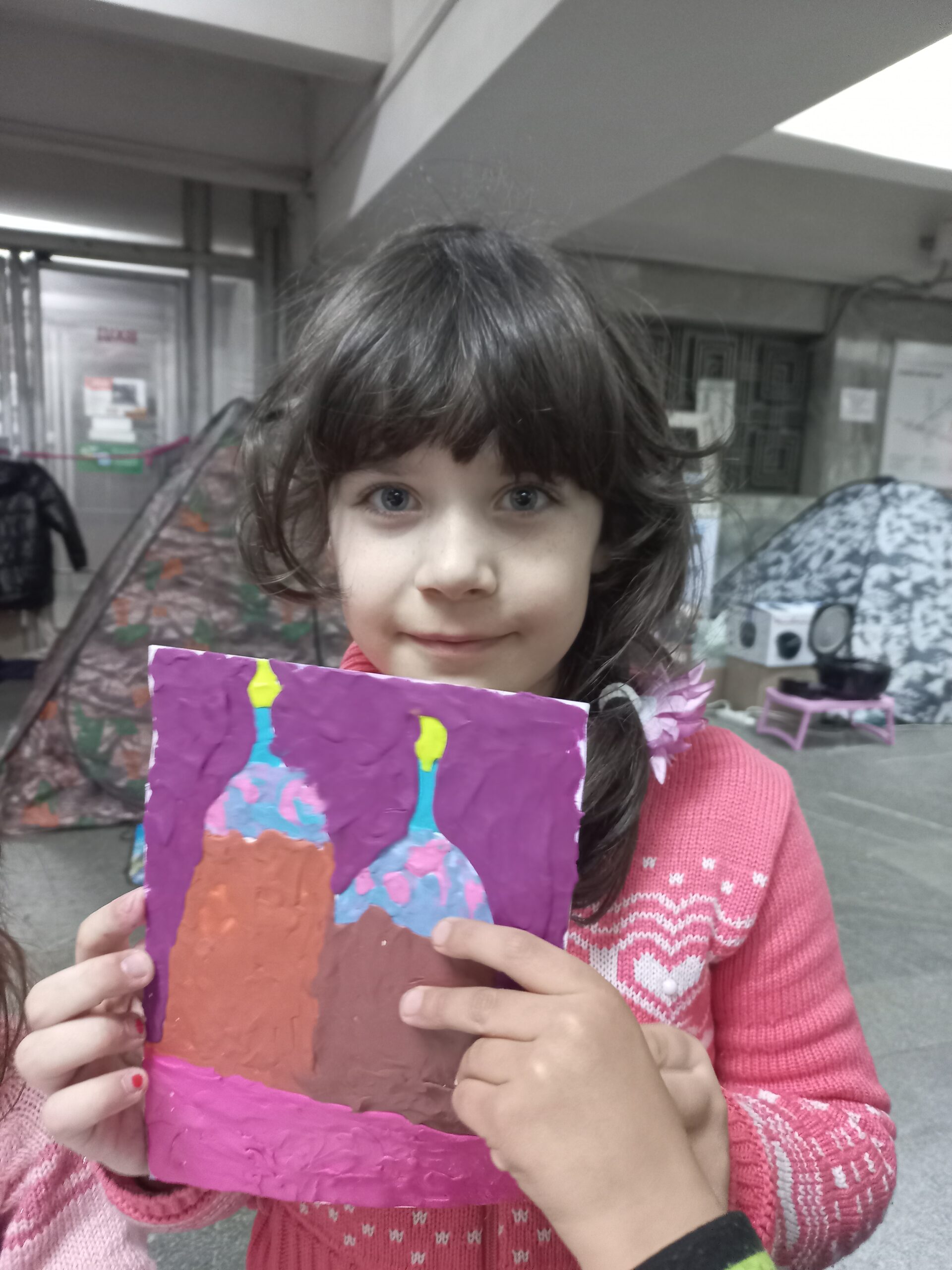
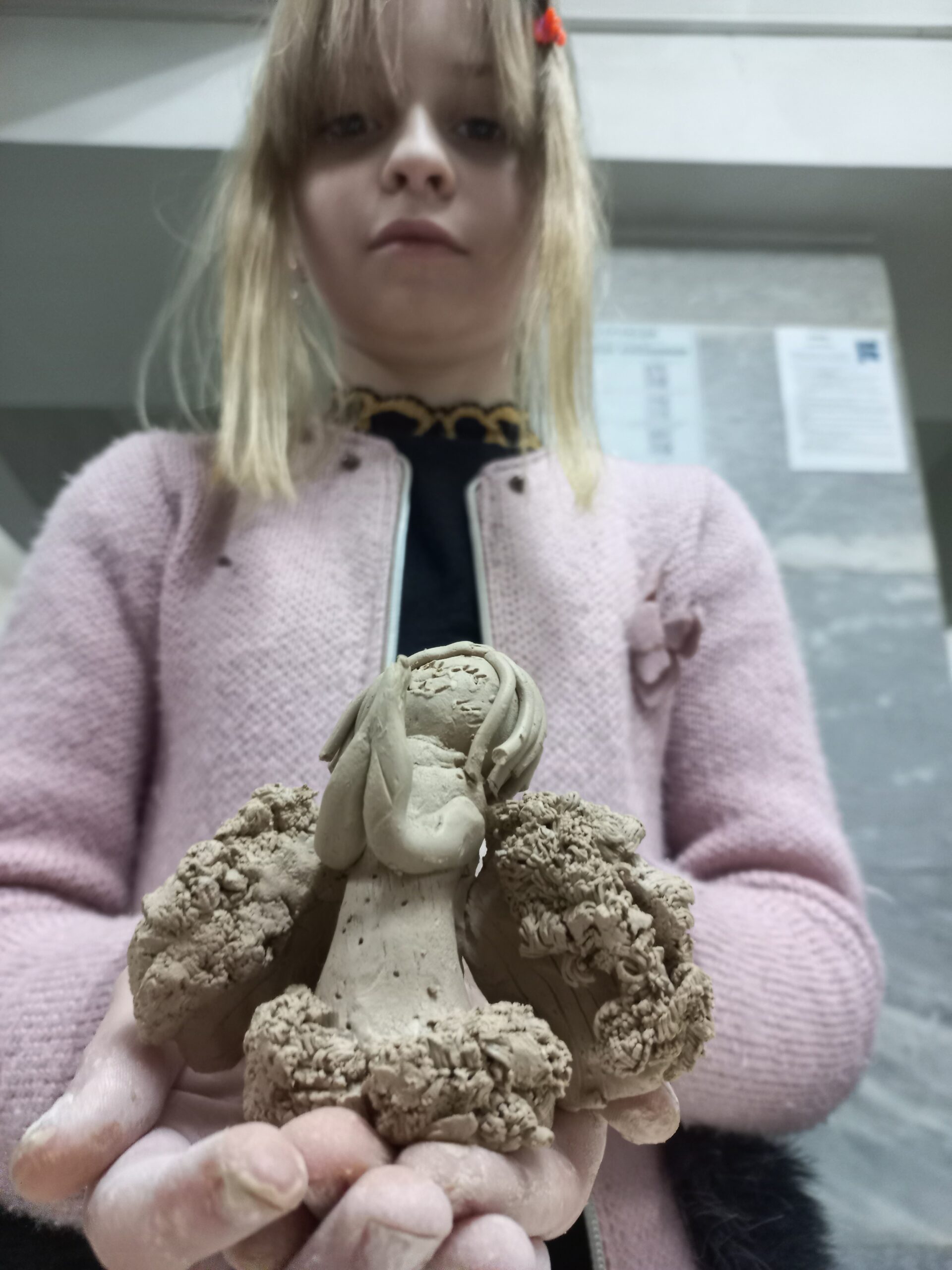
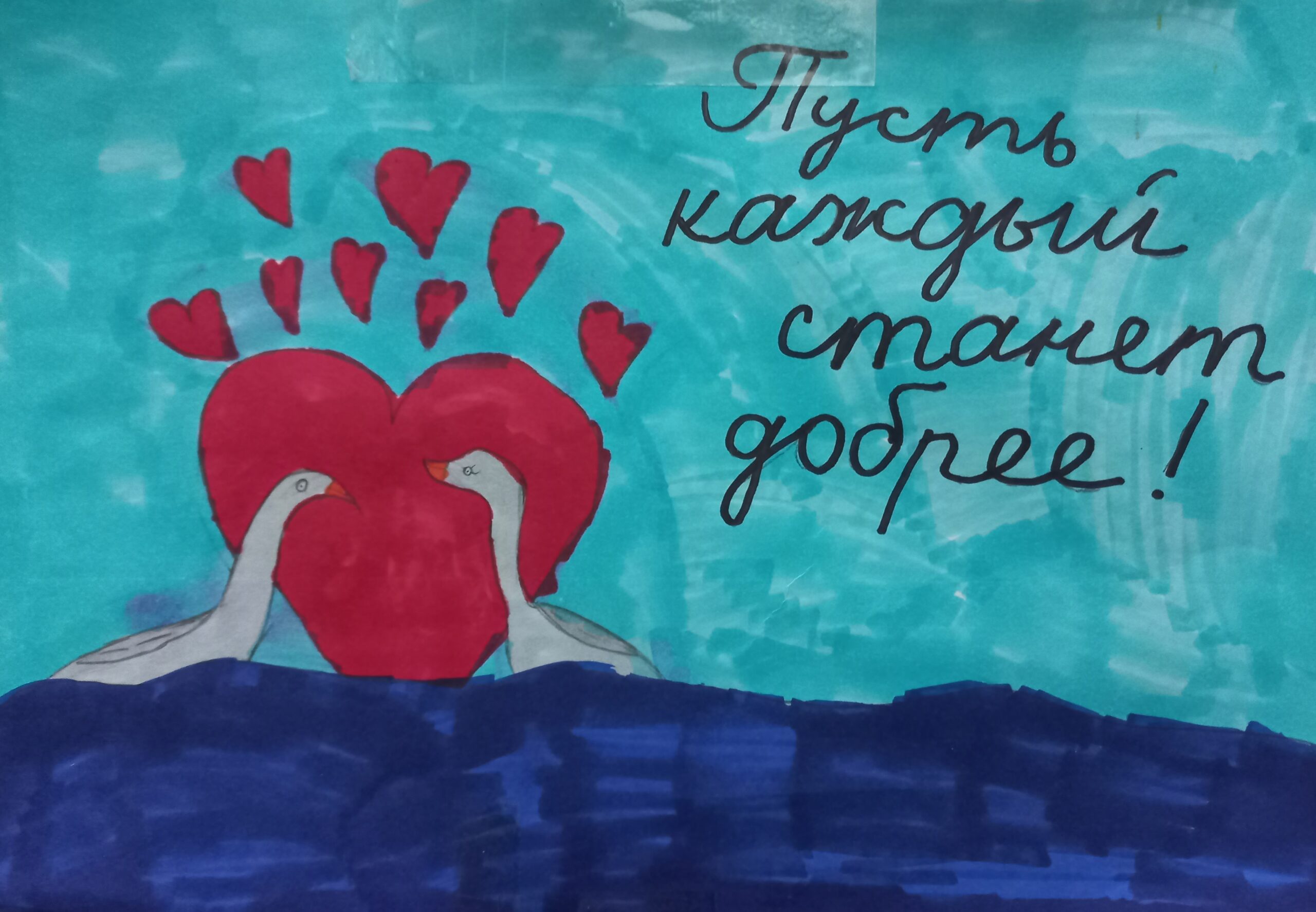
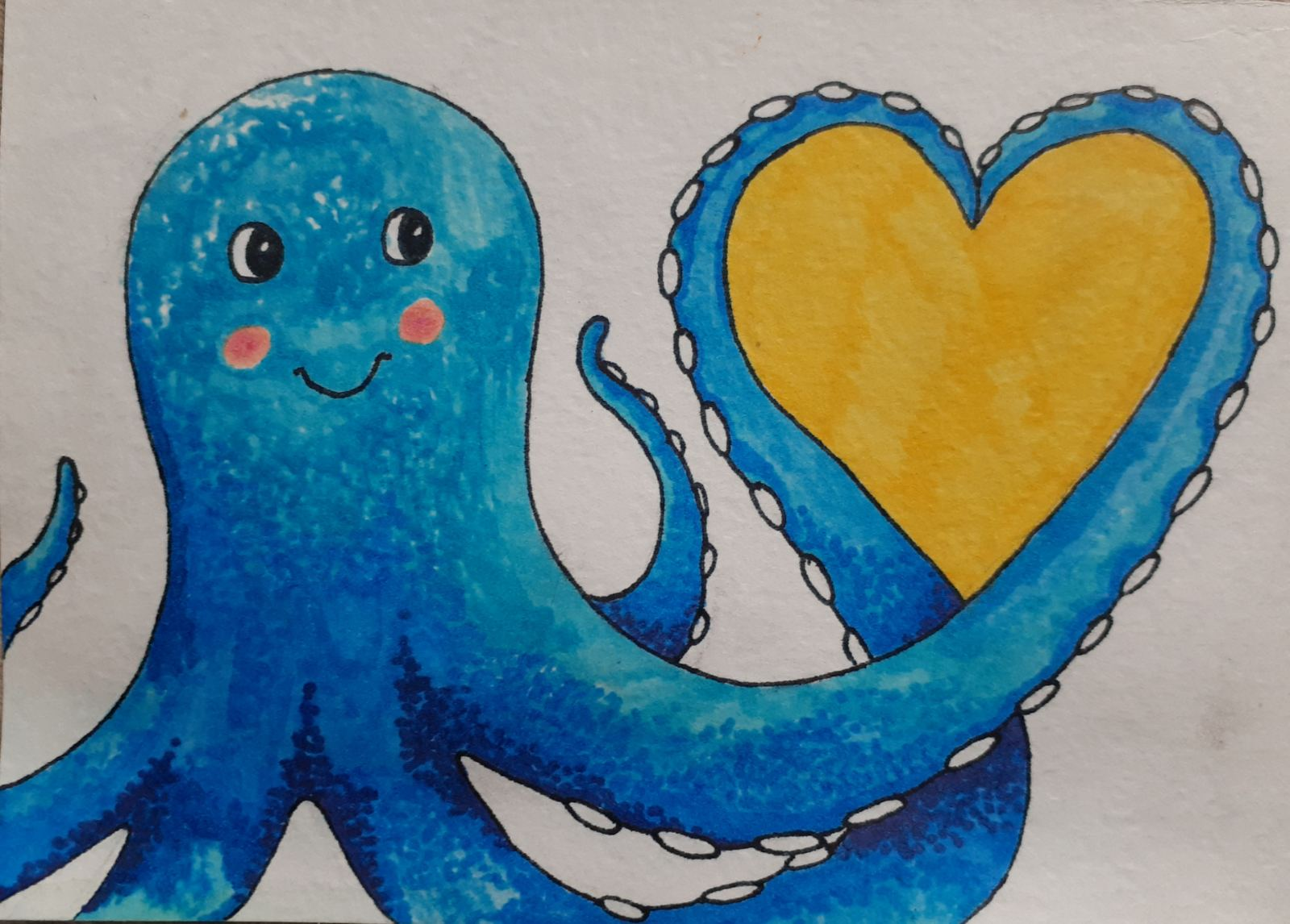
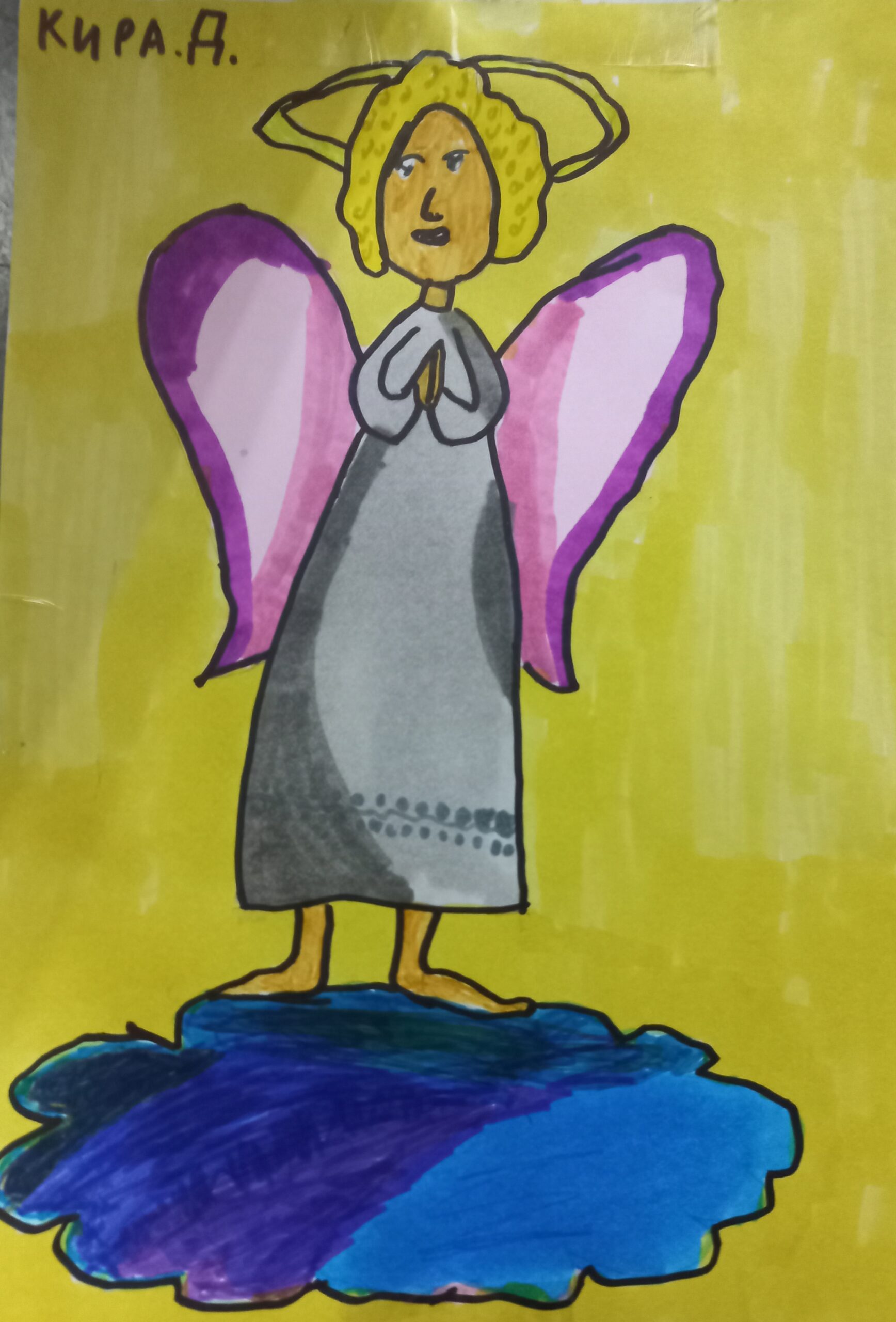
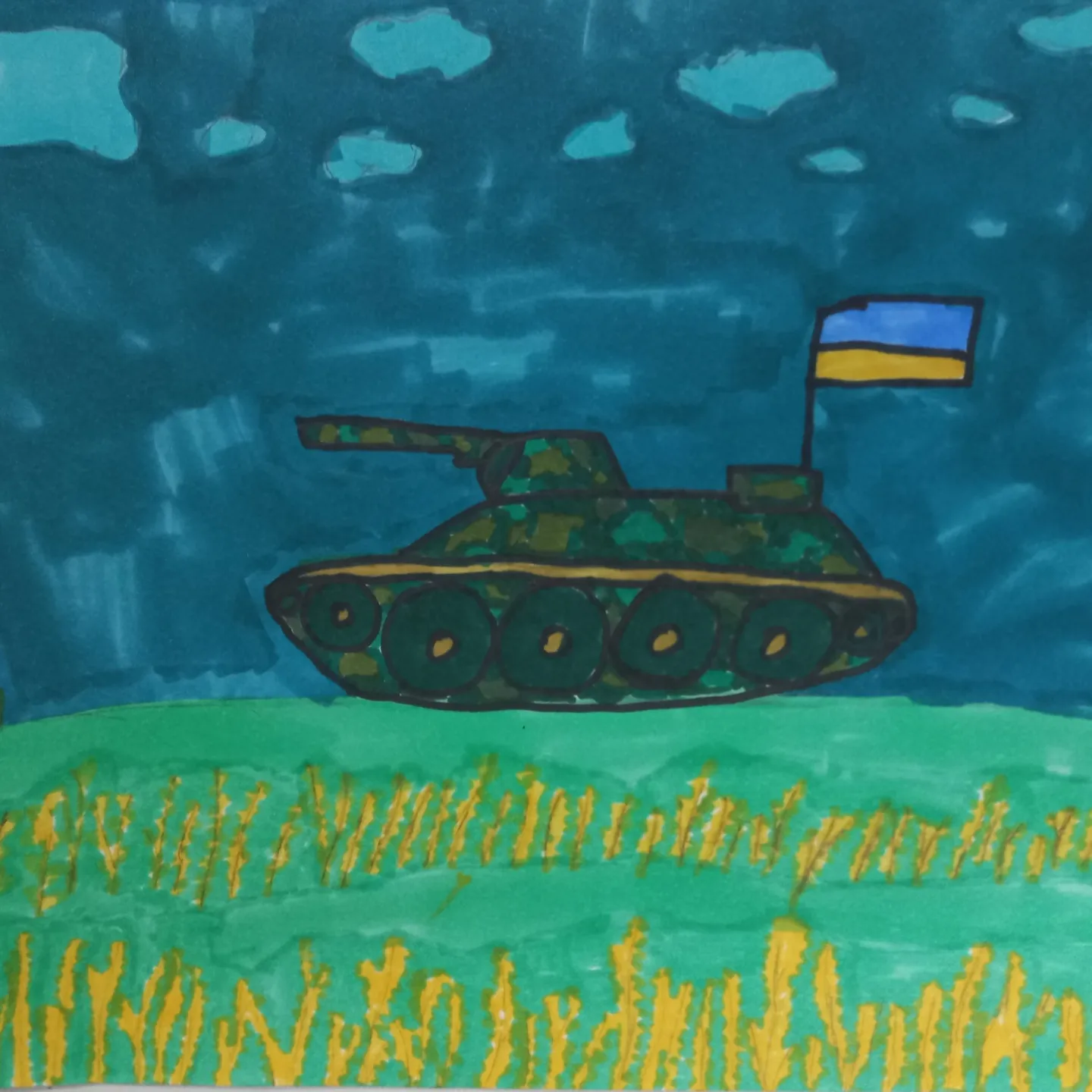
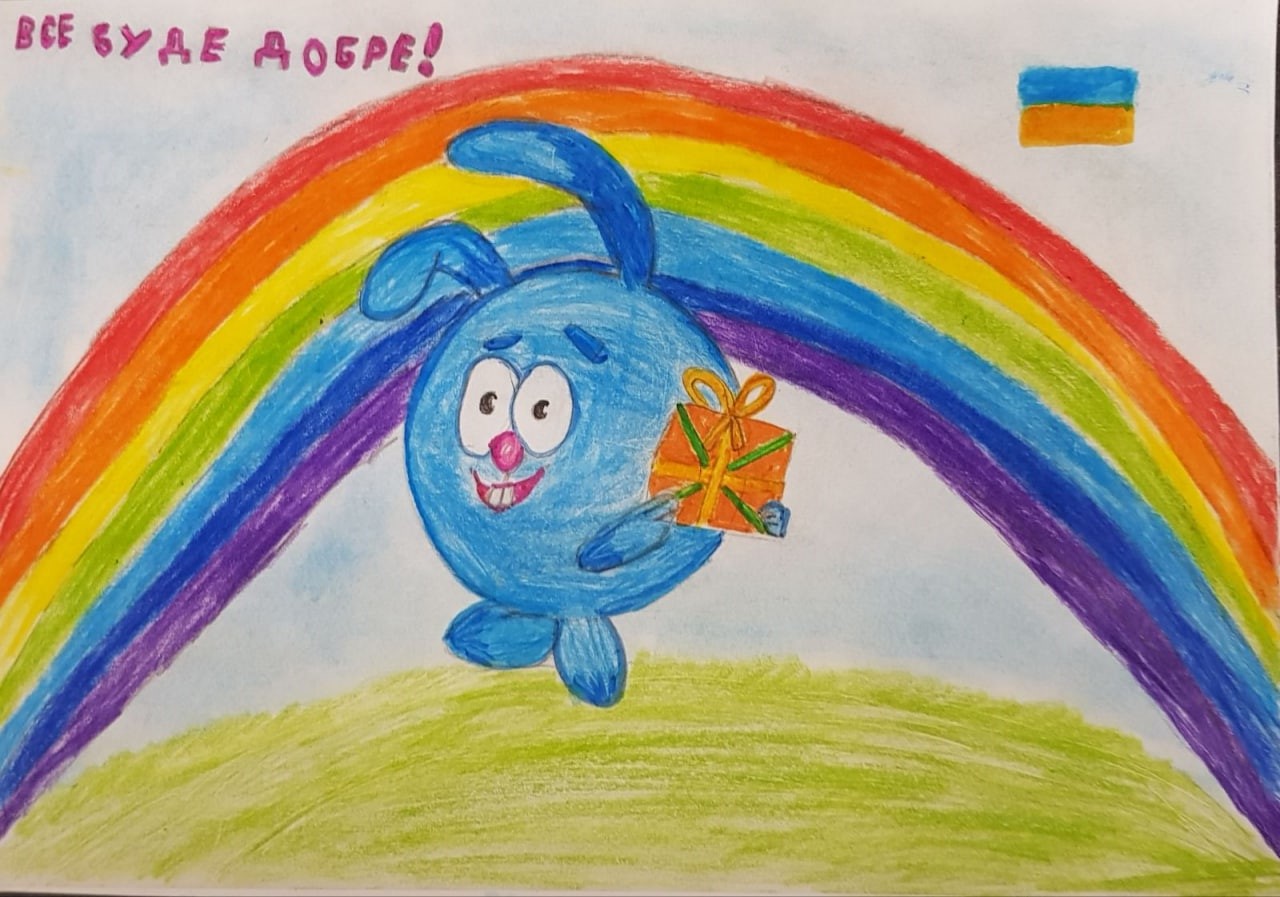
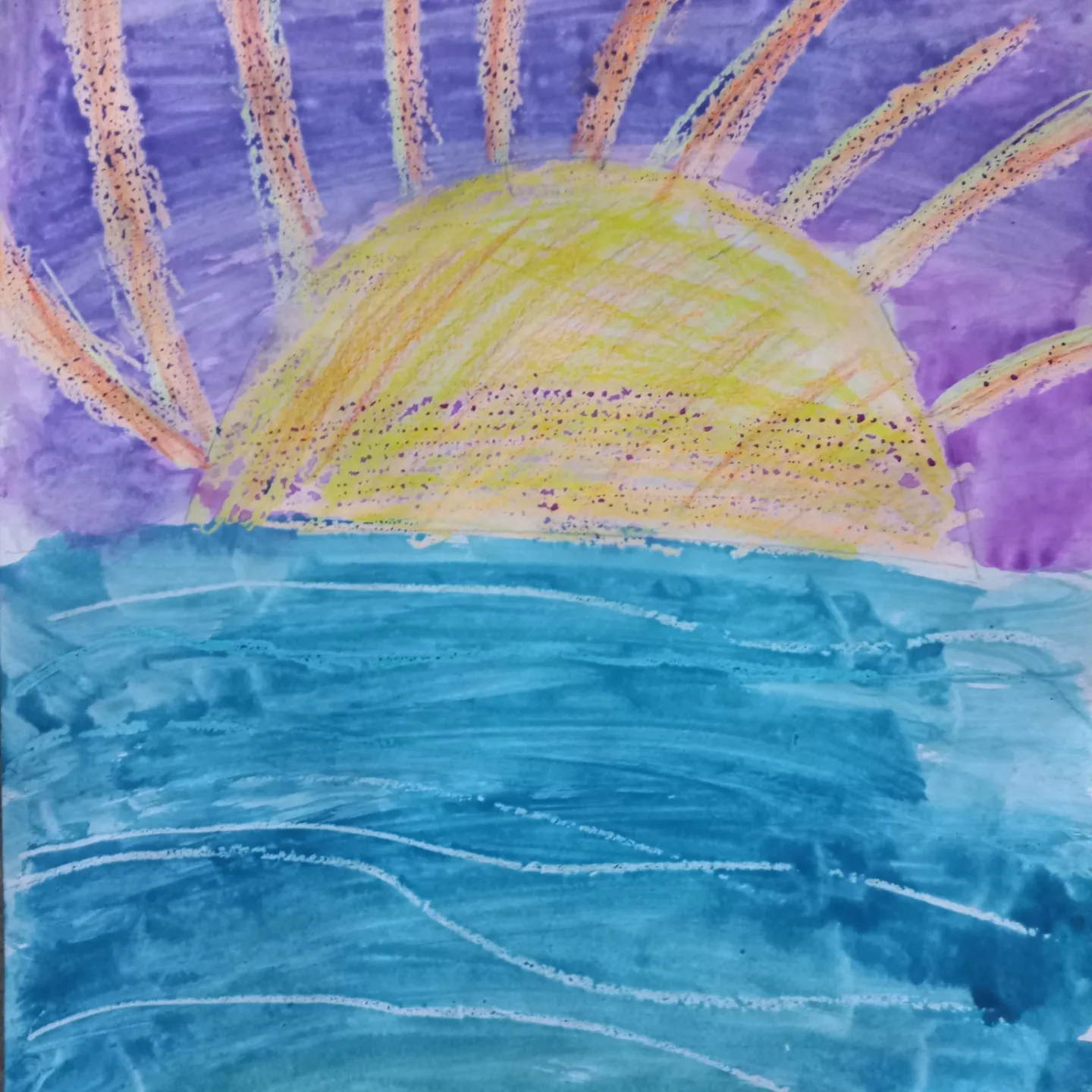
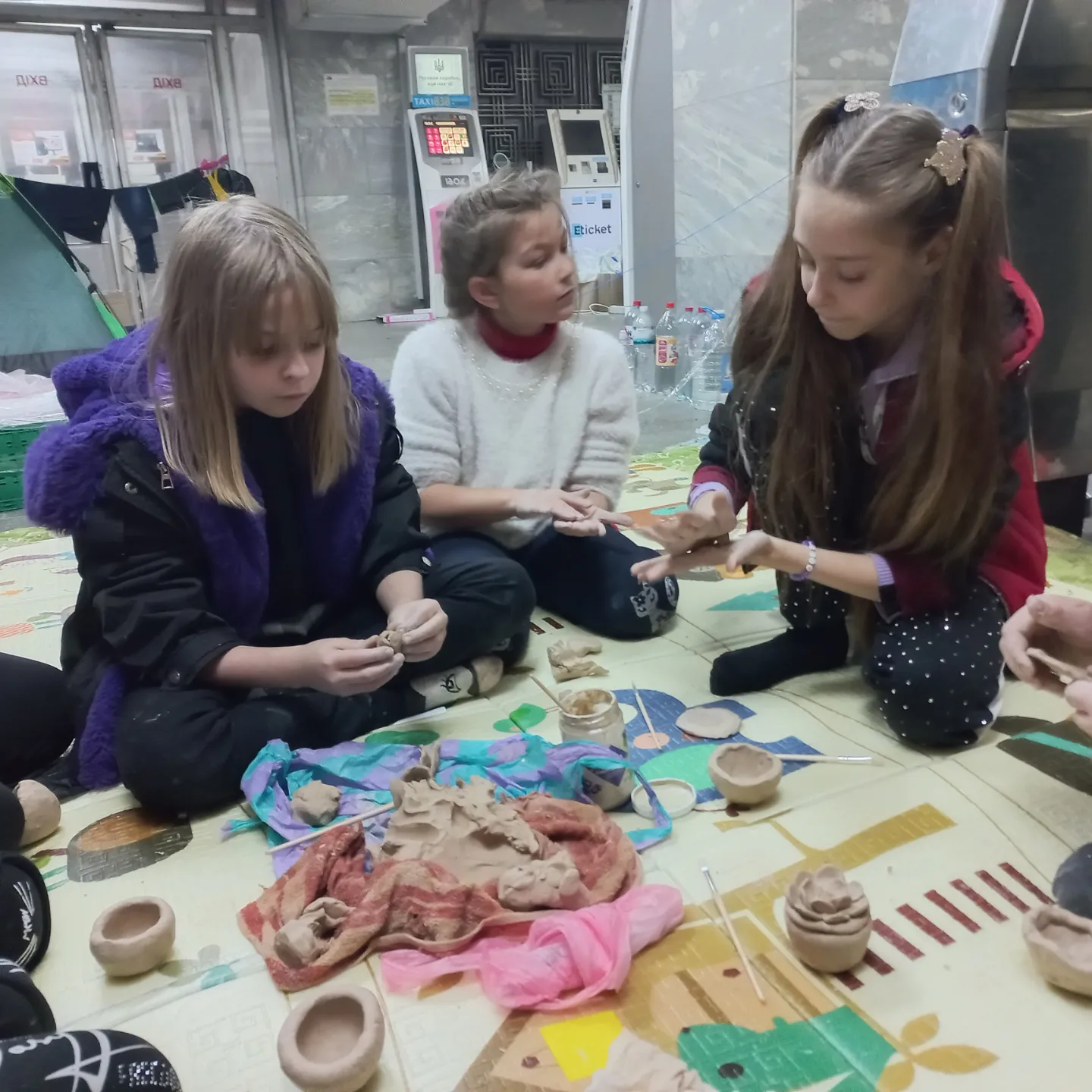
Olha is putting her mom’s strategy to work and looking for ways to volunteer her talents. She is part of a group organizing “Let’s Get Distracted” which offers Ukrainian children free online lessons on a variety of topics including English and Chinese speaking clubs, math games and computer science lessons. She says, “Even for children in somewhat safe regions, life is nothing like it was. Most haven't seen their friends for three months and that is why we're trying to bring a little joy to their lives.”
Growing up in Kharkiv, Olha discovered her love and talent for mathematics. In 2016 and 2017, she competed on a team of four students representing Ukraine facing off against 44 countries in the prestigious European Mathematical Olympiad. In 2017, Olha achieved a perfect score and led her team to tournament gold, beating the Russian team by 1 point. Unfortunately, since we last spoke with Olha, this memory has turned bittersweet.
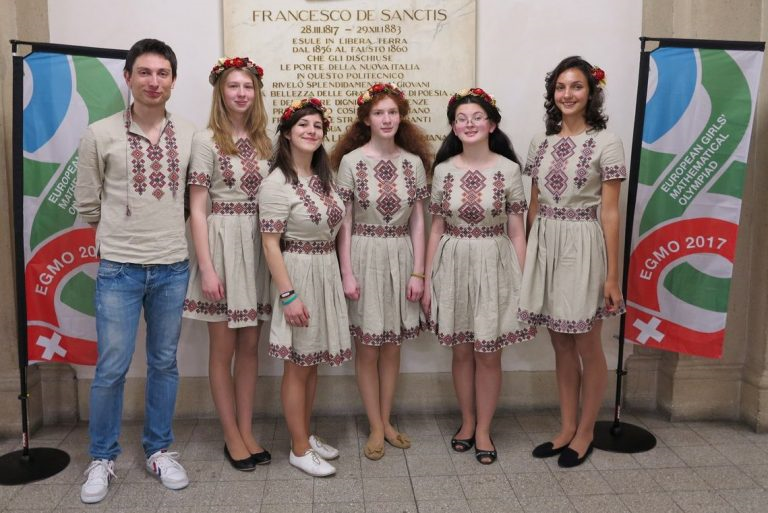
In late March, Olha’s Math Olympics teammate and friend, 21-year-old Yuliia Zdanovska was volunteering in Kharkiv when she was killed by a Russian-fired missile strike on a residential building. Olha, who had known Yuliia since the seven-year-olds met at a math group, told us, “It’s unimaginable. If you are in Ukraine you are a target — civilians, kids, everyone. Yuliia was such a great person and a talented mathematician. She stayed in Kharkiv to volunteer and help people.”
Olha also introduced us to her friend and fellow Ukrainian, Ivan Pereverzev, exp. ʼ22. The two met at UCLA in a club for Russian speakers. Ivan is from Kyiv, Ukraine’s capital and largest city. At the start of the war, Kyiv came under assault from the Russian army, who faced a stronger-than-expected Ukrainian resistance. His family remained in Kyiv until recently, when they escaped to safety. Their drive from Kyiv would normally take four hours, but instead it took a harrowing four days because the roads and towns surrounding the city have suffered relentless bombing and destruction. He says, “They are safe now. That’s all that matters.”
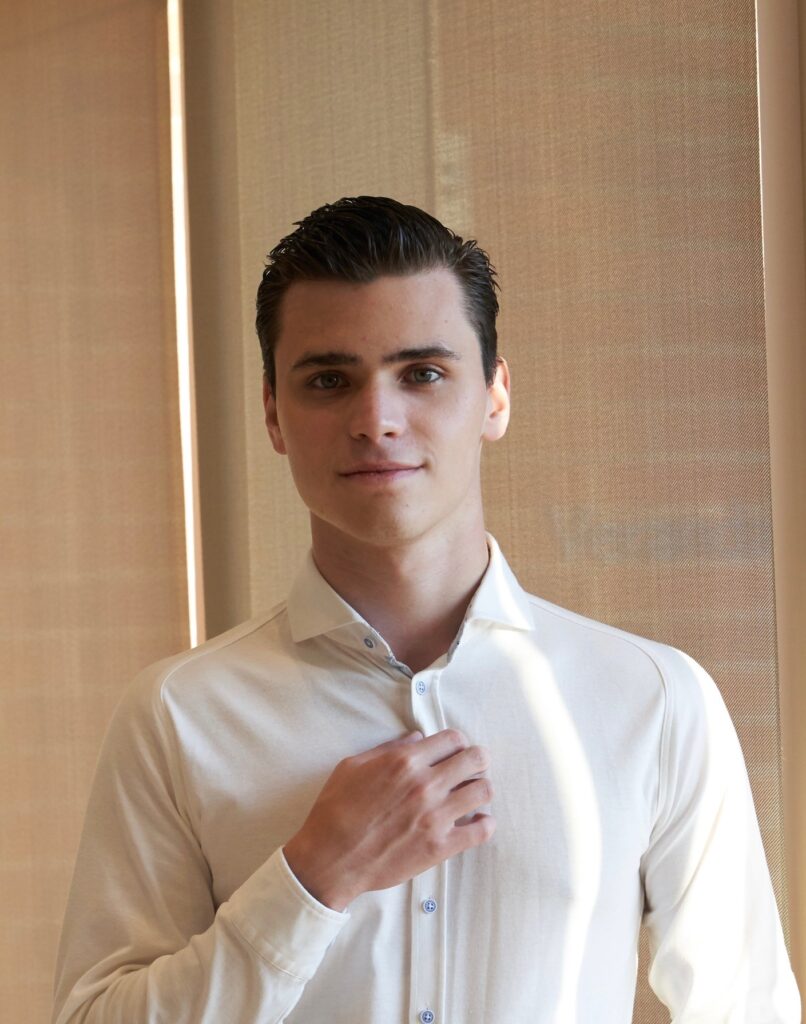
Since the war began, Ivan and his Ukrainian friends and family have experienced an exhausting cycle of emotions — each setback for Ukraine is an extreme low, while good news from the front brings an emotional high.
In addition to his studies, Ivan is a talented musician who believes in the power of art and music “to forge an emotional connection which transcends conscious thought.” In February, far from home in Los Angeles and unable to sleep, Ivan composed a song to Ukraine, “2.24” signifying the start of the Russian invasion. The lyrics share his disbelief and sadness,
“I’m afraid how I feel, I can’t say this is real
I know nobody lives forever
I’m an idiot still but I don’t need to be healed
I know we’ll always stand together
‘Cause we stand for nation
Rise, generations
We got one place for your love, one place for your love
One place for salvation, one place for the people
One place for to love, one place for to love
And I just want the rain down, weather crying
Backs to backs, I’m reckless
Dying out, they’re dying out
And we will stand forever, and we will stand forever, and ever
Everlasting wars they wage
Can’t you stop this now, we say stop this now
WE STILL NEED TIME TO LIVE”
Ivan took 16 hours to write the song with two goals in mind — to share his love and support for Ukraine and to express his belief that there is never any justification for war. Ivan had planned to return to Ukraine following his graduation from UCLA, but is unsure now what the future holds. However, he tells us one thing is certain, “We promised our parents we would live, we would carry on the traditions and culture. And that is what we will do.”
Like Ivan, the strength she sees in her fellow Ukrainians continues to inspire Olha. She told us, “I’ve never been more proud of Ukraine. It’s amazing how people are working together, supporting each other and doing all they can to help.” She is currently volunteering on a project at the Ukrainian Culture Center of Los Angeles making first aid kits to send to the Ukrainian army. She shared the project’s wish list for Bruins who want to help. The finished packages will go directly to those in need.
Olha’s hope is that people won’t turn away from Ukraine. She knows that some may hesitate to ask her questions about the situation, but she wants them to know that she is glad when people reach out. She says, “I’m ready to talk about it any time. I feel so glad to know that people care. I feel supported and acknowledged. It’s been very traumatic, I think about it all the time and I’m glad when I can talk to someone about it.”
Related Articles:
Ukrainian Student’s Plea for Help (March 11)
UCLA Audience Hears Insights About War From Ukrainian Professor as Rockets Fall (March 16)
Podcast Examines Ukraine-Russia Conflict Through the Lens of History (March 22)
Is Russia’s Invasion of Ukraine a “Holy War?” It’s complicated (April 14)
UCLA, Professors Call on U.S. to Provide More Support for Ukrainian Refugees (April 27)
Recent Articles
Our Proud Partners


