A Bruin’s Fight for Human Rights in Iran

U
CLA alumna Orly Hakimi ’03 wants people to know about the beauty of Iran. "I want people to get to know my country. The scenery is beautiful, the culture is amazing, the food is delicious. It has some of the best music, architecture, dancing, poetry, but the world doesn’t see it because of the human rights abuses.”
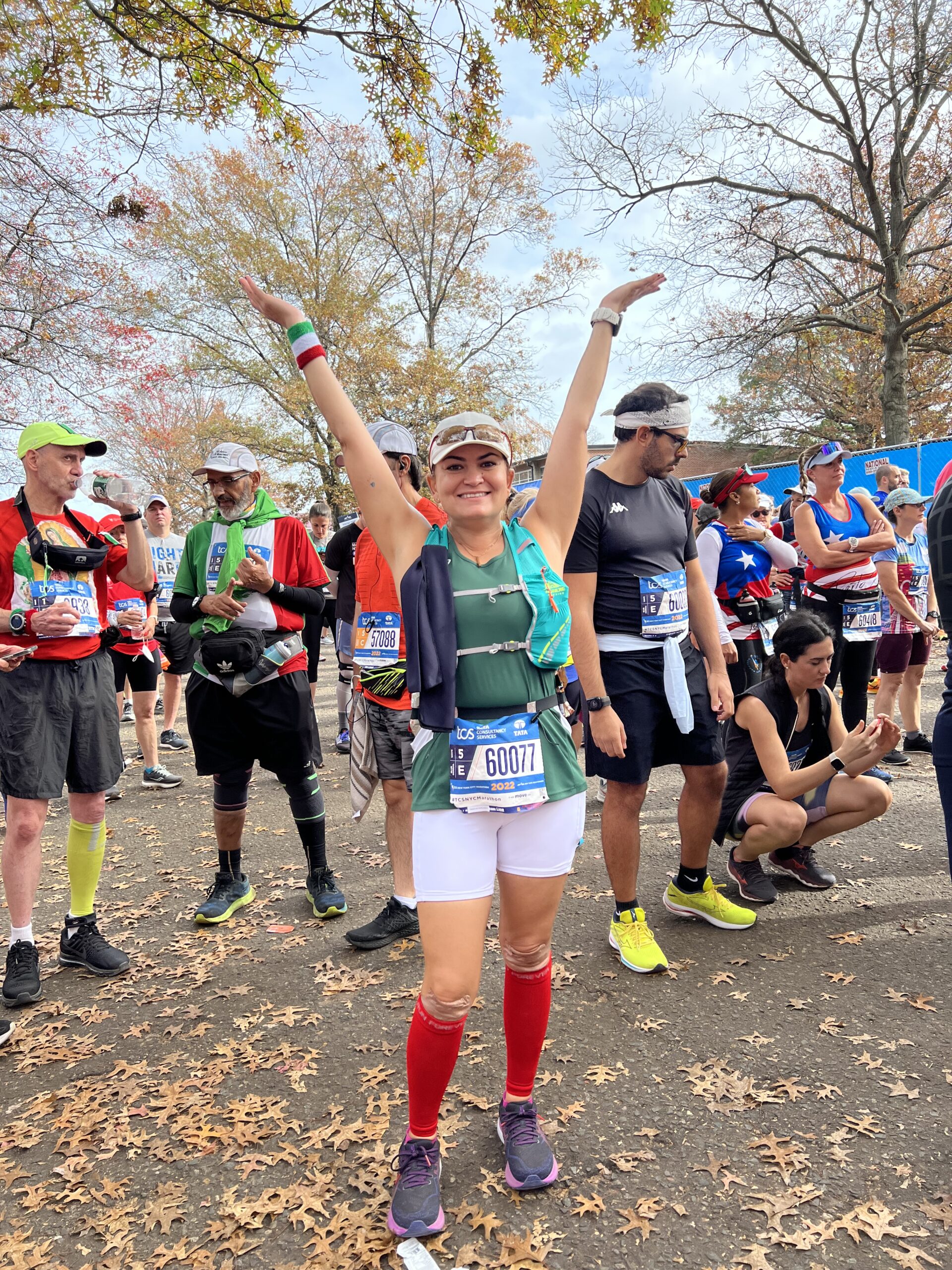
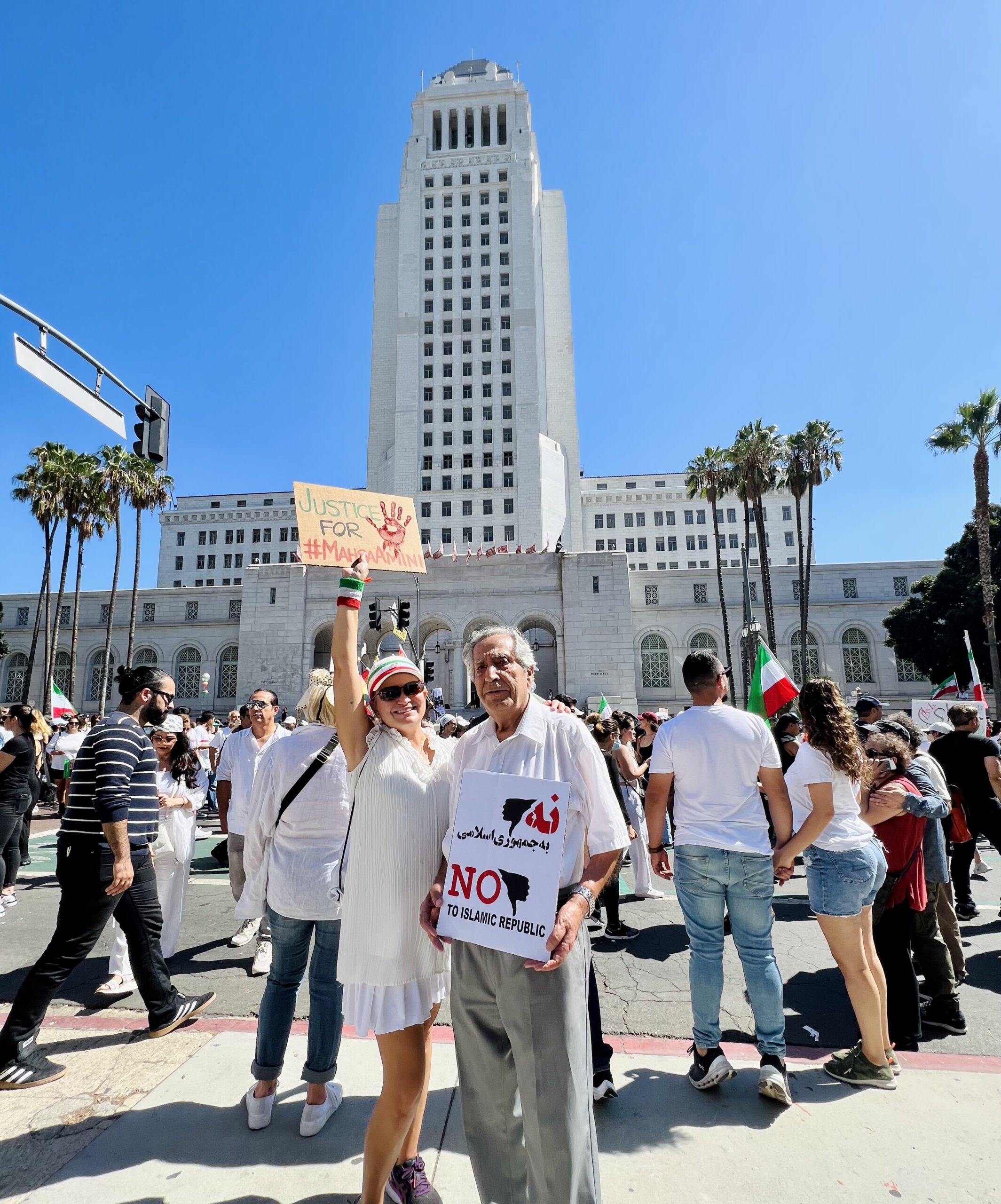
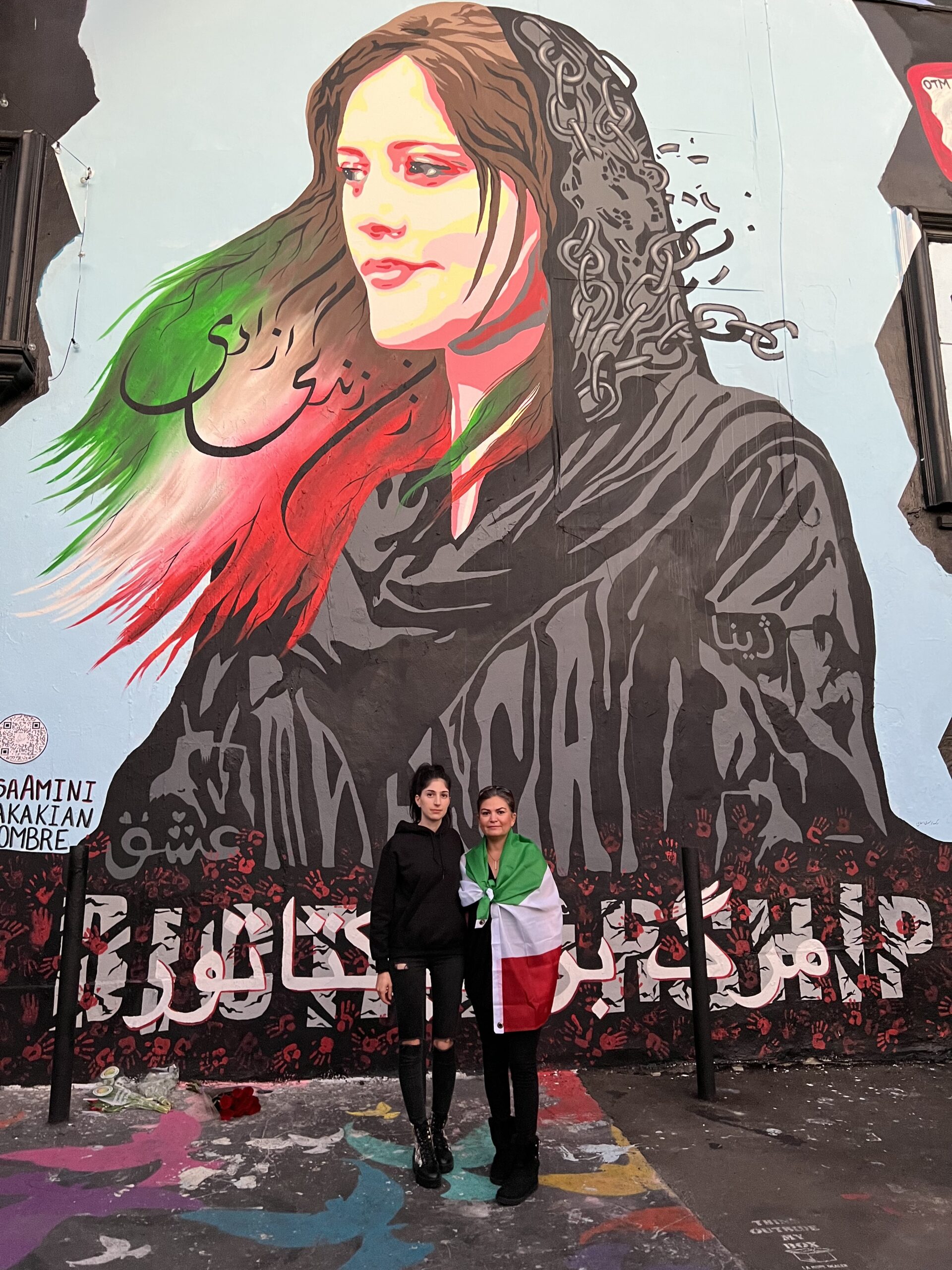
Hakimi has been outspoken in her support for the protests that followed the death of Mahsa (Zhina) Amini, a 22-year-old Kurdish-Iranian, who was detained by Iran’s so-called morality police for improperly wearing her government-mandated headscarf. When Amini died in custody, Iranians took to the streets in one of the country’s largest movements for human rights since the 1979 Iranian Revolution, when the religious Government of the Islamic Republic of Iran took power.
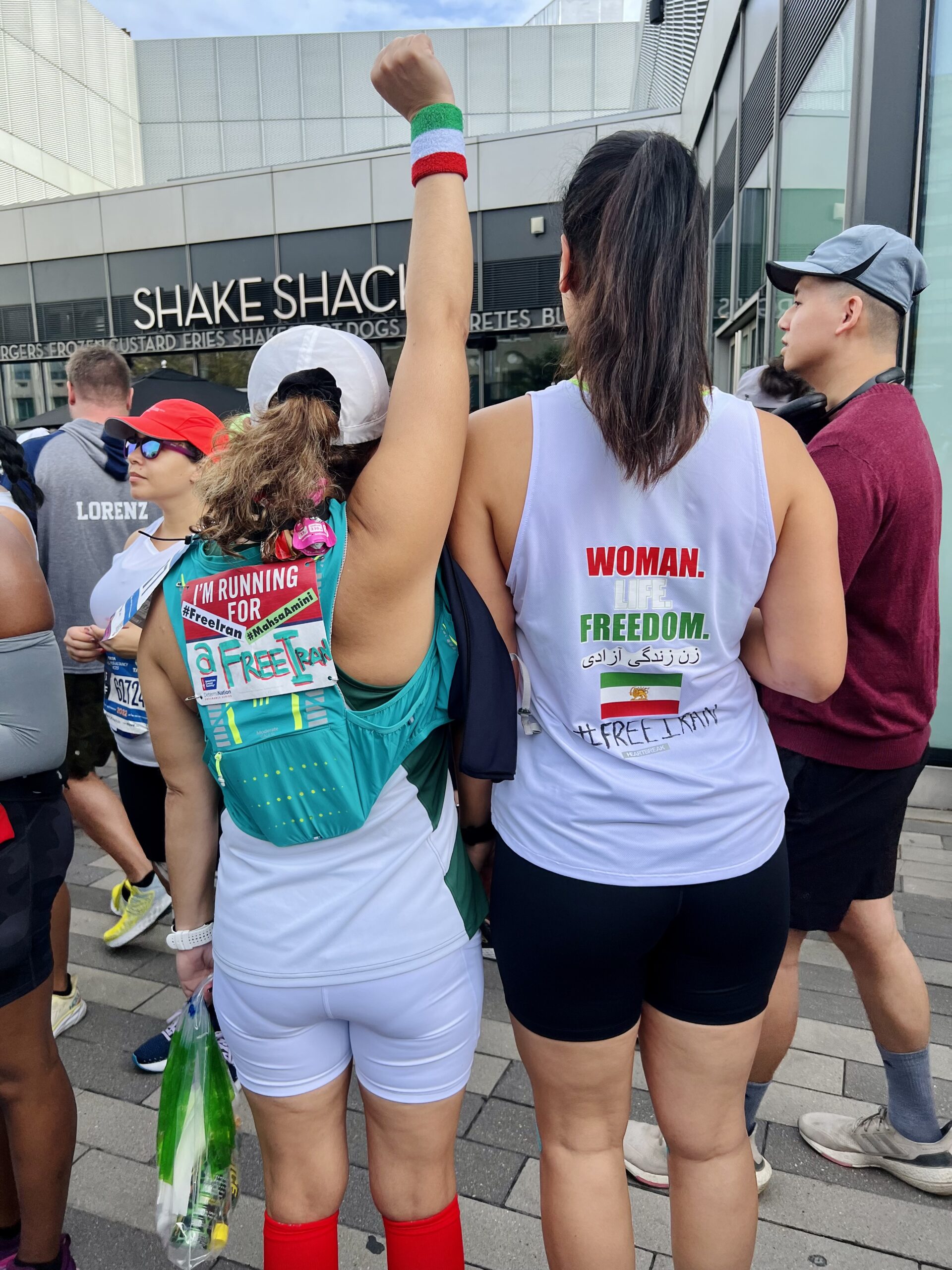
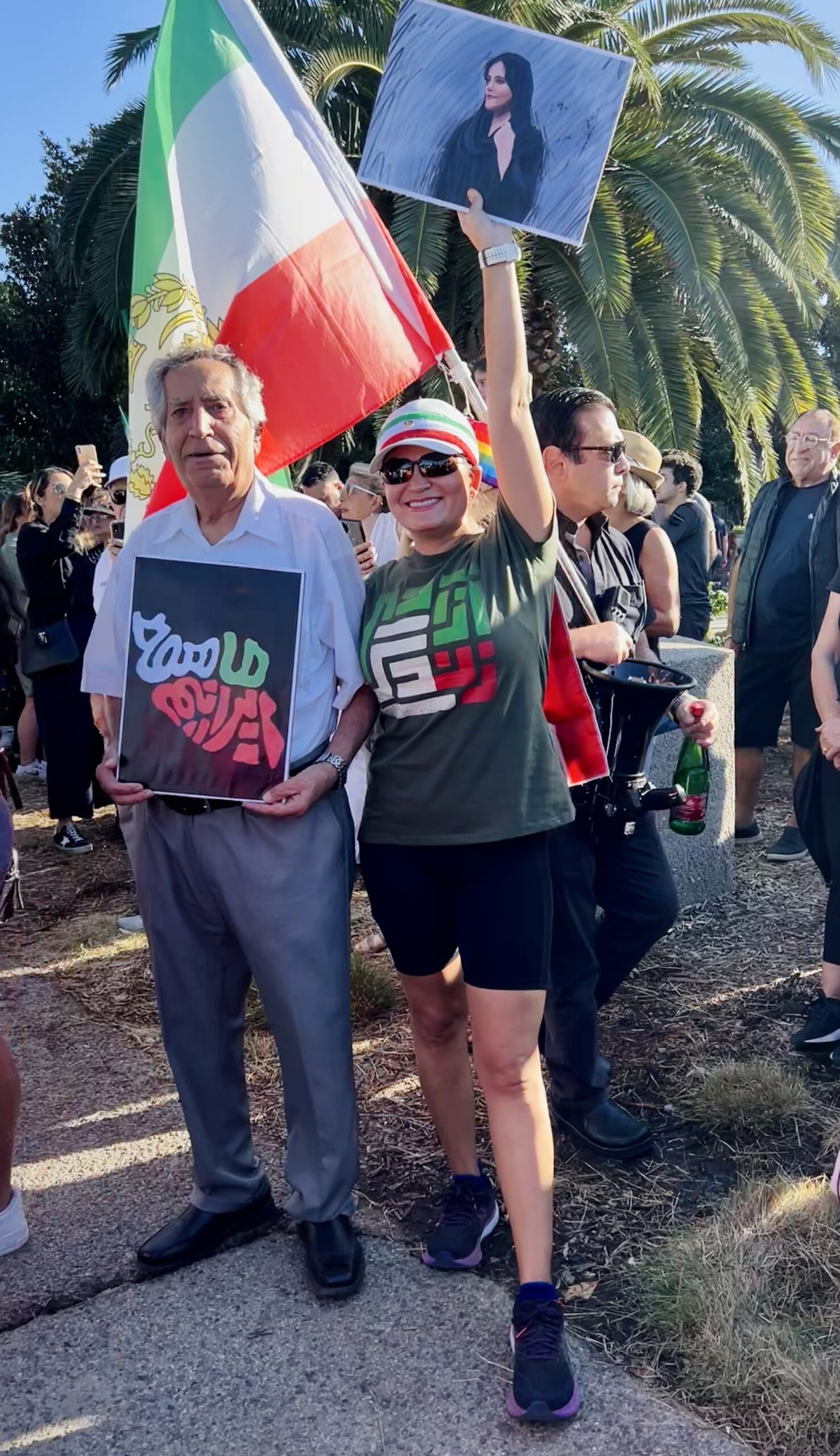
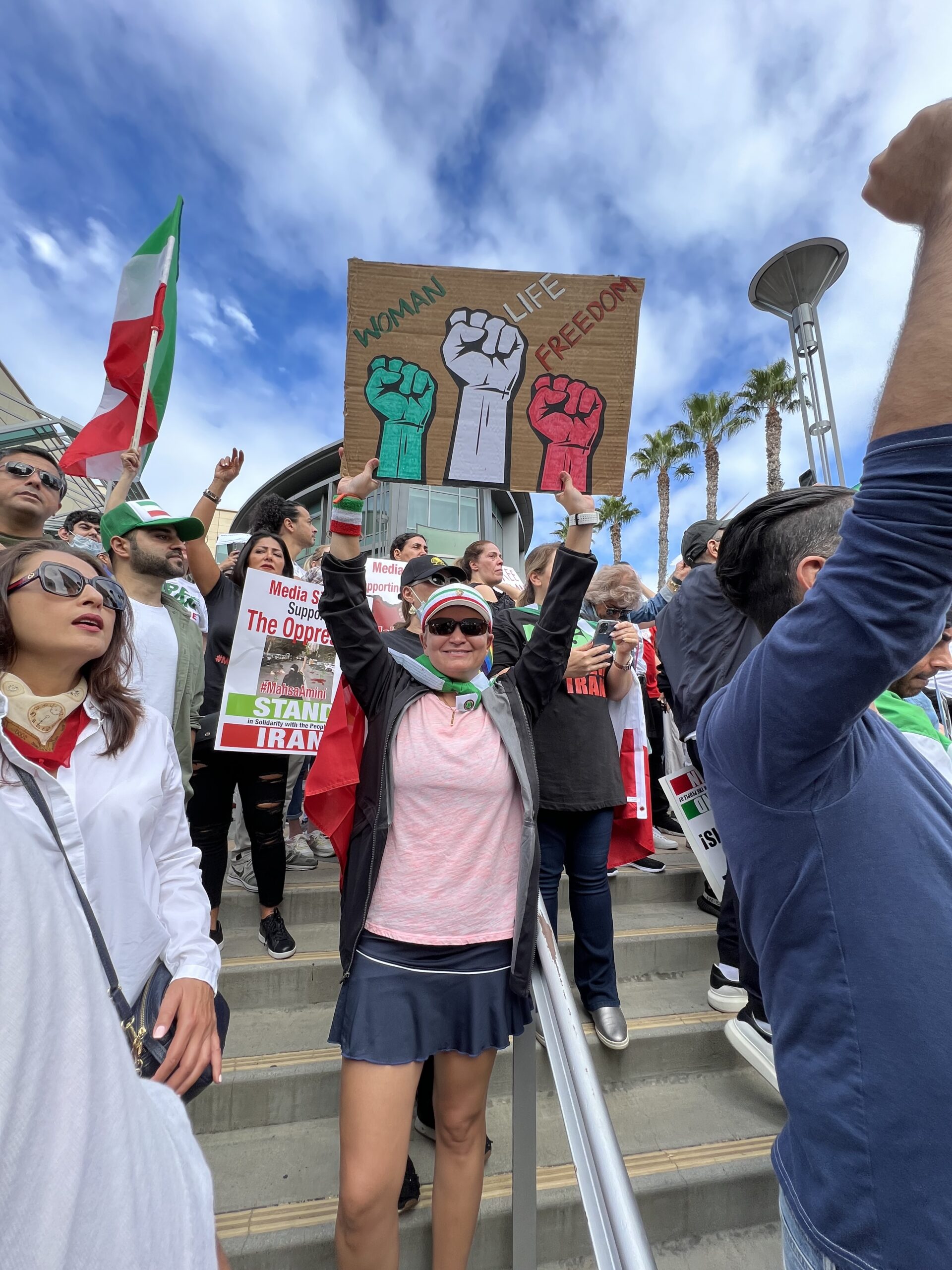
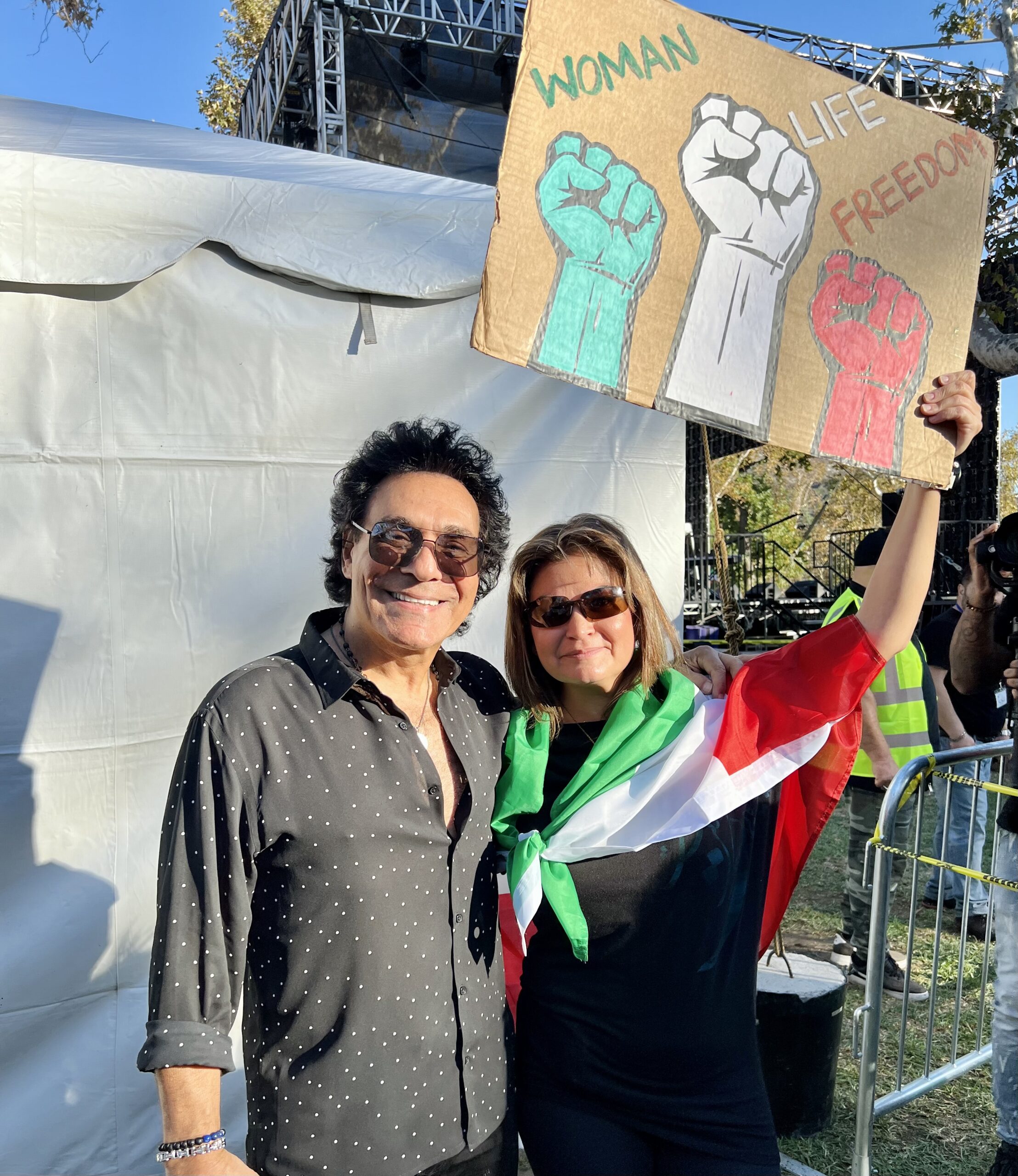
Iranian women have been at the forefront of civil rights protests, and Amini’s death sparked an uprising that soon spread worldwide, led by the chant “Woman, Life, Freedom” — “Jin, Jiyan, Azadi” in Kurdish; “Zan, Zendegia, Azadi” in Farsi.
Hakimi shared the discrimination and lack of human rights women face in Iran, “They can’t ask for a divorce, can’t wear what they want, can’t travel abroad without a male guardian’s approval, can’t check into a hotel. Basic things that we take for granted are outlawed.”
Iran is one of the world's oldest civilizations, and Hakimi draws a contrast between current events and the country’s legacy as the “Cradle of Civilization.” She says, “2500 years ago Cyrus the Great wrote the first document on human rights. It’s so sad that the country that was the birthplace of human rights is now fighting for what a person wears.”
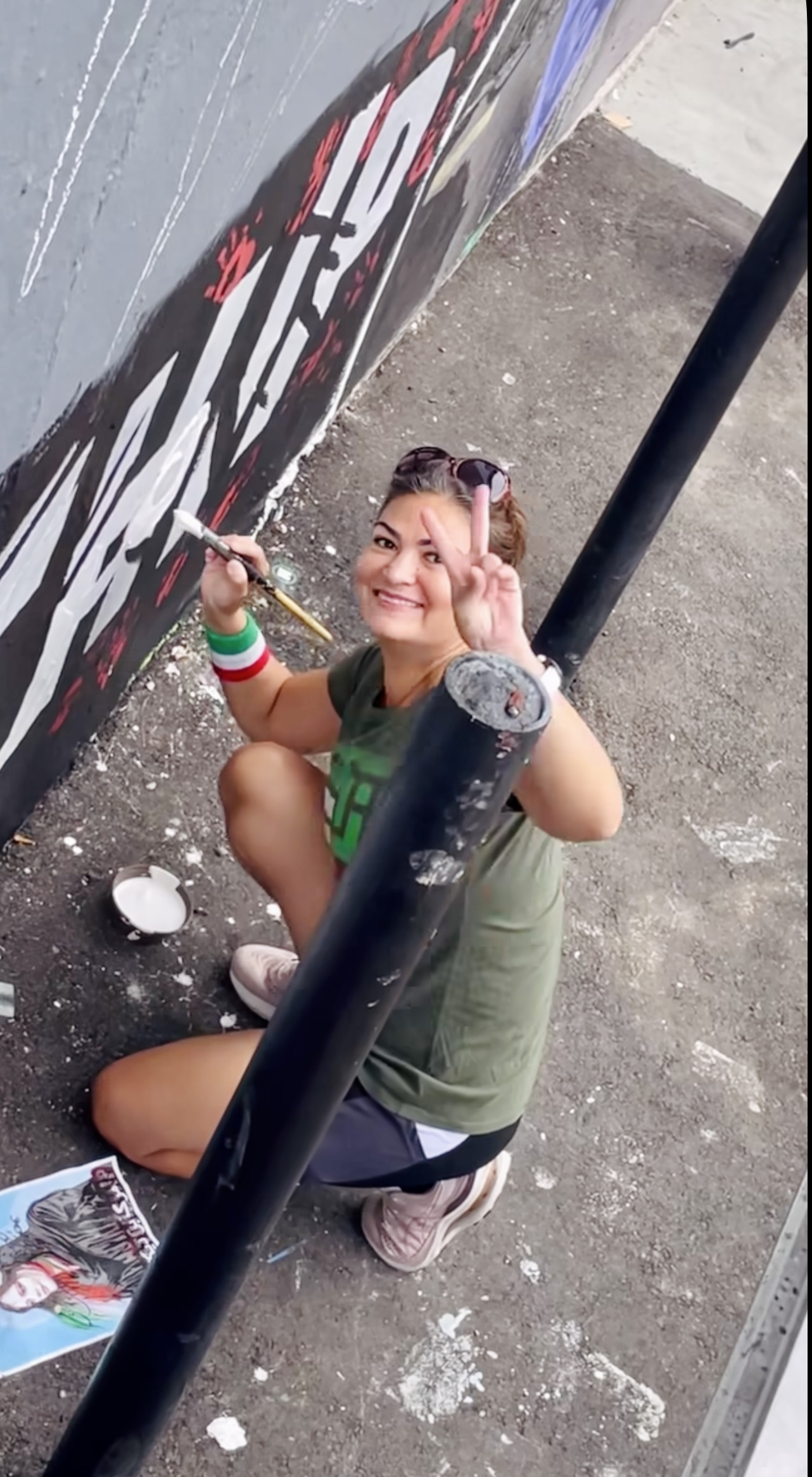
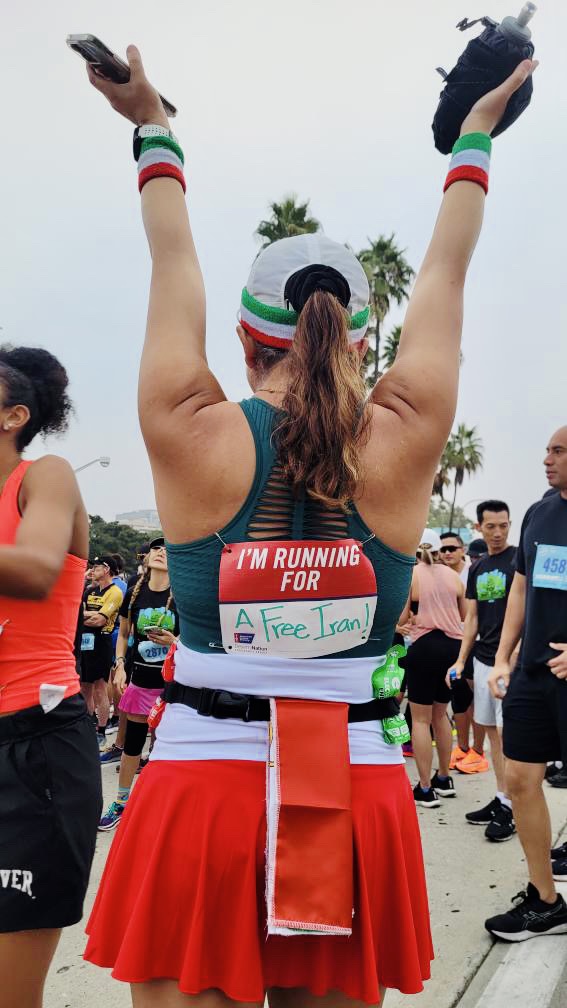
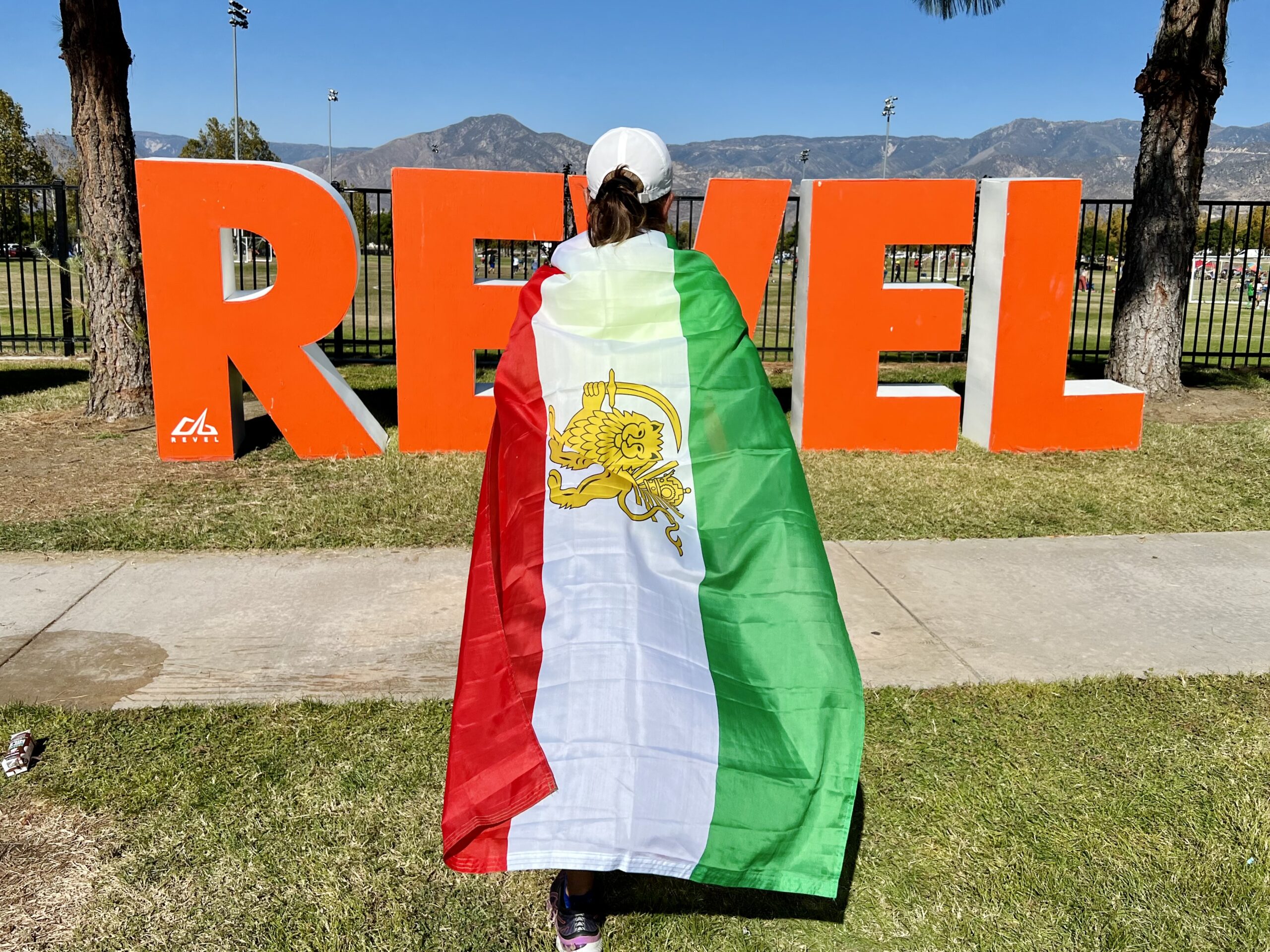
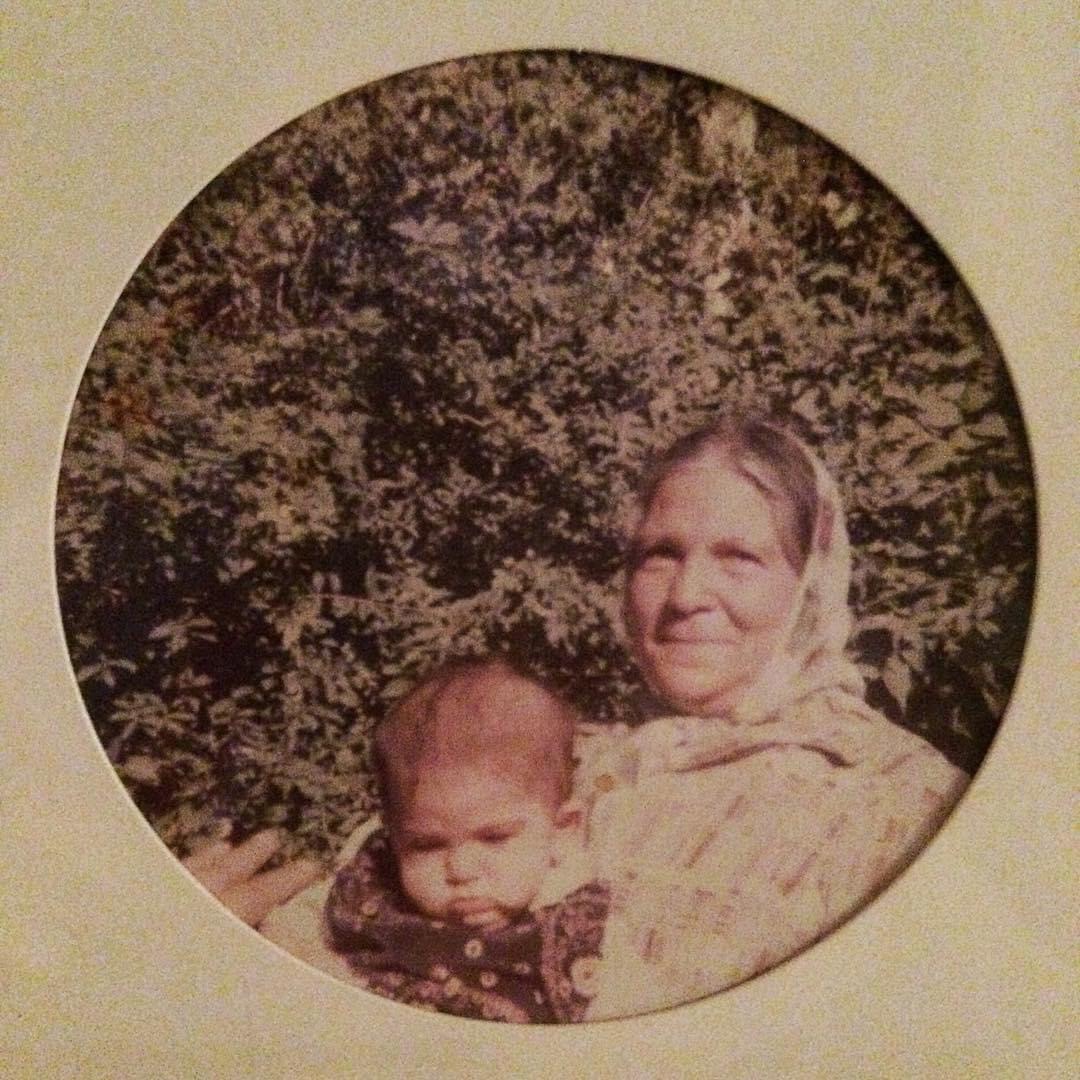
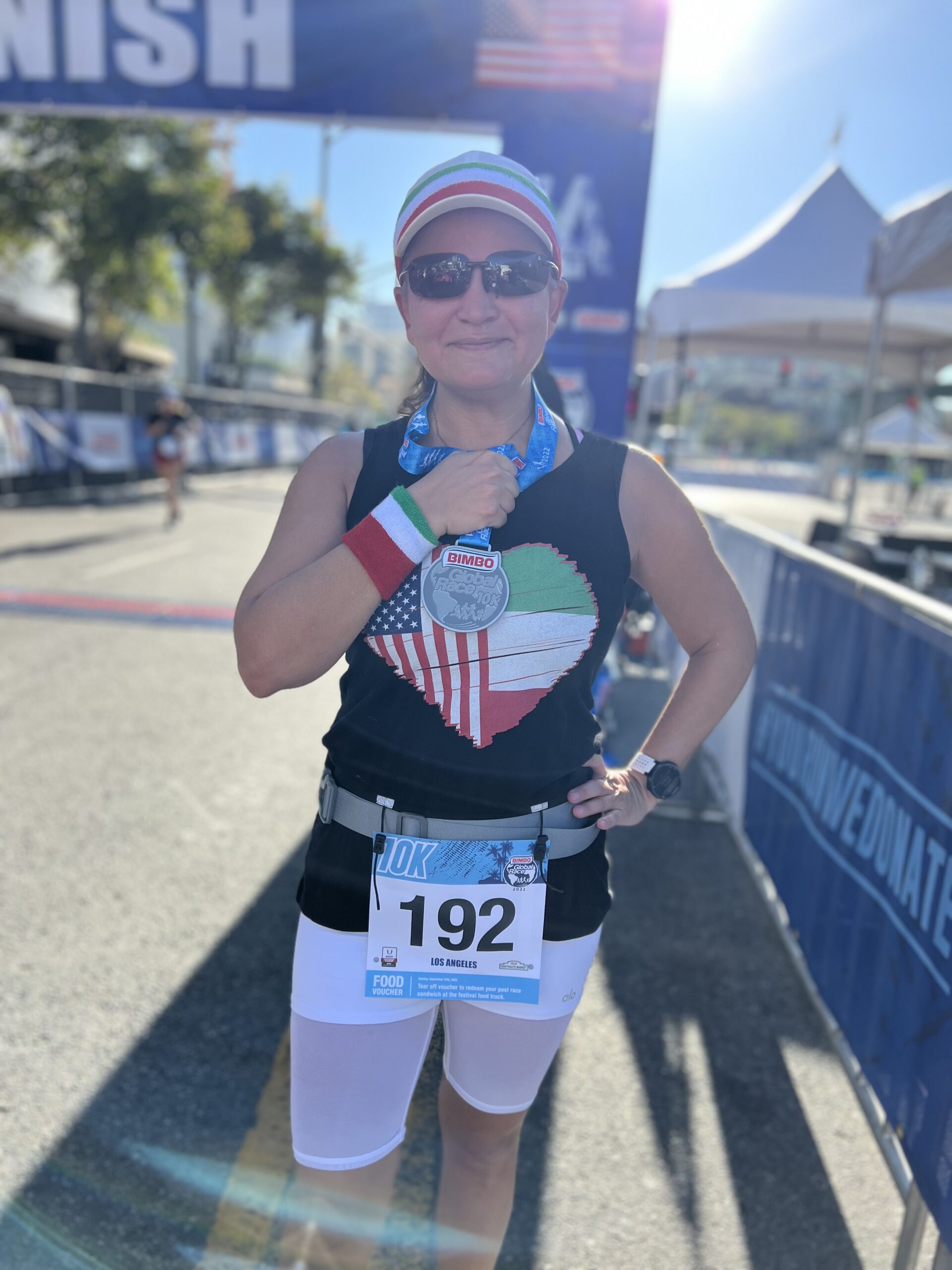
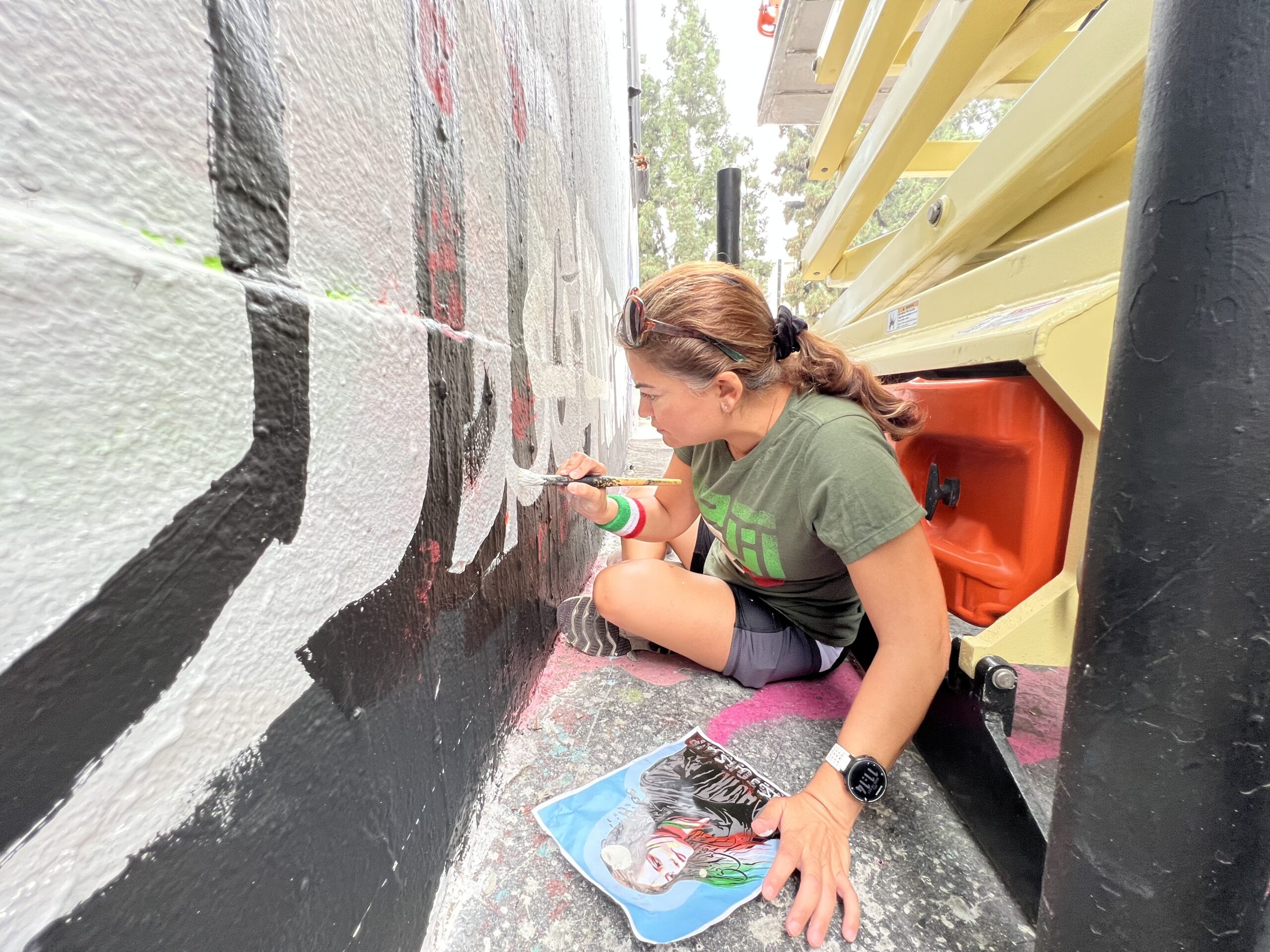
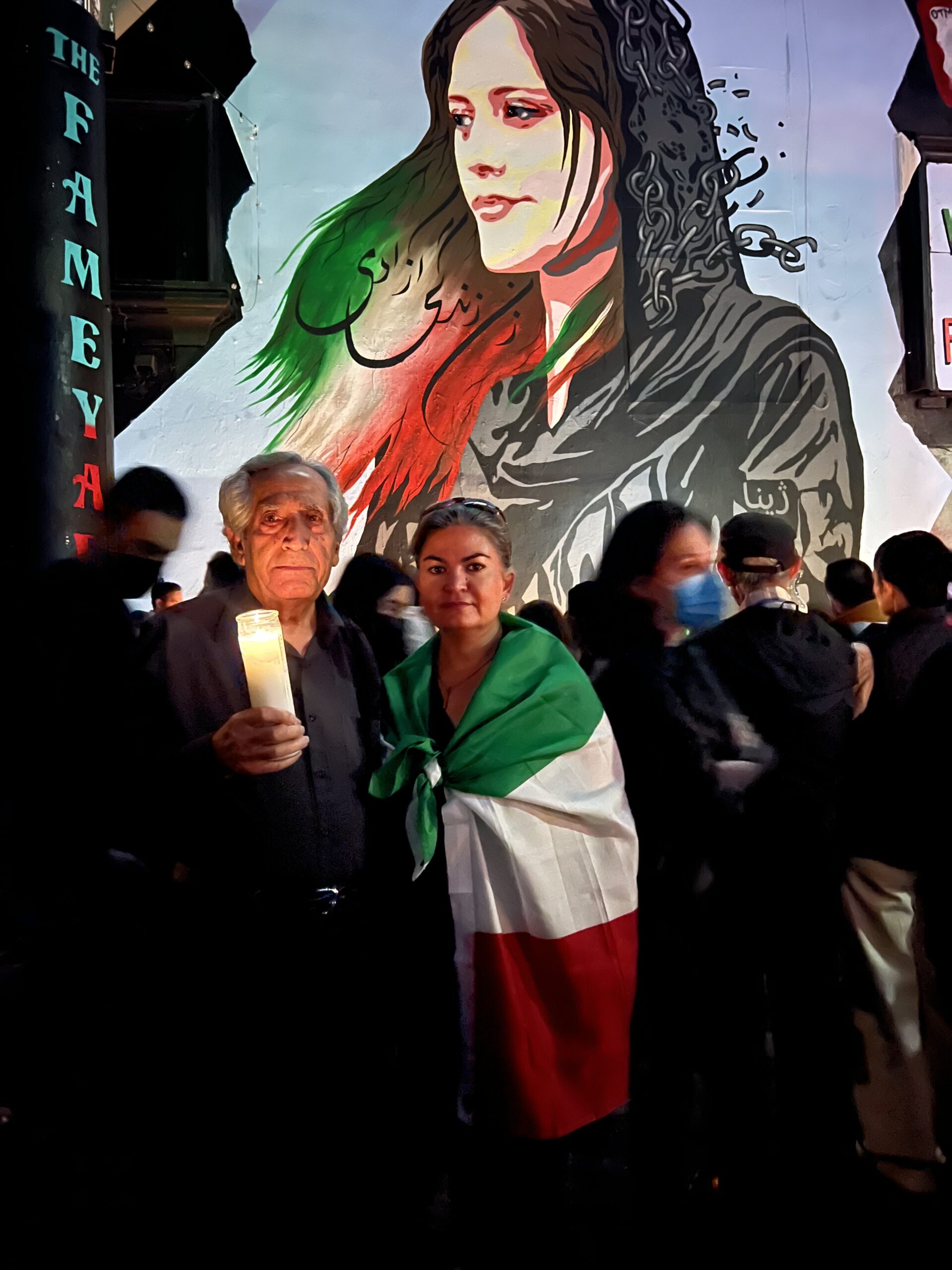
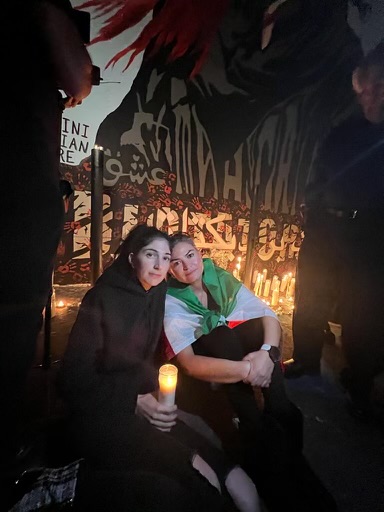
When Hakimi was 10 years old, her family left Iran and emigrated to the United States after the murder of her grandmother went unpunished because she was a woman murdered by a man. Today, as an avid runner, she has been raising awareness in any way she can. She runs while carrying an Iranian flag and wearing the message, “Running for a Free Iran.” She says, “I have gotten so much positive feedback, our message has been heard.” She has joined fellow activists to paint murals, marched through Los Angeles and formed a human chain with thousands of people. She has attended rallies, concerts and a protest where people chained themselves to LACMA’s streetlights installation.
"They can’t ask for a divorce, can’t wear what they want, can’t travel abroad without a male guardian’s approval, can’t check into a hotel. Basic things that we take for granted are outlawed."
Young people are the driving force behind calls for change in Iran. Brave women have removed their hijab and cut their hair in acts of resistance. Many protests are taking place at universities and schools, and the government has responded with force, beating and imprisoning thousands. It is estimated that Iranian security forces have killed more than 300 people and detained nearly 15,000, mostly teens, young adults, students, lawyers, journalists and activists.
Protesters shared their acts of defiance on social media, until the Iranian government blocked or slowed access to digital communication. Tech-savvy young people are finding ways to avoid the blockade, and get messages and video to a waiting audience.
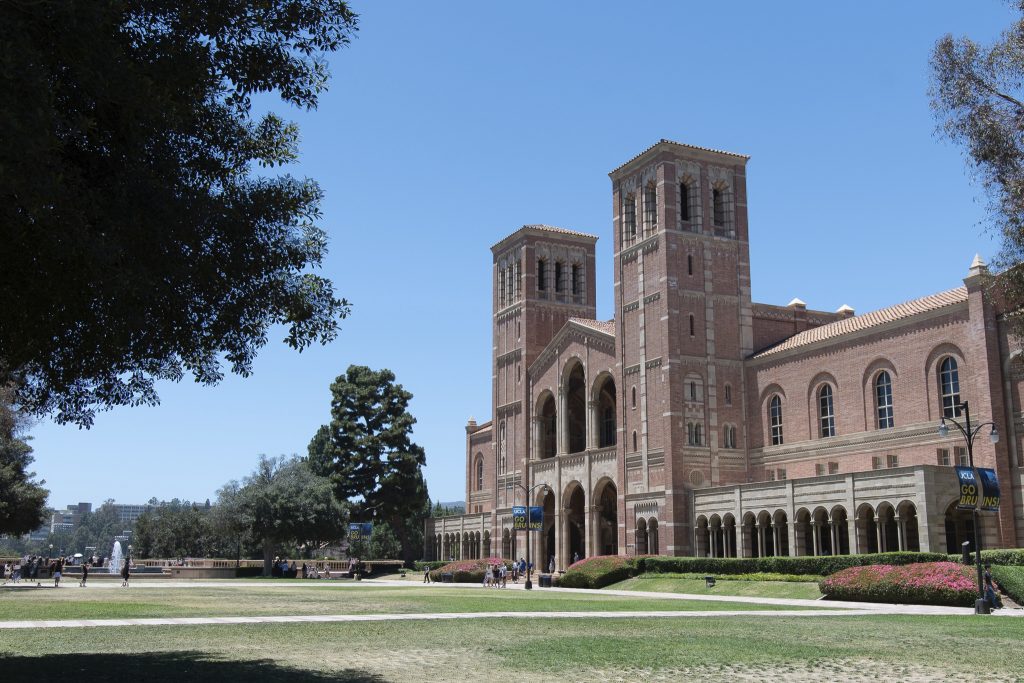
Los Angeles has the largest population of Iranians outside of Iran, and the UCLA community is home to Iranian students, alumni, staff and faculty. Following the Iranian Revolution, an estimated two million people left Iran. UCLA scholars are helping to make sense of the news, hosting panel discussions and meetings.
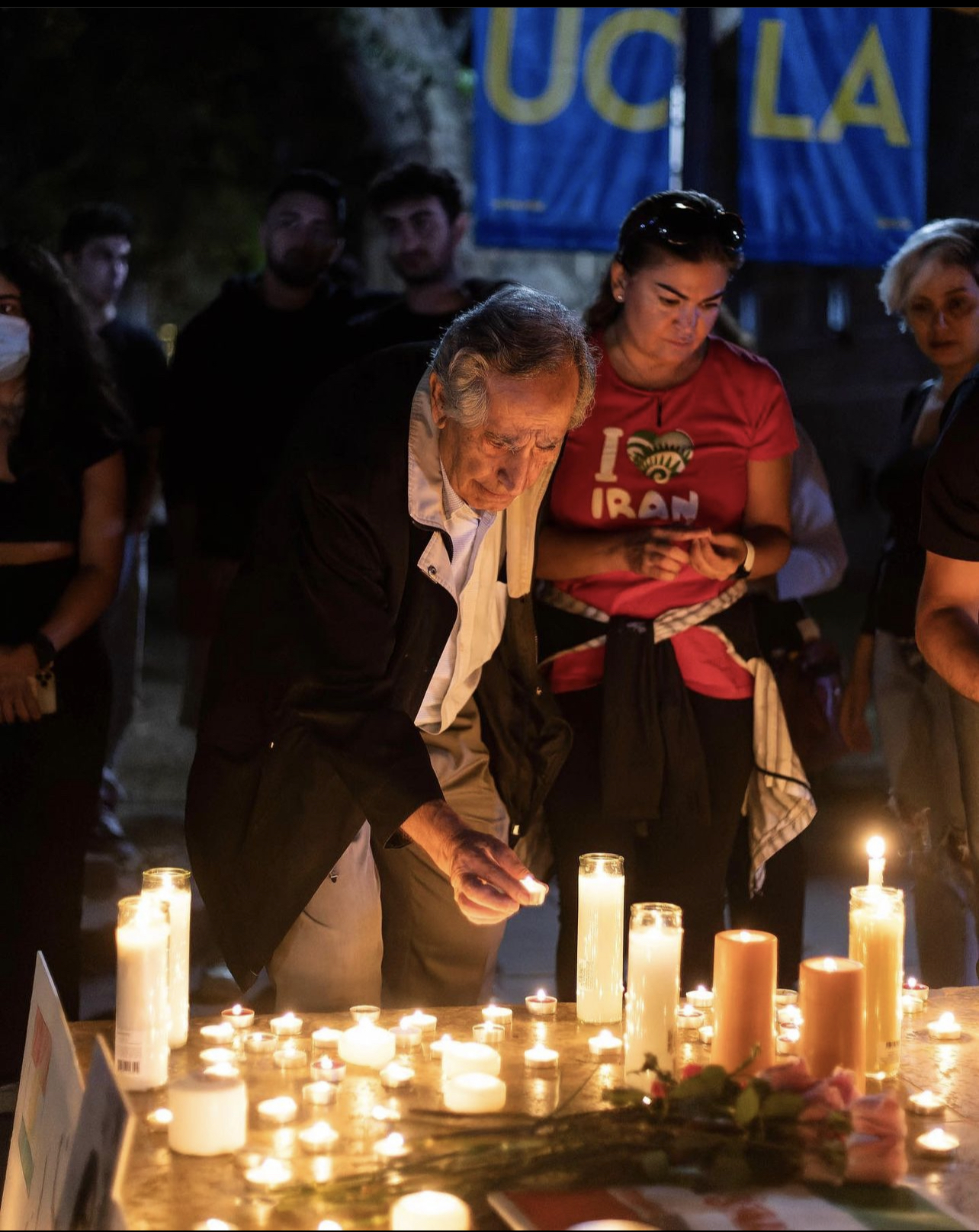
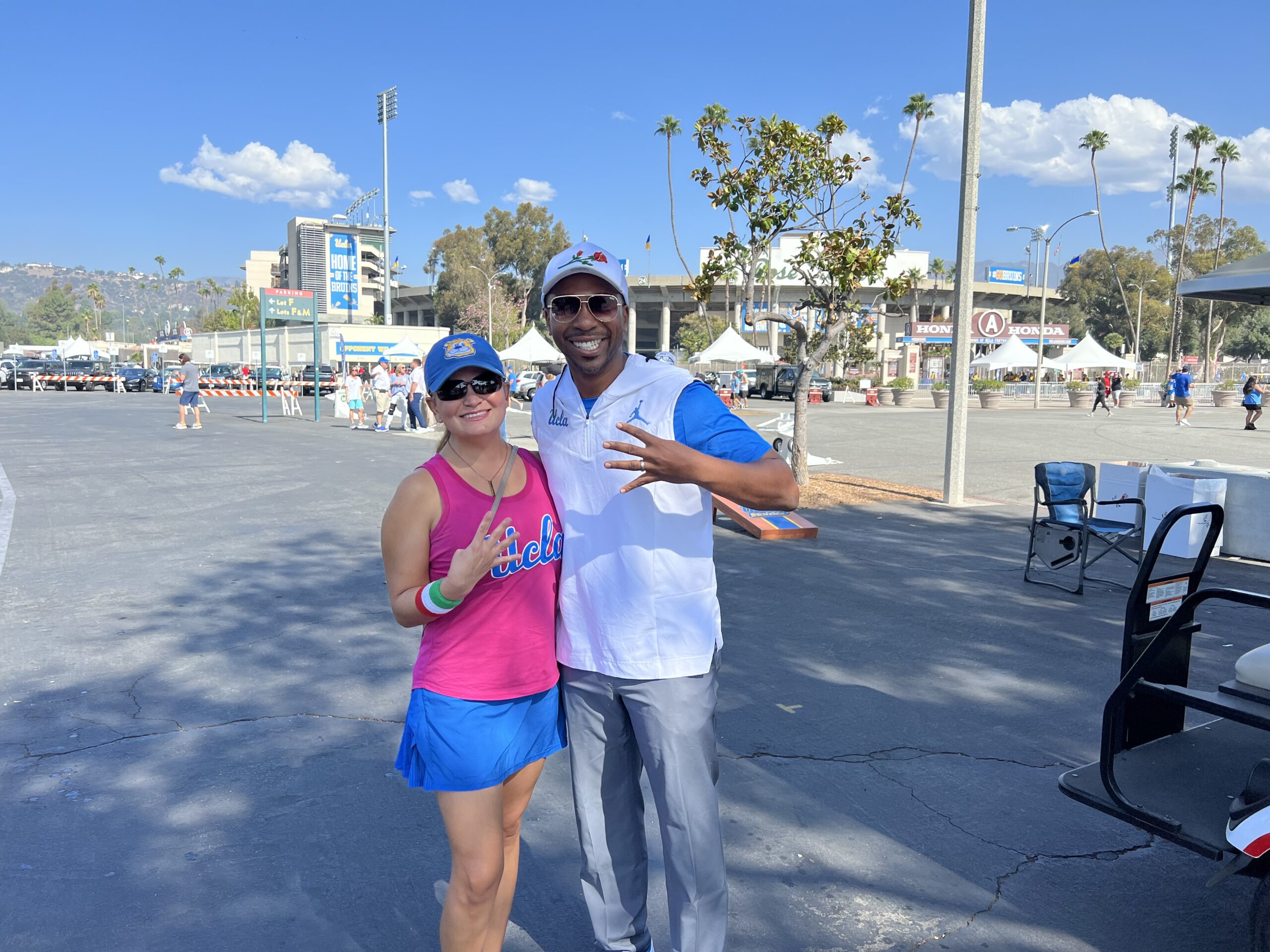
When Hakimi was a UCLA student, she was president of UCLA’s Iranian Student Group (ISG). Recently, she has returned to campus to attend events organized by ISG and the Iranian Graduate and Professional Association, including a candlelight vigil and a march across campus. She says, “I feel so much pride; the students are doing an amazing job.” Members of the student group appeared on "The Kelly Clarkson Show" to spread awareness of the events in Iran. They also sent an open letter to Chancellor Block saying, “It is imperative our community be properly recognized, heard, and seen by acknowledging and addressing the dire circumstances in Iran.”
Chancellor Block shared his concern in his Fall 2022 Update, “UCLA stands firm in its commitment to women’s rights, to justice and equality, and to democratic norms of free, open and safe expression of dissent. We stand unequivocally against violence and repression.”
"This is a revolution now and has surpassed mere protests."
In Iran, the protests continue, as does the government’s violent response. The fate of protestors in Iran remains unclear, as courts have begun issuing protest-linked death sentences. In response, the United Nations Human Rights Council called its first-ever special session on Iran on Nov. 24 to address the country’s “deteriorating human rights situation.”
As the demonstrations in Iran enter their third month, they have intensified in size and determination. Hakimi says, “This is a revolution now and has surpassed mere protests.” For her part, Hakimi will continue to march, run, create and speak out in support of the people of Iran. “I’m hoping future generations think of these stories as history that won’t ever be repeated.”

Recent Articles

Our Proud Partners


