



UCLA’s Latest Research and Breakthroughs Shaping the Future
World’s First Human Bladder Transplant Restores Hope and Quality of Life
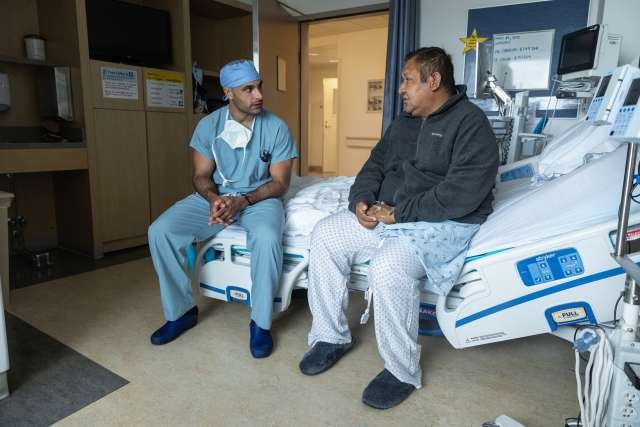
Ronald Reagan UCLA Medical Center
Summary:
In a groundbreaking medical achievement, surgeons at UCLA’s Ronald Reagan Medical Center, led by Dr. Nima Nassiri, successfully performed the first-ever human bladder transplant. The eight-hour procedure replaced a nonfunctioning bladder with a healthy donor organ, restoring urinary function and greatly improving the patient’s quality of life. This pioneering surgery opens the door to a new type of organ transplant, offering hope to patients with severe bladder damage from cancer, congenital conditions or trauma cases that previously had limited treatment options. UCLA’s success marks a global milestone in surgical innovation, setting a new standard for complex procedures.
Breakthrough Alzheimer’s Research Offers Promise for Memory Recovery
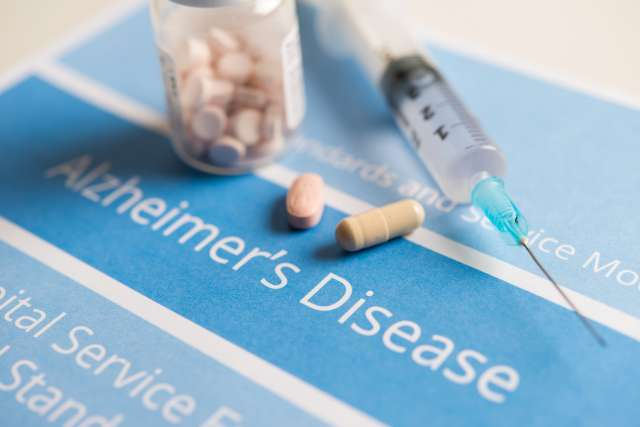
UCLA Mary S. Easton Center for Alzheimer’s Research and Care
Summary:
UCLA researchers under the direction of Drs. Istvan Mody and Varghese John have discovered a promising compound, DDL-920, that restored memory and cognitive function in mice with Alzheimer’s-like symptoms by boosting the brain’s natural electrical rhythms. Unlike existing Alzheimer’s drugs that only remove harmful plaques, this molecule jumpstarts key neurons to revive gamma oscillations — high-frequency brain signals critical for memory. In lab tests, treated mice remembered maze escape routes as well as healthy mice, with no side effects observed. If proven safe in humans, DDL-920 could not only transform Alzheimer’s treatment but also offer hope for conditions like depression, schizophrenia and autism spectrum disorder by targeting the brain’s memory circuits from within.
Study Shows Audiences Reward Inclusive Films

UCLA Institute for Research on Labor and Employment (IRLE)
Summary:
A UCLA study shows that audiences of color and women are shaping Hollywood’s future, proving that diversity isn’t just right, it’s profitable. Films with 31% to 40% actors of color, such as “Killers of the Flower Moon” and “Wonka,” earned the highest box-office returns. Meanwhile, hits like “Barbie” and “The Little Mermaid” thrived, thanks to female viewers, who made up the majority of ticket buyers. The Hollywood Diversity Report found that movies directed by filmmakers of color almost always featured diverse casts, and franchises like “Creed” and “John Wick” saw record earnings when embracing inclusion. Yet despite these gains, women and other underrepresented groups still lag in key industry roles. UCLA researchers emphasize that investing in diversity, both on screen and behind the camera, is now a business imperative, enabling studios to connect with audiences, boost profits and ensure long-term sustainability.
Engineers Develop Zero-Carbon Method to Green Cement Production

UCLA Samueli School of Engineering Institute for Carbon Management
Summary:
UCLA engineers have unveiled “ZeroCAL,” a breakthrough process that could slash nearly all carbon emissions from cement production, a major global source of CO₂. Unlike traditional methods that release nearly a kilogram of CO₂ per kilogram of cement, ZeroCAL uses calcium hydroxide instead of limestone, producing lime without generating greenhouse gases. The approach also creates clean hydrogen and oxygen that could fuel existing kilns, and it integrates seamlessly into current cement plants without requiring costly new infrastructure. Early demonstrations, including a partnership with India’s Ultratech Cement, show the method is scalable and could revolutionize not only cement but potentially steel production, offering a fast, practical path to decarbonize heavy industry.
Next-Gen Bladder Care: Smart Wearable Sensor for Independence
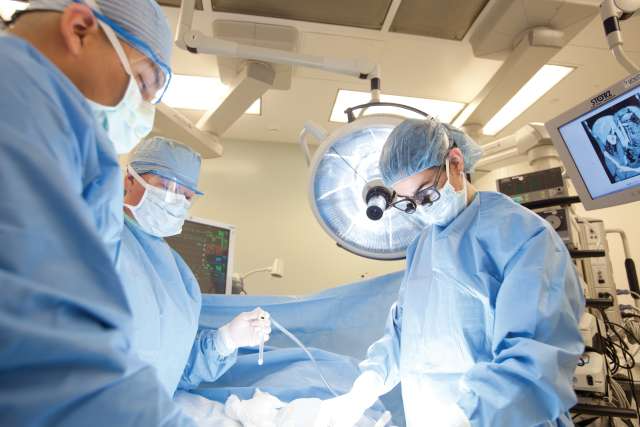
UCLA Health Jonsson Comprehensive Cancer Center
Summary:
UCLA investigators are highlighting groundbreaking advances in prostate and bladder cancer, AI-assisted diagnostics and patient-centered care at AUA 2025. Key innovations include 3D modeling that helps surgeons plan robotic prostate cancer surgeries for better nerve-sparing outcomes, cost-effectiveness analysis showing pembrolizumab may be a smarter choice than nivolumab for high-risk bladder cancer, AI-driven prostate cancer mapping, a wearable system for monitoring bladder health after spinal cord injury, and digital tools that improve shared decision-making in kidney stone treatment. These studies, led by researchers from UCLA’s David Geffen School of Medicine and Jonsson Comprehensive Cancer Center, are helping shape more effective, personalized and cost-conscious approaches to urologic care.
Wearable Glove Turns Sign Language into Real-Time Speech
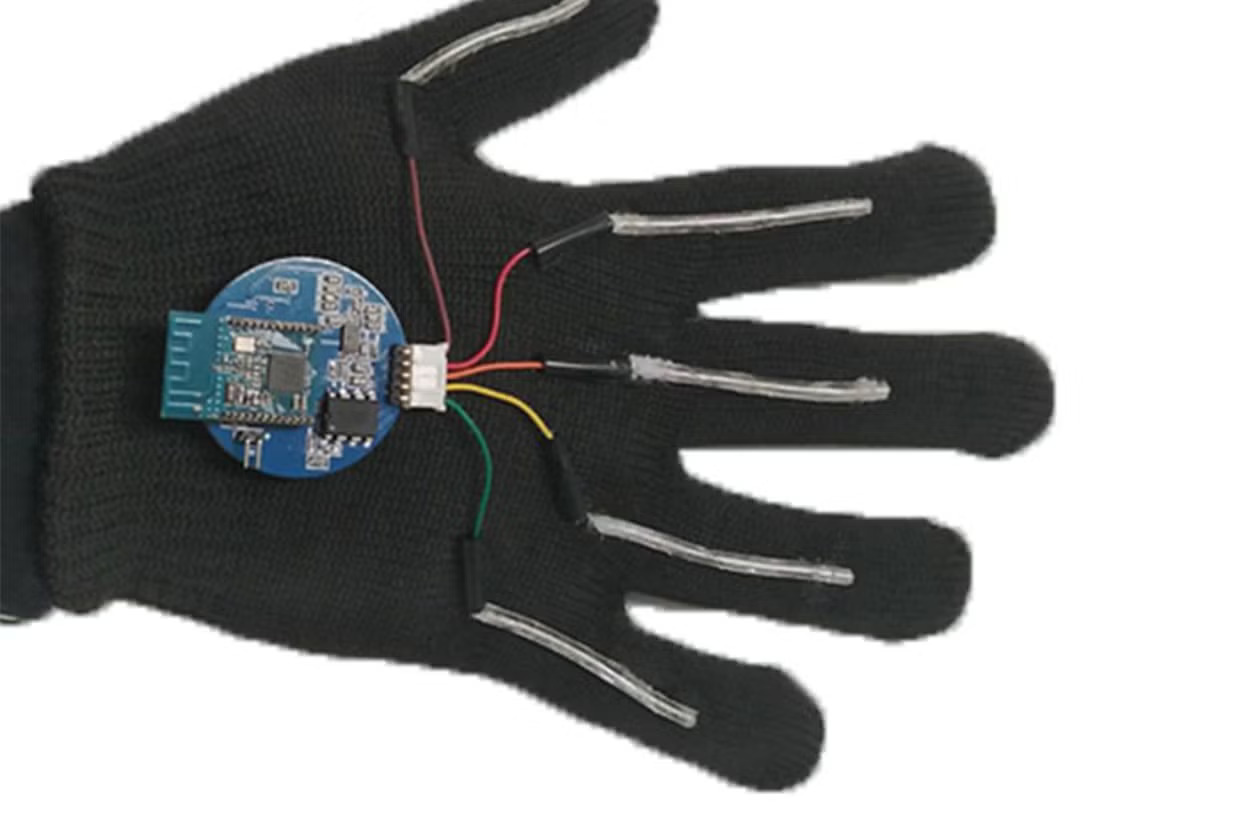
UCLA Samueli School of Engineering
Summary:
UCLA bioengineers have created an innovative, lightweight glove that can translate American Sign Language into spoken English in real time through a smartphone app. Equipped with stretchable sensors along each finger, the glove detects hand movements and, combined with facial sensors, captures the expressions essential to ASL. The signals are sent wirelessly to a small wrist-mounted circuit that converts gestures into speech at about one word per second. Unlike bulky previous devices, this affordable and flexible glove is durable, easy to wear and can recognize hundreds of signs, offering a practical way for deaf and hard-of-hearing individuals to communicate directly with non-signers — and for anyone to learn sign language more easily.
Wearable AI Patch Lets People Speak Without Vocal Cords
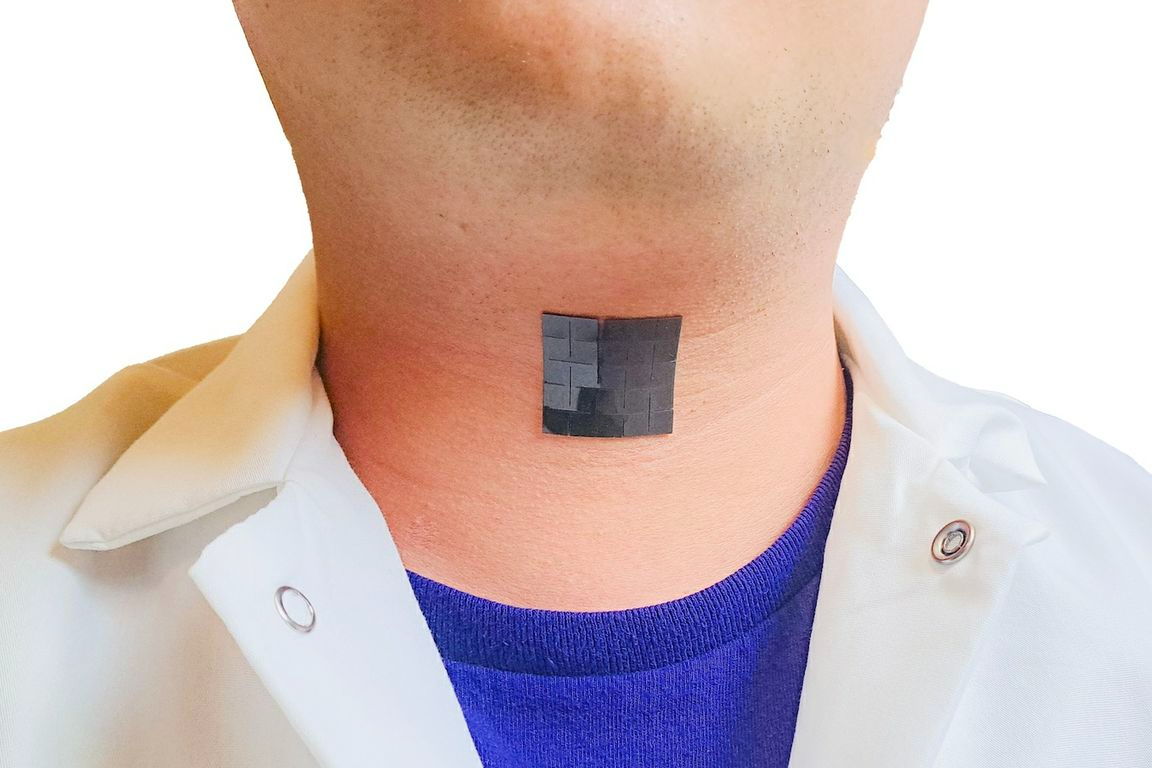
UCLA Semel Institute for Neuroscience and Human Behavior
Summary:
UCLA bioengineers have created a tiny, flexible neck patch that translates the movement of throat muscles into audible speech, offering a non-invasive way for people with voice disorders to communicate. About a square inch in size, the device uses machine-learning technology to recognize specific laryngeal muscle movements and convert them into spoken words with nearly 95% accuracy. Designed to move naturally with the wearer, it adheres to the skin above the vocal cords and could assist patients recovering from laryngeal surgery or living with vocal cord dysfunction. This breakthrough builds on the team’s previous work with wearable devices that translate American Sign Language into speech, opening new possibilities for accessible, real-time communication for people with speech challenges.
Climate Change Is Making California’s Fire Seasons Longer and More Destructive

UCLA Institute of the Environment and Sustainability (IoES)
Summary:
A UCLA study shows that human-driven climate change is pushing California’s wildfire season earlier by an average of one to two days per year, with some areas experiencing fire season starting up to seven weeks sooner than in the early 1990s. Rising temperatures and drier vegetation are creating longer windows for destructive fires, particularly in northern forests and high-elevation mountains. As fire seasons expand, the risks to communities, homes and natural resources grow. The research highlights the urgent need for continued climate science to inform policy and preparedness strategies as California faces increasingly intense and prolonged wildfire seasons.
Ultrasound “Jump-Starts” Brain Activity in Coma Patients
Summary:
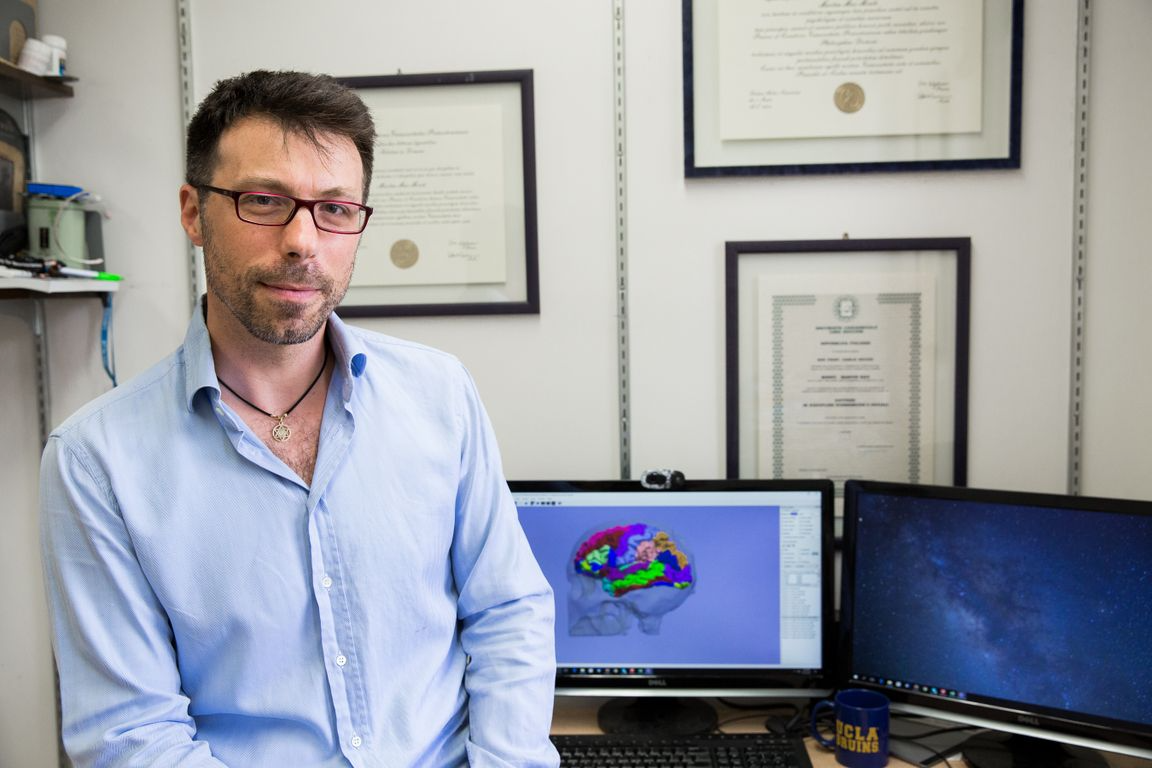
UCLA neuroscientists have used low-intensity focused ultrasound to awaken brain activity in two patients who had been in a minimally conscious state for over a year. The small, saucer-sized device targets the thalamus, the brain’s central hub, to stimulate neurons. Within days of treatment, one patient regained the ability to respond to commands, recognize objects, write and communicate, while the other could identify familiar items and understand speech for the first time in years. Though the changes are small, they represent meaningful reconnections for patients and families. The non-invasive technique shows promise as a future portable therapy to help “wake up” patients from chronic brain injuries.
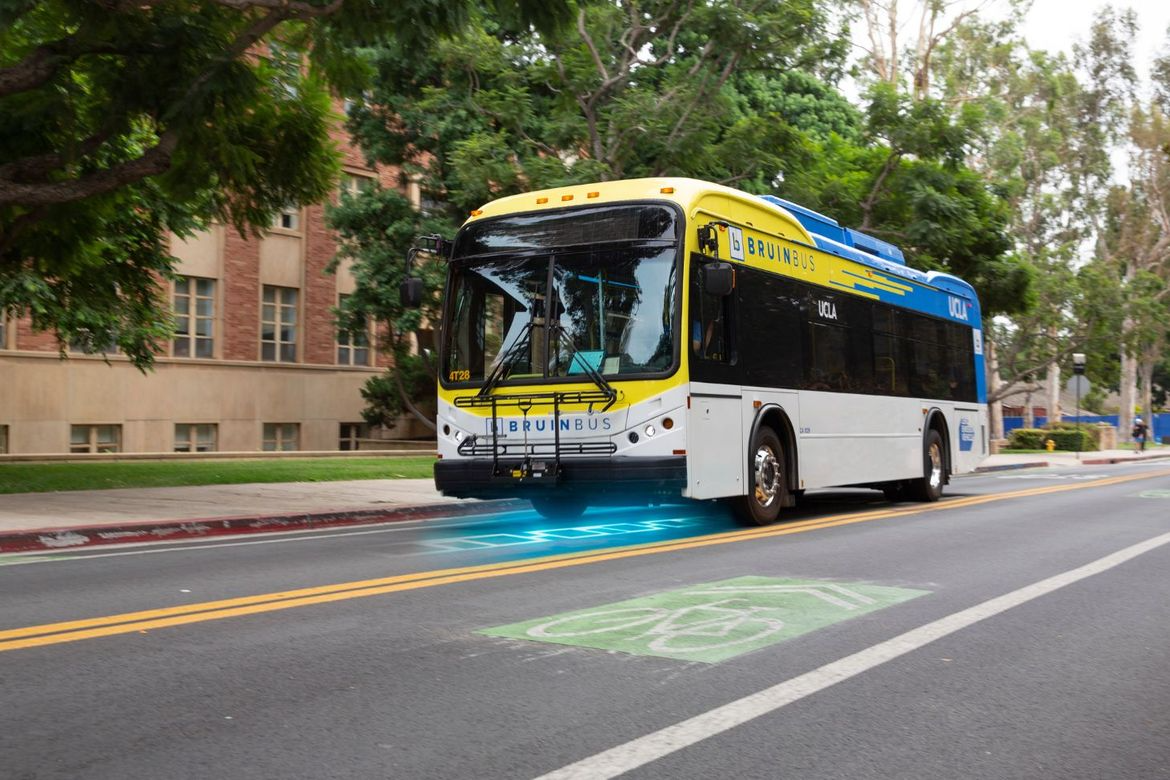
UCLA Transit To Launch California’s First Wireless Charging Road
UCLA Events and Transportation
Summary:
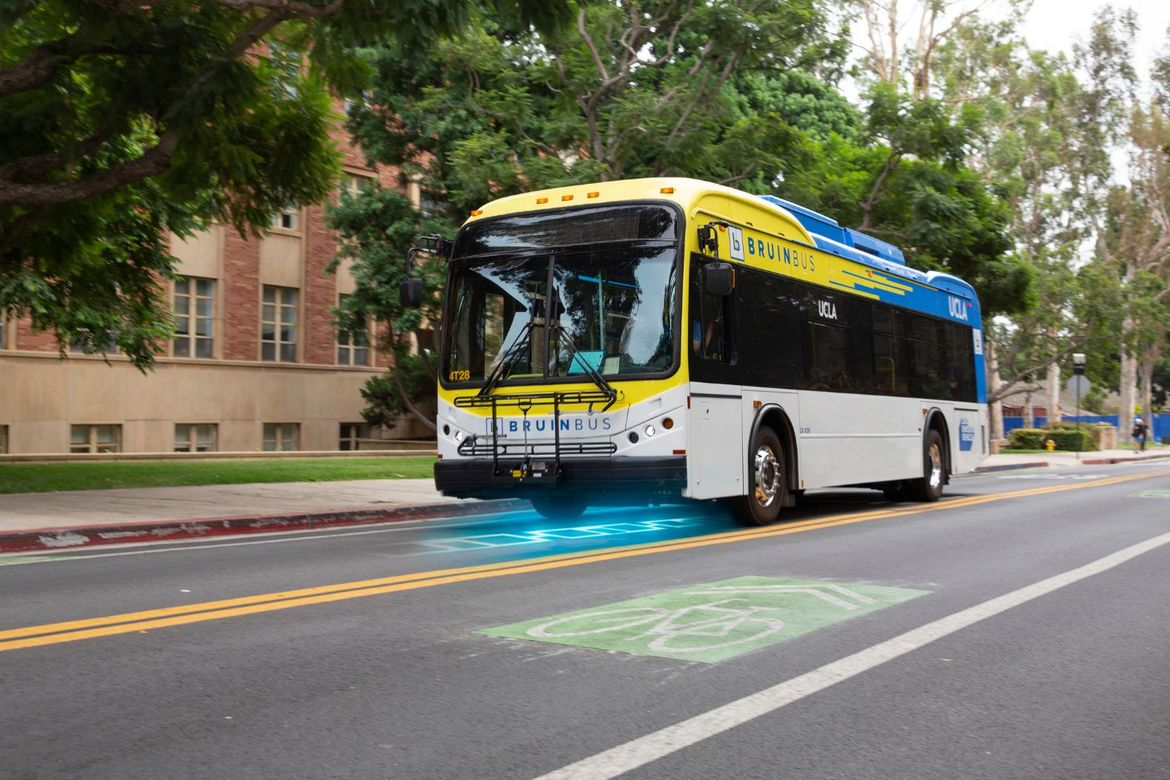
UCLA research is helping bring a revolutionary vision to life in Westwood: Electric Avenue, a stretch of roadway embedded with wireless charging technology that can power electric vehicles as they drive. Using inductive charging coils beneath the pavement, energy is transferred directly to receivers on EVs, keeping batteries topped up without stopping to plug in. UCLA engineers and transportation experts contributed their expertise to design the system, optimize energy transfer, and plan for real-world deployment. Scheduled to debut ahead of the 2028 Olympics, Electric Avenue will showcase how “charging as you go” can reduce range anxiety, improve fleet efficiency and ease the strain on charging stations, paving the way for scalable, citywide charging infrastructure that could keep cars, buses and delivery vehicles in motion while cutting emissions and congestion.
New Research Unlocks Molecule That Restores Hair Growth
UCLA Broad Stem Cell Research Center
Summary:
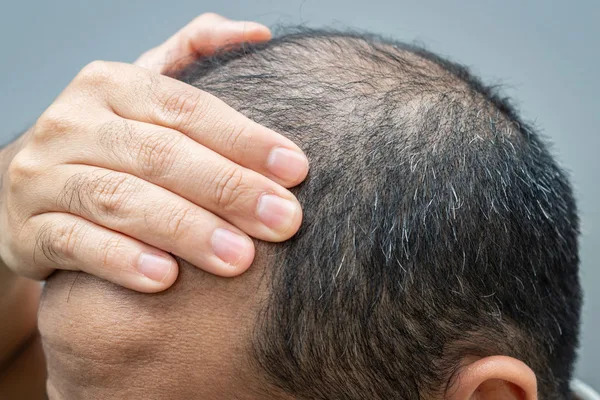
UCLA researchers have discovered a small molecule, PP405, that can “wake up” dormant hair follicles, encouraging full, natural regrowth. In early human trials, a simple nightly topical application produced promising results, far surpassing the thin fuzz typical of current treatments. Developed by UCLA scientists William Lowry, Heather Christofk and Michael Jung, this breakthrough targets follicle stem cells directly, potentially offering a safe and effective way to reverse pattern hair loss, a condition affecting over half of men and a quarter of women by age 50. The team has co-founded Pelage Pharmaceuticals to advance the treatment, backed by $16.4 million in funding, with larger trials underway and FDA approval on the horizon. Full, healthy hair may no longer be just a dream.
Breakthrough Cancer Vaccine Offers New Hope
UCLA Jonsson Comprehensive Cancer Center
Summary:
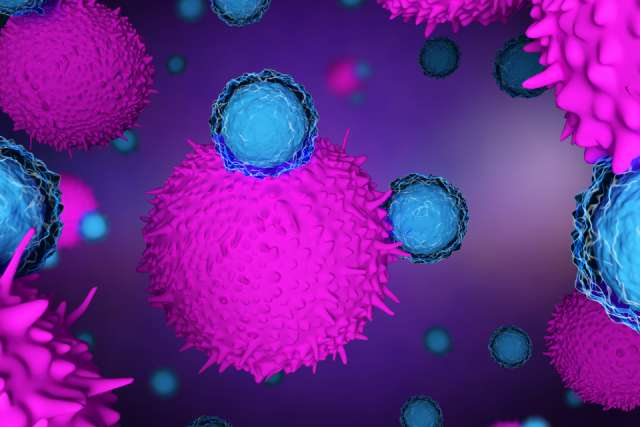
A novel cancer vaccine, ELI-002 2P, is showing promising results in patients with some of the toughest-to-treat cancers, including pancreatic and colorectal cancer. Developed in part by researchers at UCLA Health Jonsson Comprehensive Cancer Center, the vaccine trains the immune system to recognize and attack tumors driven by KRAS mutations, which are common in these cancers. In early trials, most patients generated strong immune responses, some cleared cancer biomarkers entirely and those with higher immune responses stayed cancer-free far longer than expected, sometimes nearly two years. Unlike fully personalized treatments, ELI-002 2P is an “off-the-shelf” vaccine, making it easier to deliver to patients. These encouraging results are fueling a larger Phase 2 trial and the development of next-generation vaccines targeting even more KRAS mutations, offering hope for a new way to fight aggressive cancers.
A Rare Visitor from Beyond Our Solar System

UCLA Department of Earth, Planetary, and Space Sciences
Summary:
Astronomers, including UCLA’s David Jewitt, have captured the clearest view yet of 3I/ATLAS, an interstellar comet speeding through our solar system at 130,000 miles per hour, the fastest object from another star ever observed here. Using Hubble’s Wide Field Camera 3, Jewitt and his team revealed a teardrop-shaped dust plume streaming from the comet’s icy core, while other space- and ground-based telescopes help study its composition and track its journey. Although its exact origin remains a mystery, researchers estimate 3I/ATLAS has been traveling through interstellar space for billions of years. This marks only the third known interstellar object to enter our solar system, following ‘Oumuamua in 2017 and 2I/Borisov in 2019. With new observatories like the Vera C. Rubin Observatory scanning the skies, astronomers expect to spot many more interstellar visitors in the coming years, offering unprecedented insights into the universe beyond our solar system.
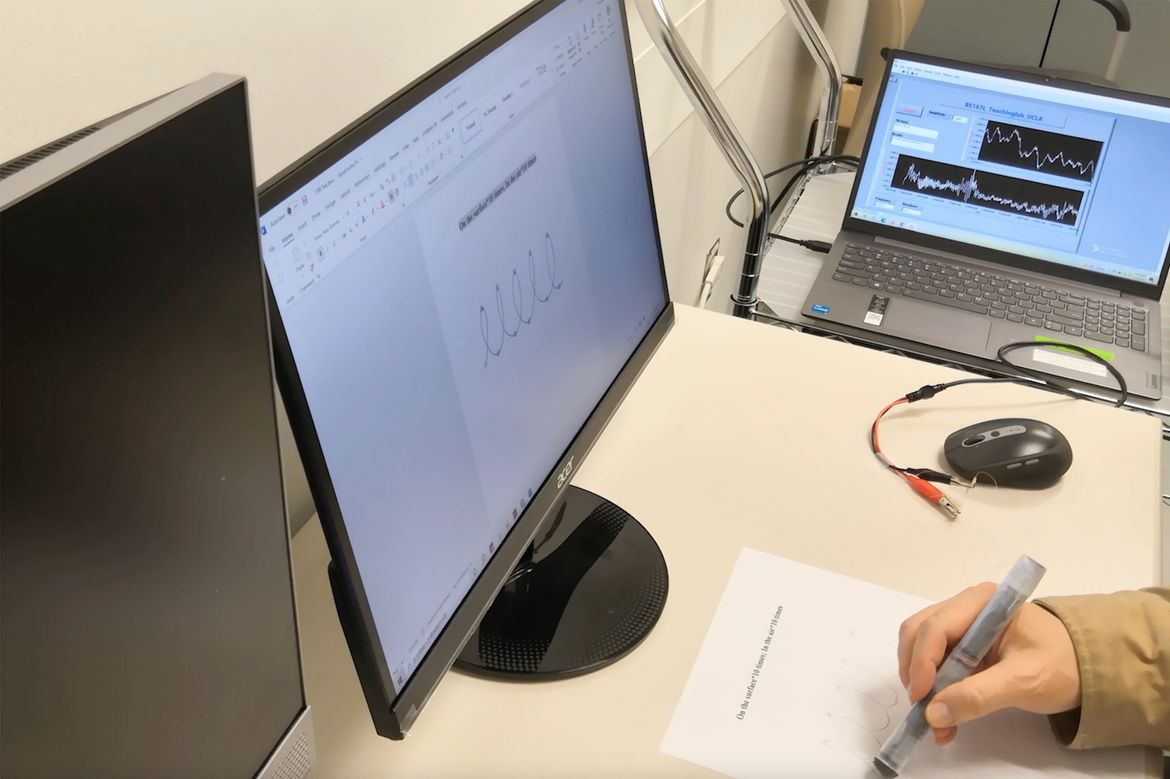
Smart 3D-Printed Pen Offers Early Detection for Parkinson’s
UCLA Samueli School of Engineering
Summary:
UCLA bioengineers have developed a self-powered, 3D-printed “smart pen” that could help spot Parkinson’s disease early by analyzing handwriting. The pen’s flexible tip and magnetic-ink system capture subtle hand movements and convert them into electrical signals, which AI then analyzes for motor changes linked to Parkinson’s. By detecting these early signs before major neurological damage occurs, the pen could provide a simple, accessible tool for faster diagnosis and intervention, potentially expanding care beyond specialized clinics.
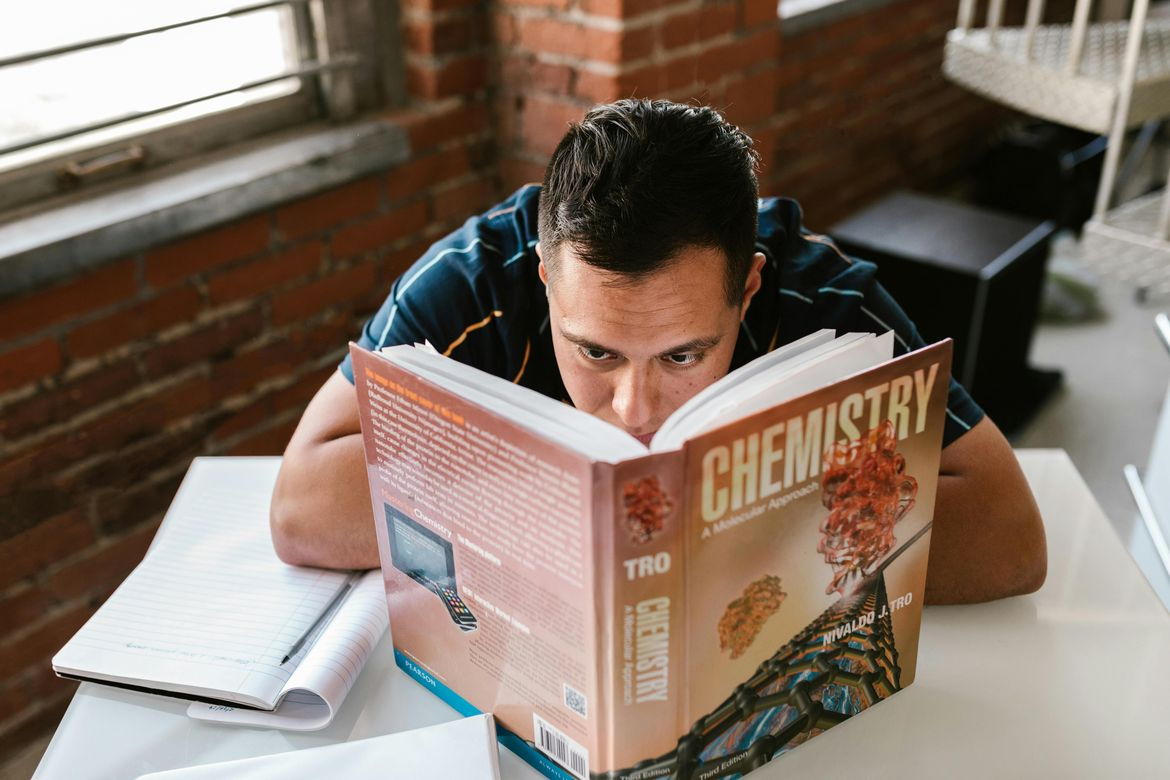
Chemists Break a 100-Year-Old Rule, Opening the Door to New Drug Discoveries
UCLA Department of Chemistry & Biochemistry
Summary:
UCLA researchers have overturned a century-old chemistry rule, proving that molecules once thought impossible to make can exist and be harnessed for drug discovery. Bredt’s rule claimed that certain carbon atoms in complex molecules couldn’t form double bonds due to geometric limits. But a team led by Neil Garg demonstrated a way to create and stabilize these “anti-Bredt olefins,” enabling new chemical reactions and 3D molecular structures that could accelerate pharmaceutical innovation. Published in the journal Science, this breakthrough could rewrite the textbooks and inspire a wave of new possibilities in medicine.
***
To learn more about UCLA research and how you can support it, visit https://www.ucla.edu/research. #StandUpforUC
Bruin news
View All
Connect Newsletter
The Beat Goes On
Life can be very unpredictable. Such is the story of G’bari “GQ” Gilliam ʼ16, a hip-hop dancer/choreographer at the height of professional success when a health trauma earlier this year…

Connect Newsletter
Why Not Westwood?
Connect Newsletter