Category Archives: Footer
UC Inspires Honors UCLA Alumni
The University of California Regents gathered on the UCLA campus for their May 5 meeting, where UC Regent Chair Janet Reilly ’86 celebrated the impact of UC graduates as part of "UC Inspires: Leveraging the Power of UC Alumni."
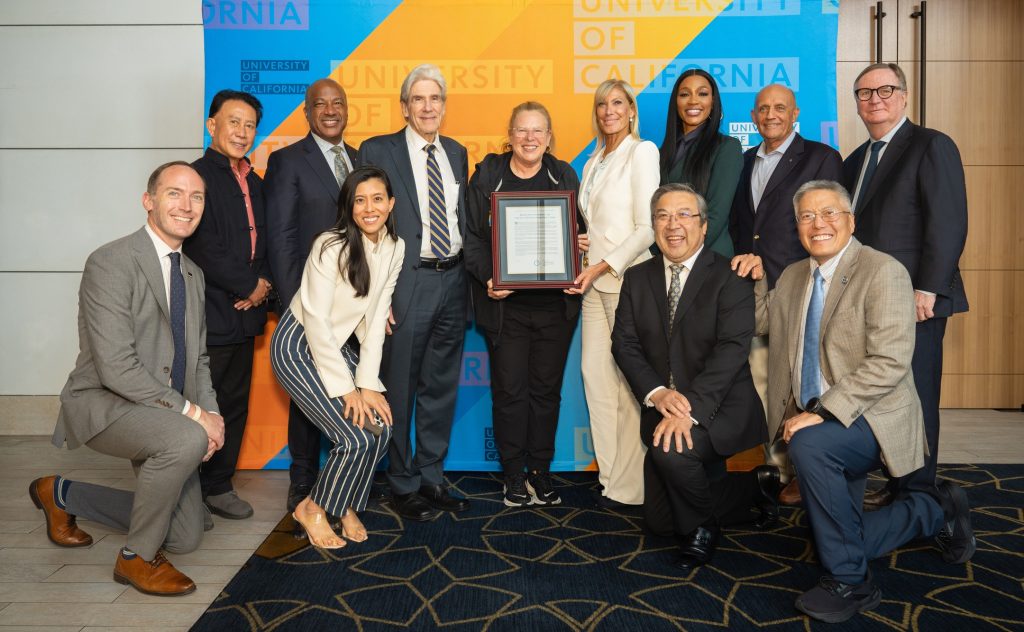
The “UC Inspires” series was launched in 2024 to showcase the exceptional public impact of the University from its classrooms and research laboratories to its athletic fields and community town squares. At this Regent’s meeting, four prominent alumni, two from UCLA, shared how their UC education impacted their lives.
In introducing the panel, Reilly said, “As a fellow alum whose time at UCLA helped shape me and transform my life, I'm especially pleased to welcome our four distinguished alumni who will now share how their UC experience influenced their journeys and how we can continue to amplify that impact for future generations. Their achievements demonstrate the enduring return on public investment, not only economically, but in advancing the broader public good.”
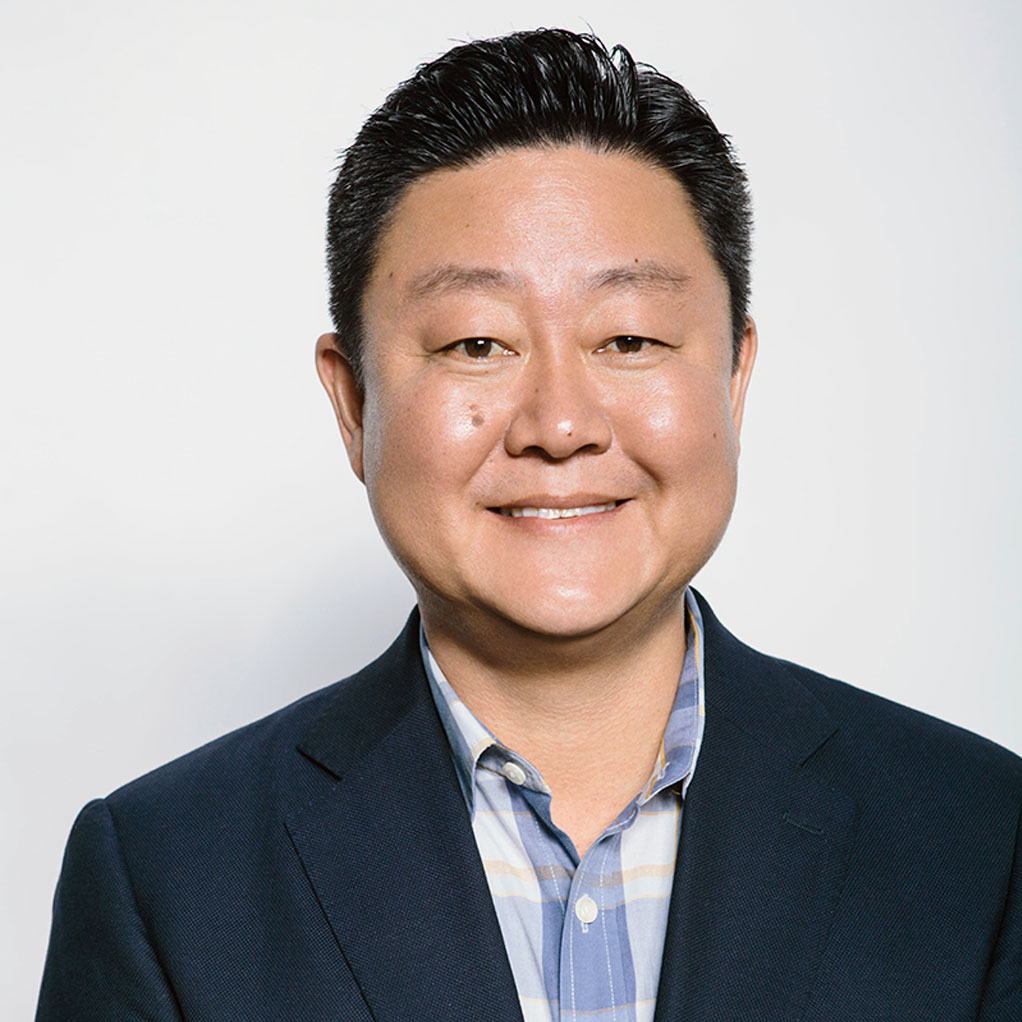
UC Regent and former Alumni Association President Ann Wang ’13 introduced entrepreneur and CEO Brian Lee ’93, J.D. ’96, the co-founder of LegalZoom, The Honest Company, ShoeDazzle and Arena Club. Lee holds a bachelor's degree in business economics and a juris doctor from UCLA.
Lee says that his father’s admiration for basketball coach John Wooden inspired him to attend UCLA. Among his most memorable experiences was a class he took outside his business economics major on poet Federico García Lorca. He said the poet's ability to "take the mundane and make it beautiful" deeply resonated with him. He also credited his time living in Saxon Suites with a diverse group of roommates for expanding his cultural horizons, saying “[It was] awesome! I never experienced anything like that. Learning about their different cultures and their traditions. I tried all their foods. This was eye opening for me. It was incredible. I had so much fun at UCLA.”

When it came time to graduate, Lee only applied to one law school. Fortunately, he was accepted to the UCLA School of Law, where he met Brian Liu, J.D. ’96. In 2001, the business partners founded the successful online legal technology and services company LegalZoom.
Regent Robert "Bob" Myers ’98 played basketball for the UCLA Bruins from 1993 to 1997. He introduced broadcast journalist Cari Champion ’98. Formerly an anchor at ESPN, she currently hosts the podcast Naked Sports with Cari Champion. At UCLA, Champion majored in English, minored in mass communications and was a writer for the Daily Bruin.
As Champion looked back on her time at UCLA she shared, “I begin with telling you a story about labels. People use labels to describe someone or to put packaging on a product and often if you are mislabeled, you're handled wrong. For me, I think the one thing that I remember most about going to UCLA is that I was always labeled correctly. I was always put in a position to succeed.”
Champion participated in UCLA’s freshman summer Academic Advancement Program (AAP). She says, “What it did for me is invaluable. Those two weeks really changed my life and set me up for success. And I look back at all of my experiences at UCLA and there was always someone, whether it was a counselor, a professor or a friend, giving me that help and that encouragement that I didn't even know that I needed.”
The UCLA alumni were joined by UC Davis grad, master chef and author Martin Yan ’73, M.S. ’77, and UCSF grad and former U.S. Surgeon General Richard Carmona, M.S. ’77, M.D. ’79.
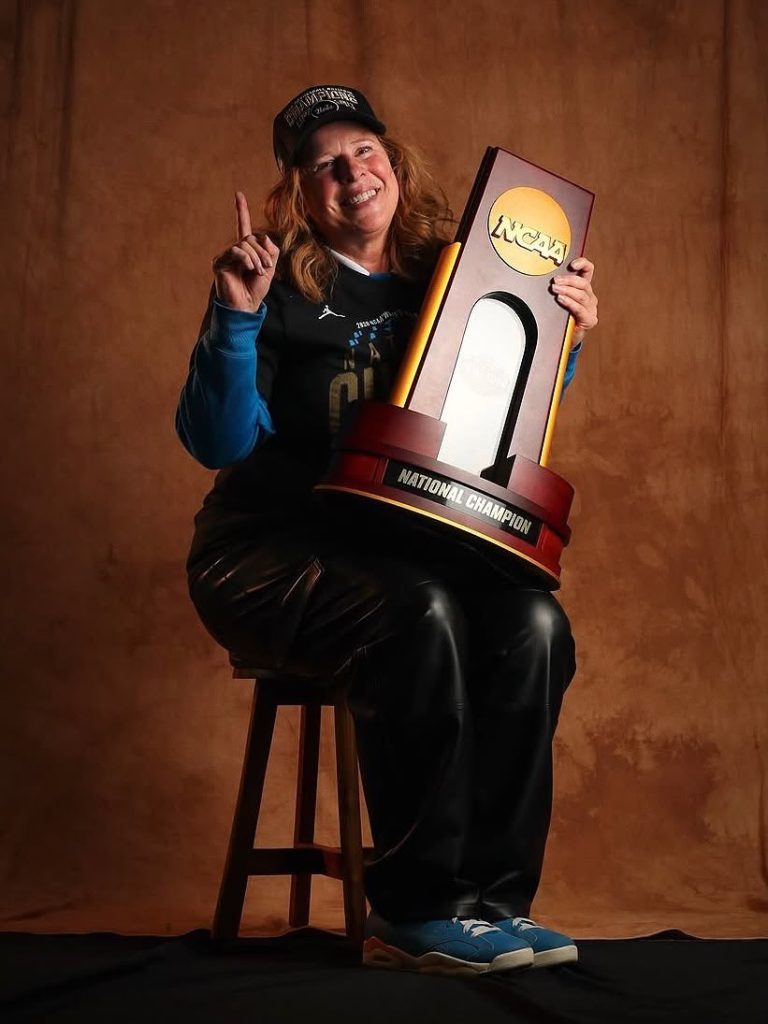
The alumni panel was followed by a celebration of the UCLA Bruins Women’s Basketball NCAA Championship Team. Coach Cori Close, M.Ed. ’95 honored the team for their growth both on and off the court. “I hope when you see our team, you will see that champions really are made here, but always from the inside out. I want you to know that we take such pride in representing our incredible UC system. We are really proud of what we've been able to do on the court, and we think we're just beginning. But even more is the way in which we handle our business in the classroom and hopefully impact our community in a way that makes you proud.”
In closing, Reilly thanked the alumni saying, “You really epitomize inspiration and reflect the values of this great institution of service and curiosity, lifelong learning and community service. We are so grateful to have you here and to hear your stories.”
Recent Articles
- UC Inspires Honors UCLA Alumni
- UCLA AAP Alumni Spotlight - Adrianos Facchetti ’01, J.D.
- The Story Behind Jackie Robinson’s 1946 Reintegration of Organized Baseball
- UCLA Prytanean Celebrates Its Centennial
- Building Community: UCLA Disability Alumni Network Focuses on Belonging and Visibility
- Bruins@Work Program Fosters Community
UCLA AAP Alumni Spotlight - Adrianos Facchetti ’01, J.D.
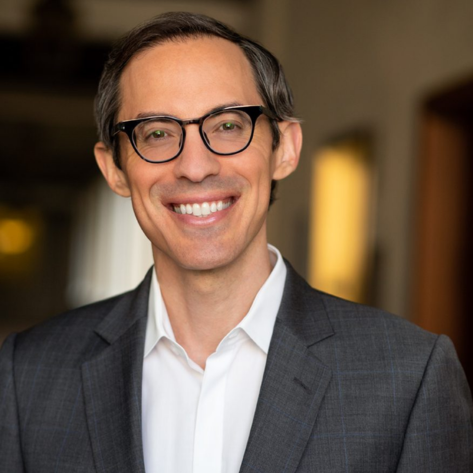
Q&A WITH ADRIANOS FACCHETTI ’01, J.D.
Meet Adrianos Facchetti ’01, J.D.: A Bruin who arrived at UCLA through the Academic Advancement Program (AAP) without a clear roadmap, but found the support that changed everything. Today, Adrianos is the founder and CEO of the Law Offices of Adrianos Facchetti, a personal injury law firm in Burbank, California. He reflects on how AAP tutoring transformed his experience — turning uncertainty into confidence and challenge into opportunity.
As a first-generation student adopted into an immigrant family, Adrianos is committed to giving back and supporting AAP. He wants first-generation students, immigrant families and anyone who comes to UCLA without a strategy to know they are not alone. He believes programs like AAP can make the difference between stumbling and thriving. For him, all it takes is one tutoring session, one mentor or one supportive program to change the course of your life.
Read Adrianos’ full Q&A below.
Class: 2001 (B.A.)
Major: History with departmental honors
Current role, company and industry:
Founder and CEO of Law Offices of Adrianos Facchetti. I own a personal injury law firm in Burbank, California.
What does AAP mean to you? How has AAP supported you and/or its significance to your Bruin journey?
I arrived at UCLA without a clear understanding of how the university worked. I missed orientation, failed to register for classes on time and ended up in three upper-division history courses where my first midterms went poorly. For the first time, I questioned whether I belonged. The Academic Advancement Program made a real difference. Through AAP tutoring, I found practical guidance, accountability and a place where I could ask questions without feeling behind. That support helped me regain my footing and learn how to navigate UCLA effectively.
How has AAP impacted your personal and professional development and success? Any specific ways you’ve seen AAP’s influence in your career or personal growth?
As a first-generation student adopted into an immigrant family and now a personal injury attorney in Burbank who has handled more than 1,000 cases, I remain grateful to AAP for helping me stabilize at a critical moment and for giving me the structure I needed to move forward with confidence. That foundation shaped how I approach challenges, stay accountable and advocate for others in my professional life.
How have you stayed connected to AAP? Do you participate in events, mentorship or any other initiatives that keep you engaged with the AAP community?
While my connection has been more recent, I’ve begun re-engaging with AAP through a financial contribution as a way to give back to a program that had such a meaningful impact on my journey. That step has also motivated me to become more involved moving forward, and I’m looking to participate in alumni events and exploring opportunities to continue supporting AAP/AAPAN. If you are an alum like me, or someone who believes in the power of higher education, I encourage everyone to support where they can so that future Bruins have the same chance I did.
Connect with Adrianos:
facchettilaw.com
iluvburbank.com
Instagram: @adrianos_facchetti_law
Recent Articles
- UC Inspires Honors UCLA Alumni
- UCLA AAP Alumni Spotlight - Adrianos Facchetti ’01, J.D.
- The Story Behind Jackie Robinson’s 1946 Reintegration of Organized Baseball
- UCLA Prytanean Celebrates Its Centennial
- Building Community: UCLA Disability Alumni Network Focuses on Belonging and Visibility
The Story Behind Jackie Robinson’s 1946 Reintegration of Organized Baseball
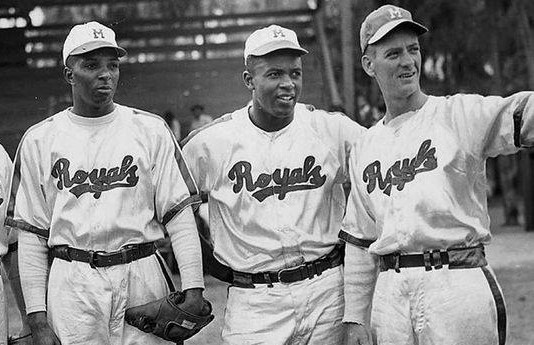
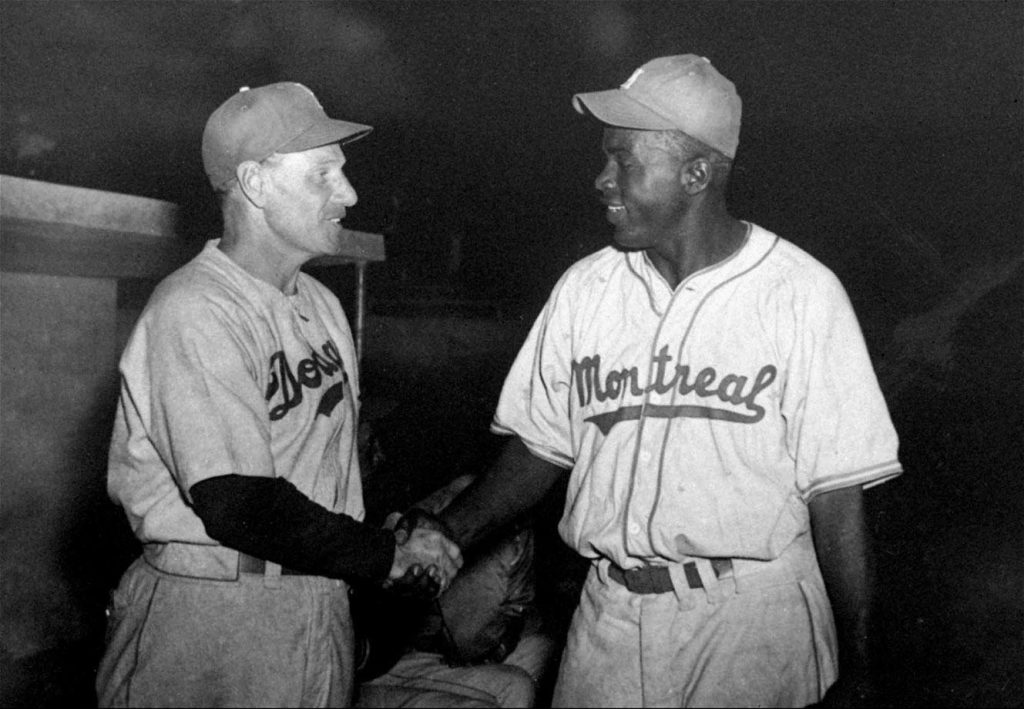
John Wright, Jackie Robinson and Clay Hopper, Montreal Royals, 1946 (AP Photos from Sporting News Archives)
Each year on April 15, Major League Baseball observes Jackie Robinson Day, honoring the man who, hired by Brooklyn Dodgers President Branch Rickey, reintegrated the national pastime in 1947, ending nearly 60 years of Black players being unofficially barred from “organized” (i.e., white) baseball.
That breakthrough was hardly the end of the story — its effect on American sports and society was still very much up in the air. Robinson had to prove he belonged and that he could handle the abuse he would receive, in order for Rickey’s experiment to succeed. He did so in spectacular fashion, winning the first Rookie of the Year award in 1947, the National League MVP award in 1949, leading the Dodgers to six pennants in his 10 years and paving the way for so many other great Black players who would grace the game over the ensuing decades.
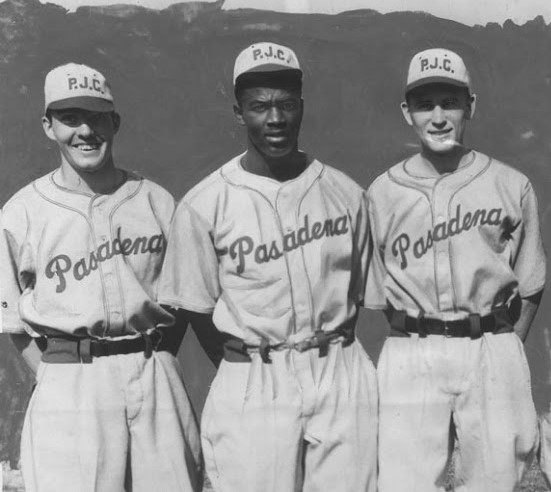
But April 15, 1947, was not the beginning of the story, either. That monumental moment in American life was preceded by a significant milestone a year earlier, 80 years ago, on April 18, 1946. Before Robinson could break the color barrier in the majors, he had to do the same thing in the minors, with Brooklyn’s top farm team, the Montreal Royals.
Robinson’s path to that moment, of course, had gone through UCLA, where he was a four-sport star recognized, in particular, for his ability in football, basketball and track. Although baseball was not his best sport at UCLA, he had shown his prowess on the diamond at Pasadena Junior College (PJC), now Pasadena City College.
As detailed in “The Black Bruins” by James W. Johnson, Robinson graduated from Pasadena’s John Muir Technical High School in 1937 but did not receive an offer from a four-year university. Even if he had, he would not have been able to play varsity as a freshman, due to the rules at the time. So, following in the path of his brother Mack, a decorated Olympian, Robinson enrolled in PJC, where he was considered the best shortstop in the league, one season hitting .417 in 23 games, while scoring 43 runs, stealing 23 bases and striking out only three times. After an exhibition game against the Chicago White Sox in which Robinson, playing for a Pasadena youth team, performed particularly well, the Chicago manager said, “If that kid was white, I’d sign him right now.”
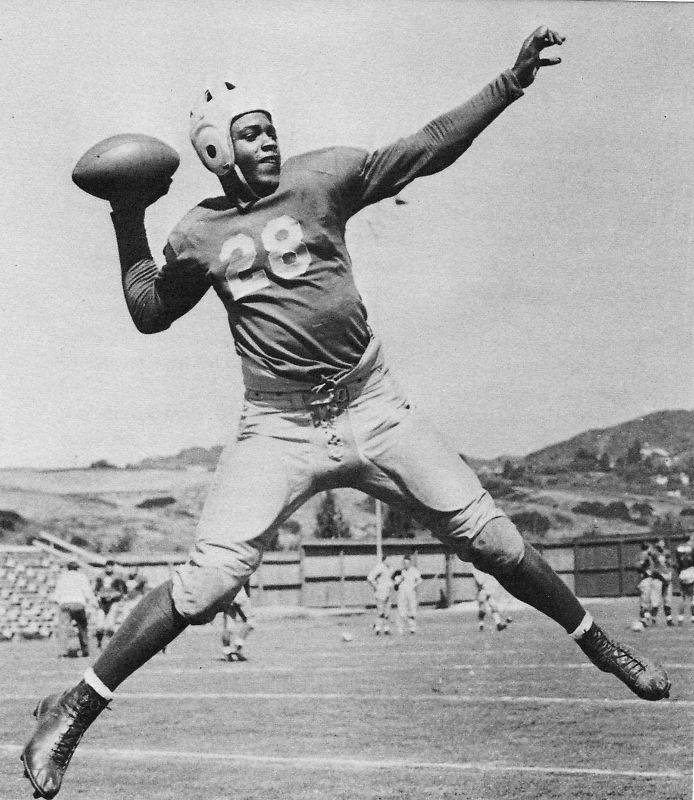
He was probably the best basketball player at PJC as well, but football might have been the sport for which he was best known. He was team MVP in 1938, but was subjected to racism from other teams as well as his own teammates, many of whom had come from Oklahoma and had never been out of the South. Some initially refused to play with him. In Phoenix, the Black players could not stay in the hotel with the white players; in Sacramento they were refused service at a restaurant. Teammate Ray Bartlett said that Robinson never looked for a fight but would defend himself whenever necessary.
After completing his two years at PJC, in 1939, Robinson did receive offers from four-year institutions — although some were not genuine and were merely designed to keep him from playing against them. Robinson chose UCLA, which had a student population less than 1% Black and no Black faculty. But it was close to home and had just hired a football coach who had starred at PJC as well. Those weren’t the only perks.
“When Robinson enrolled at UCLA in 1939,” writes Johnson, “he began taking advantage of the team’s training table. For a youngster who had little to eat, the bounty on the training table was a feast.”
In his autobiography, “I Never Had It Made,” Robinson wrote of his childhood, “Sometimes there were only two meals a day, and some days we wouldn’t have eaten at all if it hadn’t been for the leftovers my mother was able to bring home from her job. There were other times when we subsisted on bread and sweet water.”
Prior to embarking on his UCLA athletic career, during the summer of 1939, Robinson won the singles and doubles championships in the Western Federation of Tennis Clubs, which was restricted to Blacks. The doubles team did not lose a set the entire tournament. He started playing golf that summer, Johnson stating that he shot 90 at Pasadena’s Brookside course in the first round he played. He also excelled at badminton, soccer and handball.
Robinson had an immediate impact on UCLA athletics, starring on the football, basketball and track teams and establishing himself as one of the nation’s best in each discipline.
After the 1940 basketball season ended, he joined the baseball team. After getting four hits and stealing four bases in his first game, he got only two more hits the rest of the season and hit .097, with a fielding percentage of only .907. Despite this, those that saw him play still recognized him as a great player.
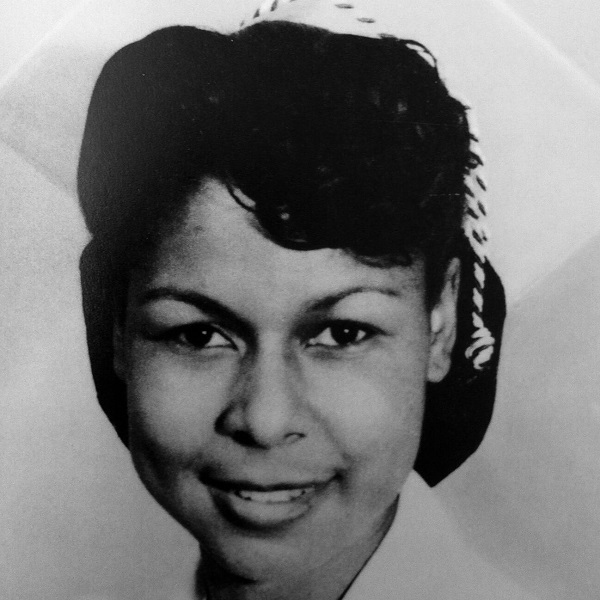
While playing with and against white players in college was certainly important for Robinson’s development, even more important for Robinson was his meeting UCLA freshman Rachel Isum ’42 on campus when he was a senior.
They were not UCLA students together for long; after the 1941 basketball season, Robinson decided to leave school, though he was very close to graduating, because he was convinced that “no amount of education would help a Black man get a job.”
He thus became the first Black player in organized baseball in the 20th century.
He wrote, “I had used up my athletic ability in the major sports at UCLA, but the university begged me to stay on and graduate; they even offered me extra financial support. Rachel, too, felt strongly about the importance of a degree. Despite all this, I could see no future in athletics and I wanted to do the next best thing — become an athletic director. The thought of working with youngsters in the field of sports excited me.”
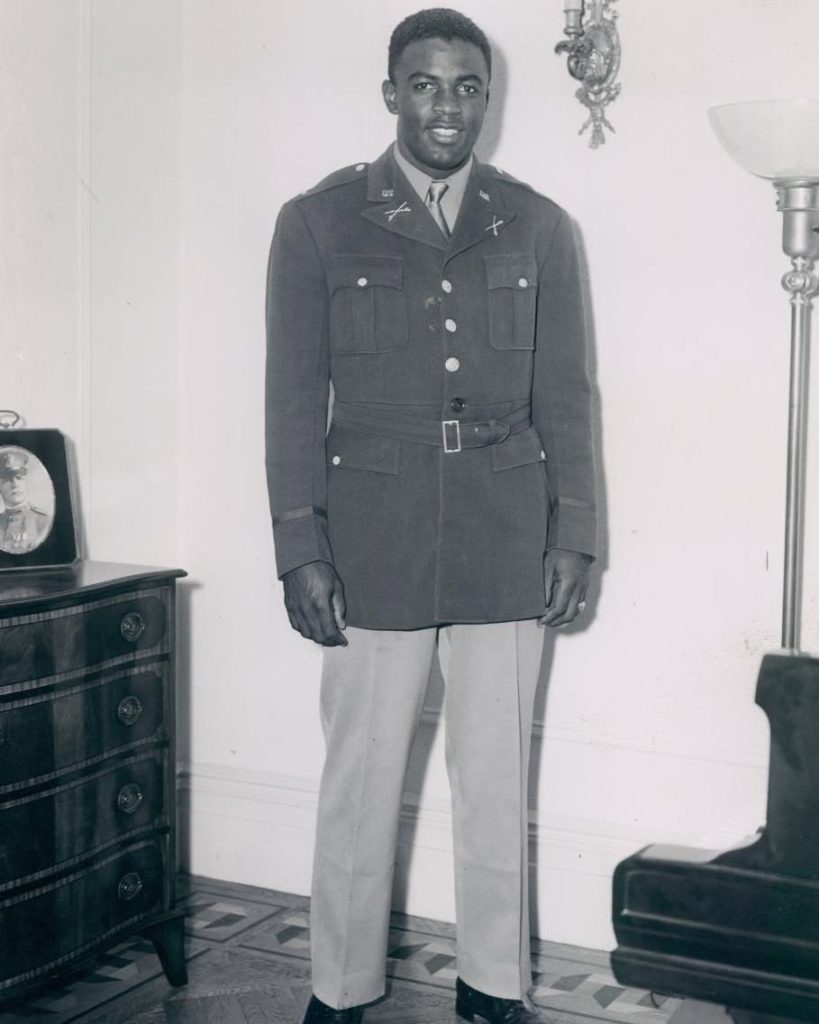
He got a job as an assistant AD at a National Youth Administration work camp in Central California, but the war in Europe soon led to the government closing down their NYA projects.
Returning to Los Angeles, he briefly joined the semi-pro Los Angeles Bulldogs football team but was hurt early in his first game. Next, he got a construction job in Hawaii and on Sundays, played football for his first professional team, the Honolulu Bears. When the season ended, he decided to head back to California, leaving the island on Dec. 5, 1941, two days before the Japanese bombed Pearl Harbor.
With the U.S. now officially at war, Robinson briefly worked at Lockheed Aircraft in Burbank, California, before being inducted into the Army in March 1942.
During his military service, he was subjected to the explicit segregation and discrimination that was so prevalent in those times. Even the athletic competition that was an important outlet was often denied him; at one point, he was prevented from playing on an Army post’s baseball team.
After refusing to move to the back of the bus on a military post, where segregation of this type was supposedly not allowed, he was court-martialed — and ultimately acquitted. Realizing that he wasn’t going to be allowed to make any meaningful contributions to the war effort as a soldier, he asked for and was given an honorable discharge in November 1944.
While waiting for his discharge, Robinson met a soldier who had played with the Kansas City Monarchs of the Negro American League and told Robinson that he might make some decent money playing for them. In the spring of 1945, he joined the club. That year, he led his team in batting average, as well as slugging and on-base percentage.
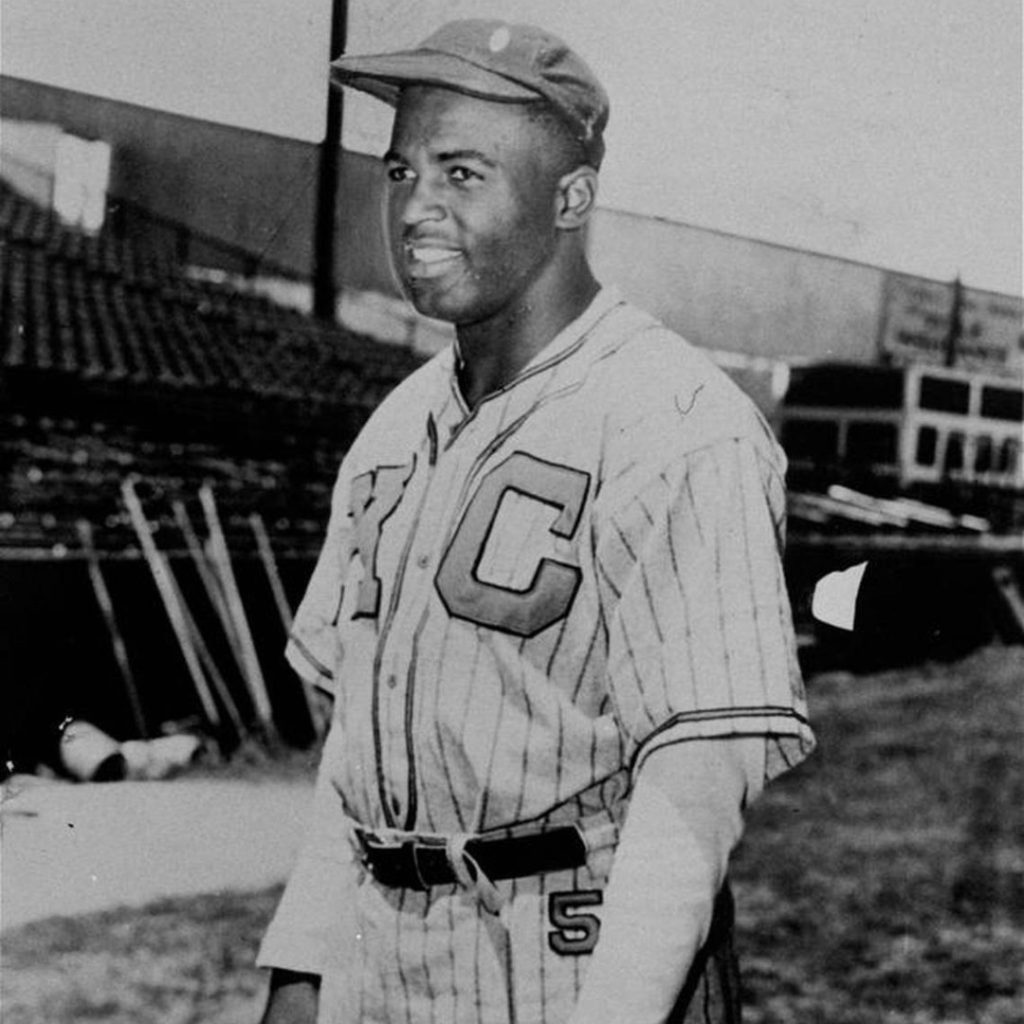
The timing of Robinson’s entry into Negro League baseball made him a prime candidate to break the six-decade long unofficial prohibition against Black players in organized baseball. The possibility of this had actually been brewing for several years. In early 1943, the Dodgers’ directors pledged their support to Rickey’s plan to integrate the Dodgers. With the end of World War II, the effort to integrate baseball gained momentum.
In New York state, the legislature passed the Ives-Quinn Law, creating the Commission Against Discrimination, with the power to fine and imprison violators. In New York City, Mayor Fiorello La Guardia, who had established the Committee for Unity, of which Rickey was a member, encouraged the three New York teams to hire Black players.
According to baseball historian John Thorn, as interviewed in Ken Burns’ “Jackie Robinson” documentary, “Rickey began to fear that his whole plan was going to unravel and that he would eventually be seen as [merely] responding to political pressures by signing an African American. Rickey wanted to do it his own way.”
If the color barrier were going to be broken, many thought Monte Irvin or Sam Jethroe would be the most likely candidates to do it, according to Thorn.
“Robinson was not in their league in terms of demonstrated ability at the Negro League level,” said Thorn. But Rickey was not shopping merely for baseball ability. He went shopping for character.”
Rickey told Clyde Sukeforth to scout Robinson, telling him he needed more than a great player.
“I need a man who will take abuse, insults,” Rickey told Sukforth. “A man who will carry the flag for the race.’”
Sukeforth came back with a glowing review. On Aug. 28, 1945, Rickey and Robinson met.
According to legendary Dodger broadcaster Red Barber, Rickey said, “The only way you can be the first man to do this is you will have to promise me that you will not answer back. You cannot win this with retaliation.”
Robinson wrote, “Could I turn the other cheek? I didn’t know how I would do it, but I knew that I must.”
“Robinson said, ‘Mr. Rickey, if you want to take this gamble, I promise you there’ll be no incident,’” Sukeforth remembered. “And that was just what Rickey wanted to hear.”
Rickey’s instruction to not fight back actually applied only to the first three years. Rachel Robinson elaborated, “He not only needed a talented person; he needed someone who, eventually, would fight back. He needed a soldier.”
Rickey had to go public with his plan, so, in October 1945, he announced that Robinson would try out for Brooklyn’s top minor league team, the Montreal Royals, the following spring.
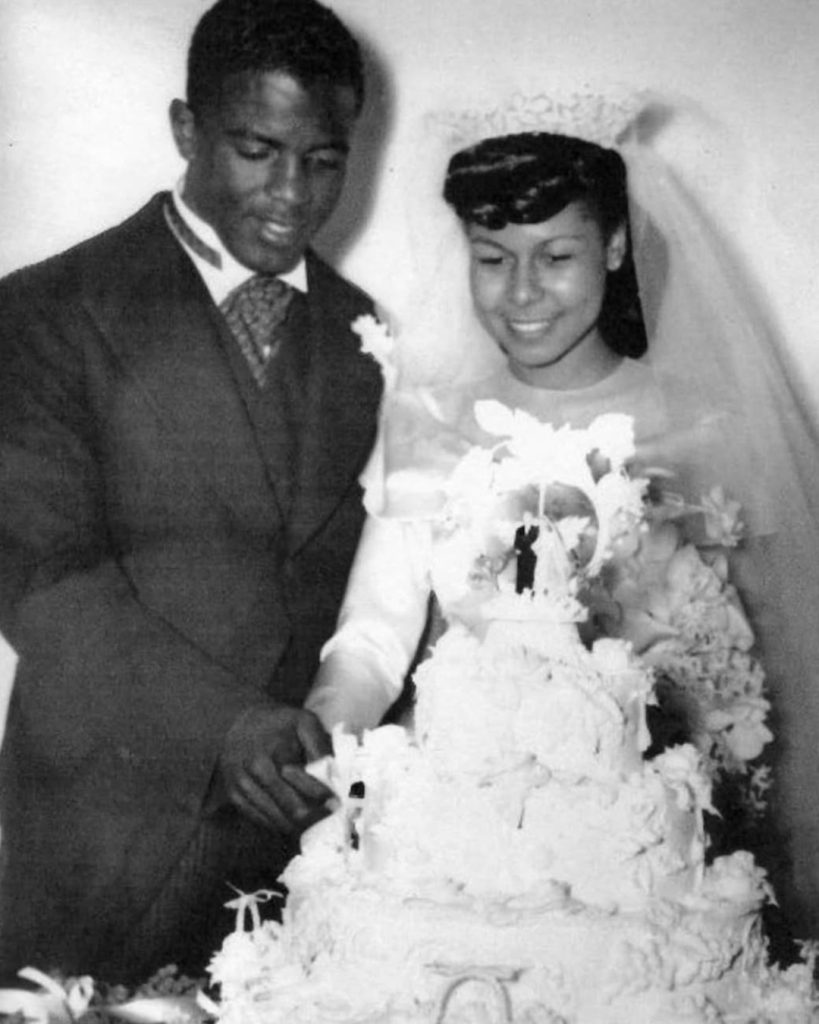
On Feb. 10, 1946, Jackie Robinson and Rachel Isum were married in Los Angeles. Then they left for spring training in Florida where he would try out for the Royals.
The couple, on their “honeymoon” in the Deep South, kept getting bumped off planes and had to take a bus to Daytona Beach from Jacksonville.
“We went to the back of the bus,” Rachel said. “And when it got dark, I started to cry, because I had felt my great husband, who had been a fighter and a dignified person, had been reduced by discrimination and by segregation, and he had sort of caved in to what society wanted in the South.”
When the press asked if Jackie could get along with his white teammates, he responded that he had played alongside white players at UCLA and been in the army with white soldiers during the war.
Also in camp was John Wright, a Black pitcher from New Orleans, who was signed by the Dodgers on Jan. 29, 1946.
A life is not important except in the impact it has on other lives.
However, during his brief and infrequent appearances both in spring training and then with the Montreal Royals, Wright’s control failed him. While Robinson excelled, Wright returned to the fading Negro Leagues in 1947, reluctant to talk about his place in history.
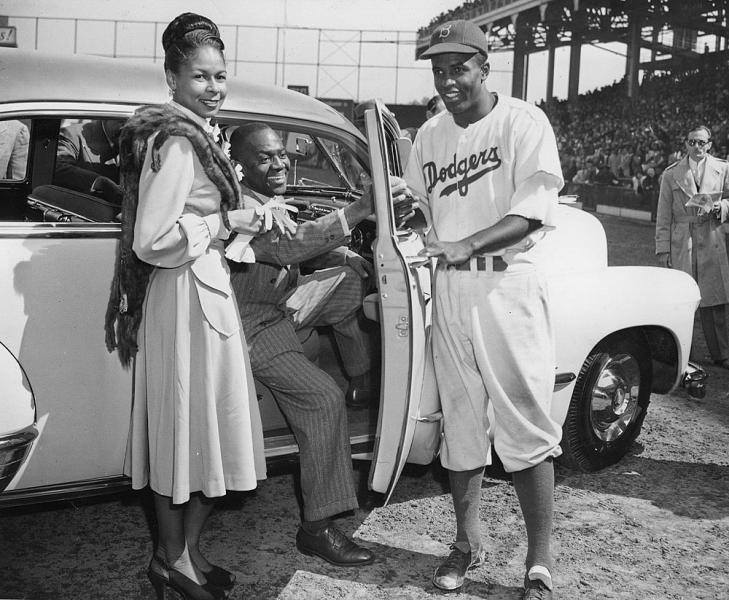
“Johnny was a good pitcher,” Robinson wrote, “but I feel he didn’t have the right kind of temperament to make it with the International League in those days. He couldn’t withstand the pressure of taking insult after insult without being able to retaliate. It affected his pitching that he had to keep his temper under control all the time. Later, I was very sad because he didn’t make the Montreal team.”
When the Royals went on the road during training camp, some teams refused to play them or made up excuses, such as claiming the lights didn’t work — even if they were playing a day game. In one game, the sheriff showed up and threatened to arrest the Montreal manager, Clay Hopper, for fielding a black player. Hopper complied, removing Robinson from the game.
Because of the indignities Robinson had suffered on the trip and skeptical that he would get a fair shot to make the team, he nearly quit before even trying out. He was convinced by Wendell Smith, a journalist and civil rights activist who had covered the Negro Leagues for the Pittsburgh Courier, to stick it out, because it might help pave the way for others.
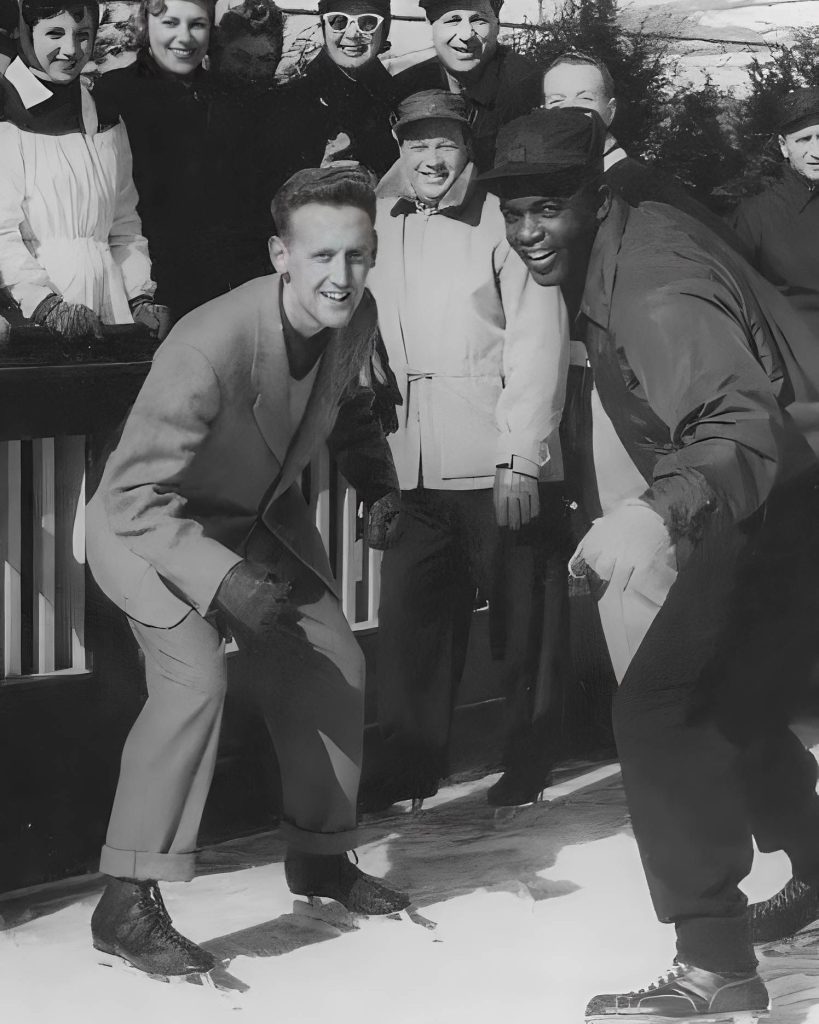
Though Robinson struggled at the plate at the start of spring training, Rickey continued to support him. Eventually, his hitting improved and he made the team as a second baseman. The team travelled north and played their first game at Roosevelt Stadium in Jersey City, New Jersey, on April 18, 1946. Robinson went 4-5, with two stolen bases and four runs scored as Montreal won.
He thus became the first Black player in organized baseball in the 20th century. In 1884, Moses Fleetwood Walker had become the first Black player in Major League Baseball. He was also the last Black player in organized baseball, playing until 1889.
In Montreal, Robinson was treated like a hero; both he and Rachel enjoyed their time north of the border.
Robinson played brilliantly, leading the league in hitting at .349 and leading the team to the “Little World Series” championship. A Montreal mob picked him up after winning the title and carried him on their shoulders.
During that season, Montreal General Manager Buzzie Bavasi told Rickey that if Robinson was smart enough to pick Rachel as his wife, that’s the guy he should want.
Rickey agreed. Robinson went to spring training with the Brooklyn Dodgers in 1947 and made the team, debuting at Ebbets Field in Brooklyn on April 15, 1947. Brooklyn became Black America’s team, and Robinson was idolized to such a degree that in a poll that year, he was voted the second most popular American, behind only Bing Crosby.
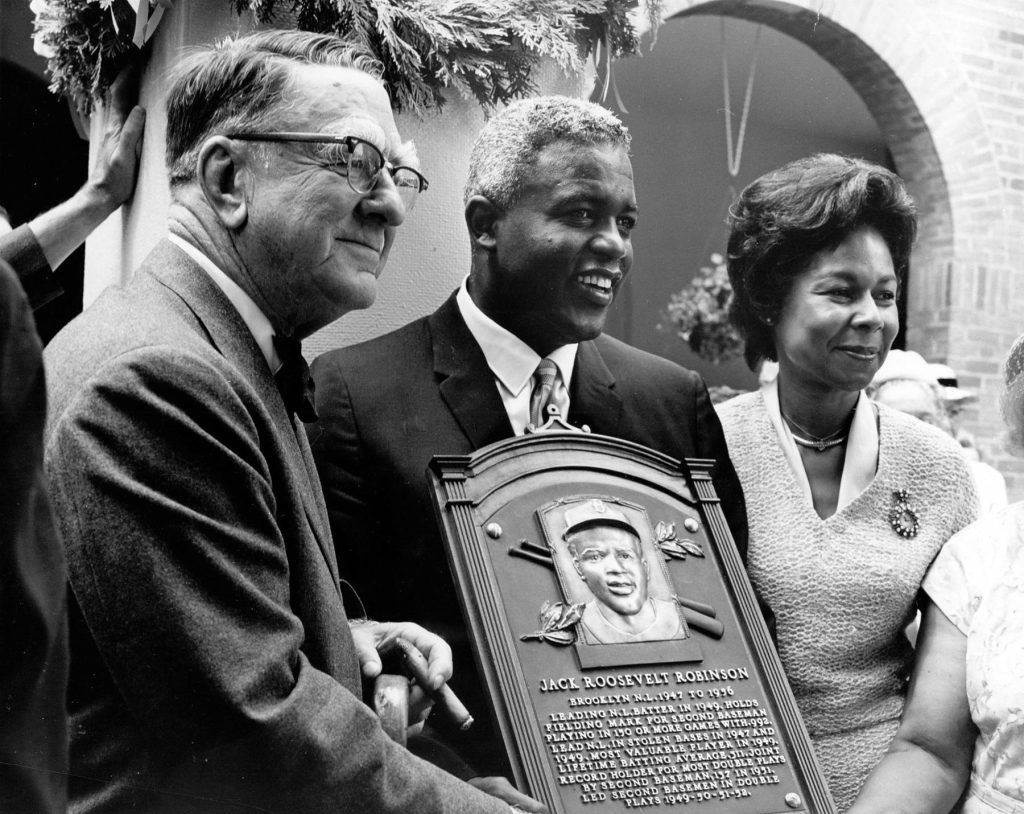
Jackie Robinson famously said, “A life is not important except in the impact it has on other lives.” His courage, ability, toughness and restraint transformed the national pastime, and made him one of the most important figures in the Civil Rights Movement . Future Bruin athletes such as Arthur Ashe ʼ66 and Kareem Abdul-Jabbar ʼ69 (born in New York City the day after Robinson’s Dodger debut), cite him as a reason they chose UCLA.
Through the struggle and sacrifice he shared with Rachel, Robinson overcame hate with talent and character, paving the way for generations of athletes of color to fulfill their American dream.
For more information on Jackie Robinson’s historical milestones, click here.
Recent Articles
- UC Inspires Honors UCLA Alumni
- UCLA AAP Alumni Spotlight - Adrianos Facchetti ’01, J.D.
- The Story Behind Jackie Robinson’s 1946 Reintegration of Organized Baseball
- UCLA Prytanean Celebrates Its Centennial
- Building Community: UCLA Disability Alumni Network Focuses on Belonging and Visibility
- Bruins@Work Program Fosters Community
UCLA Prytanean Celebrates Its Centennial
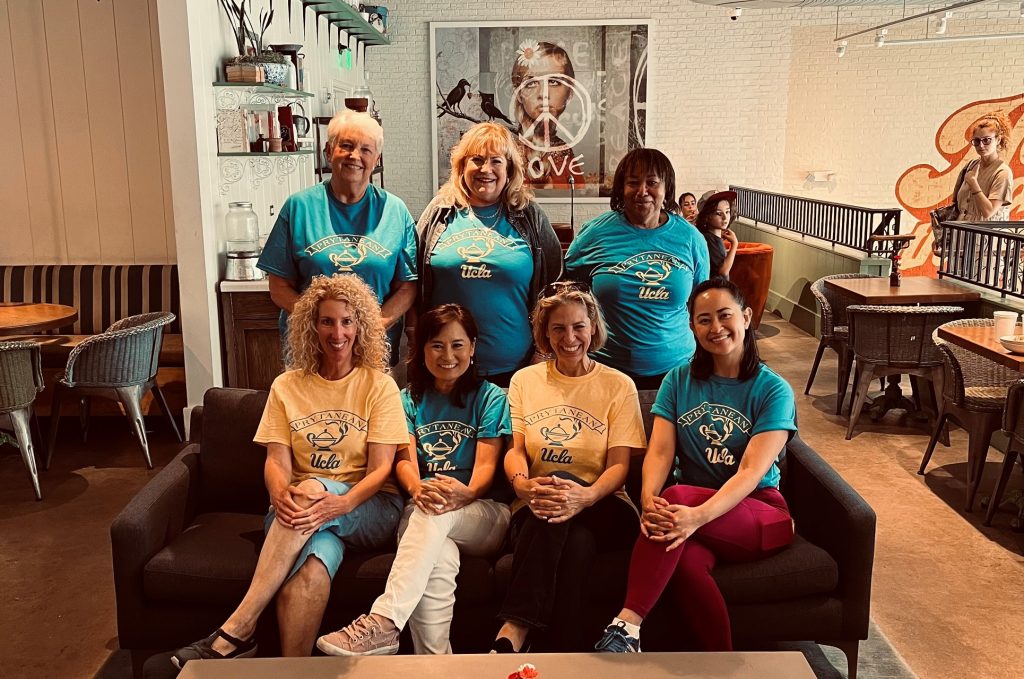
For 100 years, the Prytanean Alumnae Network has been giving back to the UCLA community. Prytanean is the oldest honorary alumnae organization in the University of California system, dedicated to making a difference, on campus and beyond.
Pamela Farber '85, vice president of membership and past president of Prytanean, recognizes the many benefits of being part of the network. She says, “Prytanean has survived all these years because it’s all about giving. And in giving of myself, I'm getting a lot back. I enjoy meeting people and feeling part of the Bruin community, but it’s really about being able to contribute to the University for the greater good of all alumni.”
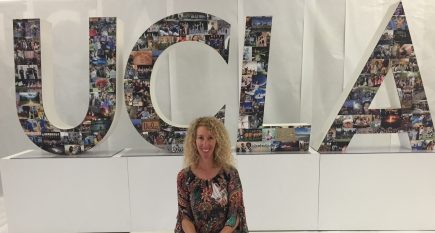
Farber grew up in Orange County and participated in activities as a student which, she says, “made this large campus feel small. I also joined a sorority my sophomore year, which helped me learn how to build relationships.” She says, “When I found out about Prytanean, I welcomed the chance to network with past and future generations.”
As part of the UCLA Alumni Affinity Networks, Prytanean sustains relationships between alumni, parents, students and friends of the University to “enhance knowledge, promote friendships, create volunteer opportunities and expand UCLA’s worldwide sphere of influence.”
Prytanean means "council of the chosen ones." It was first founded at UC Berkeley in 1901 to bring women leaders together across campus in support of women students. In those days, the majority of students were men, and by default, they enjoyed most of the available resources.
It’s really about being able to contribute to the University for the greater good of all alumni.
The UCLA chapter’s motto is “Honor through Service,” promoting friendship, scholarship, leadership and service. It was founded in 1914 on the Vermont Avenue campus as the Social Efficiency Club. The SEC joined with Prytanean in 1924, and was formally installed at UCLA in 1925. In 1939, the UCLA Prytanean Alumnae Network was formed.
One of its members, Louisa Cardenas ’74, attended UCLA through scholarship support, student loans and part-time work on campus. She says, “I felt that if I could ever contribute back, it would be to help students.” She likes that the network has a regular schedule of events each year. “The best part is networking with other members. I am a long-time retired UCLA employee so I really enjoy meeting new staff members and young graduates.”
Prytanean begins their year each fall by introducing the new scholarship recipients at the October Dinner and General Membership Meeting; there is an Annual Benefit in the spring to raise scholarship support; and a June Luncheon to welcome new members. Throughout the year, members attend networking and volunteer activities including Dinners for 12 Strangers and Spring Sing, which they support with the annual Prytanean Alumnae Award for Best A Cappella performance.
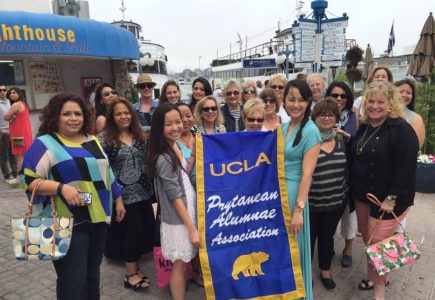
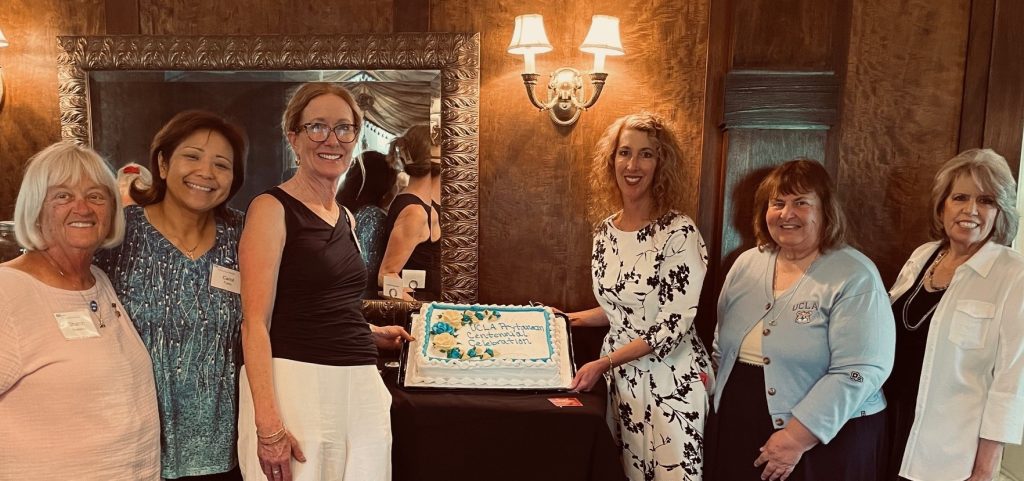
This year’s Annual Benefit celebrated Prytanean’s Centennial Celebration at the Tournament House in Pasadena, with tours of the historic mansion, a photo booth and a celebration of their milestone year. Sheila Kuehl ’62, former California state assemblymember, state senator and L.A. County supervisor, was the guest speaker.
Prytanean has provided more than $250,000 in scholarship support to UCLA first-year and transfer students. For Lucy Tseng ’12, the group is unique because it welcomes everyone. “There are no specific qualifications. You don’t have to live in a certain area or belong to a certain affinity group. You just have to want to stay involved with UCLA and support students through the scholarship fund.”
In her professional life, Tseng is director of the UCLA Chancellor’s Society. She says, “I wasn't even aware of the concept of scholarships when I was in college. I took out a ton of student loans because I thought that was my only option. Part of my passion is ensuring students understand that the world of scholarships is vast, and while merit is a significant factor, it is just one of many avenues for securing financial support.”
UCLA Scholarships create opportunities for students to reach their full potential and ensure that a high-quality education is more affordable. Roland Zita ’18 was a Shirley M. Lyon Memorial Alumni Scholar, given to an incoming student with a background in volunteer service. At UCLA, Zita majored in chemical engineering and is now a process engineering supervisor at TTM Technologies.
When he graduated, he was invited to become the first male member of Prytanean. He says, “Looking back on my undergraduate experience, it just felt natural to me. I’m happy to be part of Prytanean, and I support the mission. It’s also kind of cool that my sister, Laura Zita ’21, also attended UCLA and is now a member.”
When I found out about Prytanean, I welcomed the chance to network with past and future generations.
Farber was president in 2018 when the network ratified the inclusion of all genders. She says, “When Roland graduated, I thought, why are we letting these great people go? They want to give to the organization and contribute. We put it to a vote to change the bylaws to accept anyone who wants to join, and it passed with flying colors.”
Zita met his wife, Sophia, at UCLA. She is currently completing a residency in dermatology, but he hopes she will join Prytanean once she completes her residency. He says, “That sense of community alone is enough for me to recommend it. On top of that, you get the volunteer events, social events and everything else that comes with it.” Zita serves as a member-at-large on the Prytanean board, offering suggestions and input.
As part of their mission, Prytanean also supports UCLA campus organizations. They currently support the Bruin Resource Center which works with underserved student groups. Farber says, “These students overcame enormous odds to even be at UCLA. Some were homeless, in foster care, in detention or are veterans. It’s mind-boggling how they met entrance requirements while facing those challenges.”
The members create “Bear Hugs,” gift bags with needed items, including toiletries, personal items and gift cards for groceries and coffee along with personalized handwritten notes. As Cardenas says, “We want to give them the incentive to continue, because it’s a tough road. It’s a wonderful effort to support students who just need a little extra boost.”
Interested alumni, outstanding UCLA graduating seniors and advanced-degree students are encouraged to apply for membership. Farber says, “We are intergenerational, we have members in their 90s and new graduates. We also have ‘friend’ memberships for people who didn't graduate from UCLA but want to support us, like a spouse or a child of an alum.”
For Tseng, the importance of giving back comes from personal experience. “I was raised by an immigrant mom who didn’t drive on the freeway, so I was a bit sheltered. Being at UCLA gave me things I never imagined for myself — I played wheelchair basketball, was a resident assistant, did Dance Marathon and was a summer camp counselor. Reflecting on my own experience makes me want to ensure that current students have the best experience possible so they can look back as fondly as I do.”
Recent Articles
- UC Inspires Honors UCLA Alumni
- UCLA AAP Alumni Spotlight - Adrianos Facchetti ’01, J.D.
- The Story Behind Jackie Robinson’s 1946 Reintegration of Organized Baseball
- UCLA Prytanean Celebrates Its Centennial
- Building Community: UCLA Disability Alumni Network Focuses on Belonging and Visibility
- Bruins@Work Program Fosters Community
Building Community: UCLA Disability Alumni Network Focuses on Belonging and Visibility
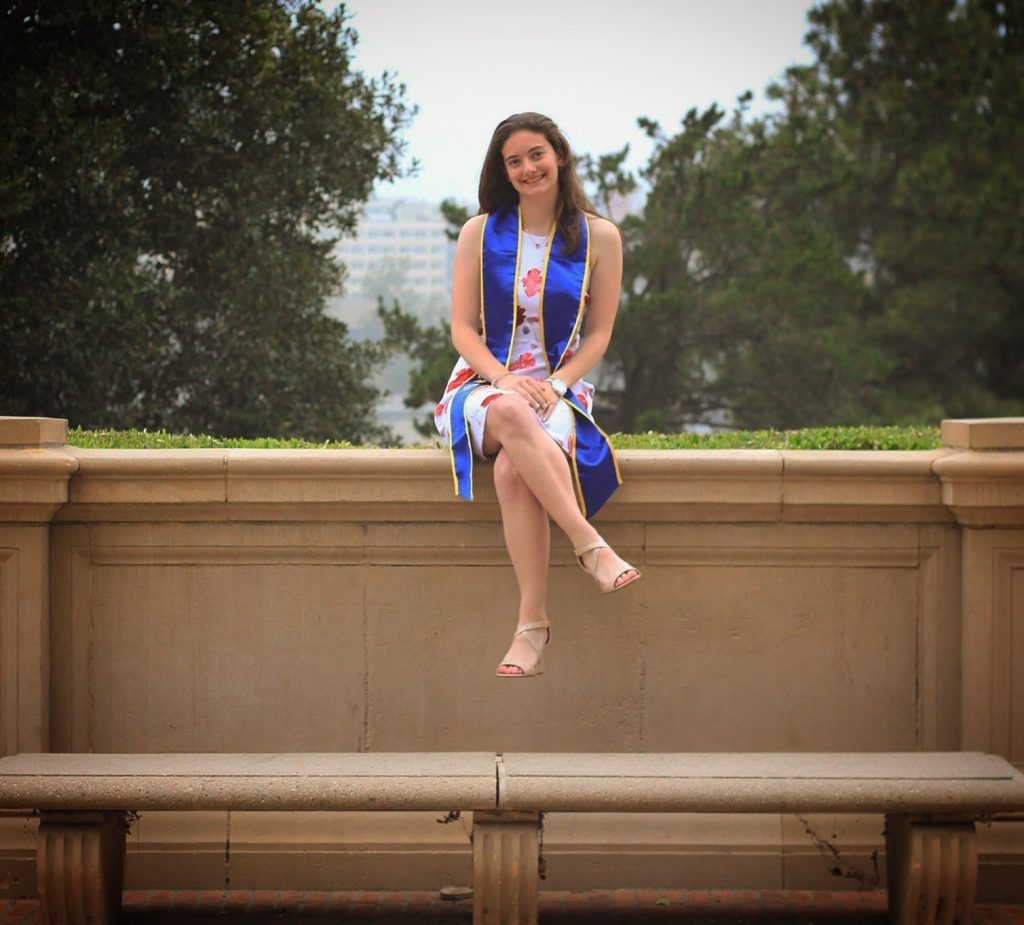
For Leah Falcon ’17, finding her community took longer than she expected.
Diagnosed with dyslexia in first grade, Falcon had spent most of her life identifying as a person with a disability but rarely encountered others who shared that identity. It wasn't until she connected with the UCLA Disability Alumni Network (UDAN) that she found the sense of belonging she had been searching for.
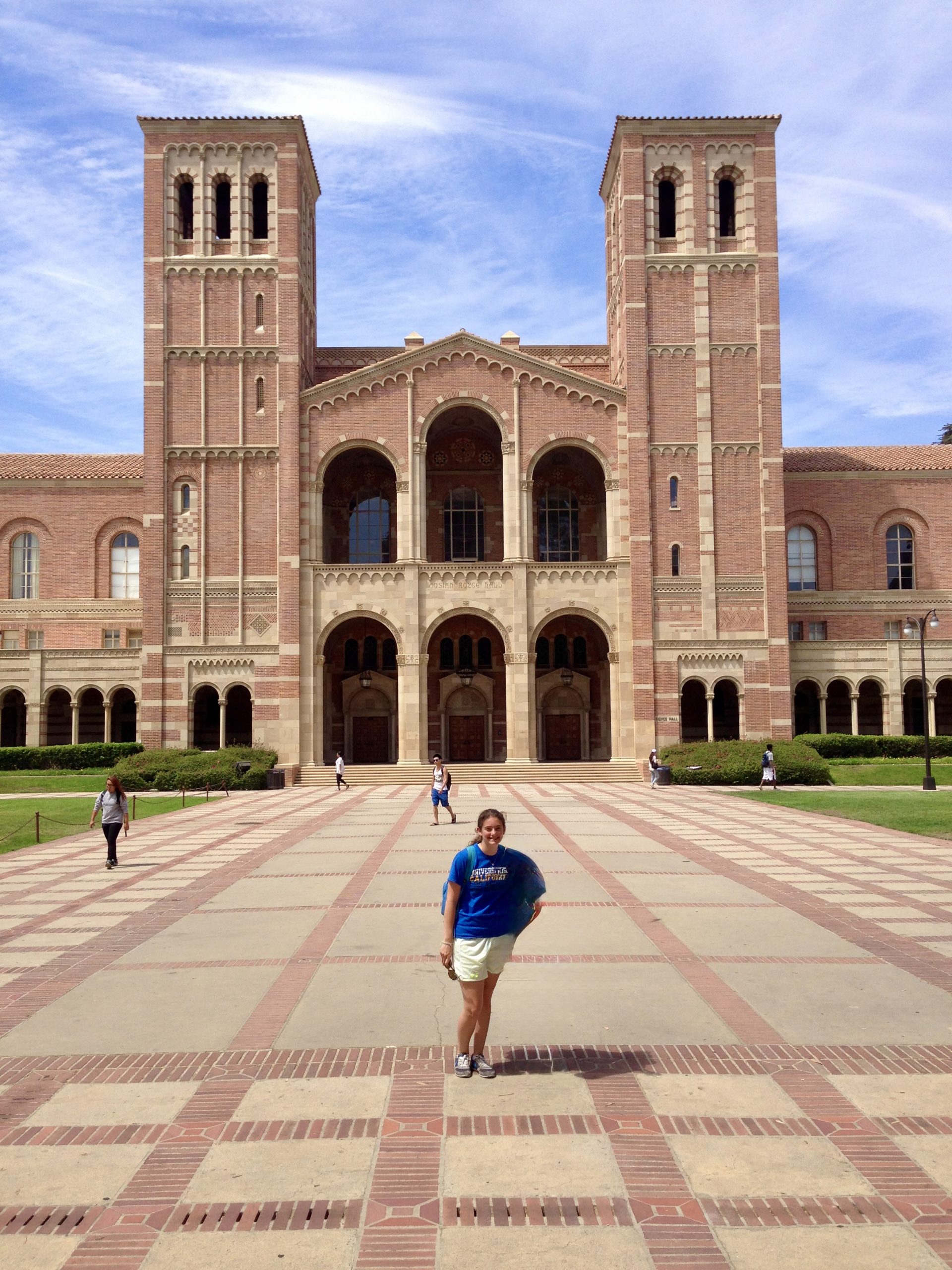
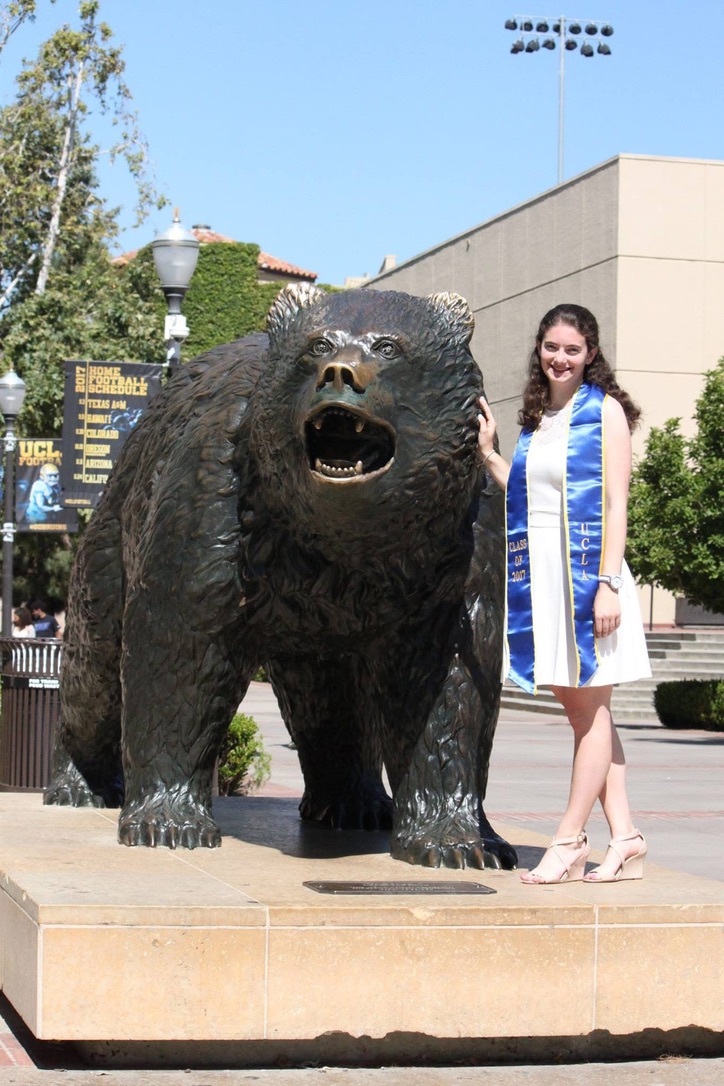
"I'd never really met people in the disability community before," said Falcon, who now serves as co-president of the network. "Most of my friends don't really identify as having a disability, so I don't really have those shared experiences in my everyday life. With UDAN, I finally got the community I'd been searching for."
UDAN was founded by a group of seven alumni who responded to an outreach effort by UCLA's Center for Accessible Education and the UCLA Alumni Association. Among the founders was Avril Frasché ’17, who recalls the founding as both demanding and energizing.
"In the founding stages, we spent a lot of time making decisions about how we wanted to build the network," Frasché said. "Some of it was tedious and tiring, but a lot of it was exciting."
Both women describe UDAN's core mission in the same terms: community. For Frasché, that meant connecting with people who had navigated UCLA and life in similar ways. For Falcon, who attended every on-campus sport at least once as a student through the athletics booster organization The DEN, it meant finally having a space where her full identity was understood.
Disability, Falcon said, is often an overlooked dimension of diversity.
"We're kind of the afterthought in a lot of ways, in making things accessible, making things comfortable, easy," she said. "Knowing that you're not alone is a really nice first step."
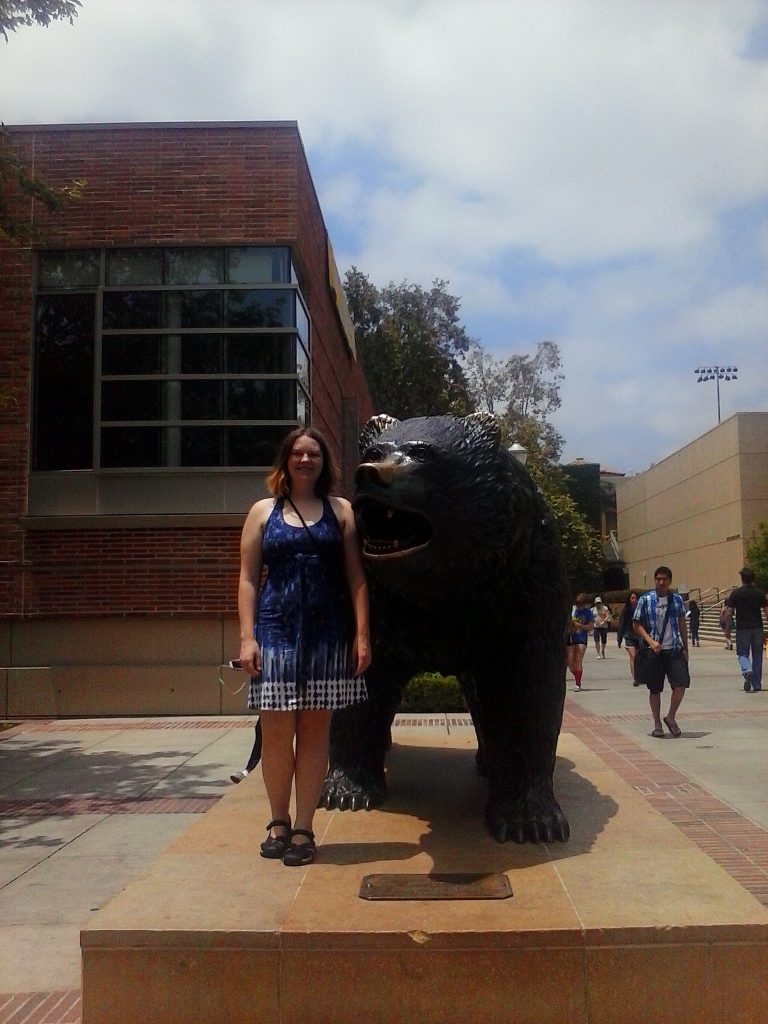
Since its founding, UDAN has developed a mentorship program through UCLA One, maintained a consistent presence at the Disabled Student Union’s annual graduation celebration, and hosted various virtual events. Frasché, who served two terms before stepping back from the board, says this range reflects the network's values.
'There's something incredibly cathartic about being in a space with people who know what it's like to exist in this world, and at UCLA, as a disabled person,' Frasché said. 'I love the range of events we've held, from a panel on navigating disabilities to cozy craft nights. Events really bring us together and build our community.'
Falcon acknowledges the network is still growing and that visibility remains its biggest obstacle.
"A lot of people just don't know we exist," she said. "But once they find out about us, they get excited and want to be a part of it."
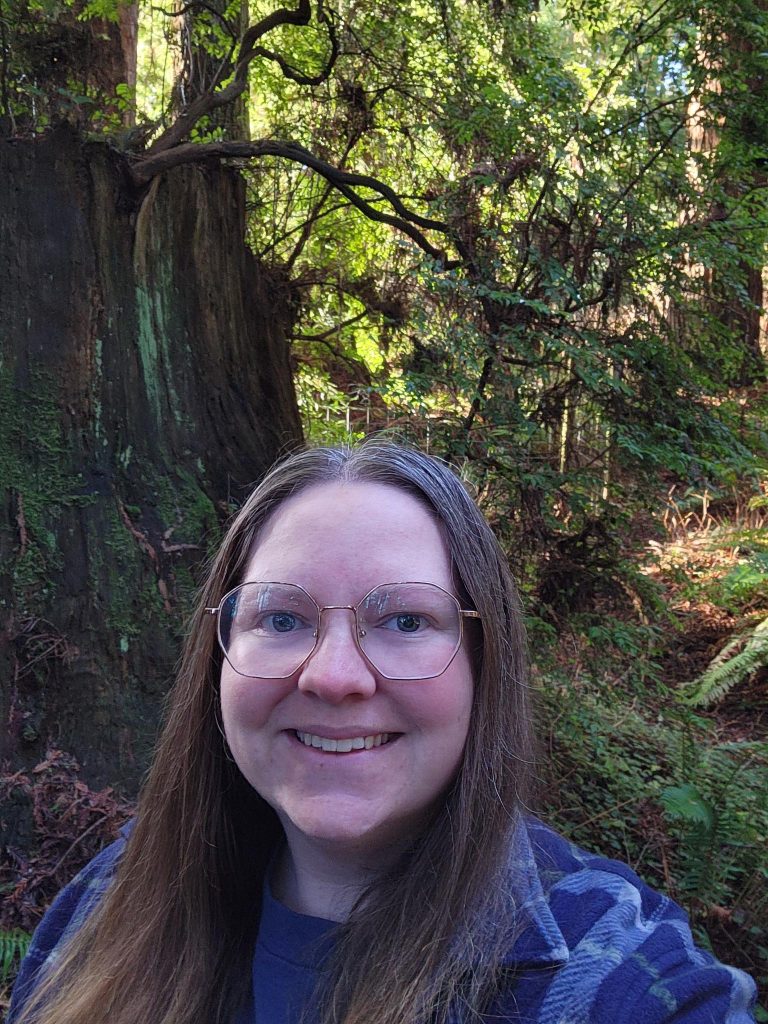
Get Involved & Join Us
Whether you are new to UDAN or have been looking for a way to get involved, coming to the network's next event is a natural place to start. In partnership with UCLA Alumni Career Engagement and UCLA Alumni Diversity Programs and Initiatives, UDAN will host “Disability Inclusion in the Workplace” on May 2, 2026, from 11 a.m. to 2 p.m. at the UCLA Labor Center.
Presented as part of the Alumni Diversity Programs & Initiatives’ EmPower Hour series, which brings UCLA alumni, faculty and staff together to explore social issues affecting local and global communities, the event will feature a panel of Bruin employers and employees sharing their expertise on navigating disabilities in professional settings, followed by facilitated tabletop discussions and light refreshments. The event is open to students, alumni, employers and allies.
"Navigating disability in the workplace is hard. I do it every day," Falcon said. "We really hope people walk away knowing they're not alone."
Recent Articles
- UC Inspires Honors UCLA Alumni
- UCLA AAP Alumni Spotlight - Adrianos Facchetti ’01, J.D.
- The Story Behind Jackie Robinson’s 1946 Reintegration of Organized Baseball
- UCLA Prytanean Celebrates Its Centennial
- Building Community: UCLA Disability Alumni Network Focuses on Belonging and Visibility
- Bruins@Work Program Fosters Community
Bruins@Work Program Fosters Community
From campus to career, a UCLA education is the beginning of a lifetime of connection. Whether it’s networking with former classmates, mentoring a current student or forging an instant bond with colleagues, being a Bruin brings people together.
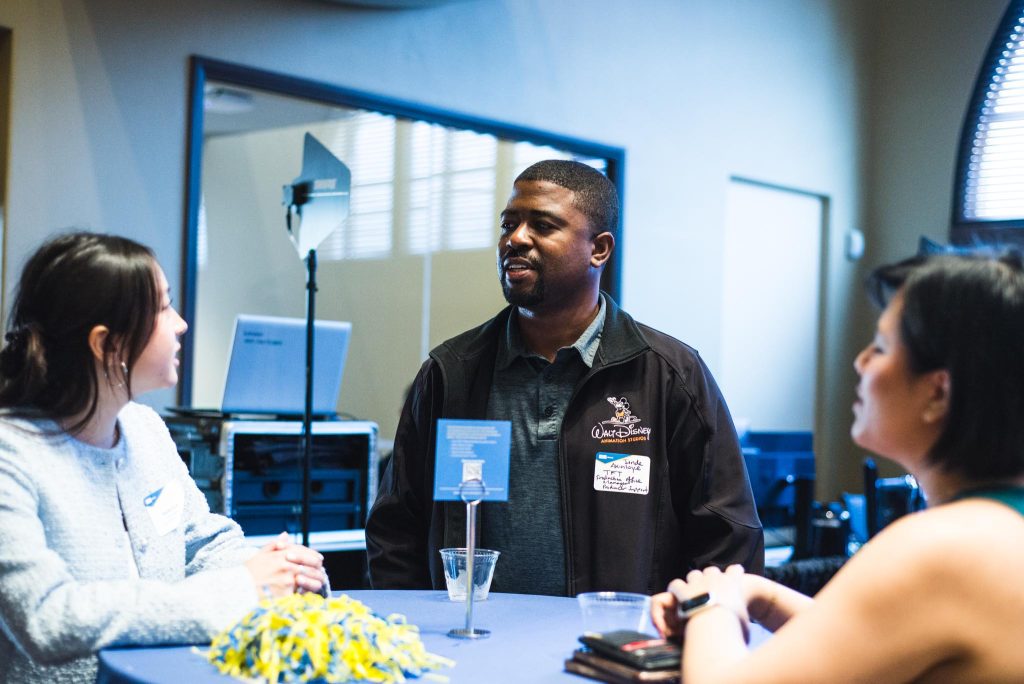
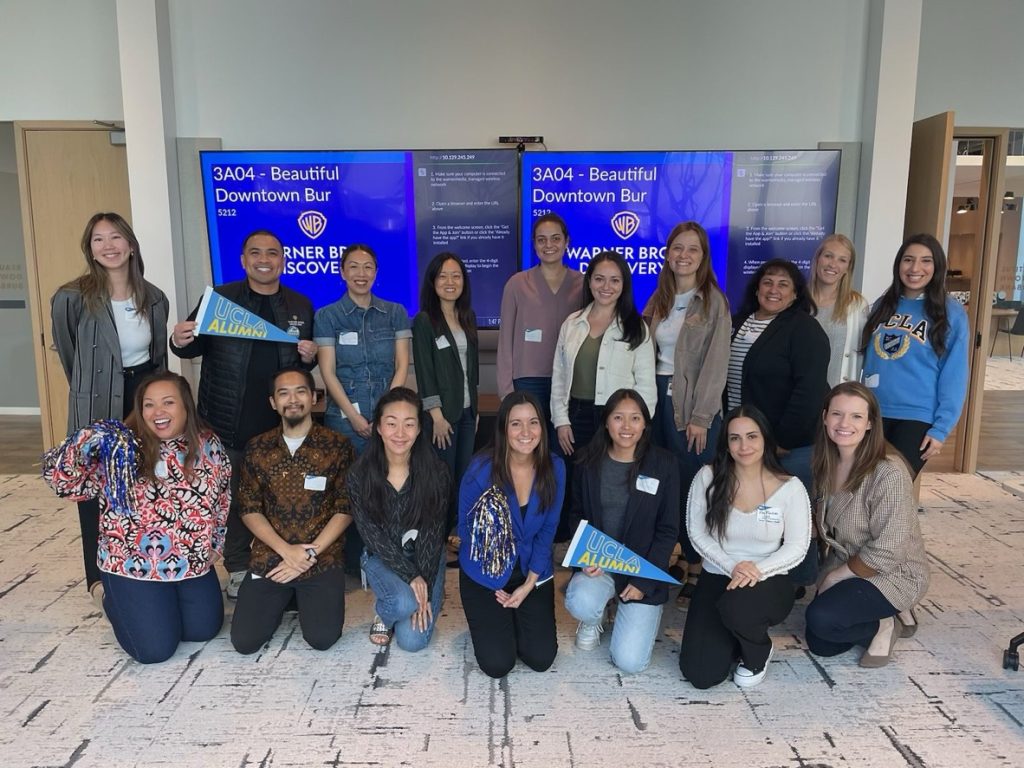
UCLA Alumni’s Bruins@Work program fosters Bruin communities within workplaces, industries and regions. It encourages career connections, creating opportunities for professional development and a chance to give back. With more than 700,000 alumni worldwide, there are as many ways to get involved and stay connected as there are Bruins. The Bruins@Work program has built relationships with companies including Amazon, Google, Disney, Warner Bros. Discovery and Northrop Grumman, bridging the gap between education and employment.
Jon Arenberg '83, M.S. '85, Ph.D. '87, entered UCLA as a commuter student alongside three friends from Santa Monica High School. Today, the triple Bruin is chief mission architect, Science & Robotic Missions, Civil & Commercial Space at Northrop Grumman. He has contributed to milestone projects, including the James Webb Space Telescope, the largest telescope in space, and the Chandra X-ray Observatory, and he co-invented the Starshade concept, a key tool in the search for Earth-like planets.
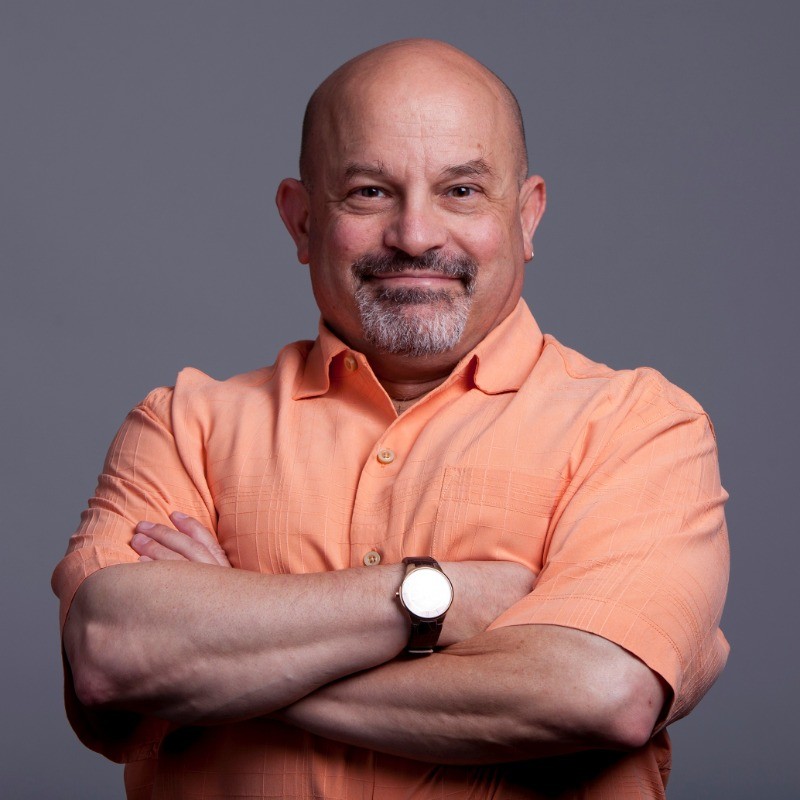
Arenberg is a co-founder and chair of UCLA Alumni Northrop Grumman. Northrop Grumman encourages a culture of giving back to build a strong community. He says, “UCLA played a strong role in my professional success and I enjoy giving back. I believe that's my role as a senior engineer ꟷ to share what I've learned to guide my younger colleagues.”
His commitment to UCLA was recognized in 2020 when he received the UCLA Samueli Professional Achievement Award, celebrating both his aerospace milestones and his passion for the Bruin community. He says, “It is fun to go back to campus and talk to the young engineers about the practice of engineering, how we build things like James Webb and how they can contribute.” He returns to UCLA not just to speak to engineers, but to show students from every field how they can contribute to the future of space exploration. He says, “We have hired people with degrees from accounting to zoology, which is the A to Z of offered degrees.”
This dedication to building career pathways is a common thread among alumni, from the sciences to the entertainment industry. Grace Moss '99, vice president of Inclusion Pipeline Programs for Warner Bros. Discovery, embodies the pay-it-forward spirit that defines the Bruin community. She says, “I’m a very proud Bruin. I had a fantastic experience and I wear the UCLA badge with pride.”
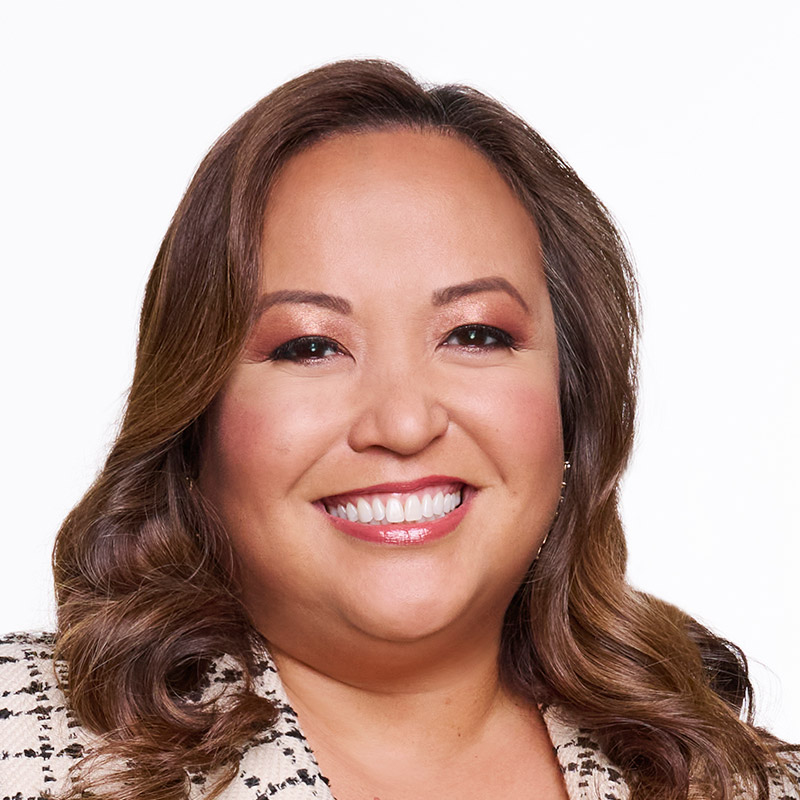
Moss majored in English and minored in Asian American Studies, studying Shakespeare in Stratford-upon-Avon. She participated in Samahan and Pilipino Cultural Night, took Tagalog the first year it was offered and received the Royale Morales Prize in Pilipino American Studies. As a fourth-year student, she attended the annual Entertainment Networking Night in Ackerman, which inspired her to pursue her current career. She says, “One highly impactful experience at UCLA was being an orientation counselor. I’ve never thought of it this way before, but it ties into what I do now. I create talent development pipeline programs, mentoring emerging writers and directors to give them a pathway into careers at Warner Bros. Discovery.”
Moss worked with UCLA Alumni to organize a Bruin meet-and-greet at Warner Bros. Discovery. The informal program connected Bruin colleagues, creating opportunities for networking and career growth. She has participated in Dinner for 12 Strangers, spoken at UCLA and is committed to sharing her expertise with students. She says, “When there’s an opportunity to hire someone from UCLA, I often consider it because I know they are smart, professional and reliable. It builds a stronger connection and touchpoint. Having a similar education and experience is just an additional layer of strengthening ties in this industry.”
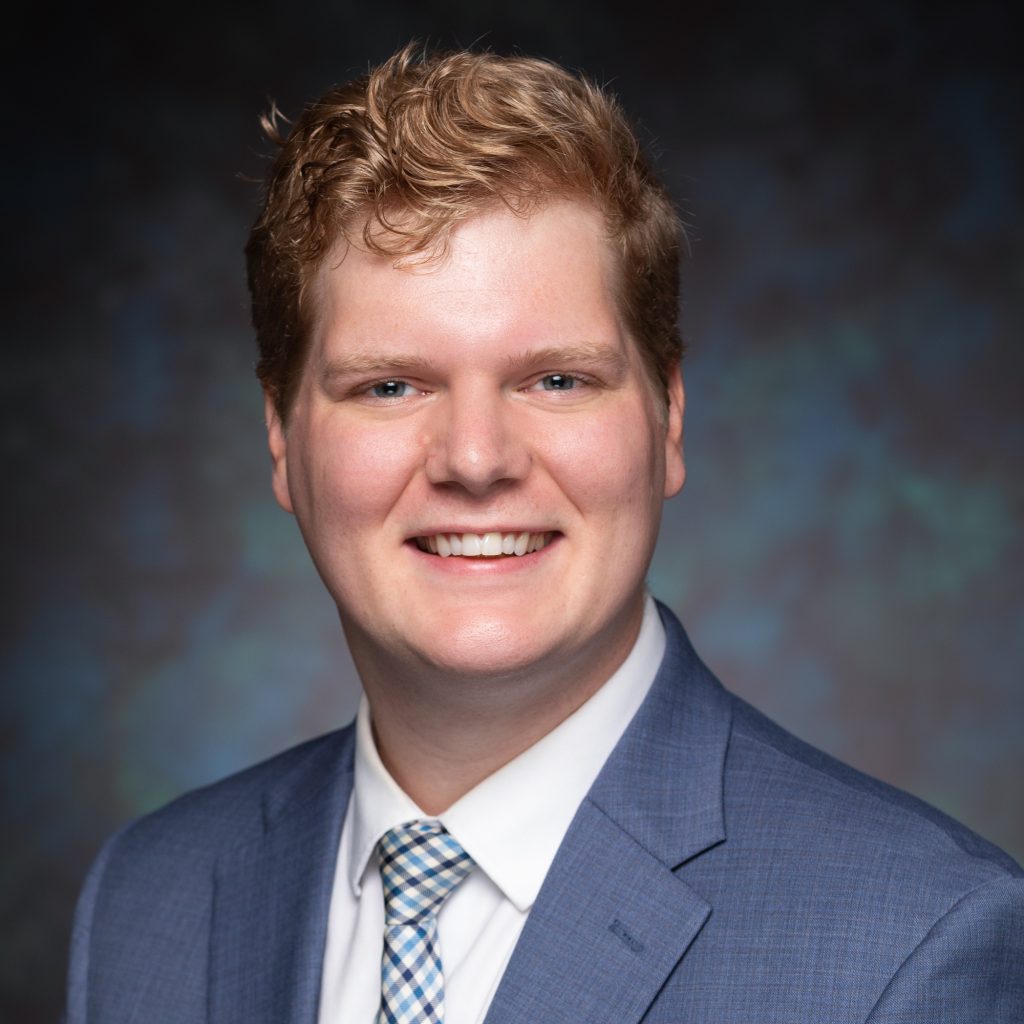
Every Bruin has a unique story and the power to make a difference. Matt Jacobs is a manufacturing engineer at Northrop Grumman, helping build the hardware for spacecraft. He’s also a current student at the Samueli School of Engineering, pursuing an M.S. degree in the Engineering Online Program (MSOL) on nights and weekends.
Jacobs is the vice chair of the UCLA Alumni Northrop Grumman chapter, leading opportunities for members to connect with current UCLA students. They also build community through tailgates, donation opportunities and on-campus engagements. And members can show off their Bruin pride with jointly branded UCLA Alumni and Northrop Grumman merchandise.
Jacobs chose UCLA because of a family connection. “My wife attended UCLA as an undergrad, and had a deep connection to the Westwood community.” Although his program is online, when he has the chance to be on campus he takes it. “I love the energy of being on campus. That same energy is manifest when we have interns and early career people come onto our work campus. That's infectious.”
He helped establish Bruin Buddies, a summer mentorship program at Northrop Grumman that pairs staff members with a UCLA student. He says, “It gives them the chance to see how they connect to the bigger picture ꟷ and, of course, how the work connects to what they're learning on campus.” He continues, “At the end of the day, it's about the people you work with, and I find that to be very meaningful. Bruin Buddies has been a significant way of connecting with people and sharing that excitement about UCLA.”
***
If you’re interested in establishing a Bruins@Work program at your workplace, contact Alyson Beckman at abeckman@support.ucla.edu | Director, UCLA Alumni Career Engagement. If you already have a UCLA corporate community at your workplace, let us know.
If you’re interested in hiring Bruins or finding interns for your company, contact Mia Seleshi at mseleshi@support.ucla.edu to learn more about opportunities to meet top candidates.
Recent Articles
- UC Inspires Honors UCLA Alumni
- UCLA AAP Alumni Spotlight - Adrianos Facchetti ’01, J.D.
- The Story Behind Jackie Robinson’s 1946 Reintegration of Organized Baseball
- UCLA Prytanean Celebrates Its Centennial
- Building Community: UCLA Disability Alumni Network Focuses on Belonging and Visibility
- Bruins@Work Program Fosters Community
International Women of Courage
International Women of Courage Awardees (from left) Facia Boyenoh Harris, Roya Sadat, Arbana Xharra, Quynh Nguyen, Fatou Baldeh and Agather Atuhaire
An investigative journalist from Kosovo shining a light on human-rights abuses; an acclaimed filmmaker from Afghanistan centering women's voices; and a transformative leader from The Gambia who is fighting to break a generational cycle of abuse.
These are women who have faced danger across the globe to take a stand for peace, justice, human rights and the empowerment of women and girls. They are all past honorees of the International Women of Courage (IWOC) Award, presented by the U.S. Secretary of State, which has recognized more than 190 women from 90 countries since 2007.
In honor of Women’s History Month, UCLA Anderson hosted an event on March 4 to honor and celebrate the IWOC awardees with the support of UCLA Alumni Affairs, the Office of the Executive Vice Chancellor and Provost, the International Institute, and American Women for International Understanding (AWIU).
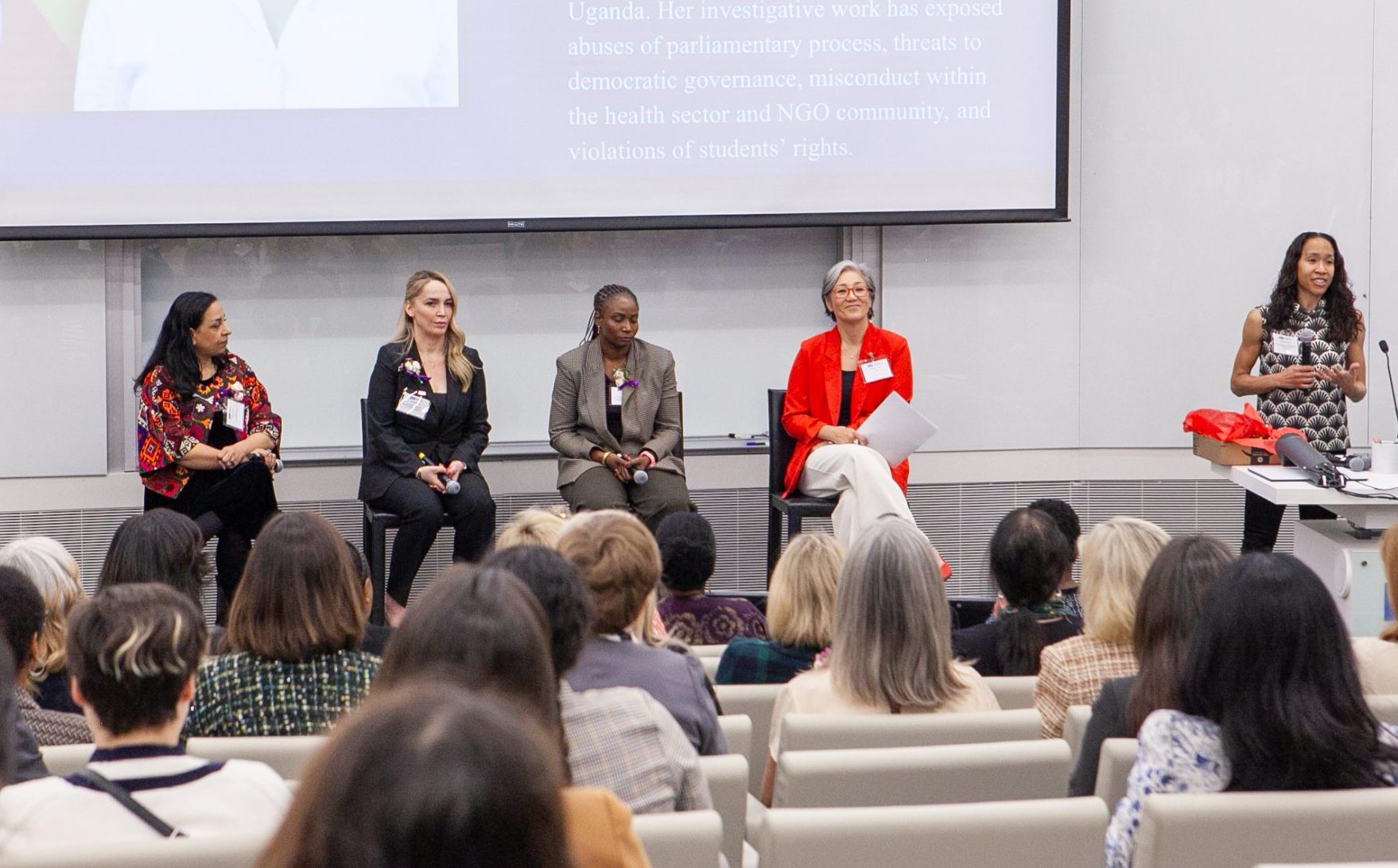
Heather Caruso, UCLA Anderson School of Management faculty member, associate dean for inclusive excellence and faculty co-director of the Inclusive Ethics Initiative, said, “University communities like ours are so rich and vibrant; we are not meant to stand apart from the world's hardest challenges. We are meant to engage them — thoughtfully, rigorously and in partnership with those leading the work on the ground.”
UCLA Anderson created the IWOC campus visit program in 2024, supported by a longstanding relationship with the American Women for International Understanding. AWIU is a community of women whose mission is to build bridges of international understanding through connection and collaboration, and to empower women to become highly effective global leaders.
Cynthy Moffatt, MBA '88, an AWIU board member, past IWOC celebration chair and current advisor on IWOC programming and relations, shared the story of how the partnership began. Several years ago, she was invited to attend an IWOC celebration in Washington, D.C. through AWIU and became passionate about the program. She said, “Given my ties to UCLA, and the fact that my husband, Jim Moffatt, MBA '87, is on the Anderson board, I reached out to the dean at the time, Judy Olian, who was the first to support the celebration.” UCLA Anderson began sponsoring funding grants for the honorees and inviting students to attend IWOC events. She continued, “Heather Caruso and a few students were so inspired that they wanted to bring the honorees to campus. It’s grown from a sponsorship into a deep, mutual exchange between the University's expertise and these global leaders.”
This year's International Women of Courage event opened with small-group roundtables, bringing together UCLA leadership, faculty and staff to bridge the gap between academic research and grassroots international community work. Many of the IWOC awardees came from countries where it was rare for women to pursue a formal university education. To further their work, they needed to build a network of support. Their time at UCLA was designed to build connections with academics, scholars and activists.
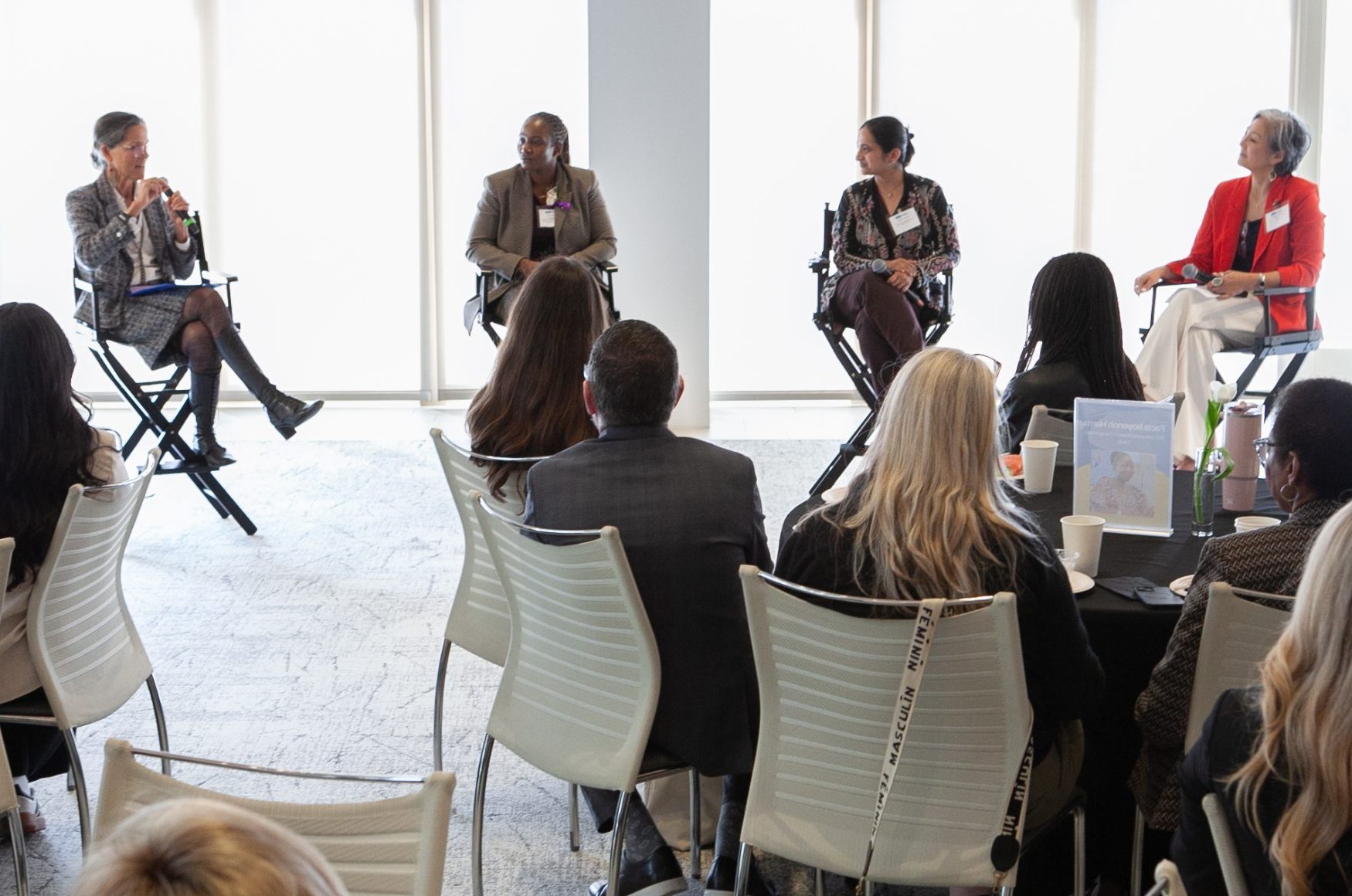
Denise Pacheco, M.A. ’04, Ph.D. ’11, senior director of Alumni Diversity Programs & Initiatives, represented UCLA Alumni Affairs at the event and participated in the roundtable discussions. She said, “One of the most important threads that binds us as Bruins is our optimism and commitment to leading bold and courageous change in the world. Participating in events like this allows us to leverage the power of not only our Bruin community in Westwood, but that of our nearly 700,000 living alumni all around the globe in support of the incredible work of these honorees.”
The discussion groups were followed by a panel that featured three past IWOC awardees: Roya Sadat, an Afghan filmmaker whose boundary-breaking work inspires change; Arbana Xharra, an investigative journalist recognized for her reporting on extremism and human-rights abuses in the Balkans; and Fatou Baldeh, a human rights advocate who is a leading voice in the campaign to end gender-based violence.
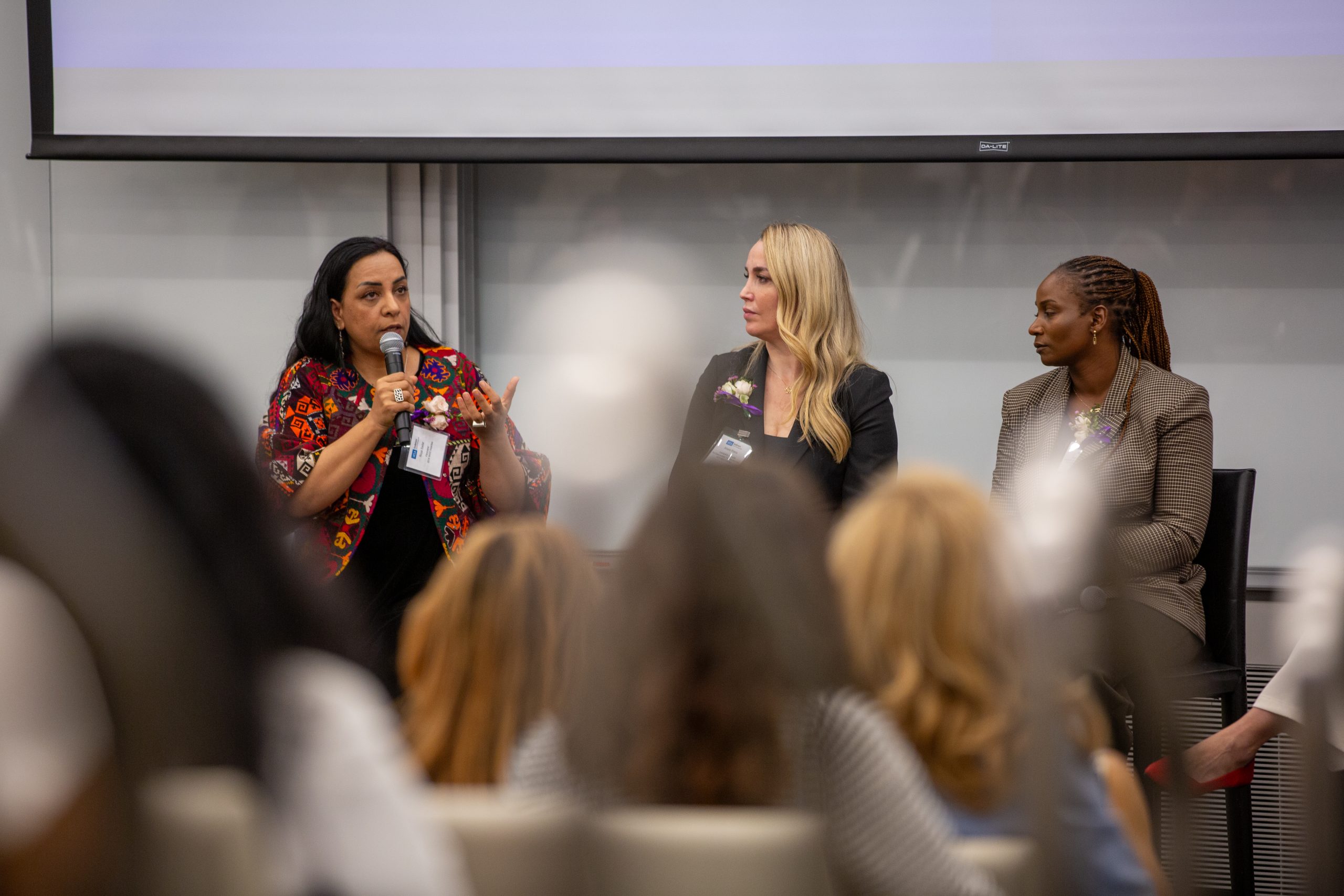
The panel was moderated by Katelyn Choe, a recently retired foreign service officer. Choe began by reading the poem “Gate A4” by Arab American poet Naomi Shihab Nye about a chance meeting in an airport which becomes a true moment of connection. She told the gathered crowd, “This panel is about courage, but it's also about what happens around courage, the accumulation of steady acts that allow it to endure.”
Roya Sadat, 2018 IWOC awardee, spoke of ensuring that women's voices were part of the public record. She said, “My work comes with a heavy history, but at the same time it is entertainment. We invited people to talk about taboo things in our society, and it has opened a conversation between younger and older generations.” Sadat is the first woman director in post-Taliban Afghan cinema. Her feature film “A Letter to the President” was Afghanistan’s official submission to the 2018 Academy Awards.
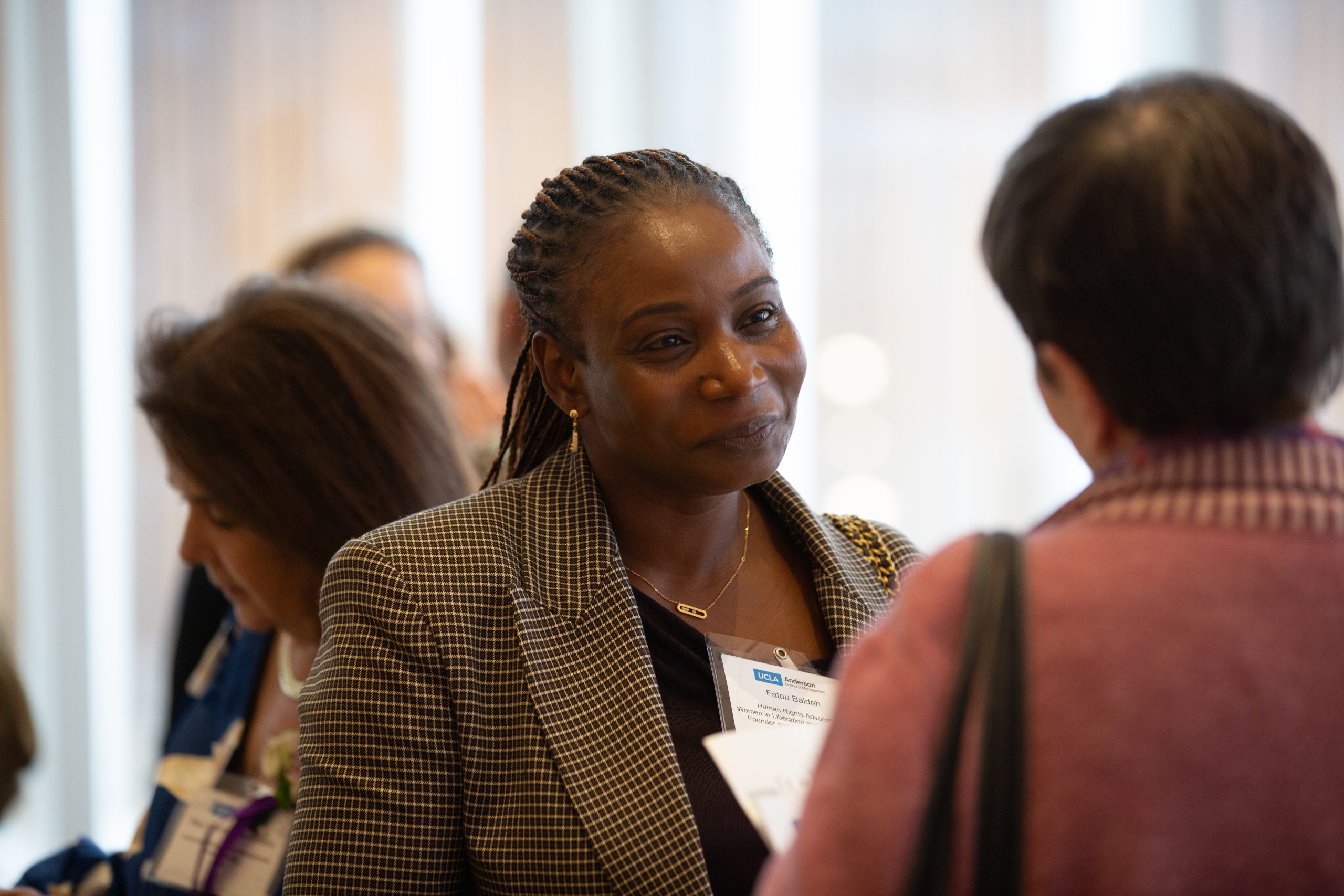
Arbana Xharra, 2015 IWOC awardee, shared how she discovered the power of journalism while fleeing her country. “At the border, with the English that I could speak, I told the media what was happening in my country. At that time, I realized what it means to be a voice for the voiceless. What it means to be a journalist.” She has started a podcast, “Not Silent,” to amplify the voices of women in conflict zones around the world.
Fatou Baldeh, 2024 IWOC awardee, was named a 2025 Time Woman of the Year. She is the founder of Women in Liberation and Leadership, a survivor-led organization working to abolish female genital mutilation (known as FGM/C or cutting). This dangerous practice, rooted in tradition, creates a lifetime of risks and has impacted more than 230 million girls and women, mainly in Africa, Asia and the Middle East. Baldeh said of her work, “I advocate and educate against a harmful traditional practice deeply rooted in my culture. If we do not speak on this issue, it's never going to end. We must break the cycle.”
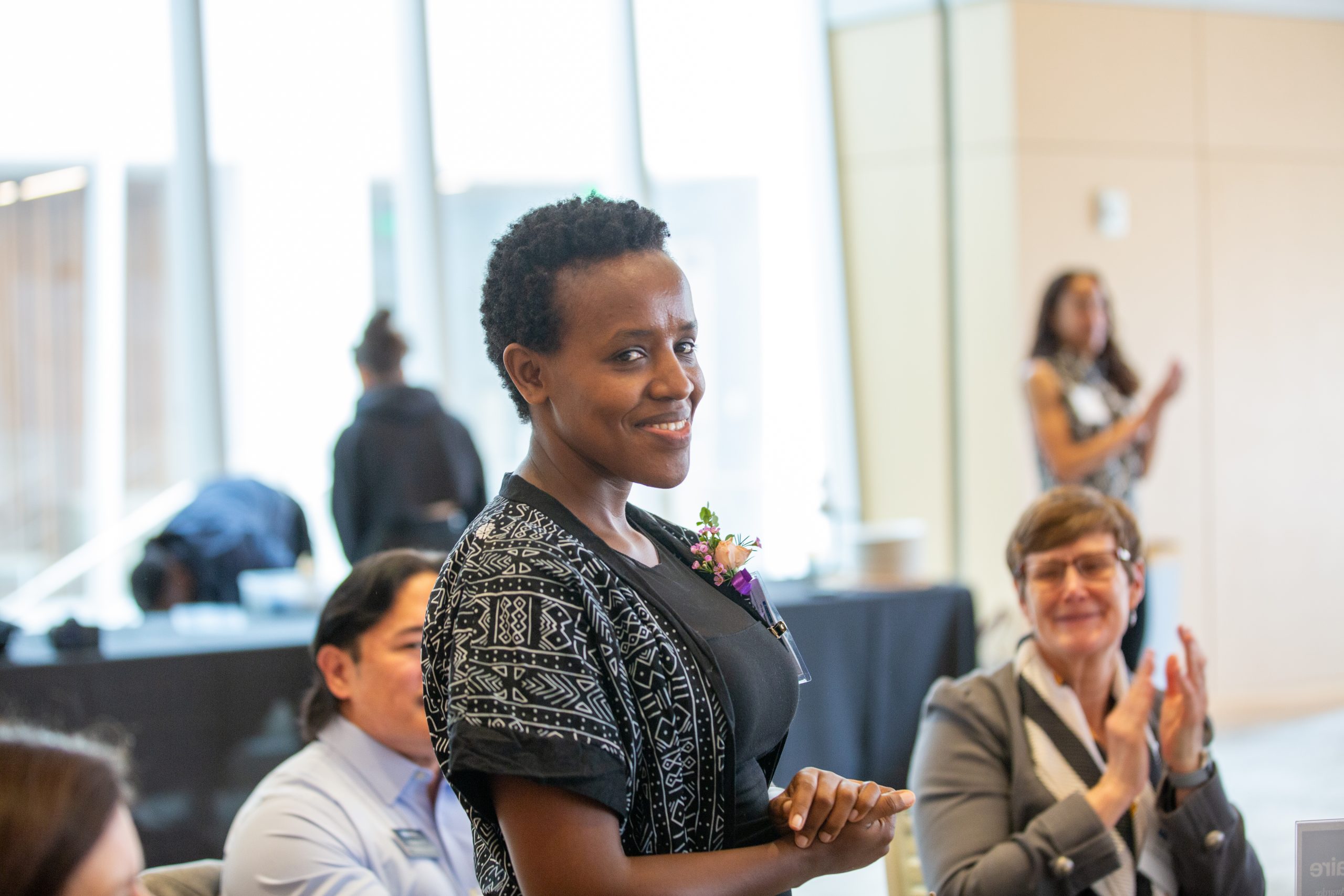
The collaboration between UCLA and IWOC honorees is fostering opportunities to create lasting change. After Baldeh visited UCLA in 2024 and 2025, she connected with global health advocate Dr. Aparna Sridhar, a professor of clinical obstetrics and gynecology at UCLA. This meeting has grown into an ongoing collaboration to build interventions that will strengthen the fight to end female genital mutilation. The partnership is launching a health education project in Gambia, integrating FGM/C education into medical training to ensure future healthcare providers have the skills to eliminate the practice.
Pairing advocacy leaders with UCLA’s academic experts has resulted in numerous benefits. Moffatt said, “UCLA is a prestigious, global university with a vast range of disciplines. Whether an honoree is focused on medicine, social welfare or agriculture, UCLA has the corresponding expertise. We’re pairing global advocacy leaders with leaders in education."
Other past IWOC awardees also attended the day’s events including: Quynh Nguyen, 2017 awardee, a Vietnamese blogger whose commentary on corruption and injustice led to a prison sentence; Facia Boyenoh Harris, 2022 awardee, an attorney and journalist focused on gender issues in Liberia; Dr. Benafsha Yaqoobi, 2024 awardee, founder of The Organization of Rahyab for Rehabilitation Services for the blind (ORRSB) in Afghanistan; and Agather Atuhaire, 2024 awardee, a Ugandan journalist, lawyer and social justice activist.
Caruso emphasized the impact of bringing the women and their stories to UCLA. She said, “These are not distant stories. They intersect with the work of our university, with the responsibilities of leaders, with the choices that every one of us makes every day about where to direct our attention, our energy and our support.”
If you'd like to learn more or get involved with American Women for International Understanding, please visit https://awiu.org/.
Recent Articles
- UC Inspires Honors UCLA Alumni
- UCLA AAP Alumni Spotlight - Adrianos Facchetti ’01, J.D.
- The Story Behind Jackie Robinson’s 1946 Reintegration of Organized Baseball
- UCLA Prytanean Celebrates Its Centennial
- Building Community: UCLA Disability Alumni Network Focuses on Belonging and Visibility
- Bruins@Work Program Fosters Community
Mandla Kayise '87, M.U.R.P. '23, Has Made Empowerment His Life's Work
Mandla Kayise’s UCLA journey began with ambition and activism. As an undergraduate in the late 1970s and early 1980s, he pursued engineering while immersing himself in campus leadership through the Black Student Alliance and student government. Balancing both proved difficult. Without clear guidance on how to navigate a rigorous academic track while pursuing high-level leadership, Kayise struggled with self-discipline and with institutional policies. During what would have been his junior year, two difficult quarters triggered an automatic academic dismissal.
He describes that period as transformative. “It was a wake-up moment for me. It was a game-changer,” he said. Though his overall academic record remained solid, he did not fully understand how university policies worked or how quickly one’s academic standing could shift. After his dismissal, he entered what he calls a survival period, working a series of jobs over three and a half years.
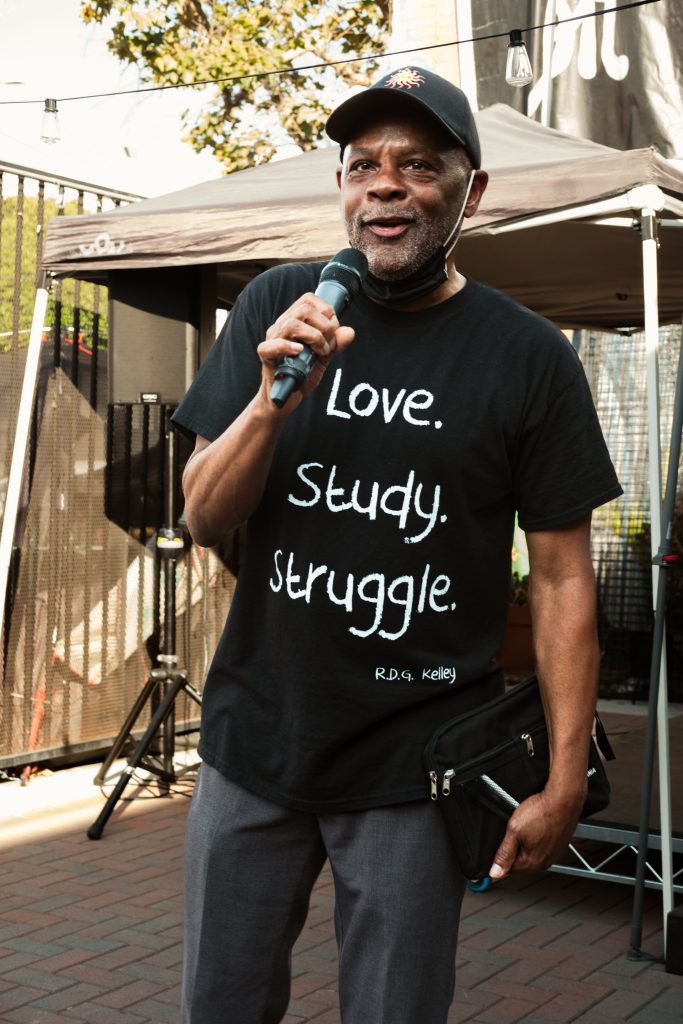
At one point, he held a coveted position as a junior engineer at Hughes Aircraft. For someone from his community, it was a rare opportunity. Yet the financial stability did not resolve the deeper issue. “I had this sense of an unfulfilled mission,” he said. That unfinished purpose eventually brought him back to UCLA.
When he returned, Kayise pivoted, choosing international economics so that his extensive calculus coursework would apply directly to his new major. The move was practical and forward-looking. His interest in quantitative analysis later led him to a UCLA graduate program in urban planning, where economic data intersected with social realities and community development.
Retention Through Empowerment
Kayise’s experience as a student who nearly became part of a statistic that institutions often failed to account for shaped his life’s work. He recalls learning that for Black students entering around 1980, the five-year graduation rate was roughly 22 percent. Students who stepped out and did not return often disappeared from the data and fell off the institution’s radar.
That reality became a driving force. “I kind of looked at retention through that lens,” he said. His question became clear: What does it actually take for students to persist in institutions that expect them to navigate complex systems independently?
As president and CEO of New World Education, Kayise centers his work on empowerment. Influenced by popular education frameworks he encountered in graduate school, he rejects top-down approaches that treat individuals or communities as problems to be fixed. “Empowerment has informed all of that work,” he said. “It’s very difficult to facilitate empowerment if you yourself are not operating from a place of empowerment.”
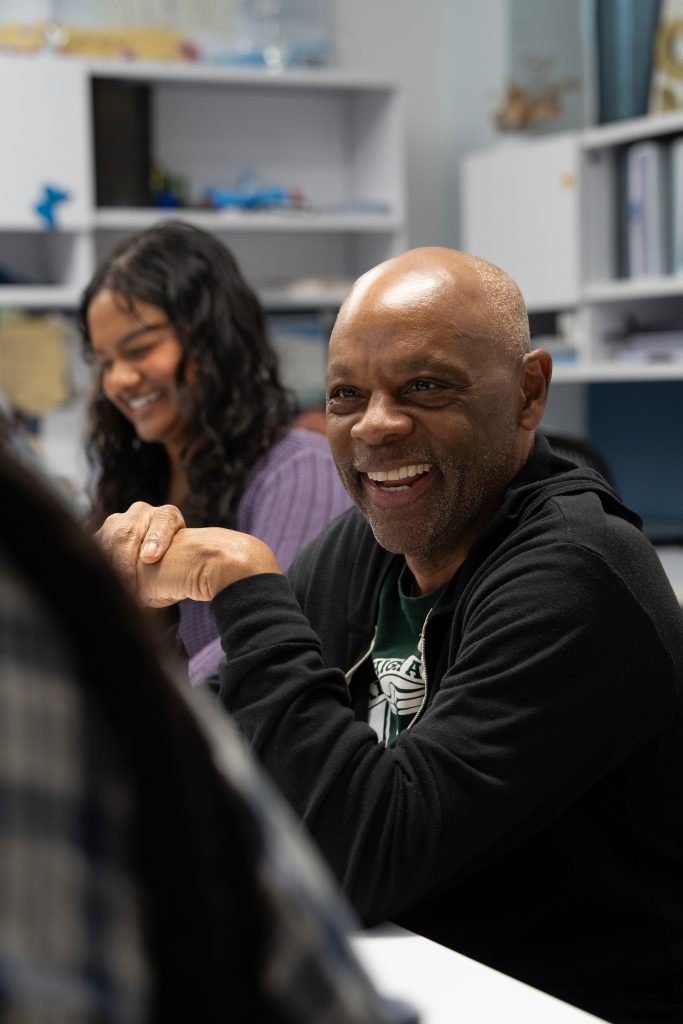
His professional development framework, the House Method, rests on four core practices: self-awareness, navigating professional spaces, holistic goal-setting and consistent self-reflection. Kayise encourages young professionals to conduct their own self-evaluations rather than waiting for formal feedback. In a rapidly changing workplace, he argues, growth must be proactive and self-directed.
From Deficit to Asset
Across K-12, community college and university settings, Kayise identifies the lack of nurtured self-awareness as a central barrier, particularly for students from under-resourced communities. Institutions often emphasize what students do not know or where they fall short, rather than building upon the skills and strengths they already have as a foundation for supporting future growth.
In contrast, Kayise guides students in explicitly recognizing their potential. He asks them to identify three interests, three skills and three personal qualities. Each person’s list is unique, forming what he calls an educational and professional DNA. “Everybody has them,” he said. The exercise shifts students from being defined by deficits to recognizing capacity.
“You know your floor,” he added. “But you never really take stock of what is your ceiling.”
By beginning with assets rather than gaps, students engage institutions from a position of agency rather than insecurity.
Ownership in Community Work
Kayise applies the same philosophy to community development. In under-resourced neighborhoods, he believes meaningful participation begins with ownership. Residents must see themselves not simply as recipients of services, but as decision-makers who can define how resources are used.
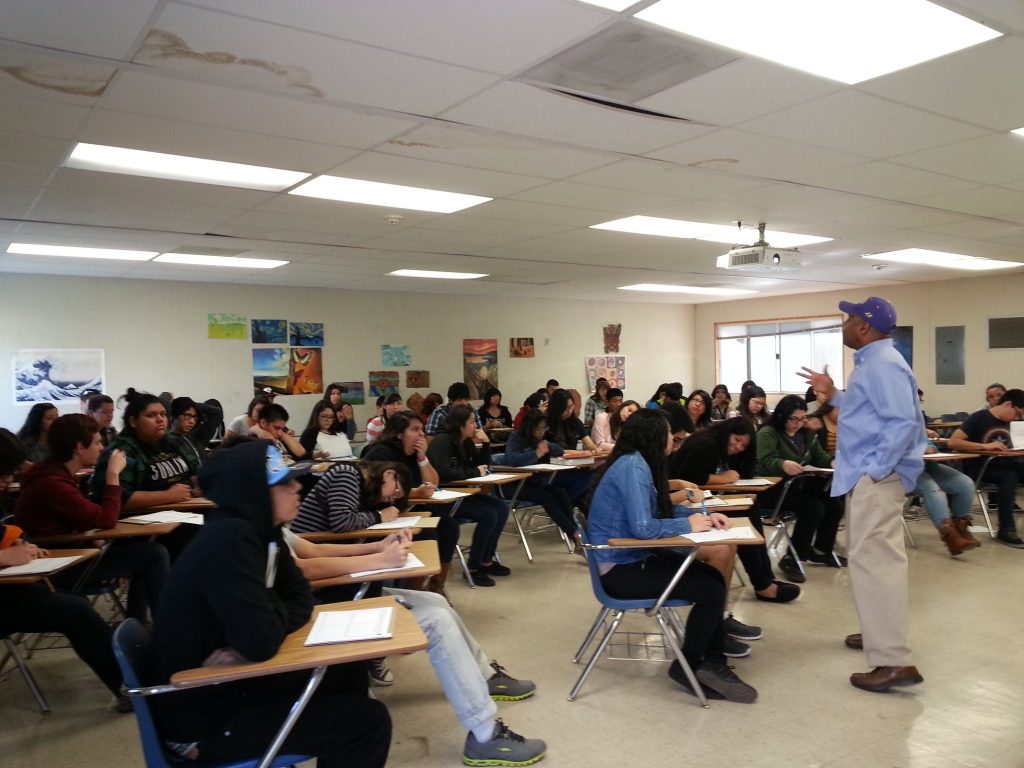
“Residents are ready to take ownership. They don’t know how,” he said. Providing education about land use, economics and resource distribution equips communities to understand how neighborhood conditions are shaped.
He also emphasizes inclusive engagement. Working only with homeowners, he argues, elevates a relatively privileged subgroup within an under-resourced neighborhood. Instead, he advocates for including tenants, transitory residents and individuals who have experienced homelessness or incarceration in neighborhood planning and decision-making about how communities are served and how resources are distributed. “These are people who paid the ultimate price,” he said. “So how do you take advantage of their knowledge?”
Local Context and Reparations
Kayise’s service on the Los Angeles Reparations Advisory Commission deepened his understanding of place-based harm. Examining housing segregation at the neighborhood level revealed how geographic confinement shaped access to education, economic opportunity and health care. It also intensified exposure to over-policing and racial violence.
“When you look at it at the neighborhood level, you realize the depth of the harm,” he said. Concentrated trauma, he noted, becomes compounded trauma when residents experience its effects daily within confined spaces.
As part of the commission’s outreach, Kayise helped deliver more than 80 presentations to churches, schools and community groups. While state and national conversations draw greater attention, he believes local dialogue is essential. “The evolving community-level conversation is essential to the outcome,” he said. The commission has since submitted its recommendations to the Los Angeles City Council, bringing reparations into formal policy discussions and outlining proposals addressing housing, economic opportunity and education.
Advice for Bruins
For UCLA students and alumni seeking to create positive change, Kayise’s guidance begins with reflection. “Know and mobilize your personal story,” he said. "Education should be grounded in a mission larger than individual advancement."
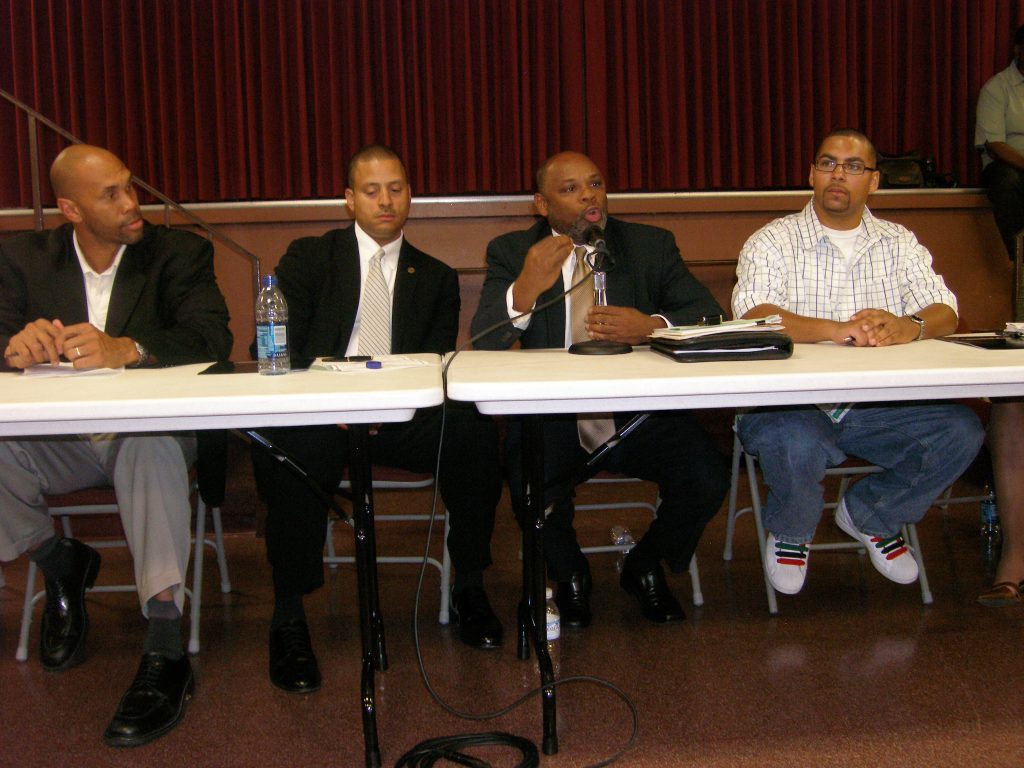
Many marginalized students carry an unspoken community expectation, he noted. Education is often seen not only as personal advancement but as an opportunity to uplift family and community. Professional culture often reinforces individual achievement, but Kayise rejects the idea that success requires separation from one’s roots. Instead, he encourages students to intentionally align their careers with ways to support and invest back into the communities that shaped them. “You’re likely going to have to carve that path out for yourself,” he said.
Alignment between career and community rarely happens by accident. It requires intention, self-awareness and sustained commitment.
Kayise’s engagement with UCLA did not end at graduation. After roughly a decade as a staff member supporting student-initiated outreach and retention programs, he left the University but remained connected. Former student leaders reached out, asking him to return as an adviser. He re-engaged through the UCLA Black Alumni Association viewing Alumni Affairs as an extension of a mission rather than a social network.
For Kayise, UCLA’s alumni community represents potential for long-term partnership and impact. His career reflects a consistent belief: education, when grounded in empowerment and accountability to the community, becomes a catalyst for systemic change.
Recent Articles
- UC Inspires Honors UCLA Alumni
- UCLA AAP Alumni Spotlight - Adrianos Facchetti ’01, J.D.
- The Story Behind Jackie Robinson’s 1946 Reintegration of Organized Baseball
- UCLA Prytanean Celebrates Its Centennial
- Building Community: UCLA Disability Alumni Network Focuses on Belonging and Visibility
- Bruins@Work Program Fosters Community
“How Firm Thy Friendship, O-hi-o” – The Kidney Transplant That Formed a Bruin-Buckeye Bond
As a Bruin, Hernando Marroquin ’74 bleeds blue and gold through and through. But in July 2023, the Ohio State Buckeyes became a vital part of his life.
Literally.
In the summer of 2021, Marroquin began experiencing symptoms of kidney failure. Over the next two years, he made significant lifestyle changes in an effort to protect his health, including adopting a vegan diet. Years earlier, Hernando had also undergone bypass surgery.
After connecting with Dr. Anjay Rastogi, head of nephrology and the CORE Kidney Program at UCLA Health, Marroquin was placed on the transplant waitlist and became a candidate for the program. Not long after learning he would need a new kidney, three individuals stepped forward as potential donors. But after a series of detailed and rigorous screenings, each was ruled out as a match.
Then, on July 20, 2023, came the call.
“I remember it clearly,” Fran Marroquin ’73, Hernando’s wife, said with a smile. “The transplant coordinator from the Connie Frank Transplant Center at UCLA Health called Hernando and said, ‘I’ve got good news and bad news. The good news is we found a donor. The bad news is you need to be ready for surgery by next Tuesday.’ Hernando had to stop him — this was anything but bad news.”
Five days later, on July 25, 2023, Hernando underwent a successful kidney transplant. The new kidney functioned immediately.
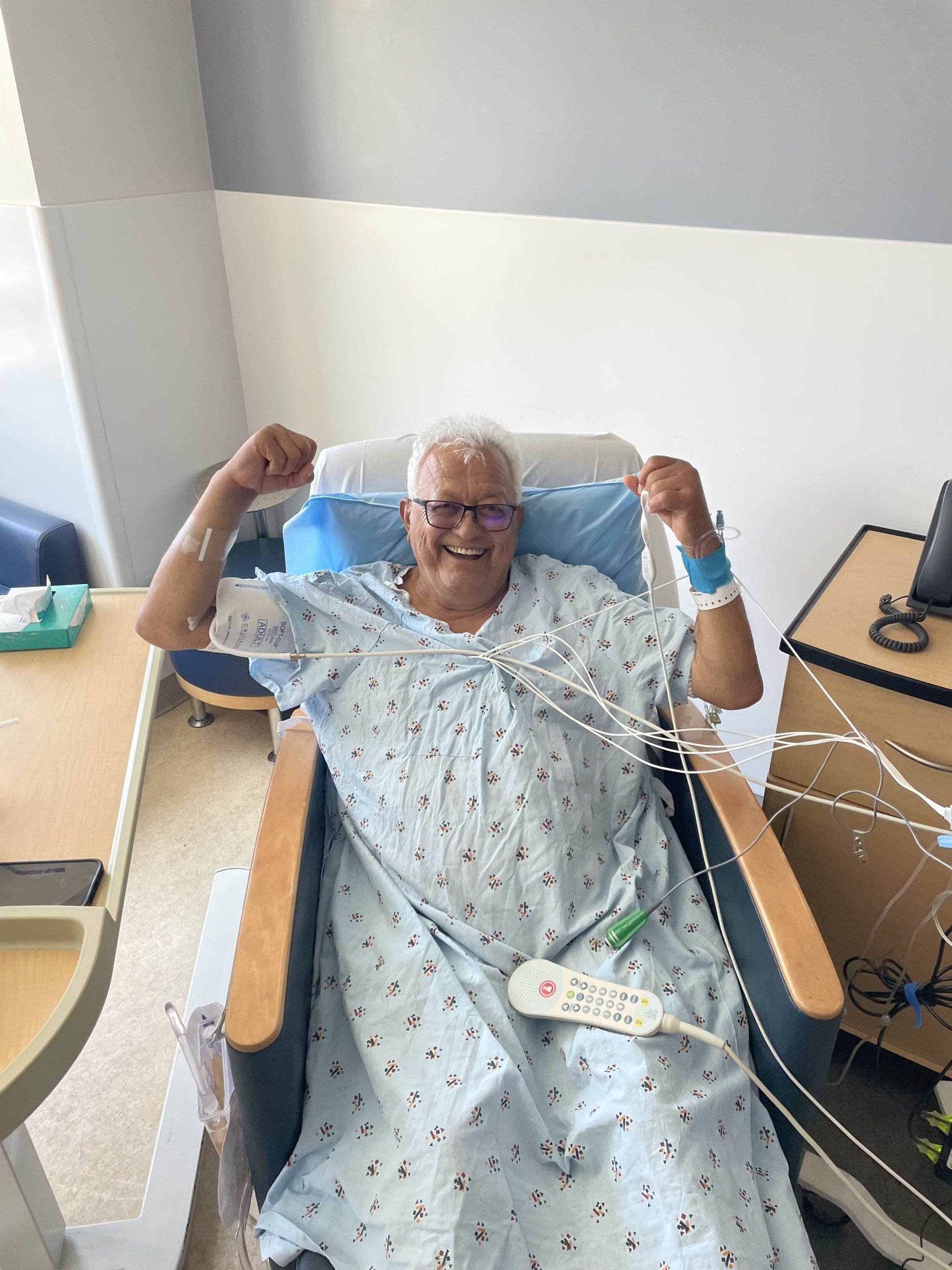
While the procedure was a success, one question lingered: Who had made this life-saving gift possible?
Because of HIPAA privacy laws, the Marroquins were initially unable to connect directly with the donor. That didn’t stop them from trying.
“The doctors were impressed by how positive he was and how quickly he regained his health,” Fran said. “Hernando was basically back to full health.”
“We sent messages through our transplant coordinator. I gave my name, my phone number, sent letters — the works,” Hernando said. “I was so thankful. I just wanted to express my gratitude.”
Every message made its way to the donor through the transplant network coordinated by the University of Cincinnati. But it wasn’t until a Christmas card in the winter of 2024 that Hernando received a reply from Dave Jessen — a retired mechanical engineer from Wapakoneta, Ohio, and a lifelong Buckeyes fan.
“It wasn’t that I wasn’t appreciative,” Jessen said. “It just took me time to process what had happened and the outpouring of gratitude from Hernando.”
Phone calls followed. A friendship began to take shape. And when the opportunity arose to meet in person, the setting felt almost too fitting.
On Nov. 15, 2025, Marroquin’s Bruins traveled to Columbus to face Jessen’s Buckeyes. Before kickoff, the UCLA Alumni Association hosted a Bruin Bash pregame event at the Schottenstein Center on the campus of Ohio State University.
“We had spoken so many times on the phone that I felt like we already knew each other,” Jessen said. “But it was special to finally meet in person. They’re so focused on giving back to the community — truly wonderful, caring people.”
“When we first met, I gave him a big hug,” Hernando said. “I immediately felt a connection with Dave. He’s one of the most humble people I’ve ever met.”
During the Bruin Bash, Alumni Association staff presented Jessen with a UCLA blanket after Fran shared the story of the transplant and the remarkable bond that followed.
“Even though it was a home game for Ohio State, we were blown away by the kindness and hospitality of the UCLA fans and staff,” Jessen said. “UCLA has some great people. Bruins should be proud.”
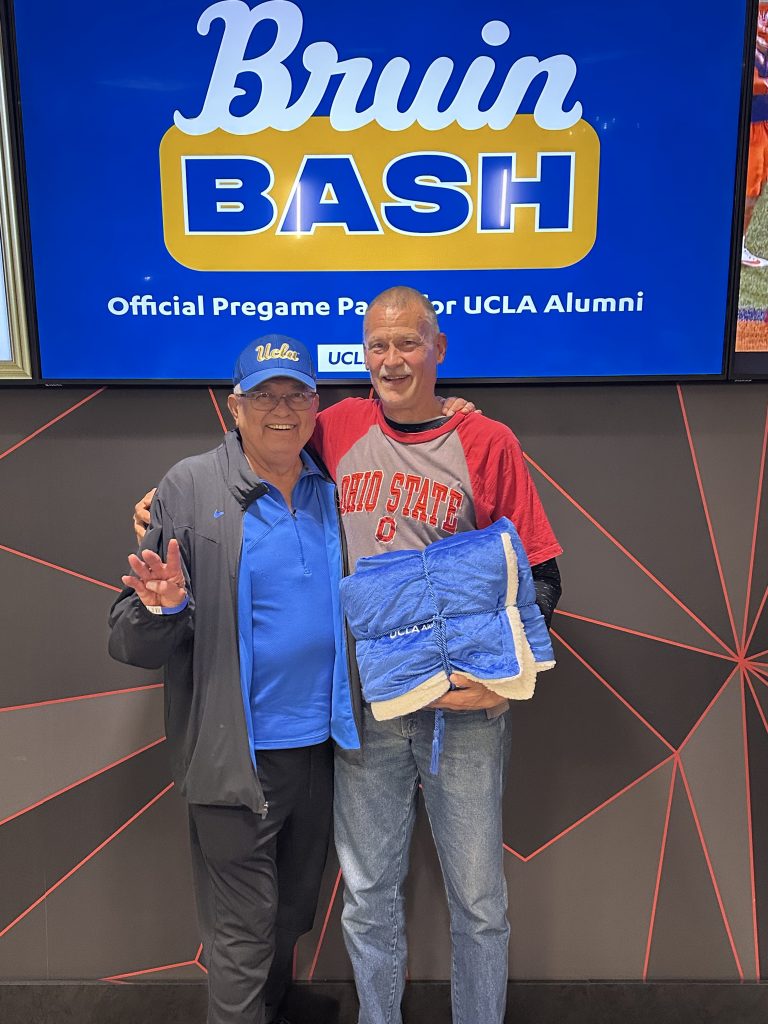
The Buckeyes went on to win, 48-10. But by then, the scoreboard felt secondary. The next day, Fran and Hernando Marroquin and Dave and Amy Jessen gathered again for lunch, cementing a friendship that would extend well beyond a single Saturday in November.
Long before experiencing life-saving care at UCLA Health, Fran and Hernando had already built a lifetime of ties to UCLA.
Fran’s father, Rudy Cordova, earned his Ph.D. in education from UCLA in 1970. Fran graduated in 1973 with a degree in sociology, and Hernando followed in 1974. Married since 1978, they later watched their children, Andrew and Amanda, continue the family tradition as Bruins.
“UCLA’s been such a vital part of our family,” Fran said. “We raised our kids as Bruins, took them to games, and now we’re taking our grandkids. Game day is a big deal for us.”
But to the Marroquins, UCLA is more than game days or diplomas on the wall.
Since 1990, they have owned and operated several McDonald’s franchises across the West Coast, employing more than 2,000 people. The family’s management has also been recognized for its excellence by McDonald’s corporate office. Humbly, the Marroquins credit both their UCLA education and their upbringing for shaping their leadership and work ethic.
“UCLA helped us learn how to run a business,” Fran said. “But our parents taught us how to work hard. That’s what we passed on to our kids.”
UCLA’s impact has also been profoundly personal.
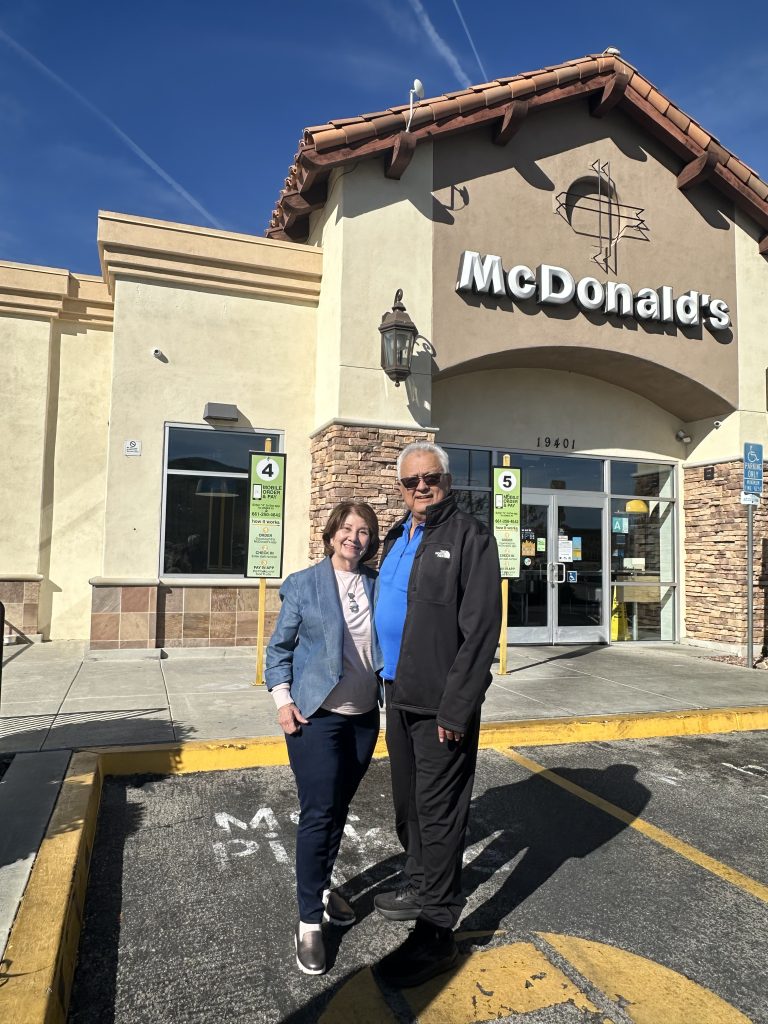
“UCLA saved my daughter’s life after a horrific accident the day after her high school graduation,” Fran said. “And, of course, it saved Hernando’s life with his kidney transplant. Its impact runs deep in our family.”
Today, the Marroquins channel that gratitude into action — supporting the Wooden Athletic Fund, the UCLA Alumni Association, the UCLA Latino Alumni Association and UCLA Health. They have given several scholarships through the Latino Alumni Association and are currently establishing a scholarship fund for students in the medical field. They have also been instrumental in the opening and expansion of the Ronald McDonald Westside House near campus, supporting UCLA Mattel Children’s Hospital.
“UCLA has impacted our family so much — Fran’s parents, us, our kids and so many others,” Hernando said. “It’s a joy to give back because it has given us so much. We try to impact as many people as possible. That’s always been our goal.”
“We don’t just want to give money and walk away,” he added. “We want to invest in people. With our scholarship fund, I hope a future medical student sees the impact UCLA had on their life and chooses to give back someday. We want them to know we believe in them.”
Since that November meeting in Columbus, the Marroquins and the Jessens have remained in regular contact. Plans are already forming for a reunion when the Buckeyes travel west.
Until then, as Ohio State’s hallowed alma mater “Carmen Ohio” reminds its faithful…
“The seasons pass, the years will roll;
Time and change will surely show.
How firm thy friendship — O-hi-o!”
And thanks to a donated kidney — and a new chapter in conference realignment — that friendship now includes UCLA.
March is National Kidney Month, a time when communities across the country raise awareness about kidney disease. Learn more about UCLA’s groundbreaking work in kidney research and treatments, and discover how to take charge of your health and the many factors that go into managing kidney disease.
Recent Articles
- UC Inspires Honors UCLA Alumni
- UCLA AAP Alumni Spotlight - Adrianos Facchetti ’01, J.D.
- The Story Behind Jackie Robinson’s 1946 Reintegration of Organized Baseball
- UCLA Prytanean Celebrates Its Centennial
- Building Community: UCLA Disability Alumni Network Focuses on Belonging and Visibility
- Bruins@Work Program Fosters Community
From UCLA to Cuddle Sanctuary — How Jean Franzblau Turned Platonic Touch Into a Career
Our Unconventional Jobs series spotlights Bruins who have built meaningful work outside traditional job paths and explores how curiosity, lived experience and their time at UCLA helped shape where they landed.
In this feature, we spoke with Jean Franzblau ’92, founder of The Cuddle Sanctuary in Los Angeles. What began as a deeply personal need for connection eventually grew into a wellness practice centered on comfort, consent and community. Jean’s work challenges assumptions about what well-being can look like and reminds us that sometimes the simplest things, like human connection, can have the biggest impact.
How did you get started with cuddle therapy?
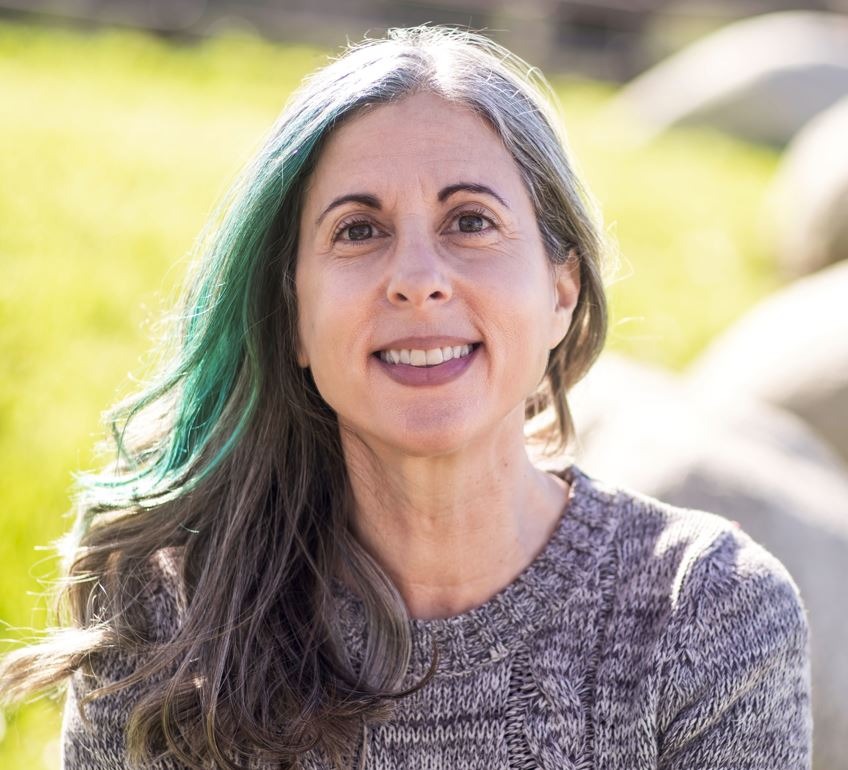
I’m so glad you asked. If you’d like, you can call me your Cuddle Consultant or maybe your Hug Homegirl. I’m the founder of The Cuddle Sanctuary in Los Angeles. You may be thinking, “What the what?” I know. It’s pretty unique. At times, I couldn’t believe it myself.
I laugh a lot these days, but it wasn’t always like that. For years, I was single, independent, and often depressed. Years ago, I was traveling solo for business and feeling incredibly lonely. I latched onto a guy, thinking what I needed was a hookup. That turned out to be completely wrong. Later, I realized I hadn’t been honest with him or myself about what I actually wanted.
What I came to understand is that people do have sexual needs. But we also have needs for connection, affection and simple hugs. For me, those needs weren’t being met. One day, while flipping through an in-flight magazine, I saw photos of people relaxing and platonically cuddling together. I thought, “That’s for me.” I kept Googling “Los Angeles” and “cuddle,” but I couldn’t find anything local.
So I founded The Cuddle Sanctuary. It started as something I needed just for myself, but it’s grown into a wellness practice serving many Angelinos. Now my basic need for affection is regularly met, and I have the connection, community, laughter and fun I always wanted in my life.
What does The Cuddle Sanctuary offer?
In a stressful, often isolating, high-tech world, The Cuddle Sanctuary helps people connect, find community, relax and support their mental health in three main ways.
- Hosting platonic, social cuddle events in West Los Angeles
- Offering individual cuddle therapy sessions
- Training professionals
The social events begin with an explanation of guidelines and include structured ways for people to get to know one another. They’re skillfully led so participants can engage at their own pace. There is no required touch, and people are free to leave at any time if they realize it is not for them. Events typically include about 20 guests, and roughly half are attending for the first time.
Individual cuddle therapy sessions offer a platonic, consent-based experience that can help reduce stress, loneliness and anxiety, while boosting feel-good hormones and overall well-being.
Training through The Cuddle Sanctuary includes online courses, mentorship and two certification programs. One program is for leading group cuddle events; the other is for working one-on-one with clients.
What’s one of the most common misconceptions people have about cuddle therapy?
Think about massage therapy for a moment. Today, you can name a place nearby that offers a therapeutic massage. Years ago, though, massage was often associated with massage parlors and happy endings. Massage therapists had to work hard to legitimize their profession, and it took time.
Professional cuddlers face similar skepticism. People ask, “Is it really possible to have cuddle sessions that are nonsexual?” The answer is a resounding yes.
Our attendees and clients are open-minded people from all walks of life. They include professionals, parents, students, retirees, neurodiverse individuals, introverts and extroverts, people navigating big life transitions, and more. They come from many different backgrounds and nationalities.
For someone booking their first session, what does the experience look like?
First-time clients go through a getting-to-know-you process. It starts with an agreement form, followed by a Zoom call where I ask about their goals, answer questions and make sure we are both comfortable moving forward. I request ID, review payment options and then we schedule the session.
Sessions vary widely depending on the client’s needs. Someone recovering from trauma may have a very different experience from someone grieving a loss. Sessions might include time to relax and breathe, hugs or hand holding, quiet moments, conversation or gentle caresses. I create a calm, relaxed environment where clients can drop their social masks and rest. While cuddles are common, touch is never required.
What does an individual cuddle therapy session typically cost?
I offer a sliding scale starting at $150 for 60 minutes. Factors that can affect pricing include the length of the session and whether the practitioner is hosting or traveling to see the client. Professionals with more training or experience may charge more as their careers progress.
How are boundaries and consent established?
I use The Cuddle Sanctuary’s Stay Safe With Eight protocol to ensure I only work with clients who are a respectful fit. I am deeply committed to practitioner wellbeing, which is why I offer my online Safety Tips for Professional Cuddlers class for free.
I am also a trauma-informed professional, which means honoring each client’s pace, respecting boundaries and checking in regularly. With first-time clients, I often use the Ask and Wait Method. For example, “May I put my arm around you?” or “Would you like me to caress your forehead?” The client decides yes or no. It really is that simple and that profound.
How does someone become a professional cuddler?
I always recommend doing plenty of research before jumping in. I created a free webinar because I get this question so often.
I developed an online certification program that includes 15 hours of class time with me. I have worked with students across Europe, North America, Australia and Africa, which has been incredibly rewarding. Students practice locally with trusted friends or loved ones who act as practice partners. They complete homework, learn trauma-informed care and develop the skills needed to offer high-quality cuddle sessions.
In addition to my own program, I am also a big fan of the training offered by my colleagues at Cuddlist.
What does “success” look like for your clients?
I often ask clients during intake, “How would you like to feel after our session?” For some, success means reduced stress, anxiety or loneliness. Others notice improvements in mood, self-esteem or confidence around giving and receiving touch. Many experience a greater sense of connection, humanity and hope.
How has the cuddle therapy industry evolved?
Over the past 10-plus years, my colleagues and I have done a lot of press to introduce this work to the wider world. When Rolling Stone reached out, I thought that would make cuddle therapy instantly mainstream. It didn’t. Even features in The Los Angeles Times, BuzzFeed, Dr. Phil, The Bachelorette and Keeping Up With the Kardashians were not enough.
Still, we quietly continue the work and change lives. In many places, cuddle therapy has evolved from a misunderstood punchline into a respected mental health modality. I am especially excited to see cuddle professionals and talk therapists working together to support clients. This approach is known as the triadic model.
How did studying communications at UCLA shape you?
I am grateful the UCLA Department of Communication exists. What I really wanted was to study acting, but at 17, communication felt more legitimate. I took acting classes in Hollywood while attending UCLA.
What I learned is that I am not built for traditional academics. I am bored by theory and thrive on experiential learning. My understanding of community came from living in a women’s boarding house on Hilgard Avenue and later through my sorority, AEPhi (hello, sisters!). My understanding of consent came years later through the BDSM community. That is a spicy journey beyond the scope of this article.
What advice would you give current UCLA students?
Be patient with yourself. Throughout school, I was rewarded for finishing the paper and getting the grade. Graduating cum laude was a big achievement. But a few years later, I found myself deeply depressed. I did not know how to slow down and ask, “Am I enjoying this?”
What I eventually learned through lots of therapy is that pleasure matters. With support, I have continued to heal old wounds and develop calm confidence. From that foundation, everything, including my business, has blossomed.
________________________________________________________________________
Previous Content Featuring Unconventional Jobs
- The Ancient Art of the Knife Massage and Holistic Wellness
- 10 Careers You’ve Never Heard Of
- Max Moy-Borgen ’08 Traces His Unconventional Career Path
If you know of a Bruin story for this Unconventional Jobs series, send it to connectfeedback@alumni.ucla.edu.
Recent Articles
- UC Inspires Honors UCLA Alumni
- UCLA AAP Alumni Spotlight - Adrianos Facchetti ’01, J.D.
- The Story Behind Jackie Robinson’s 1946 Reintegration of Organized Baseball
- UCLA Prytanean Celebrates Its Centennial
- Building Community: UCLA Disability Alumni Network Focuses on Belonging and Visibility
- Bruins@Work Program Fosters Community
Our Proud Partners


