Author Archives: Hon Hoang
Story of Support, Professor Terry Kramer
In a classroom of roughly thirty students, each pair of eyes stays fixed on Professor Terry Kramer ’82. They’re enthralled by his words as he animates his lessons, pacing from whiteboard to desk and back again with each new idea. The atmosphere is charged. These UCLA Anderson students know that at any moment they could be cold-called: randomly selected to participate in the discussion with perfect recollection of key-stats and figures.
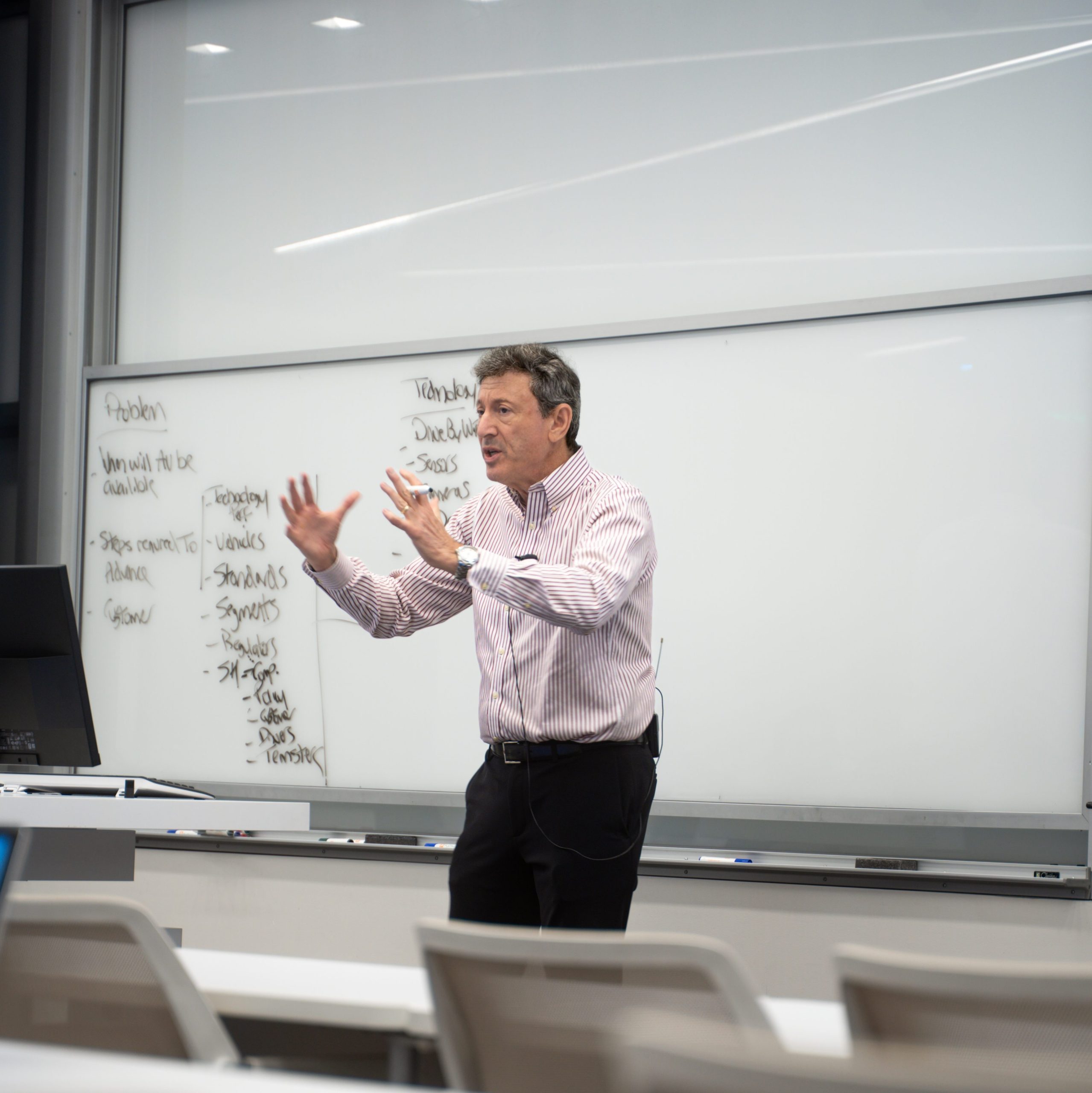
That expectation is by design.
“In my class, it’s very case-analysis oriented,” explains Kramer. “Students have to give their views. And it’s got to be one sentence, action-oriented, laser-like focus.” Clarity isn’t just an academic exercise, according to the professor. It’s a survival skill for leaders. He expects his students to have an intimate understanding of the material in order to make explicit decisions, just as any leader would.
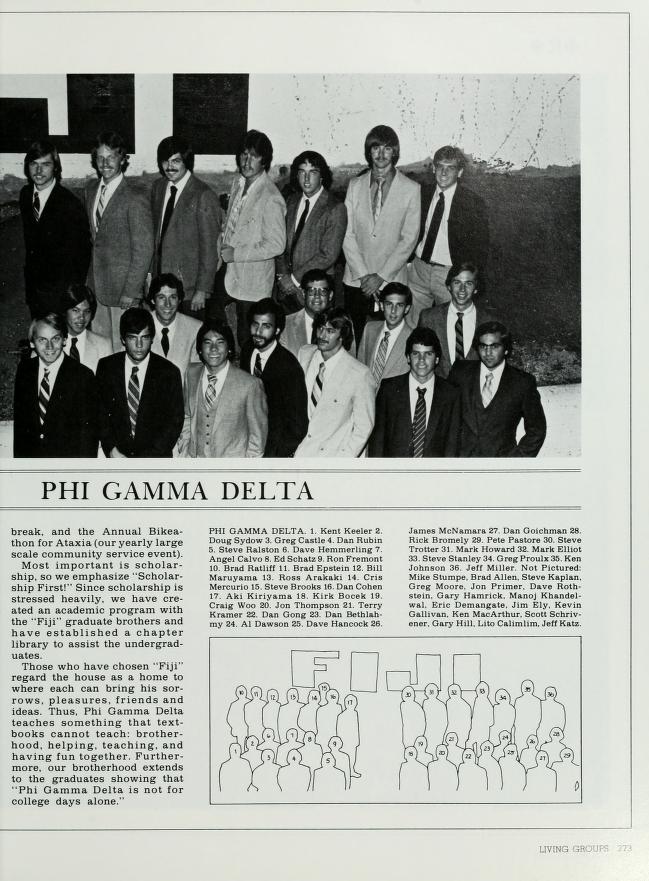
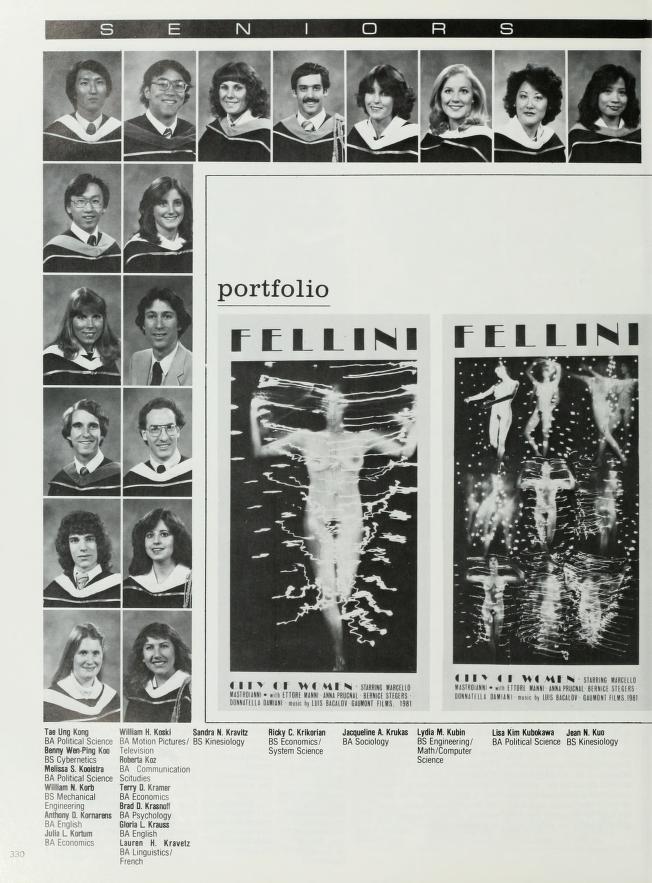
Kramer’s standards in the classroom echo the lessons he absorbed during his own career. After earning his bachelor's degree from UCLA and eventually his MBA from Harvard Business School, he entered the telecom industry. He was quickly challenged by his mentors to move beyond analysis and into leadership.
“I would do all this great graphical analysis about how the market is performing and what’s going well and what isn’t in sales and network,” explains Kramer. “One day, [my boss] took my work and he threw it on the floor and he said, ‘I don’t think you know what your job is as a general manager. I’m paying you to make sure those salespeople are motivated and can sell our products well… I’m evaluating you on your impact on other people.’”
The moment stuck. Leadership, Kramer learned, is not about charts or strategies. “That was such a great learning experience – to see your success through other people, not just by what you do,” he says.
Before returning to UCLA as a professor, Kramer built a career at the center of the telecommunications revolution. He spent 18 years at AirTouch and later Vodafone, holding senior roles in strategy, mergers and acquisitions, and general management. That work took him and his family across the United States and twice abroad.
During these years, as he moved between Los Angeles, London and beyond, Kramer learned the power of context: that leadership must always adapt to the environment it operates in.

In 2012, Kramer was appointed U.S. Ambassador, representing the Obama Administration, leading negotiations centering the World Wide Web and the importance of a free and open Internet. He drew on everything he had learned at Vodafone and throughout his career to help the administration defend a core democratic value.
“What these submissions said was code words for censorship… Obviously the U.S. does not believe in that. That to me began what was a fascinating role, saying: ‘What is the importance of a free and open internet?’”
Representing the United States on the global stage, Kramer worked to rally coalitions of nations around the principle that open networks foster not only innovation and commerce, but also democracy and human rights. The fight for a free internet was another form of leadership, protecting access and opportunity on a global scale.
After decades abroad and in boardrooms, Kramer and his wife turned their focus to philanthropy and education. Together they endowed scholarships and funded programs that focused on providing opportunities for students in need. For him, it was natural to return to the institution that shaped him as a young man.
That connection is so strong that Kramer commutes weekly from his home in the Bay Area to teach on UCLA’s campus. Awake by 5 A.M. and on a plane by 8 A.M., there have been many mornings where the professor begins to question the commute for just one class at the business school.
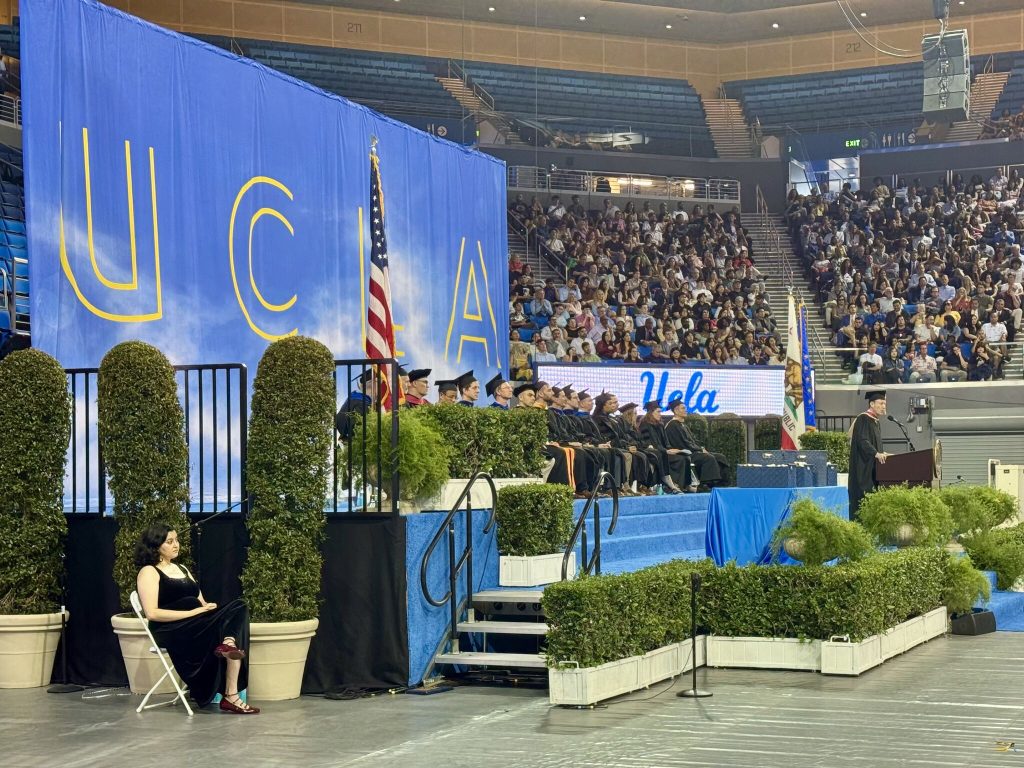
“But then I land,” he explains. “I walk onto campus, and all of a sudden I see Hedrick Hall up on the hill and I get this jolt of energy. I remember what that place meant to me and what an incredible period of growth it was… And I think this is a great institution to be involved with.”
For Kramer, each chapter of his journey has been about support: supporting his colleagues, supporting global access to information, and now supporting the next generation of Bruins.
“Teaching at Anderson has been the highest satisfaction role I’ve had… You’re dealing with great talent and you’re seeing the talent rise and grow. There’s nothing better than that.”
To hear Terry Kramer's story in his own words check out his video below:
dive into other alum stories
From UCLA to CEO: Shirley Torres '03 on Healing, Kinship and Leading Homeboy Industries
In August 2025, the UCLA Alumni Affairs Diversity Programs and Initiatives team interviewed Shirley Torres ’03 for the Diversity Digest in connection with the sold-out event Changemakers 2025: Radical Kinship in Action - A Day at Homeboy Industries .
Additionally, a Bruin story video highlighting Torres’ story of kinship was produced by the Digital Engagement team. Watch the video here.
Shirley Torres '03 was 23 years old when she first walked through the doors of Homeboy Industries. A newly minted UCLA graduate with a background in counseling and a heart rooted in her South Central, Los Angeles upbringing, she thought she was stepping into just another job. Twenty-two years later, Torres is now the co-CEO of the world’s largest gang rehabilitation and reentry program — and she calls the work her life’s purpose.
Torres grew up in a large, tightly knit family where survival often meant relying on neighbors, faith, and kinship. Her grandmother’s home, at the corner of 29th and Central Avenue, was the anchor of that community. She describes it as “the house where the invitation was always, ‘come as you are.’” That open-door welcome, even when her grandmother had little to give, shaped the way Torres now leads Homeboy — with a commitment to radical kinship, unconditional love, and the belief that healing is possible for everyone.
“Our success, our healing, and our survival — it’s all connected” Torres said.
From Campus to Community
Torres began her higher education journey at Mt. San Antonio College before transferring to UCLA, where she studied education and sociology. At UCLA, she found a home in the Academic Advancement Program (AAP) and developed life-long friendships. Later she became a mentor for other transfer students, many of whom were also the first in their families to attend college. Torres credits the rigor and excellence demanded at UCLA, through professors and mentors like Drs. Kris Gutiérrez and Eric Avila, for nurturing her innate curiosity to imagine that another world is possible, and for cultivating her courage to disrupt the status quo.
But even as she pursued academia — once envisioning a Ph.D. and a career as a professor — Torres felt drawn back to the kind of community-based work that had shaped her childhood. She realized that success could not only be defined by degrees or titles, but by living in alignment with her values. That realization eventually led her to Homeboy.
A Movement Rooted in Love
Founded by Father Gregory Boyle in 1988, Homeboy Industries provides job training, mental health support, education, and a second chance to thousands each year. For Torres, its mission is clear: healing must come before everything else.
“The most important job here is an inside job,” she explained. “We want to help people to heal from trauma before anything else. Historically, healing hasn’t been afforded to the poor and marginalized.”
Torres credits the many years of walking alongside Father Greg and former gang members, learning from their courage and being shaped by their resiliency, for the leader she is today.
Under her leadership, Homeboy has expanded to include a continuum of care, from transitional housing to a forthcoming behavioral health campus in Hollywood. Projects like Hope Village are designed to meet people at the crossroads of incarceration and opportunity, offering sanctuary alongside skills.
Torres often reminds her team that their most important job is to “pay attention to the swing of the door.” Their role is to check the pulse rather than the box. “In 22 years, I’ve interviewed thousands of gang members. Most of them joined between the ages of 9 and 12,” she said. “Hopeful kids don’t join gangs.” That belief fuels her mission to disrupt cycles of trauma and incarceration, and to replace them with systems of care and opportunity.
Leading with Kinship
Today, Torres co-leads Homeboy Industries alongside co-CEO Steve Delgado. Together, they lead a team of over 300 staff who are responsible for receiving 10,000 clients each year and they employ 500 trainees in 13 social enterprises as part of their innovative 18-month work training program. They are proud to say that 70% of Homeboy’s staff were once clients. For Torres, these are not just statistics — they’re proof of Homeboy’s transformative model.
“People here didn’t always believe in themselves,” she said. “Now they’re leading this place. It’s a full-circle moment.”
That full-circle impact begins with the trainee program — the first entry point for those who walk through Homeboy’s doors. Torres often reminds Homeboy trainees that everything they need to succeed, they were already born with. Over the course of their training that first leap of faith become fact. She frequently receives messages from program alumni who are now taking their kids to college, becoming homeowners or launching businesses — they are living their wildest dreams. Earlier this year, Homeboy celebrated their largest graduating class with more than 100 graduates who completed vocational programs, high school, bachelor’s, and master’s degrees. This class includes two newly minted UCLA alumni.
A Global Mission
As Homeboy grows from a local nonprofit into a global movement, Torres remains grounded in the lessons of her grandmother’s porch and Father Greg: everyone deserves to be seen, welcomed, and loved.
“We belong to each other,” she said. “And we’re going to keep going forward — puro pa’lante.”
With projects like Hope Village, a transitional housing initiative for formerly incarcerated individuals, along with a growing global network of partner organizations, Torres sees Homeboy as a model for how communities can heal together. “Hope has an address,” she said. “And there is no ‘us and them’ — just us.”
Recent Articles
- The Fire Within: Leo Rochman’s Story of Resilience

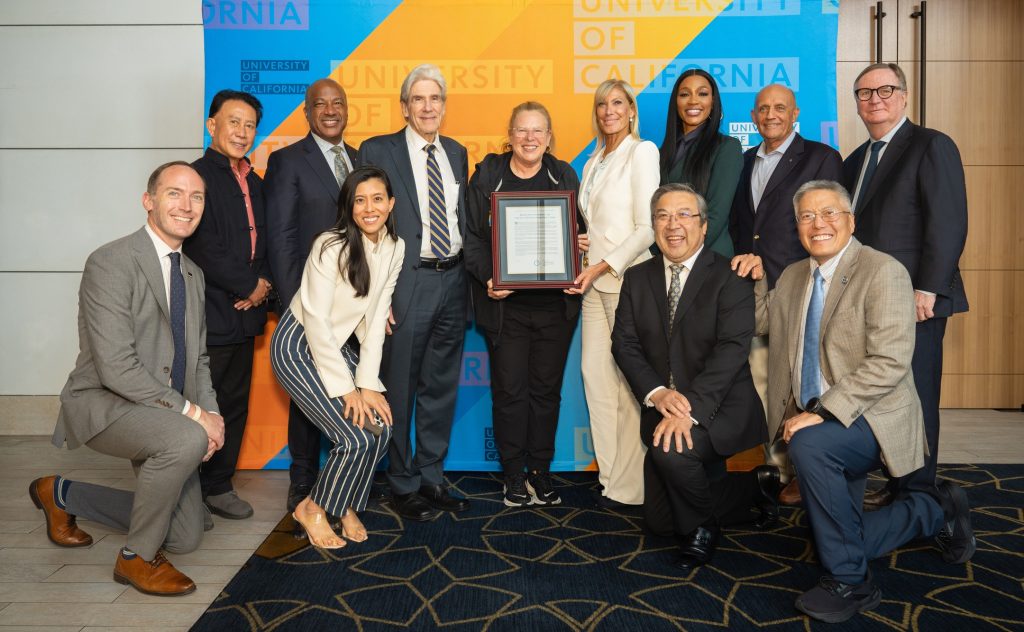
- UC Inspires Honors UCLA Alumni
- UCLA AAP Alumni Spotlight - Adrianos Facchetti ’01, J.D.
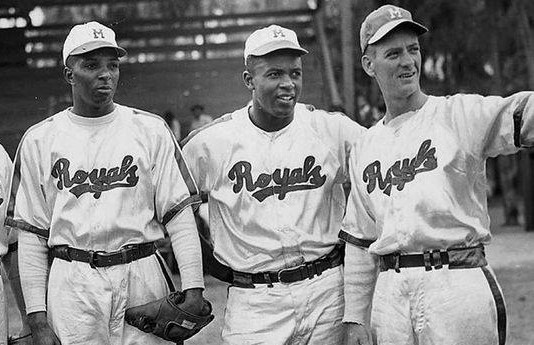
- The Story Behind Jackie Robinson’s 1946 Reintegration of Organized Baseball
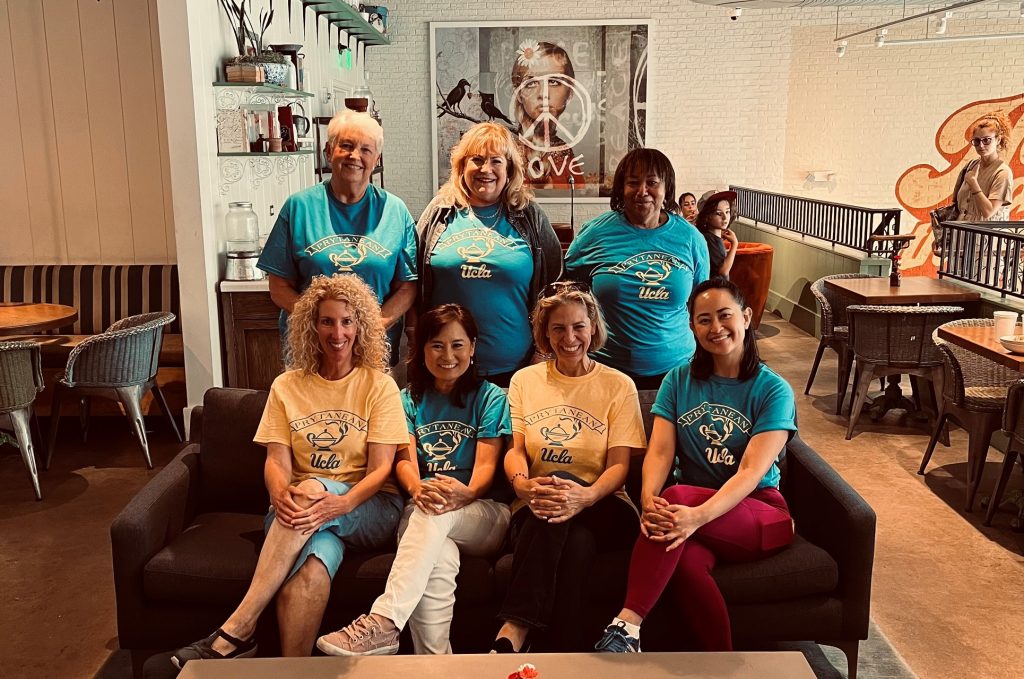
- UCLA Prytanean Celebrates Its Centennial
- Building Community: UCLA Disability Alumni Network Focuses on Belonging and Visibility
Books by Bruins: Research
R
esearch is at the heart of the work of UCLA, advancing knowledge and generating transformative breakthroughs. This month’s books highlight alumni who continue to use research in their chosen field - from science to the humanities, and from the art of dance to the study of the human brain.
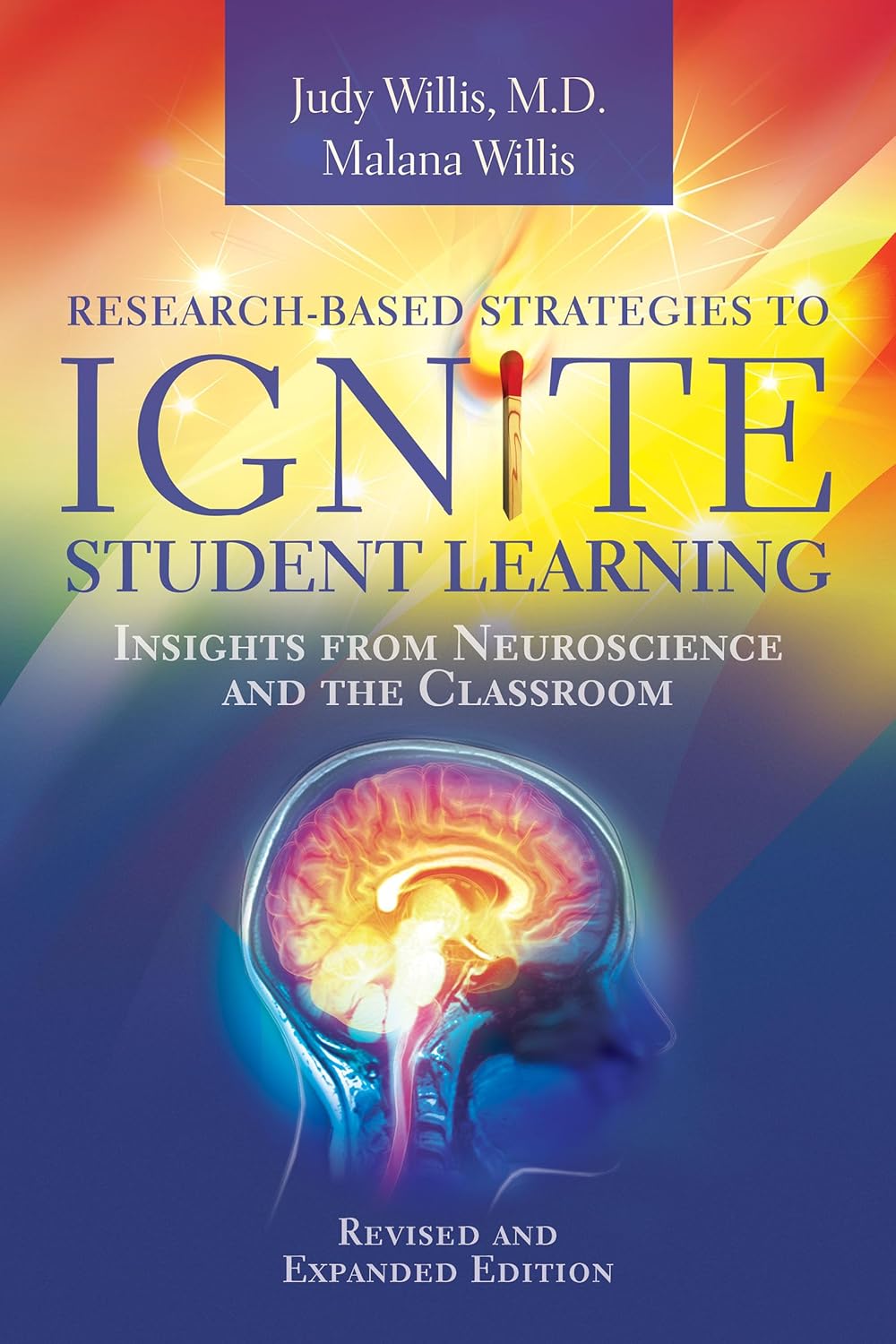
Research-Based Strategies to Ignite Student Learning: Insights From Neuroscience and the Classroom (2020)
Judy Willis, M.D. ’75
As a neuroscientist, Judy Willis focused her studies on understanding children and adults with brain function disorders. After practicing neurology for 15 years, Willis went on to a teaching career, using her brain research to inform her teaching practice. She has written six books for educators and parents about applying mind, brain and education research to improve teaching and learning strategies.
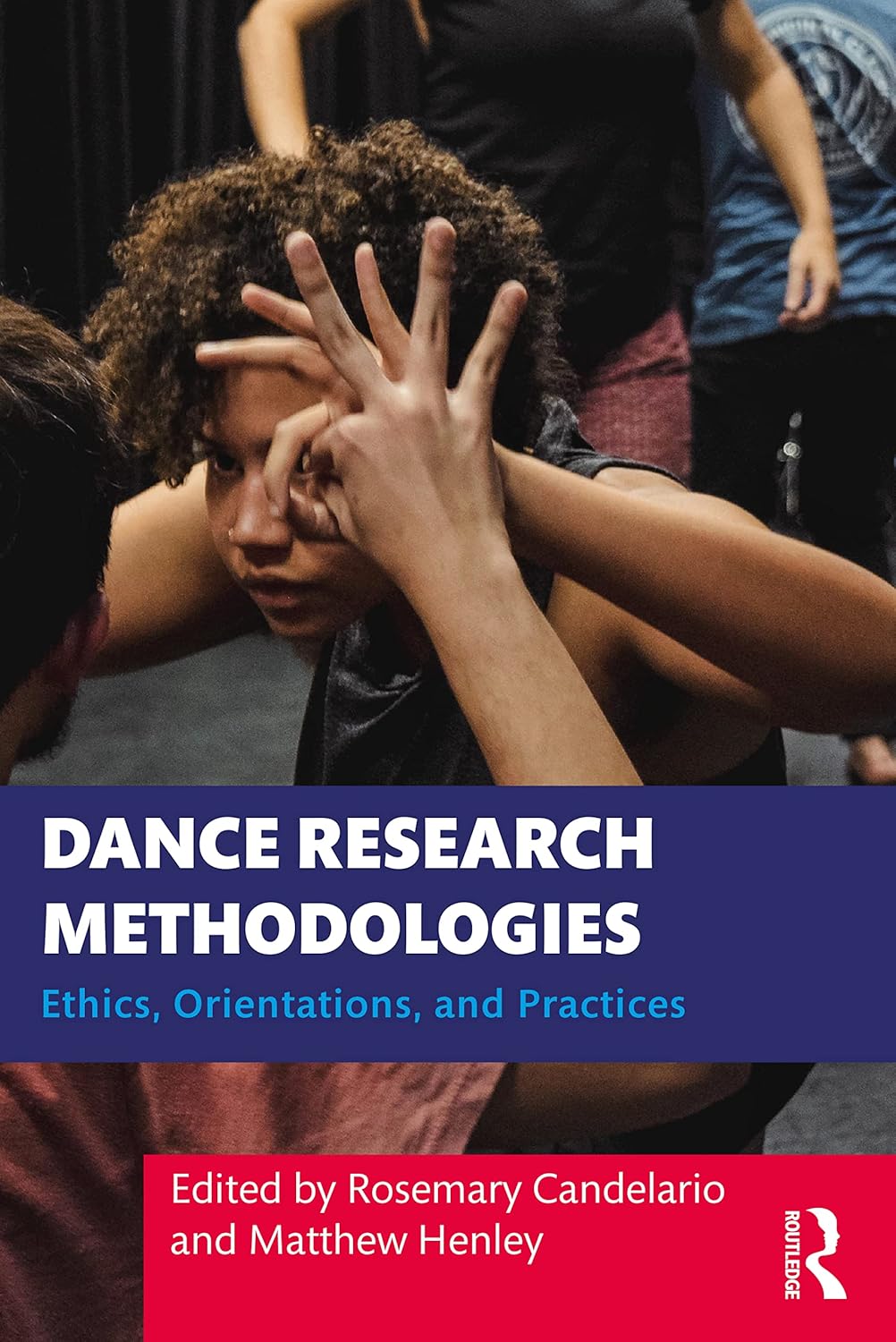
Dance Research Methodologies (2023)
Rosemary Candelario, M.A. ’07, Ph.D. ’11
Rosemary Candelario studied dance culture and performance at UCLA. As a scholar-artist, she relies on her expertise in dance and performance to understand the body in staged performance, social movements and popular culture. Her book brings together researchers from around the world to present methodological approaches that can be used to study a variety of dance forms and practices.
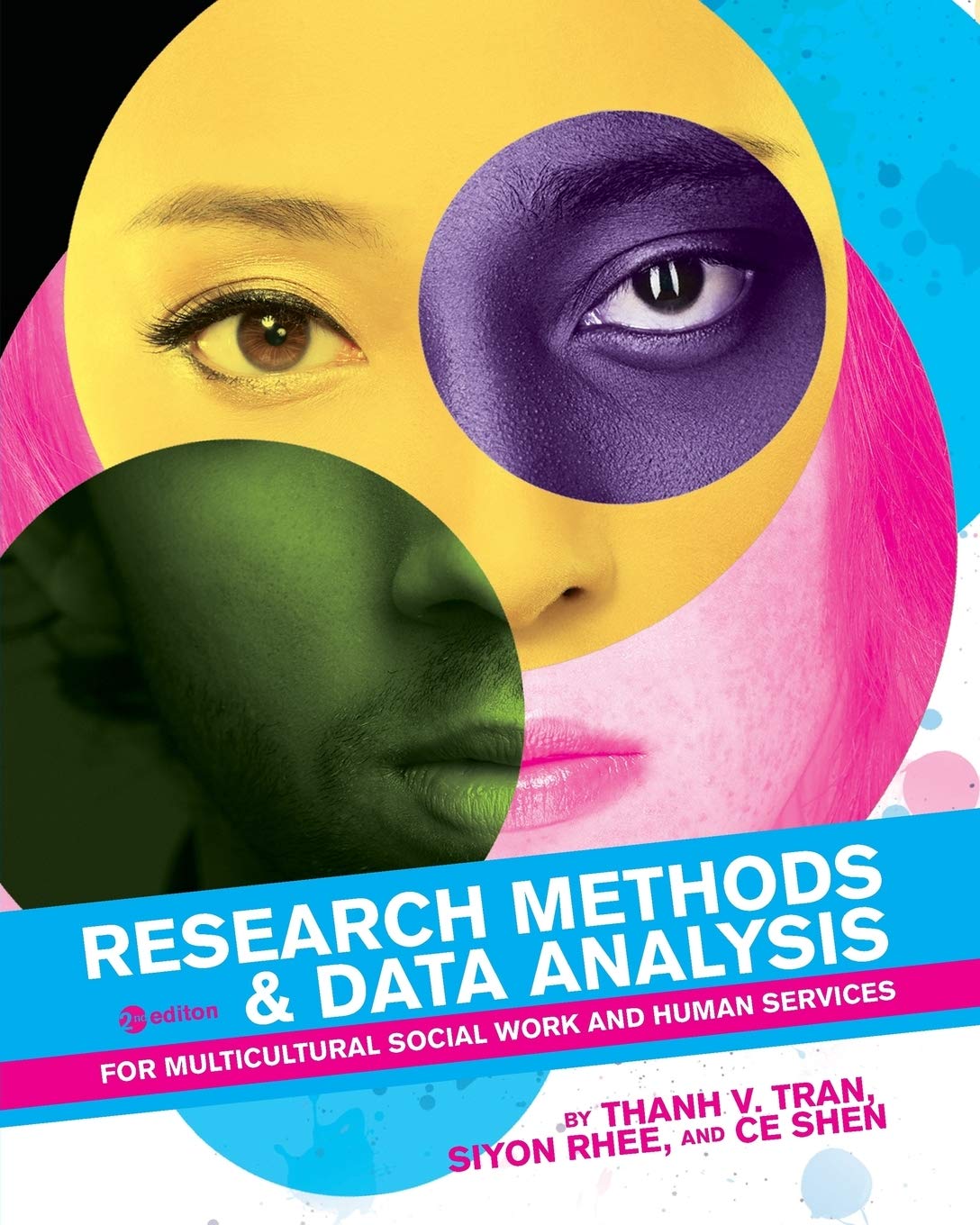
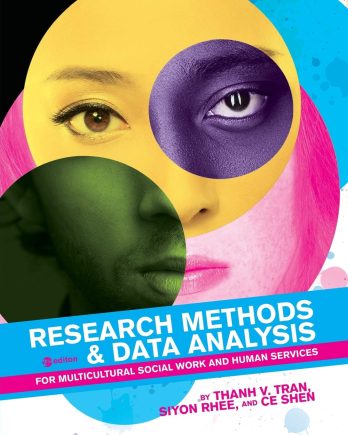
Research Methods & Data Analysis for Multicultural Social Work and Human Services (2014)
Siyon Rhee, M.S.W. ’81, Ph.D. ’88
Siyon Rhee studied at the UCLA School of Social Welfare. Rhee’s research focus includes mental health and mental health service utilization patterns in immigrant Asian families. The book gives readers the skills needed to become critical research consumers. She is an advocate for introducing social work students and practitioners to research-informed methodology and includes hands-on examples of how to conduct data analysis.
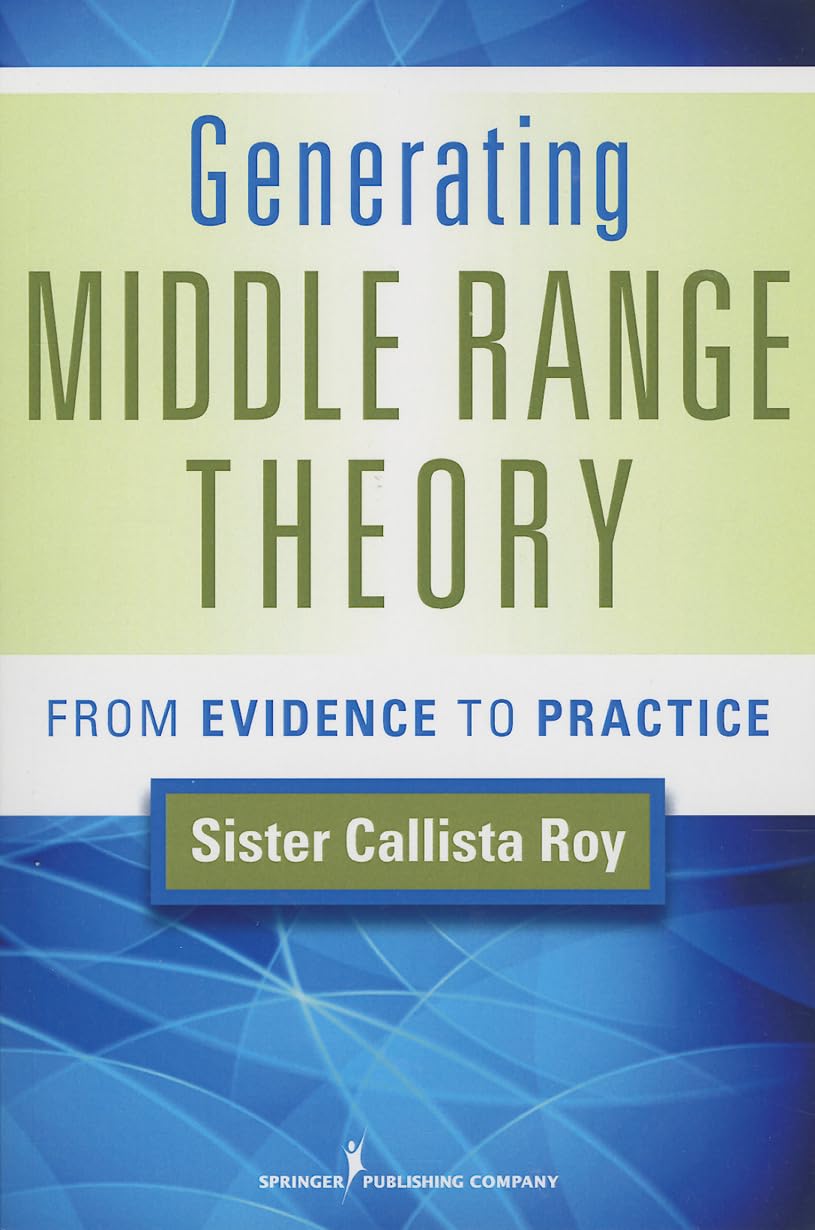
Generating Middle Range Theory: From Evidence to Practice (2013)
Sister Callista Roy, M.S. ’66, M.A. ’75, Ph.D. ’77
Sister Callista Roy is best known for creating the adaptation model of nursing, which emphasizes how individuals adapt to changes in their environment and how nurses can help them overcome health challenges. Through her research, Roy explored applications of the model in different healthcare settings. Her work bridged the gap between theory and practice, ensuring that her work could be applied to a variety of real-world scenarios.

Choice, Rules and Collective Action: The Ostroms on the Study of Institutions and Governance (2014)
Elinor Ostrom ’54, M.A. ’62, Ph.D. ’65
Vincent Ostrom ’42, M.A ’45, Ph.D. ’50
Elinor Ostrom was a co-recipient of the Nobel Prize in Economic Sciences for her work showing that groups can learn to share without needing government control, an idea she began exploring as a UCLA student. Vincent Ostrom was one of the originators of Public Choice theory, the idea that economic tools can deal with traditional political science problems. This book brings together their groundbreaking research and analysis.
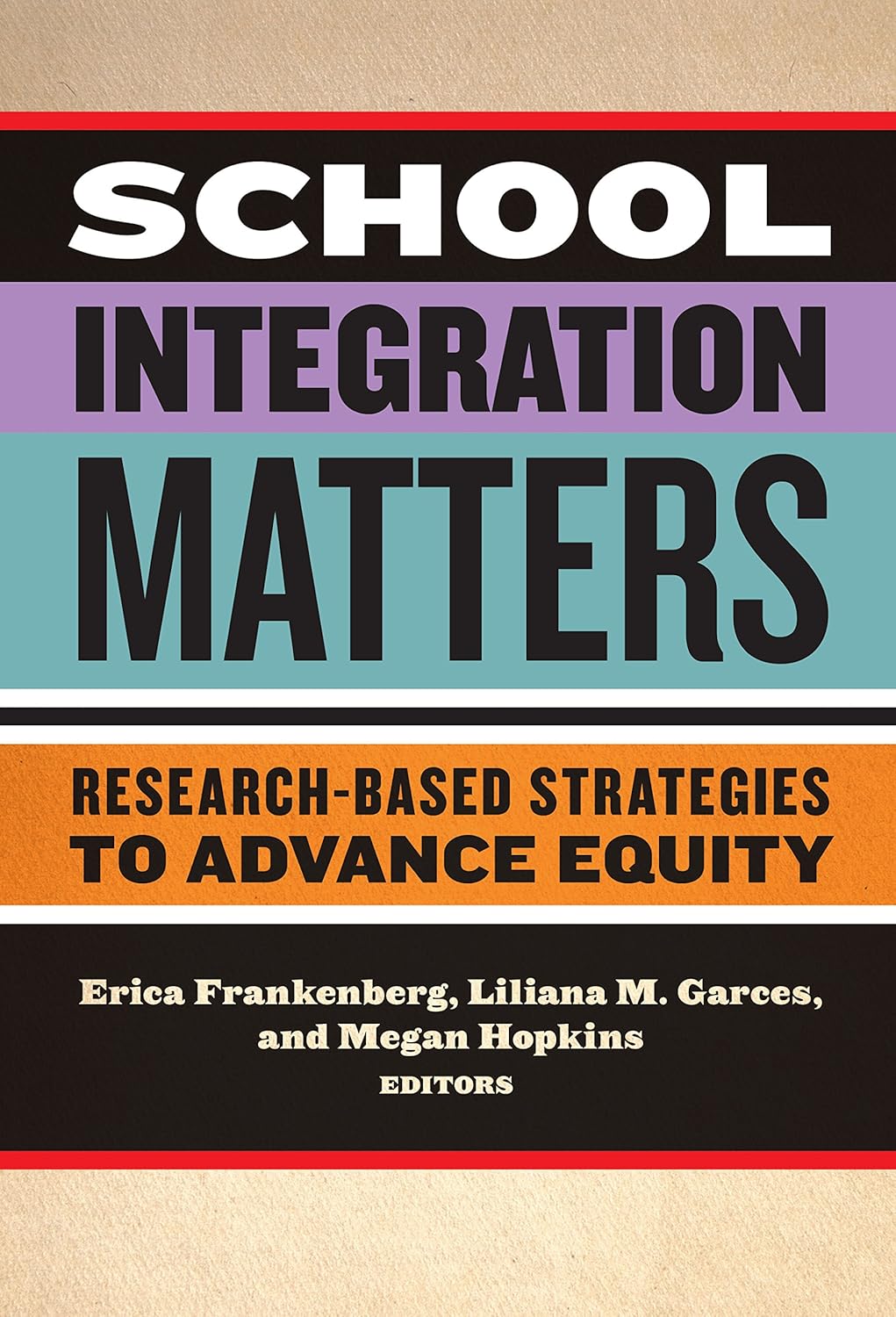
School Integration Matters: Research-Based Strategies to Advance Equity (2016)
Megan Hopkins, Ph.D. ’11
Megan Hopkins studied education at UCLA, with a specialization in Urban Schooling. Hopkins’ research focuses on policy and leadership for multilingual K-12 students. Her book is the product of numerous applied research projects on the preparation of teachers and the implementation of state policies in bilingual education.
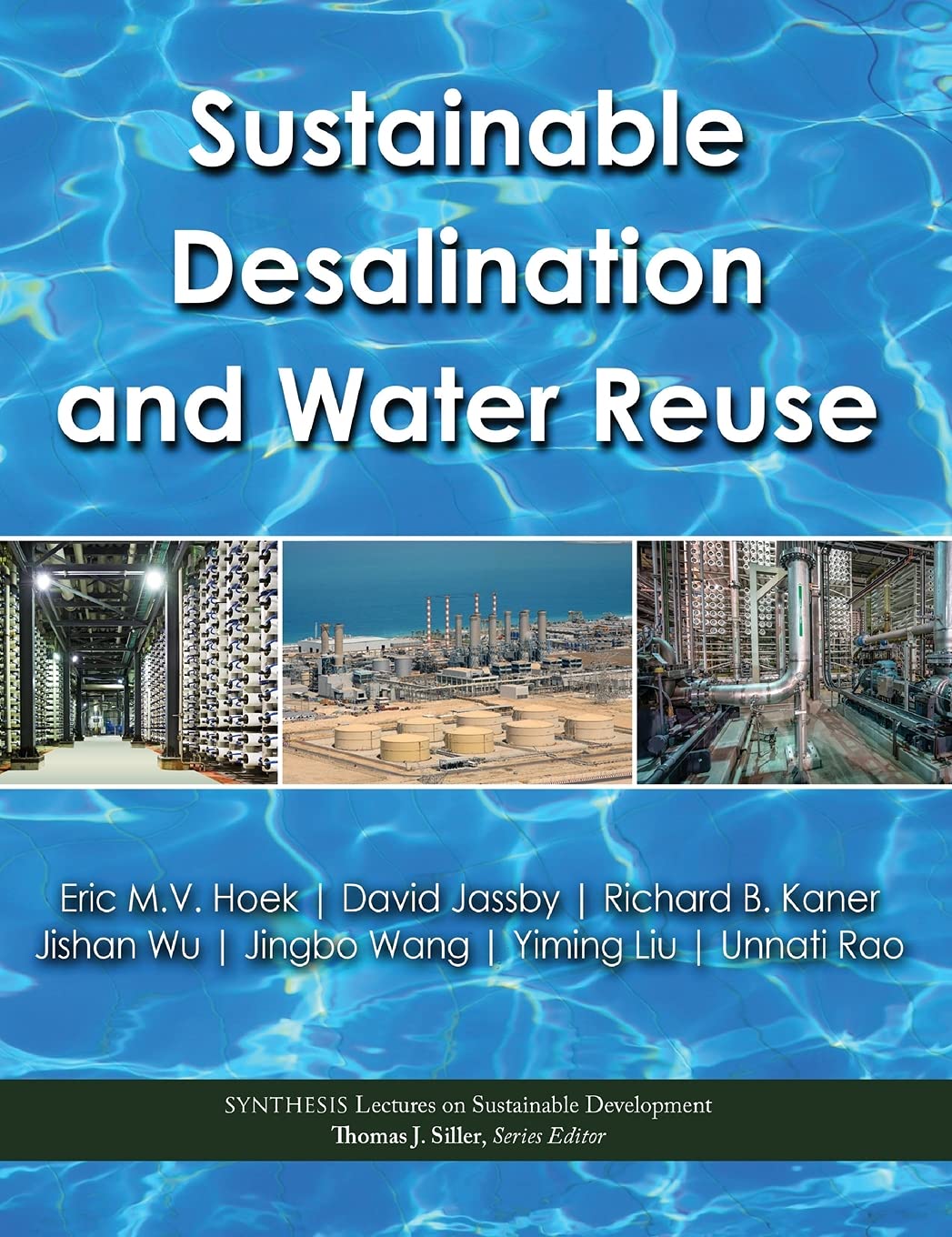
Sustainable Desalination and Water Reuse (2021)
Eric M.V. Hoek, M.S. ’96, Cert. ’14
Eric M.V. Hoek is a professor in UCLA’s Department of Civil & Environmental Engineering. His academic work explores innovations that can help build a more sustainable future. His book explores his research into reverse osmosis, an effective desalination and advanced water treatment technology.
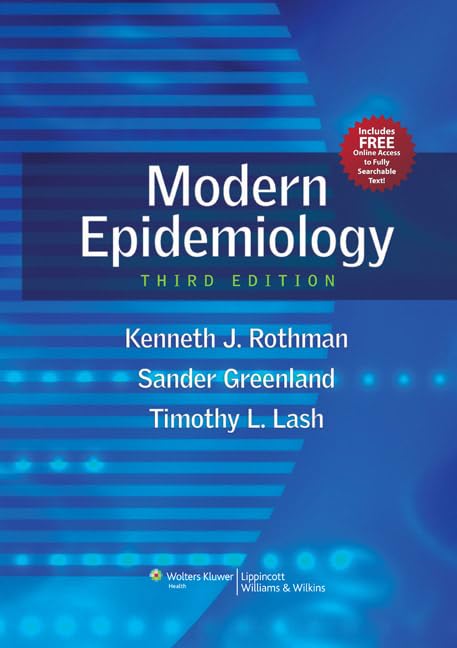
Modern Epidemiology (2008)
Sander Greenland, M.S. ’76, Ph.D. ’78
Sander Greenland is a double Bruin who studied epidemiology at UCLA. Epidemiology plays a main role in public health, and Sander’s book highlights associations between exposures and outcomes. The book is a comprehensive look at epidemiologic research methods.
***
As our list of Bruin authors grows, we’re categorizing the books into an online library, but we’ll need your help to make it as comprehensive as possible. If you know of one, please submit to our list of Bruin authors.
While all these books are written by UCLA alumni, inclusion on the list is not an endorsement.
Books by Bruins Library
Previous articles in the Books by Bruins series


Recent Articles

UCLA’s Latest Research and Breakthroughs Shaping the Future
World’s First Human Bladder Transplant Restores Hope and Quality of Life
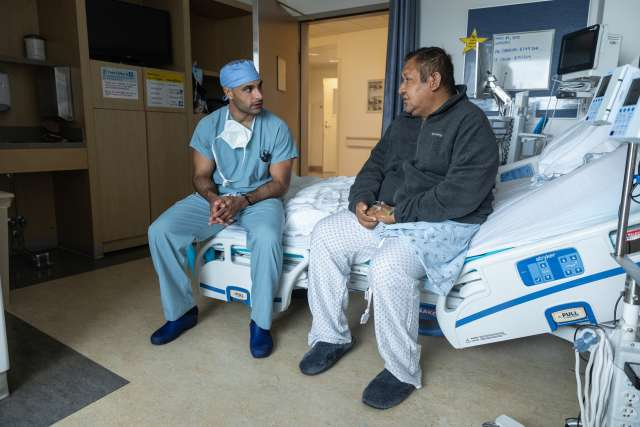
Ronald Reagan UCLA Medical Center
Summary:
In a groundbreaking medical achievement, surgeons at UCLA’s Ronald Reagan Medical Center, led by Dr. Nima Nassiri, successfully performed the first-ever human bladder transplant. The eight-hour procedure replaced a nonfunctioning bladder with a healthy donor organ, restoring urinary function and greatly improving the patient’s quality of life. This pioneering surgery opens the door to a new type of organ transplant, offering hope to patients with severe bladder damage from cancer, congenital conditions or trauma cases that previously had limited treatment options. UCLA’s success marks a global milestone in surgical innovation, setting a new standard for complex procedures.
Breakthrough Alzheimer’s Research Offers Promise for Memory Recovery

UCLA Mary S. Easton Center for Alzheimer's Research and Care
Summary:
UCLA researchers under the direction of Drs. Istvan Mody and Varghese John have discovered a promising compound, DDL-920, that restored memory and cognitive function in mice with Alzheimer’s-like symptoms by boosting the brain’s natural electrical rhythms. Unlike existing Alzheimer’s drugs that only remove harmful plaques, this molecule jumpstarts key neurons to revive gamma oscillations — high-frequency brain signals critical for memory. In lab tests, treated mice remembered maze escape routes as well as healthy mice, with no side effects observed. If proven safe in humans, DDL-920 could not only transform Alzheimer’s treatment but also offer hope for conditions like depression, schizophrenia and autism spectrum disorder by targeting the brain’s memory circuits from within.
Study Shows Audiences Reward Inclusive Films

UCLA Institute for Research on Labor and Employment (IRLE)
Summary:
A UCLA study shows that audiences of color and women are shaping Hollywood’s future, proving that diversity isn’t just right, it’s profitable. Films with 31% to 40% actors of color, such as “Killers of the Flower Moon” and “Wonka,” earned the highest box-office returns. Meanwhile, hits like “Barbie” and “The Little Mermaid” thrived, thanks to female viewers, who made up the majority of ticket buyers. The Hollywood Diversity Report found that movies directed by filmmakers of color almost always featured diverse casts, and franchises like “Creed” and “John Wick” saw record earnings when embracing inclusion. Yet despite these gains, women and other underrepresented groups still lag in key industry roles. UCLA researchers emphasize that investing in diversity, both on screen and behind the camera, is now a business imperative, enabling studios to connect with audiences, boost profits and ensure long-term sustainability.
Engineers Develop Zero-Carbon Method to Green Cement Production

UCLA Samueli School of Engineering Institute for Carbon Management
Summary:
UCLA engineers have unveiled “ZeroCAL,” a breakthrough process that could slash nearly all carbon emissions from cement production, a major global source of CO₂. Unlike traditional methods that release nearly a kilogram of CO₂ per kilogram of cement, ZeroCAL uses calcium hydroxide instead of limestone, producing lime without generating greenhouse gases. The approach also creates clean hydrogen and oxygen that could fuel existing kilns, and it integrates seamlessly into current cement plants without requiring costly new infrastructure. Early demonstrations, including a partnership with India’s Ultratech Cement, show the method is scalable and could revolutionize not only cement but potentially steel production, offering a fast, practical path to decarbonize heavy industry.
Next-Gen Bladder Care: Smart Wearable Sensor for Independence
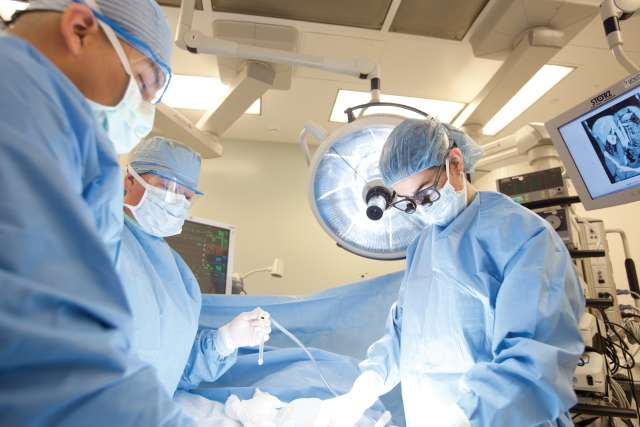
UCLA Health Jonsson Comprehensive Cancer Center
Summary:
UCLA investigators are highlighting groundbreaking advances in prostate and bladder cancer, AI-assisted diagnostics and patient-centered care at AUA 2025. Key innovations include 3D modeling that helps surgeons plan robotic prostate cancer surgeries for better nerve-sparing outcomes, cost-effectiveness analysis showing pembrolizumab may be a smarter choice than nivolumab for high-risk bladder cancer, AI-driven prostate cancer mapping, a wearable system for monitoring bladder health after spinal cord injury, and digital tools that improve shared decision-making in kidney stone treatment. These studies, led by researchers from UCLA’s David Geffen School of Medicine and Jonsson Comprehensive Cancer Center, are helping shape more effective, personalized and cost-conscious approaches to urologic care.
Wearable Glove Turns Sign Language into Real-Time Speech
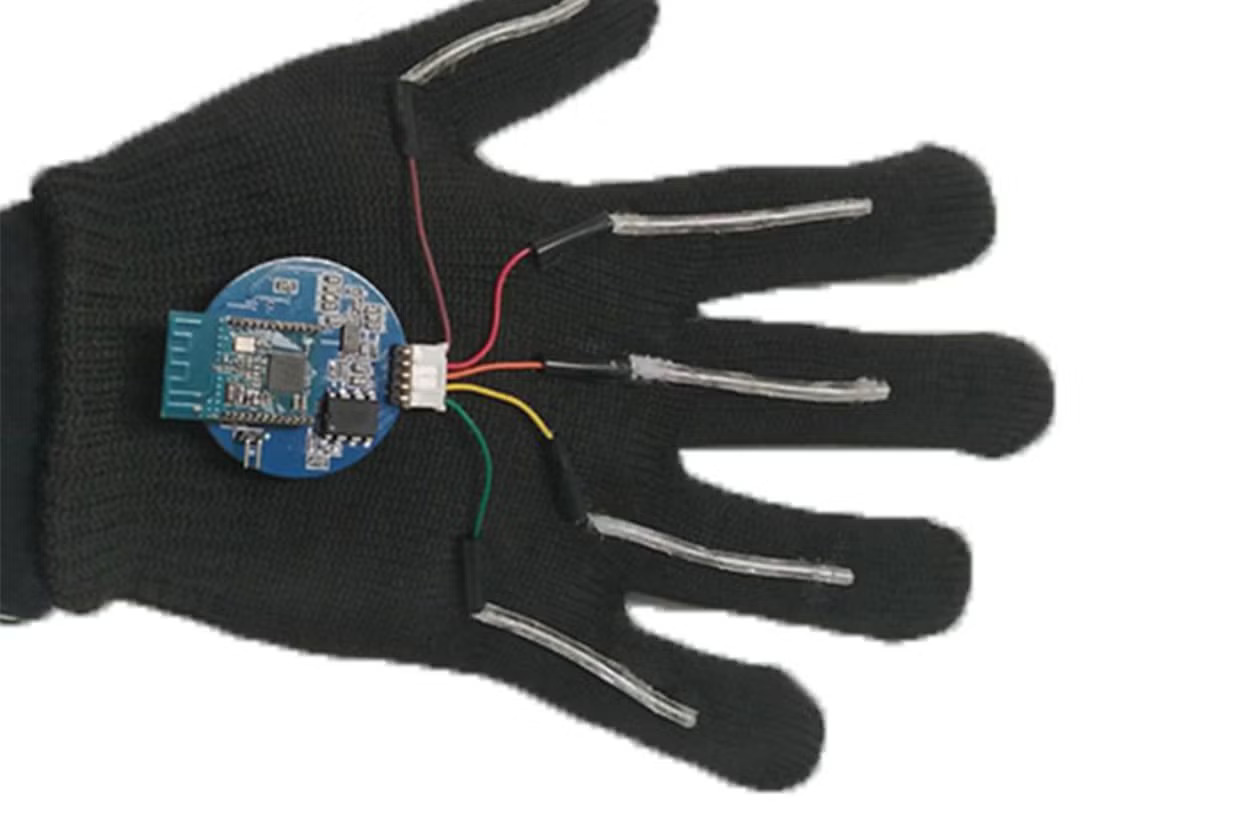
UCLA Samueli School of Engineering
Summary:
UCLA bioengineers have created an innovative, lightweight glove that can translate American Sign Language into spoken English in real time through a smartphone app. Equipped with stretchable sensors along each finger, the glove detects hand movements and, combined with facial sensors, captures the expressions essential to ASL. The signals are sent wirelessly to a small wrist-mounted circuit that converts gestures into speech at about one word per second. Unlike bulky previous devices, this affordable and flexible glove is durable, easy to wear and can recognize hundreds of signs, offering a practical way for deaf and hard-of-hearing individuals to communicate directly with non-signers — and for anyone to learn sign language more easily.
Wearable AI Patch Lets People Speak Without Vocal Cords
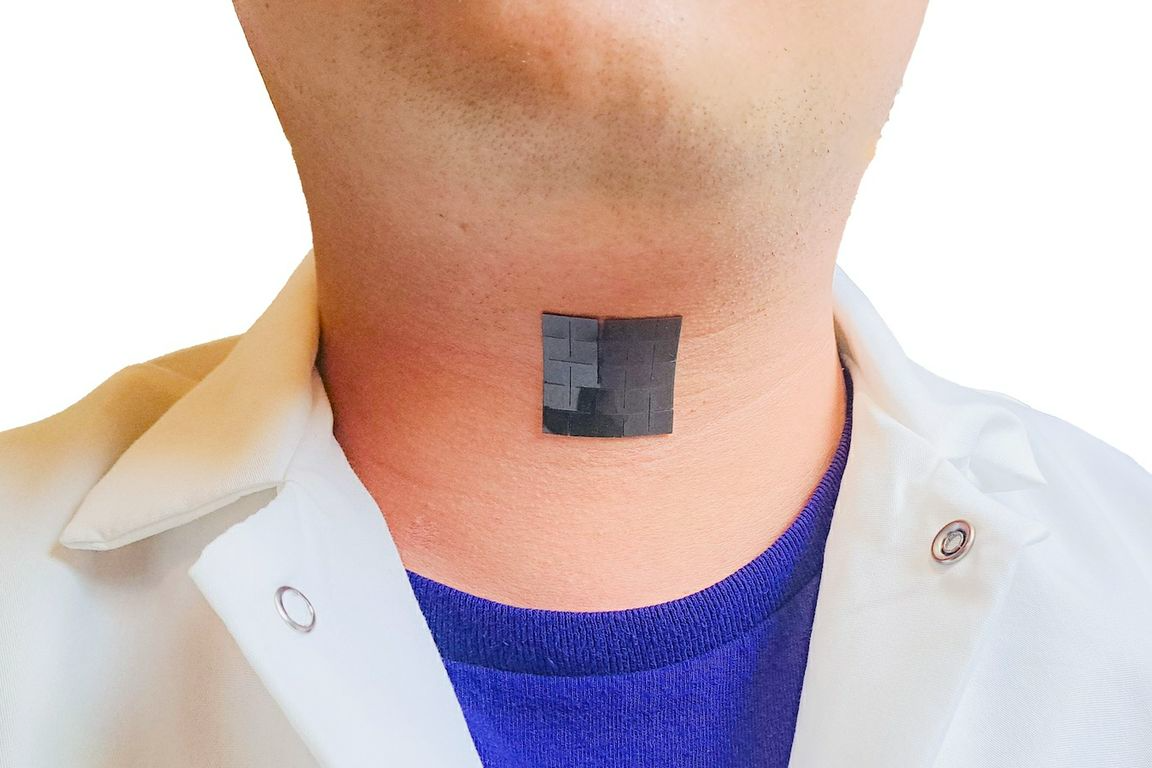
UCLA Semel Institute for Neuroscience and Human Behavior
Summary:
UCLA bioengineers have created a tiny, flexible neck patch that translates the movement of throat muscles into audible speech, offering a non-invasive way for people with voice disorders to communicate. About a square inch in size, the device uses machine-learning technology to recognize specific laryngeal muscle movements and convert them into spoken words with nearly 95% accuracy. Designed to move naturally with the wearer, it adheres to the skin above the vocal cords and could assist patients recovering from laryngeal surgery or living with vocal cord dysfunction. This breakthrough builds on the team’s previous work with wearable devices that translate American Sign Language into speech, opening new possibilities for accessible, real-time communication for people with speech challenges.
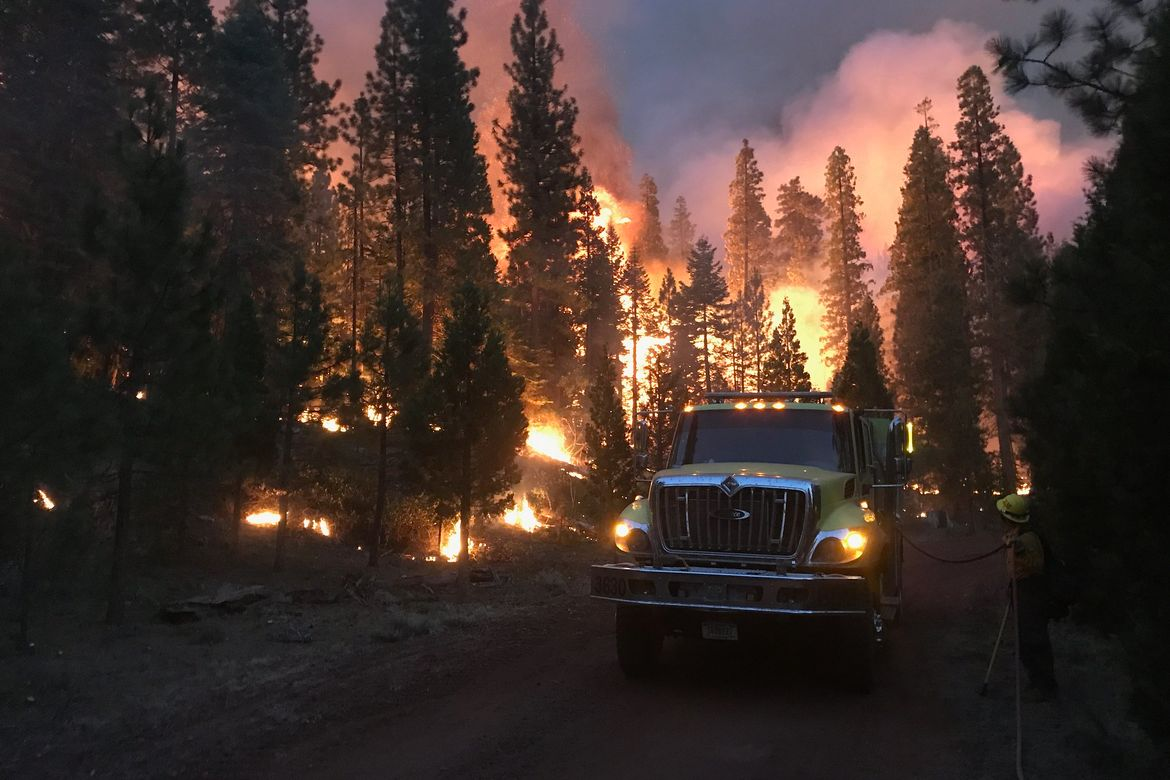
Climate Change Is Making California’s Fire Seasons Longer and More Destructive
UCLA Institute of the Environment and Sustainability (IoES)
Summary:
A UCLA study shows that human-driven climate change is pushing California’s wildfire season earlier by an average of one to two days per year, with some areas experiencing fire season starting up to seven weeks sooner than in the early 1990s. Rising temperatures and drier vegetation are creating longer windows for destructive fires, particularly in northern forests and high-elevation mountains. As fire seasons expand, the risks to communities, homes and natural resources grow. The research highlights the urgent need for continued climate science to inform policy and preparedness strategies as California faces increasingly intense and prolonged wildfire seasons.
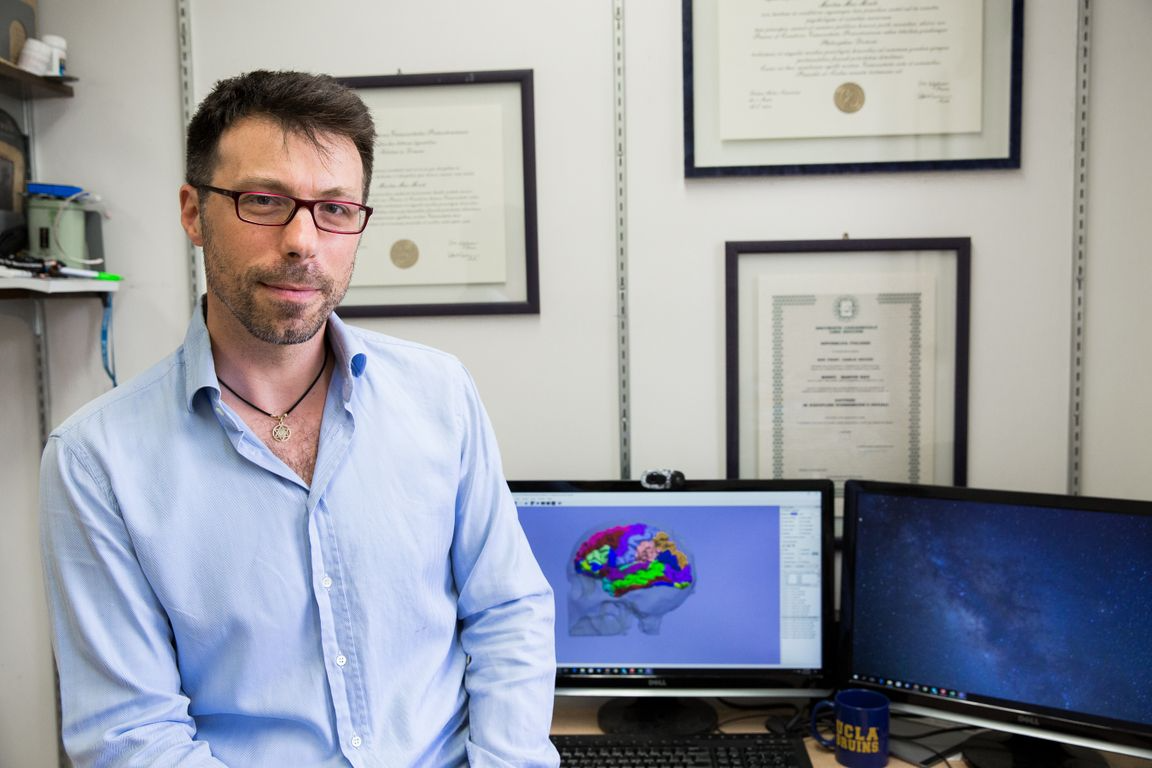
Ultrasound “Jump-Starts” Brain Activity in Coma Patients
Summary:
UCLA neuroscientists have used low-intensity focused ultrasound to awaken brain activity in two patients who had been in a minimally conscious state for over a year. The small, saucer-sized device targets the thalamus, the brain’s central hub, to stimulate neurons. Within days of treatment, one patient regained the ability to respond to commands, recognize objects, write and communicate, while the other could identify familiar items and understand speech for the first time in years. Though the changes are small, they represent meaningful reconnections for patients and families. The non-invasive technique shows promise as a future portable therapy to help “wake up” patients from chronic brain injuries.
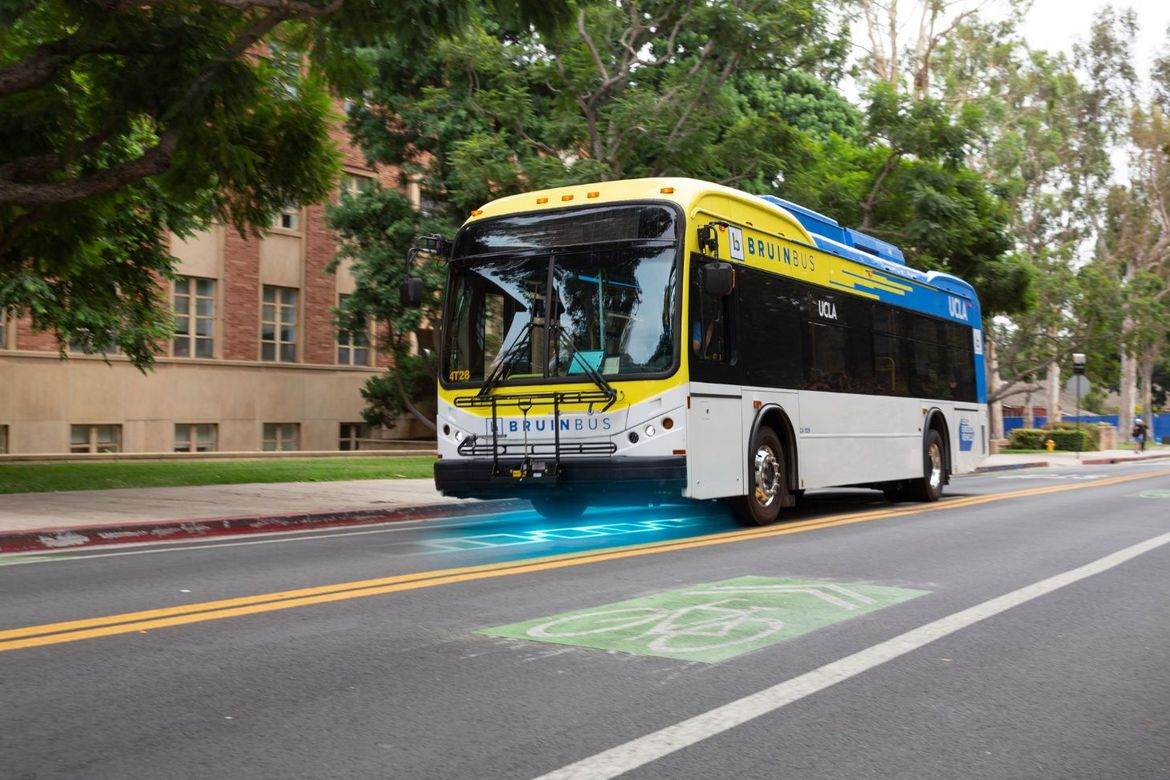
UCLA Transit To Launch California’s First Wireless Charging Road
UCLA Events and Transportation
Summary:
UCLA research is helping bring a revolutionary vision to life in Westwood: Electric Avenue, a stretch of roadway embedded with wireless charging technology that can power electric vehicles as they drive. Using inductive charging coils beneath the pavement, energy is transferred directly to receivers on EVs, keeping batteries topped up without stopping to plug in. UCLA engineers and transportation experts contributed their expertise to design the system, optimize energy transfer, and plan for real-world deployment. Scheduled to debut ahead of the 2028 Olympics, Electric Avenue will showcase how “charging as you go” can reduce range anxiety, improve fleet efficiency and ease the strain on charging stations, paving the way for scalable, citywide charging infrastructure that could keep cars, buses and delivery vehicles in motion while cutting emissions and congestion.
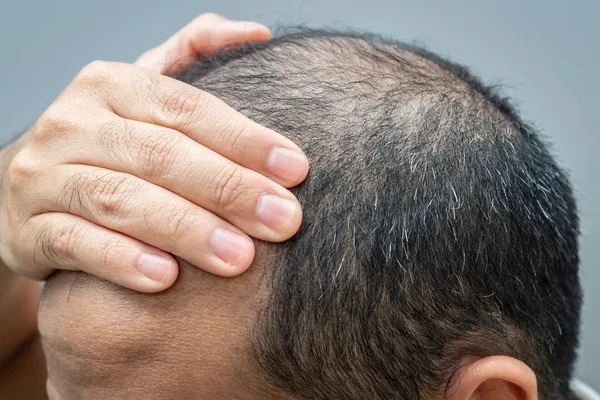
New Research Unlocks Molecule That Restores Hair Growth
UCLA Broad Stem Cell Research Center
Summary:
UCLA researchers have discovered a small molecule, PP405, that can “wake up” dormant hair follicles, encouraging full, natural regrowth. In early human trials, a simple nightly topical application produced promising results, far surpassing the thin fuzz typical of current treatments. Developed by UCLA scientists William Lowry, Heather Christofk and Michael Jung, this breakthrough targets follicle stem cells directly, potentially offering a safe and effective way to reverse pattern hair loss, a condition affecting over half of men and a quarter of women by age 50. The team has co-founded Pelage Pharmaceuticals to advance the treatment, backed by $16.4 million in funding, with larger trials underway and FDA approval on the horizon. Full, healthy hair may no longer be just a dream.
Breakthrough Cancer Vaccine Offers New Hope
UCLA Jonsson Comprehensive Cancer Center
Summary:
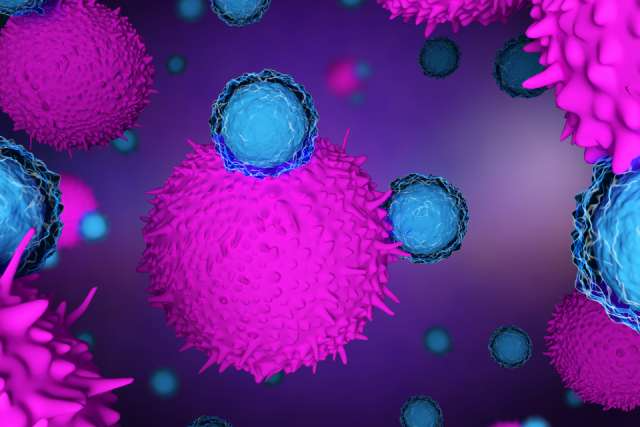
A novel cancer vaccine, ELI-002 2P, is showing promising results in patients with some of the toughest-to-treat cancers, including pancreatic and colorectal cancer. Developed in part by researchers at UCLA Health Jonsson Comprehensive Cancer Center, the vaccine trains the immune system to recognize and attack tumors driven by KRAS mutations, which are common in these cancers. In early trials, most patients generated strong immune responses, some cleared cancer biomarkers entirely and those with higher immune responses stayed cancer-free far longer than expected, sometimes nearly two years. Unlike fully personalized treatments, ELI-002 2P is an “off-the-shelf” vaccine, making it easier to deliver to patients. These encouraging results are fueling a larger Phase 2 trial and the development of next-generation vaccines targeting even more KRAS mutations, offering hope for a new way to fight aggressive cancers.
A Rare Visitor from Beyond Our Solar System

UCLA Department of Earth, Planetary, and Space Sciences
Summary:
Astronomers, including UCLA’s David Jewitt, have captured the clearest view yet of 3I/ATLAS, an interstellar comet speeding through our solar system at 130,000 miles per hour, the fastest object from another star ever observed here. Using Hubble’s Wide Field Camera 3, Jewitt and his team revealed a teardrop-shaped dust plume streaming from the comet’s icy core, while other space- and ground-based telescopes help study its composition and track its journey. Although its exact origin remains a mystery, researchers estimate 3I/ATLAS has been traveling through interstellar space for billions of years. This marks only the third known interstellar object to enter our solar system, following ‘Oumuamua in 2017 and 2I/Borisov in 2019. With new observatories like the Vera C. Rubin Observatory scanning the skies, astronomers expect to spot many more interstellar visitors in the coming years, offering unprecedented insights into the universe beyond our solar system.
Smart 3D-Printed Pen Offers Early Detection for Parkinson’s
UCLA Samueli School of Engineering
Summary:
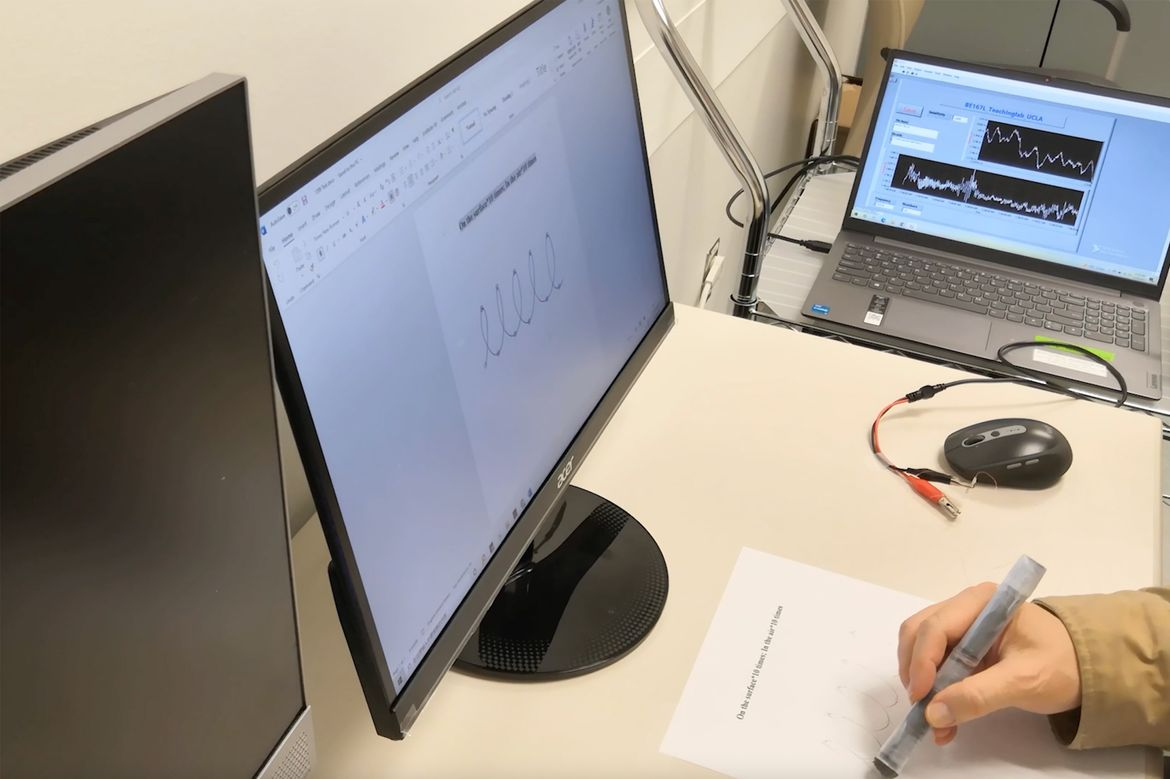
UCLA bioengineers have developed a self-powered, 3D-printed “smart pen” that could help spot Parkinson’s disease early by analyzing handwriting. The pen’s flexible tip and magnetic-ink system capture subtle hand movements and convert them into electrical signals, which AI then analyzes for motor changes linked to Parkinson’s. By detecting these early signs before major neurological damage occurs, the pen could provide a simple, accessible tool for faster diagnosis and intervention, potentially expanding care beyond specialized clinics.
Chemists Break a 100-Year-Old Rule, Opening the Door to New Drug Discoveries
UCLA Department of Chemistry & Biochemistry
Summary:
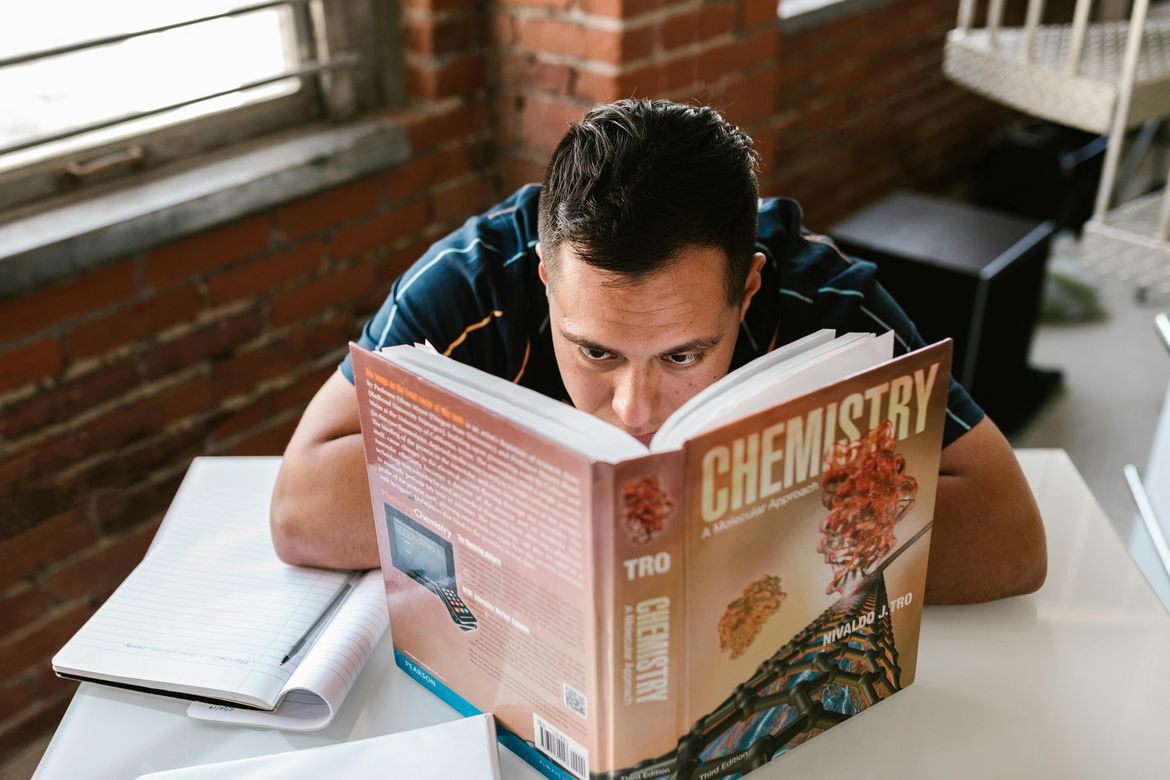
UCLA researchers have overturned a century-old chemistry rule, proving that molecules once thought impossible to make can exist and be harnessed for drug discovery. Bredt’s rule claimed that certain carbon atoms in complex molecules couldn’t form double bonds due to geometric limits. But a team led by Neil Garg demonstrated a way to create and stabilize these “anti-Bredt olefins,” enabling new chemical reactions and 3D molecular structures that could accelerate pharmaceutical innovation. Published in the journal Science, this breakthrough could rewrite the textbooks and inspire a wave of new possibilities in medicine.
***
To learn more about UCLA research and how you can support it, visit https://www.ucla.edu/research. #StandUpforUC
Recent Articles
Bruin Family Connect
Dear Bruin Parents and Families,
My name is Steve Lurie, and I am the inaugural Associate Vice Chancellor, leading UCLA’s new office of Campus and Community Safety. The Bruin Family Connect Newsletter has offered me the opportunity to introduce myself and my teams, share our philosophy on a holistic approach to safety on campus, and discuss our goals for the future.
I am, in my heart, a Bruin for life. I graduated from UCLA with a BA in cultural anthropology in 1994, and went on to a 28-year career with the Los Angeles Police Department. During those years, I attended Loyola Law School and was admitted to the California Bar in 2002. My police career took me to all corners of Los Angeles, from South Los Angeles to Bel Air, from the San Fernando Valley to San Pedro. I was fortunate to have a broad, varied, and enriching leadership journey, culminating at the rank of Commander, where I led police service delivery on the west side of Los Angeles. I was in this role when the conflict in the Middle East led to nationwide protests and demonstrations, including on our UCLA campus, and was called upon to lead the law enforcement response to address the tremendous campus safety issues these presented
As I drove away from campus after coordinating the removal of the Royce quad encampment, I told myself that if there was ever a possibility – any chance – that I could help enhance public safety at my beloved UCLA, I would jump at the opportunity. And then I returned to Los Angeles and continued my LAPD journey.
As UCLA recovered from the fallout from the encampment and related activities, it became clear that an improved, streamlined public safety apparatus was urgently needed. The Office of Campus and Community Safety was created in late 2024. I was humbled and honored when, in February 2025, Chancellor Julio Frenk offered me the leadership of this entrepreneurial, first-in-the-nation effort. I report directly to Chancellor Frenk, and the teams that keep UCLA safe report directly to me. This streamlined decision making has already yielded benefits to our community.
Chancellor Frenk has described campus safety as his meta-priority. Bruins cannot excel in the classroom, the operating room, the laboratory, on the field of sport if they are not safe. It is my charge to coordinate the many teams that work to provide this blanket of safety. At UCLA, this means so much more than the absence of crime. In fact, we have a campus that is historically – and remains - extremely safe in the traditional sense. The Office of Campus and Community Safety seeks to move well beyond the basics. We aim to have all in our Bruin community feel safe, and have the intellectual and emotional freedom to do their critical work.
To keep our community safe, we rely on two exemplary organizations. The Office of Emergency Management (OEM) works to prevent and prepare for major events and crises on campus. Our campus has faced floods, wildfires, and earthquakes. We regularly welcome tens of thousands of fans to Pauley Pavilion, and will soon host the world’s athletes for the 2028 Olympic and Paralympic games. Emergency managers in our office provide training and planning expertise to every community member so UCLA can be ready. When the inevitable does occur, OEM activates and manages our Emergency Operations Center, where UCLA coordinates response activities in order to return to status quo as soon as possible.
The UCLA Police Department is a state-certified full-service police agency providing 24/7 patrol and emergency response to Bruins throughout Southern California. When a community member dials 9-1-1 from campus or from a UCLA property near campus, our own team of professional communications operators answers their call and dispatches our UCLA officers to help. This system ensures that the officers can quickly respond to our community’s call for help and are specially trained and have a deep understanding of the unique UCLA culture. The UCLA Police Department also manages several other safety programs, often dispatching Public Safety Aides or student Community Service Officers to handle non-emergency calls for service.
The synergy between these entities consistently leads to UCLA being better prepared to respond to a variety of emergencies, having more rapid response times, and higher community satisfaction with public safety than in the broader LA community.
In closing, I would like to share some important campus safety resources with each of you:
Bruin Alerts:
To receive emergency updates identical to those your student or family member does while on campus, please join our Bruin Alert system by texting “Bruinalert” to 888-777. These alerts, while rare, offer emergency notifications and instructions to community members.
Bruin Safe Online:
The Bruin Safe Online website, at bso.ucla.edu, offers as 24/7 safety information portal. When a major event potentially effects UCLA, the world is watching. This can often lead to rumors, incorrect social media posts, and other inaccurate news. Please use Bruin Safe Online as a place to access facts about safety on campus.
Bruin Safe App:
The Bruin Safe App, available for iOS and Android, is an information resource intended for all Bruins to learn more about services available to them. It also has a location sharing feature and the ability to summon emergency responders in real time. All Bruins should have this app available on their mobile devices.
UCPD Instragram:
Our community consumes so much of its important information from social media, and we aim to be present in that space as well. Please follow UCPD on social media to stay in touch with campus safety events, emergencies, and other critical information.
I am thankful and full of optimism as I return home to UCLA. I, and the OCCS family, will continue to work 24/7 as we innovate and improve. We are dedicated to a safe UCLA, where Bruins live, work and play in an environment that supports excellence and provides a campus, and a broader community, where they are safe, they feel safe, and they can continue to thrive.
Best regards and Go Bruins!
Recent Articles
story of impact: how one alum is helping Bruins find peace - Sharon Chen ’06
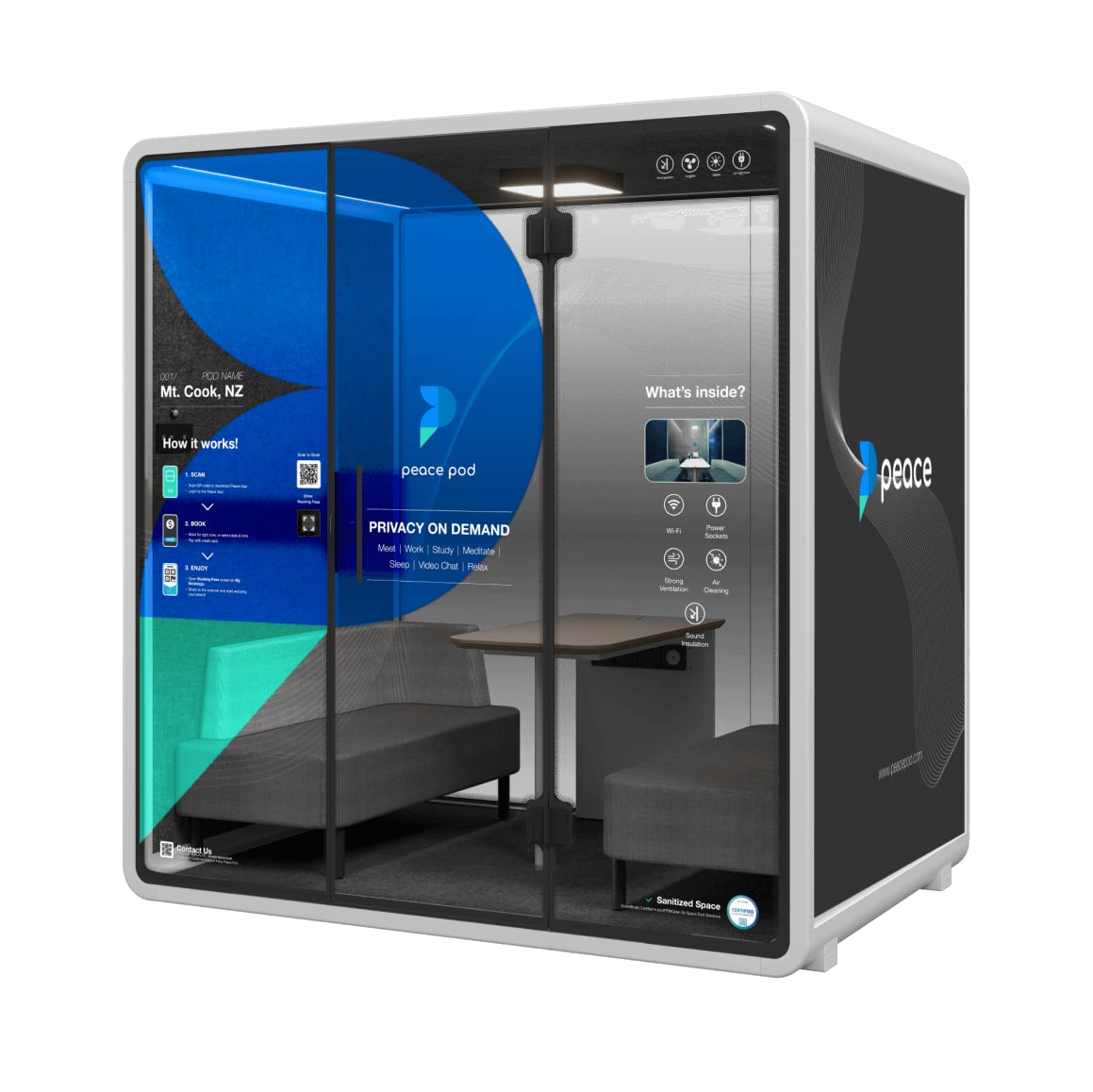
In the middle of UCLA’s bustling campus, where solitude is scarce and silence even more so, Sharon Chen ’06 is offering students a rare commodity: the freedom to pause. Her solution is simple: a private, sound-dampended pod where students can step away from noise and simply be alone.
Chen, a Business Economics alumna, didn’t come to this work from a boardroom brainstorm. As a teenager, she watched a younger sister struggle with depression—pain that was easy to hide and hard to name. “She hid it so well,” Chen says. That missed chance to help became the backbone of her work.
After UCLA, Chen dove into investment banking, chasing what she calls the “expected track.” She eventually took a leap into entrepreneurship, launching a reality television show designed to help startup founders pitch their ideas. The project never made it past development. It failed…and it failed publicly. “It hit me hard,” she said. “I couldn’t even talk about it for years.”
Still, this experience shifted something within her. After what she candidly refers to as a “massive flop,” Chen left Los Angeles and relocated to Shanghai, China where she rebuilt a career in private equity focused on cross-border real estate.
Along the way, her definition of success shifted. “I’m a really good number two,” she says with the type of humility that comes from years of experience. In her view, success is about facilitating others' realization of their vision. That mindset eventually guided her toward reimagining how campuses make space for mental well-being.
“Emotional pain isn’t always visible,” Chen notes. “If you break your arm, people can see it. With mental health, it’s easy to hide.” For students, the constant hum of activity and performance leaves little room to breathe, let alone ask for privacy. Peace Pods create a refuge to think, reflect, meditate – or simply be – without the world encroaching.
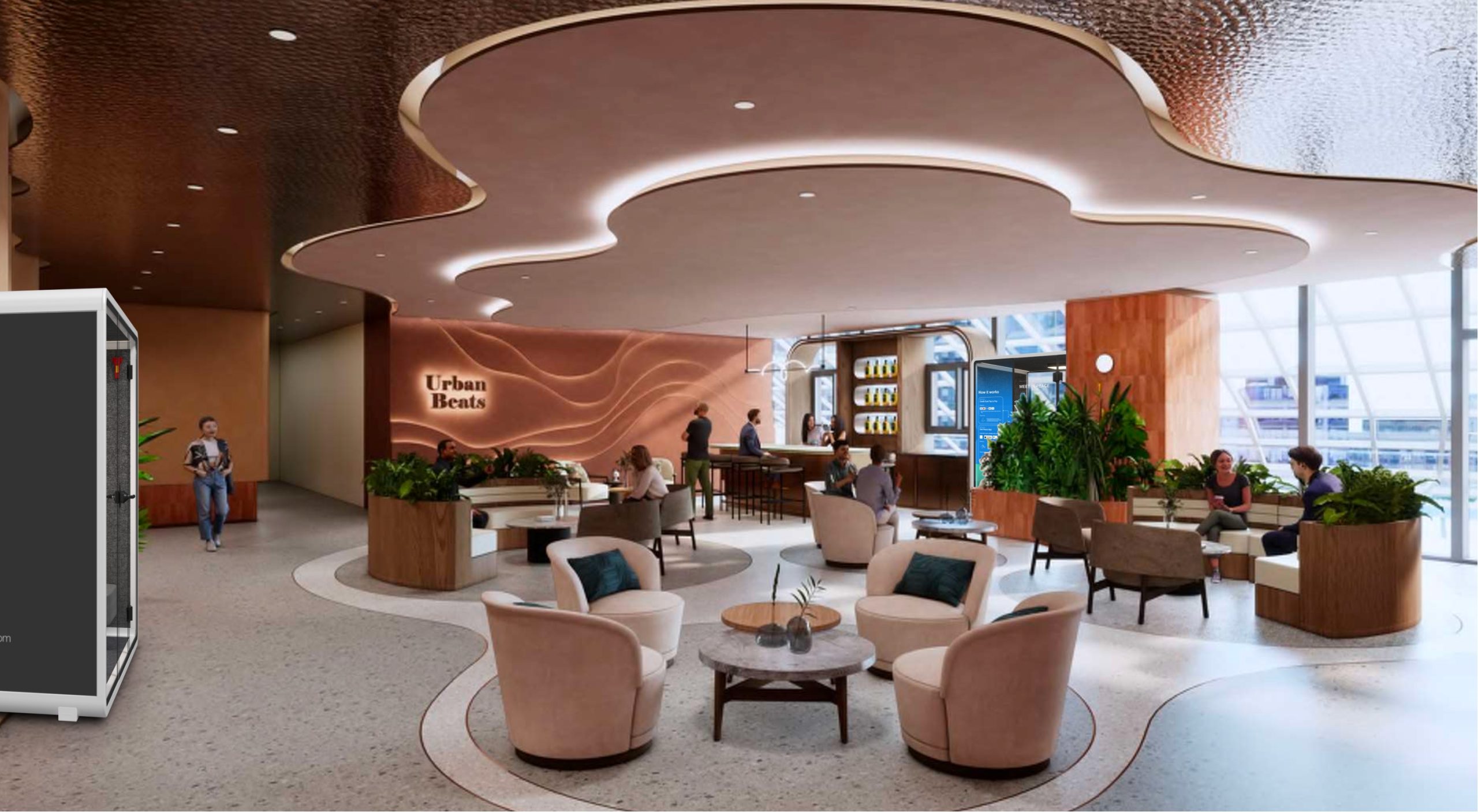
How Peace Pods Work
- App booking + smart access: Students reserve a pod in the mobile app; a smart lock grants entry at the reservation time.
- Sound-dampened privacy: Designed to reduce external noise for quiet reflection or confidential conversations.
- Real-time availability: The app shows open times and helps minimize wait.
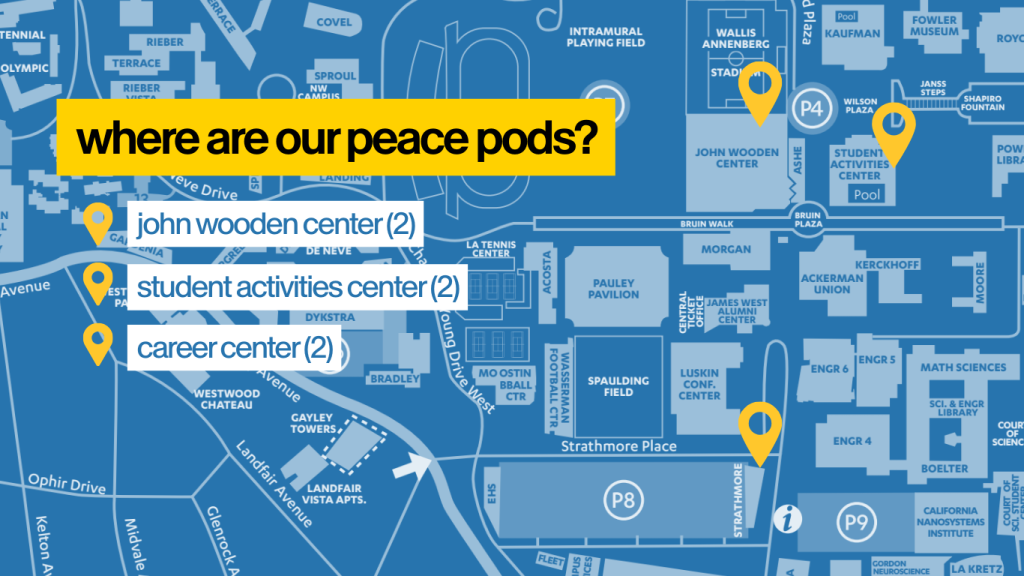
UCLA has launched six Peace Pods on the main campus, with early placements including the UCLA Career Center. Additional campus locations are being coordinated with student-facing services. Chen’s vision extends beyond Westwood: Peace is exploring pods in coworking spaces, corporate offices, and public venues. The team is also evaluating AI-assisted features to make reservations faster and more accessible, with a long-term goal of on-demand privacy that doesn’t require membership or friction.
For Chen, Peace Pods are more than hardware. They’re a way to notice the struggles we don’t always see—and to offer practical dignity in response. “Once a Bruin, always a Bruin.” With Peace Pods, Chen is making sure every Bruin has space to simply be.
explore more inspiring bruin storiesLearn more or support the initiative at peacepod.com. Inquiries about campus partners and sponsorships can be directed through the site’s contact page, or directly to Sharon Chen at sharon@peacepod.com.

Recent Articles
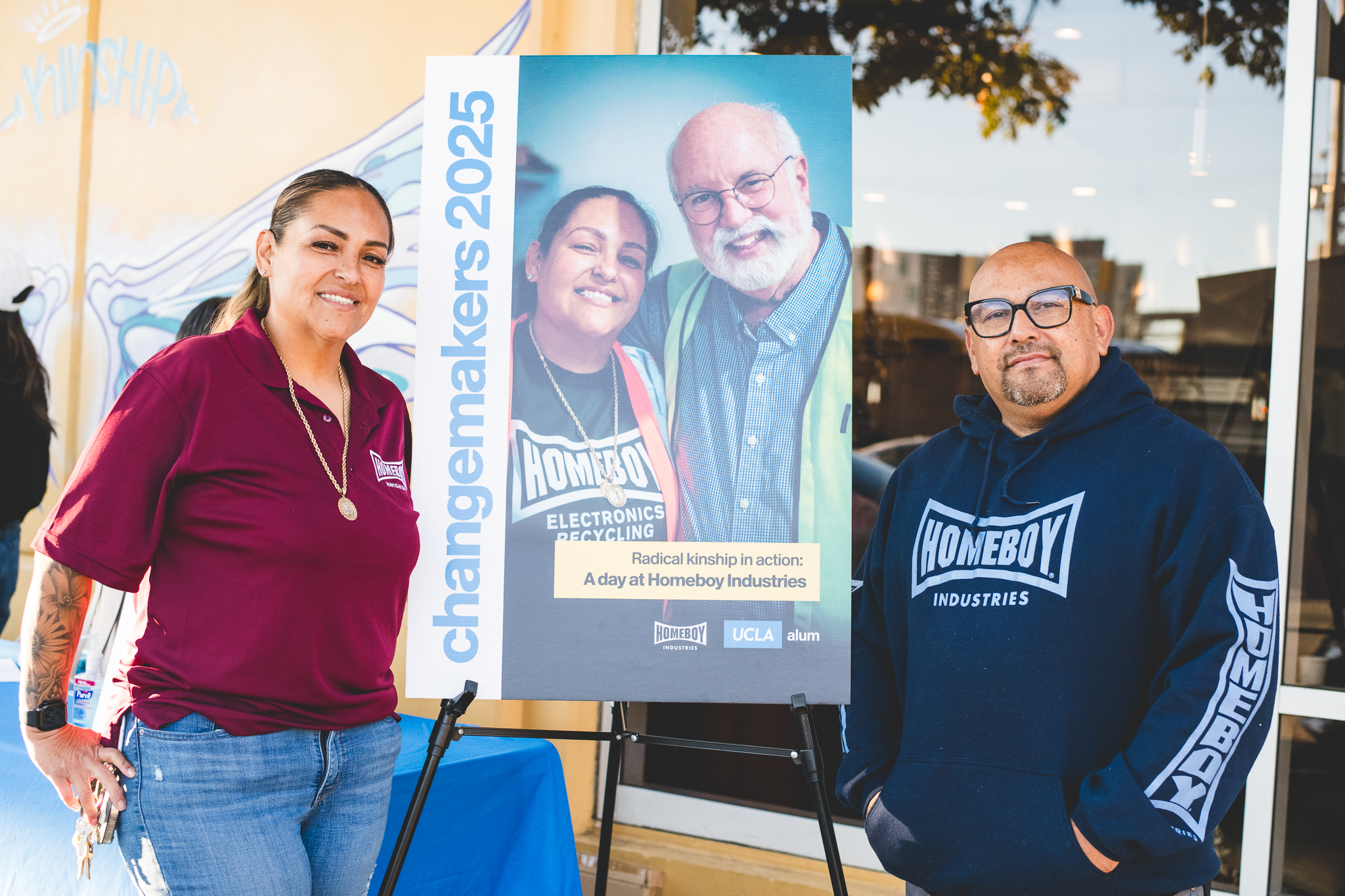
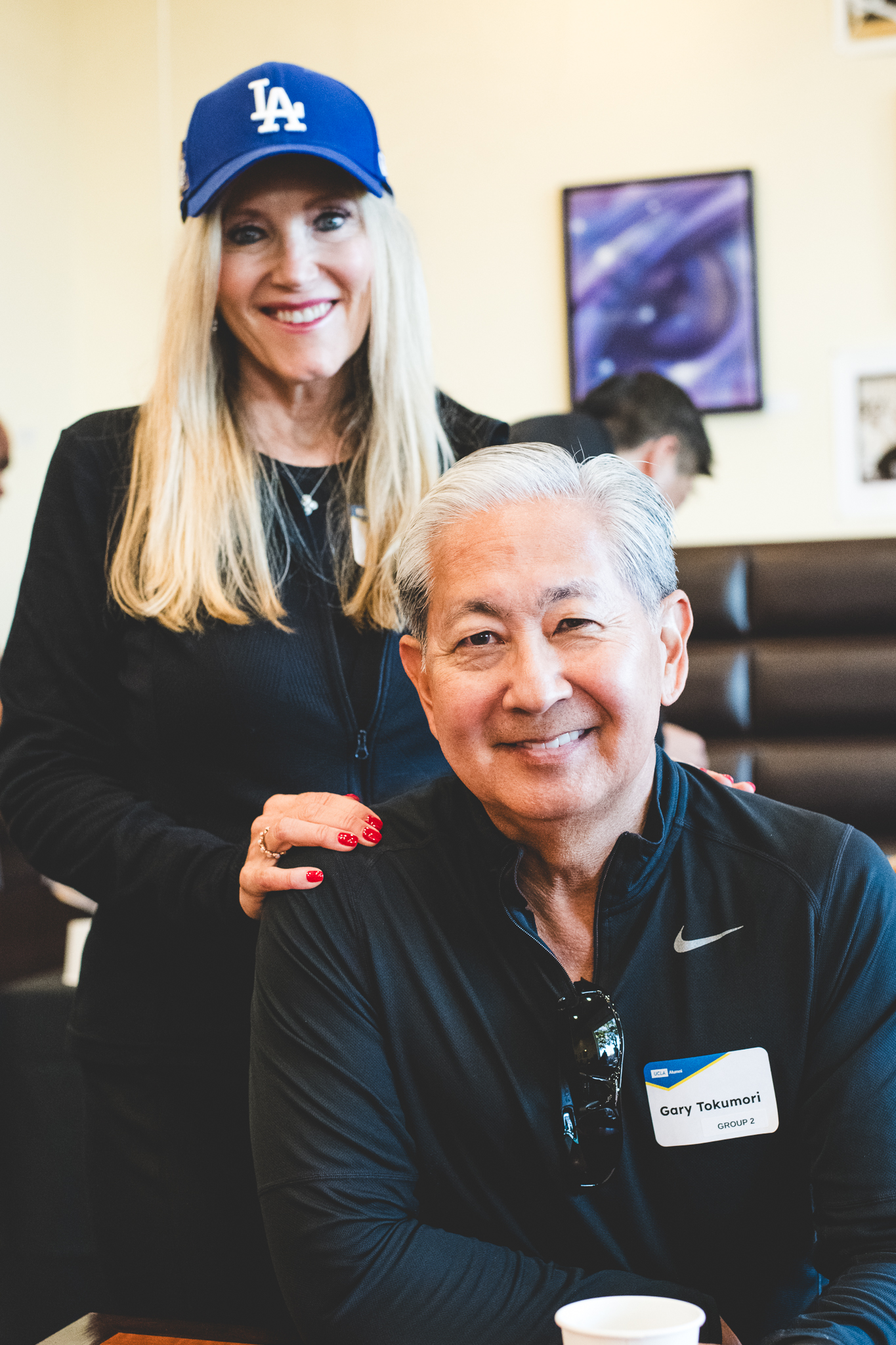
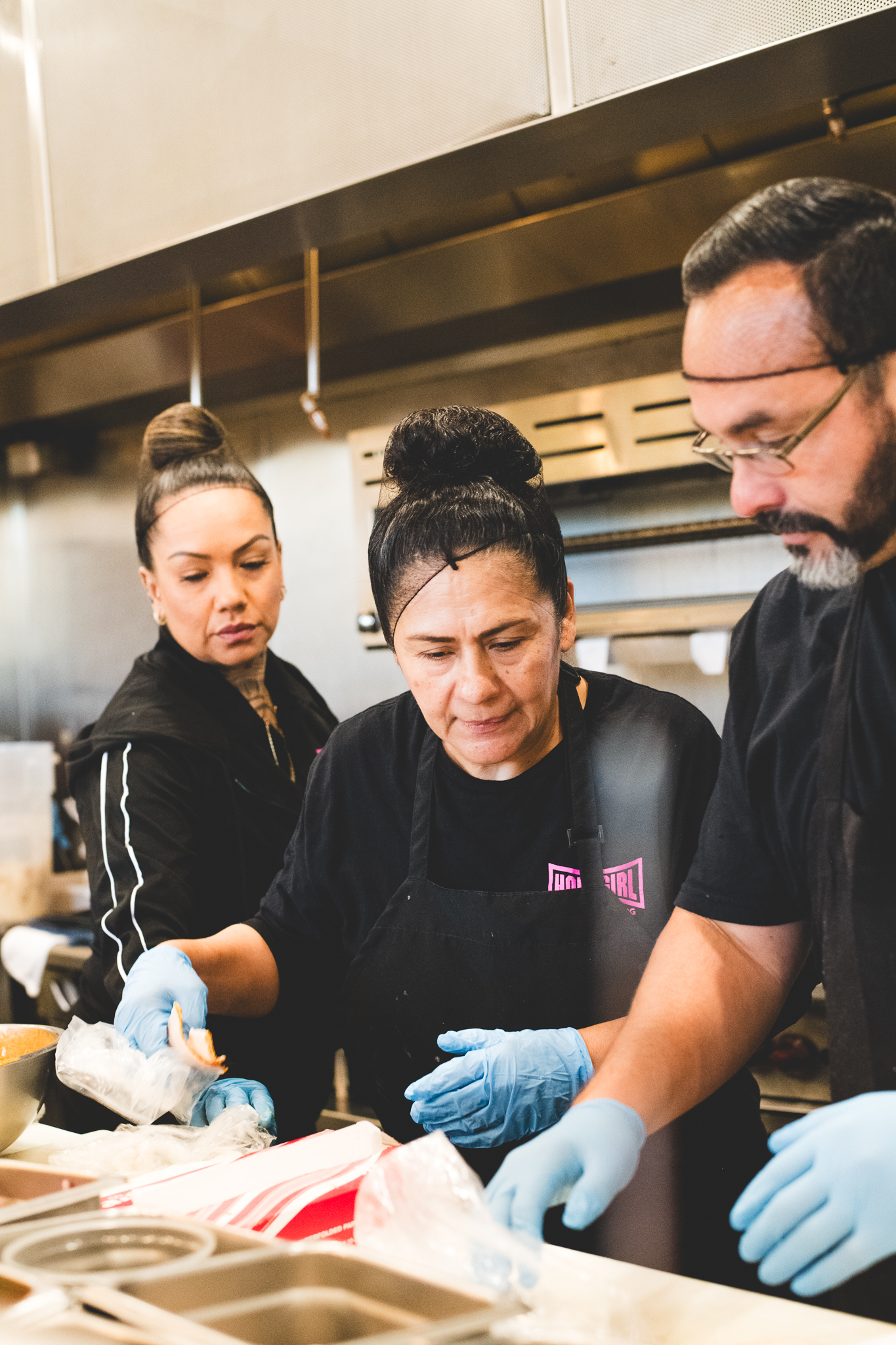
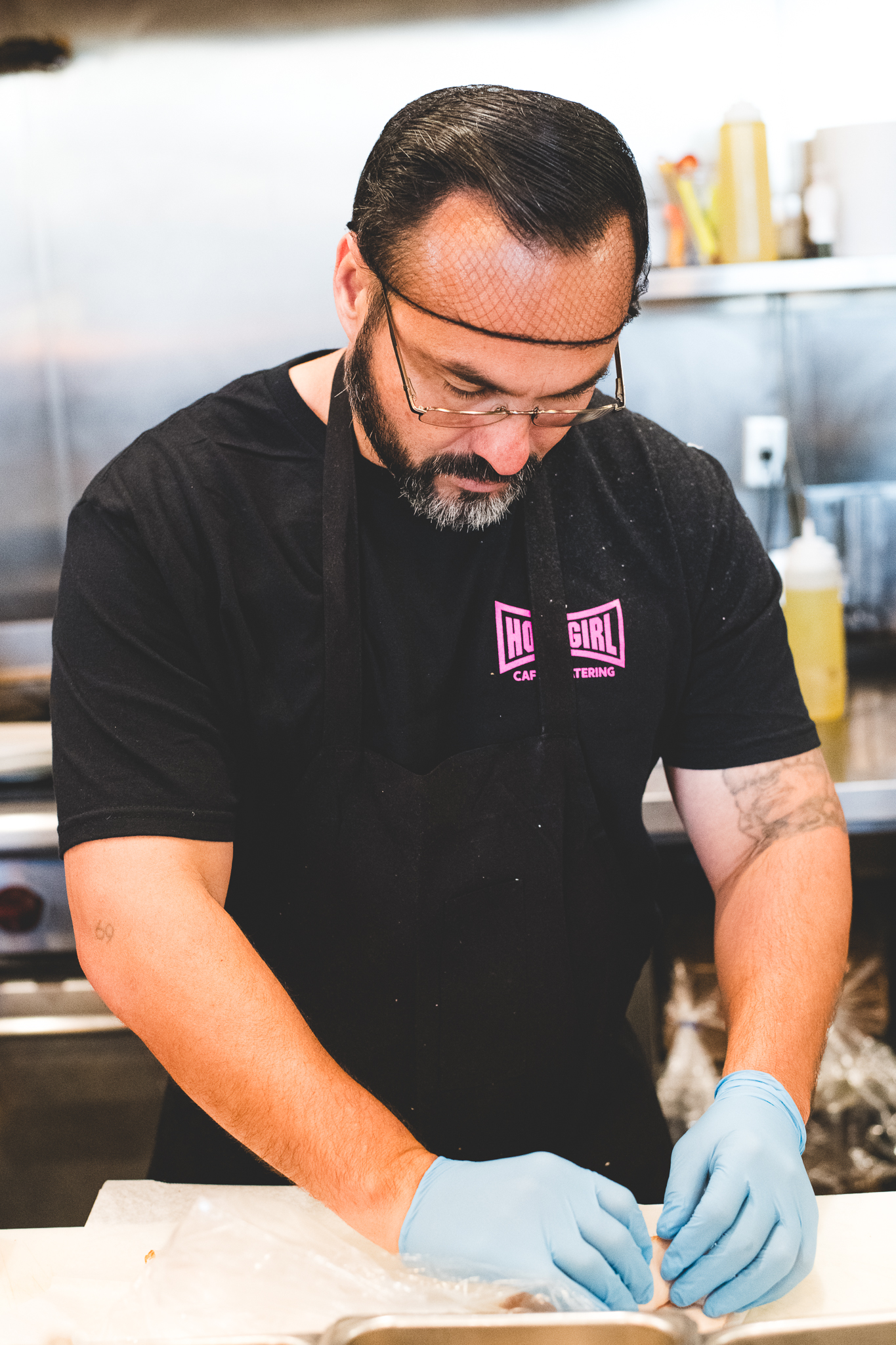
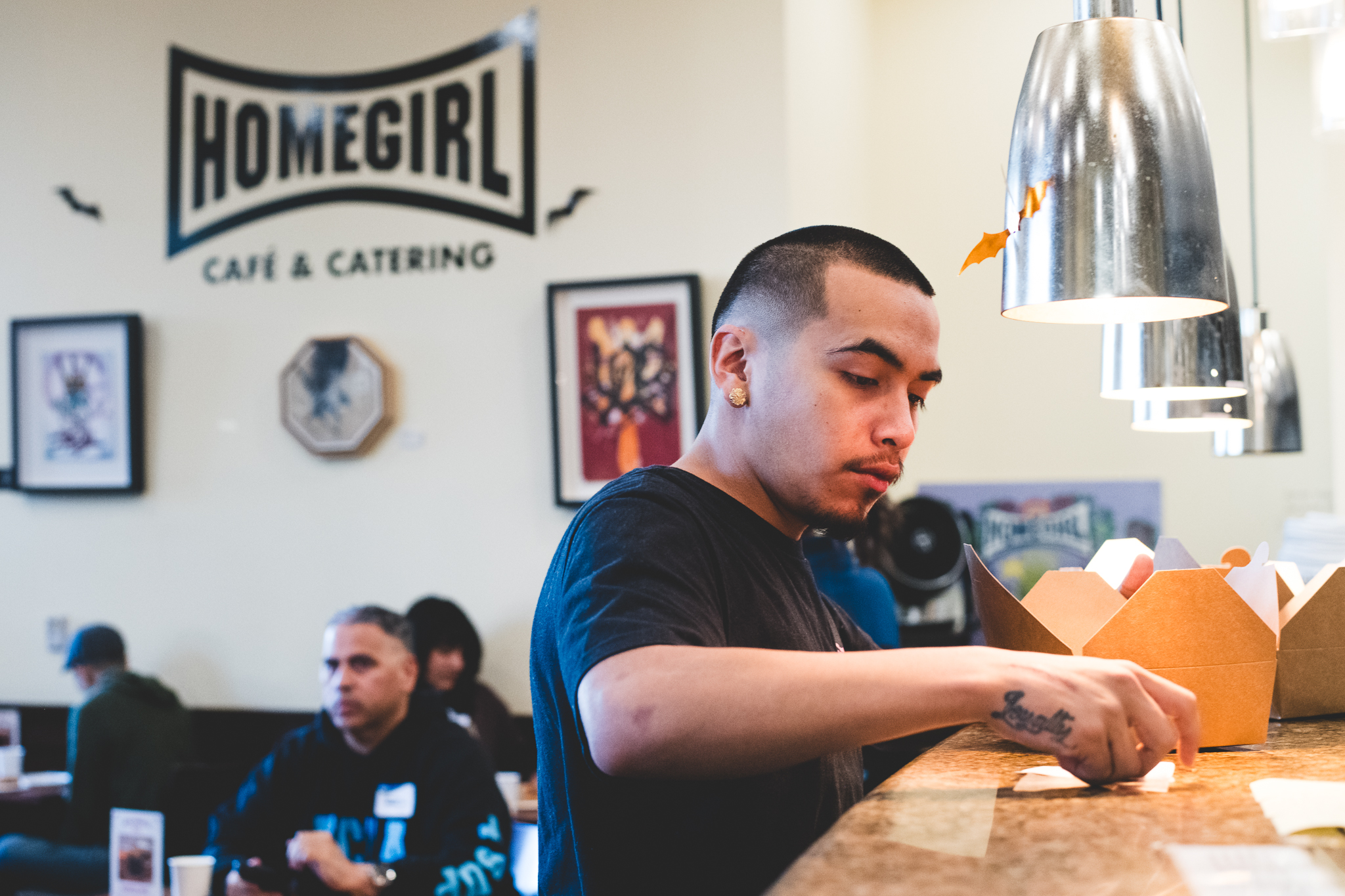
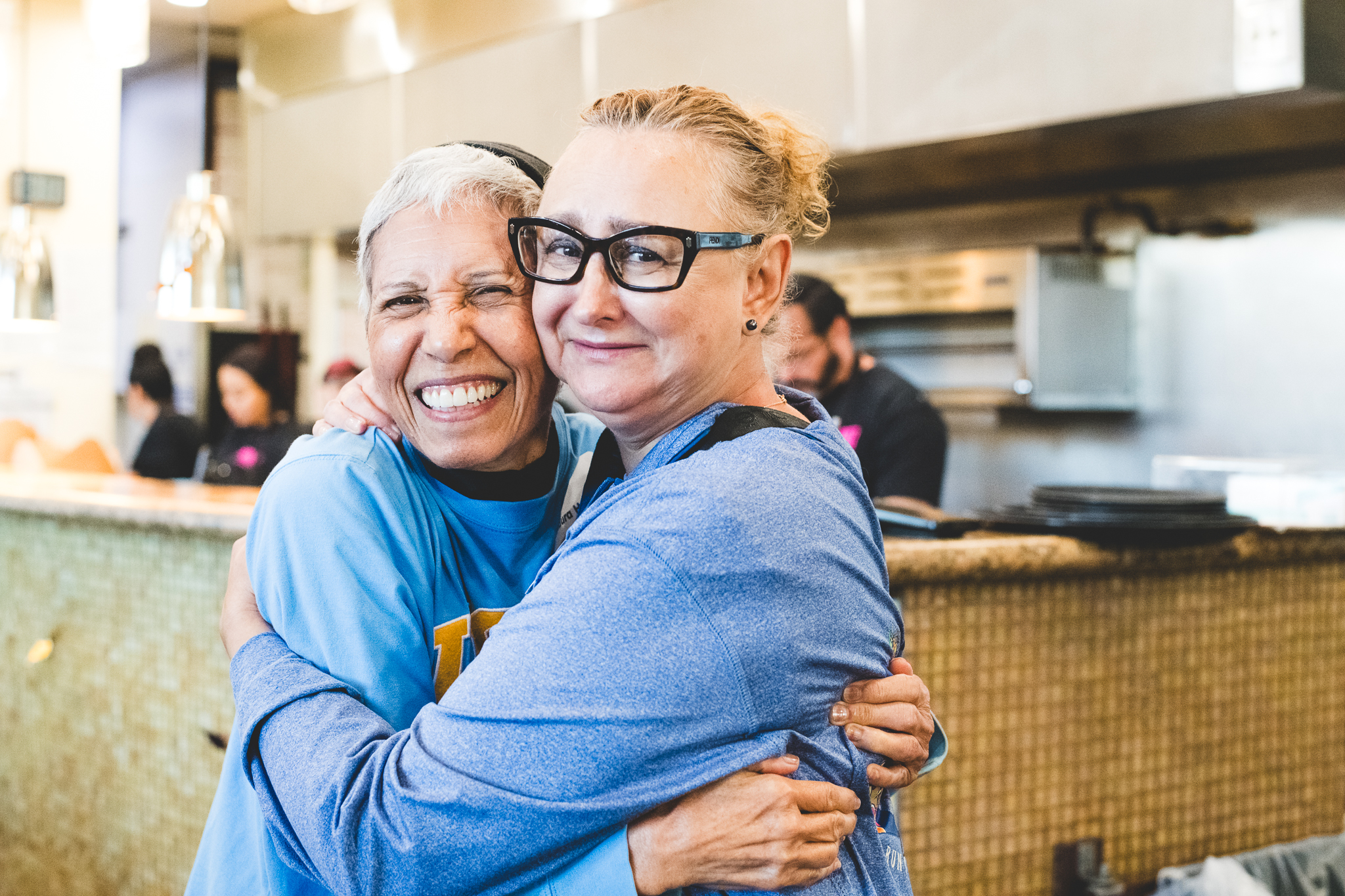
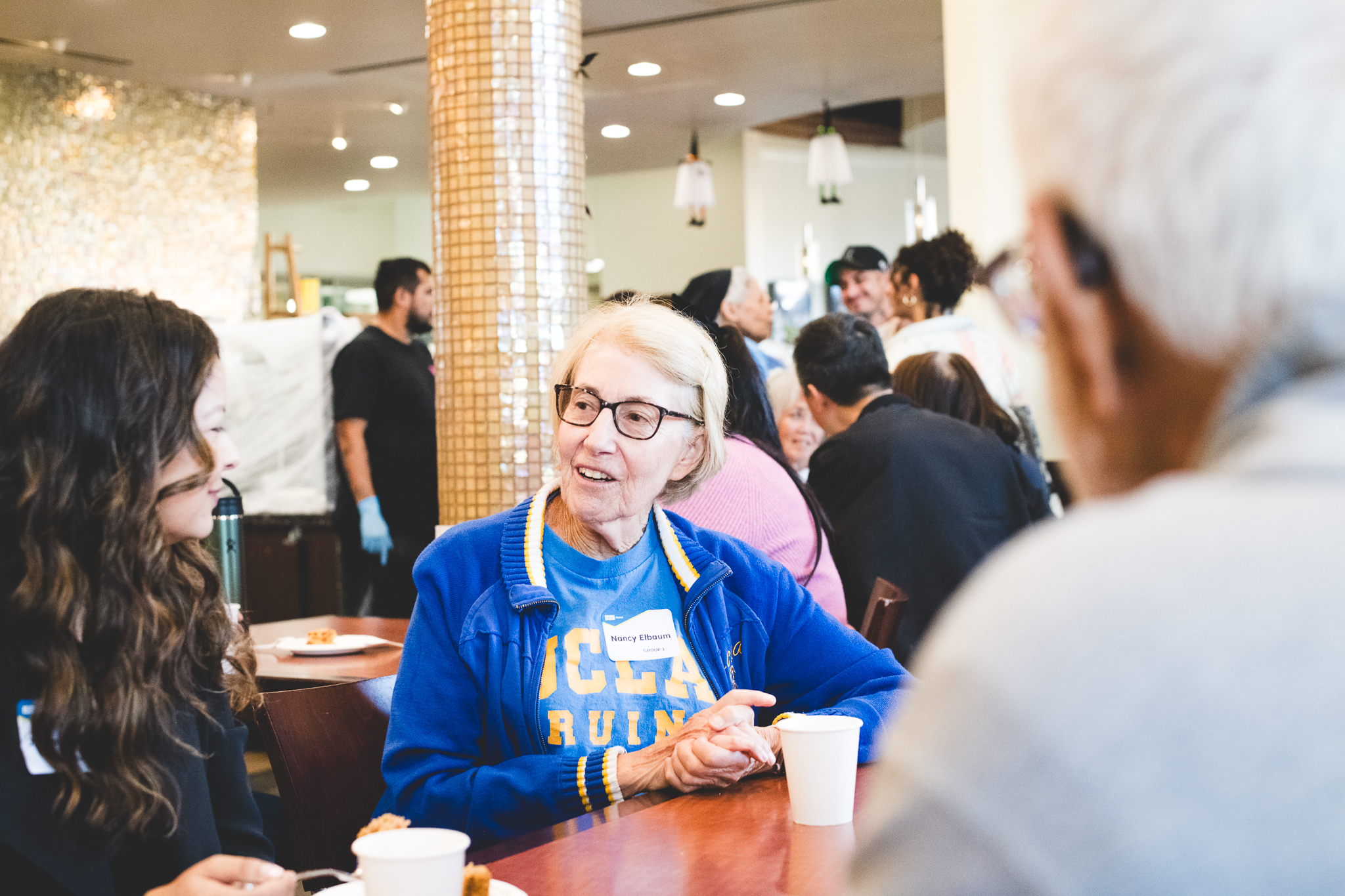
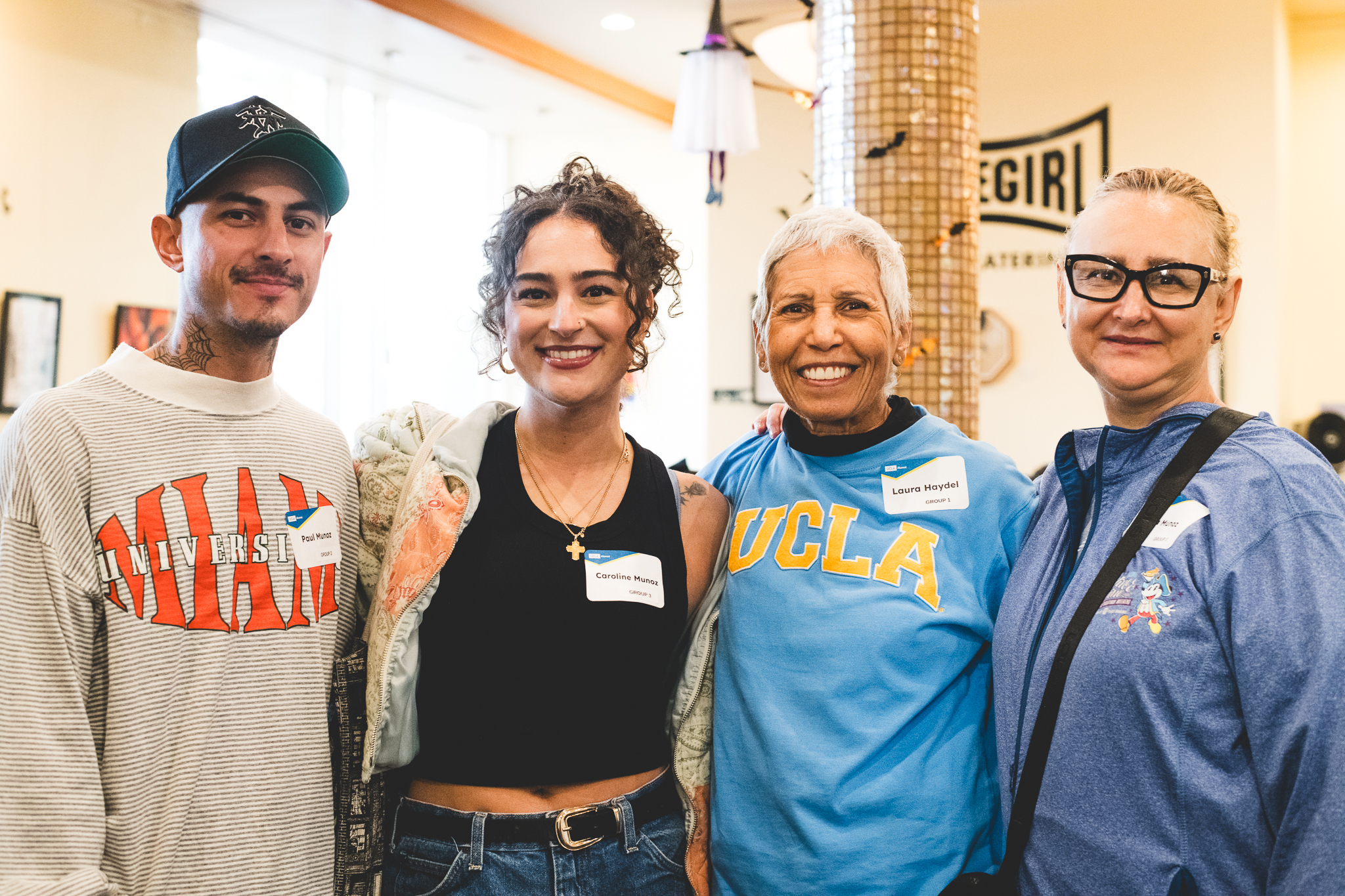
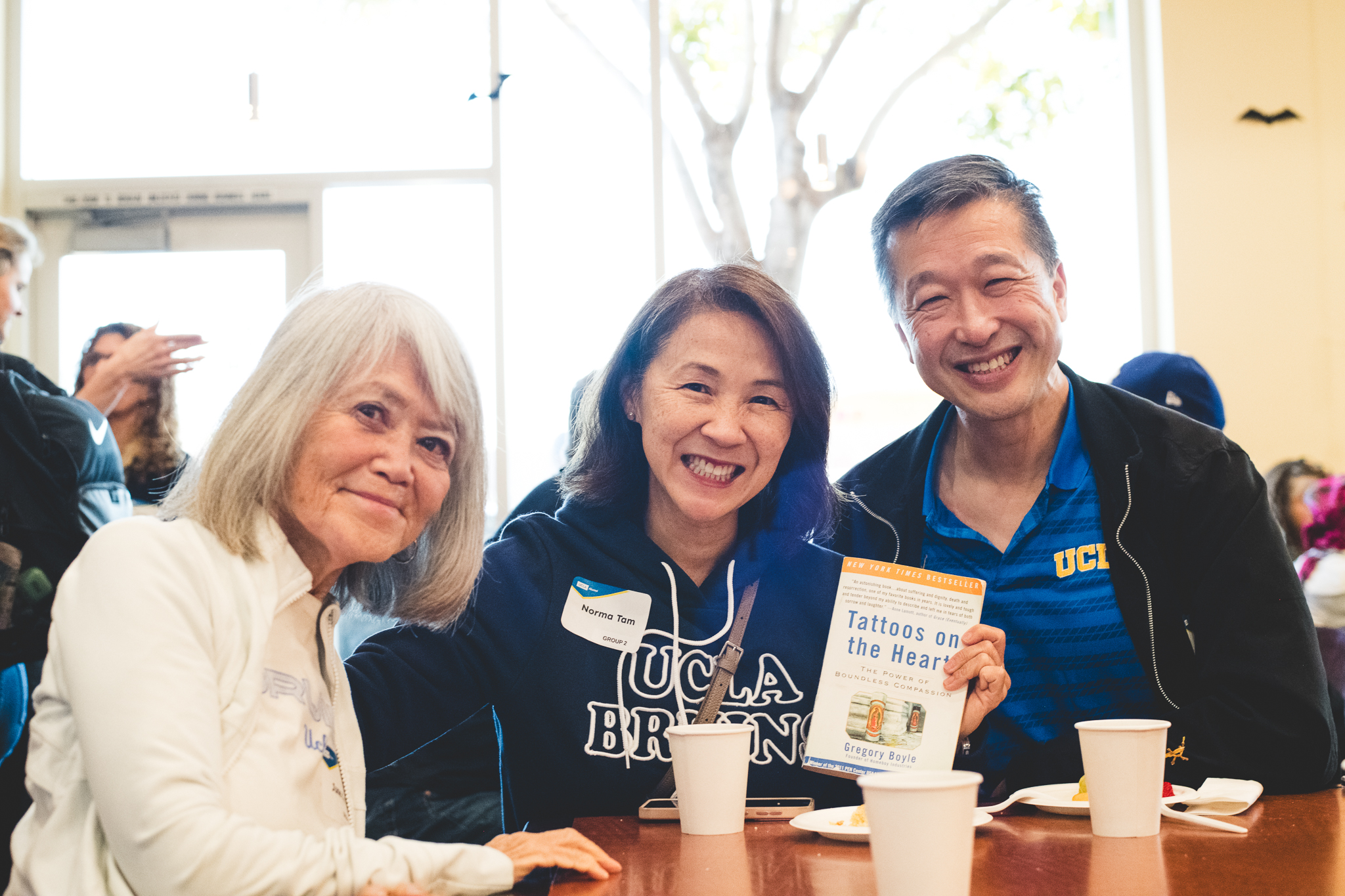
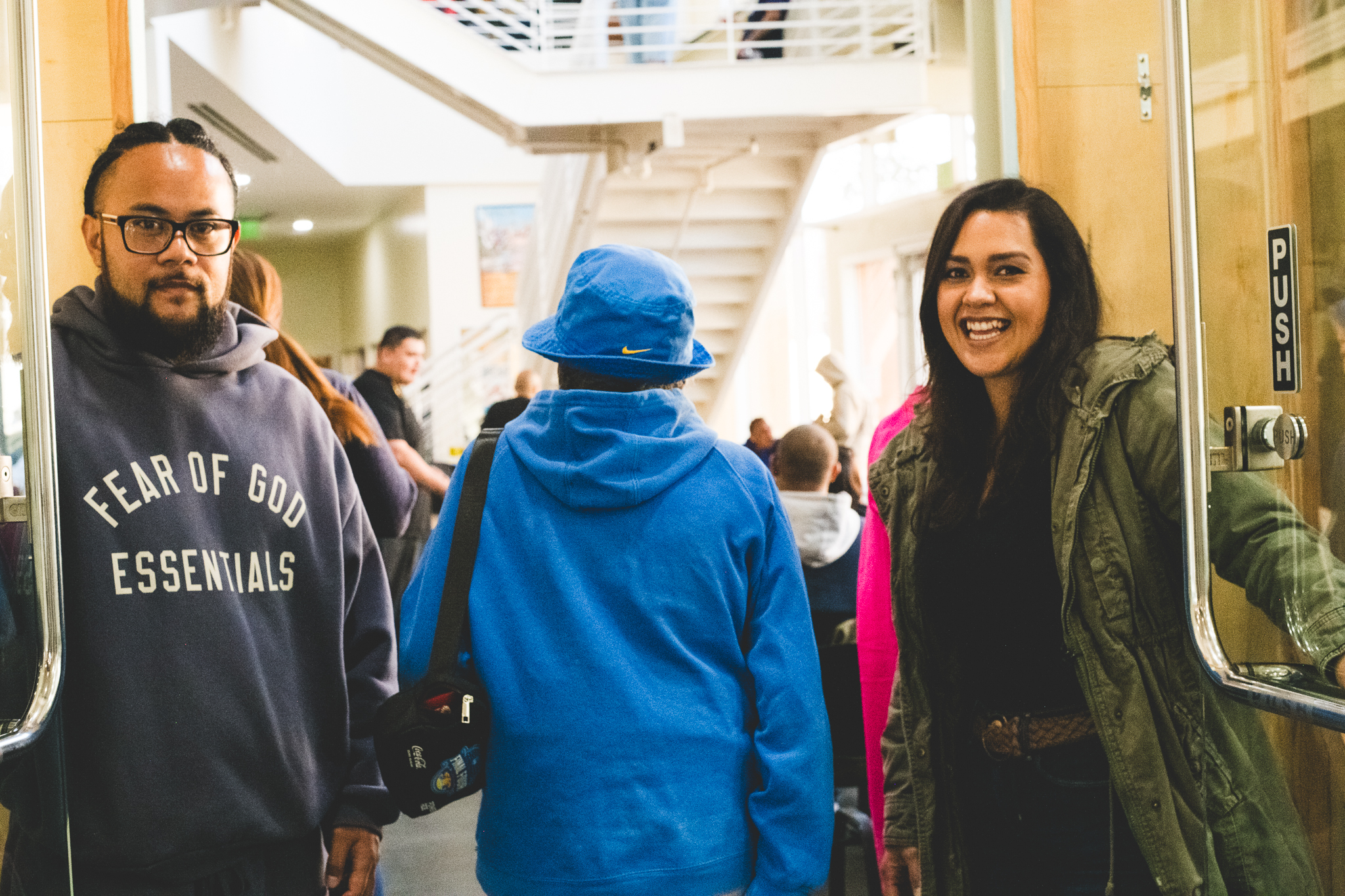
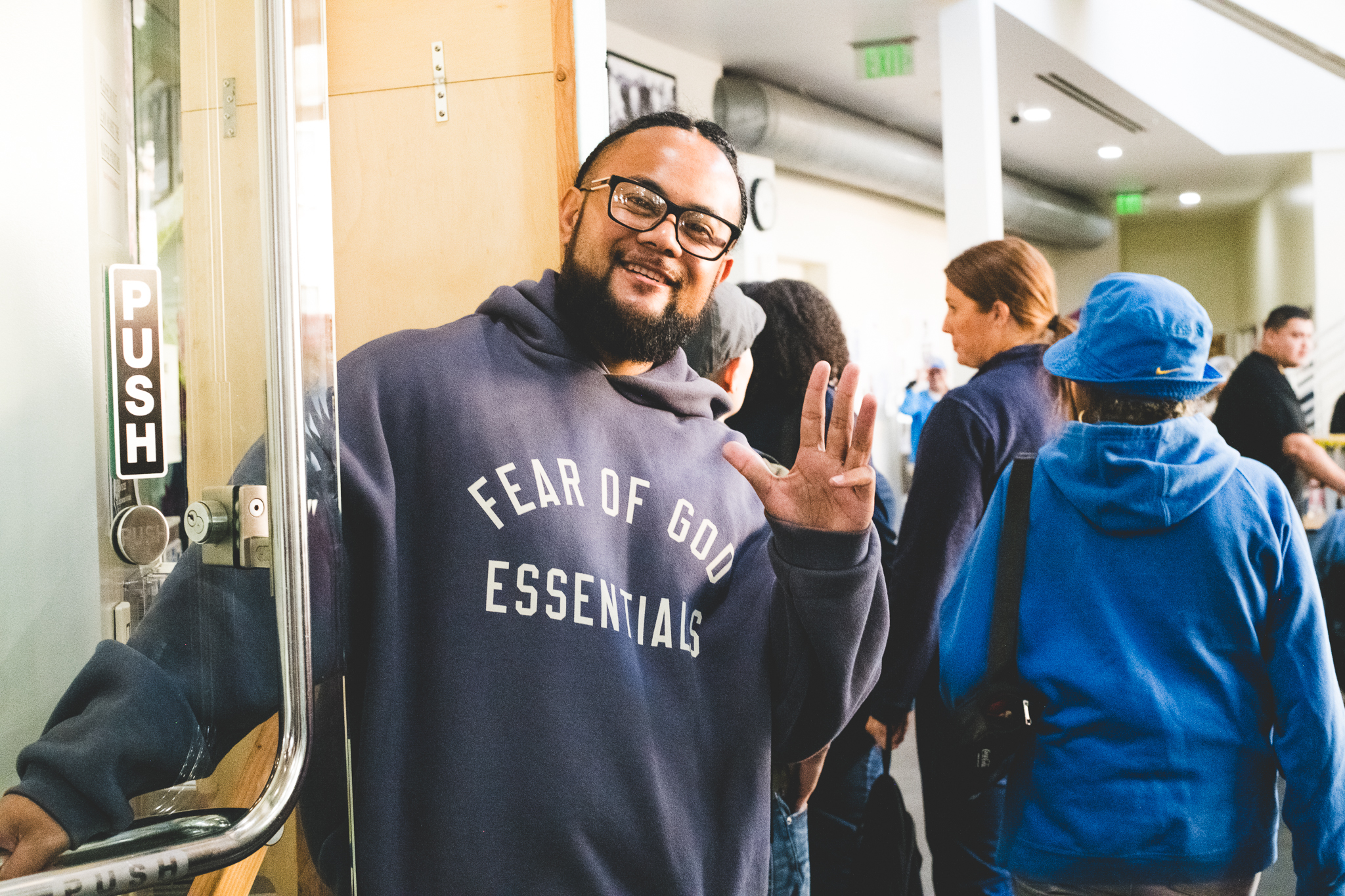
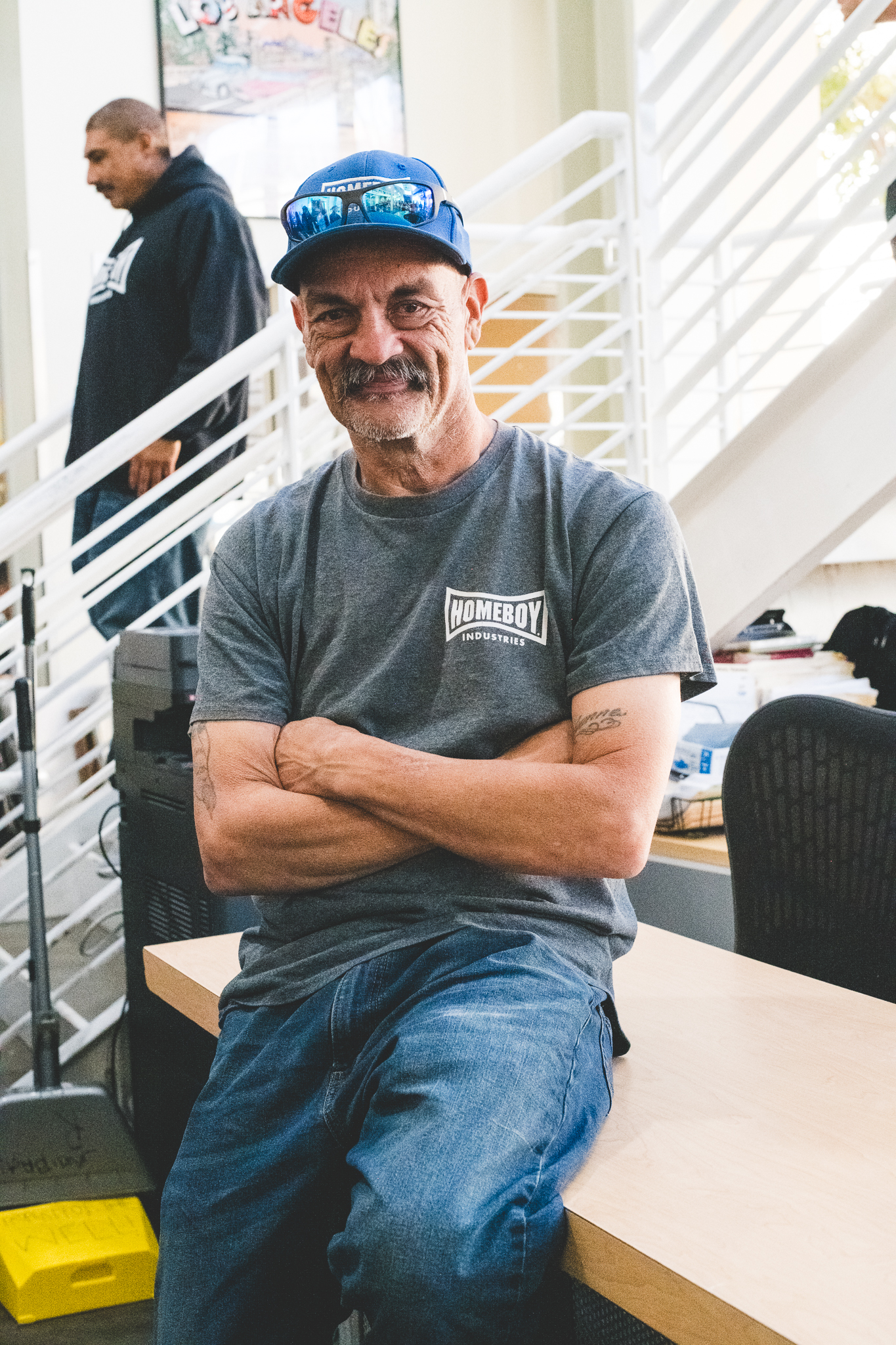
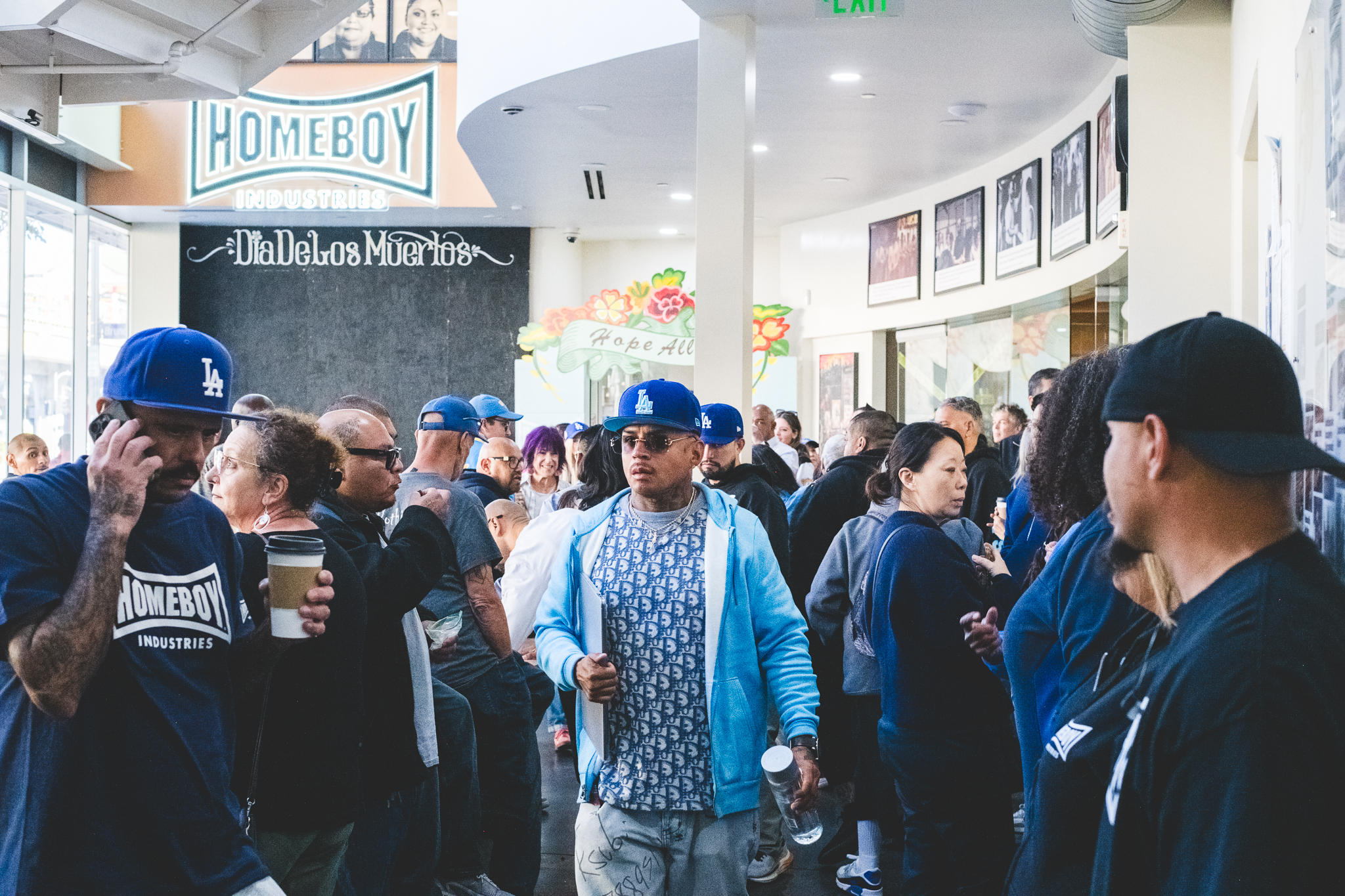
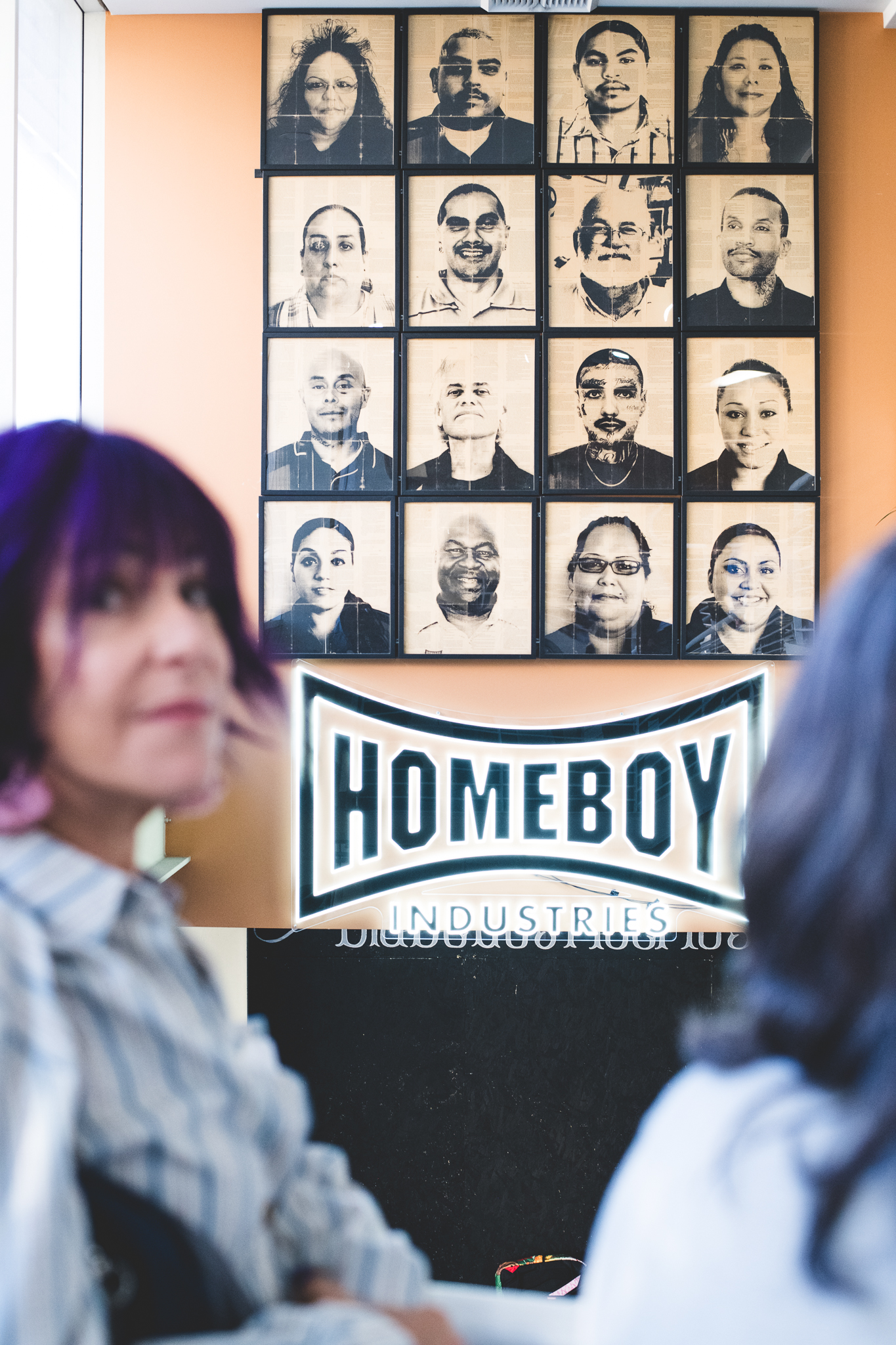
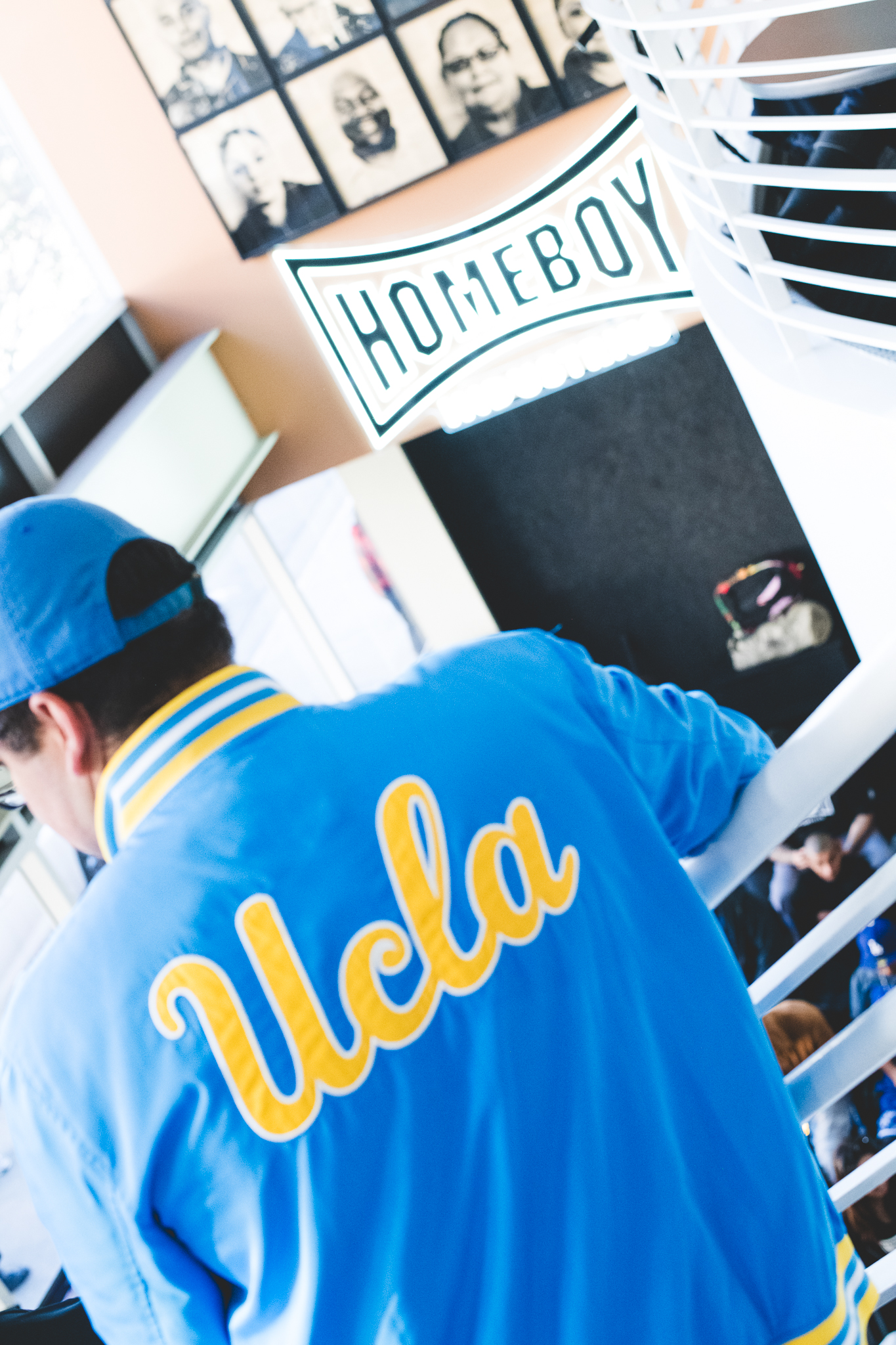
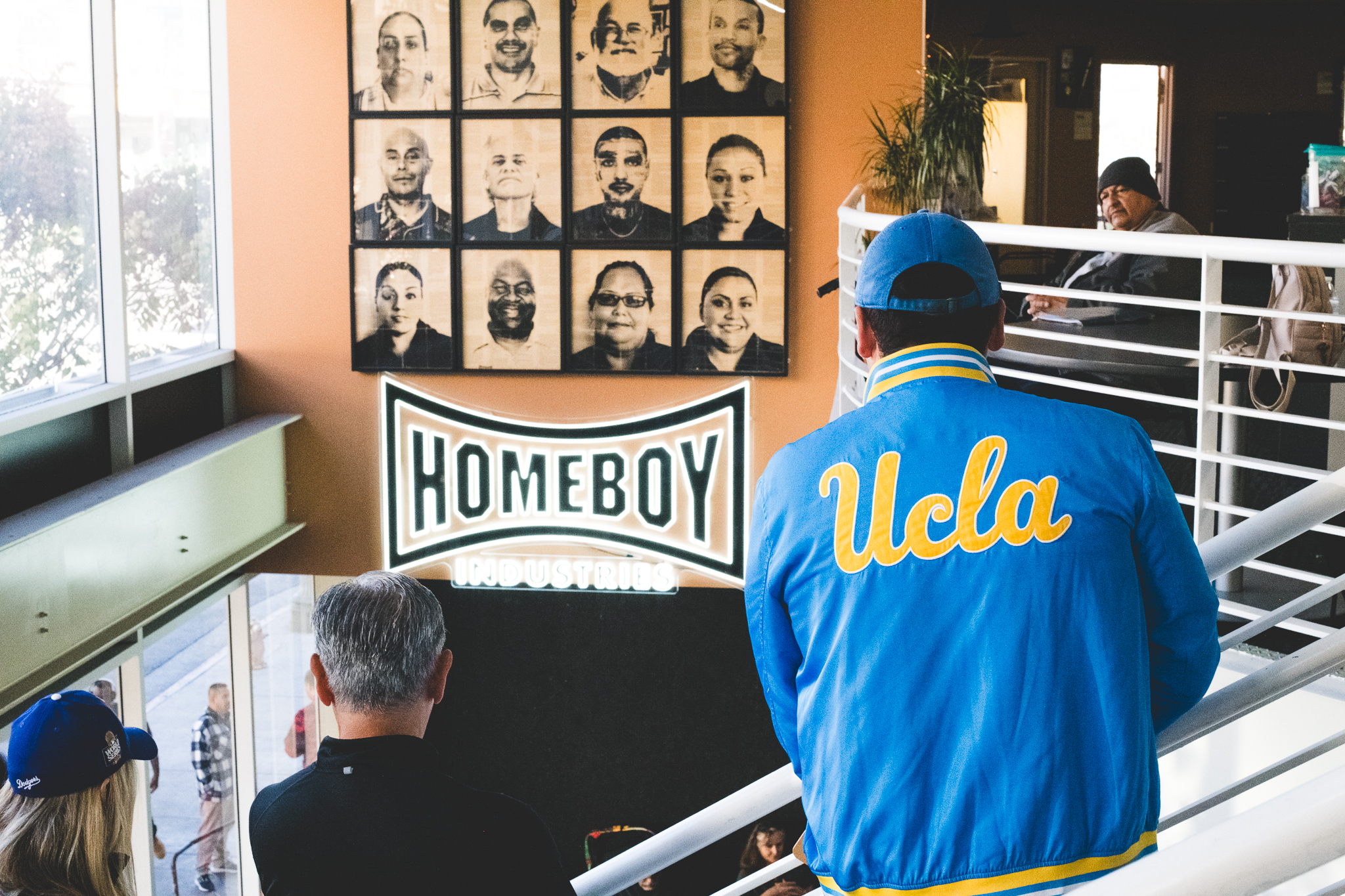
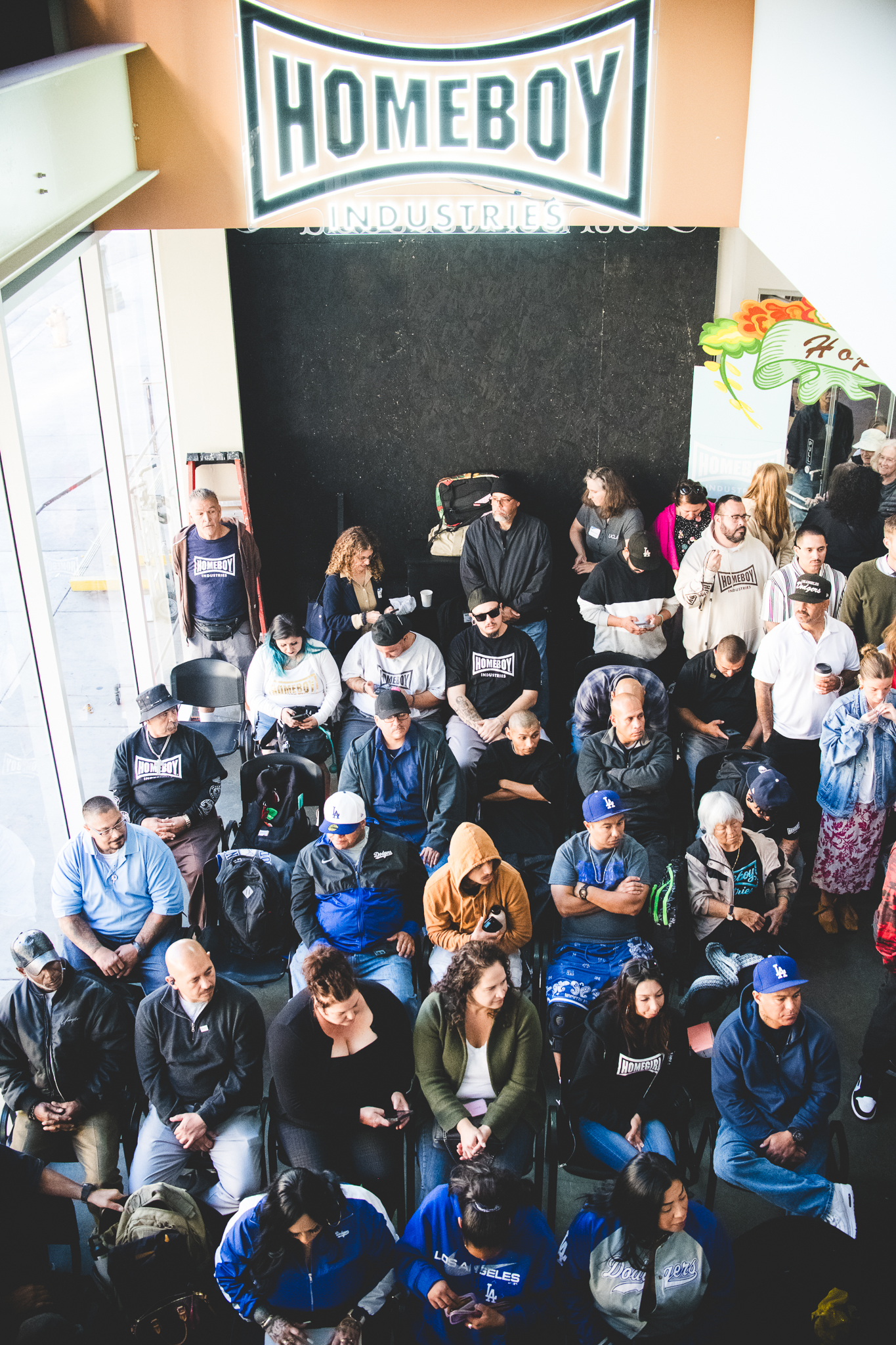
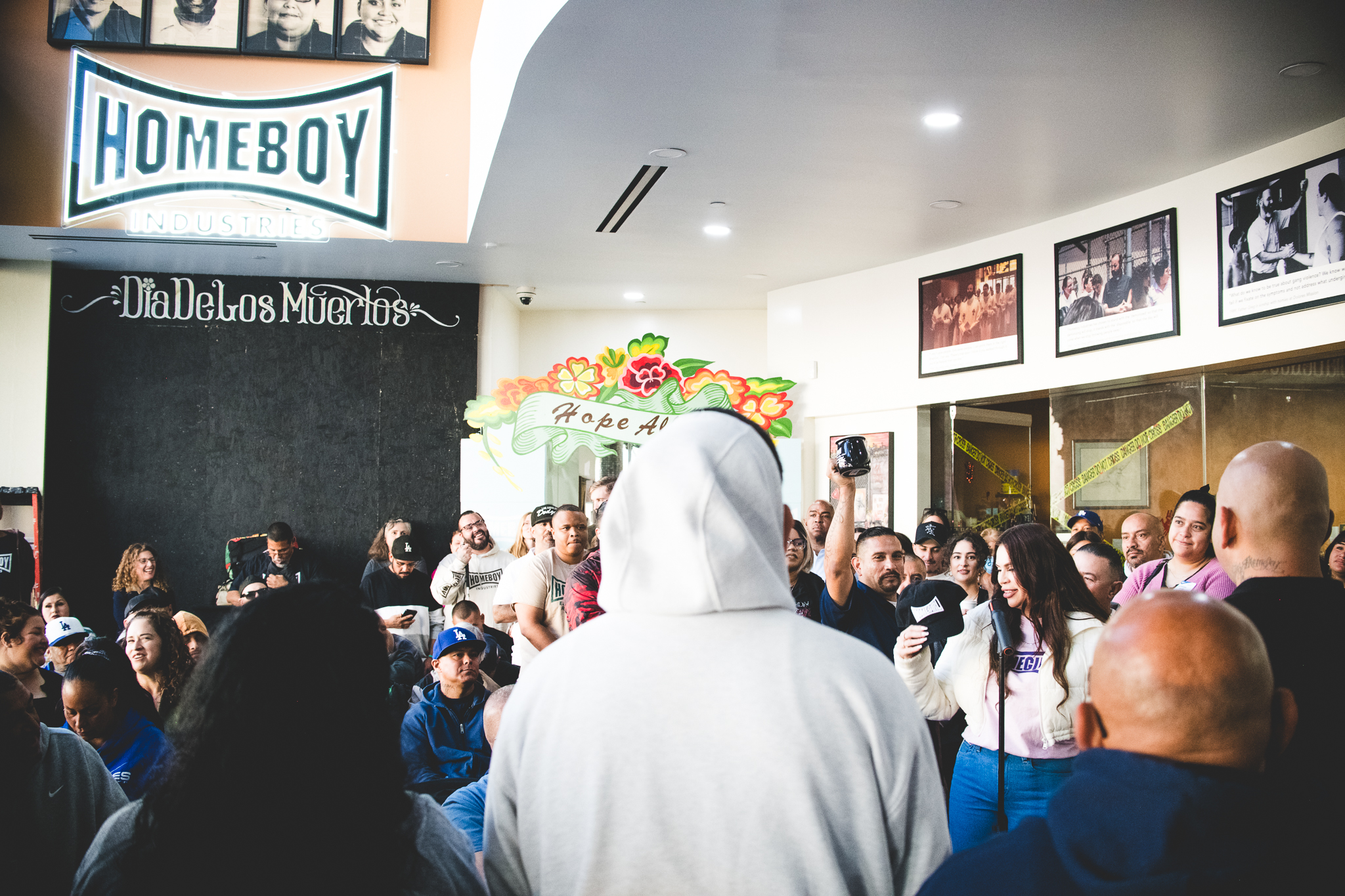
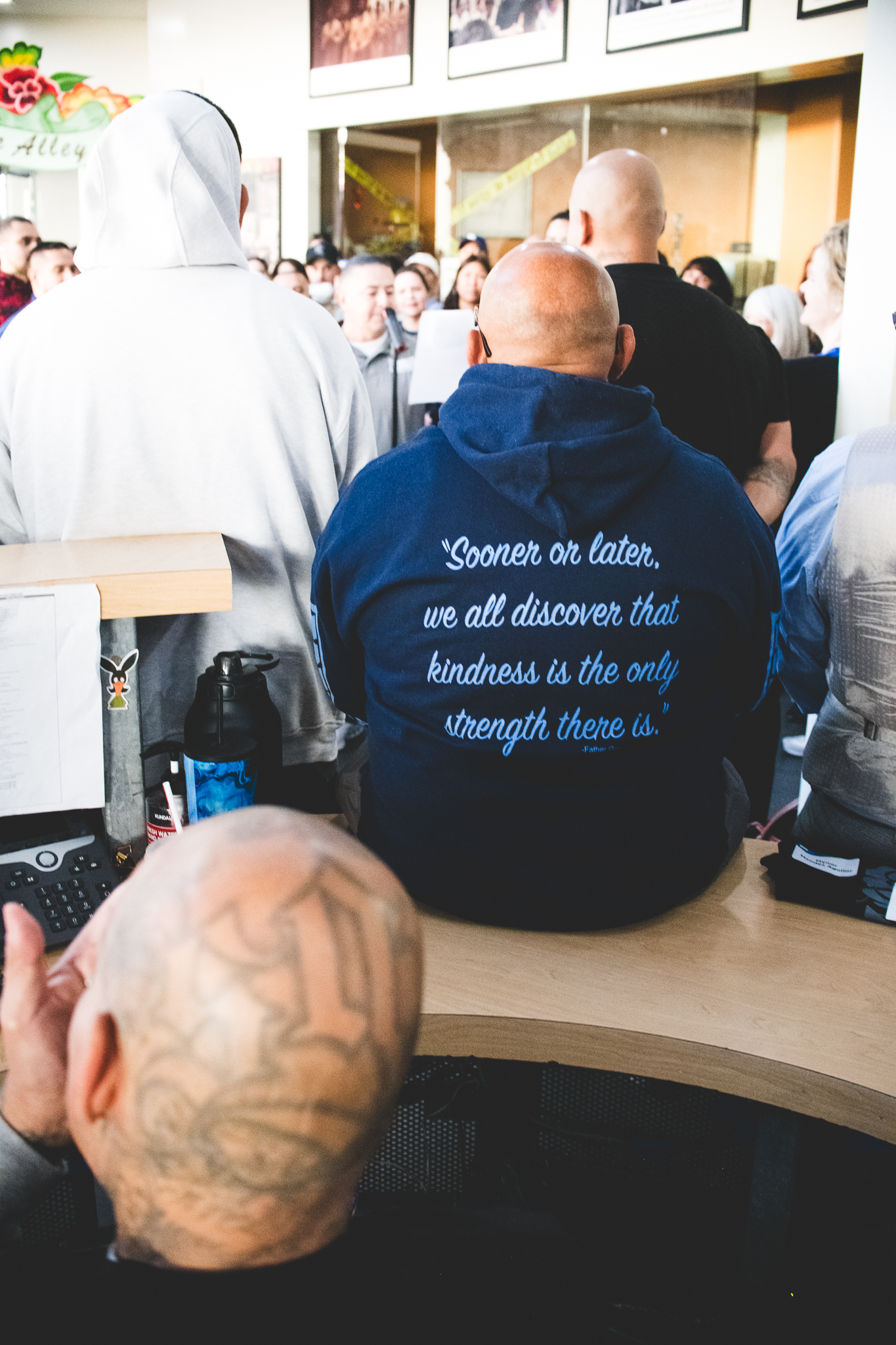
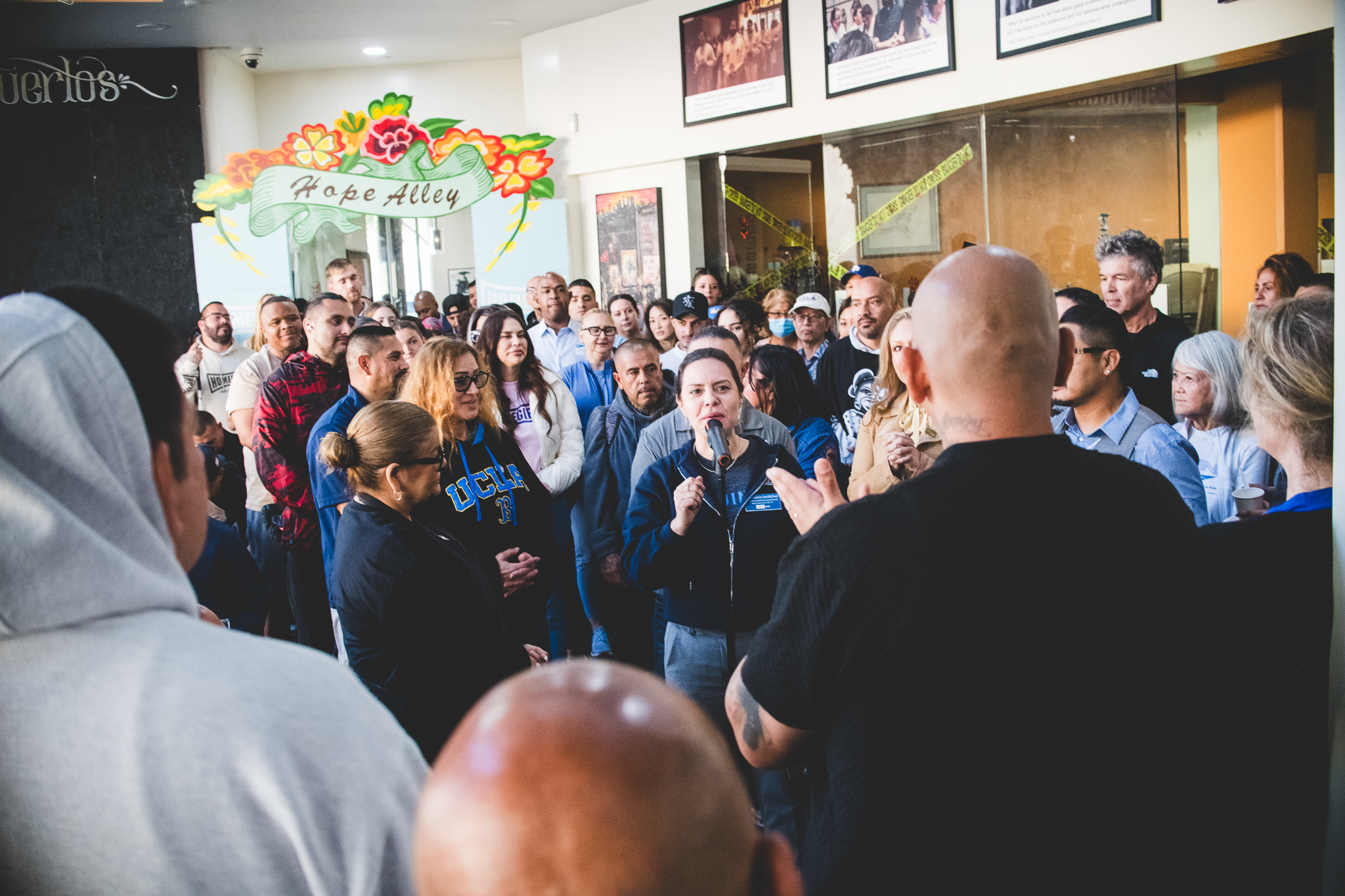
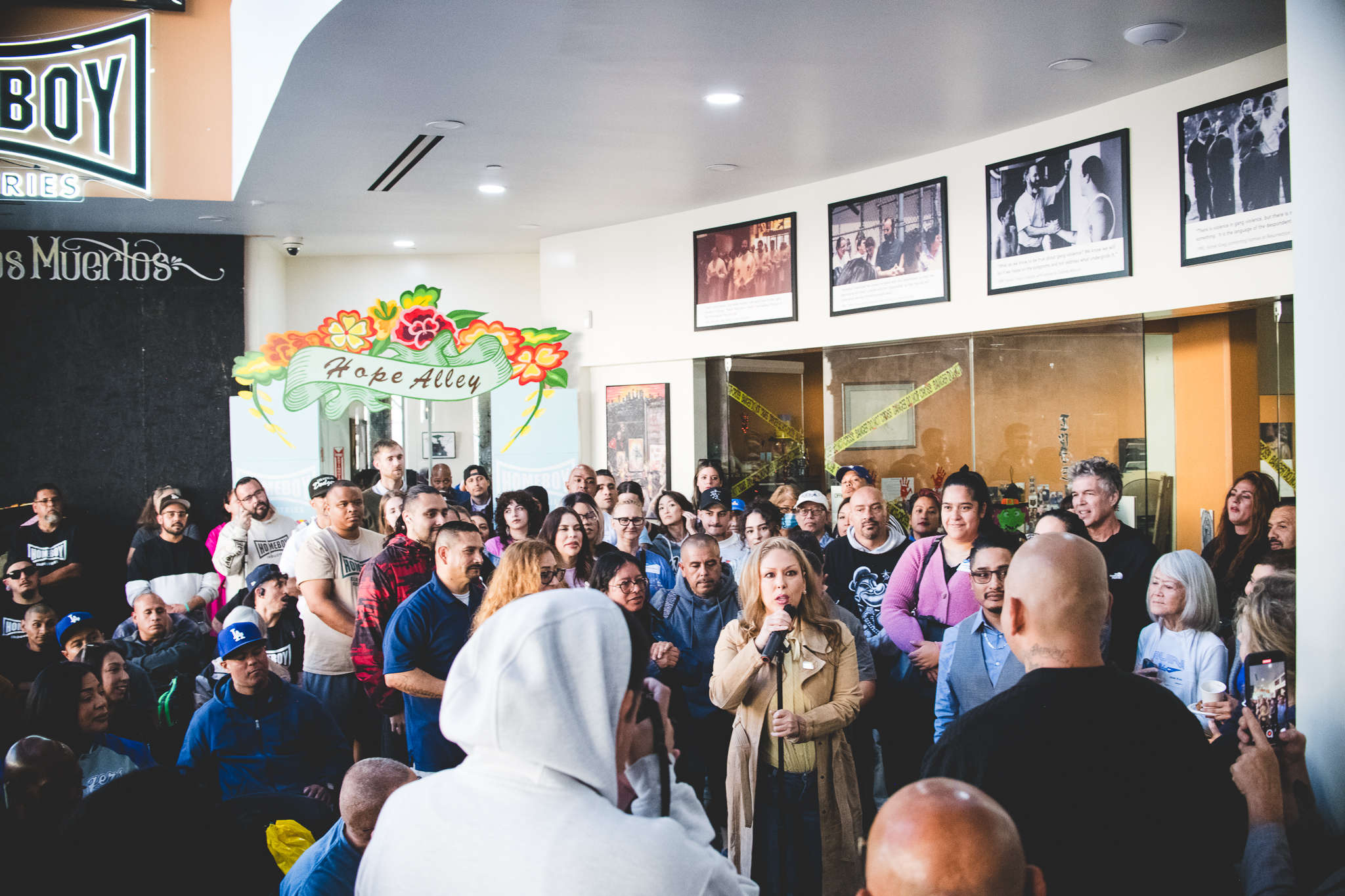
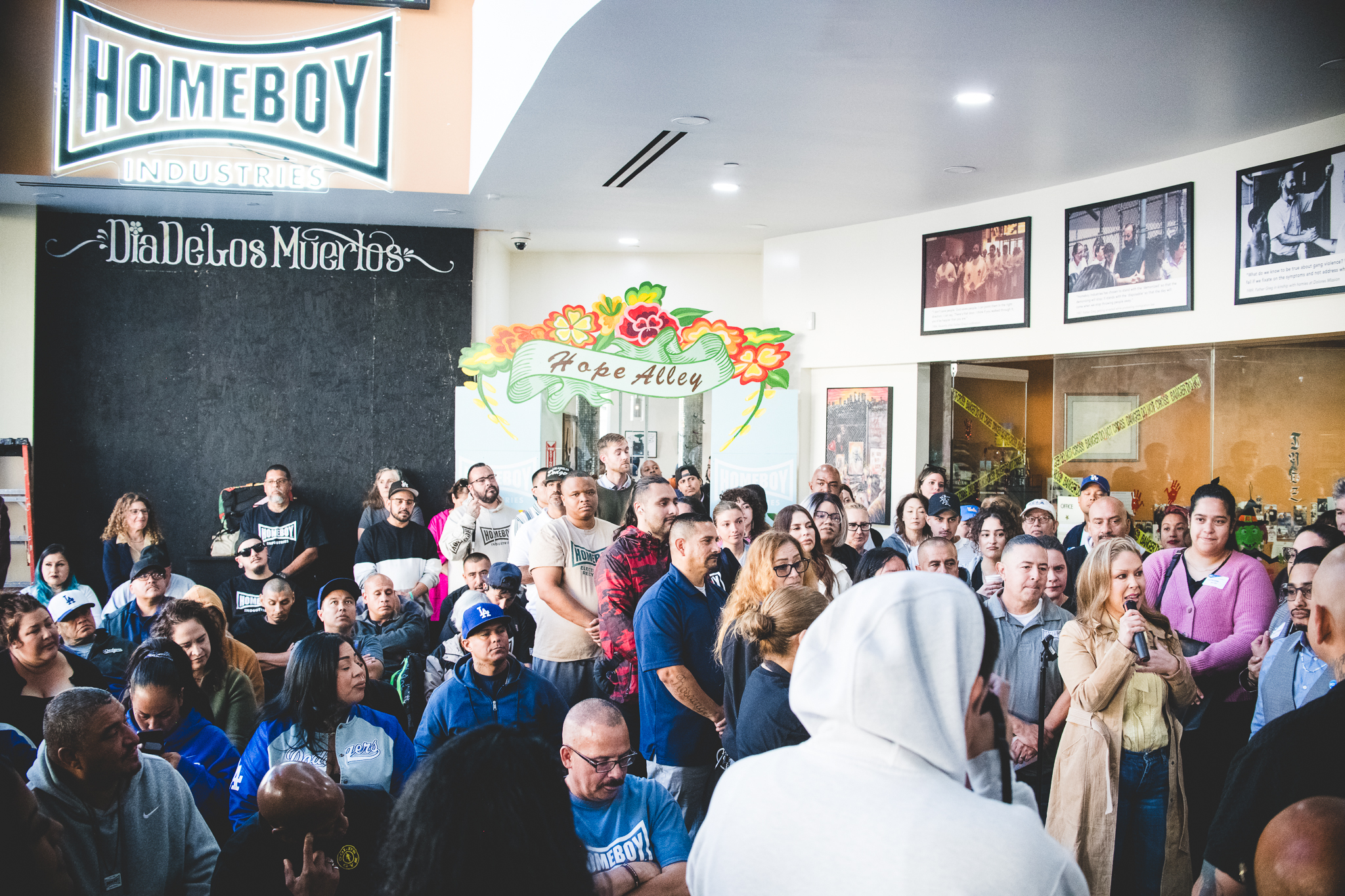
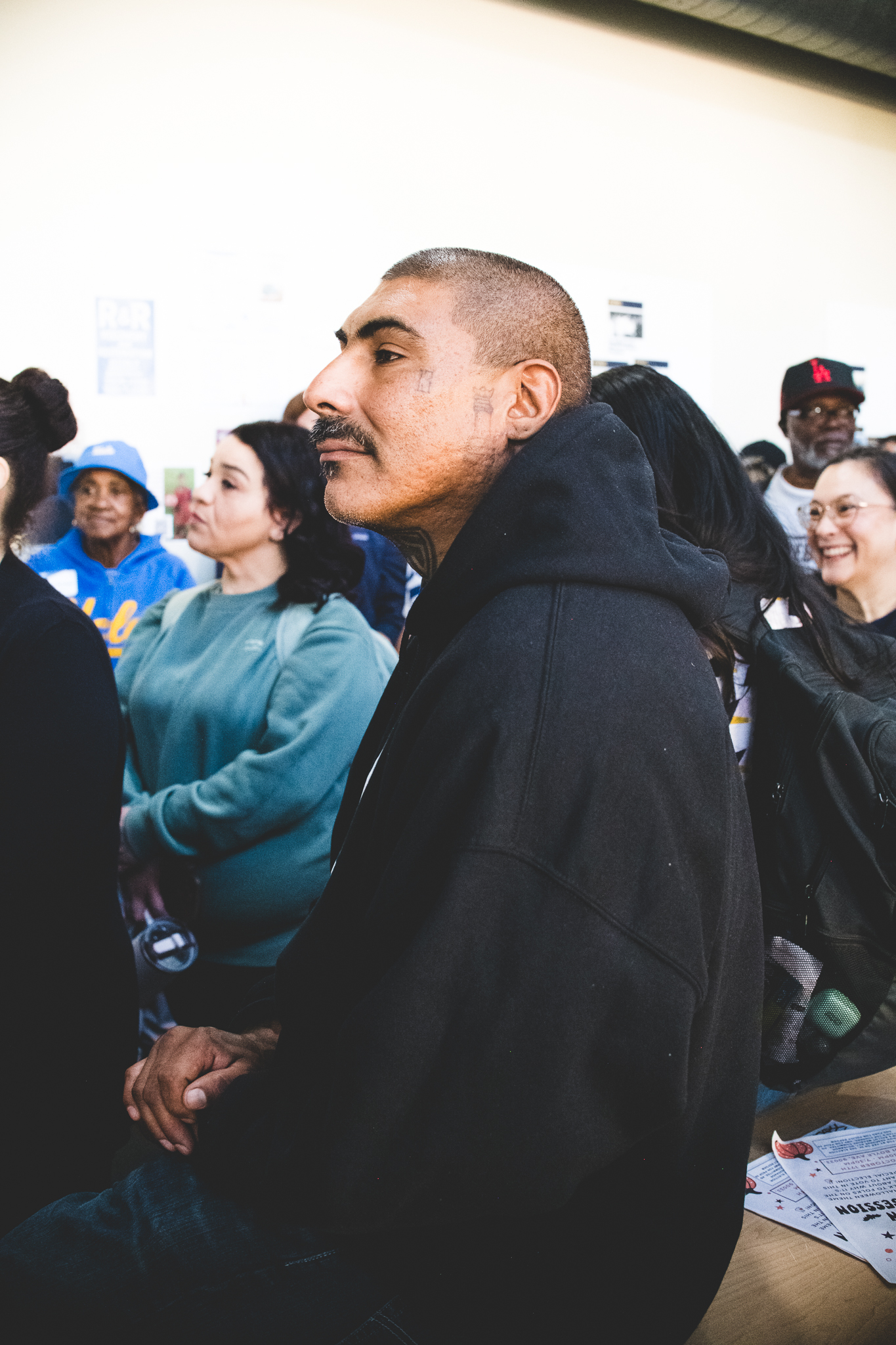
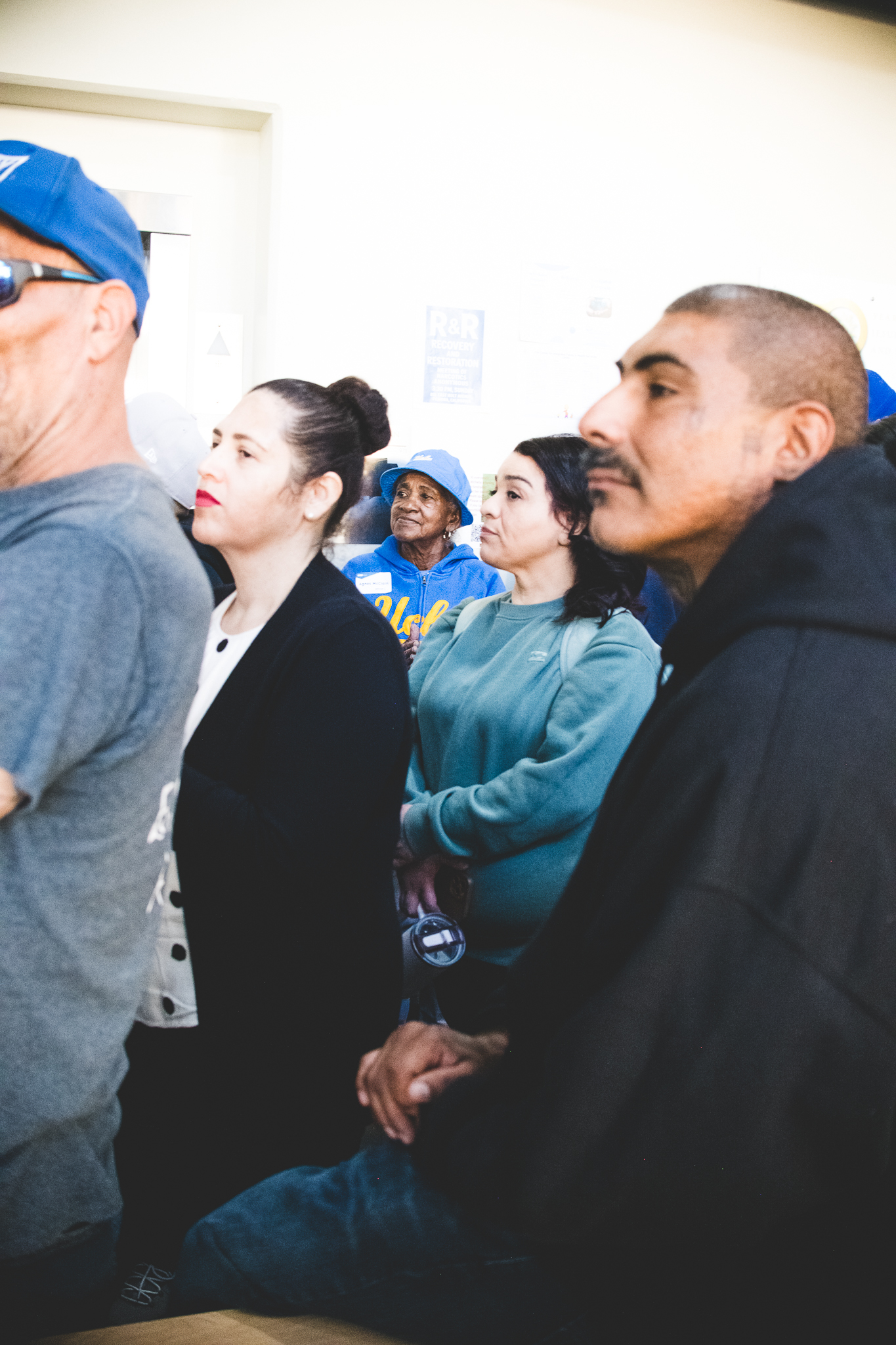
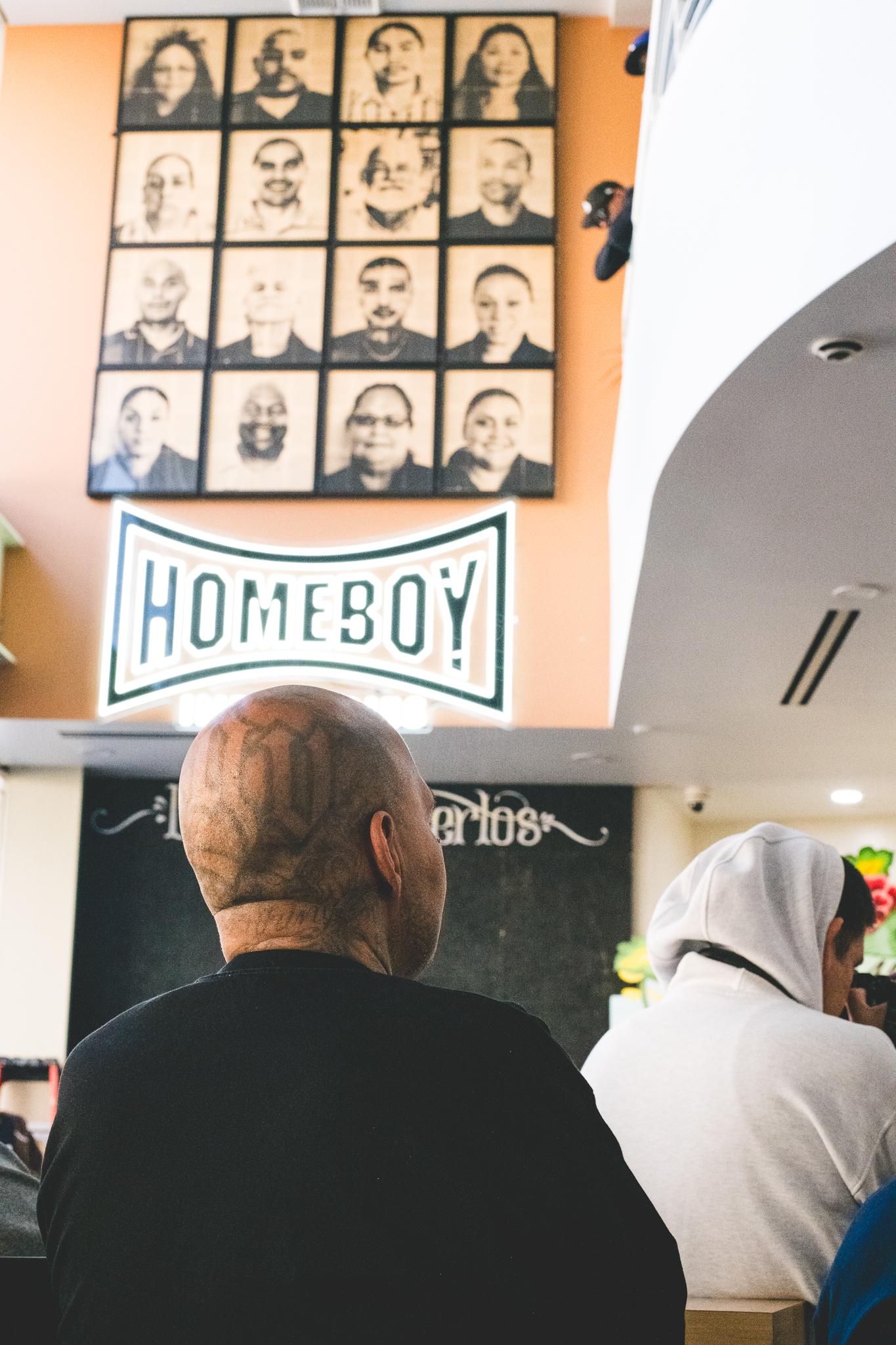
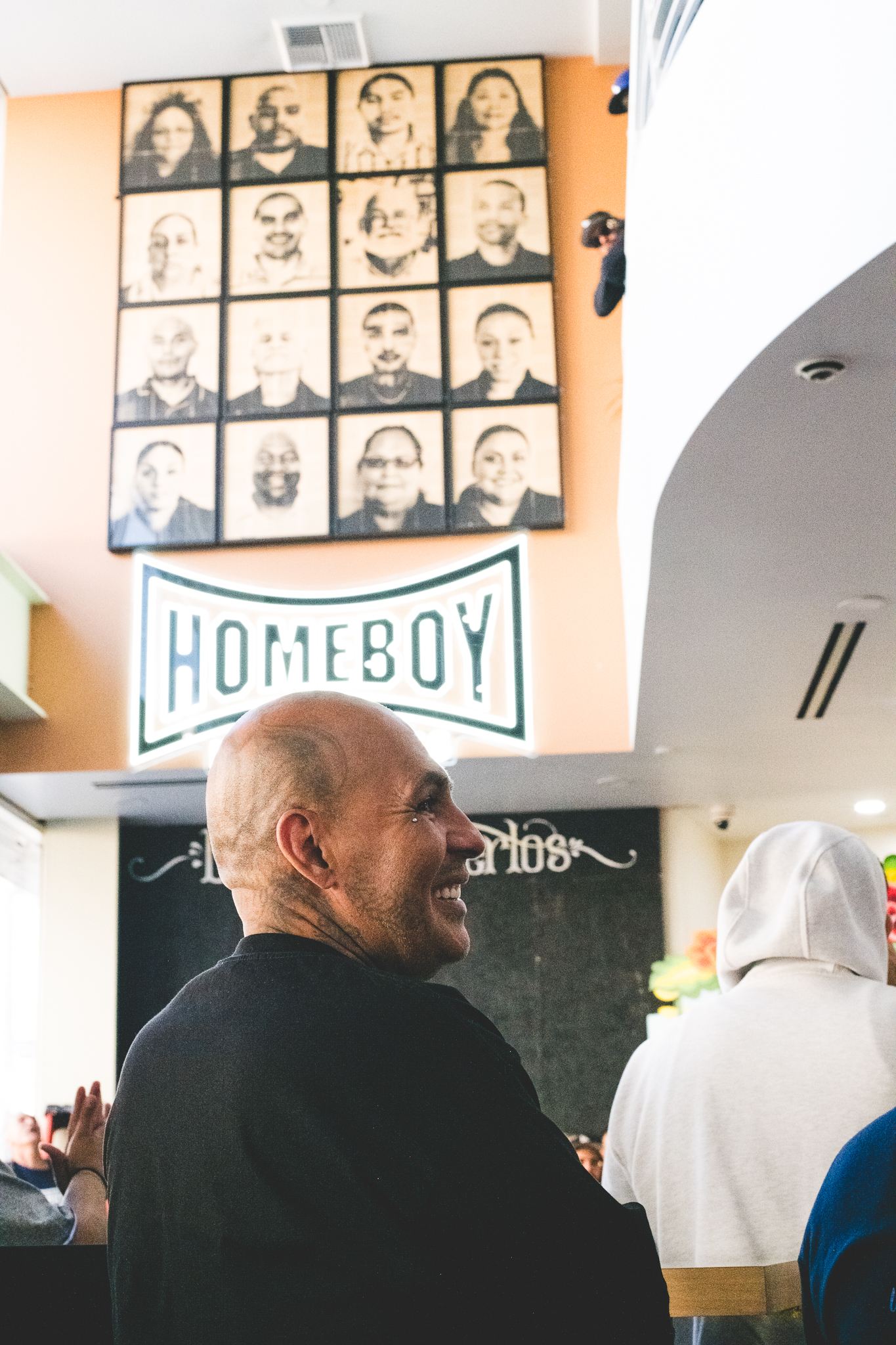
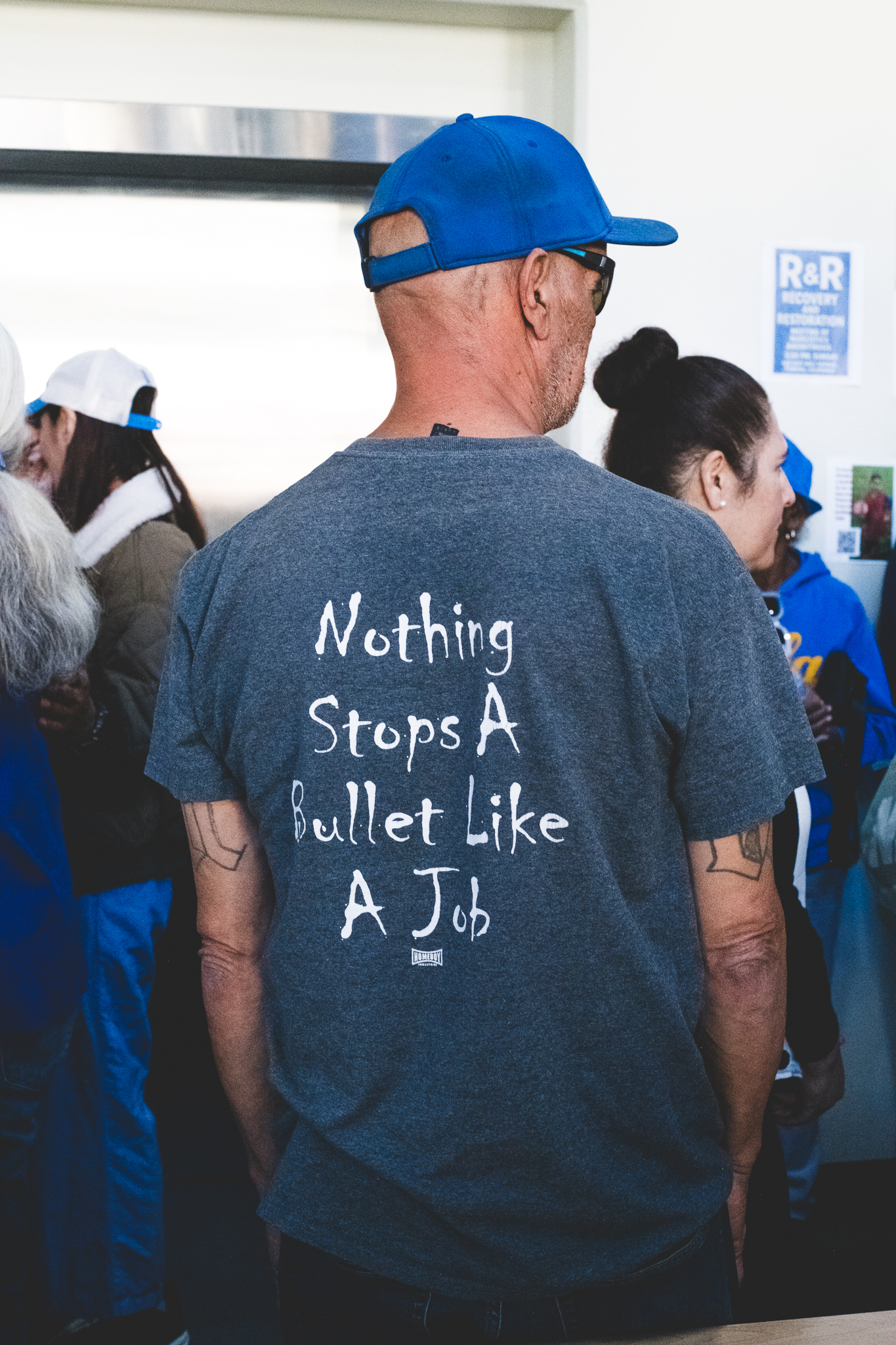
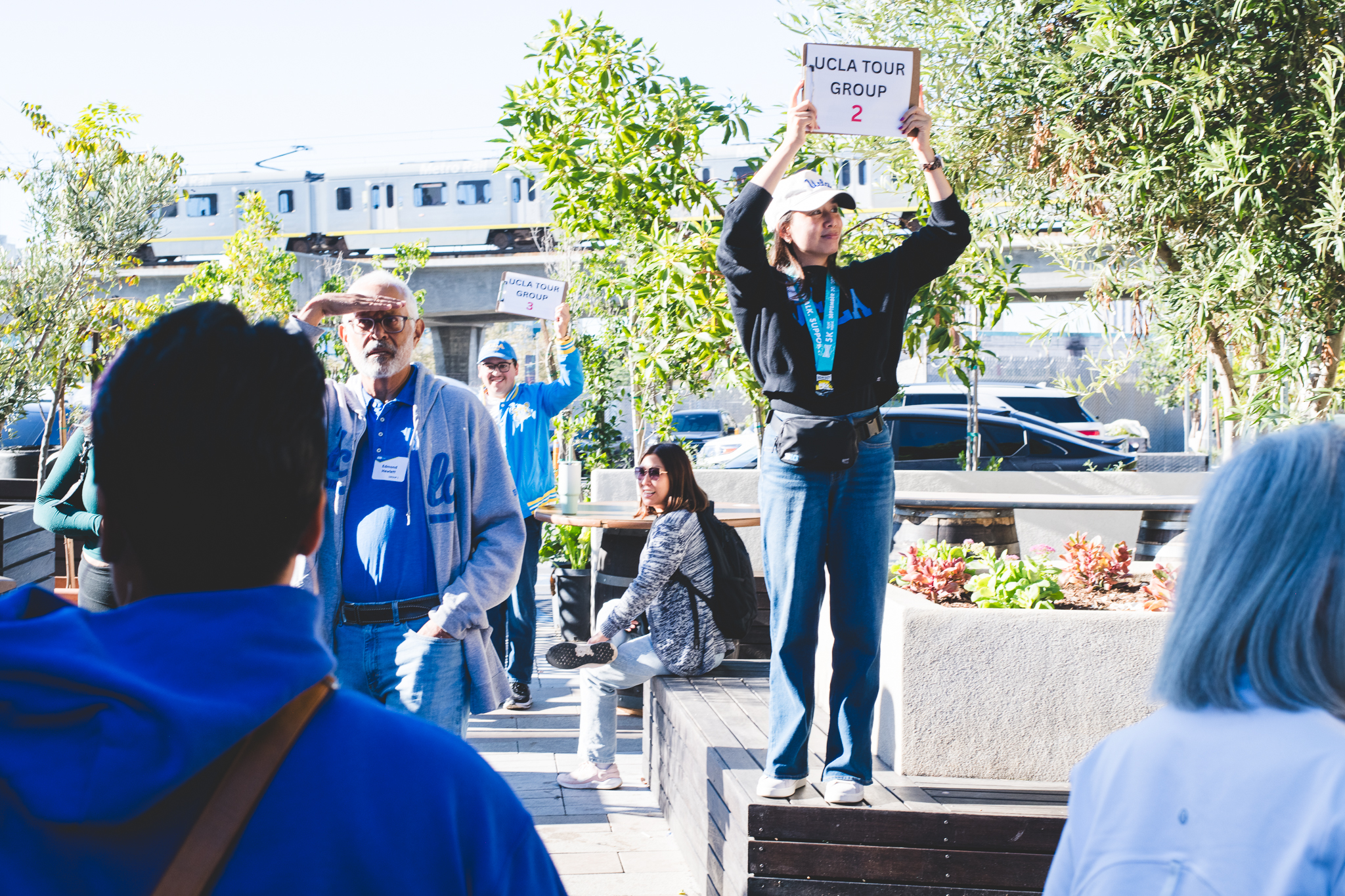
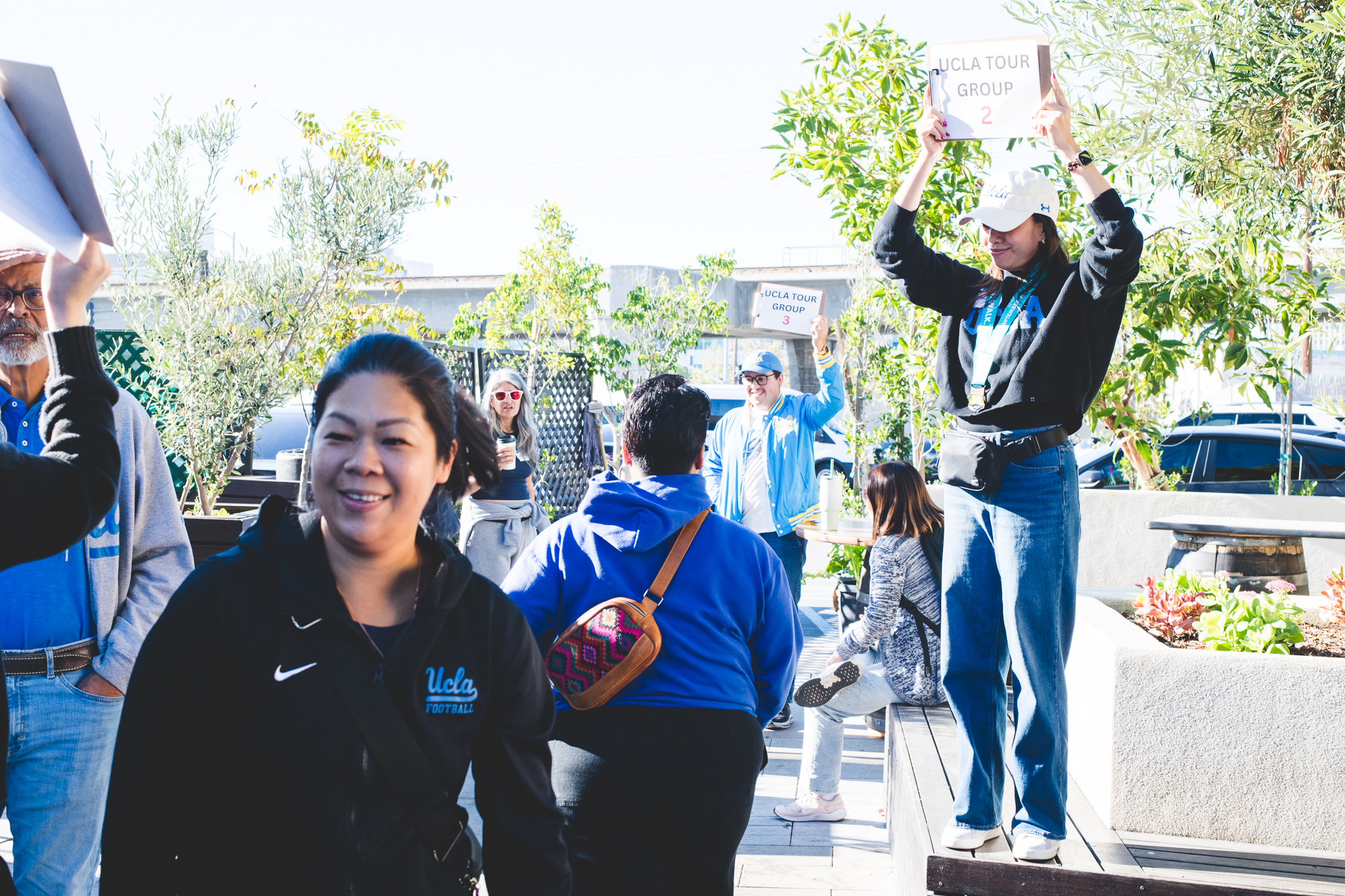
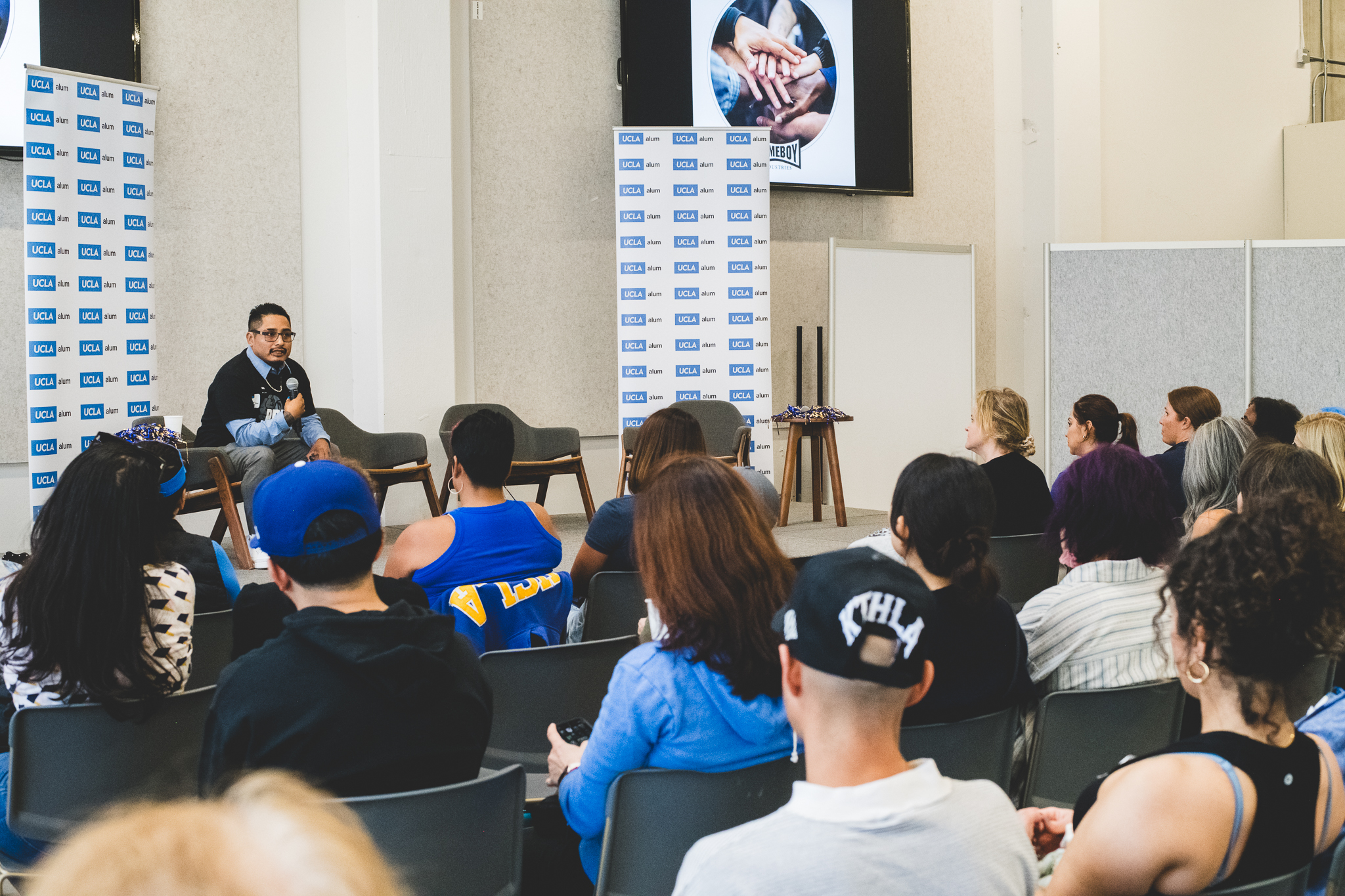
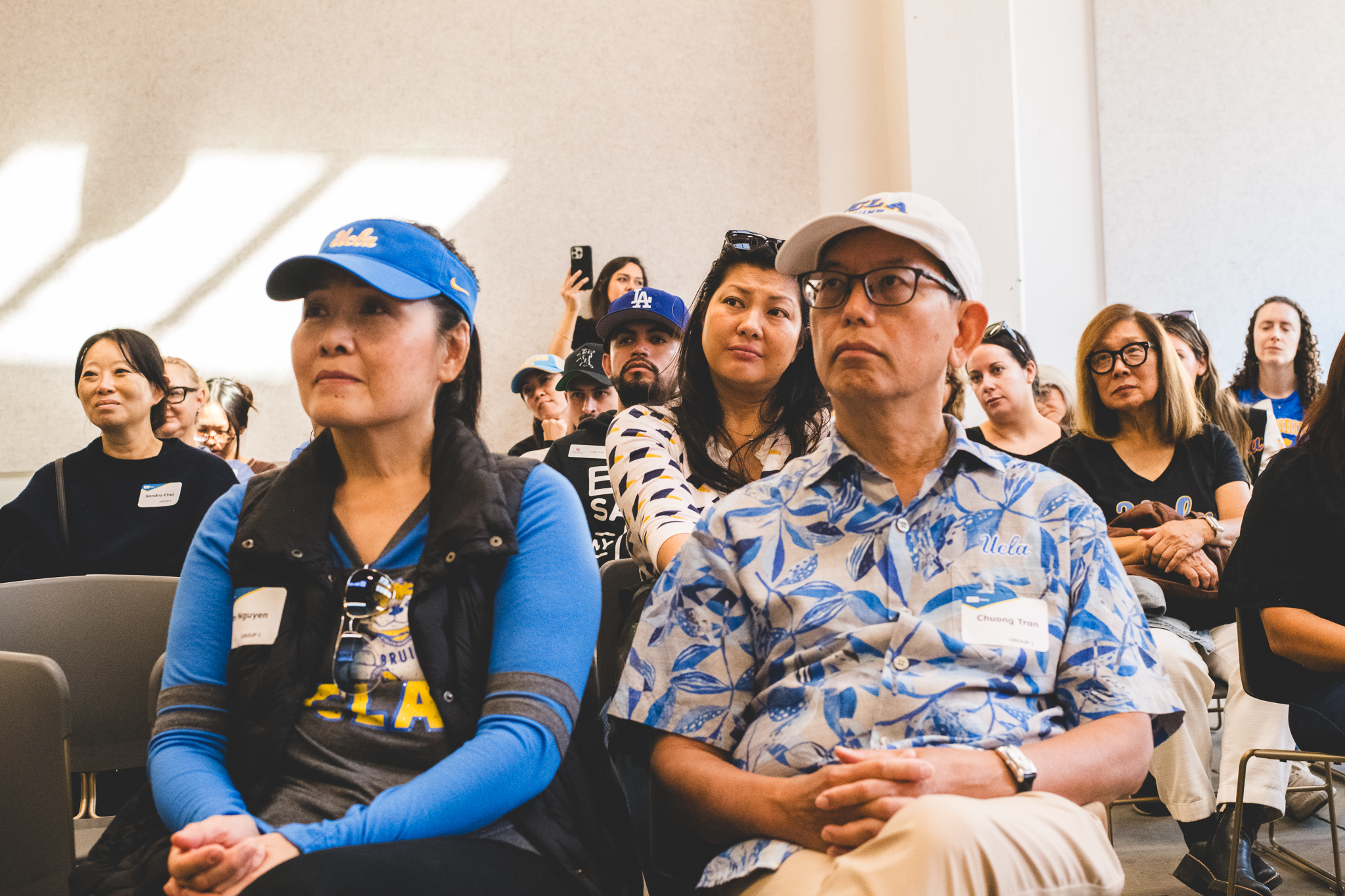
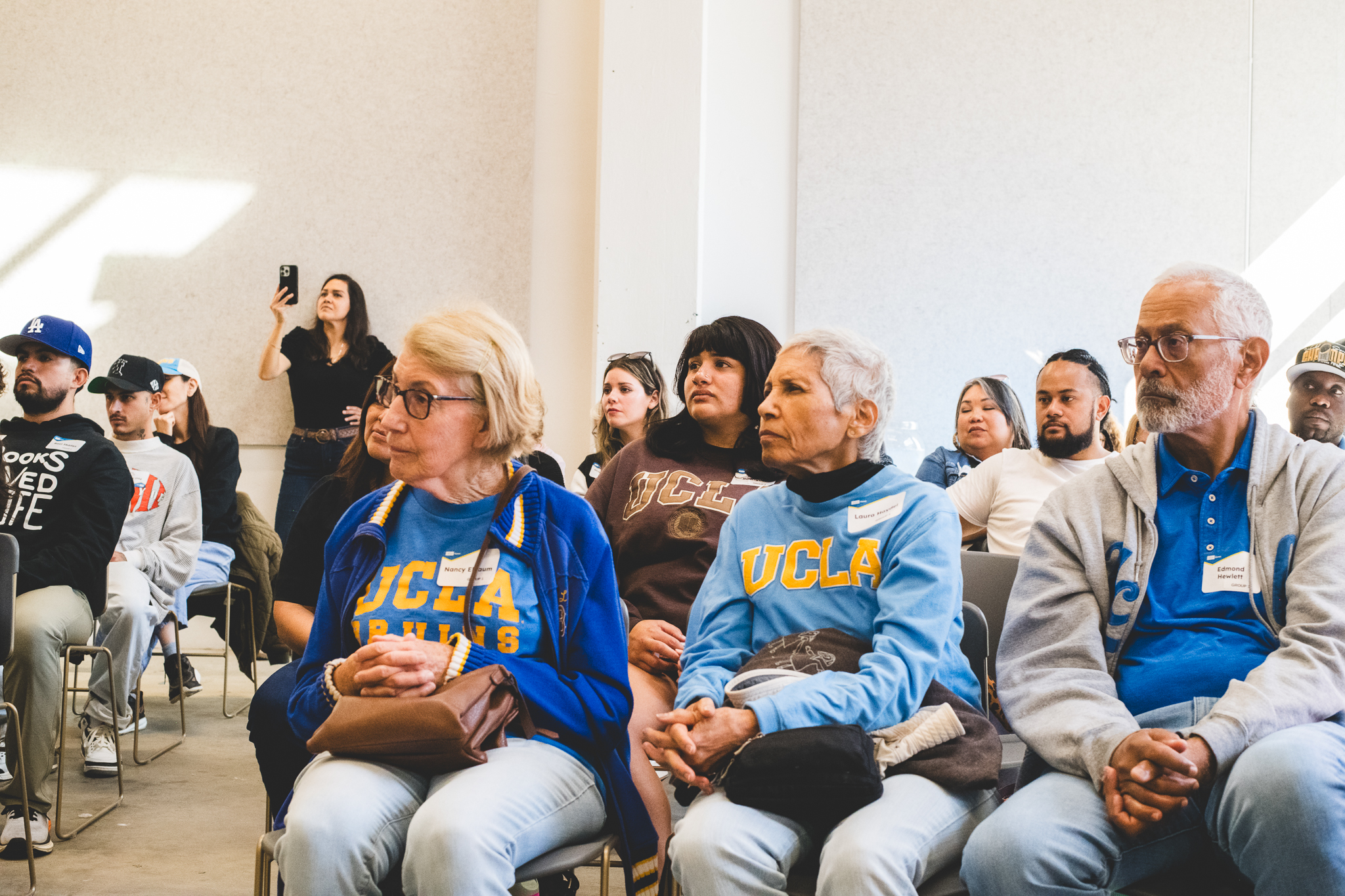
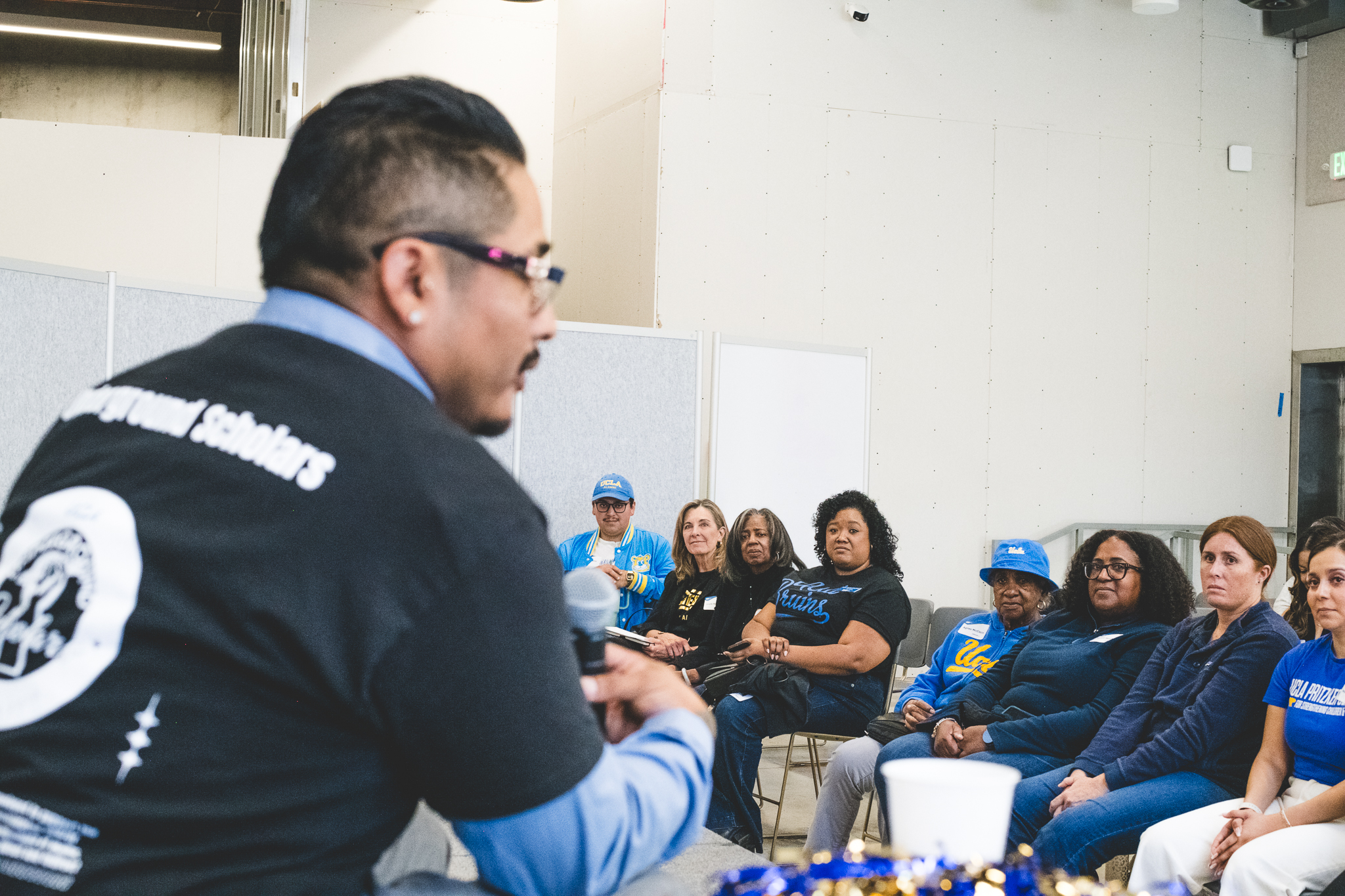
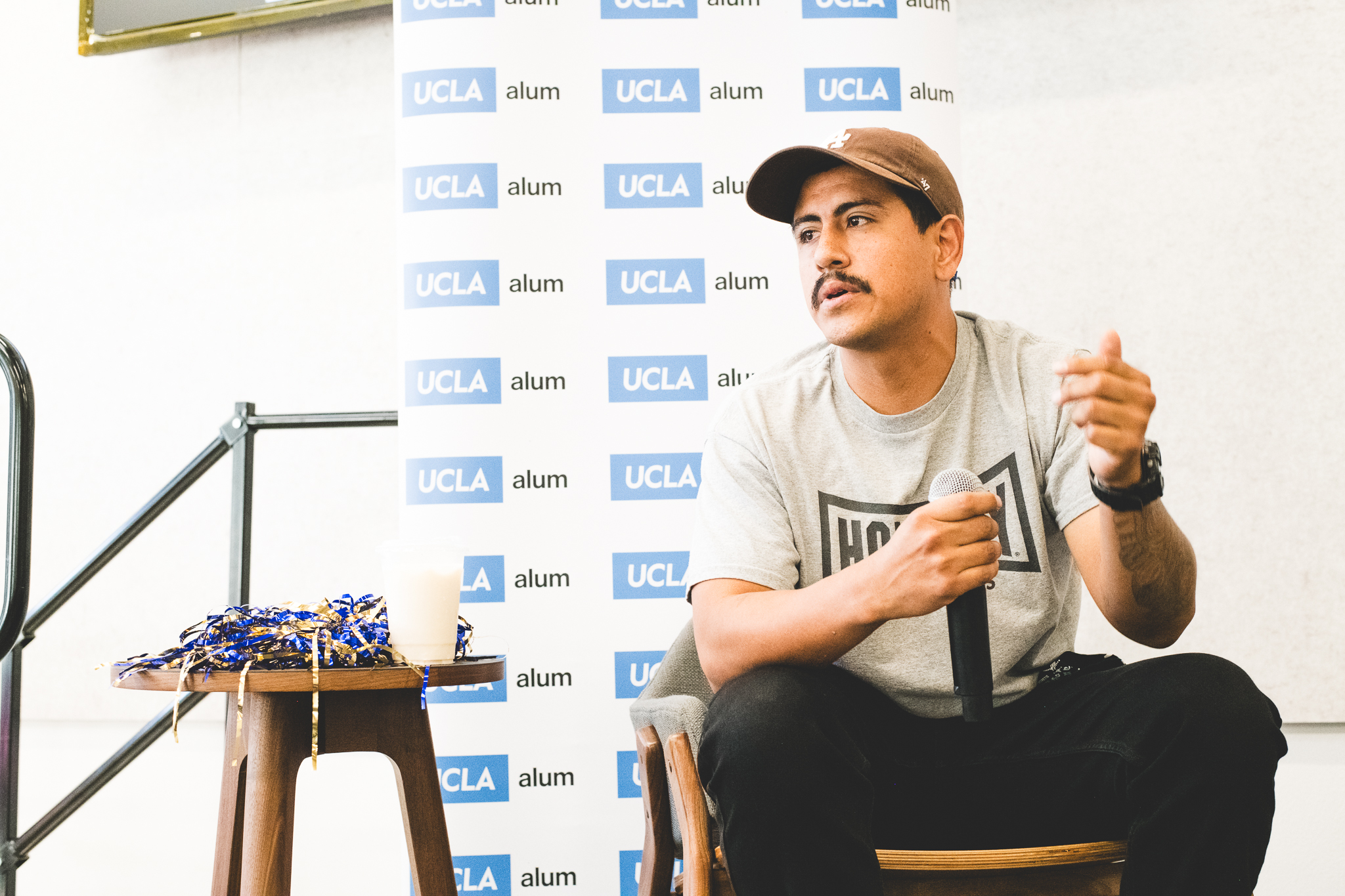
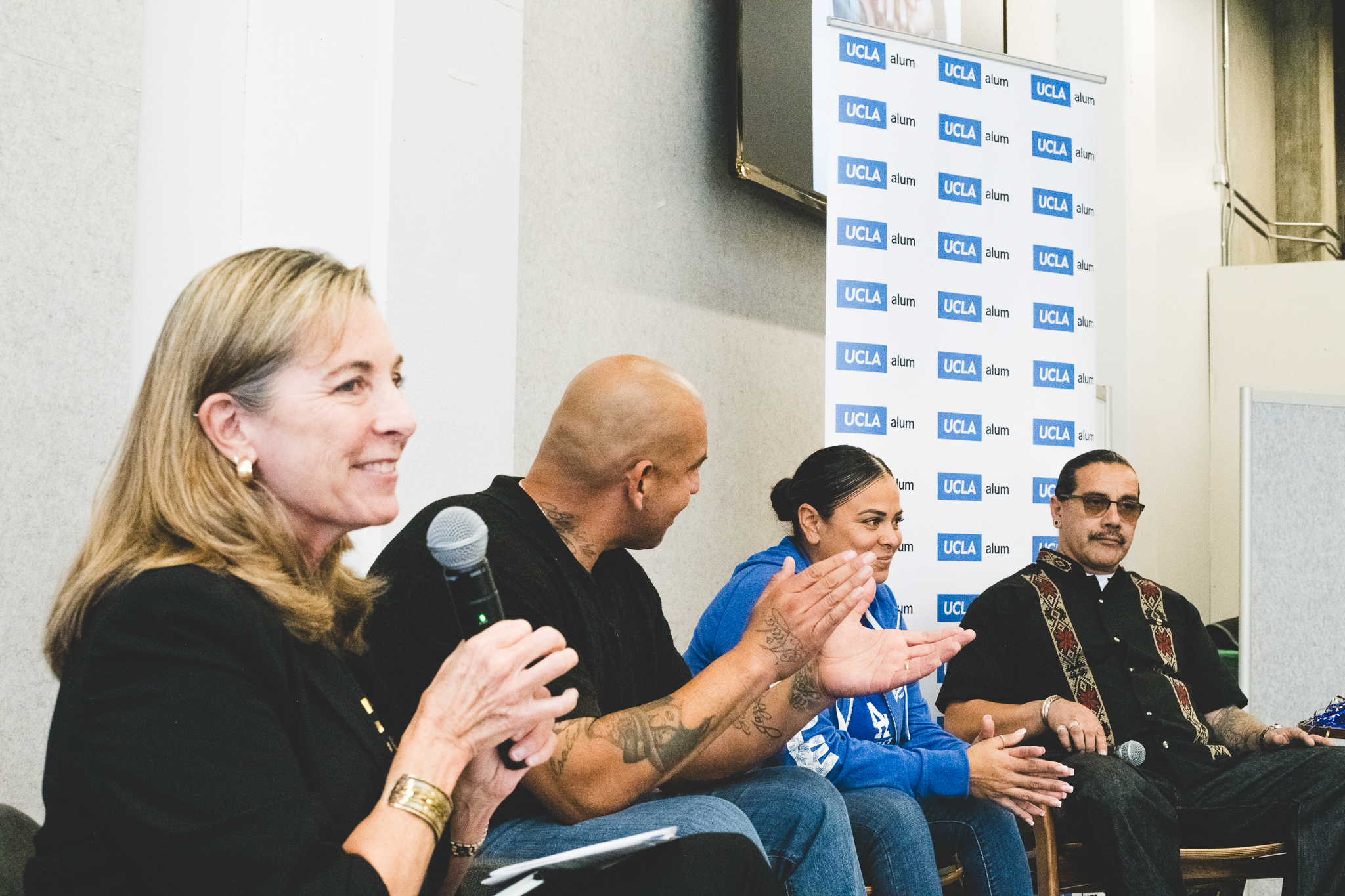
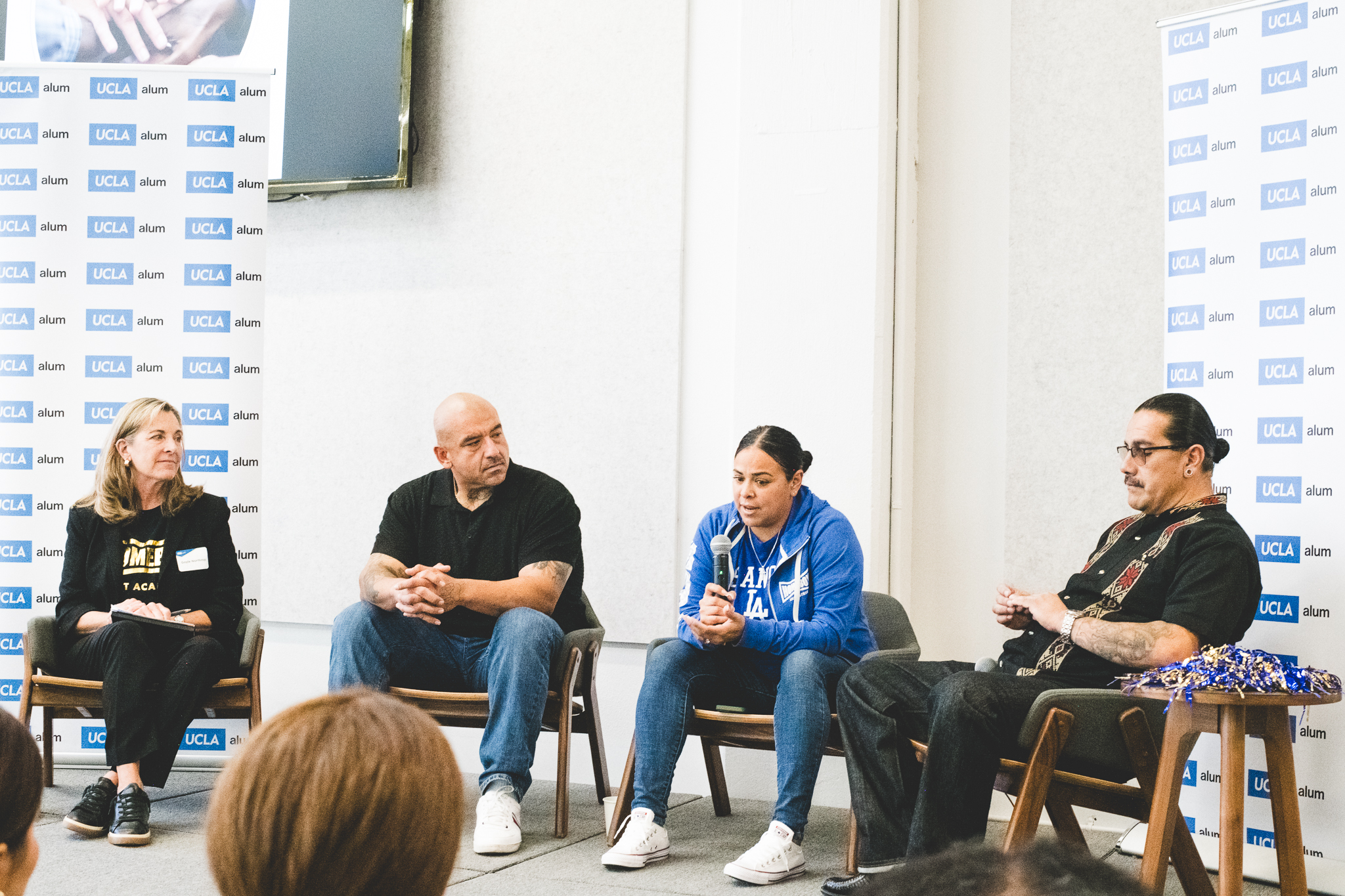
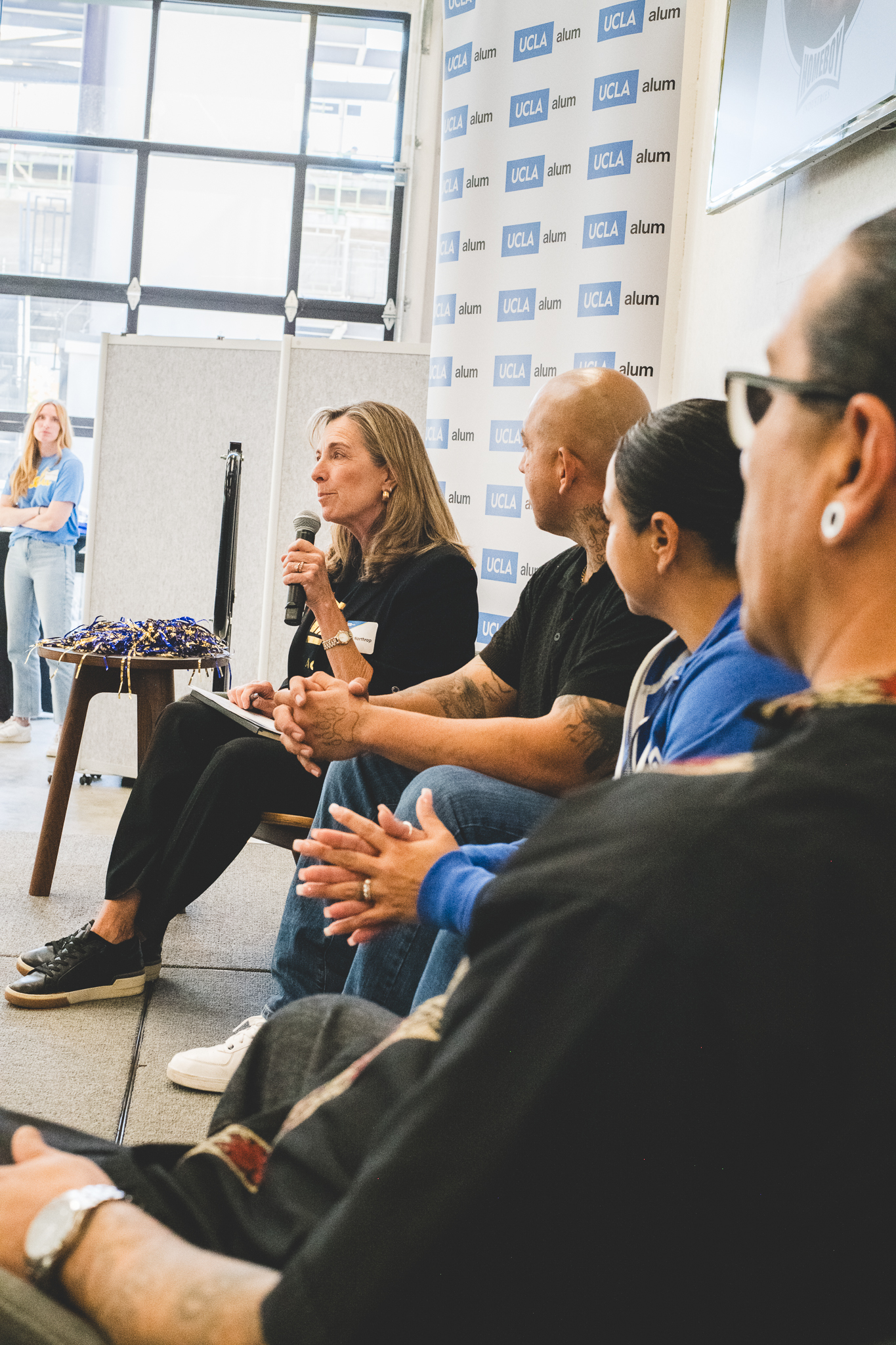
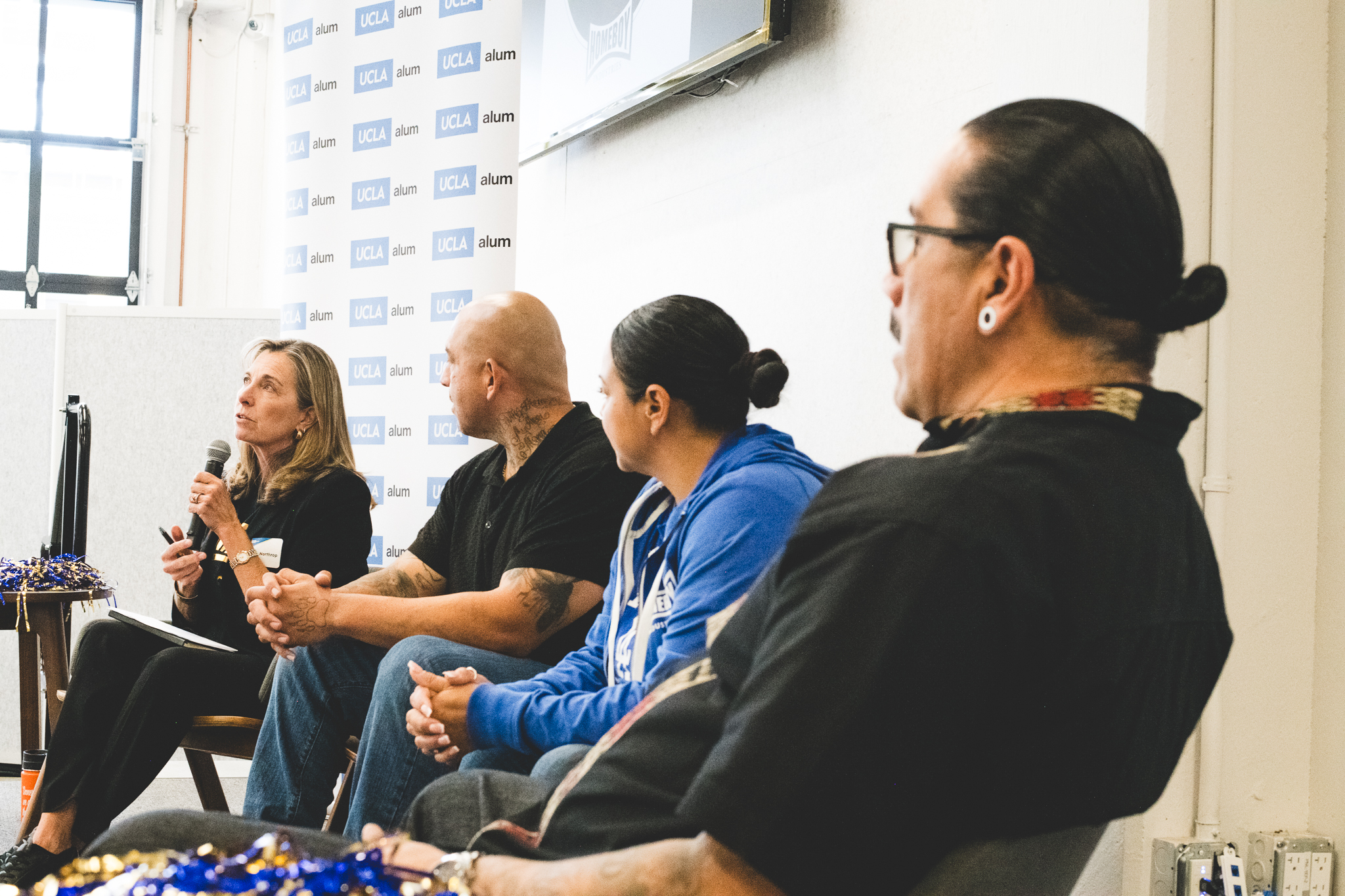
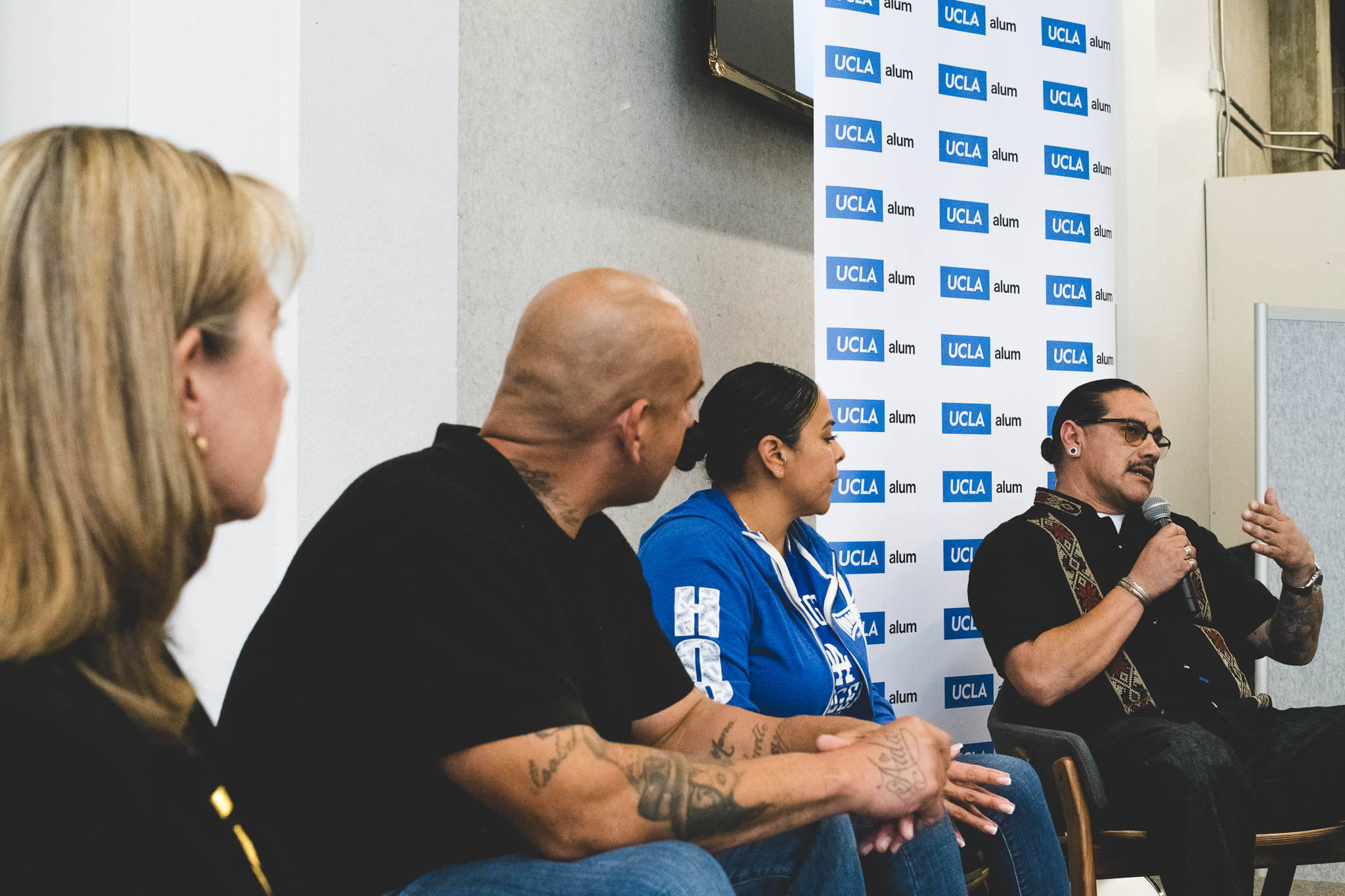
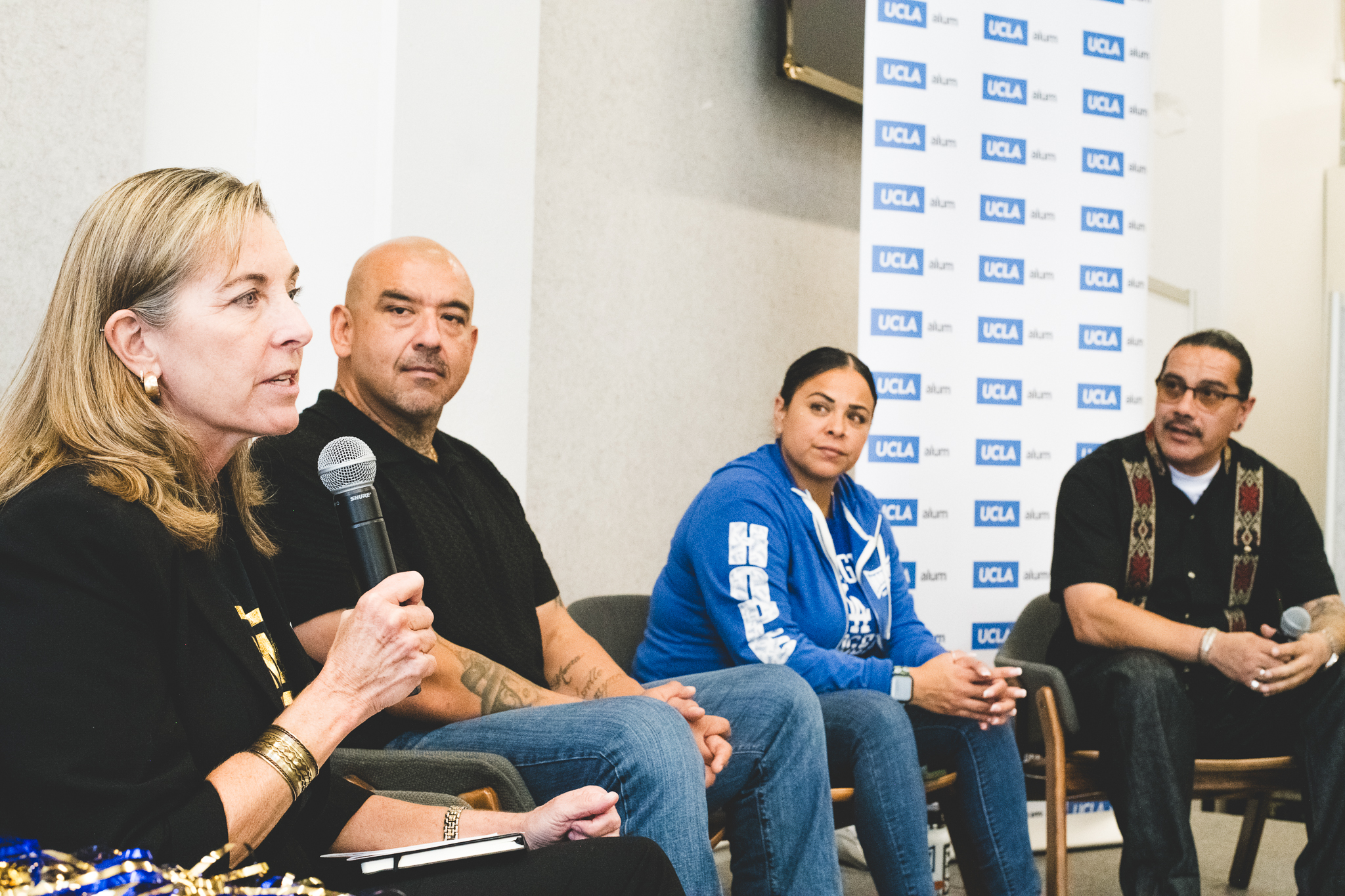
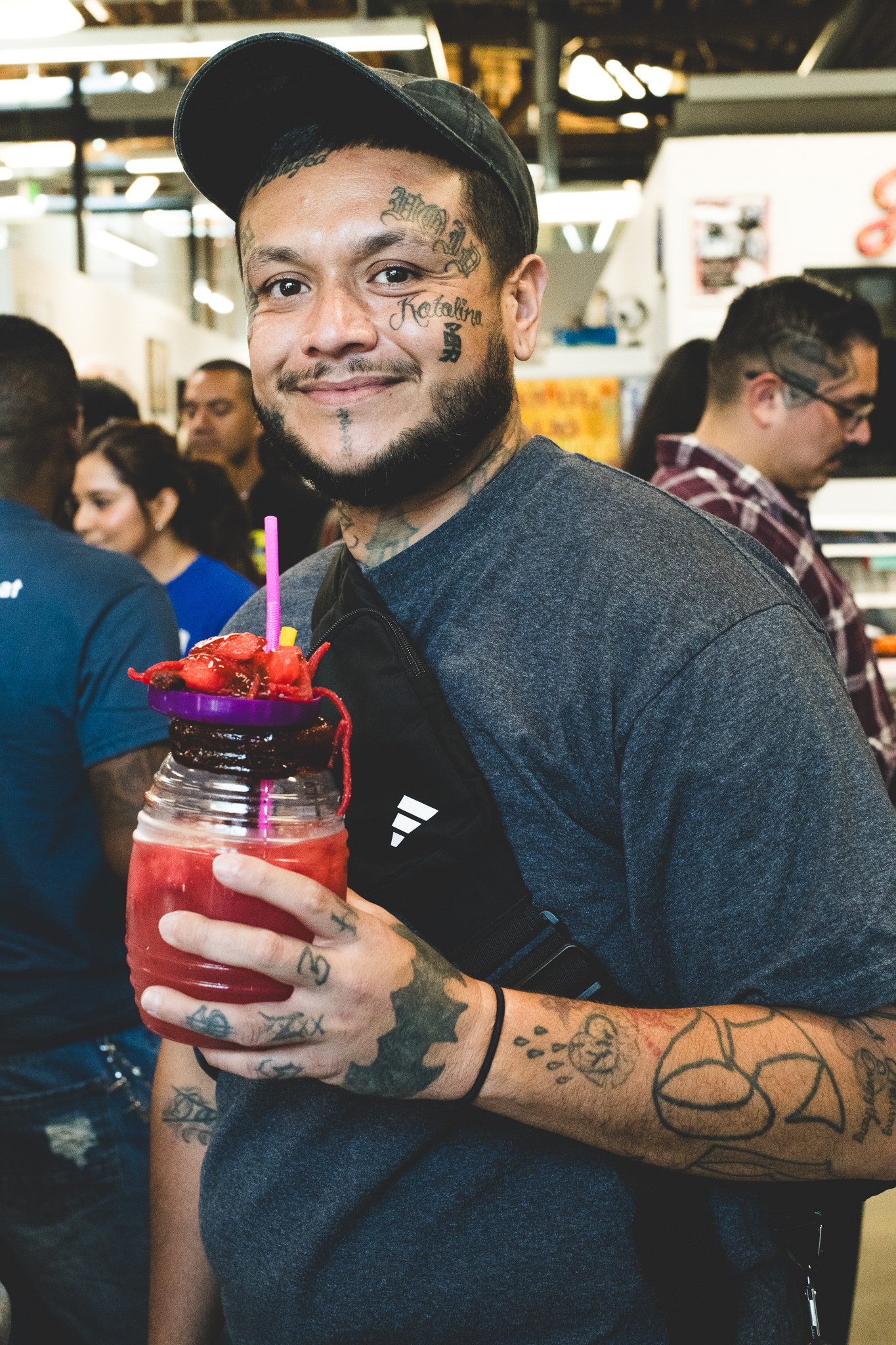
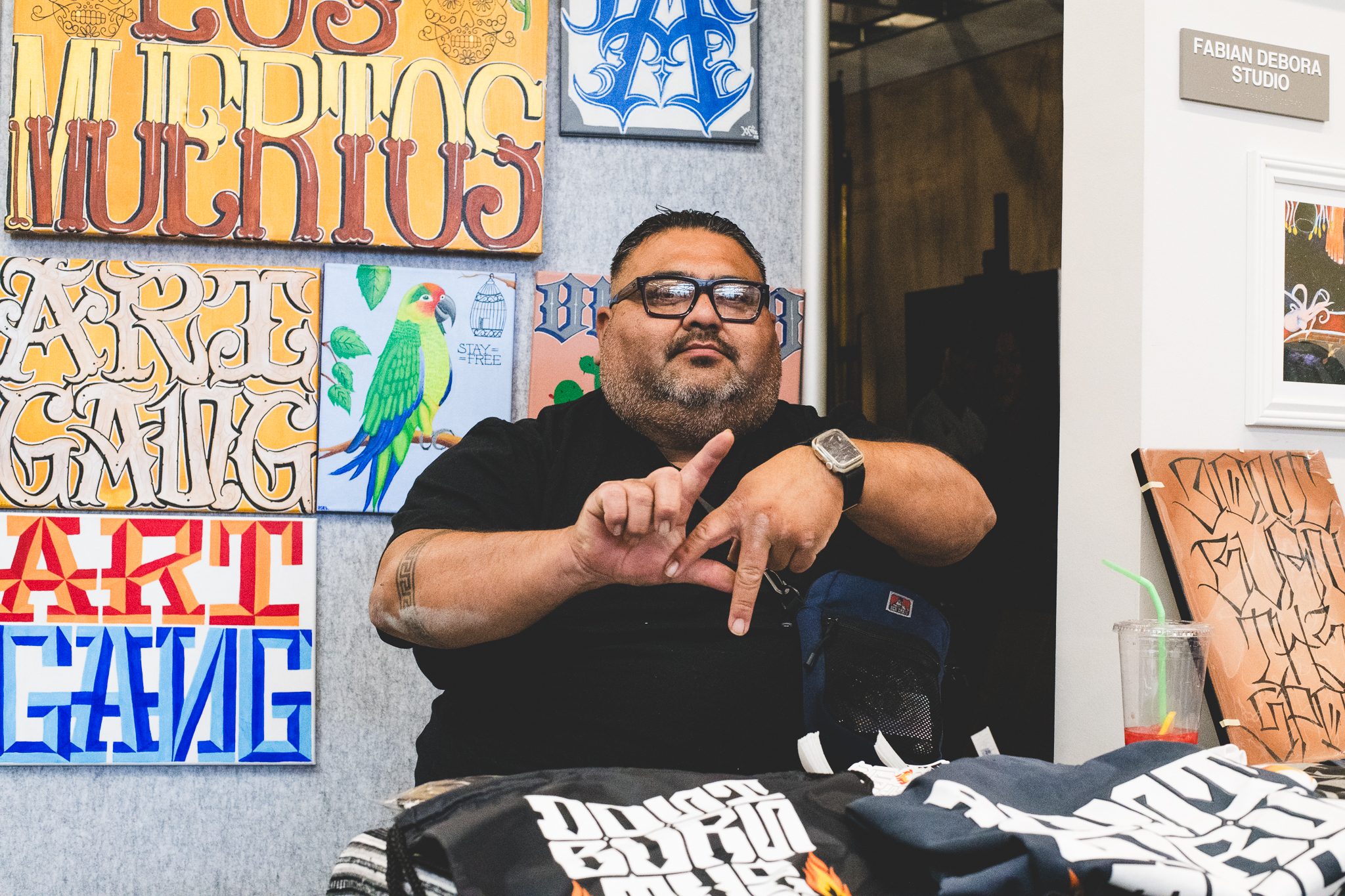
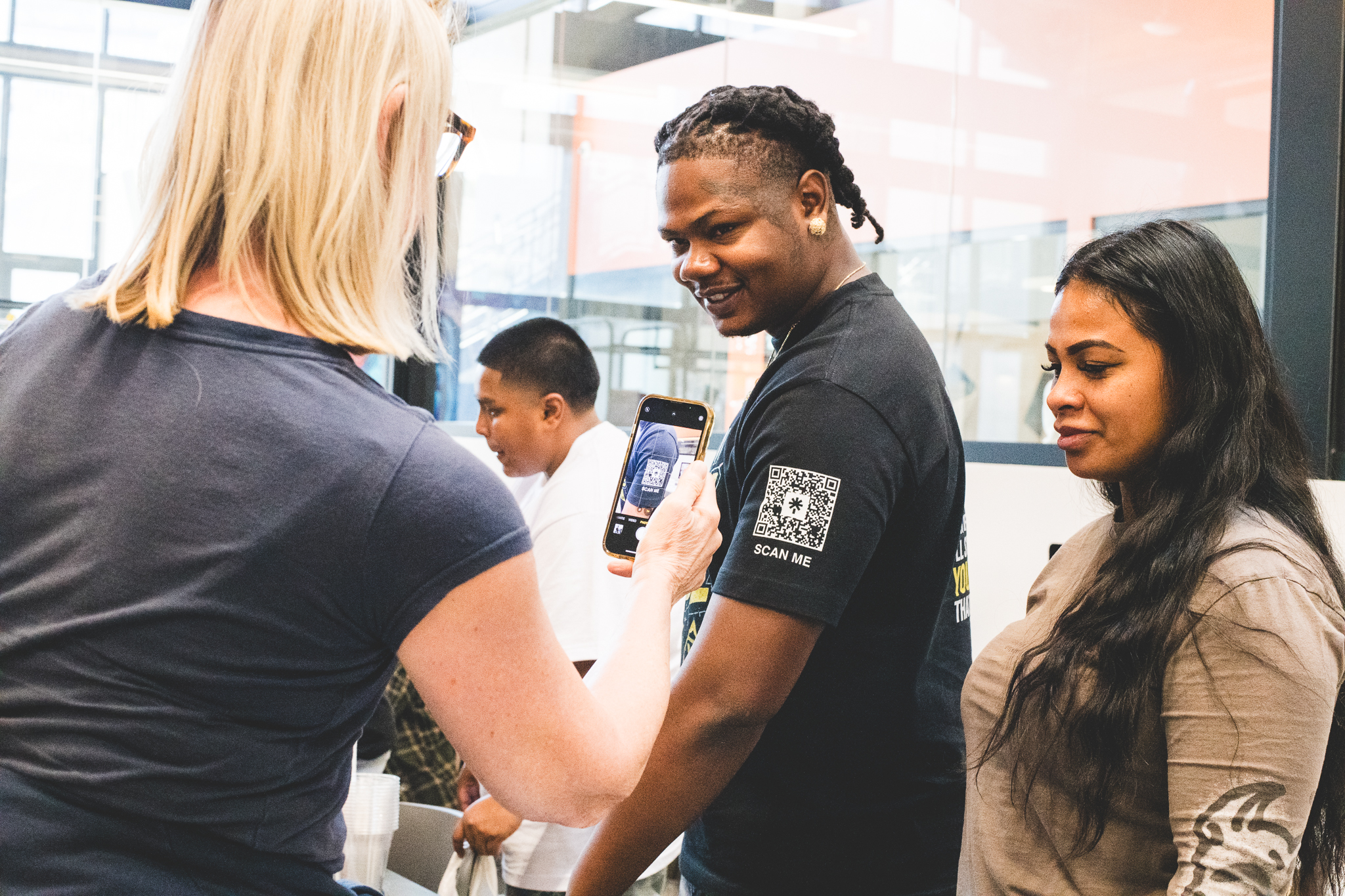
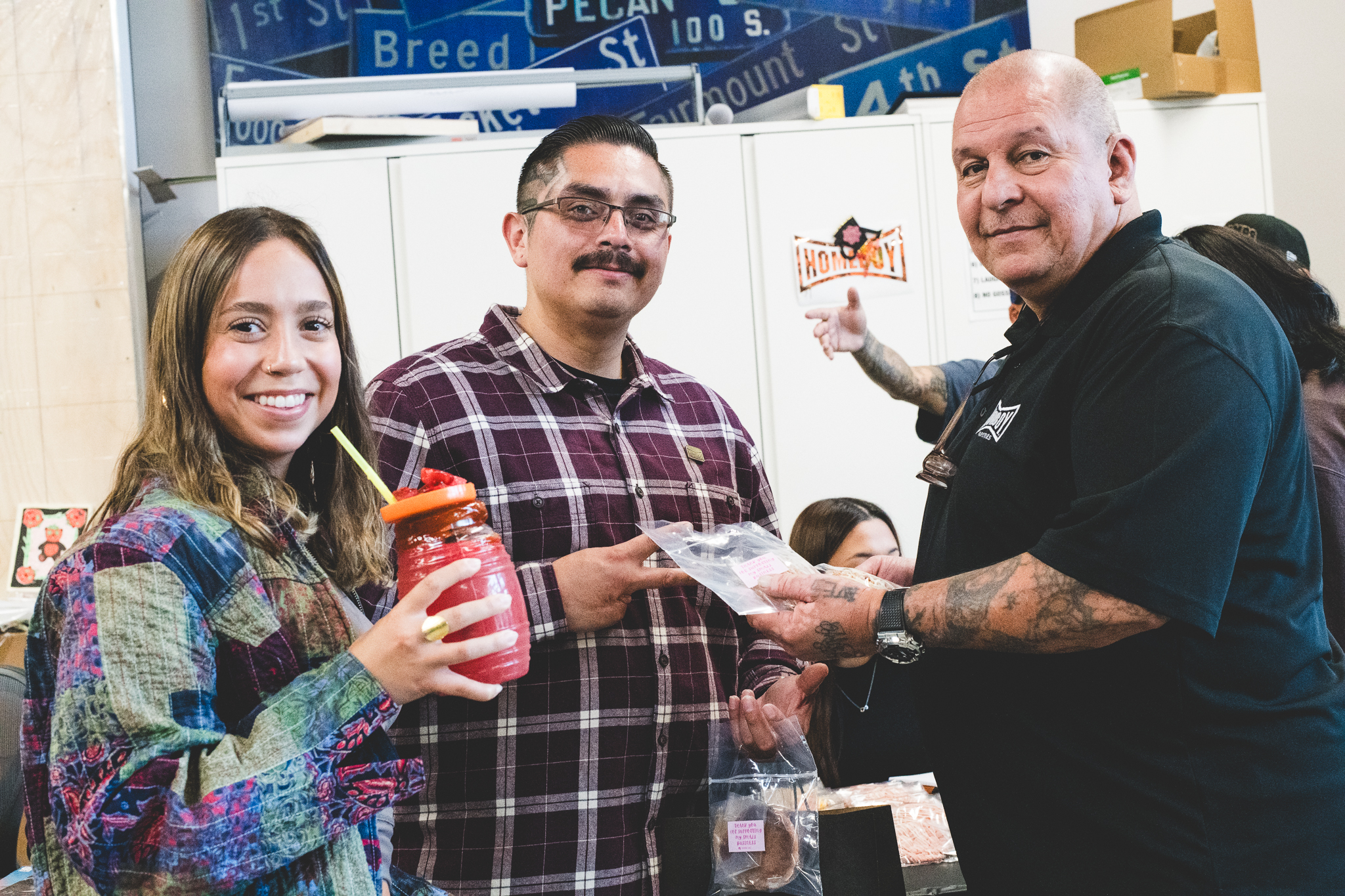
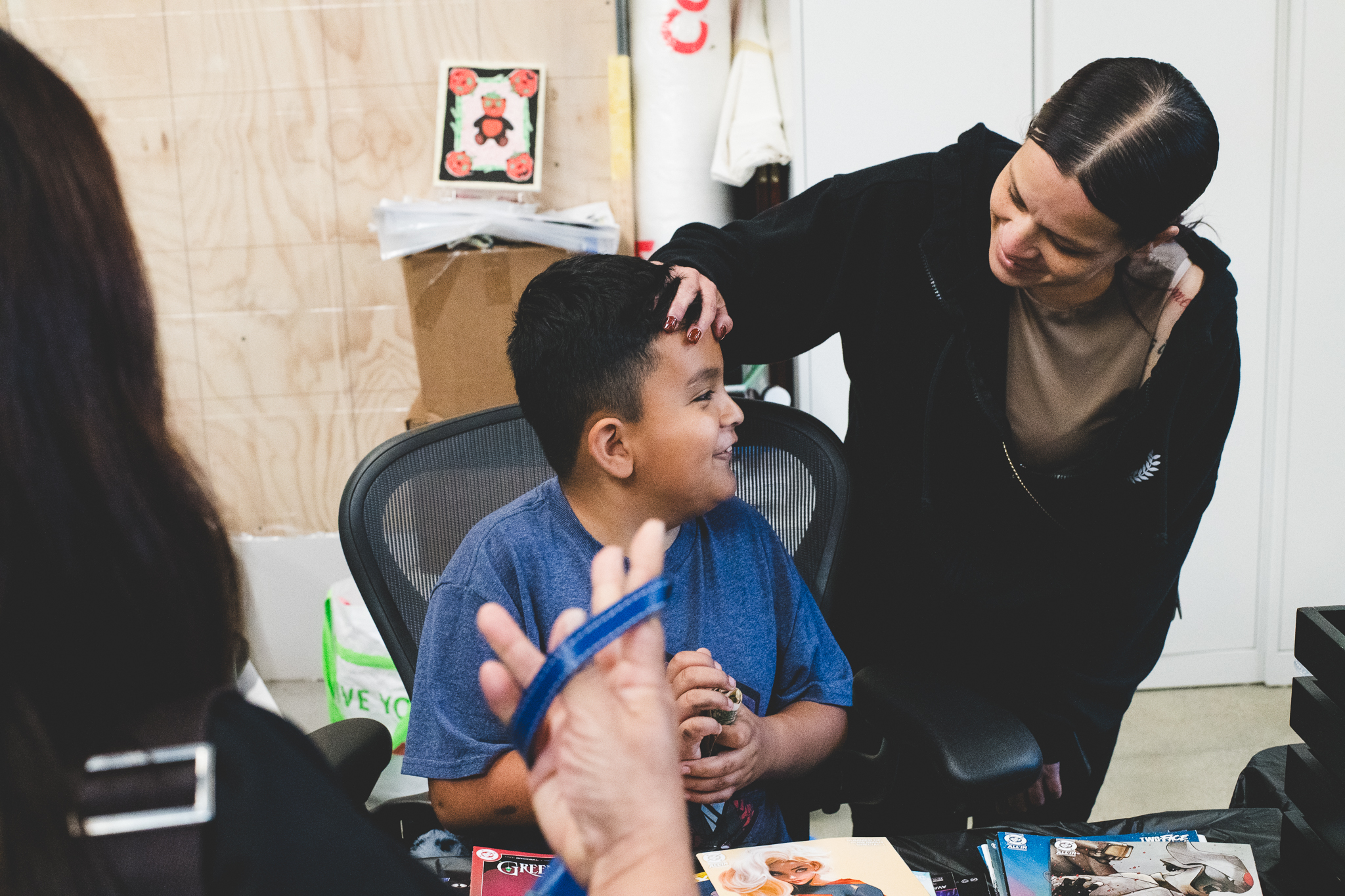
Changemakers 2025 – Radical Kinship in Action: A Day at Homeboy Industries
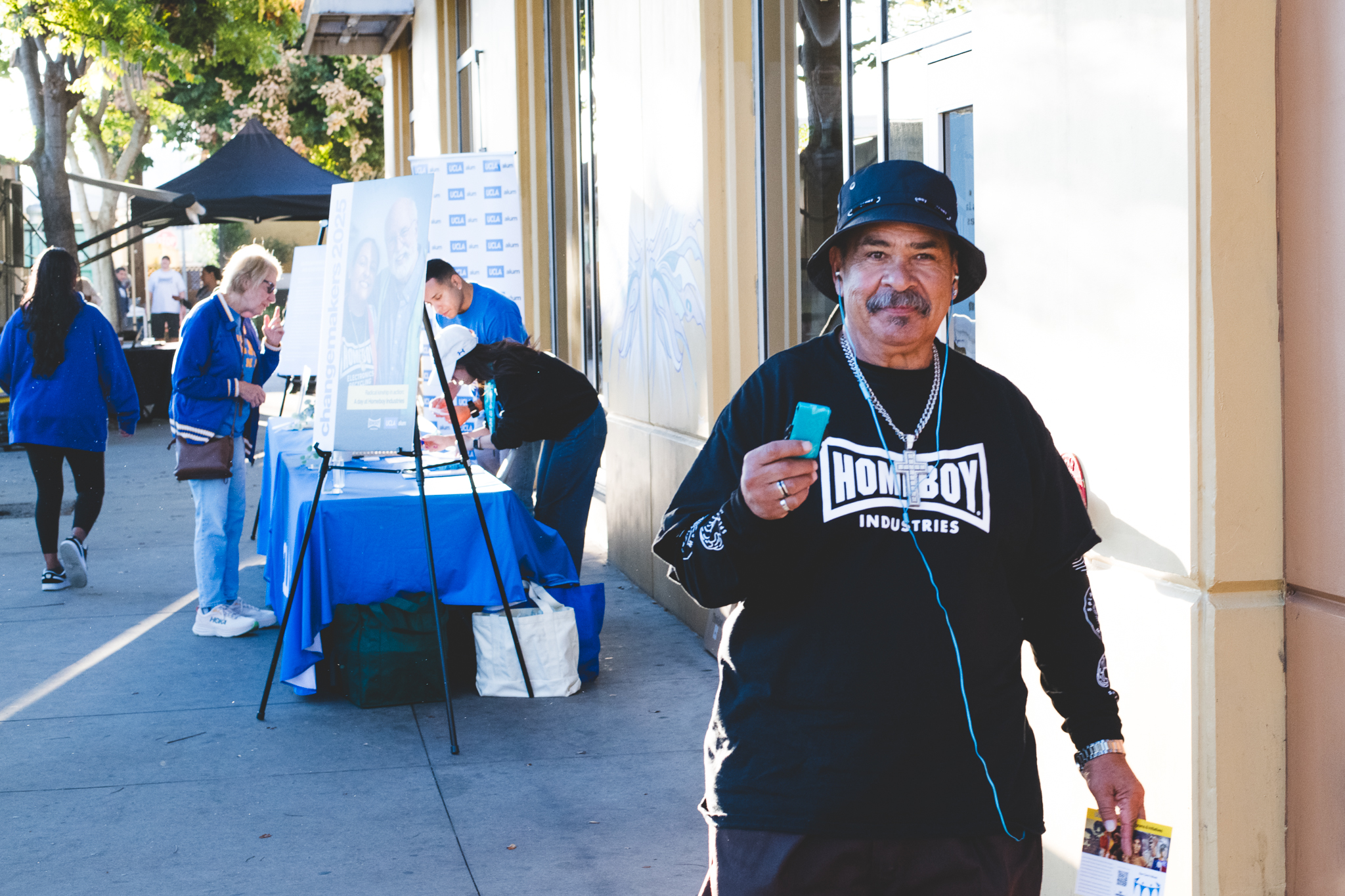
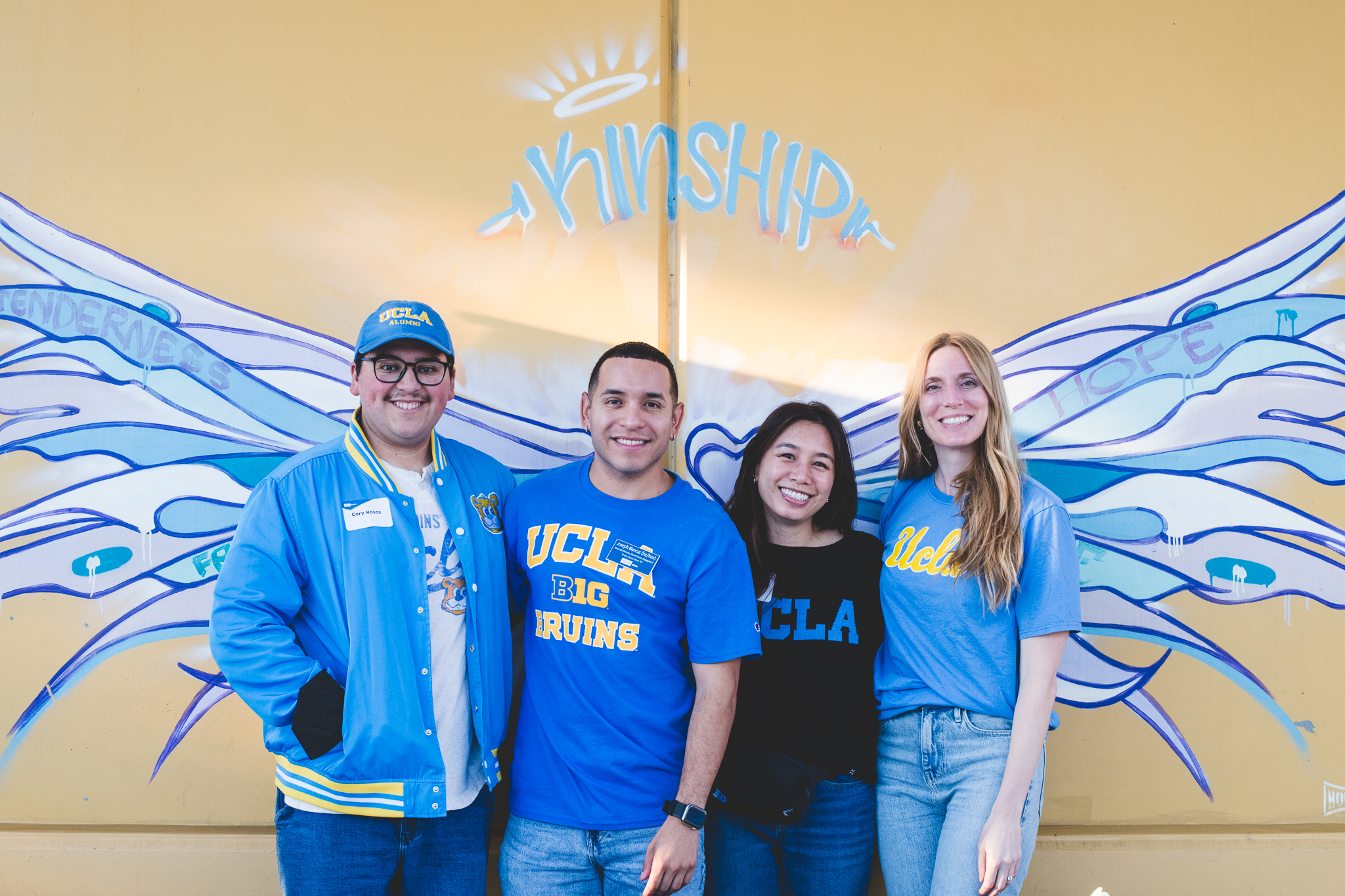
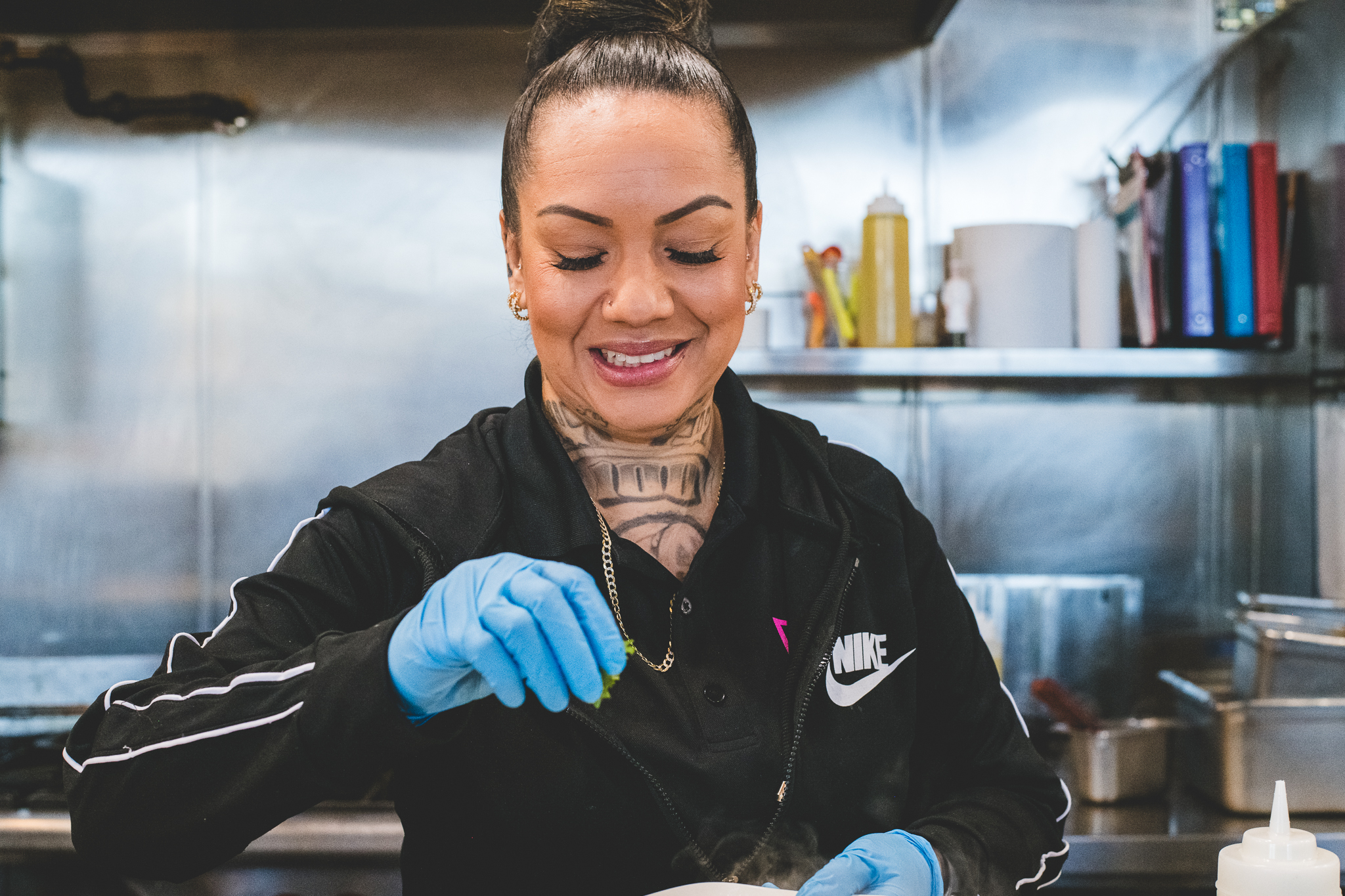
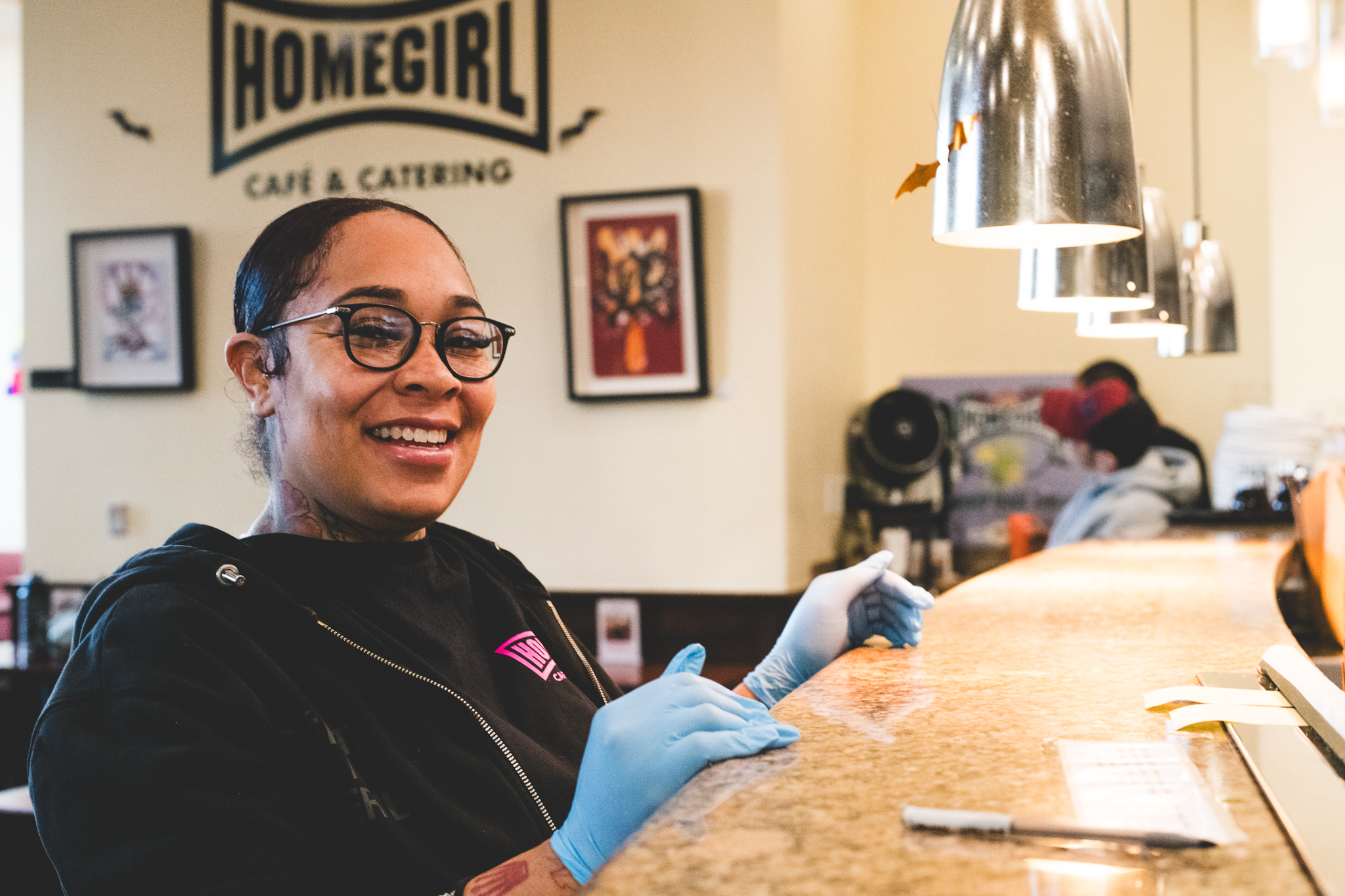
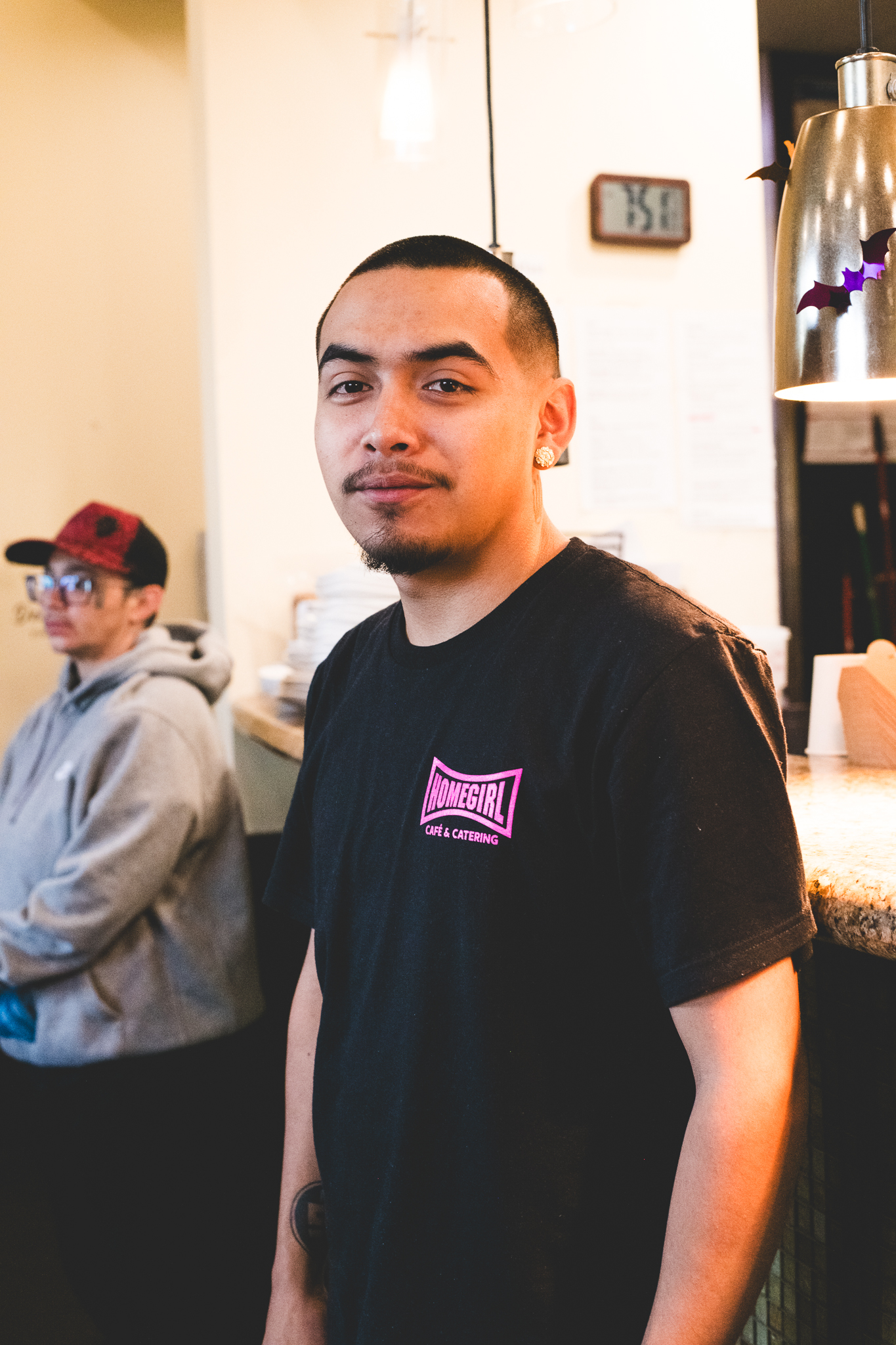
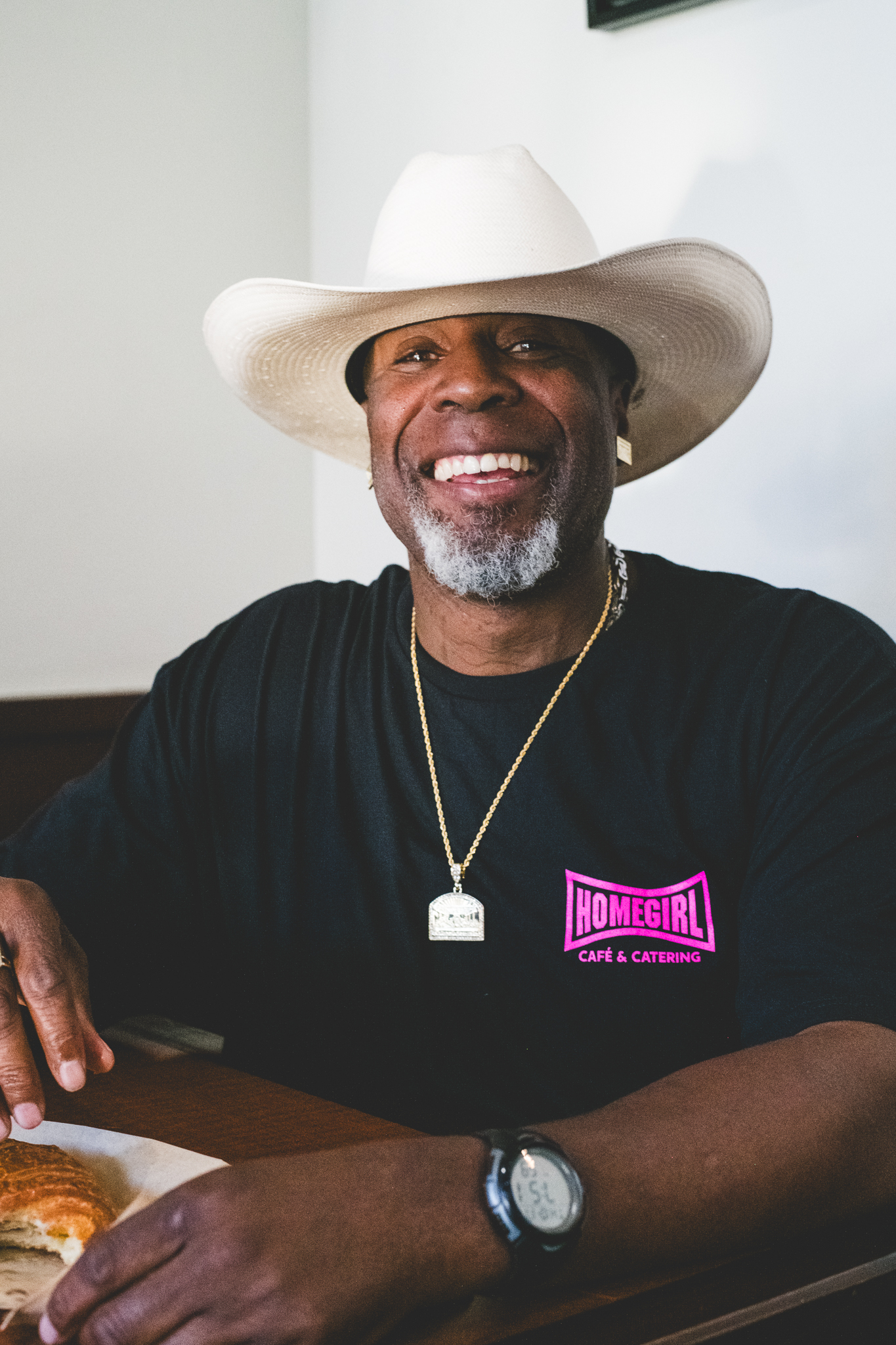
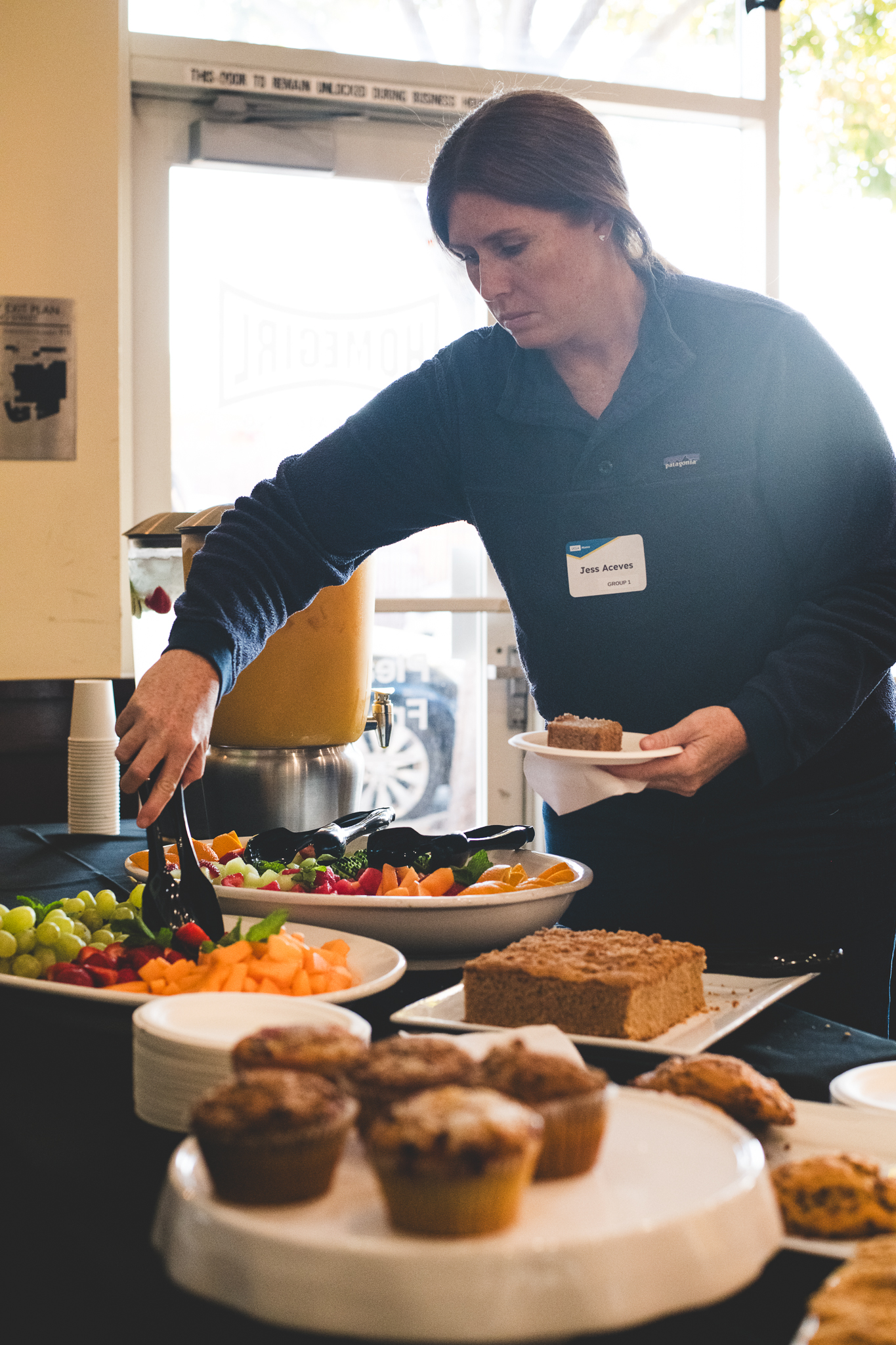
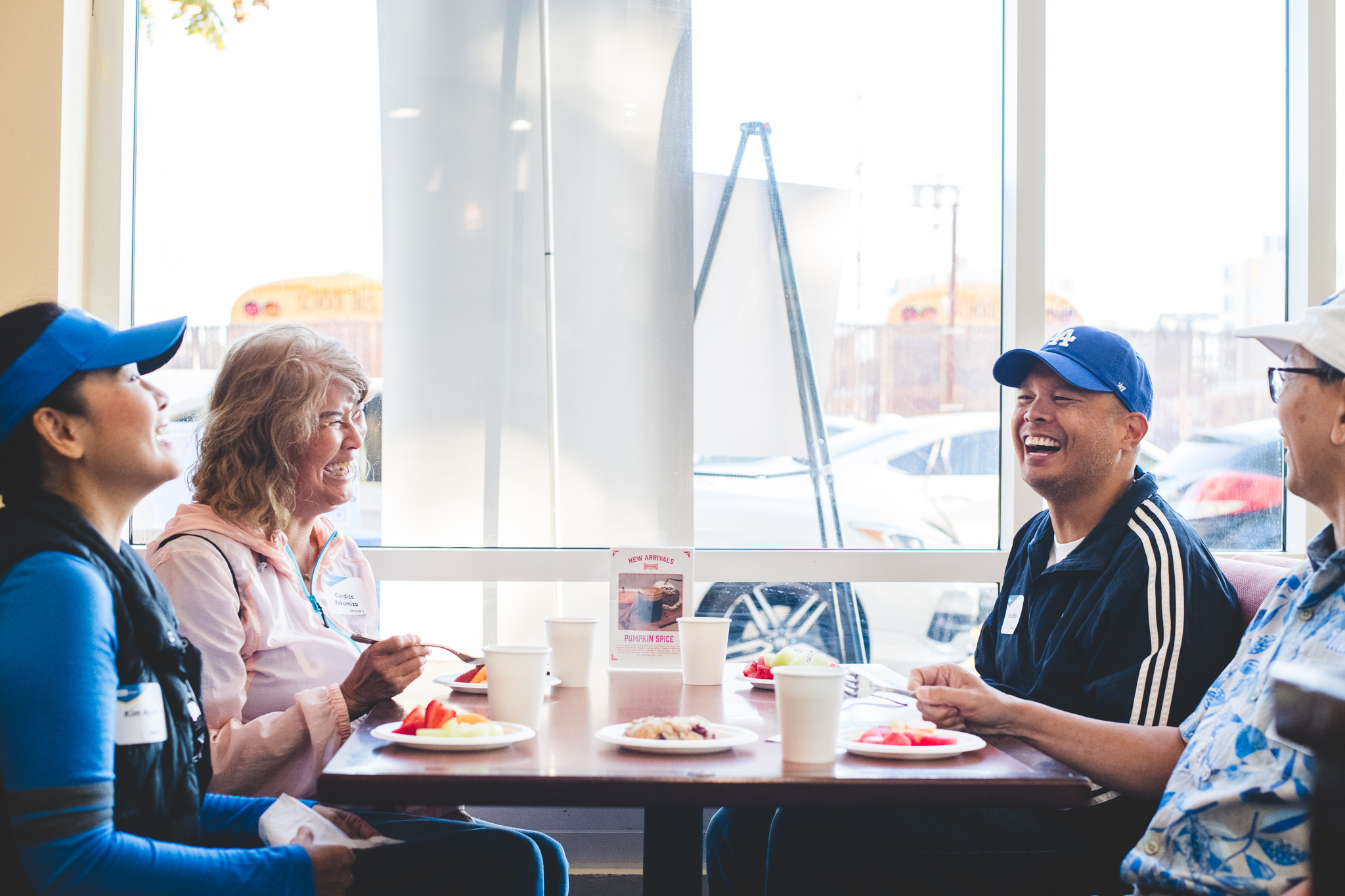
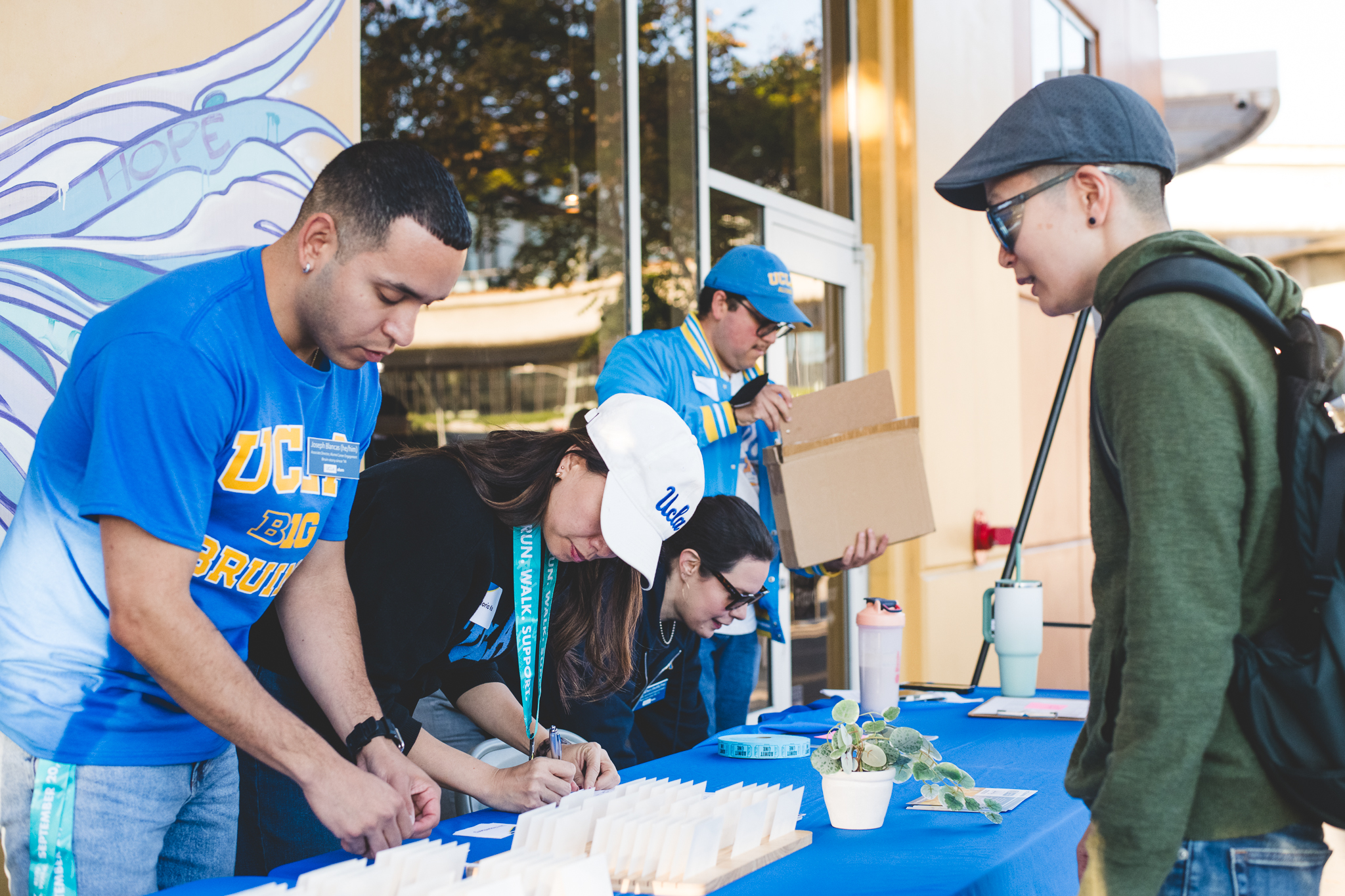
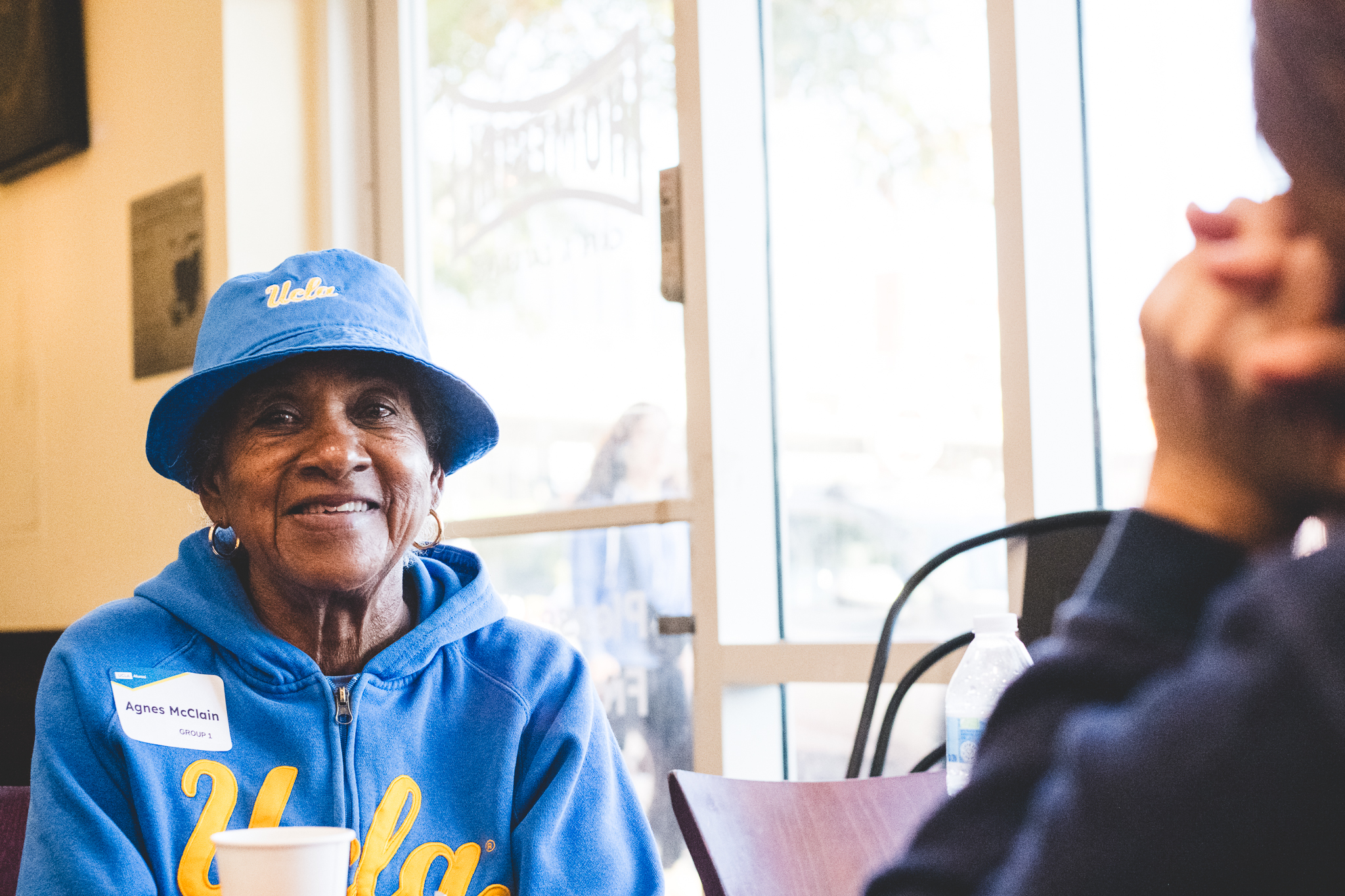
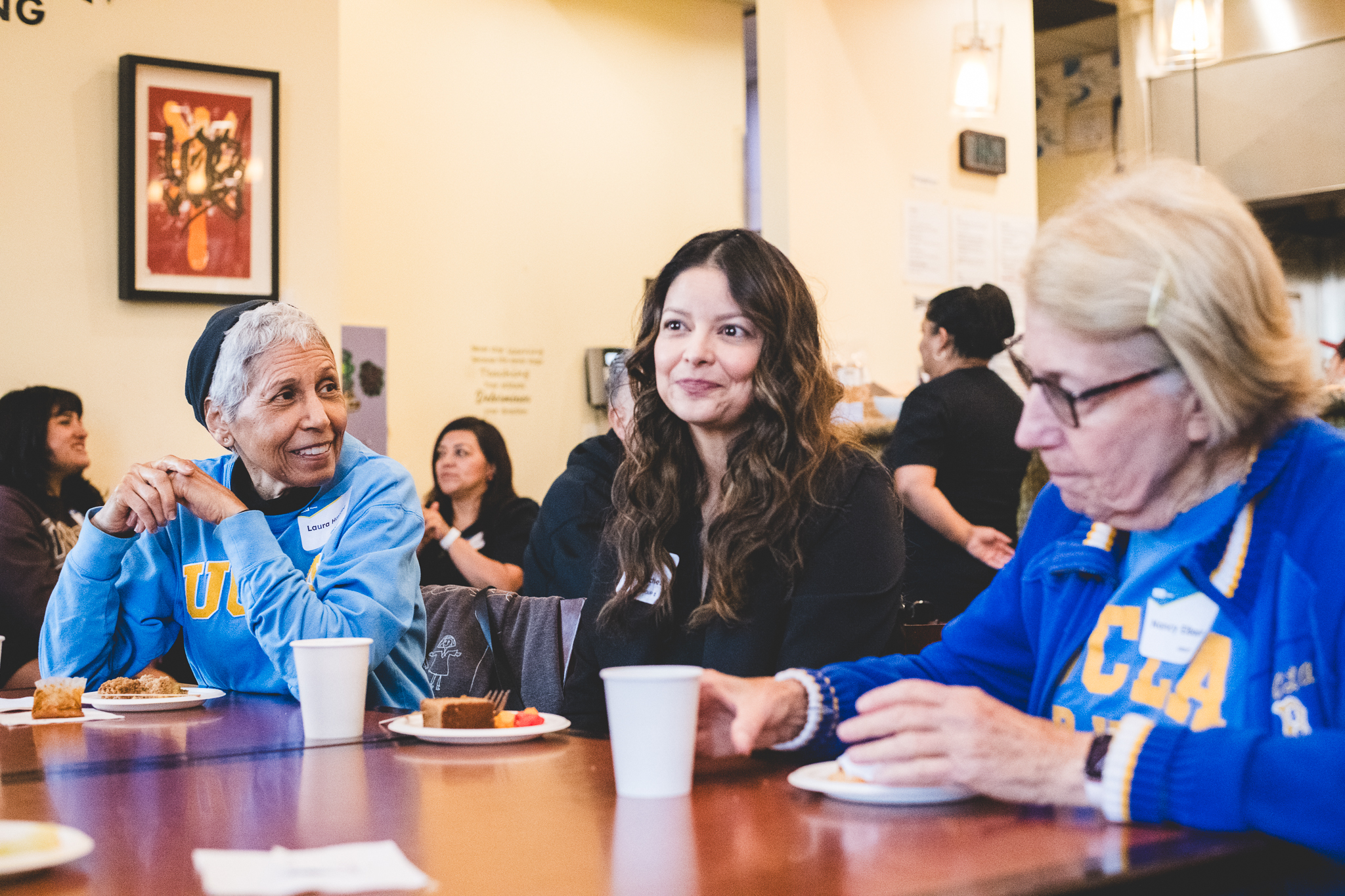
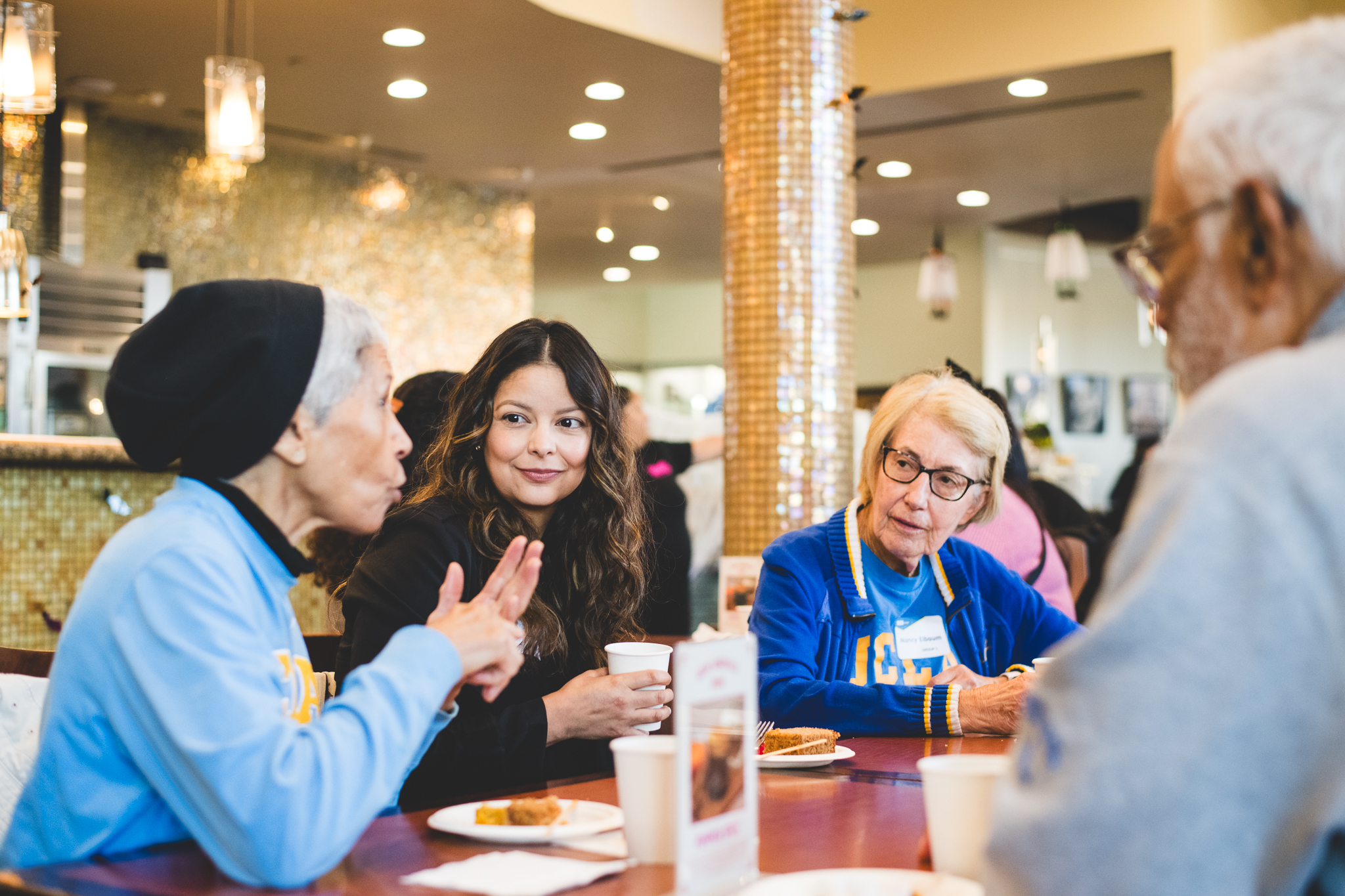
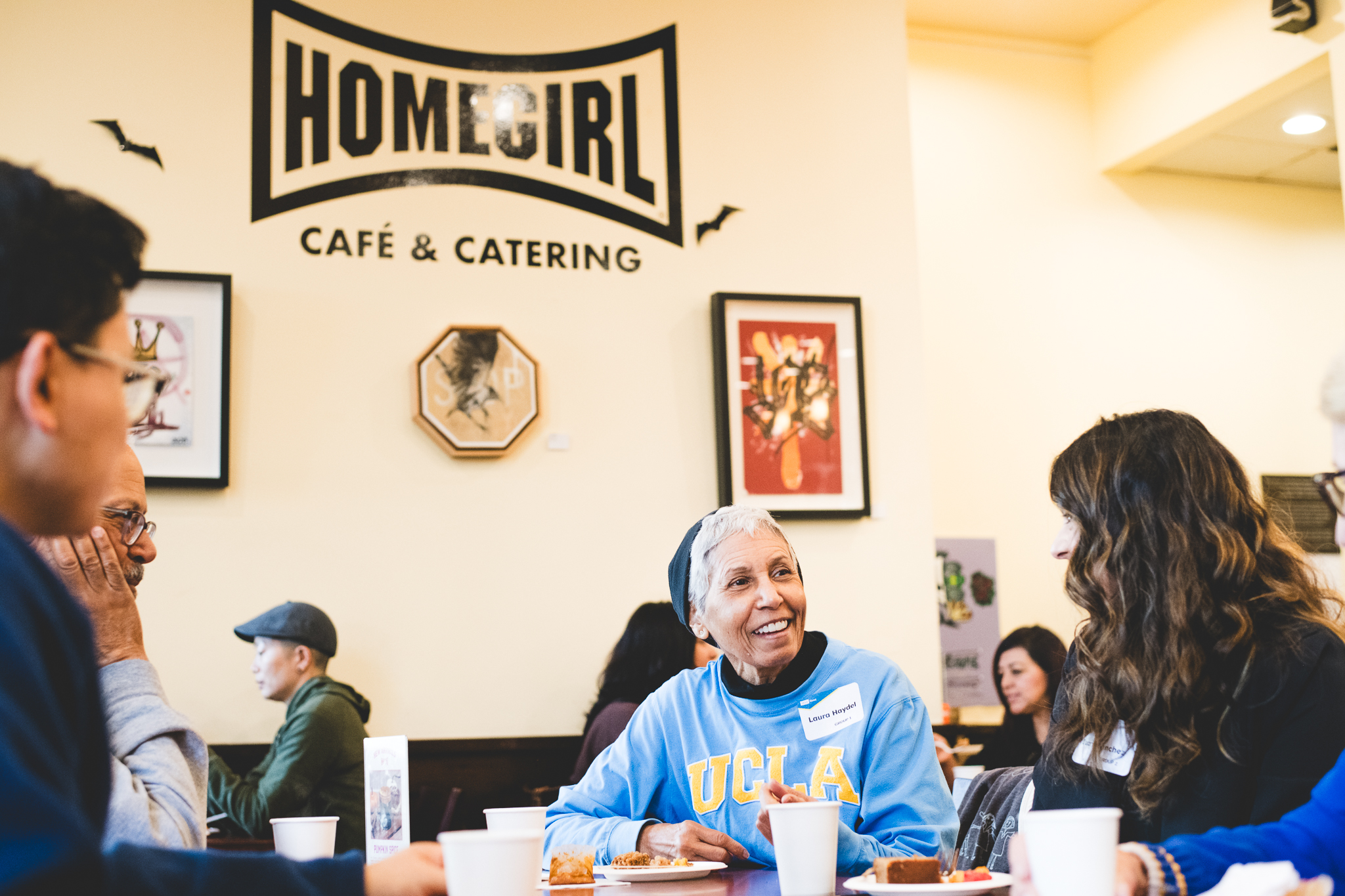
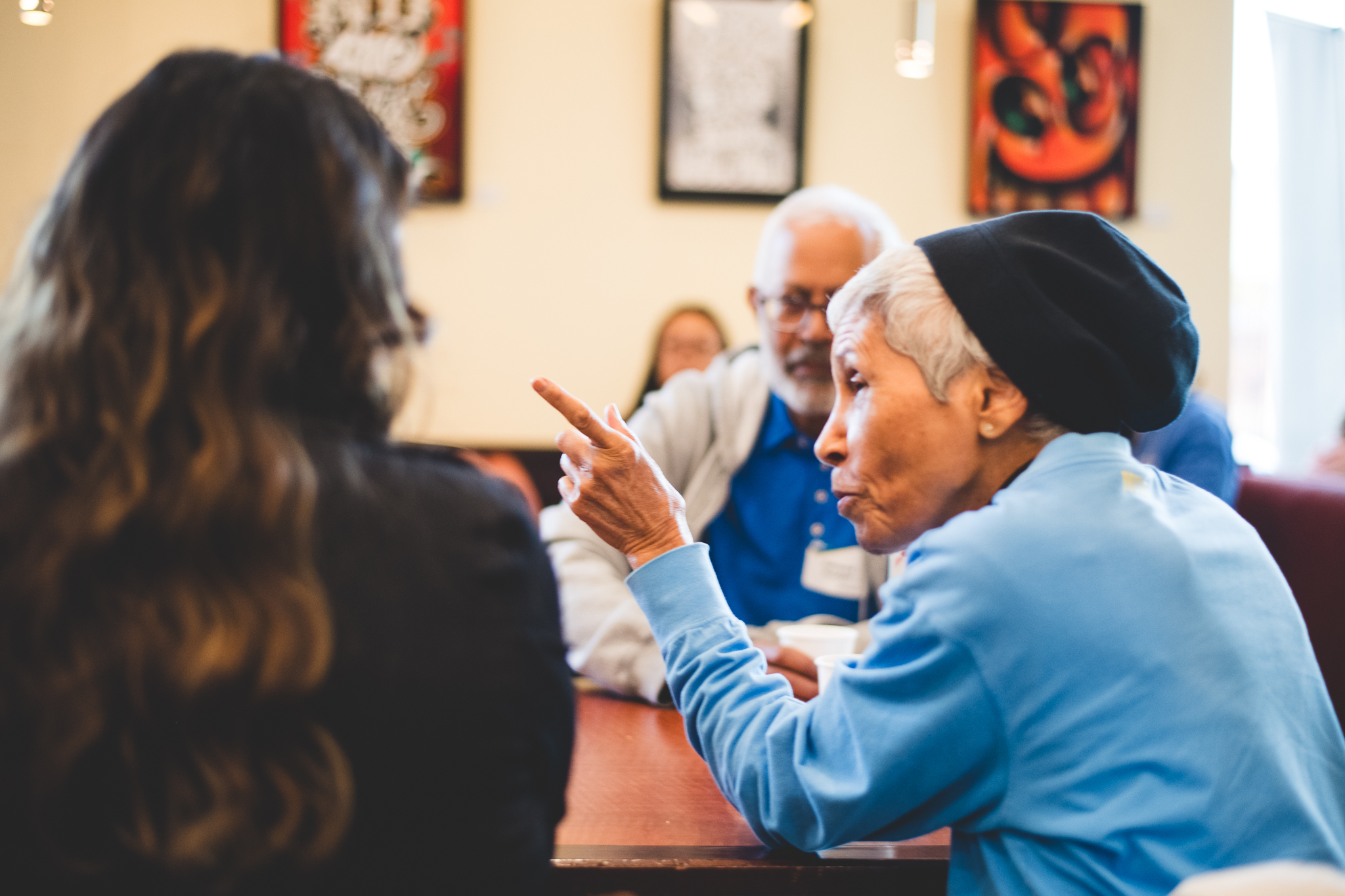
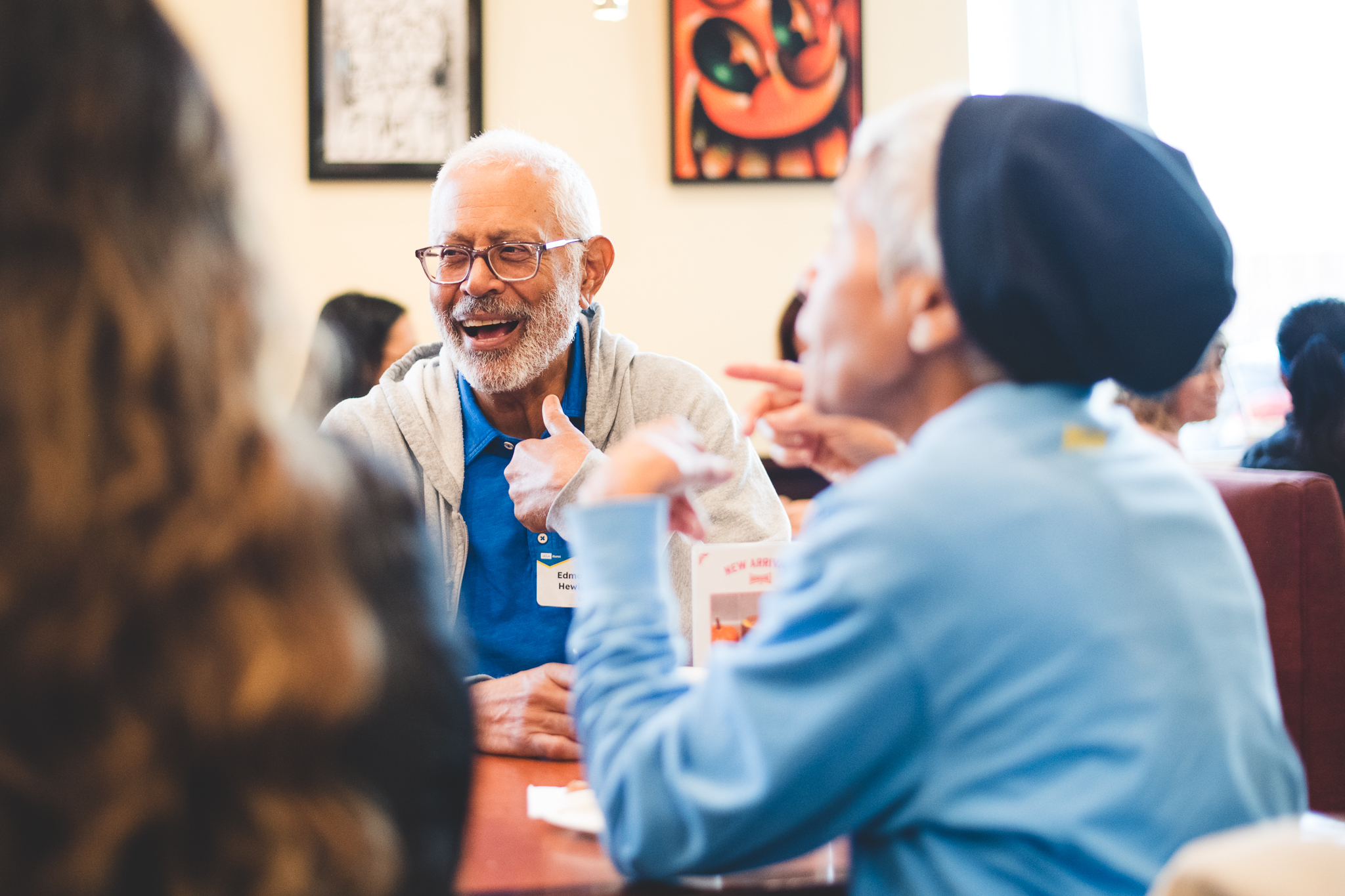
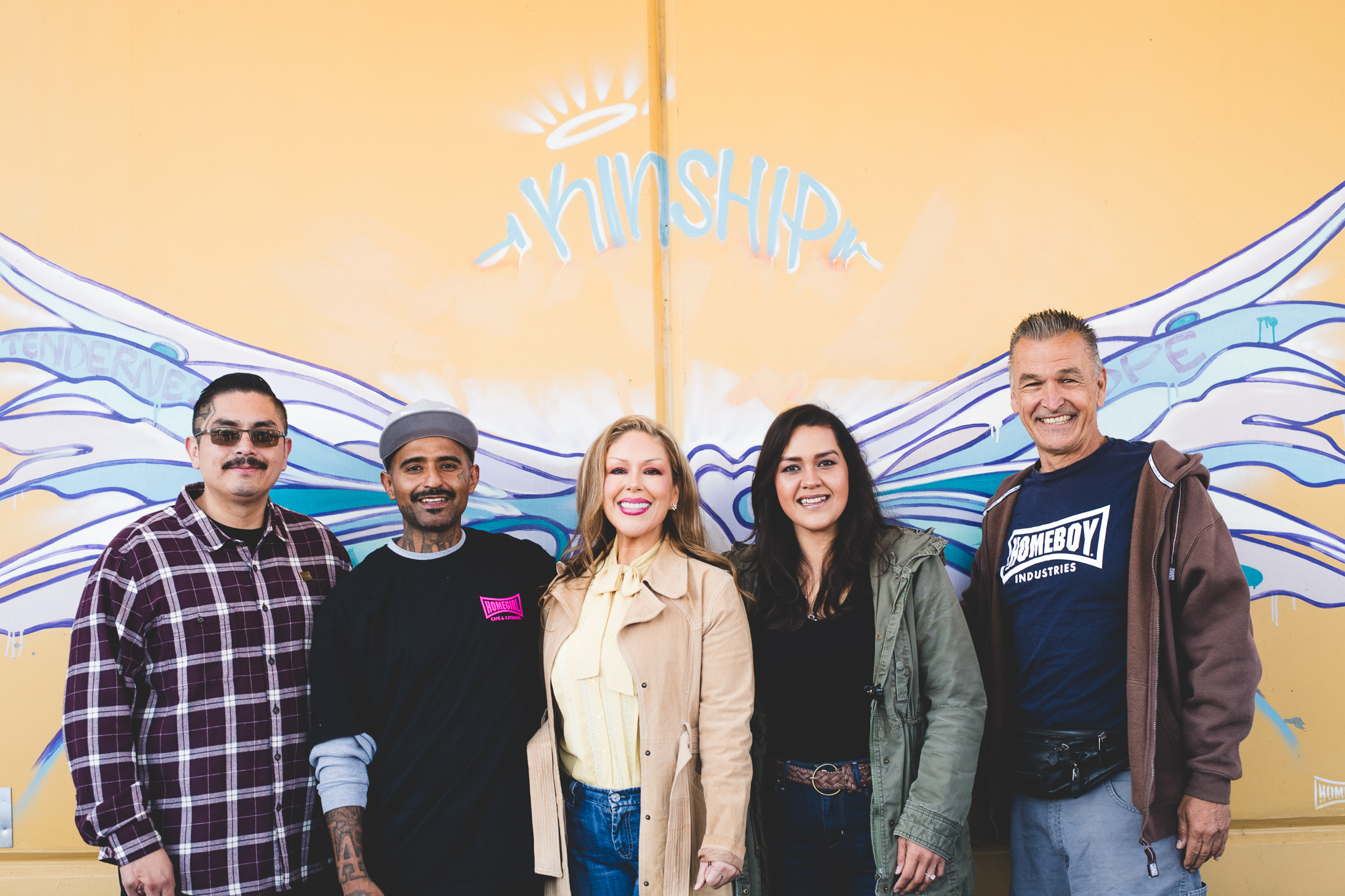
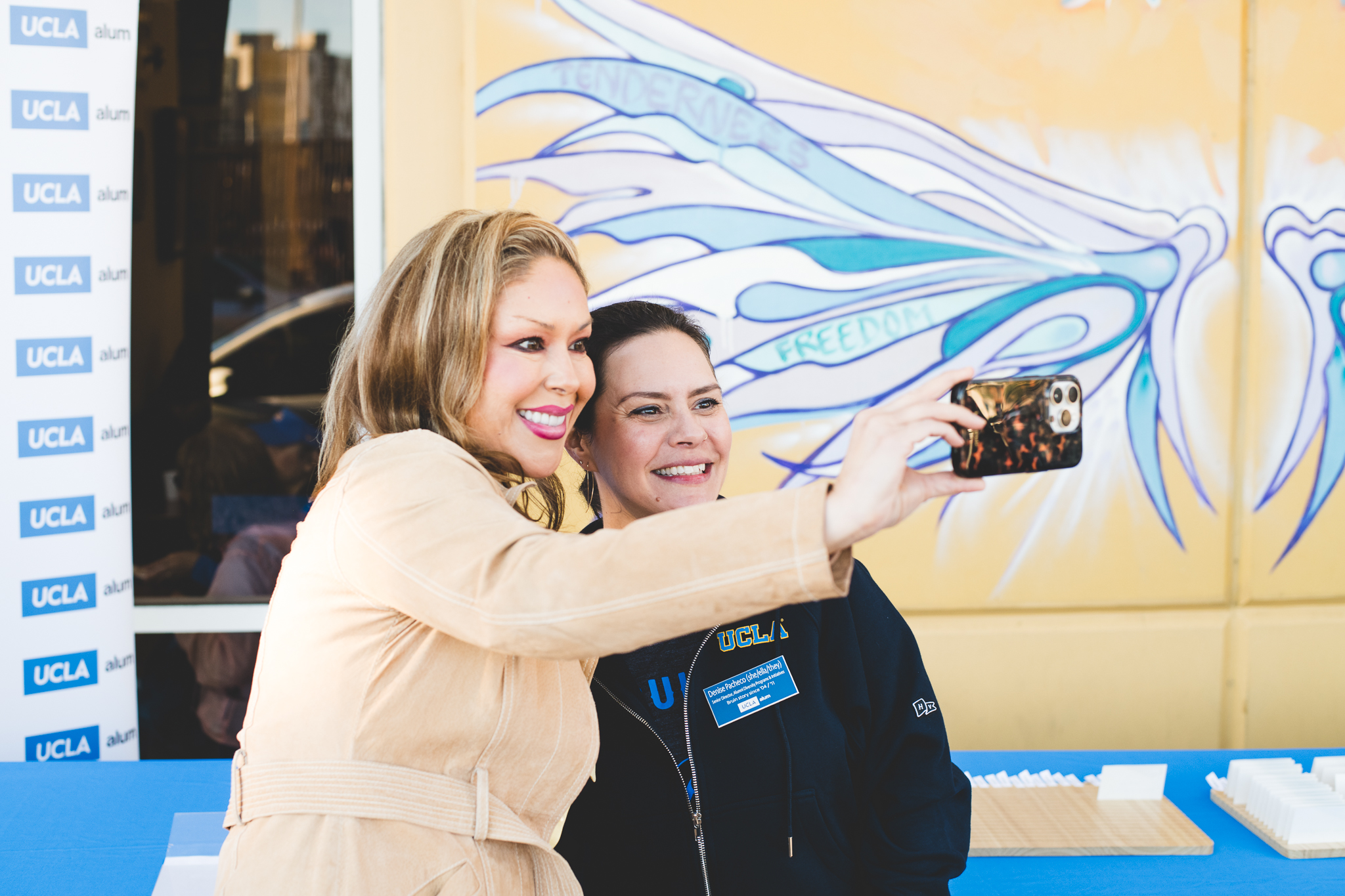
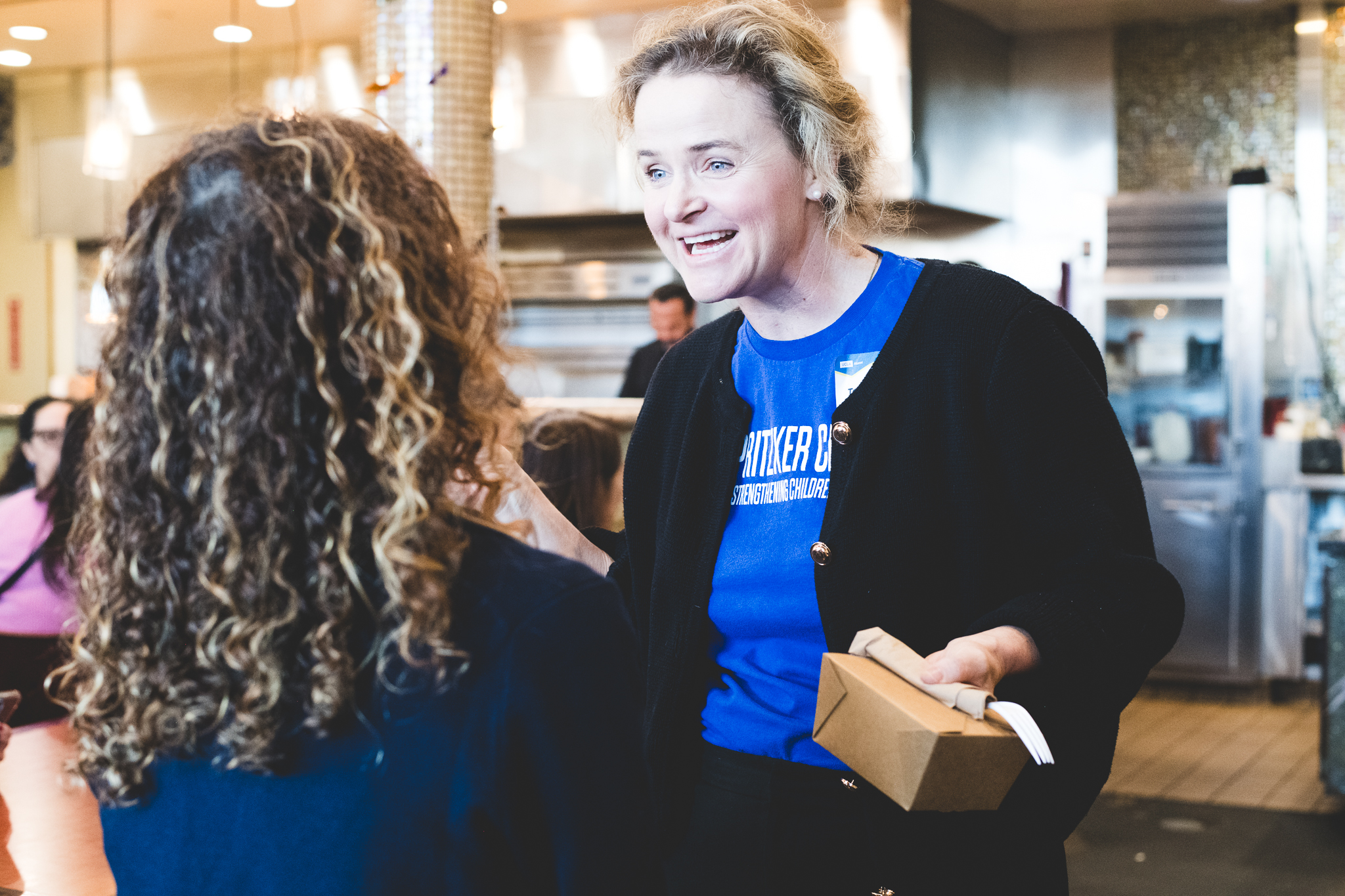
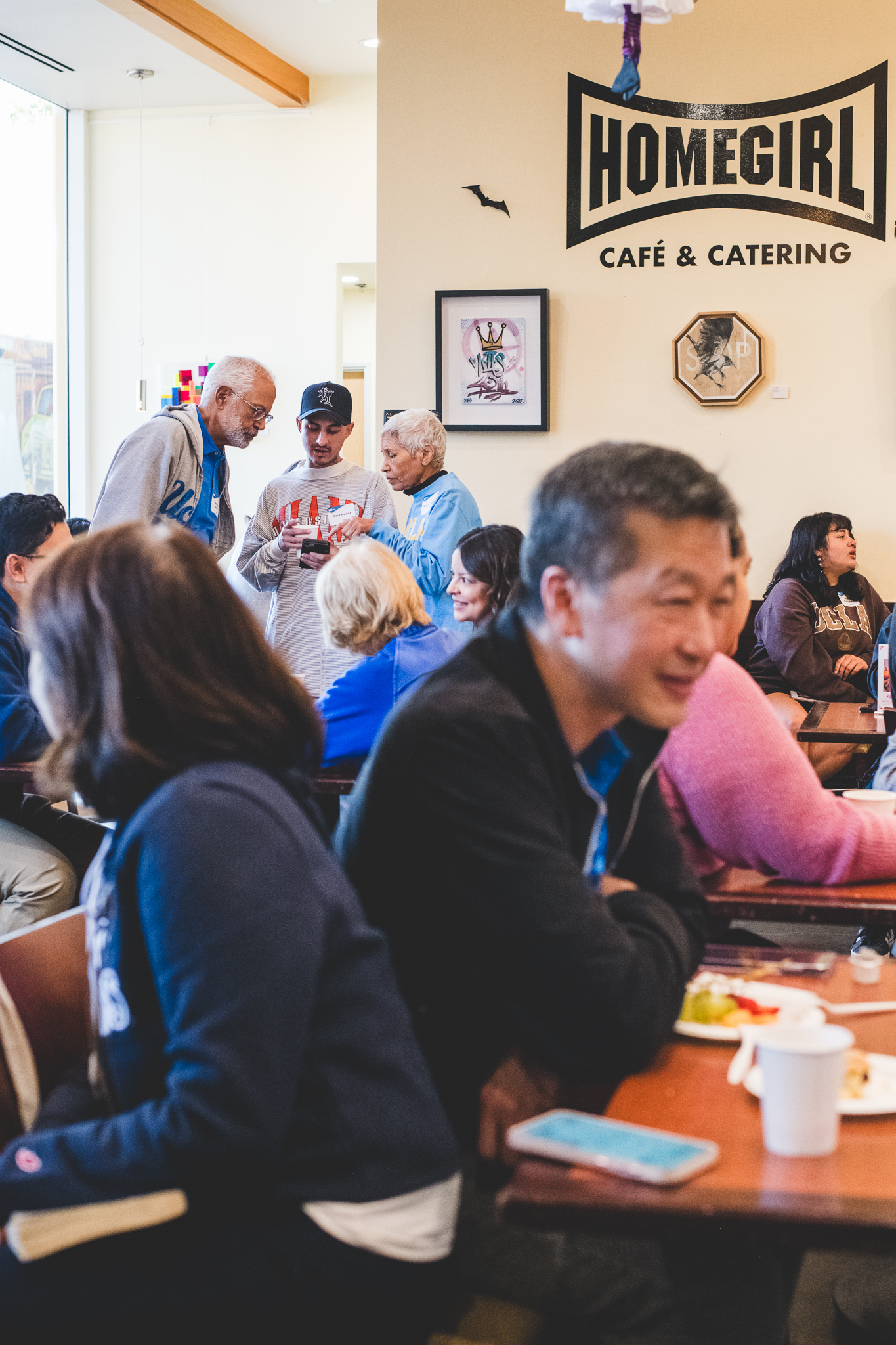
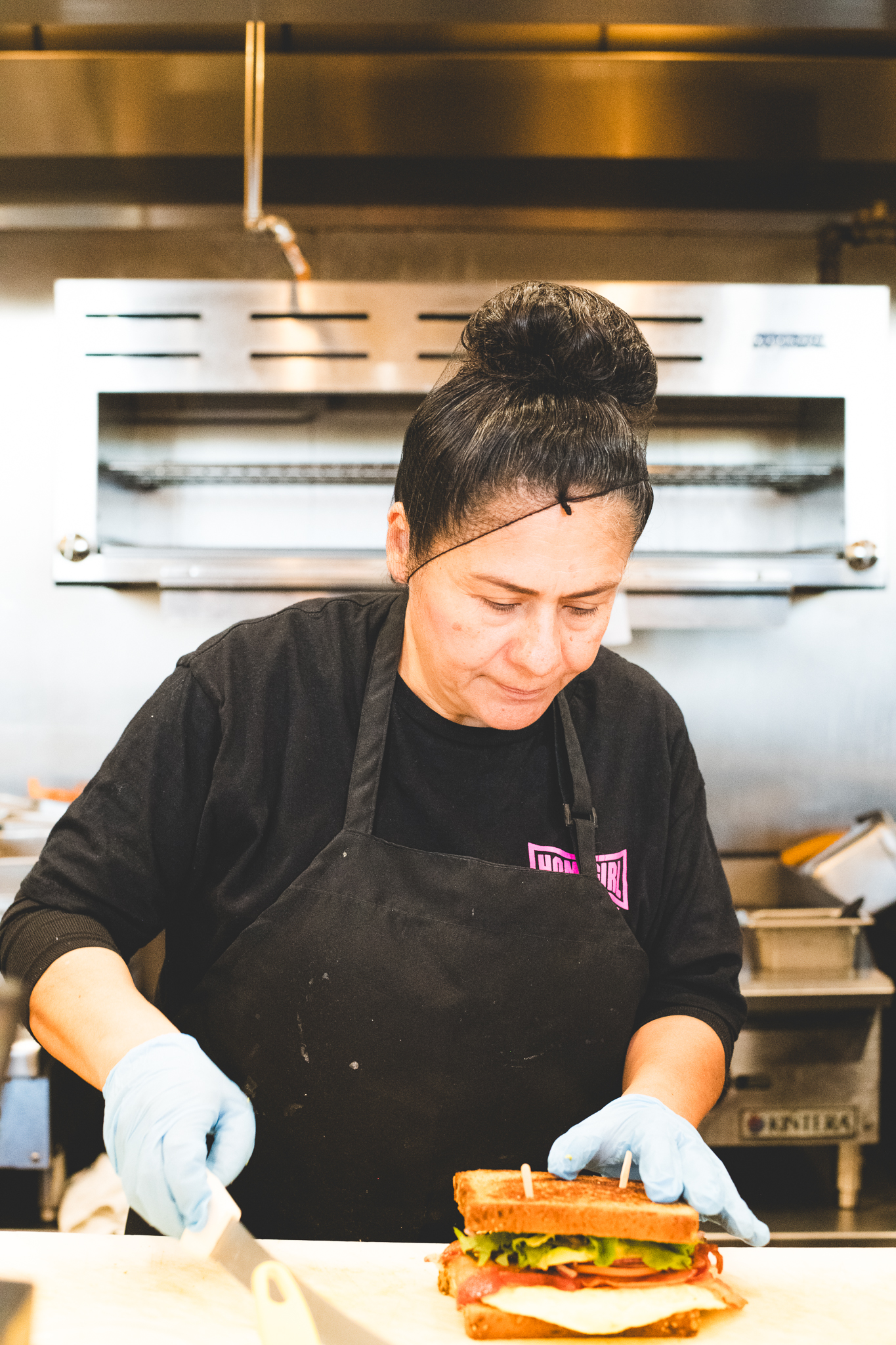
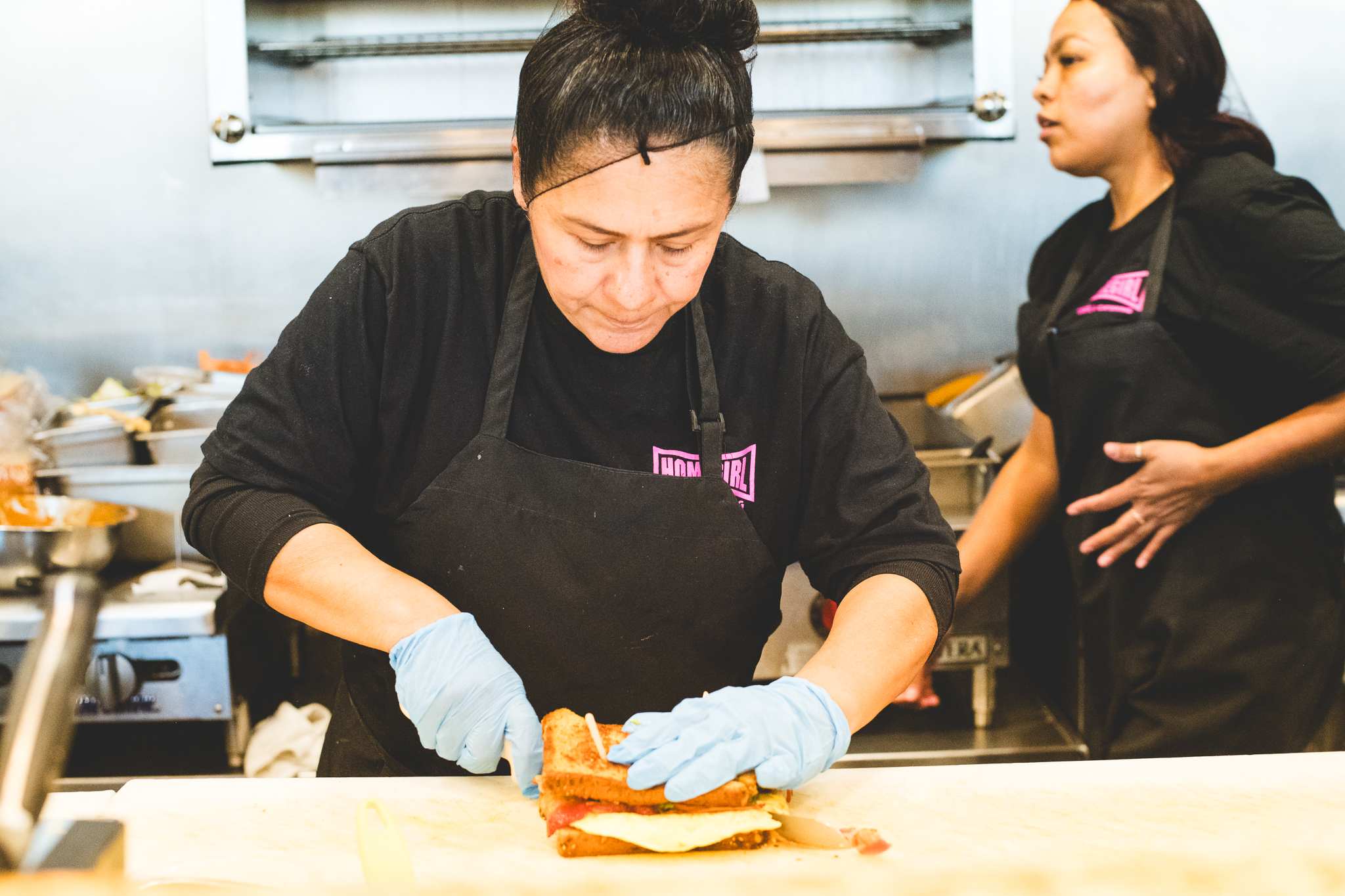
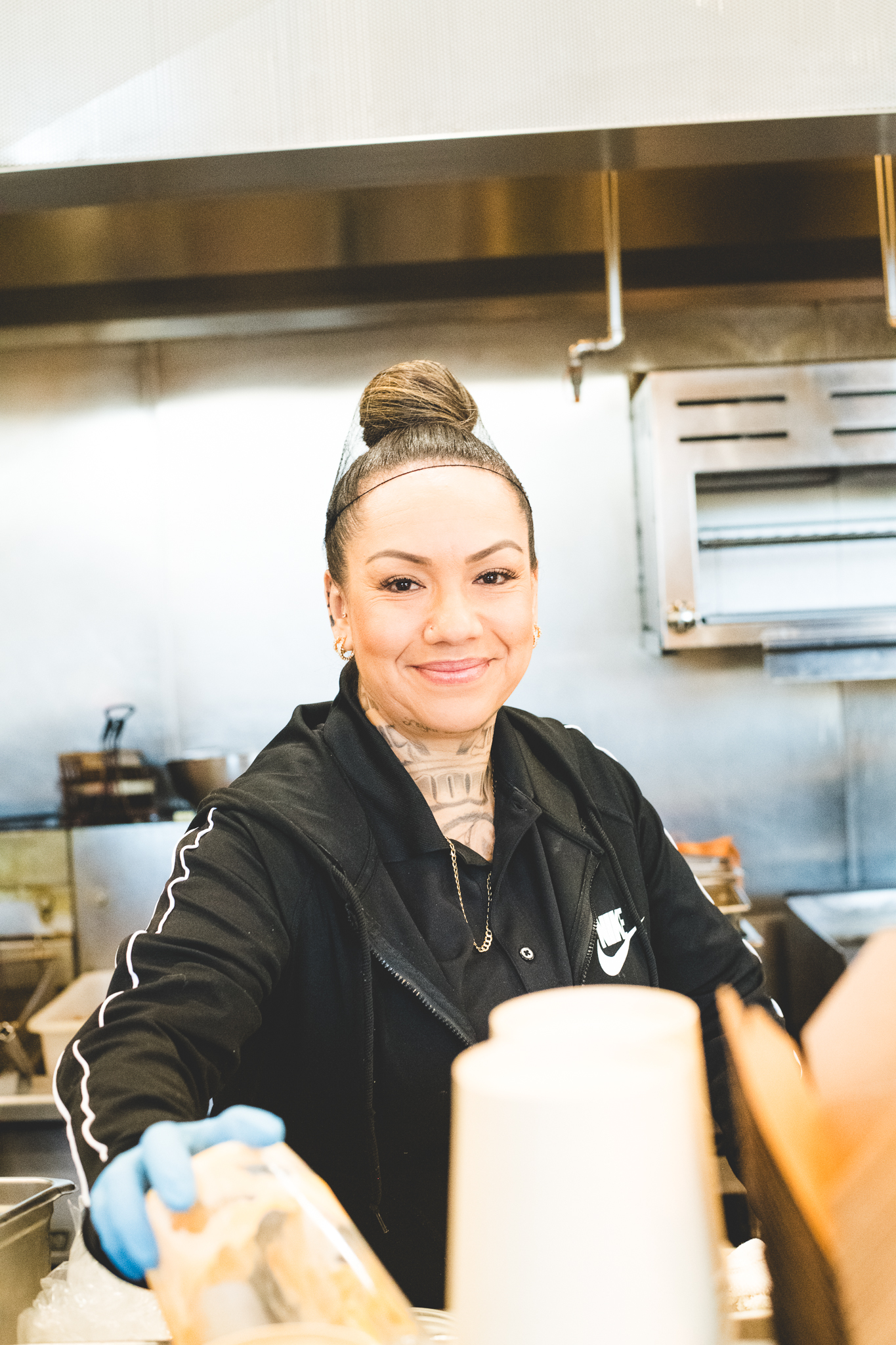
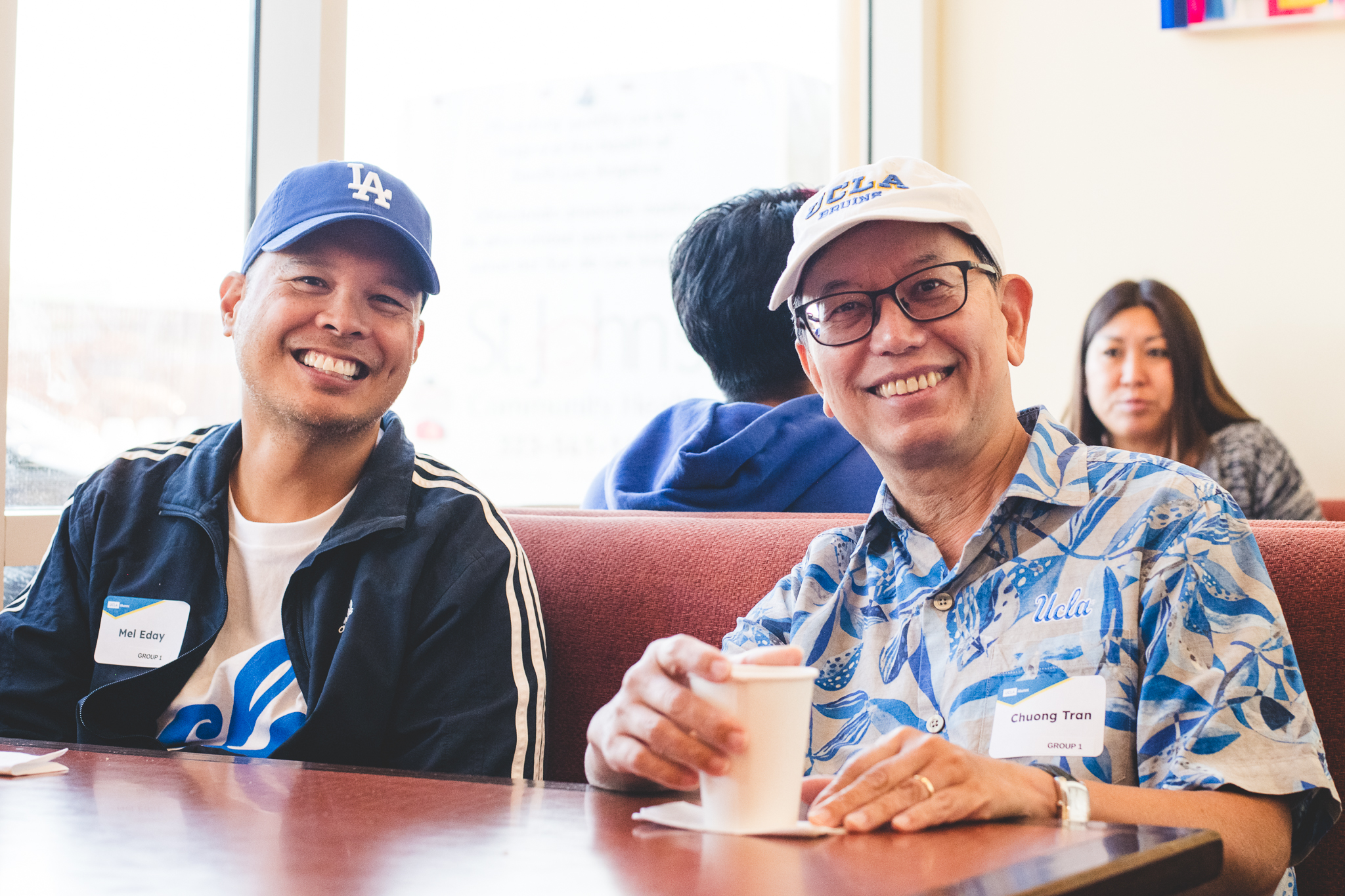
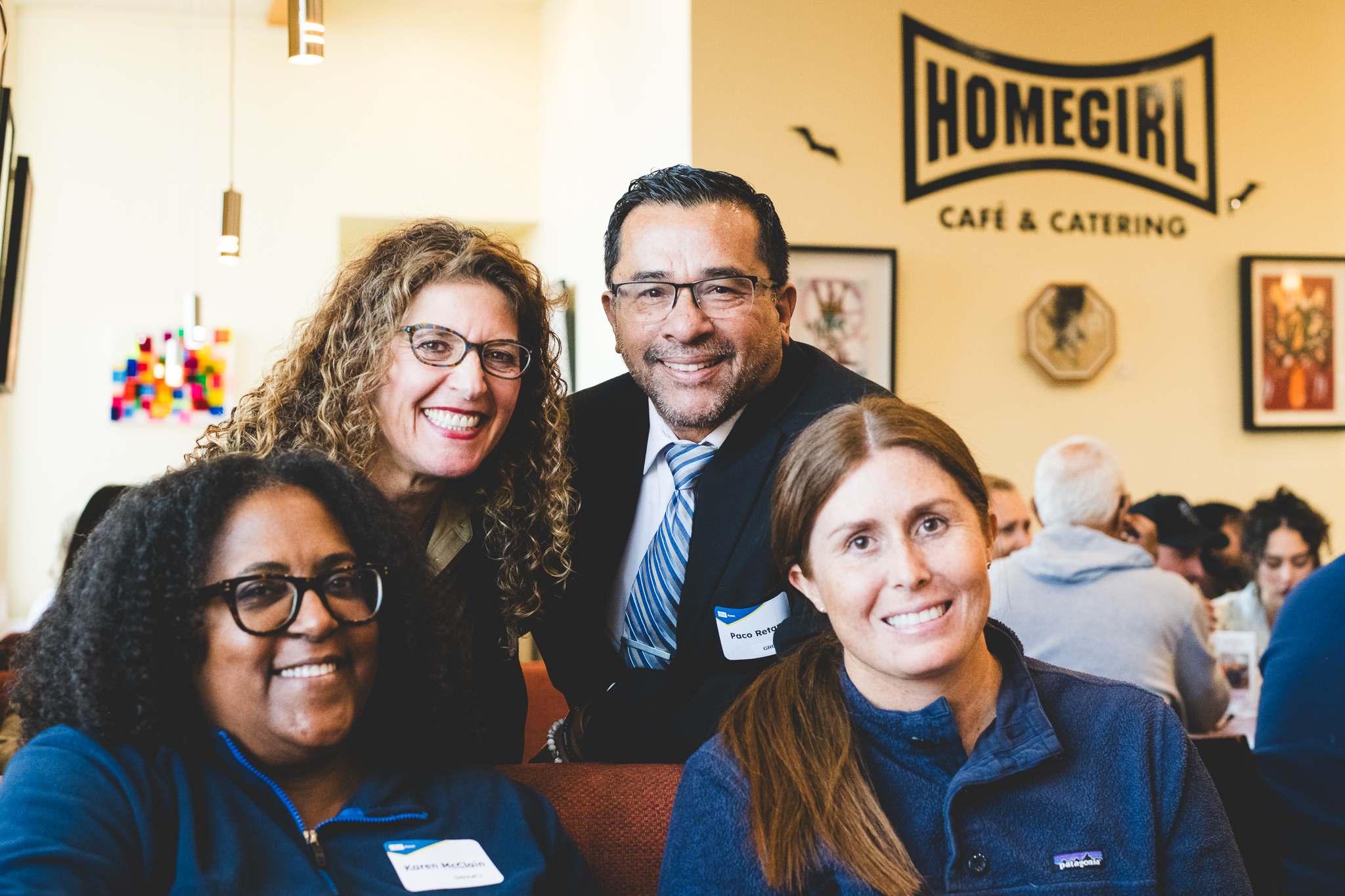
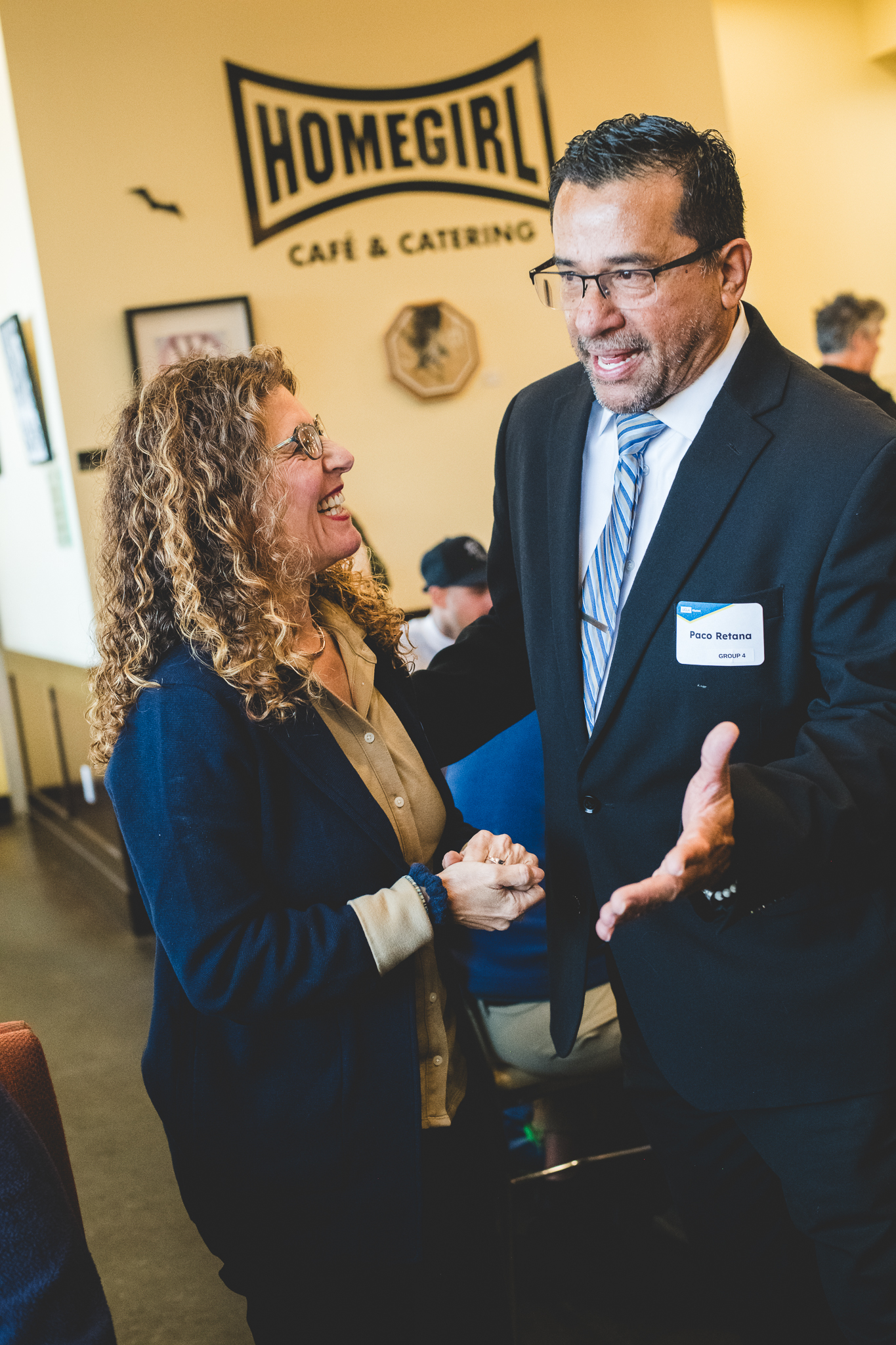
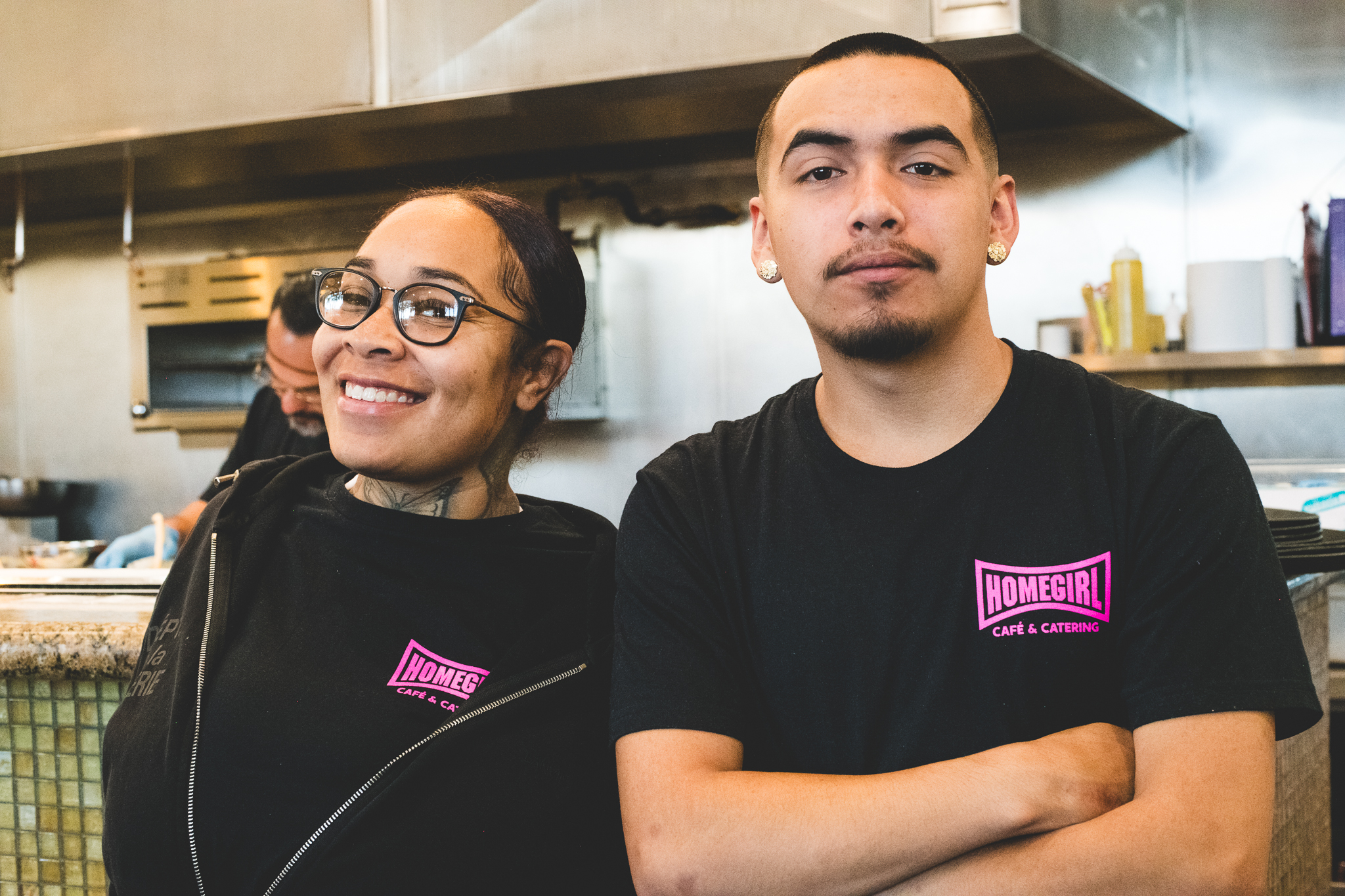
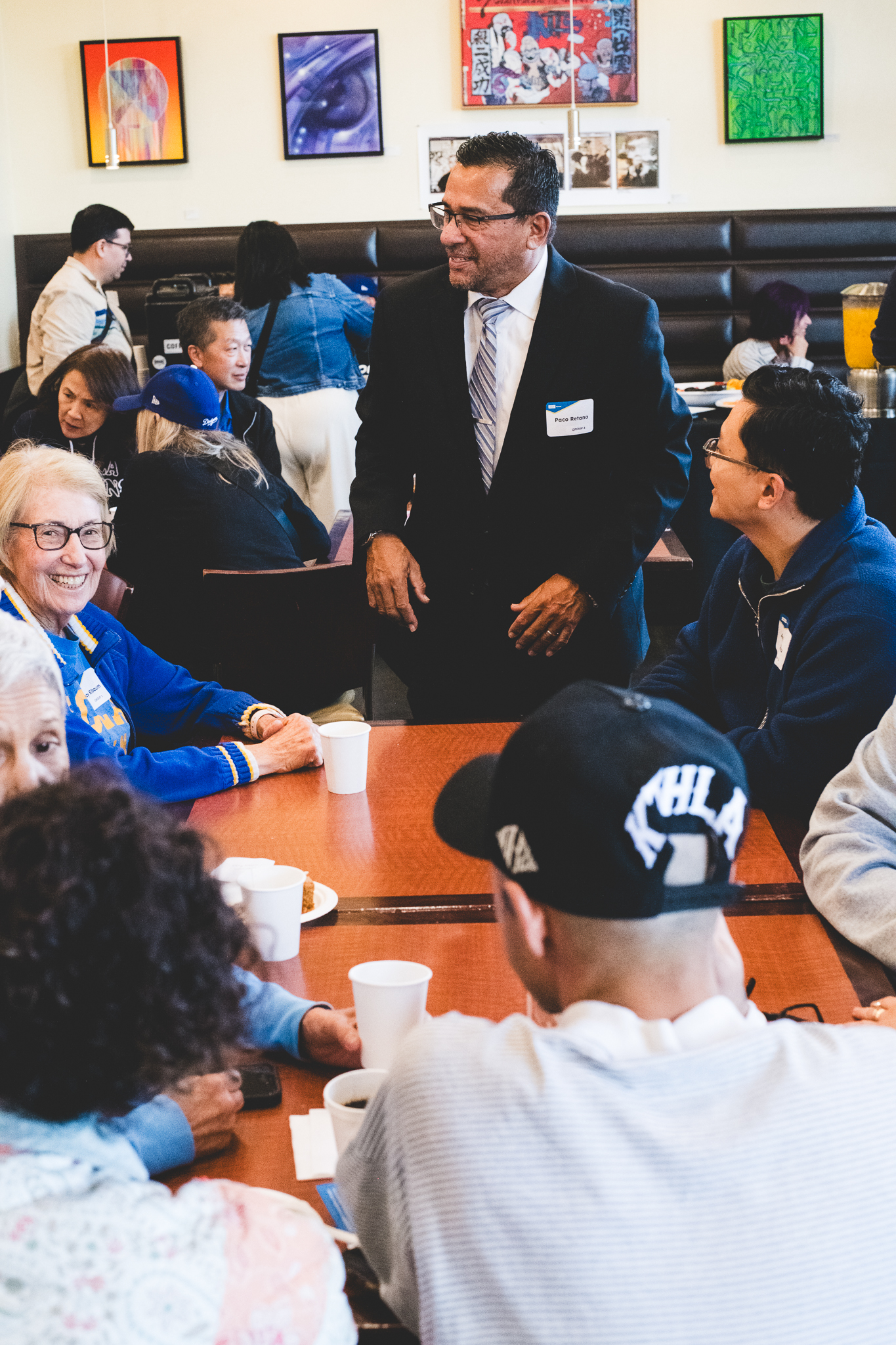
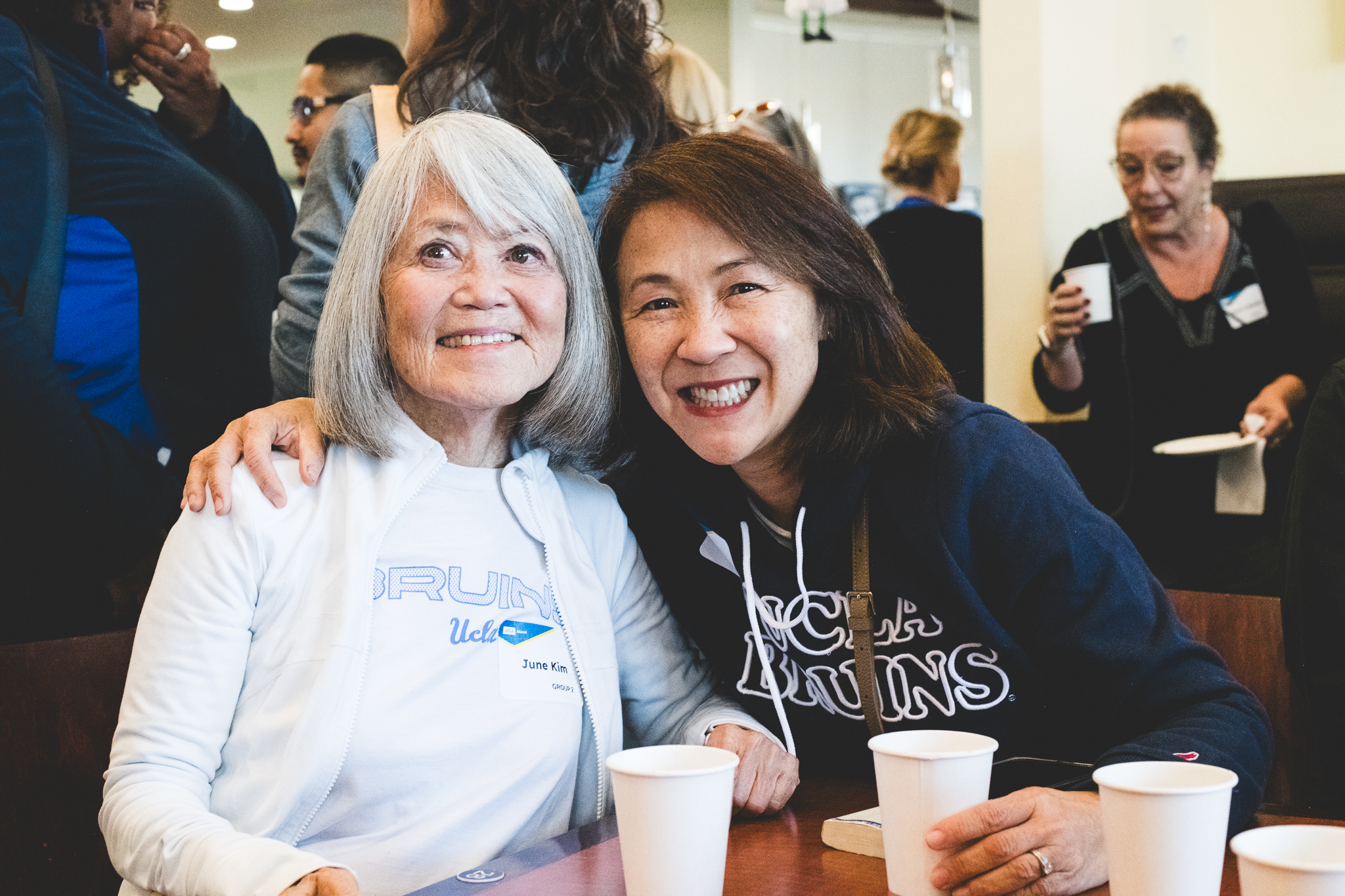
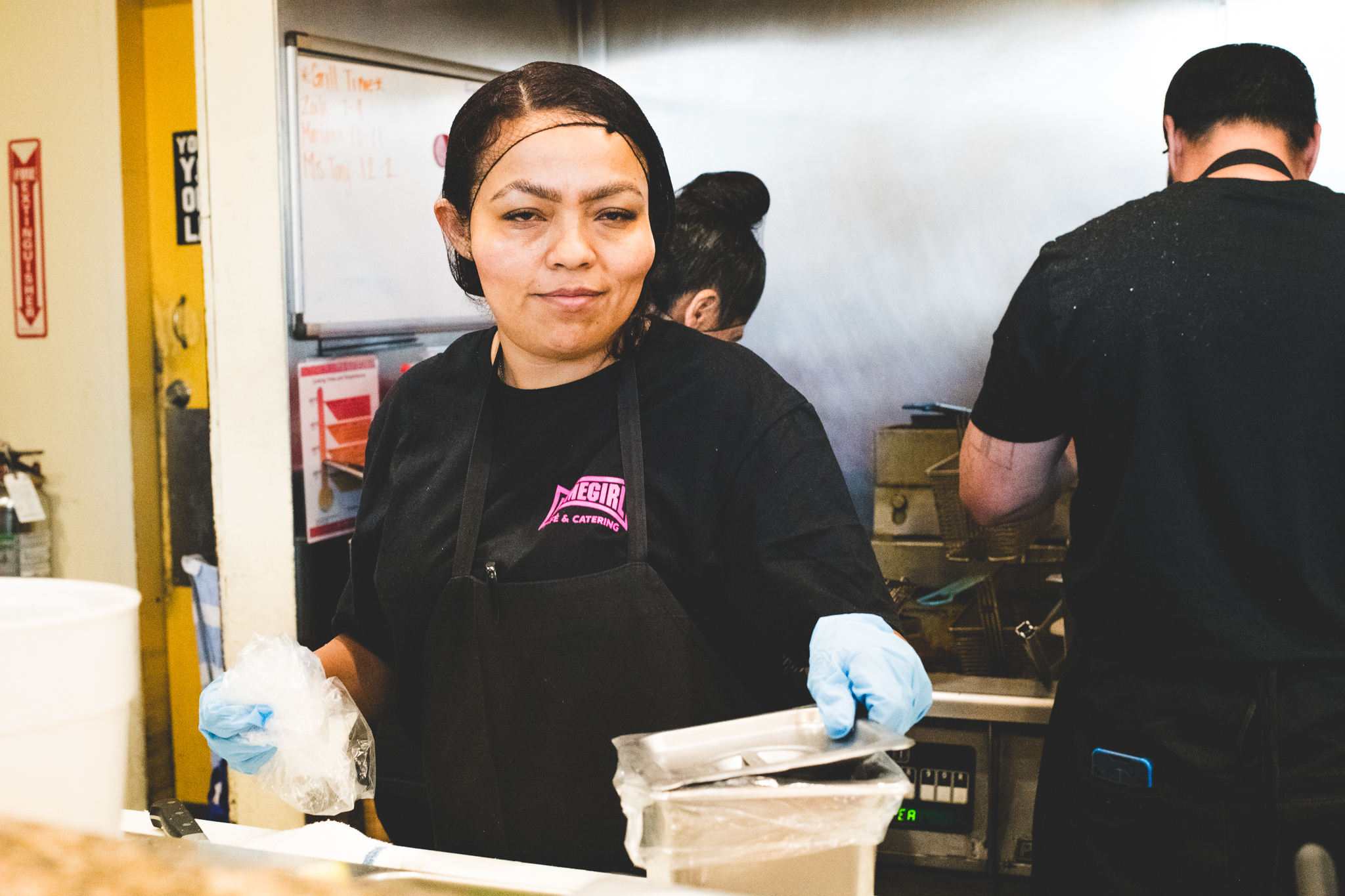
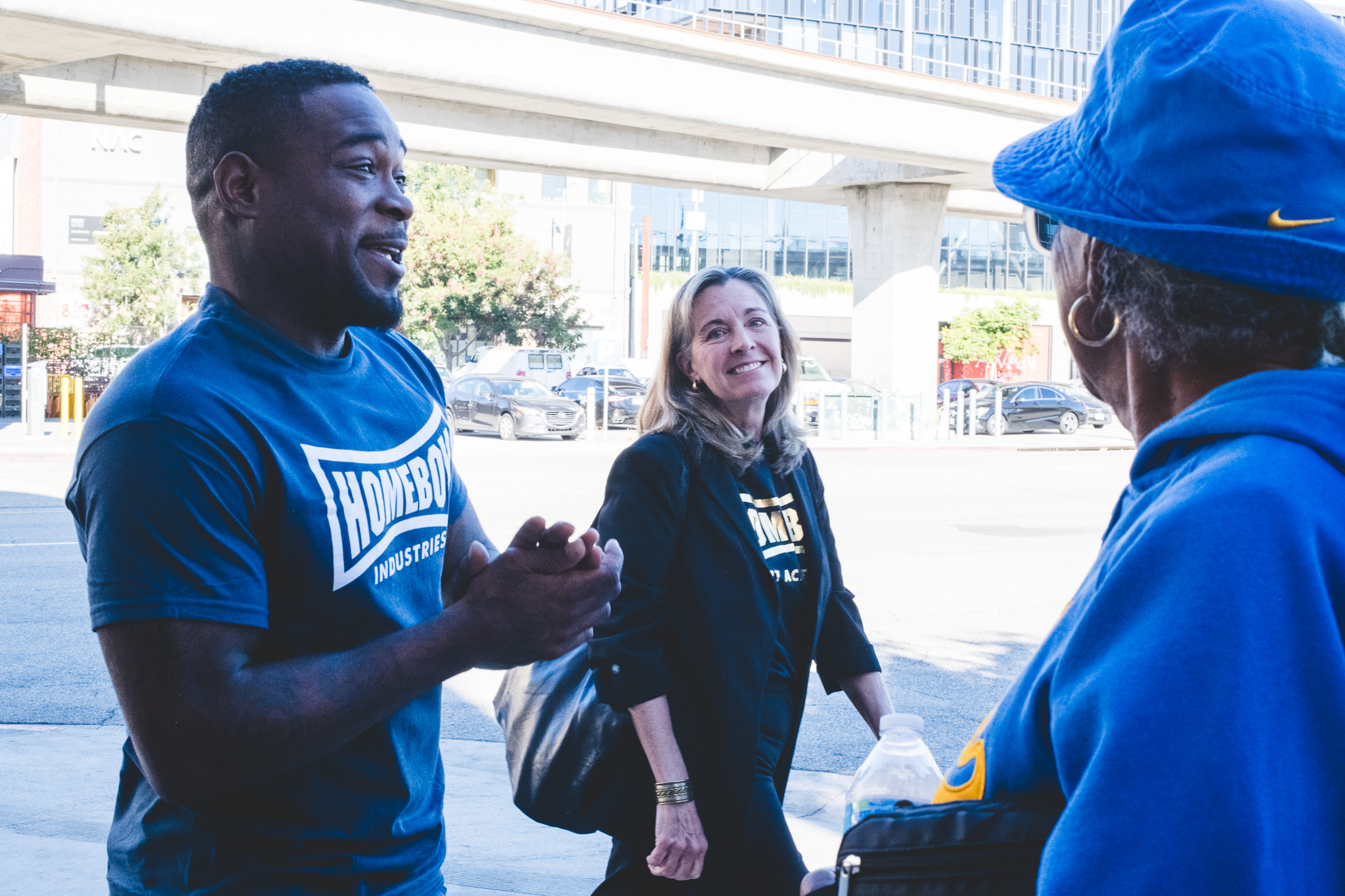
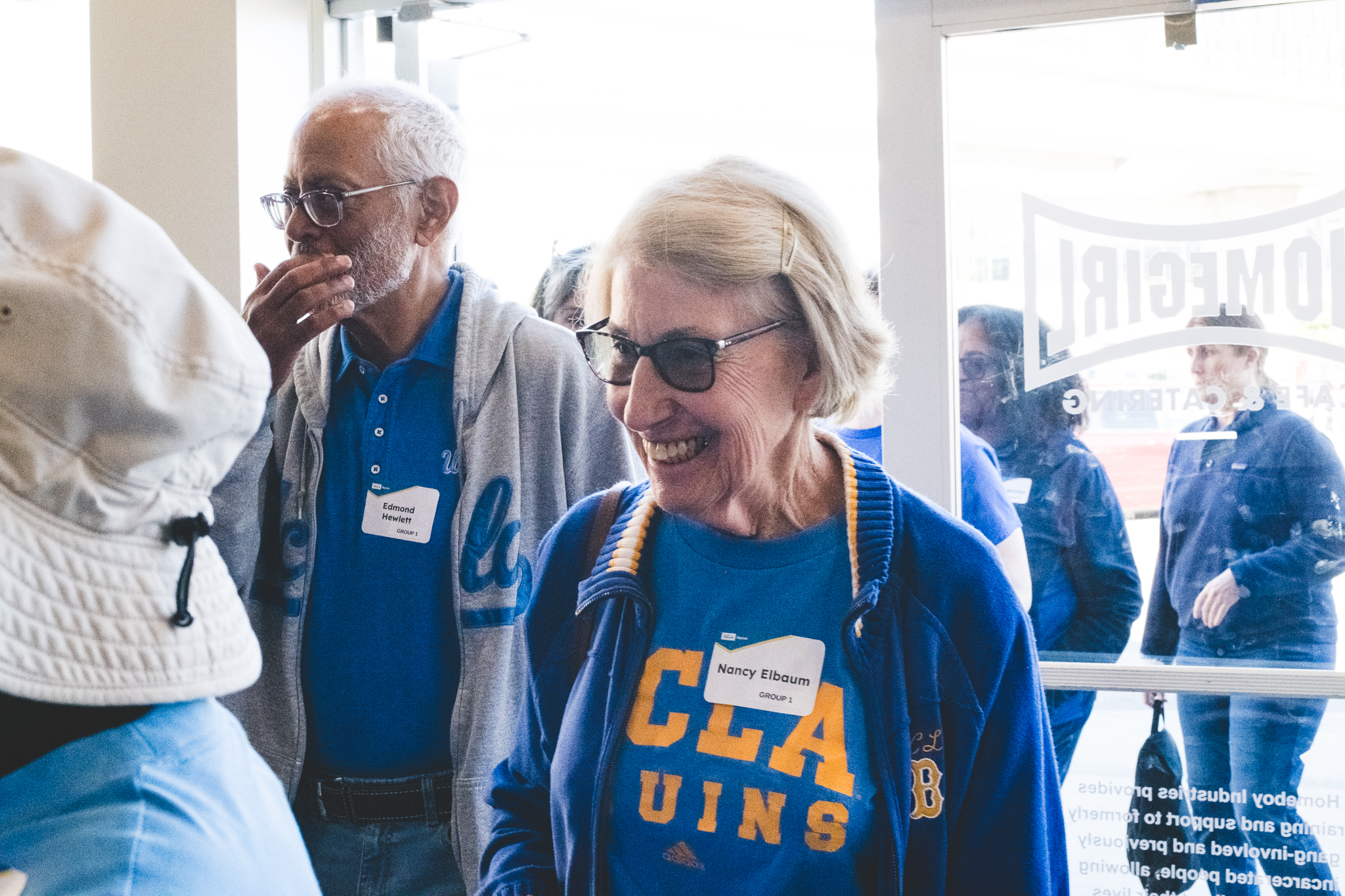
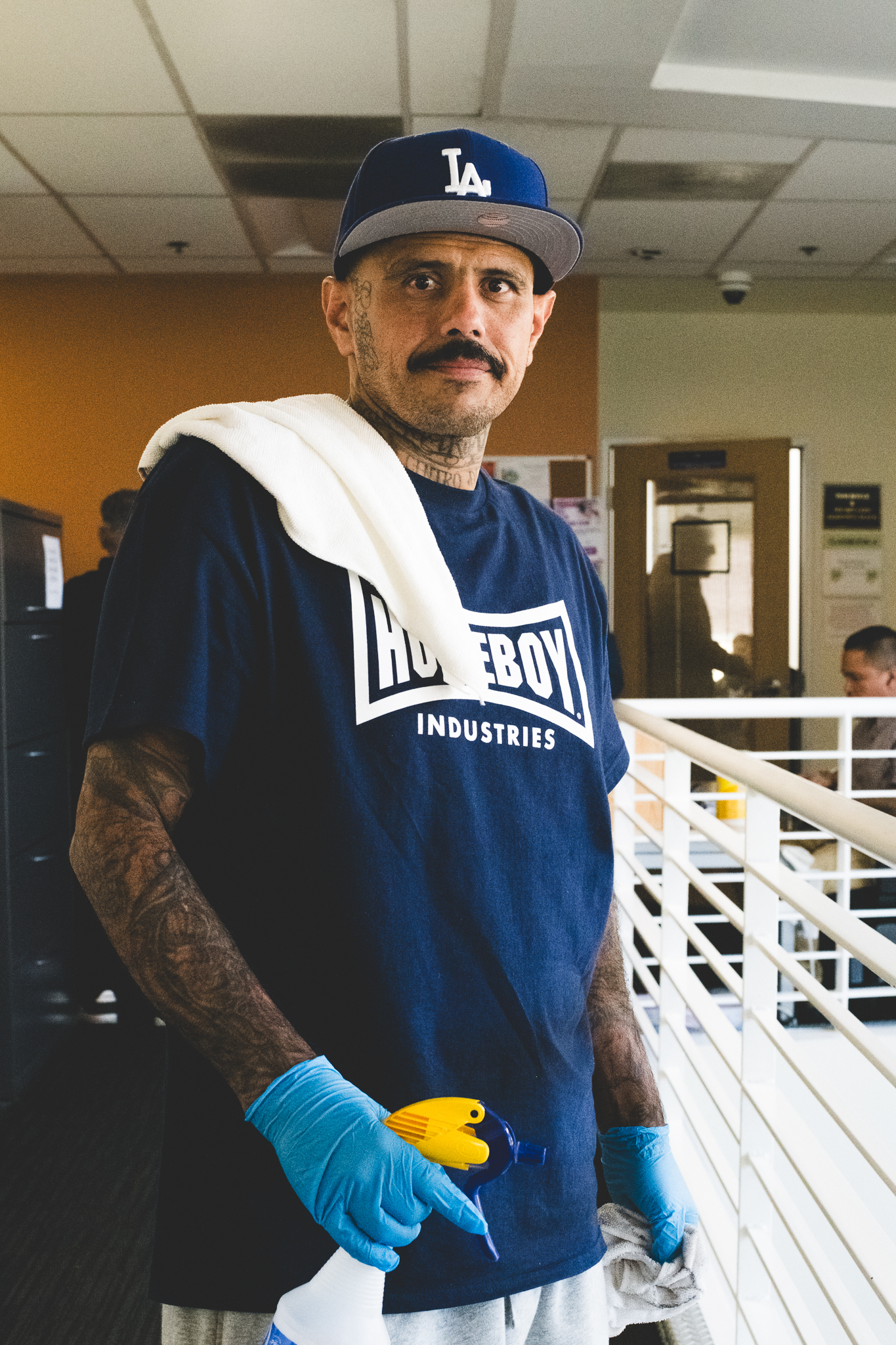
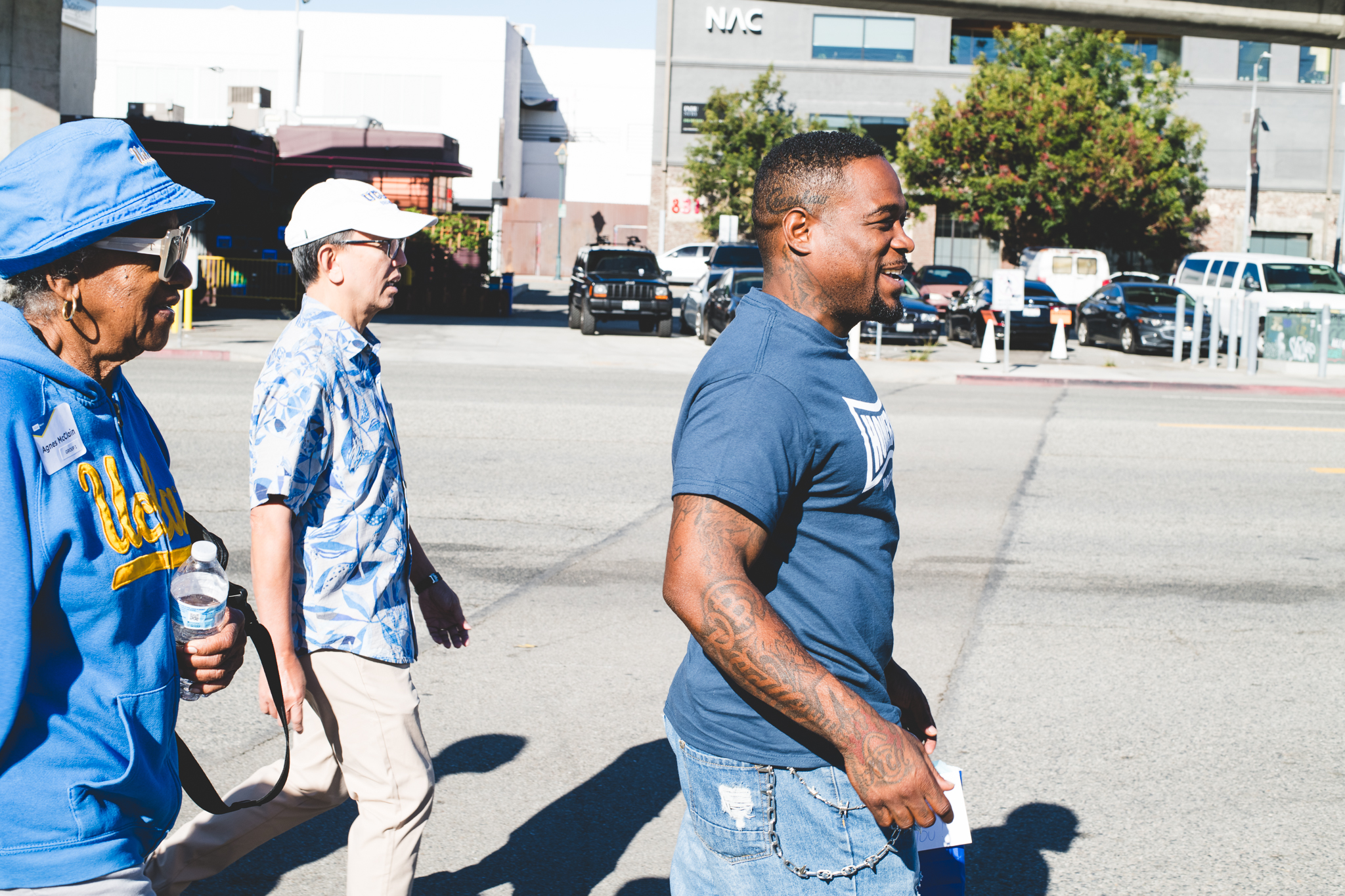
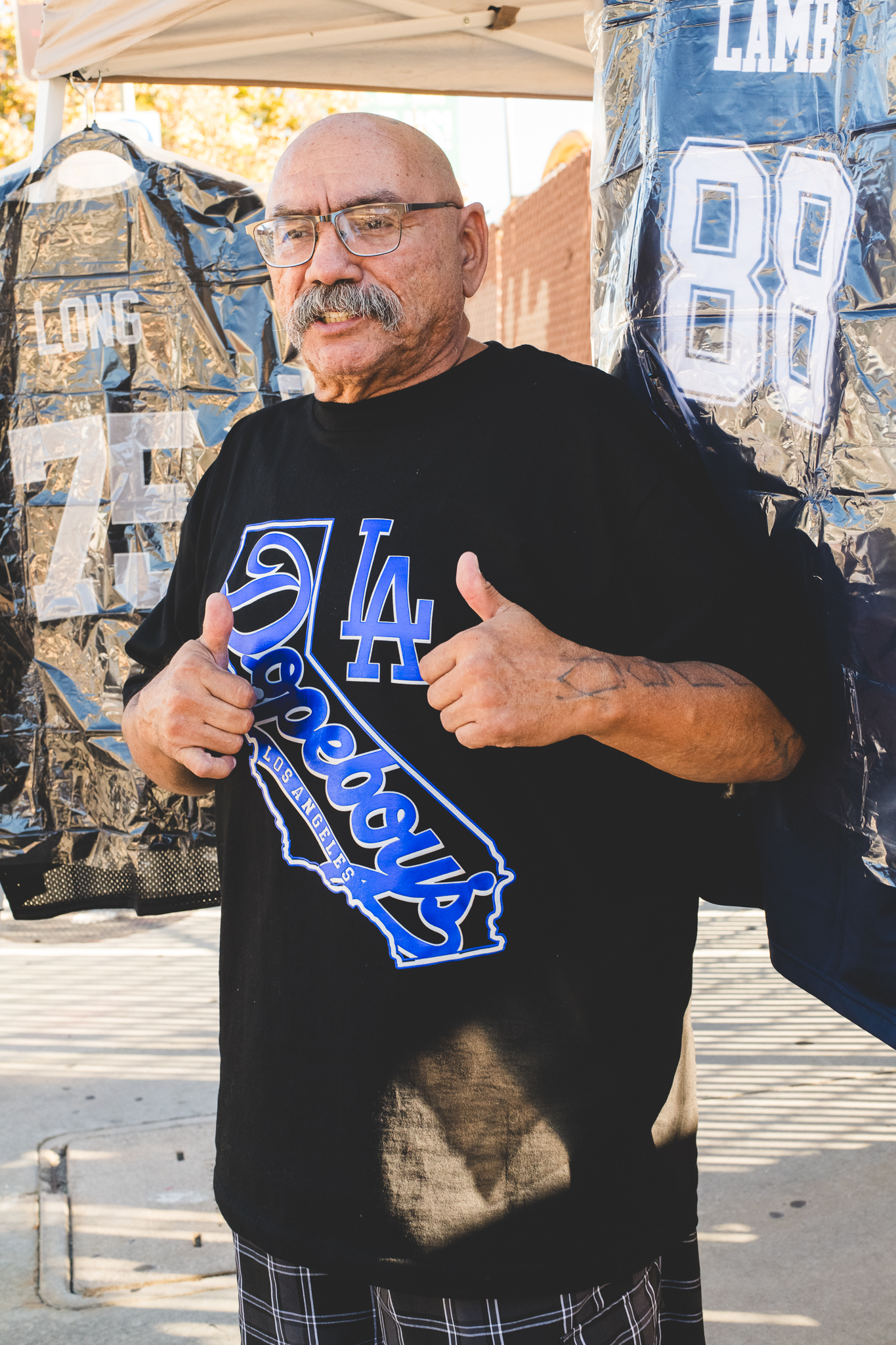
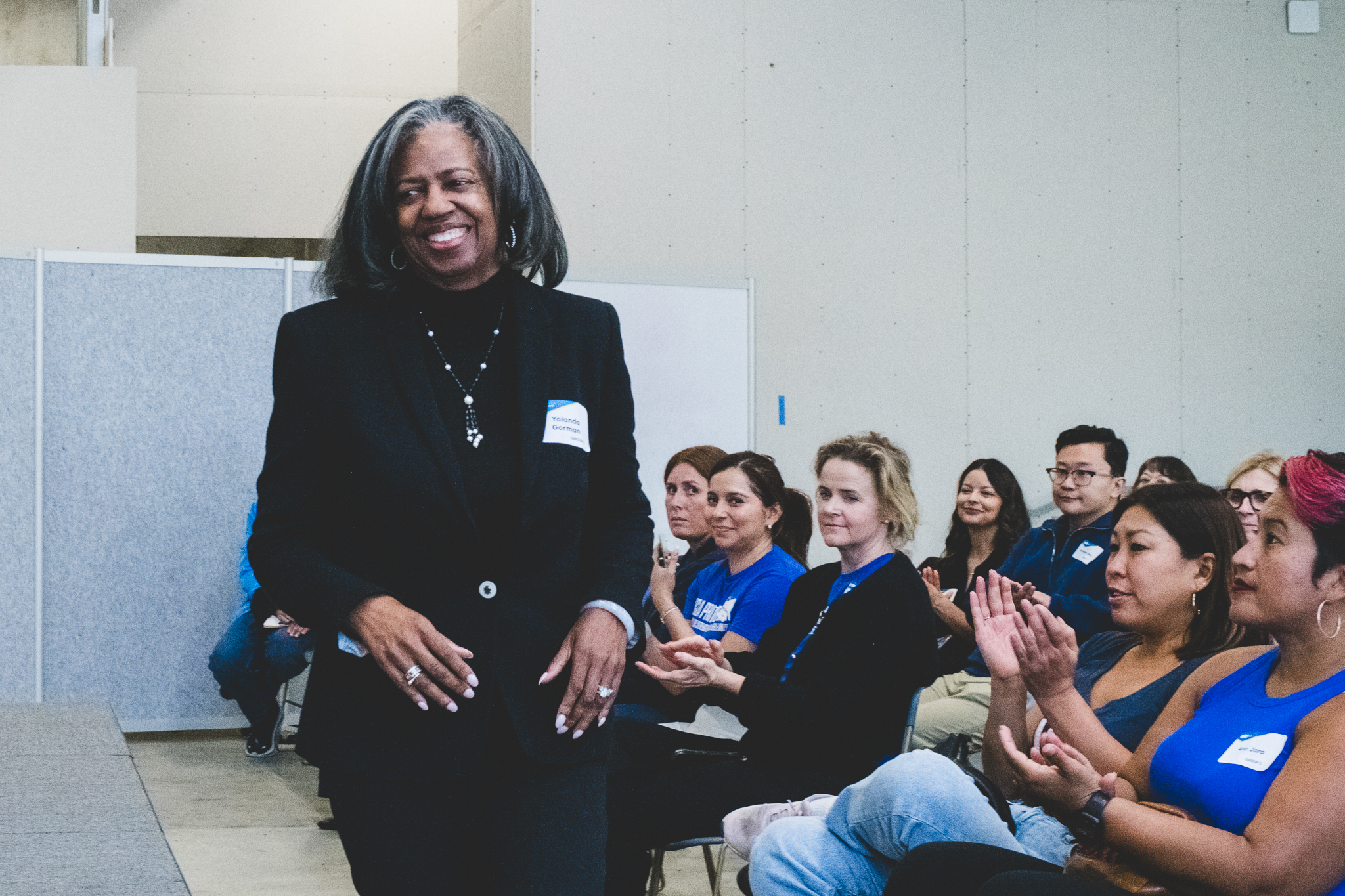
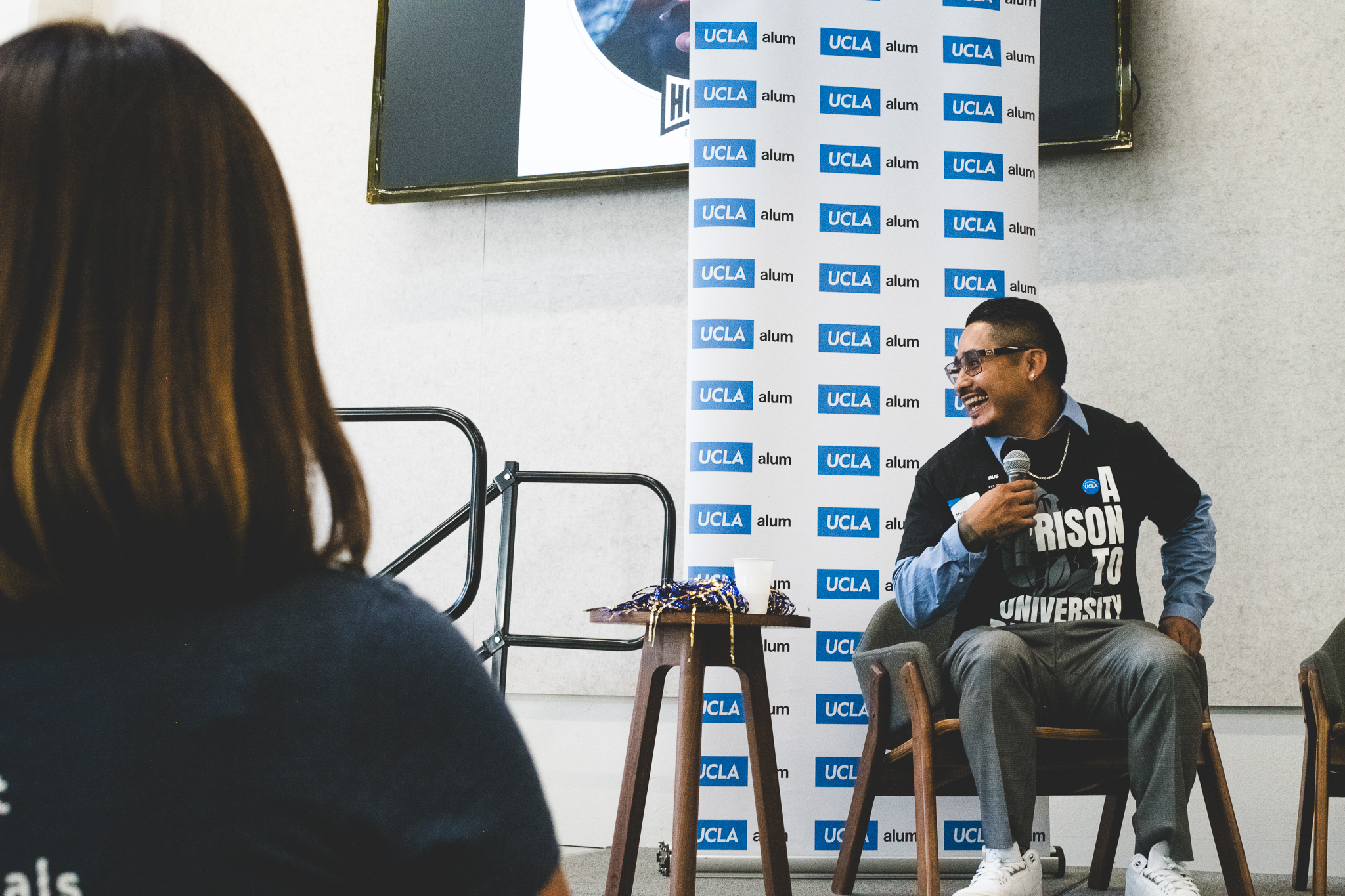
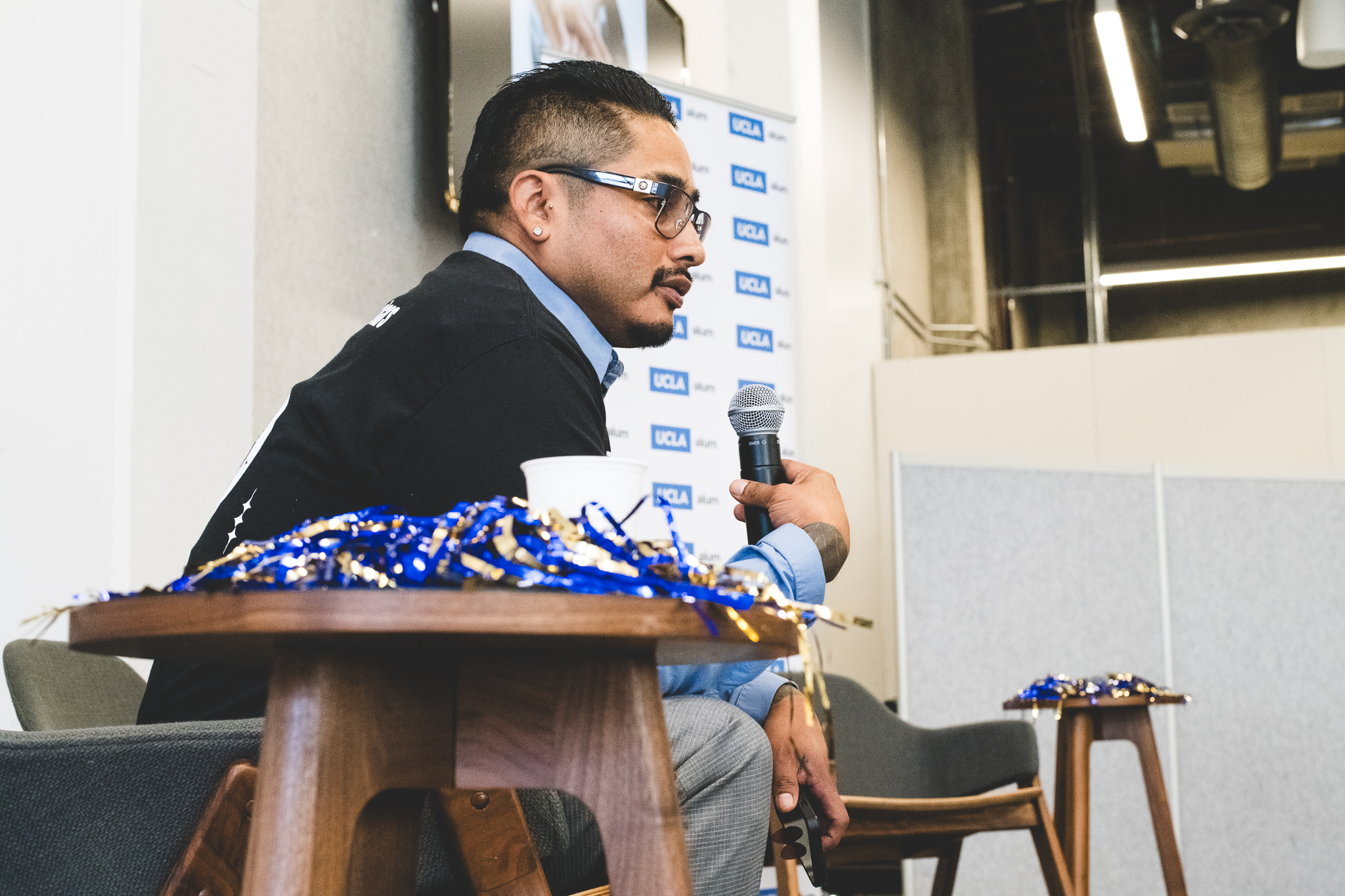
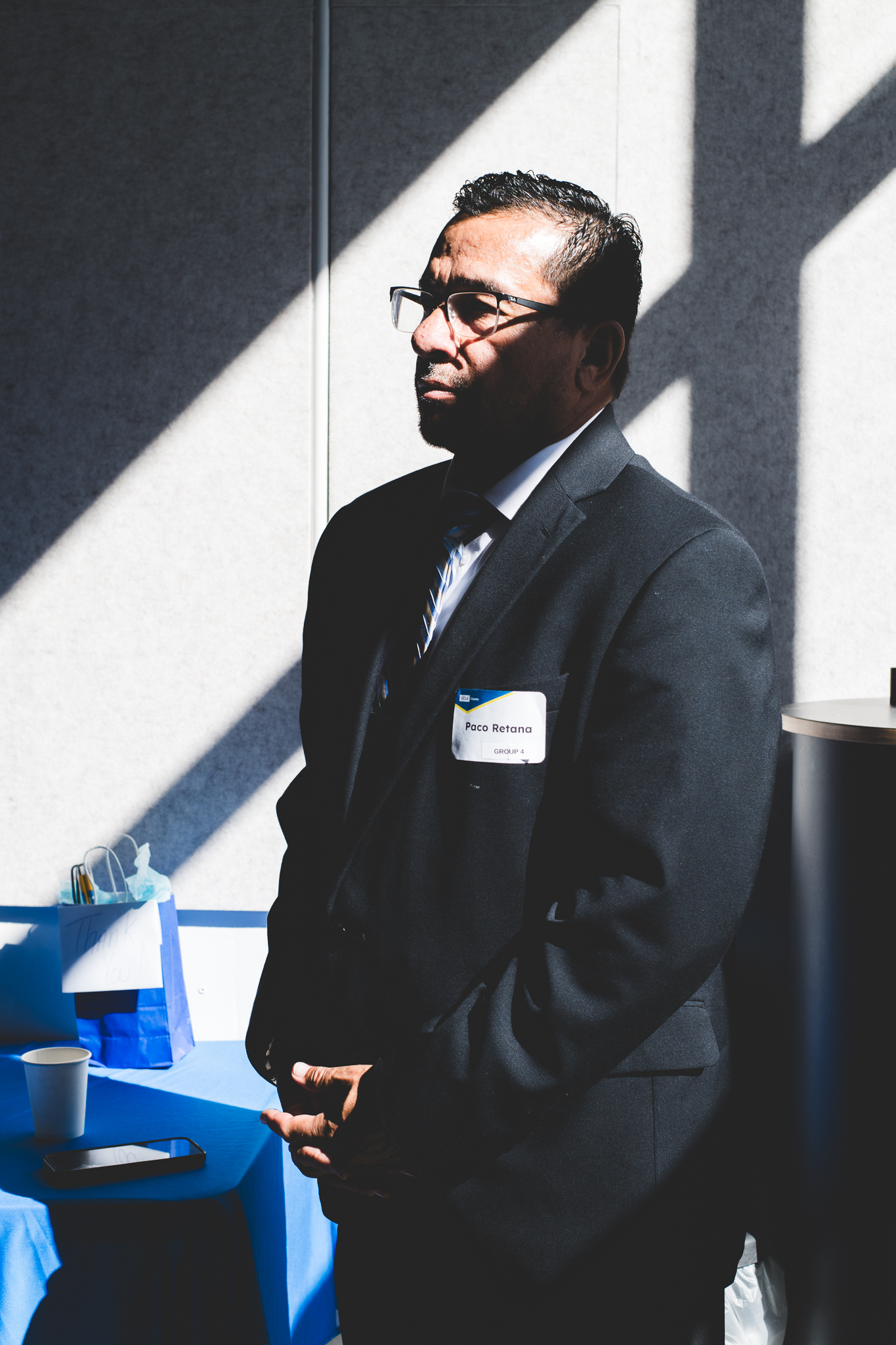
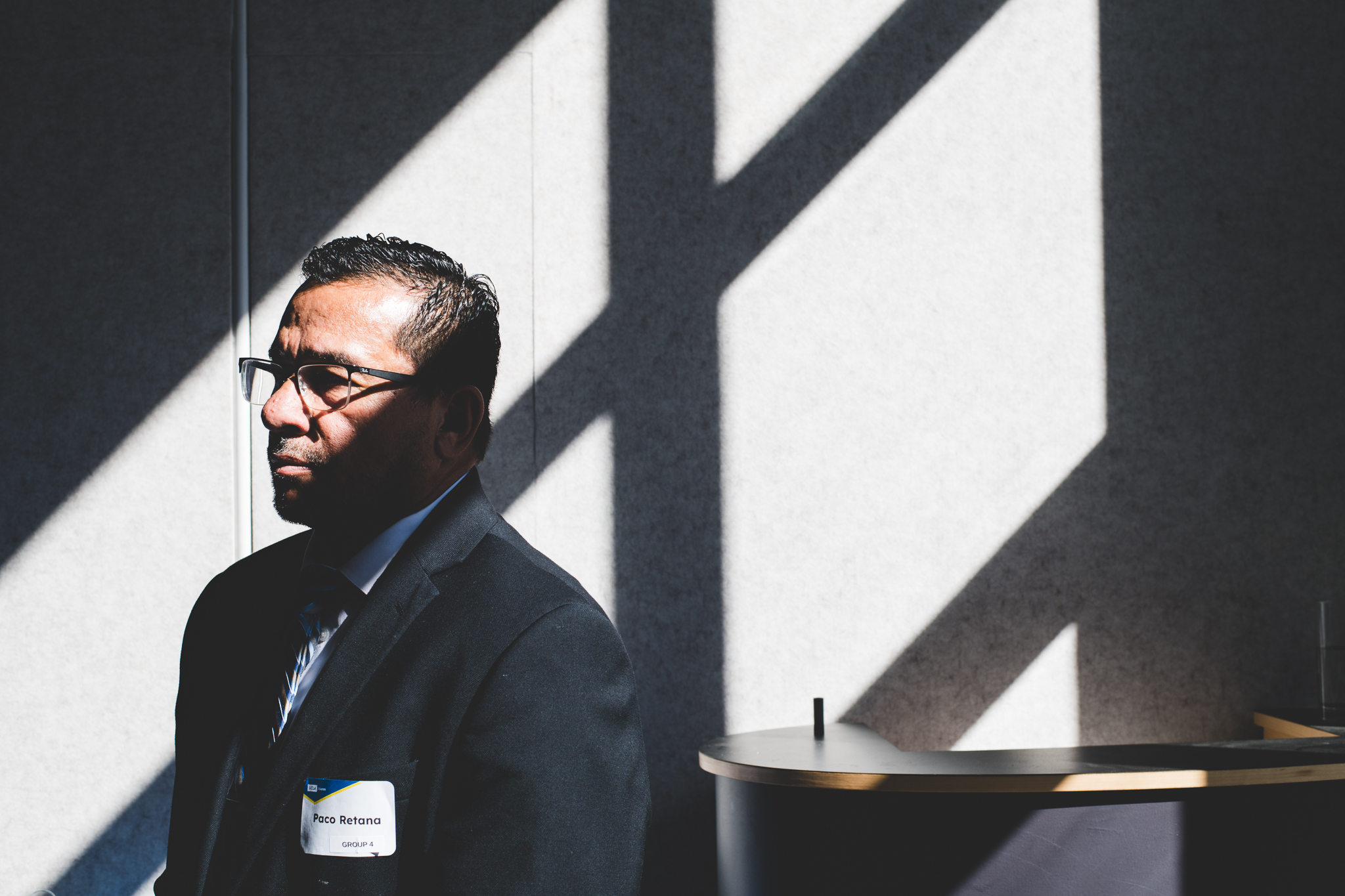
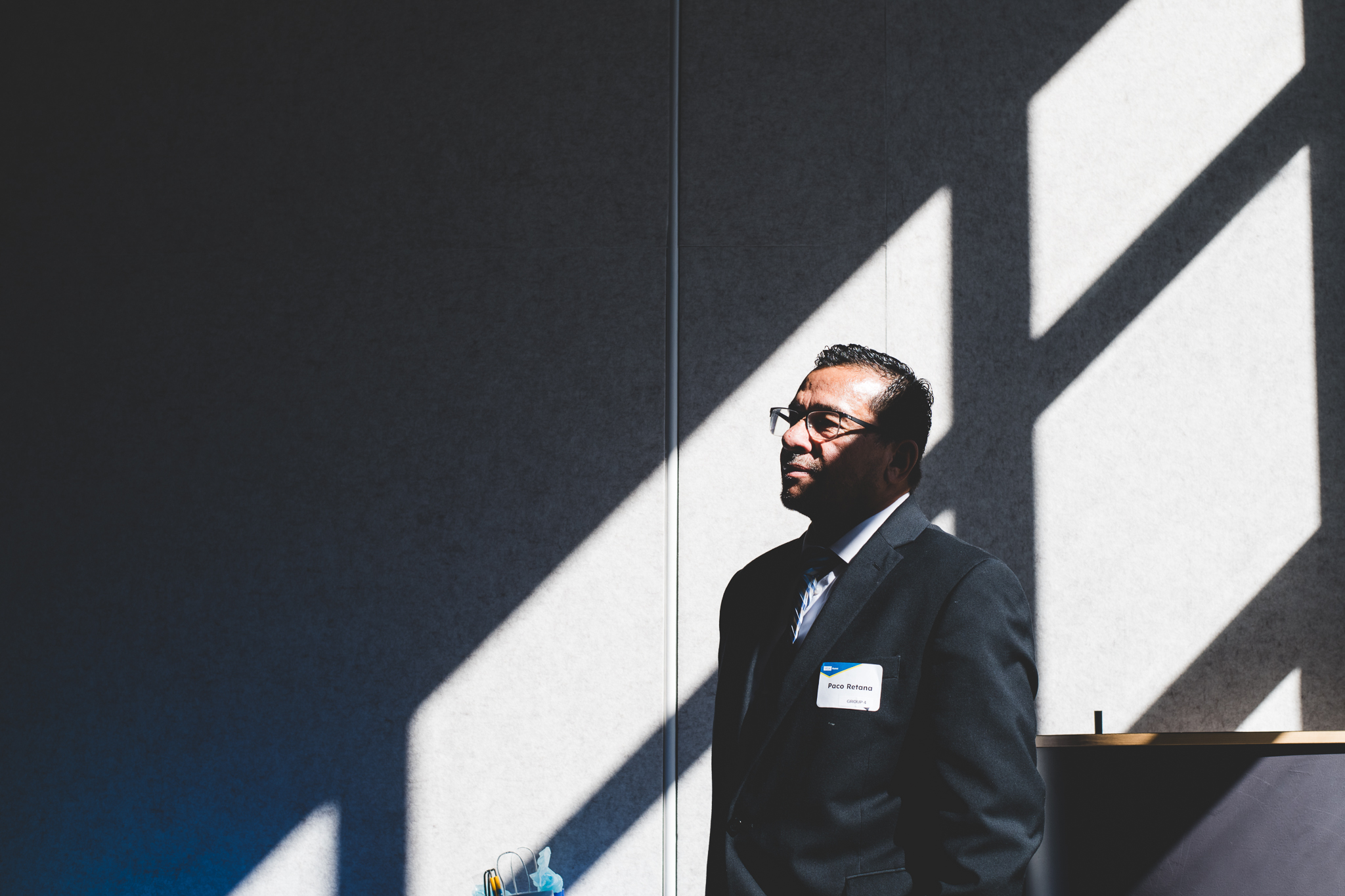
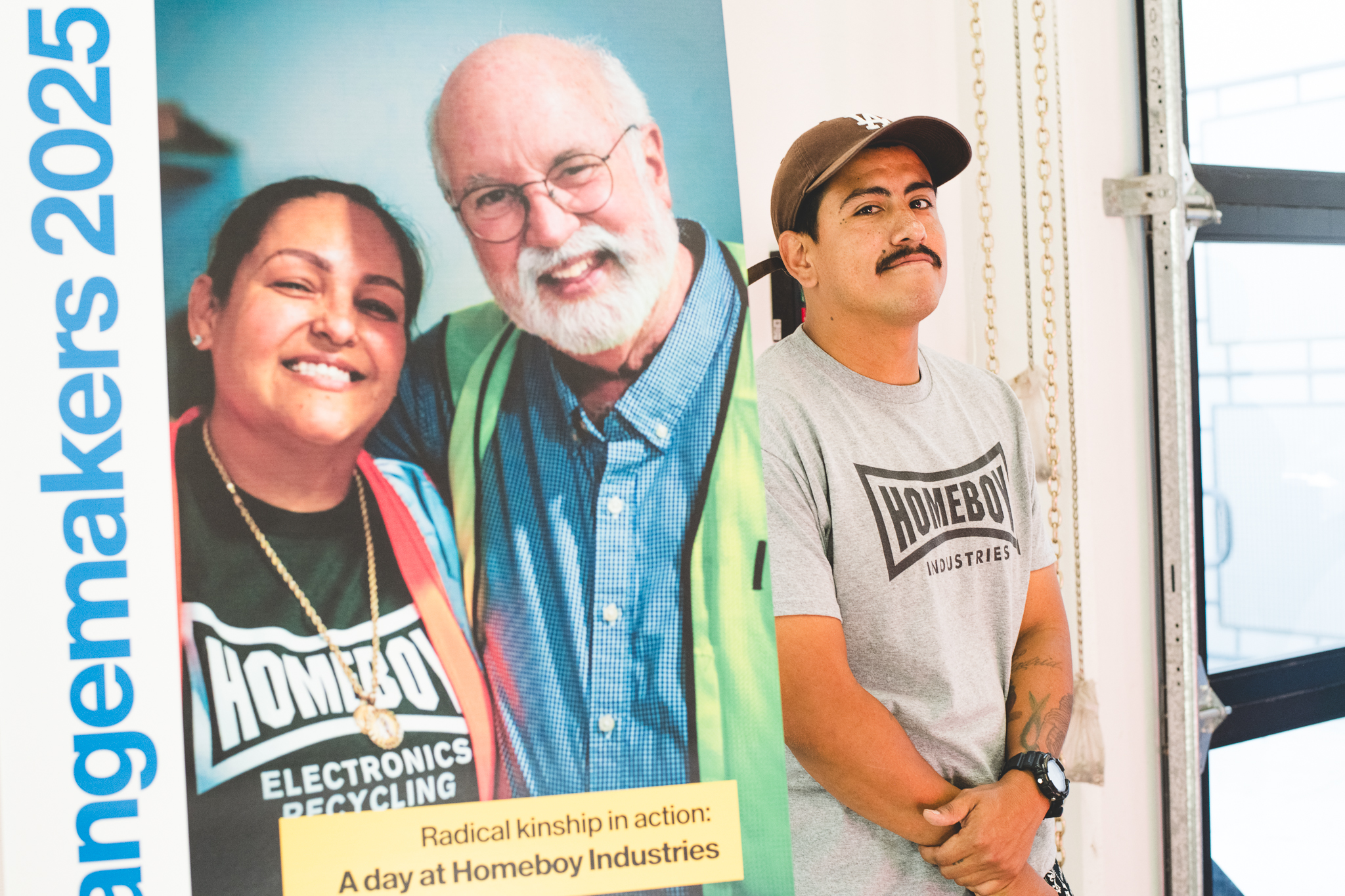
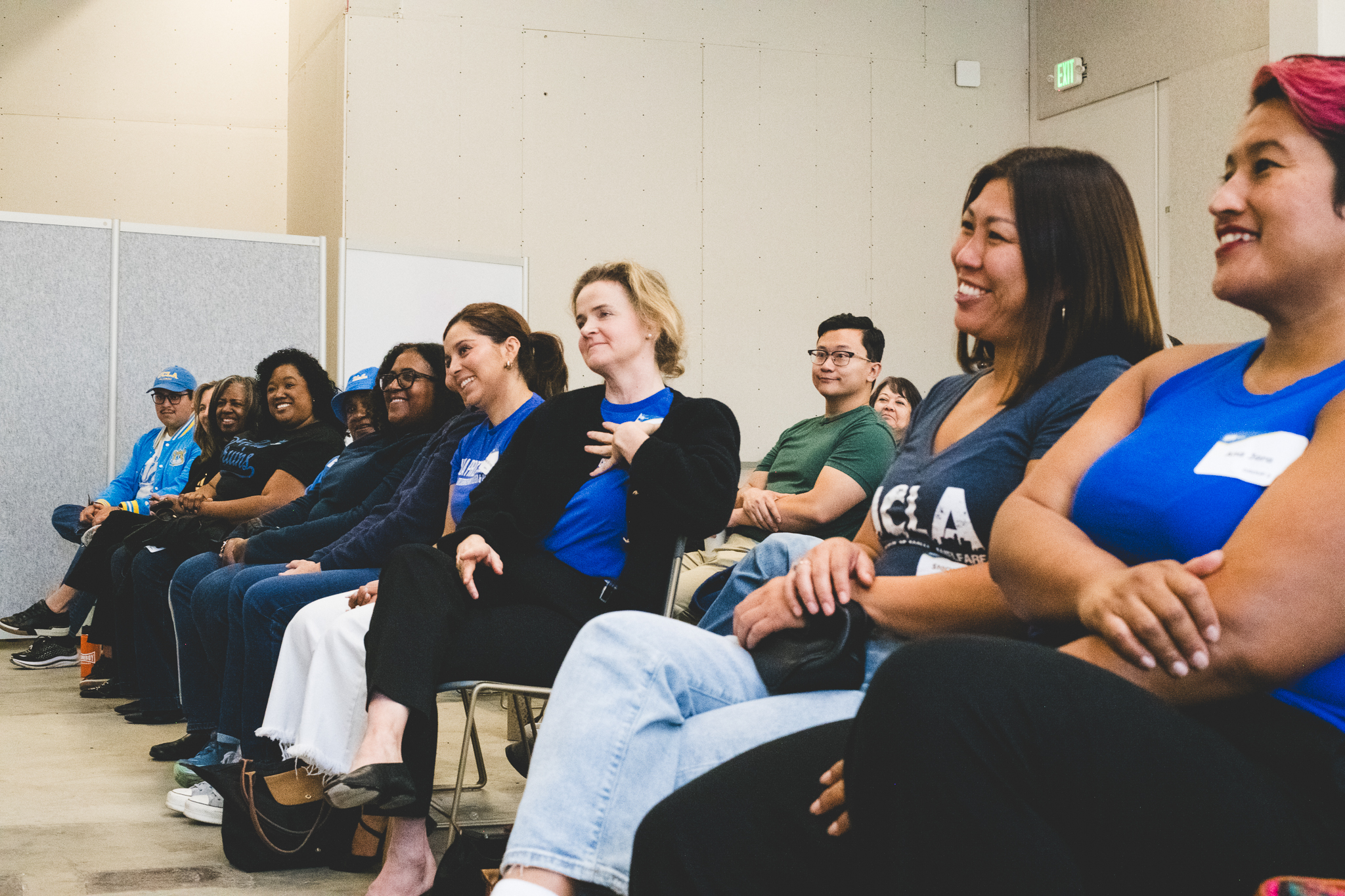
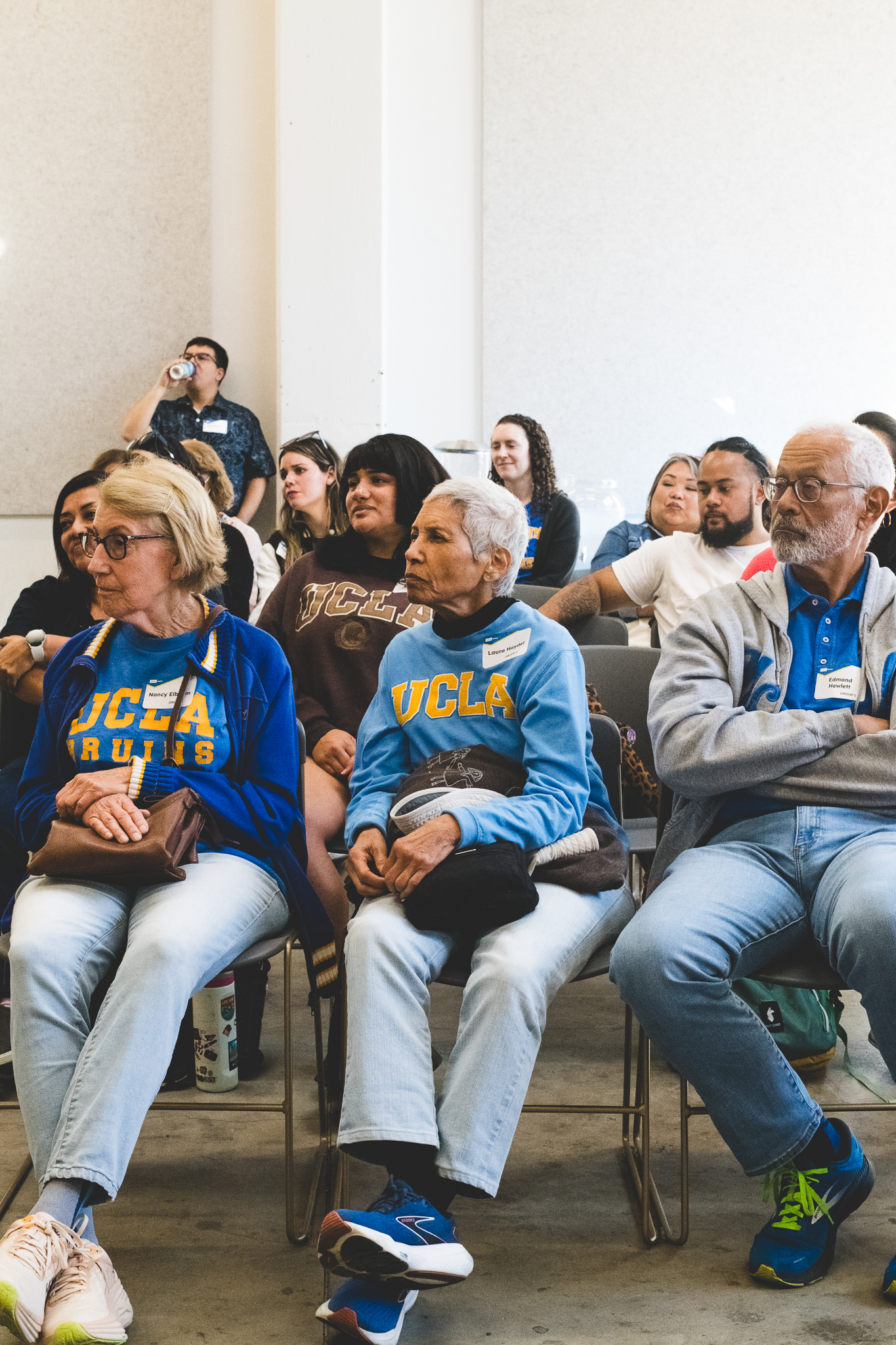
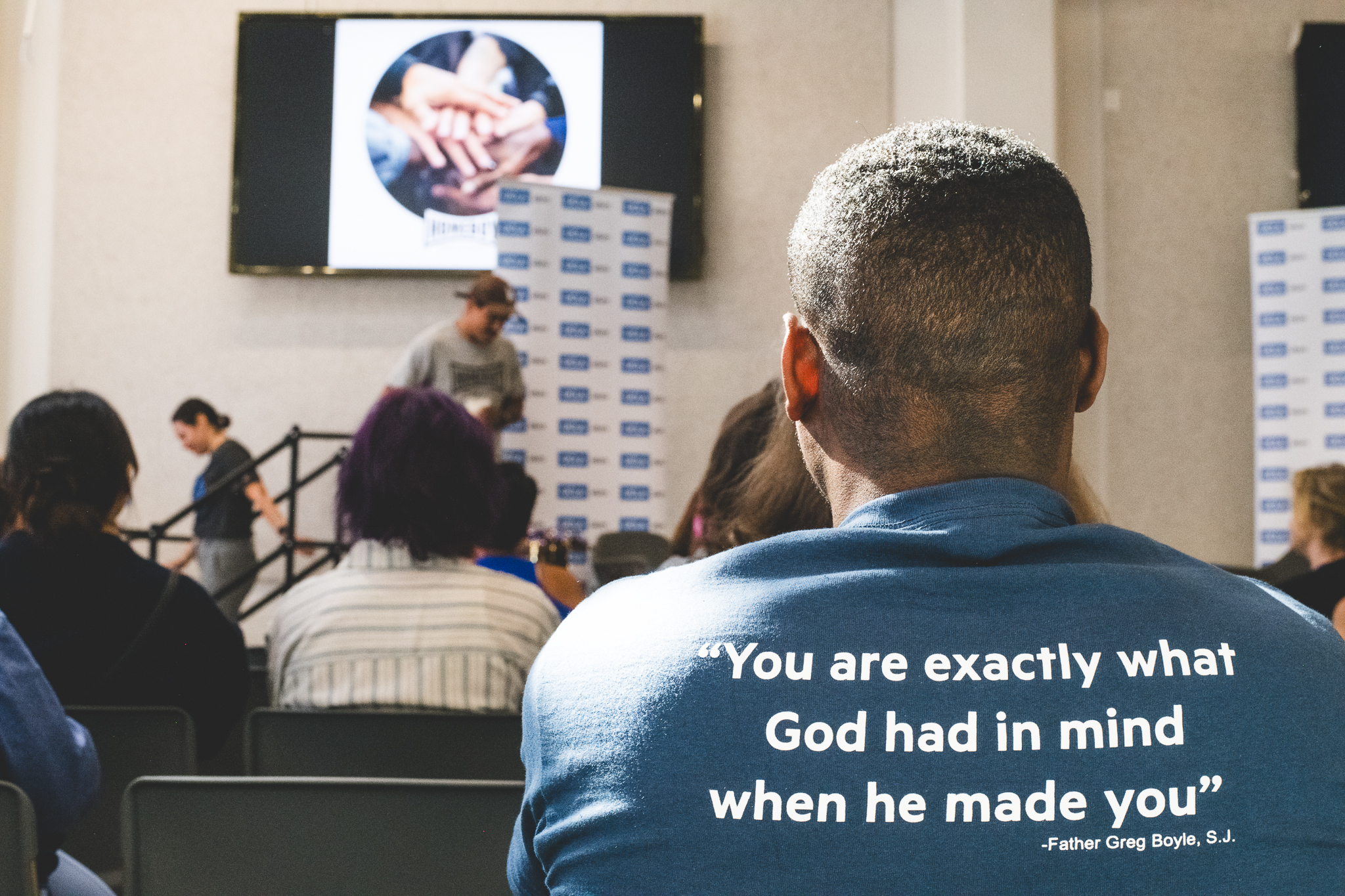
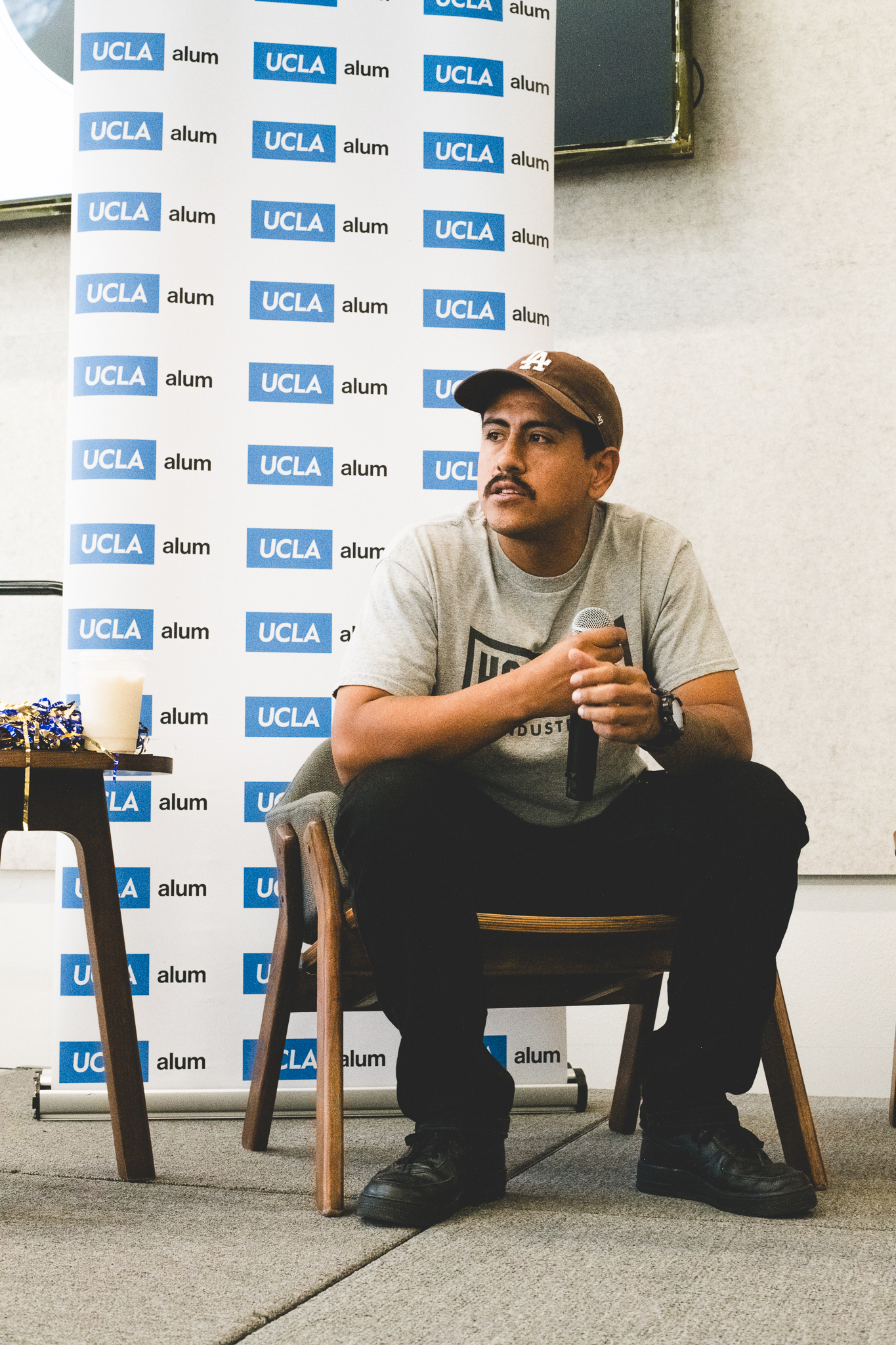
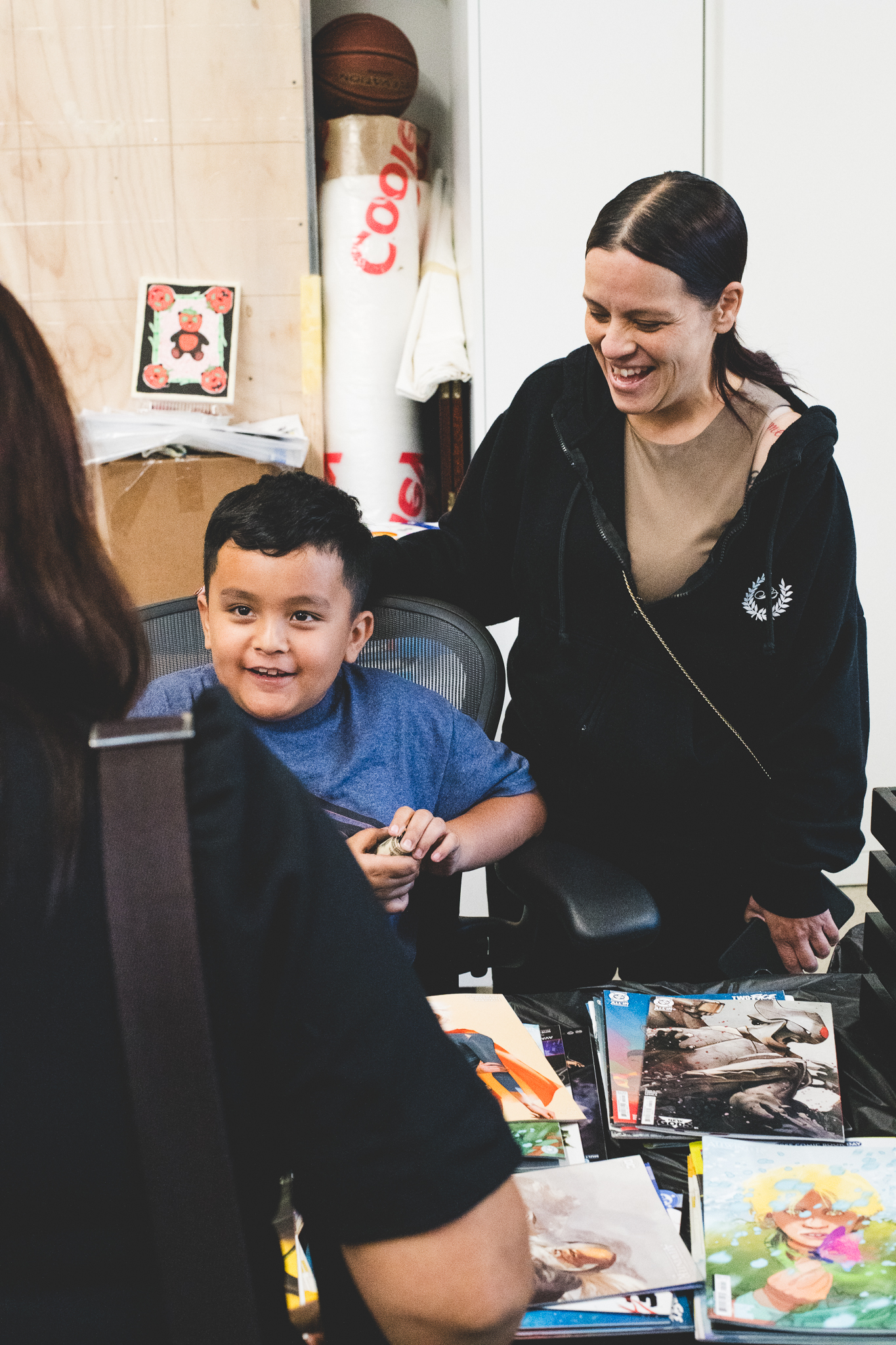
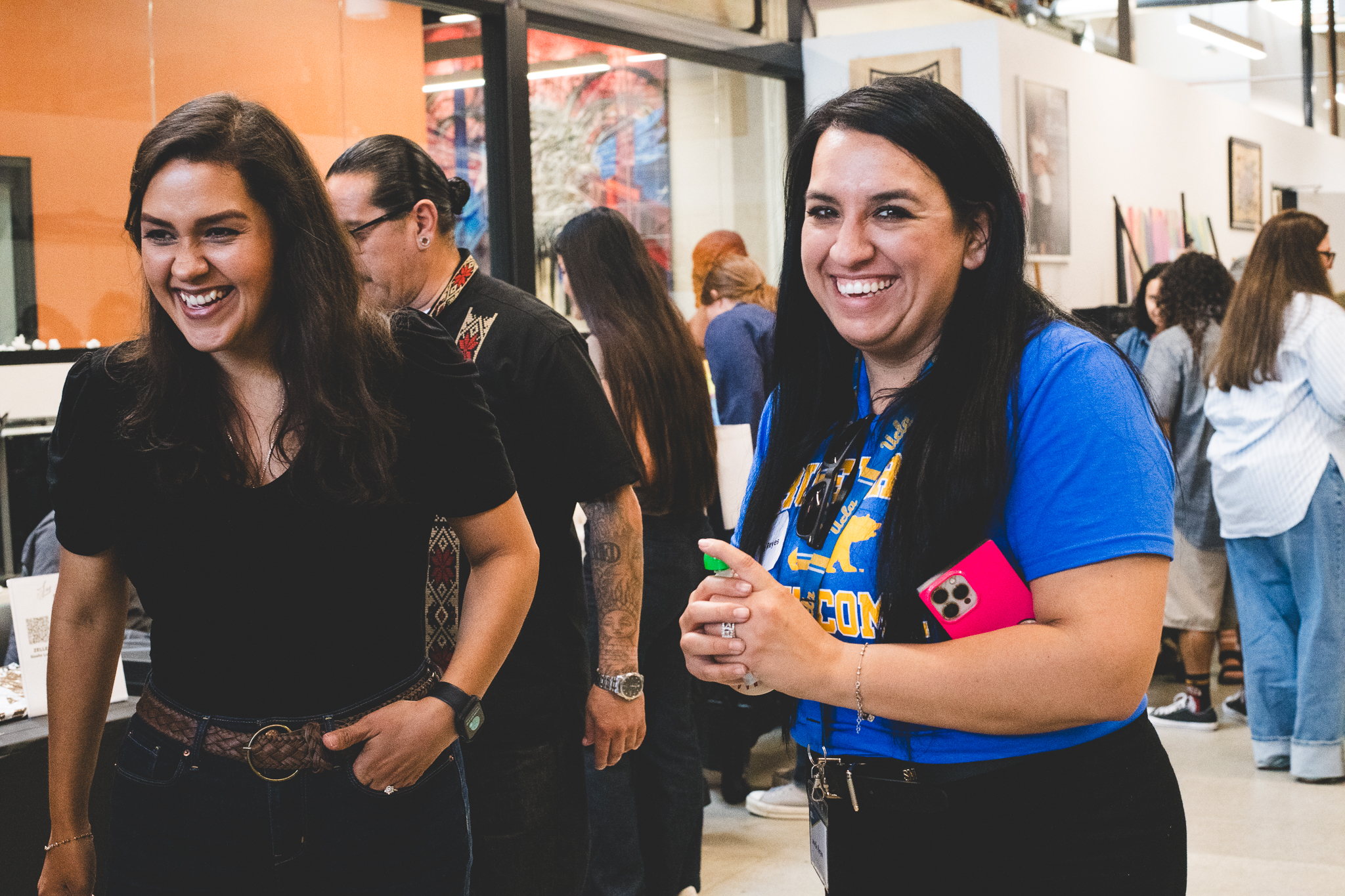
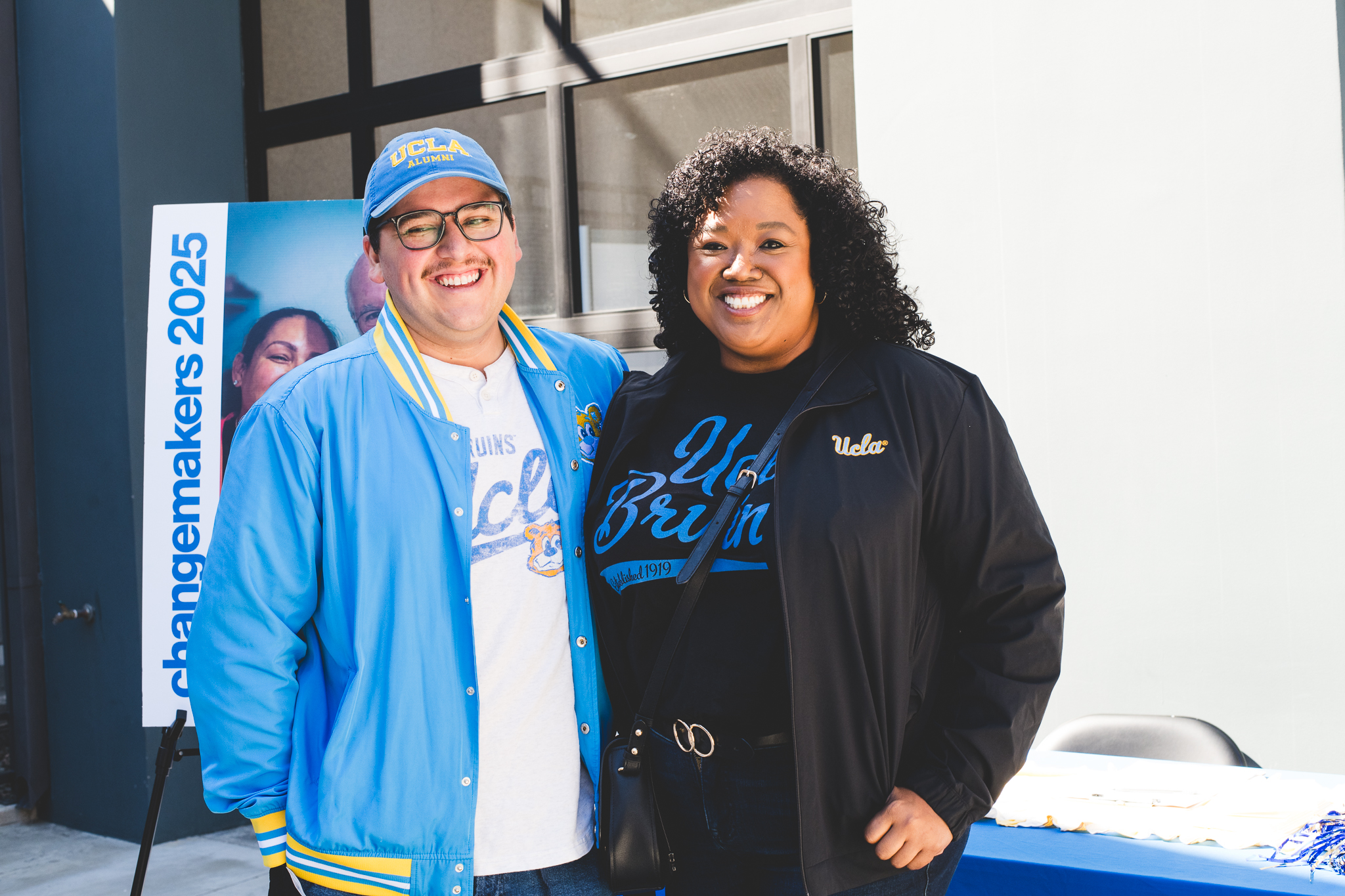
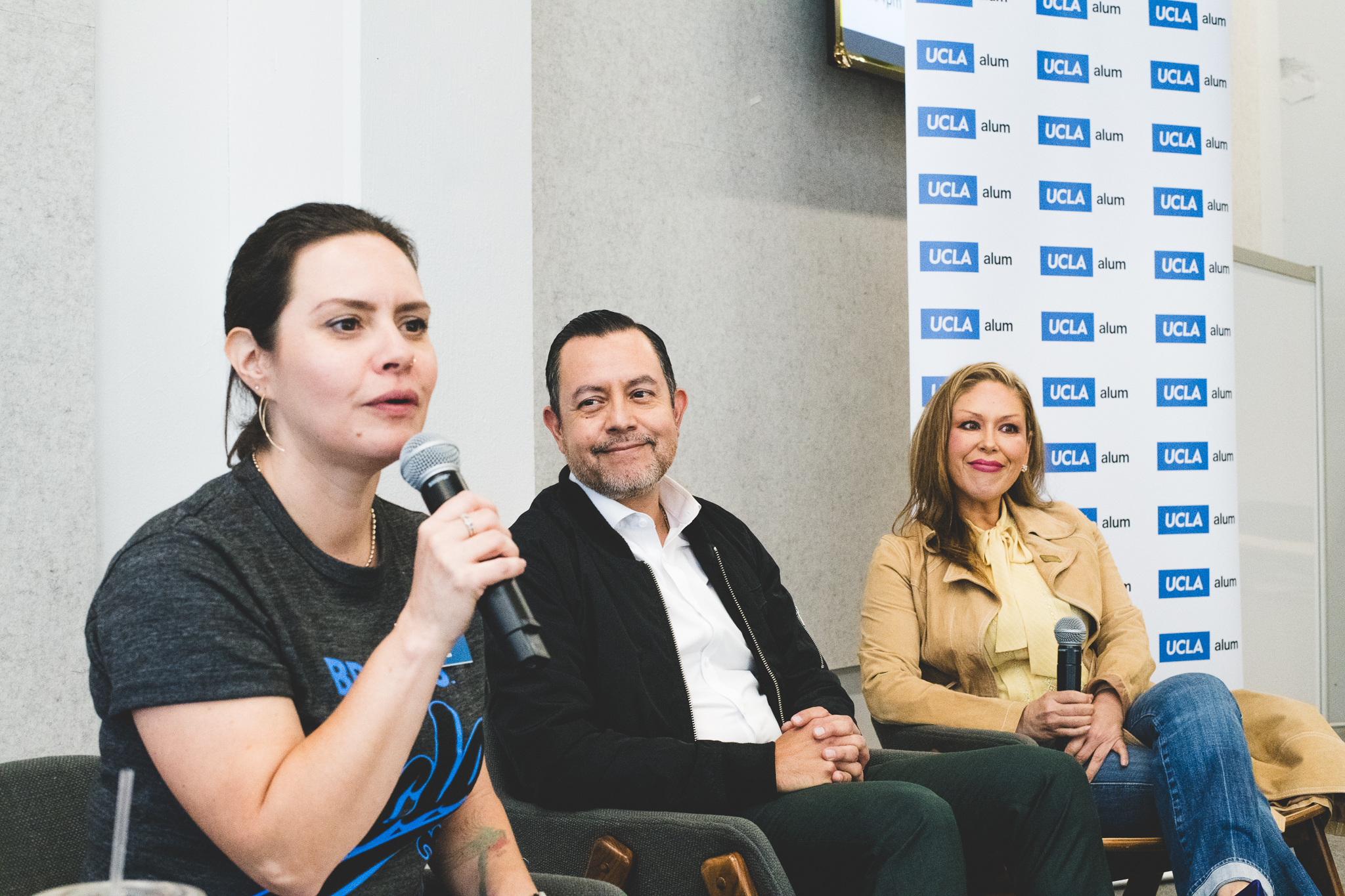
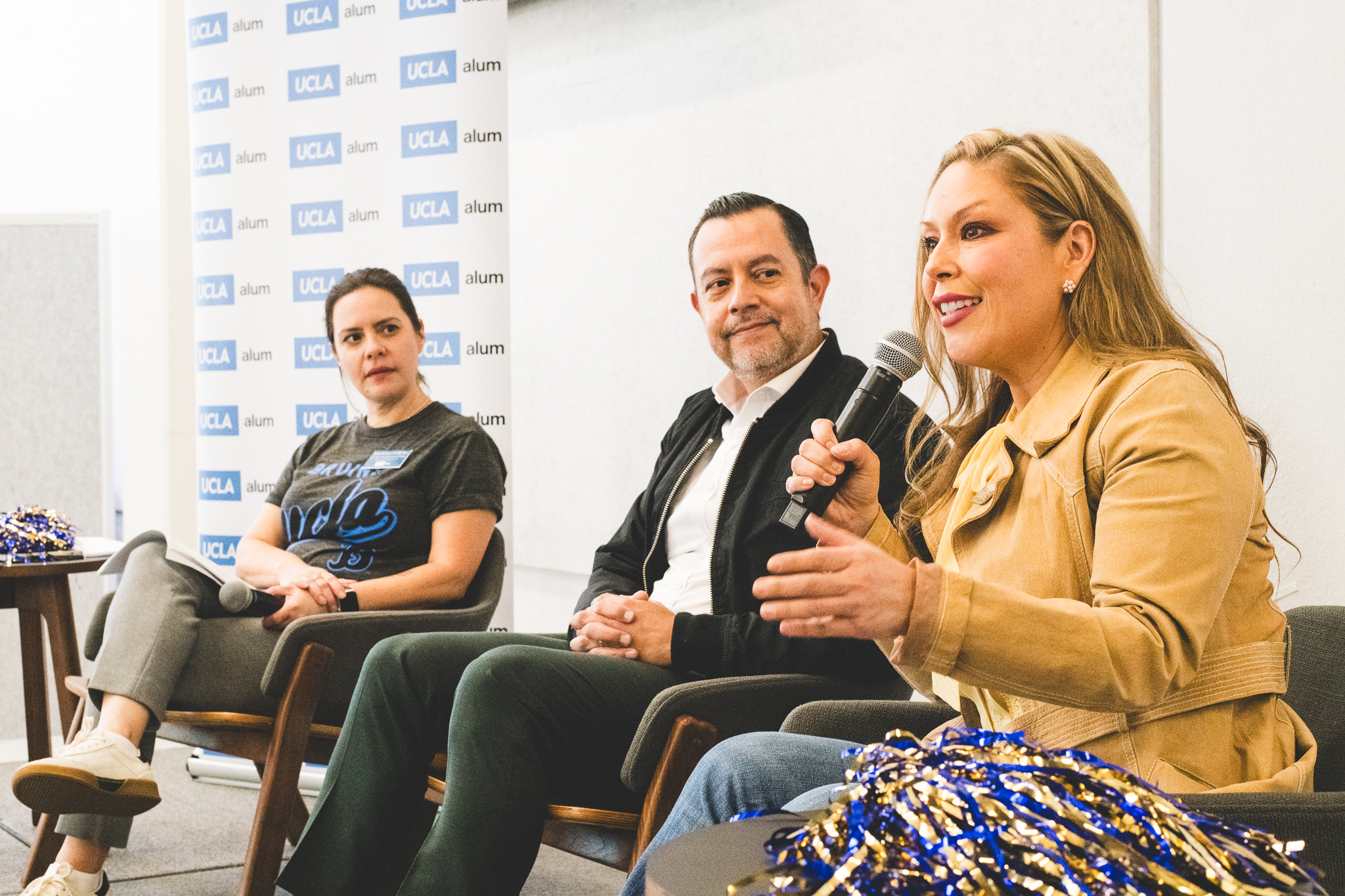
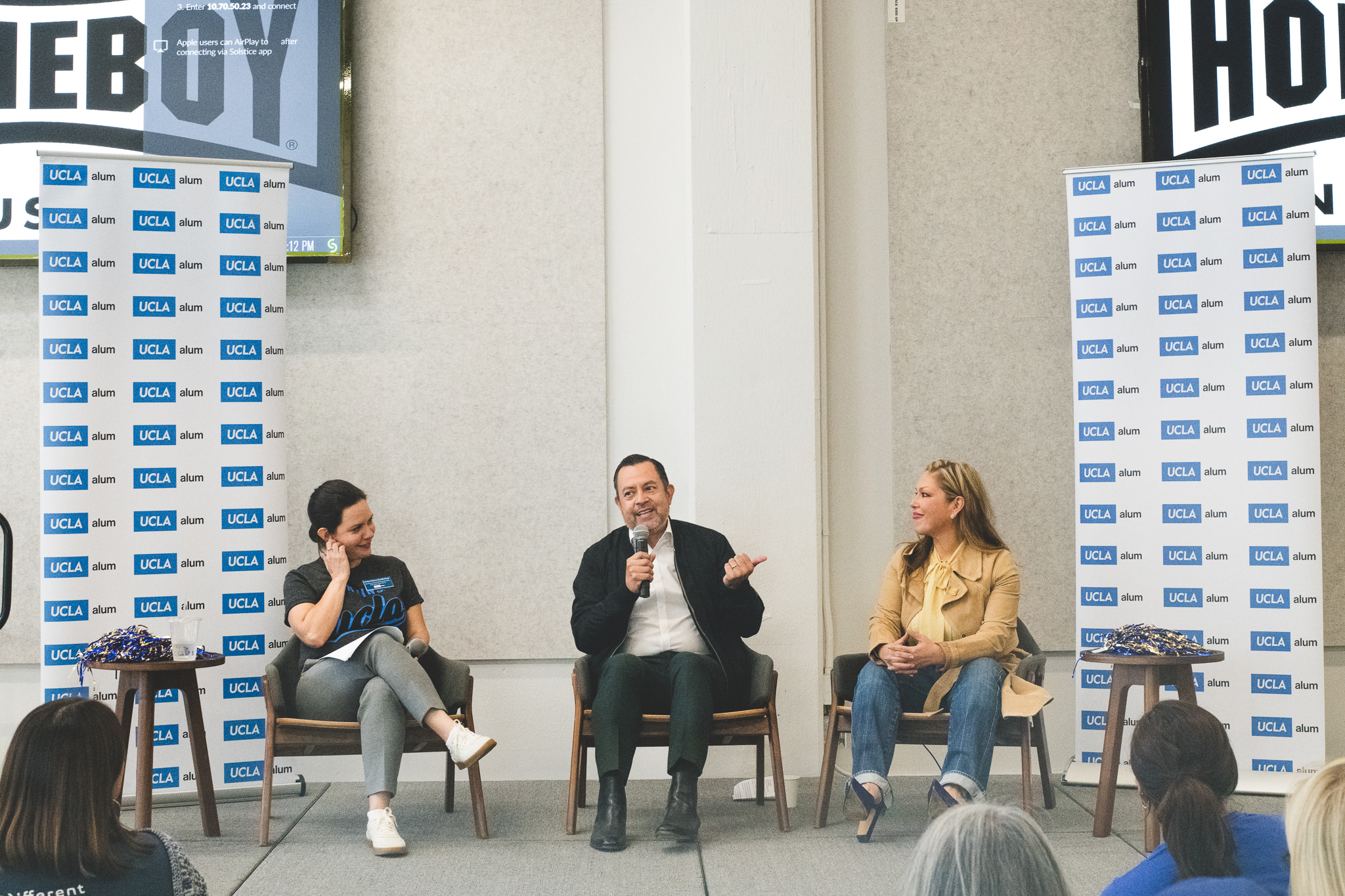
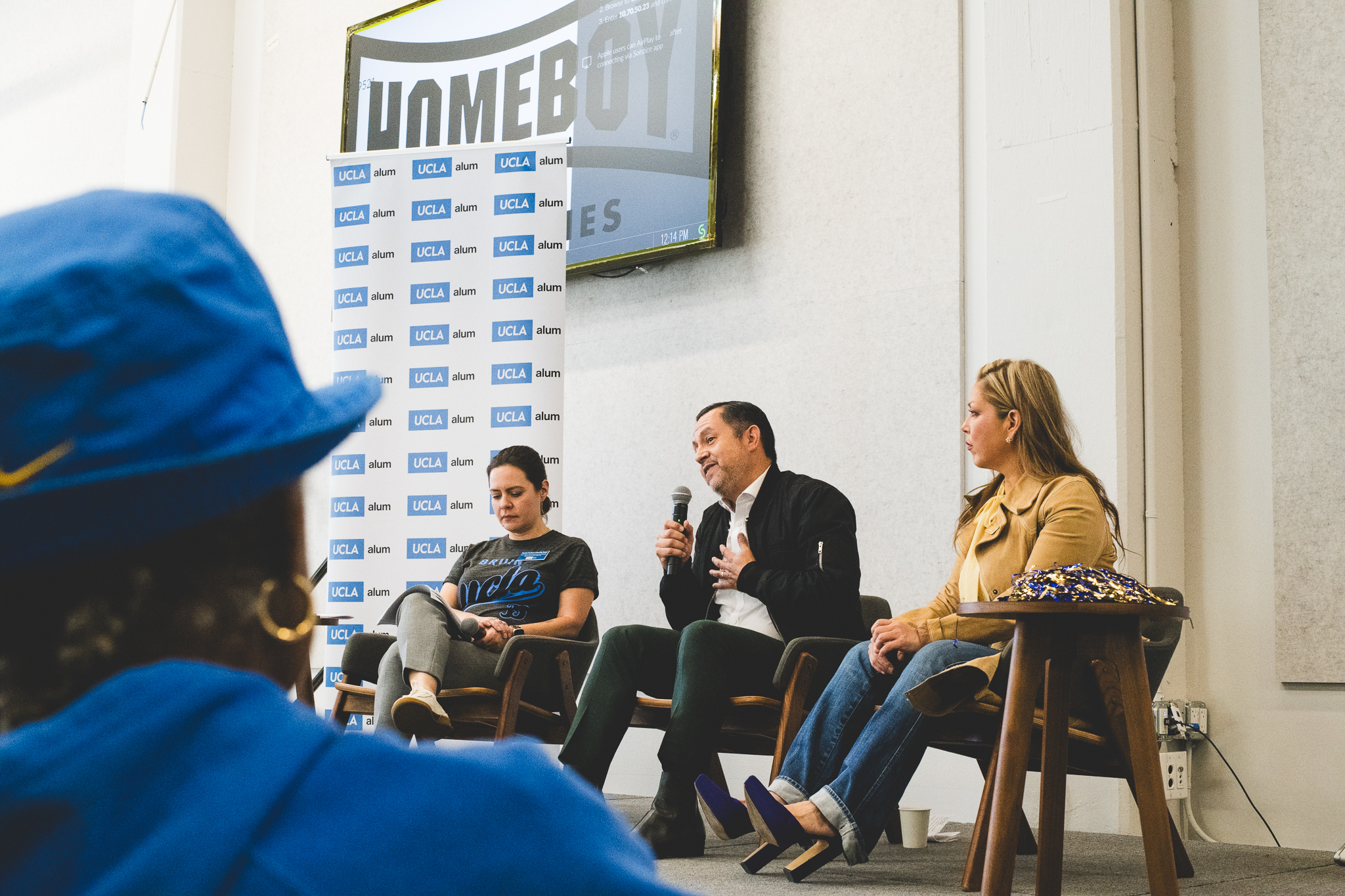
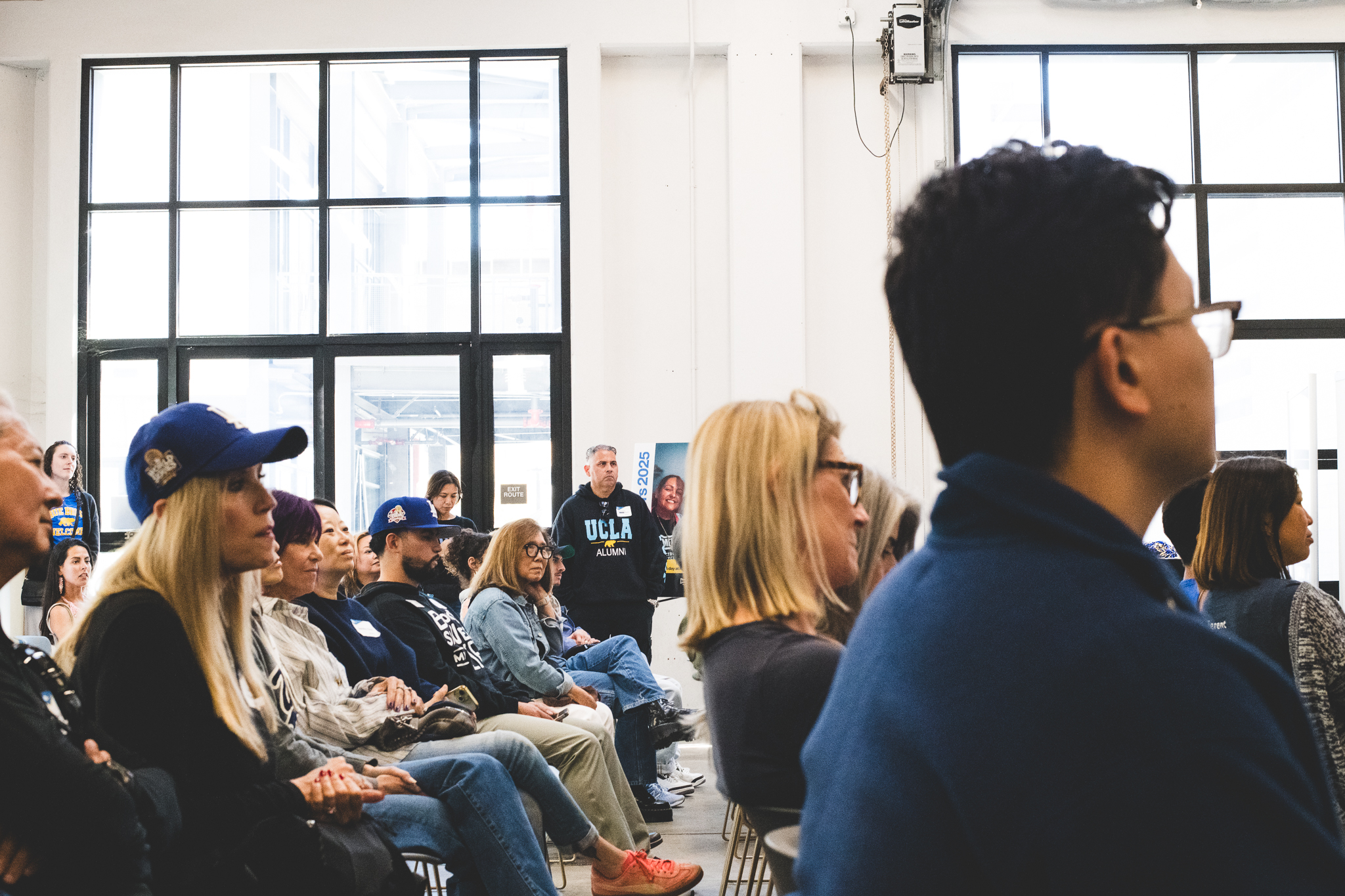
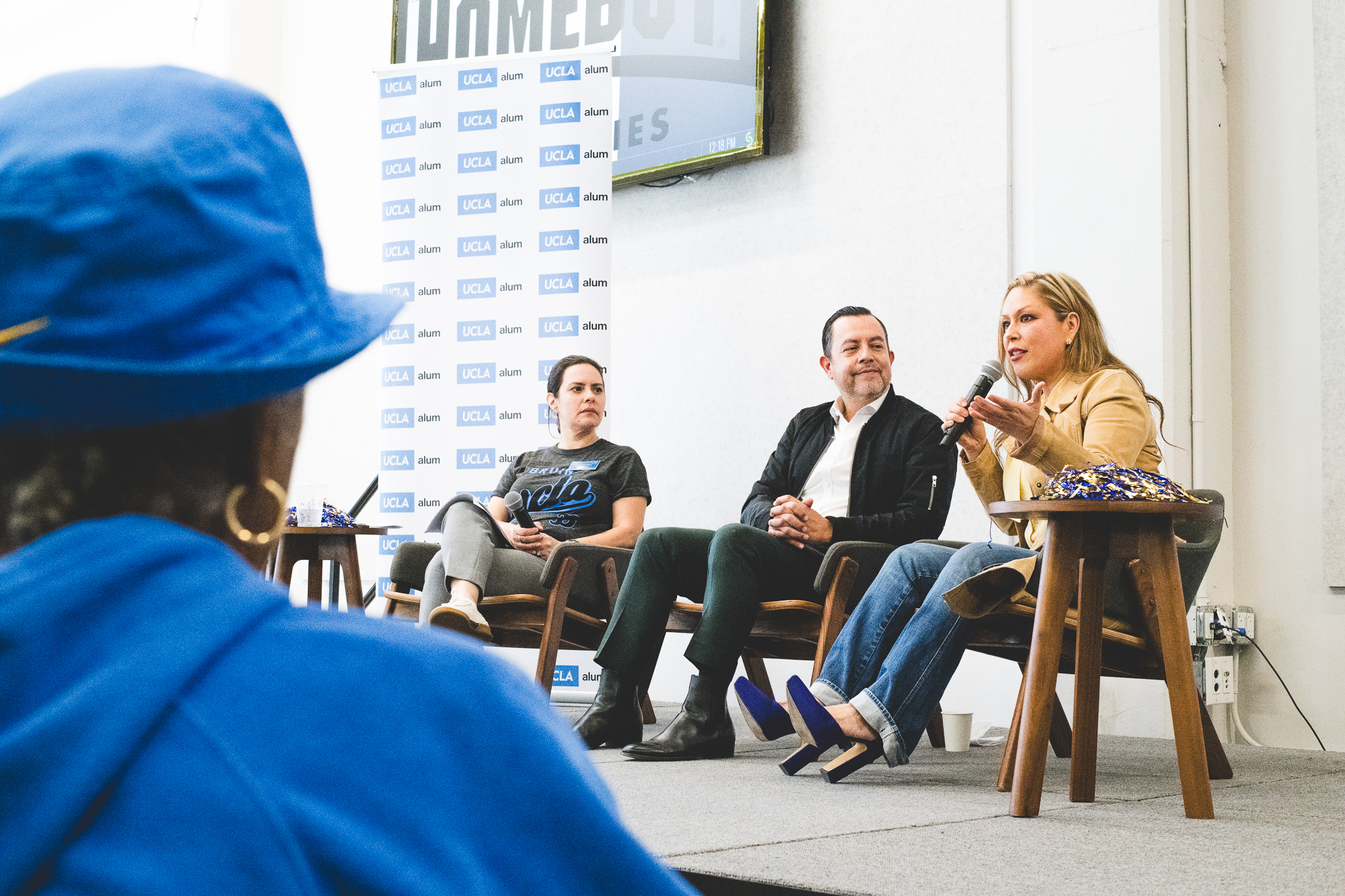
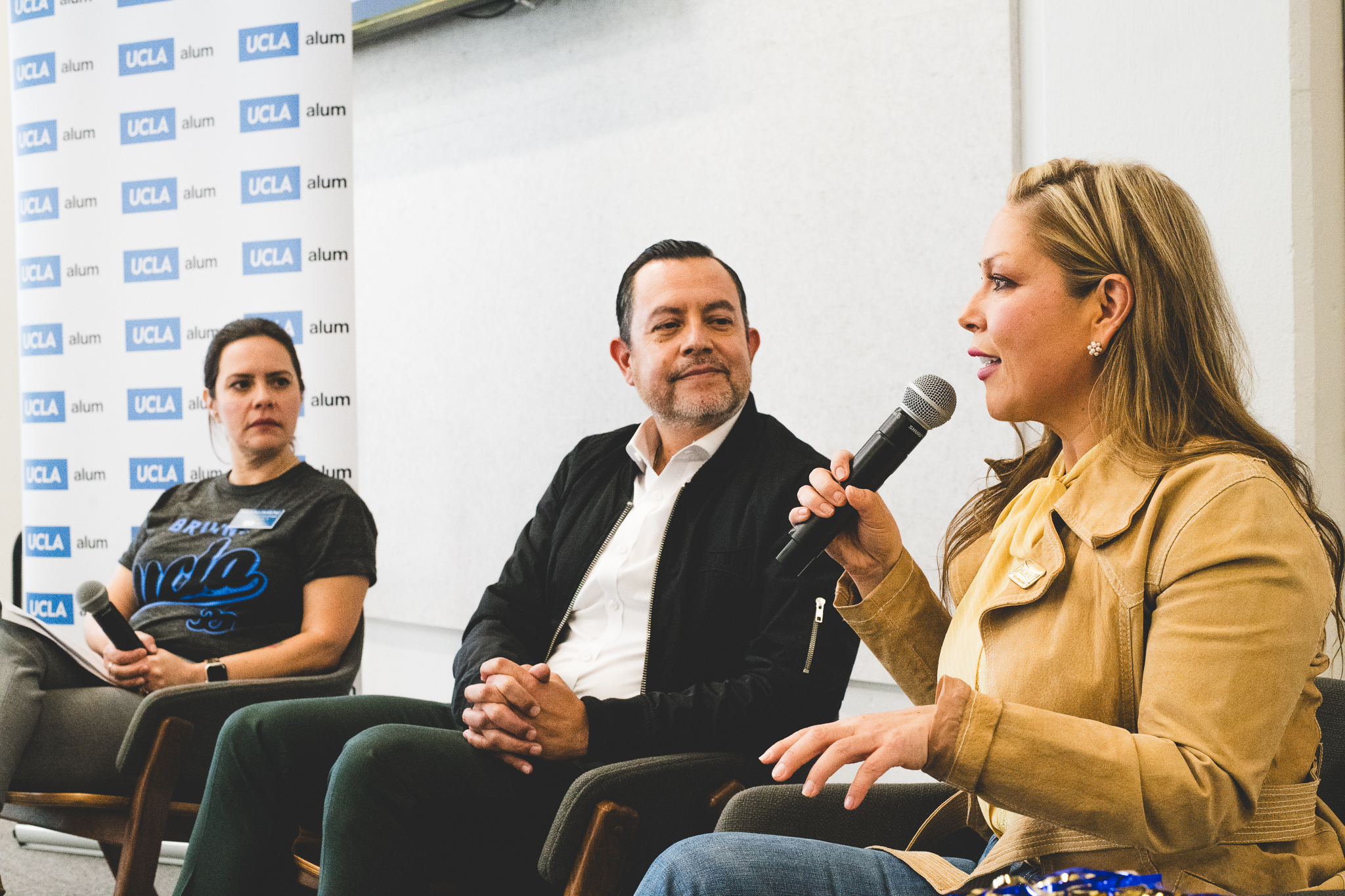
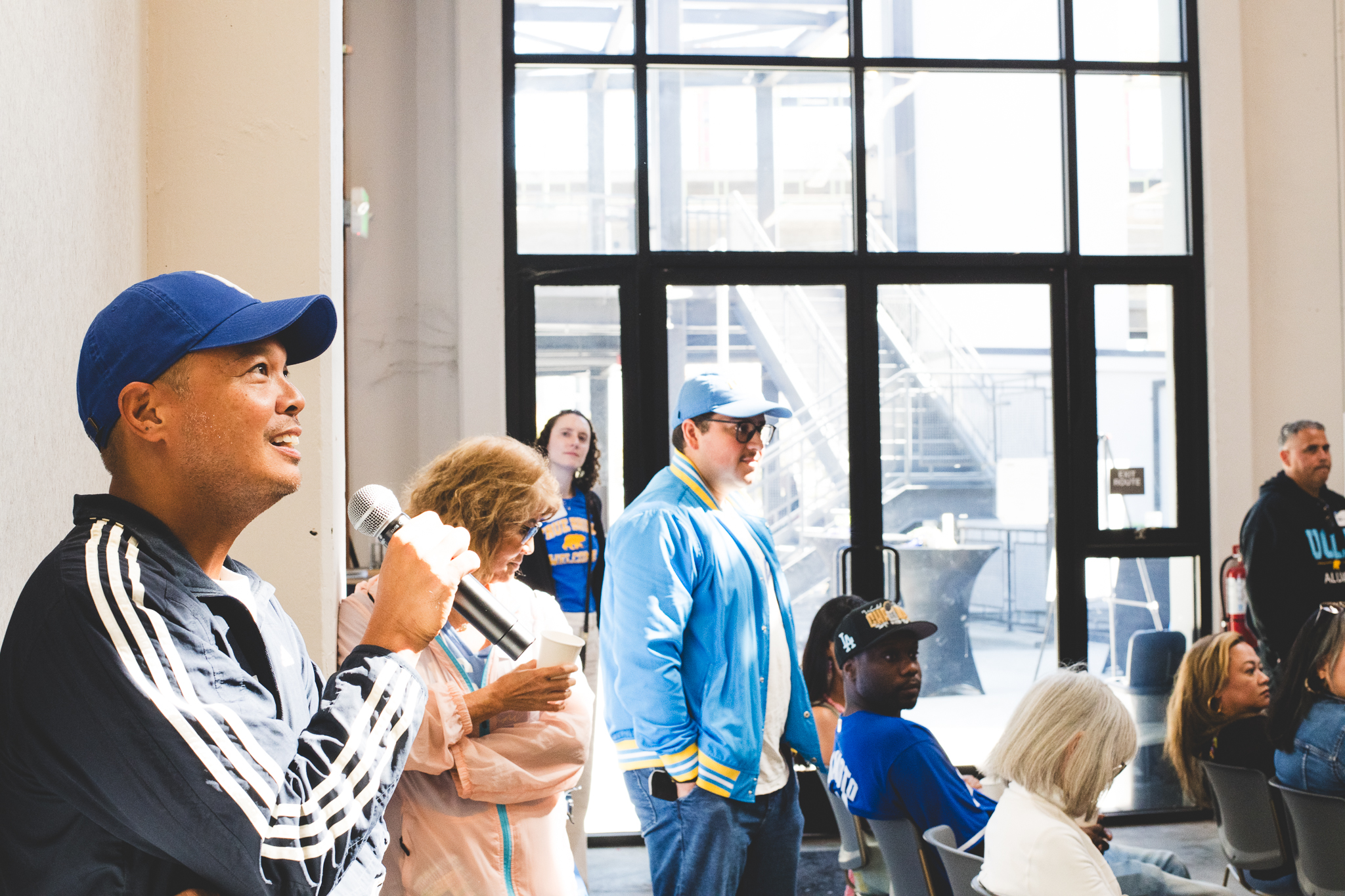
Take a look back at Changemakers 2025: Radical Kinship in Action, held Friday, Oct. 17, at Homeboy Industries, the world’s largest gang rehabilitation and reentry program.
Through a guided tour and conversations with Homeboy leadership — including co-CEO Shirley Torres ’03 — participants explored how hope, community, and wraparound services can transform lives. From social enterprises to education and workforce development, the event offered a firsthand look at how Homeboy’s holistic model puts healing and kinship into action.

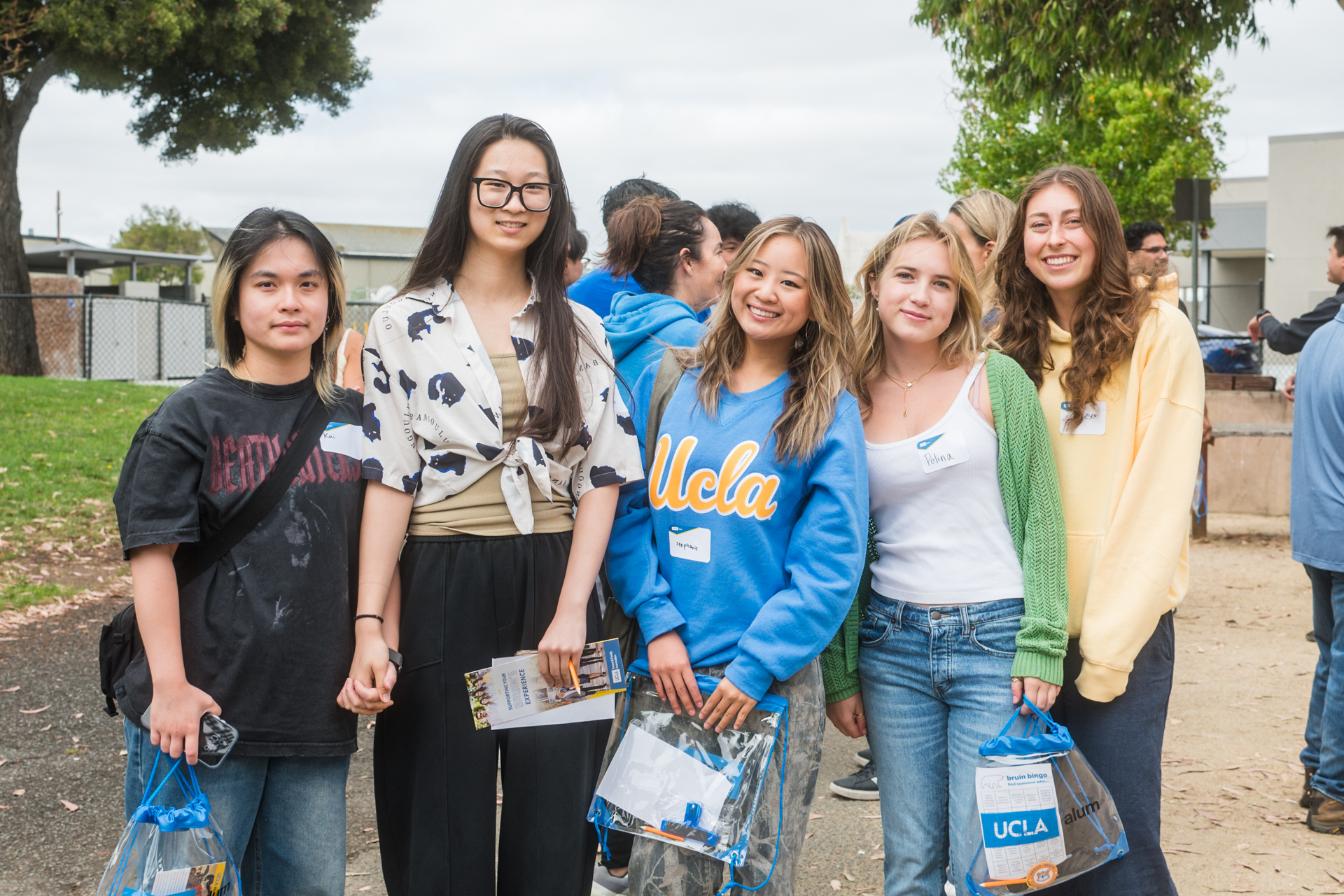
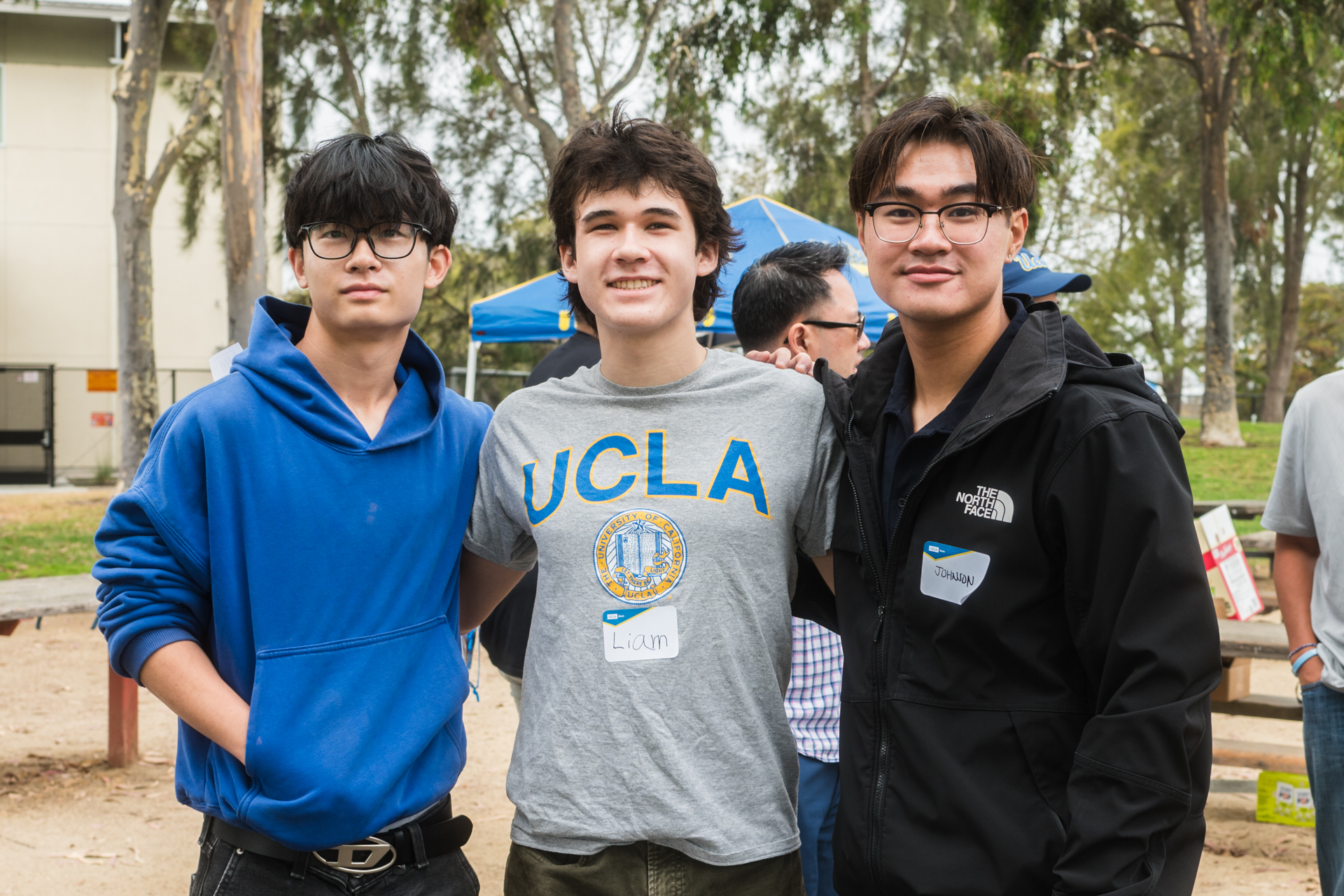
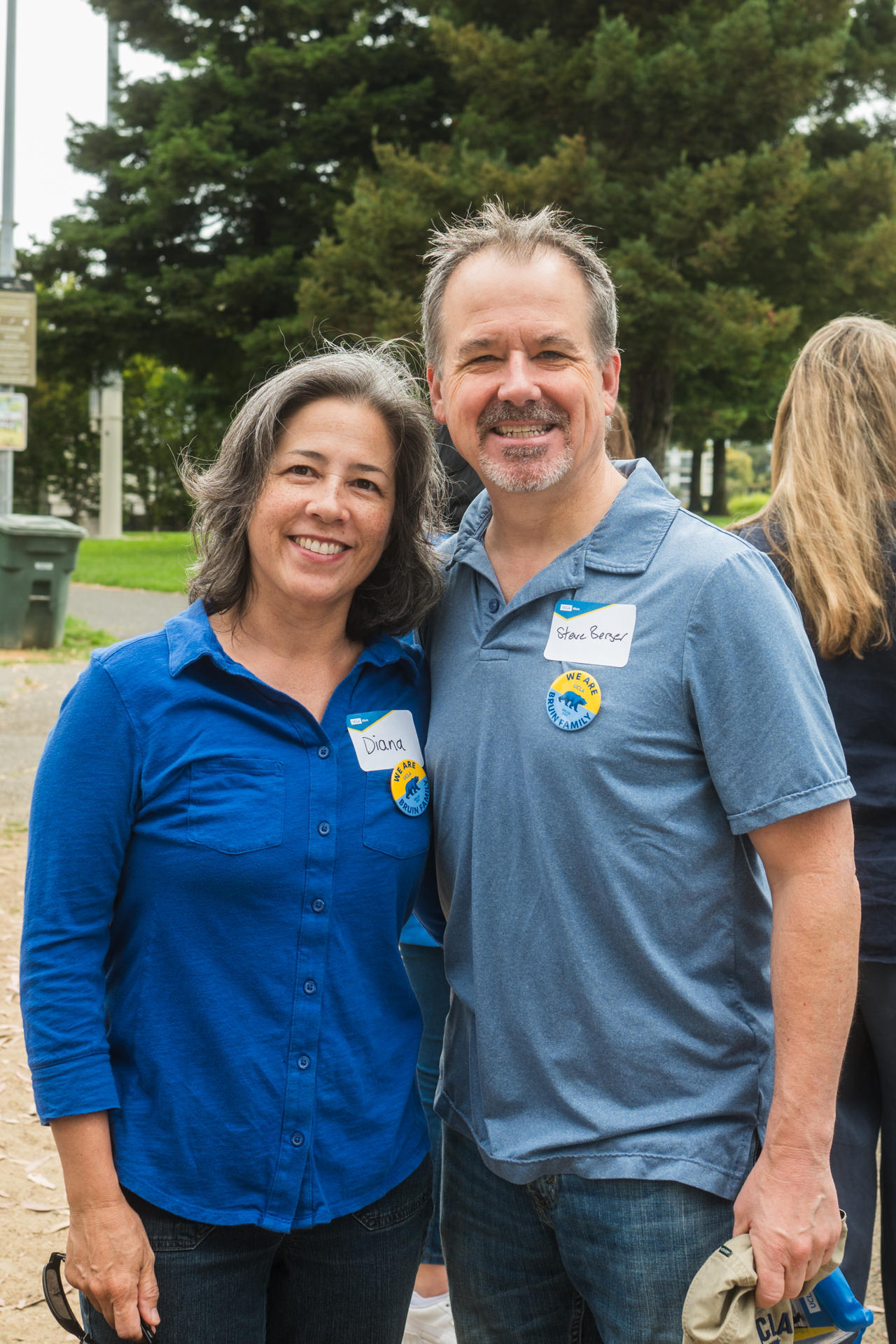
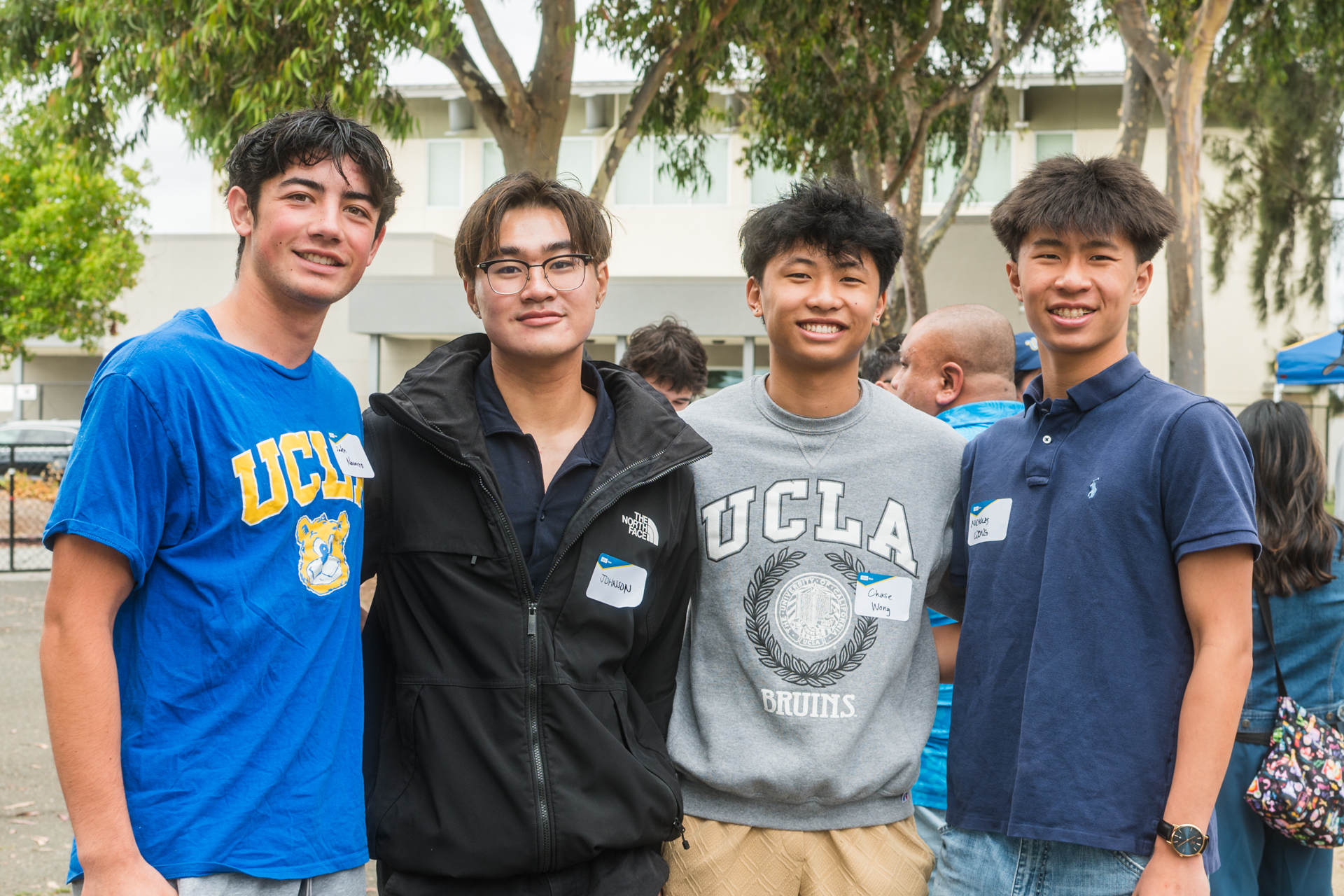
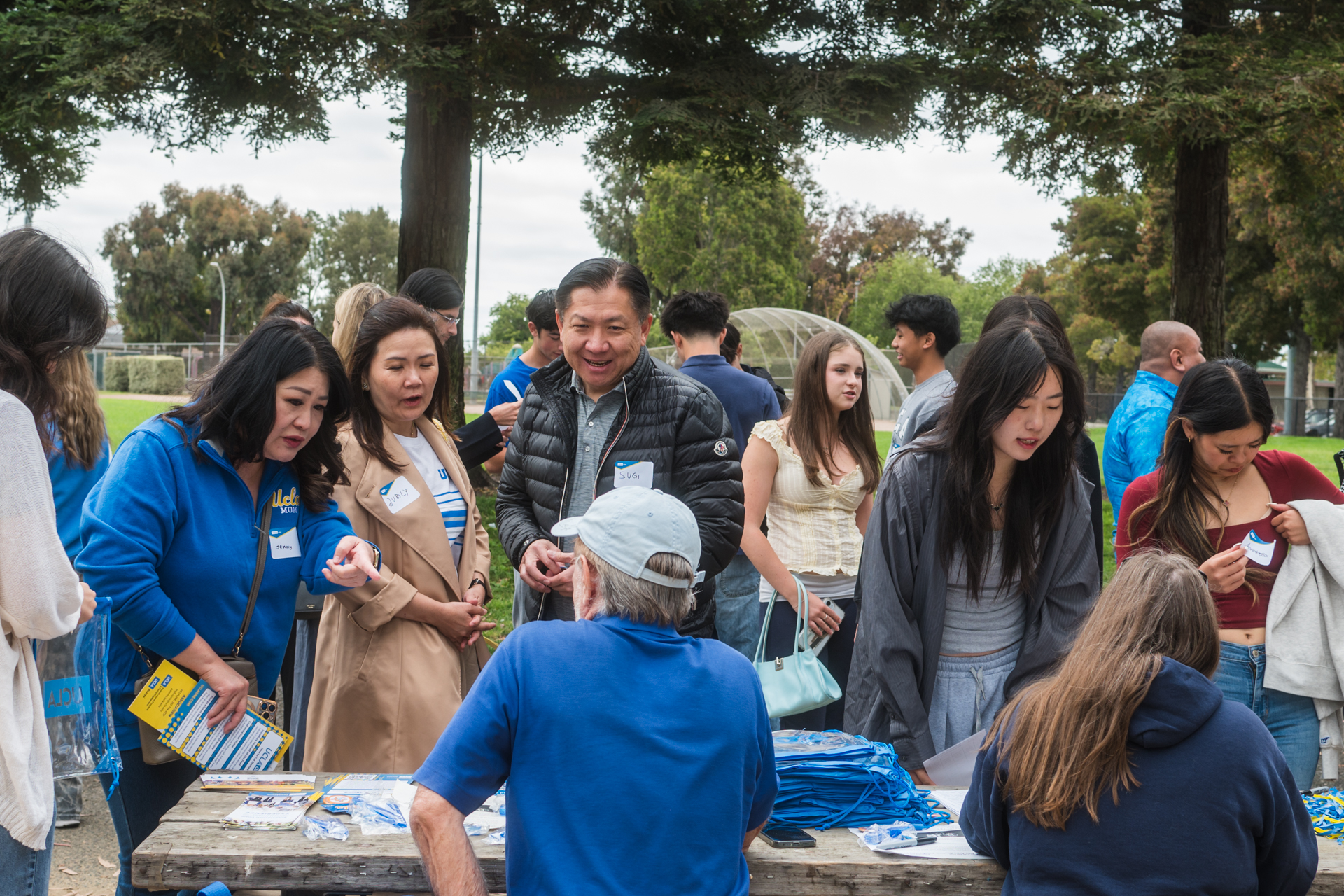
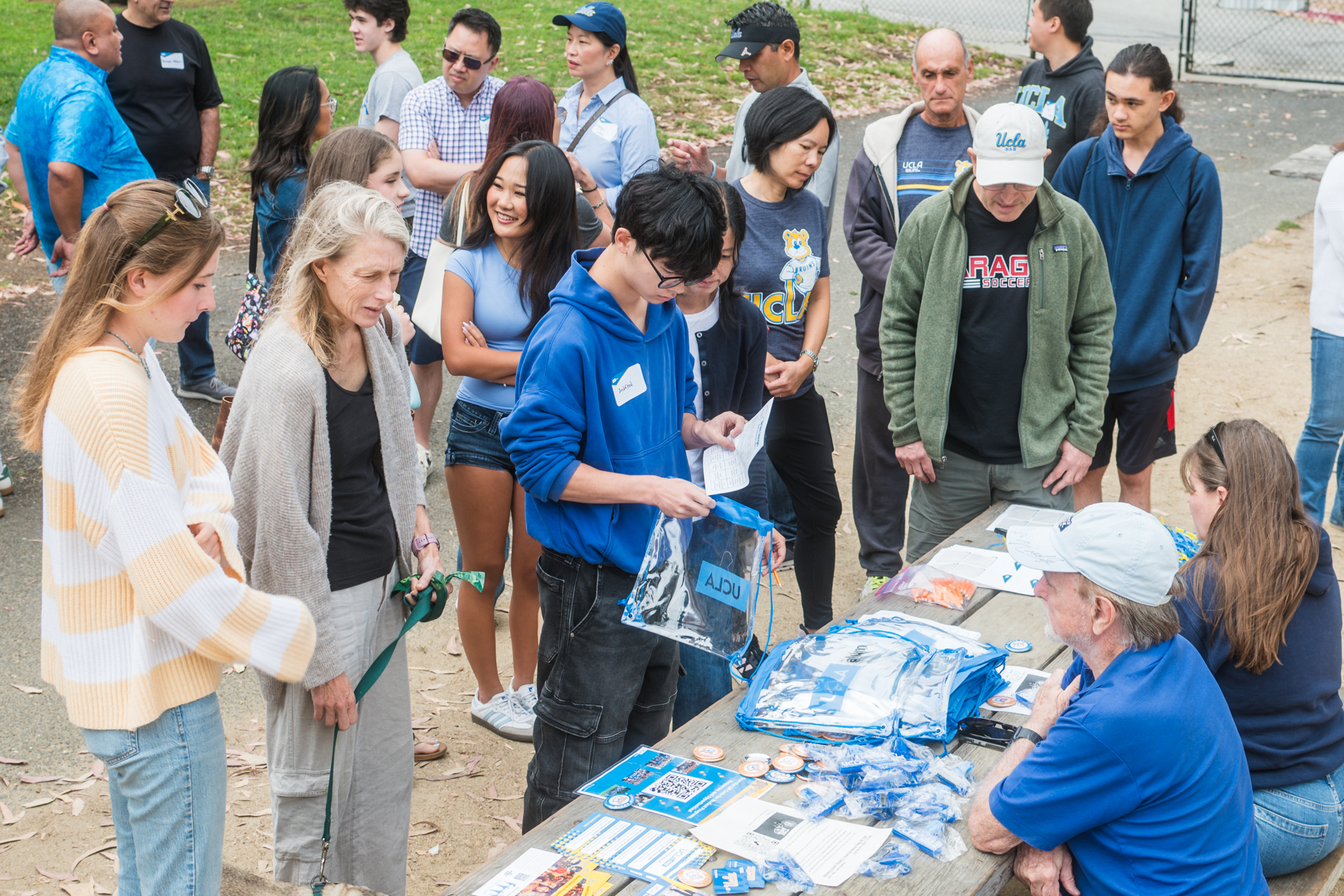
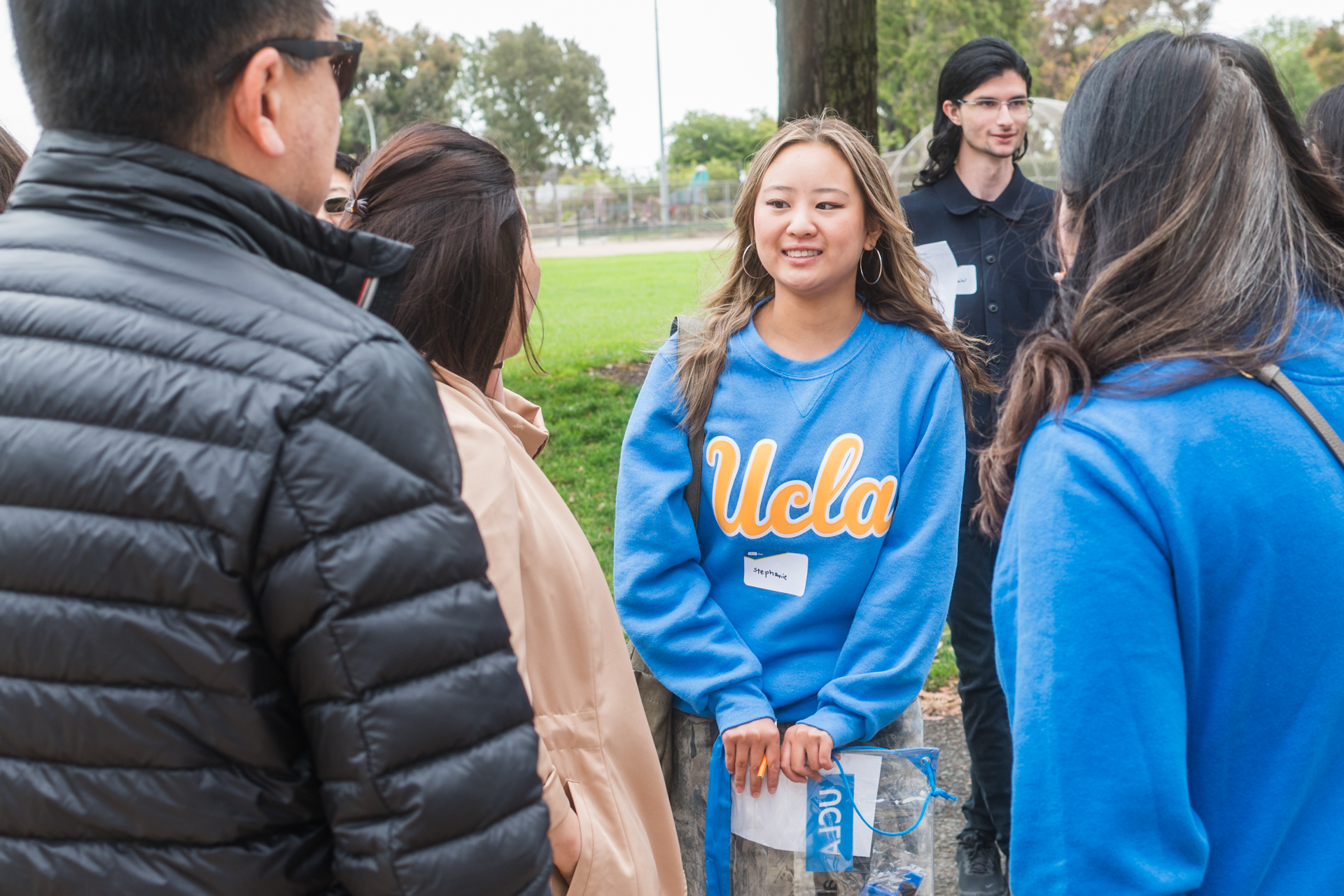
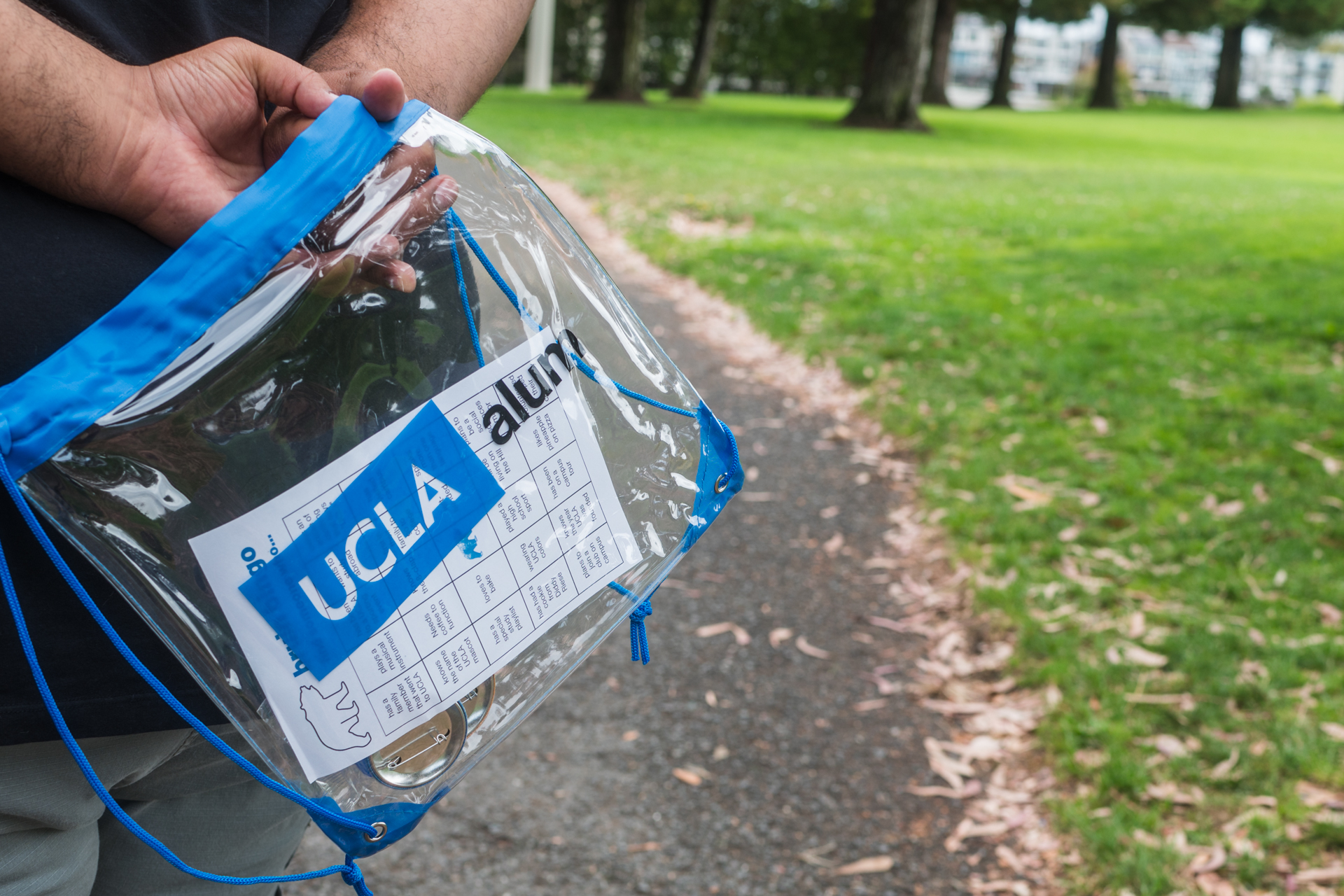
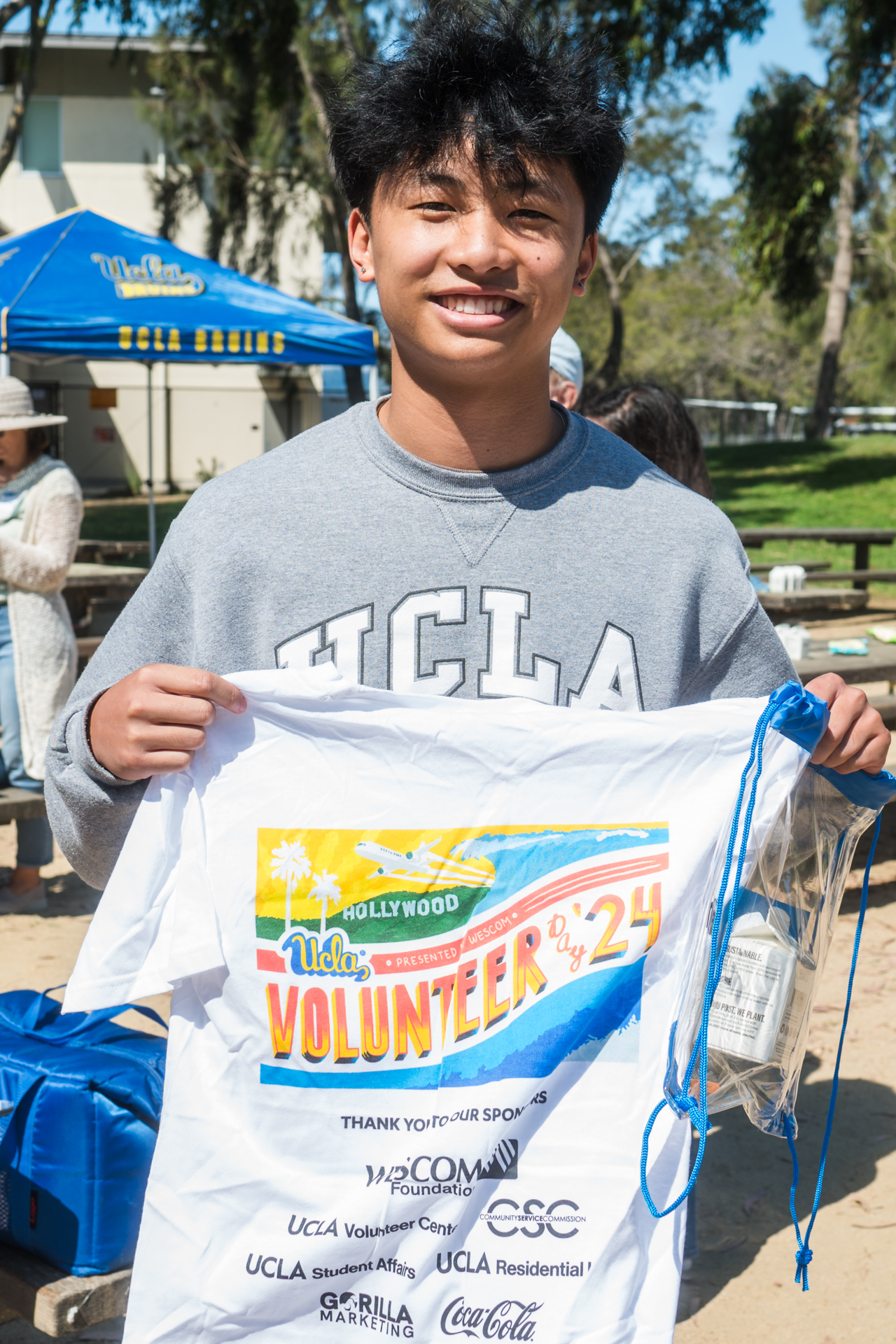
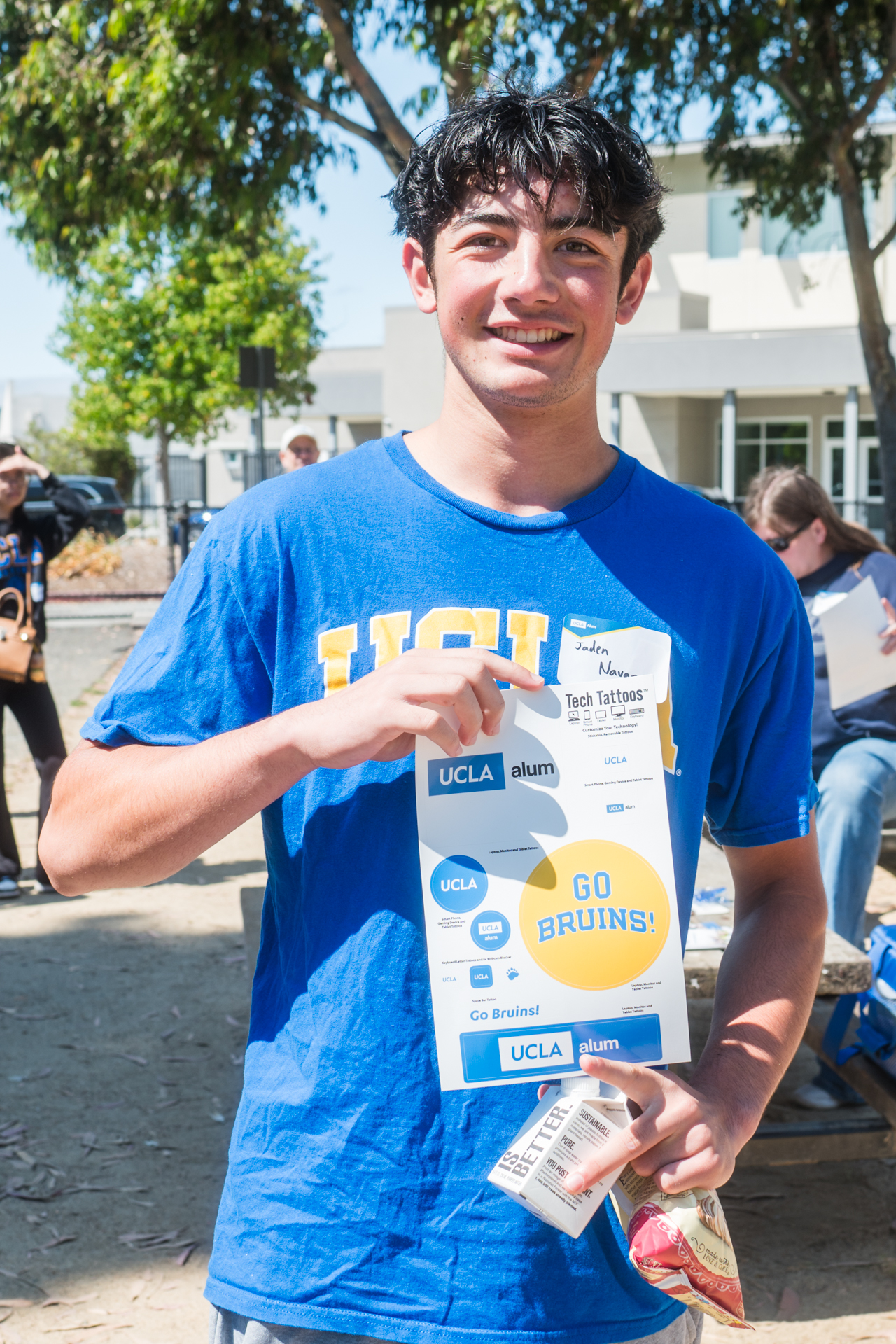
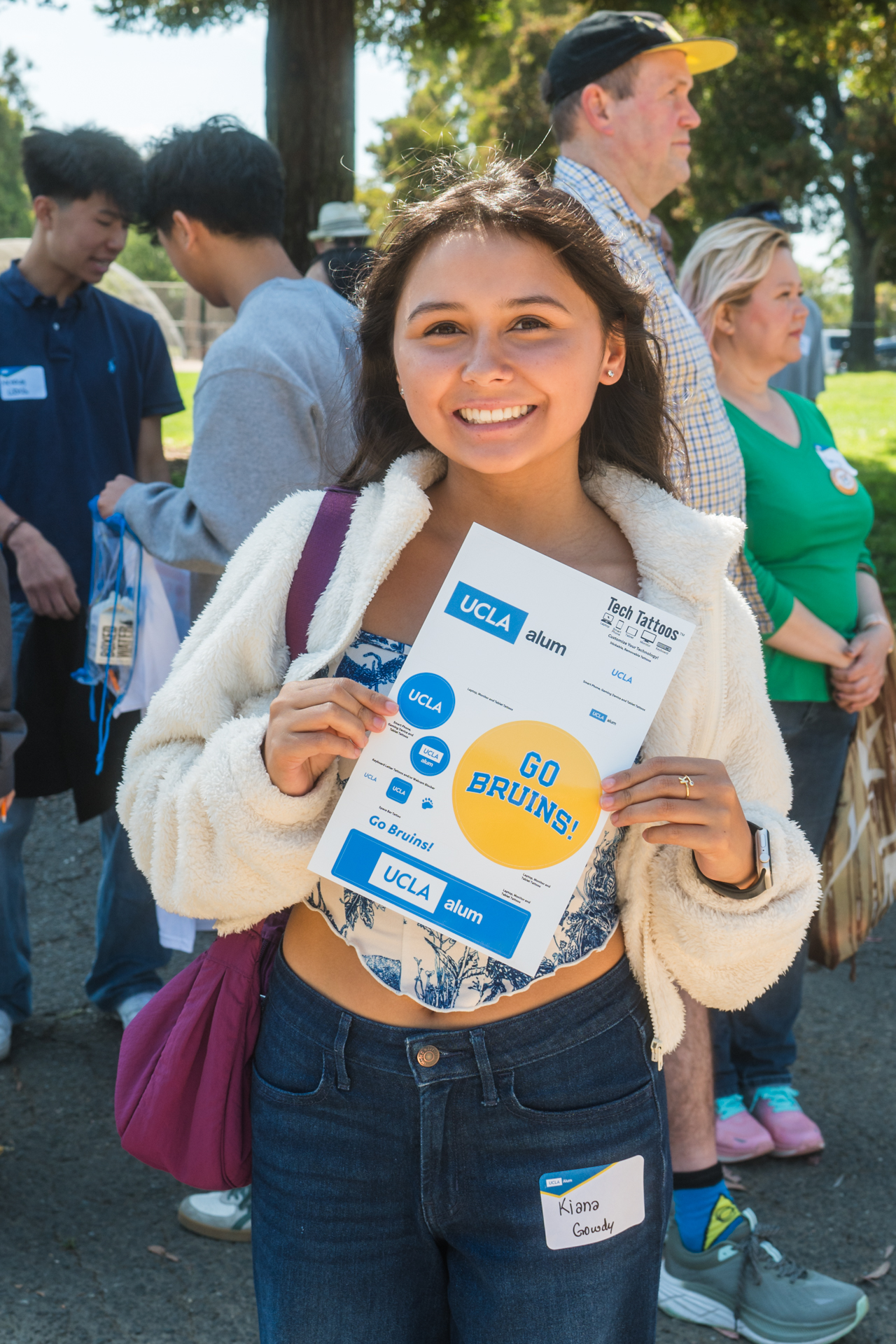
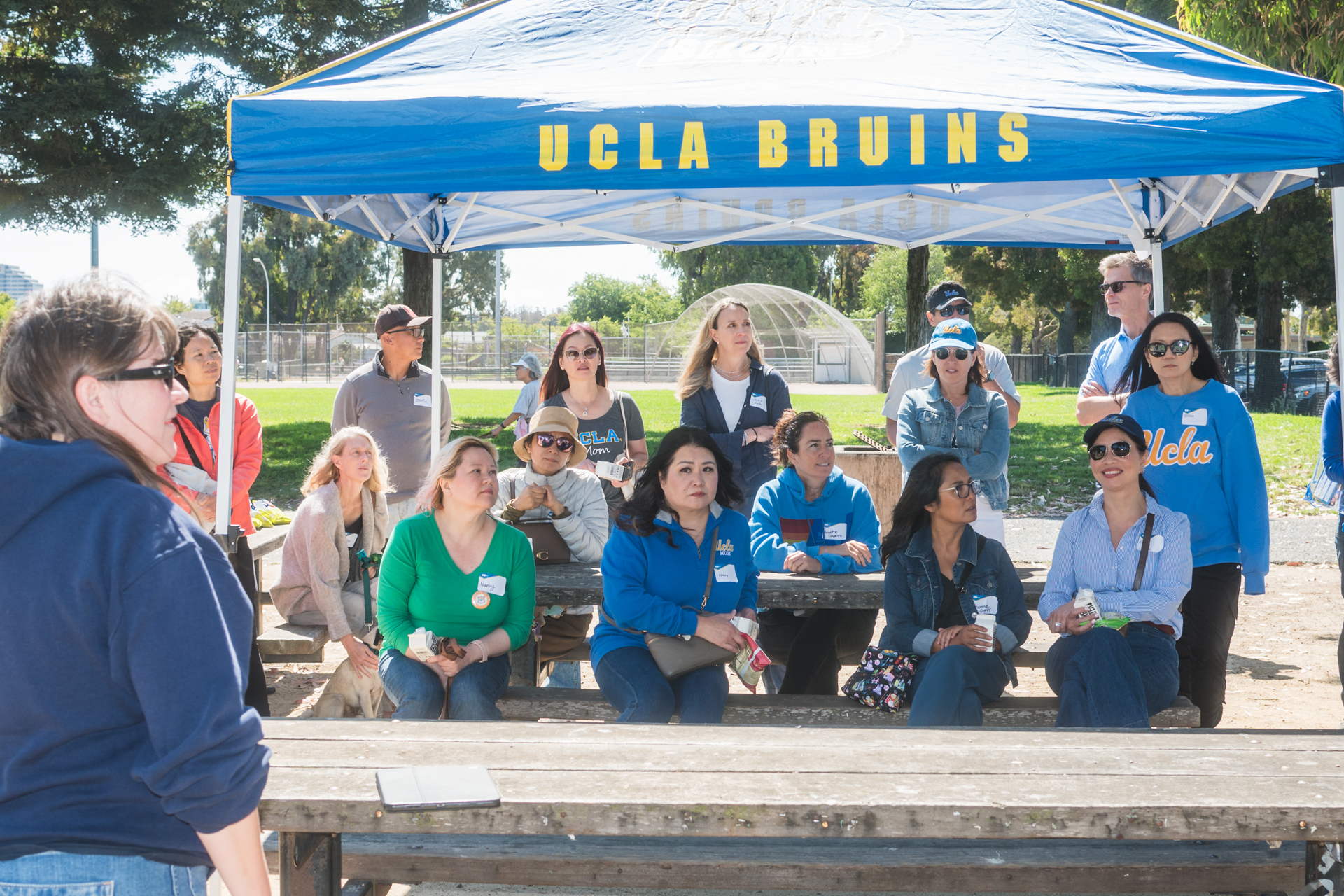
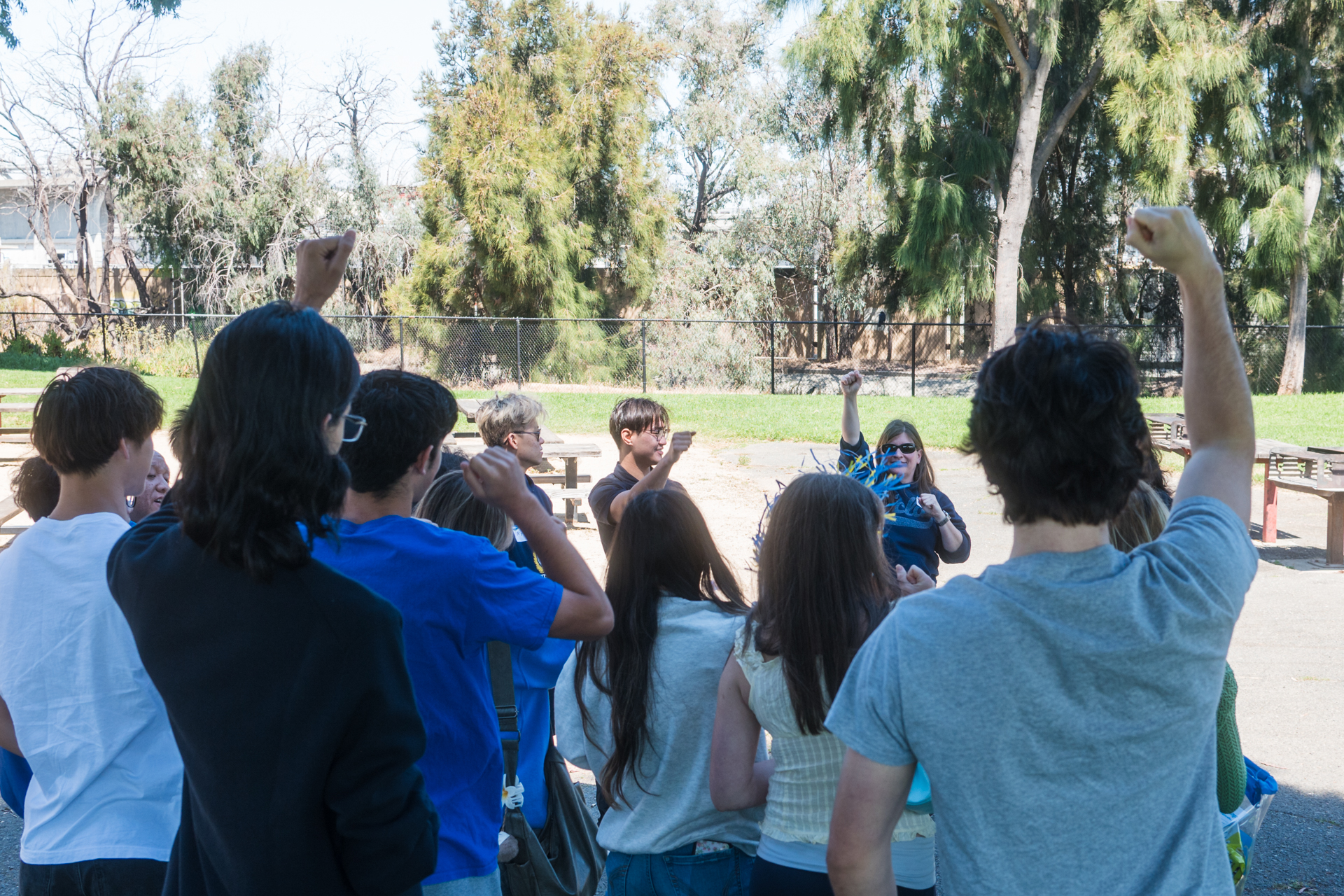
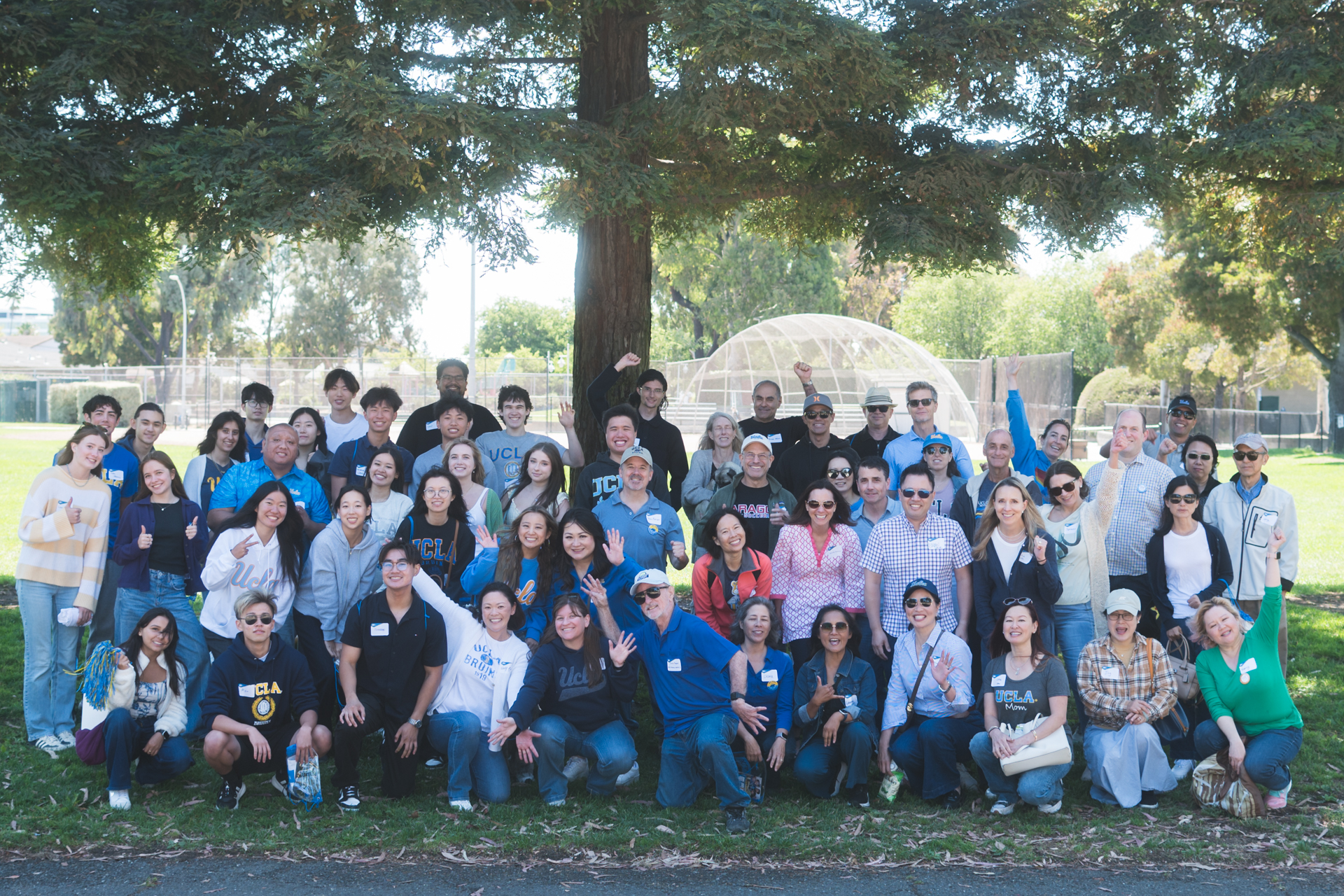
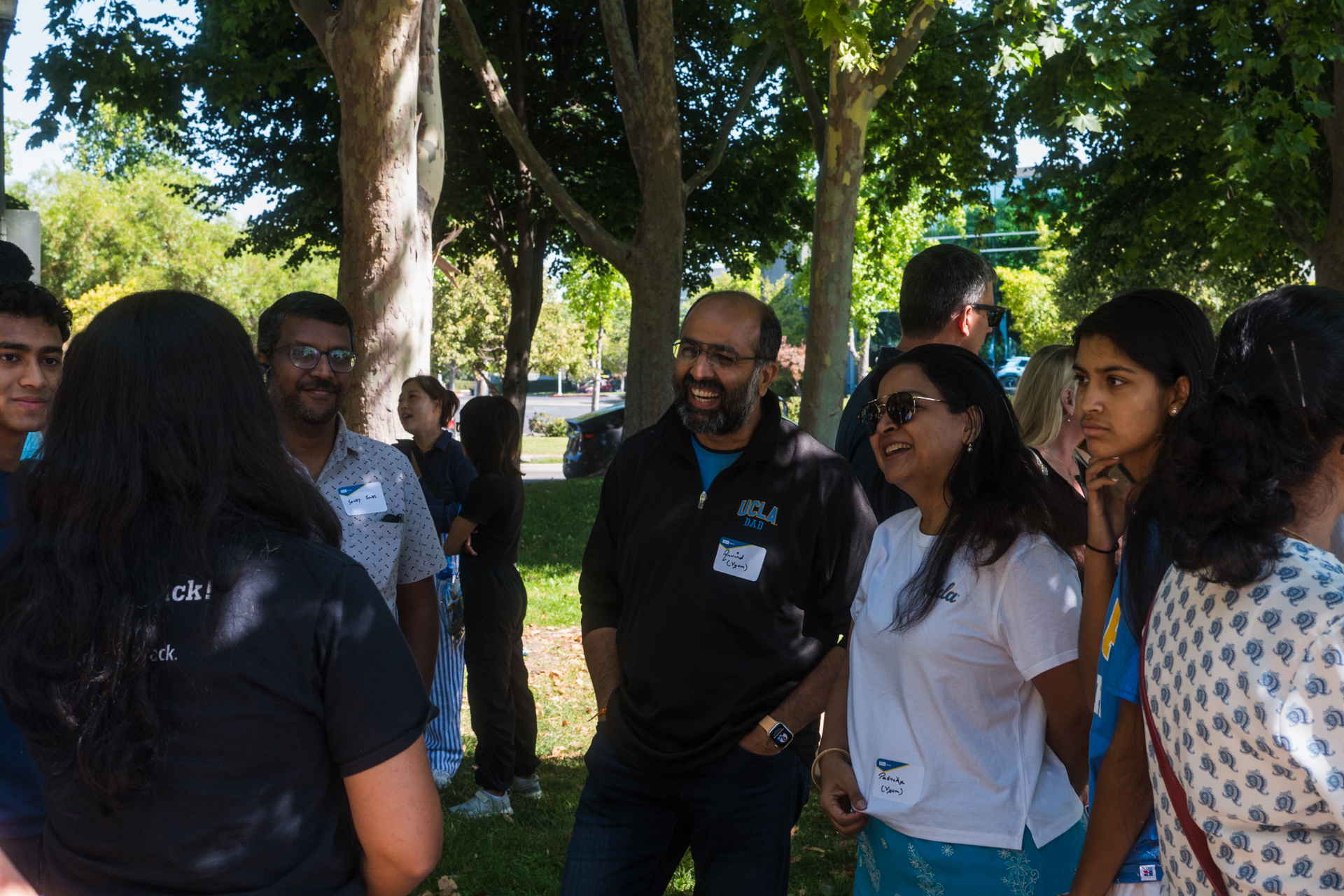
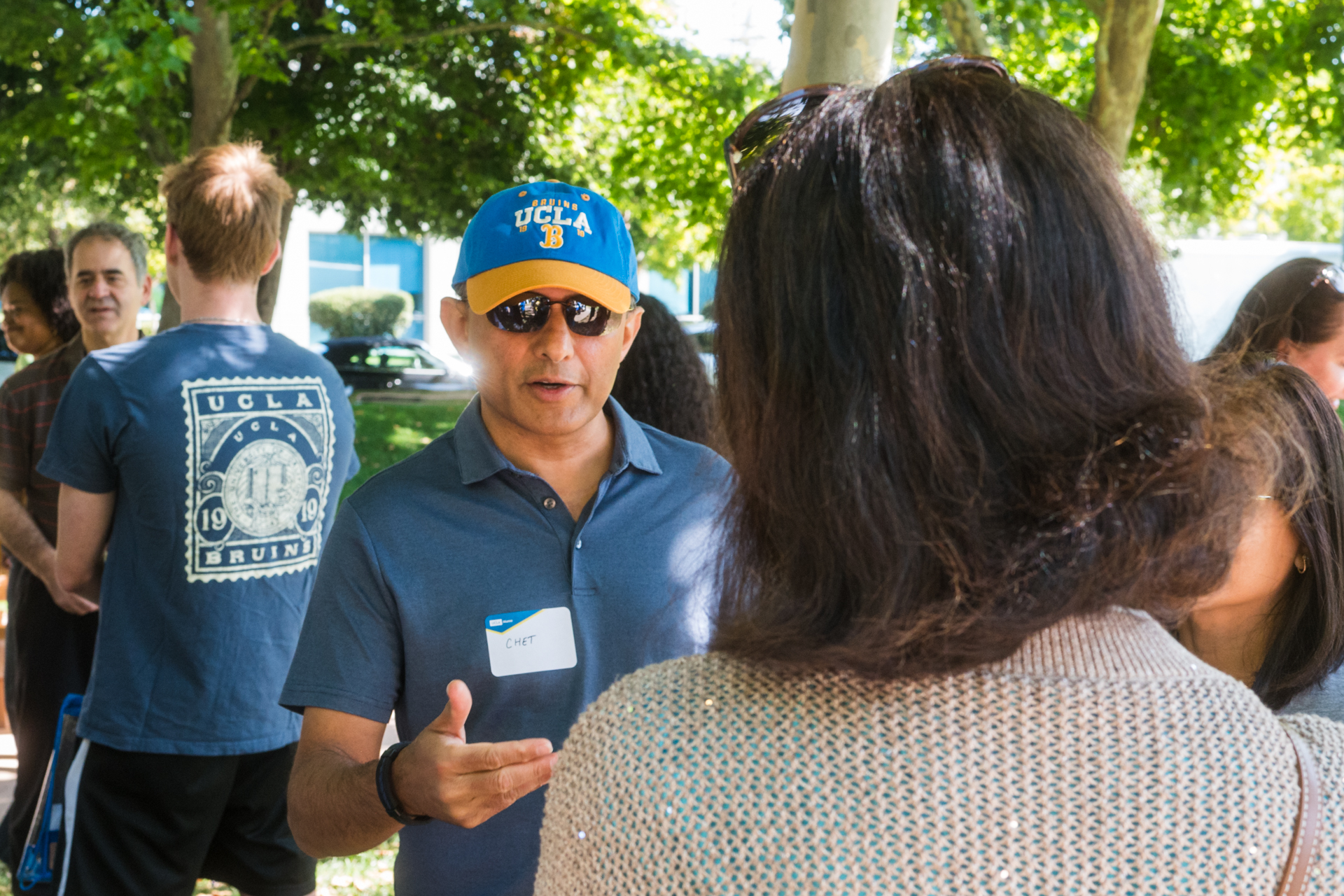
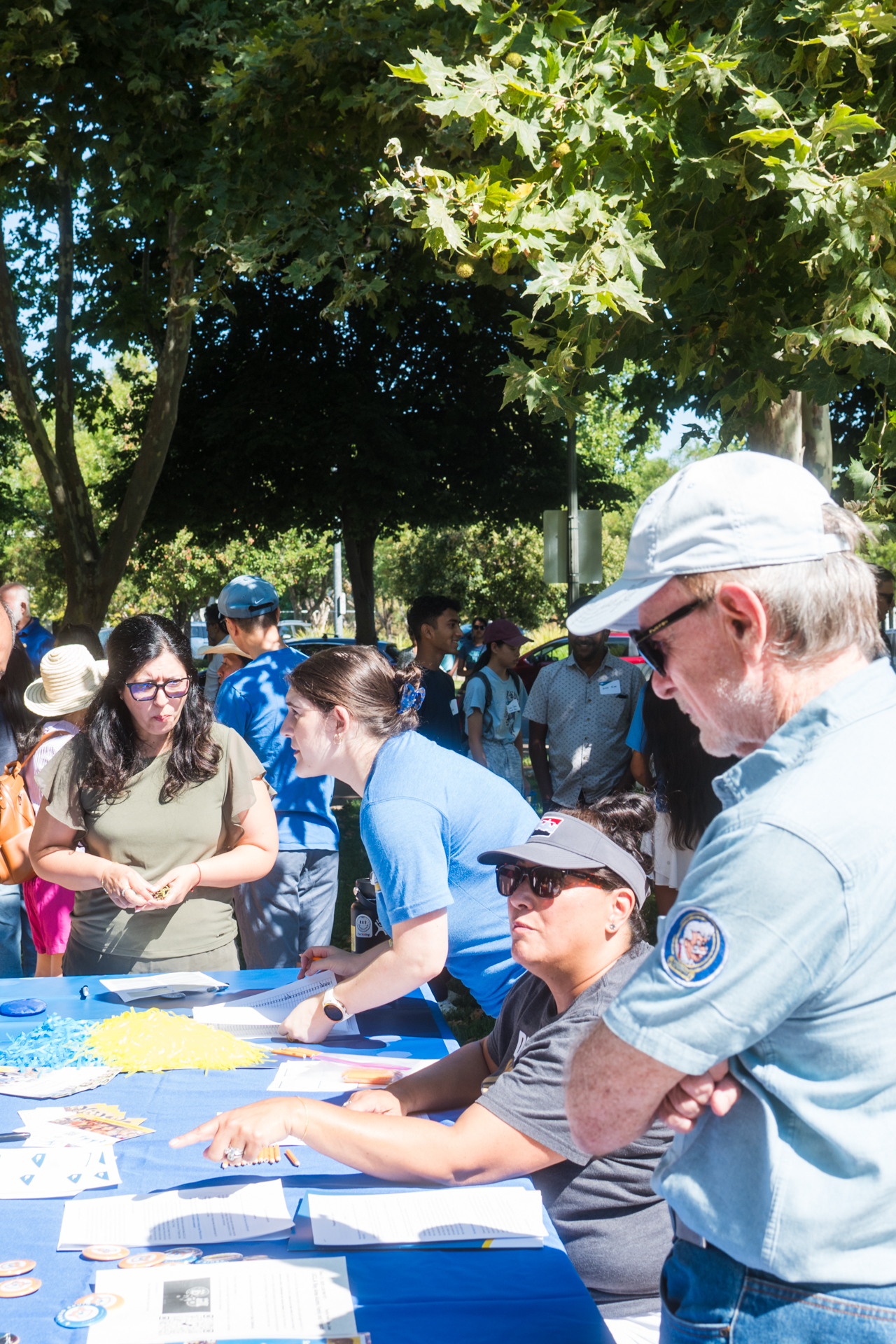
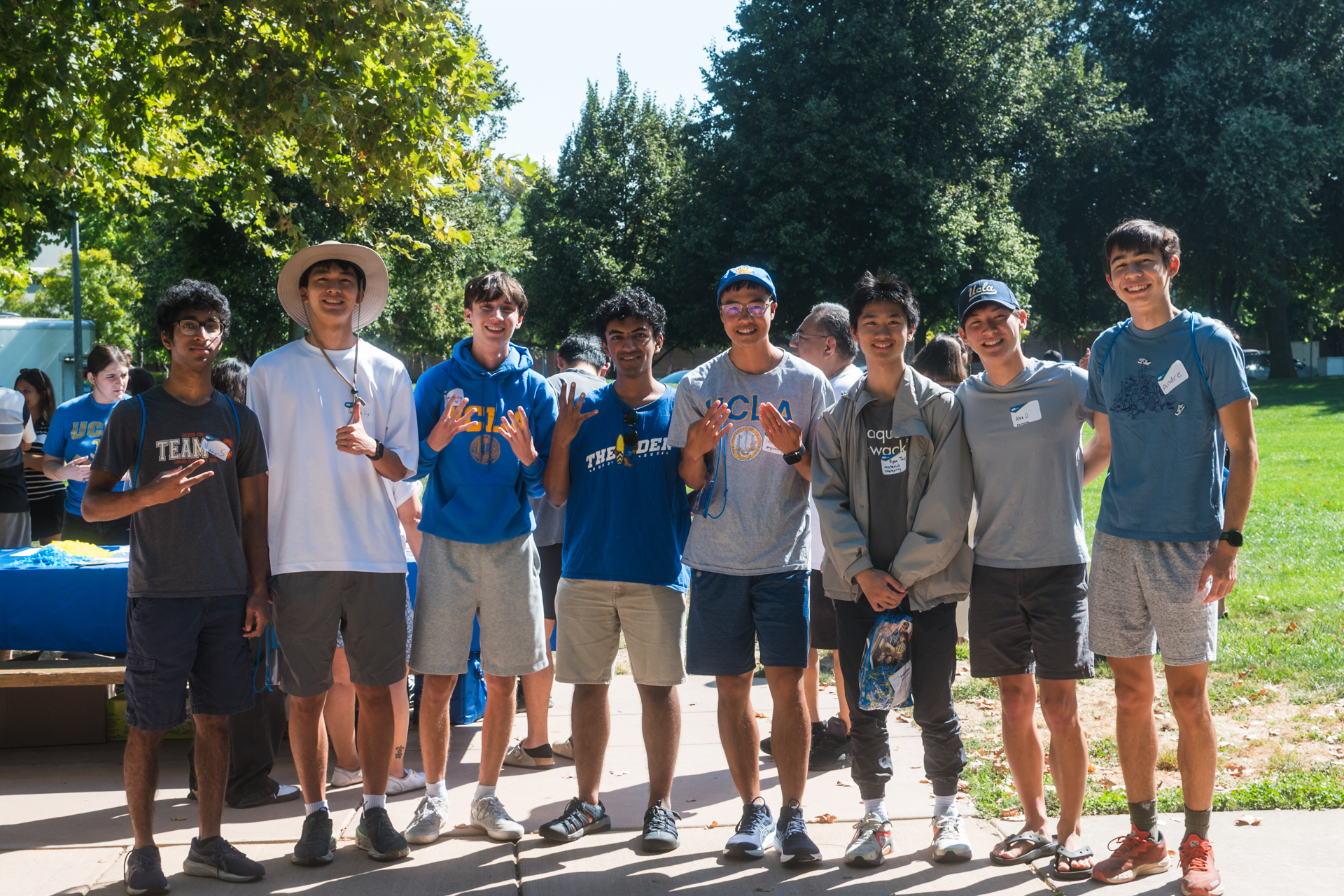
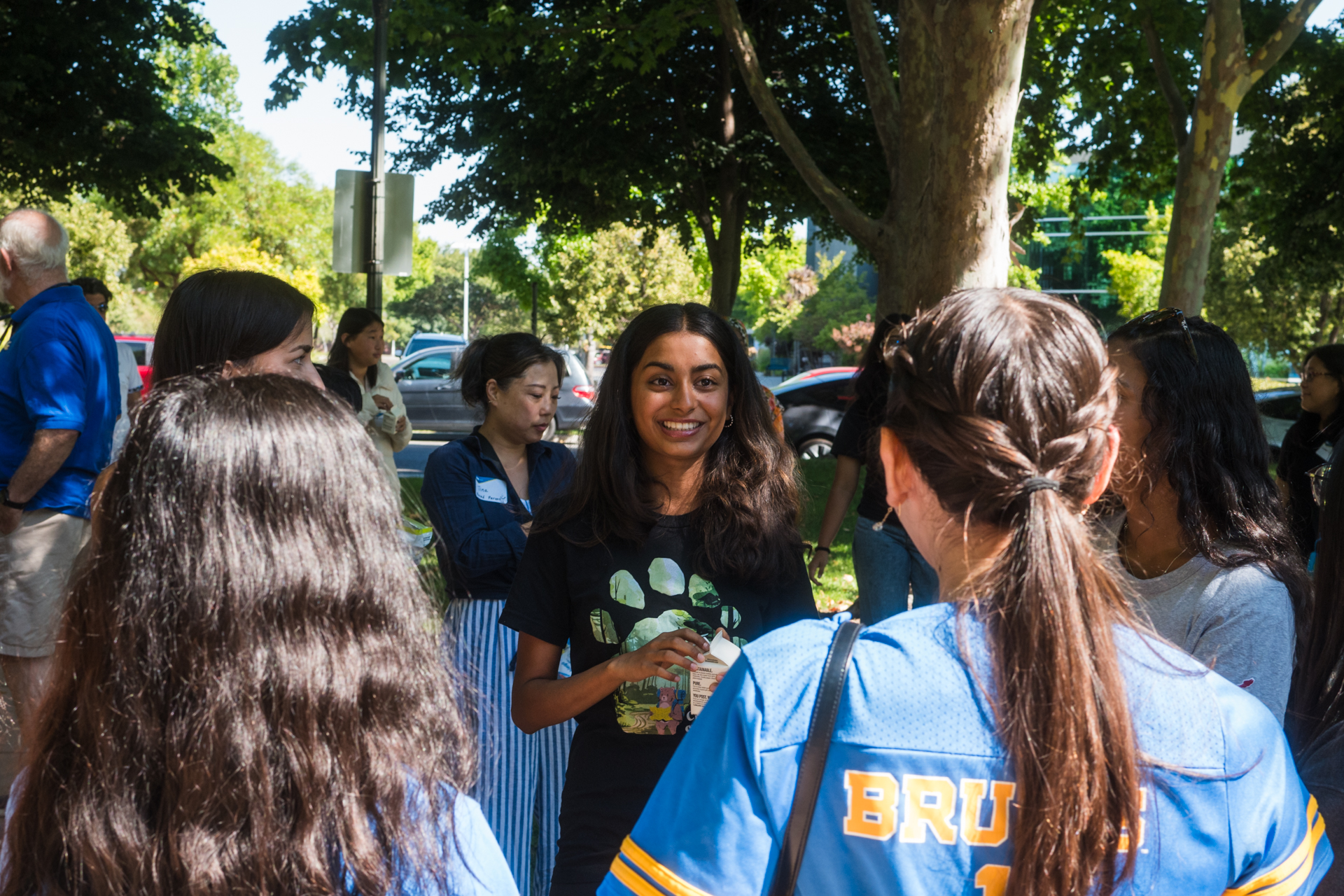
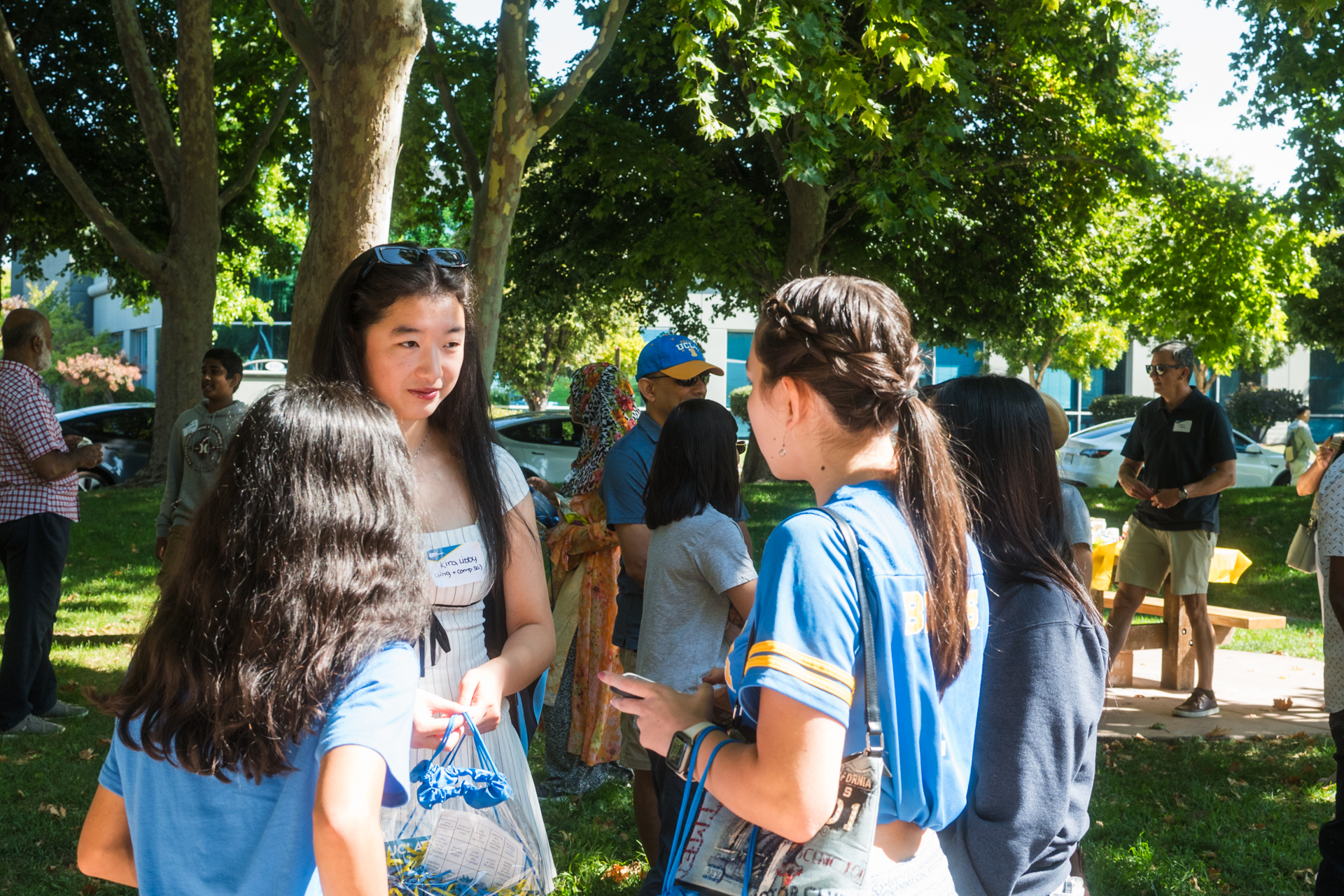
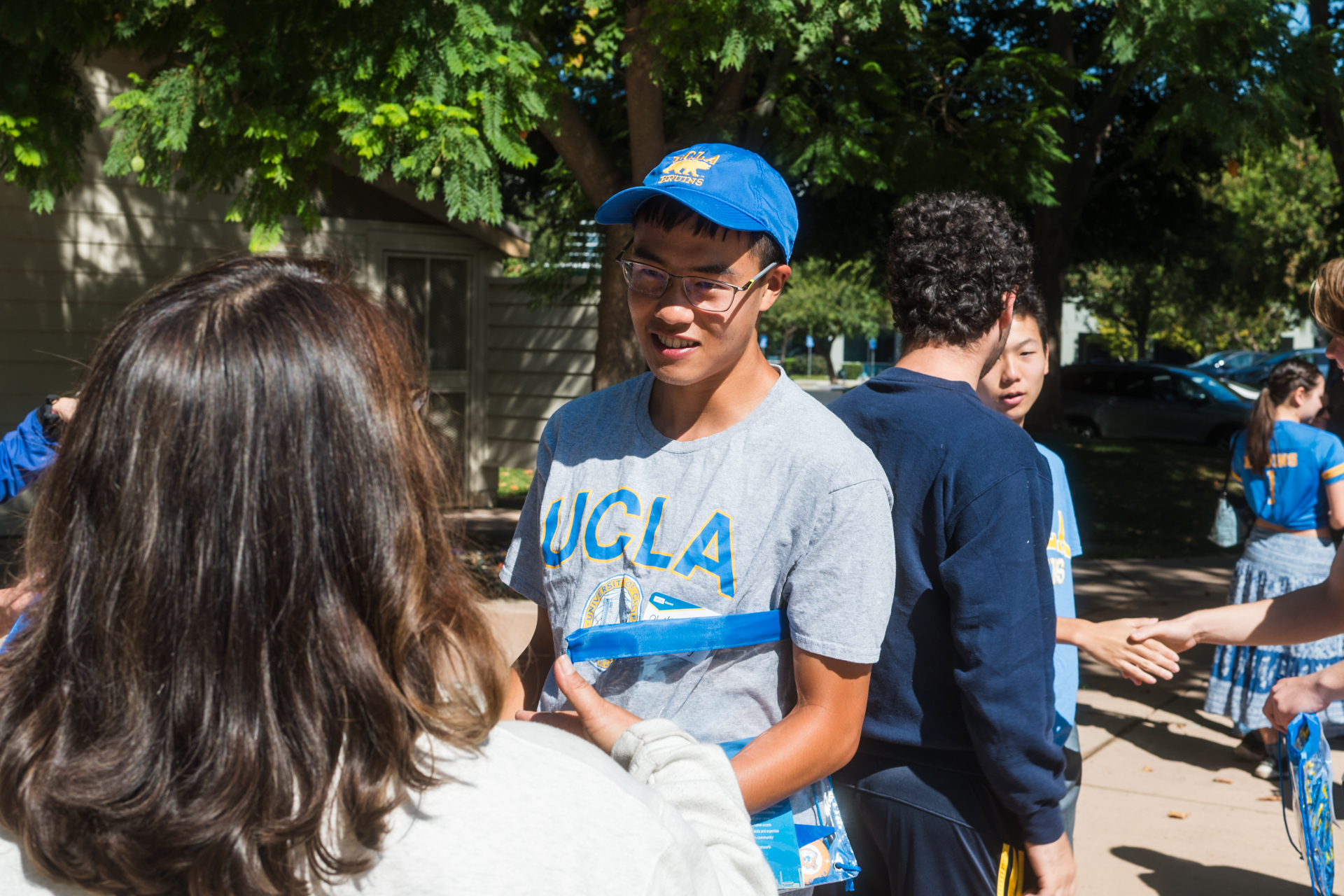
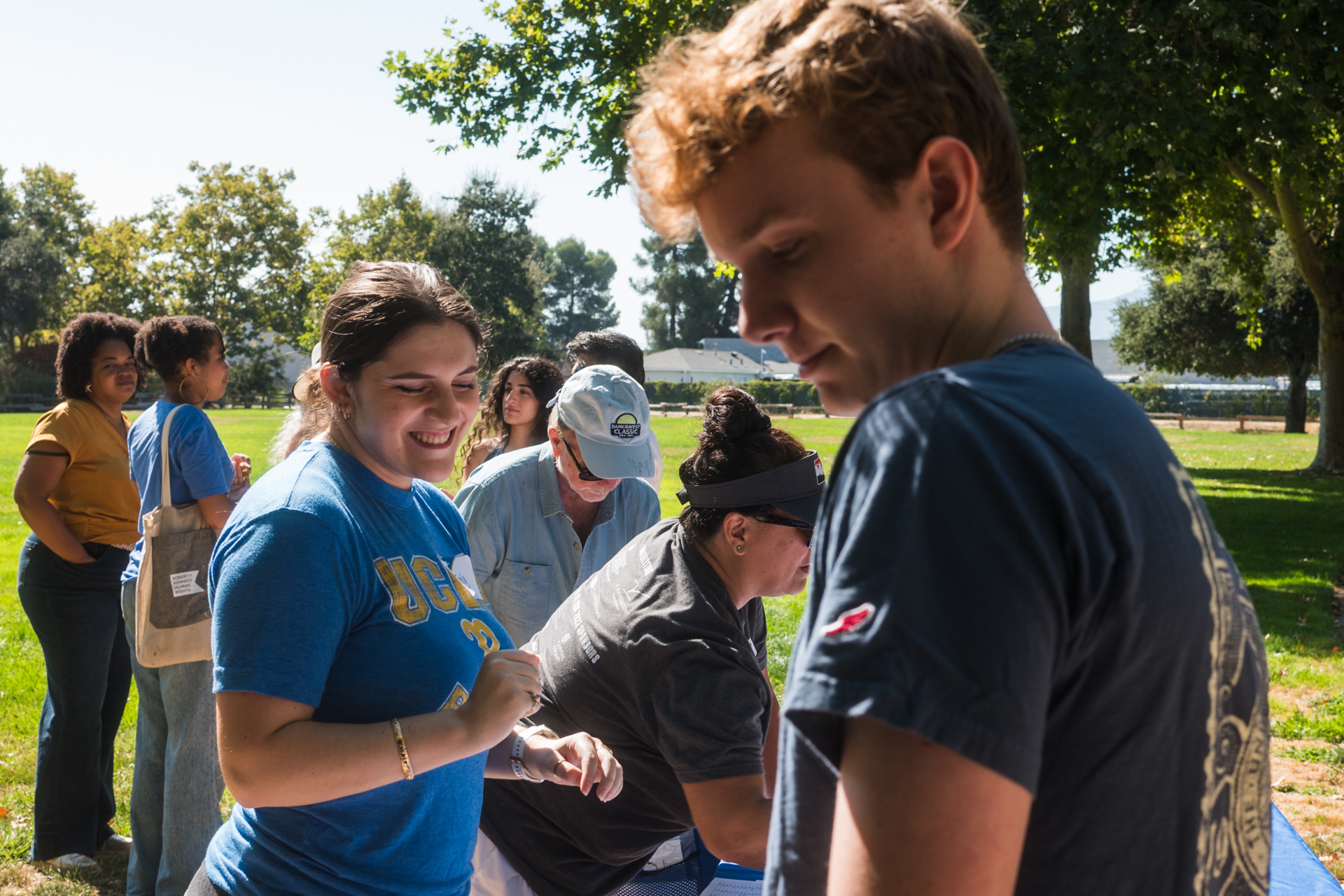
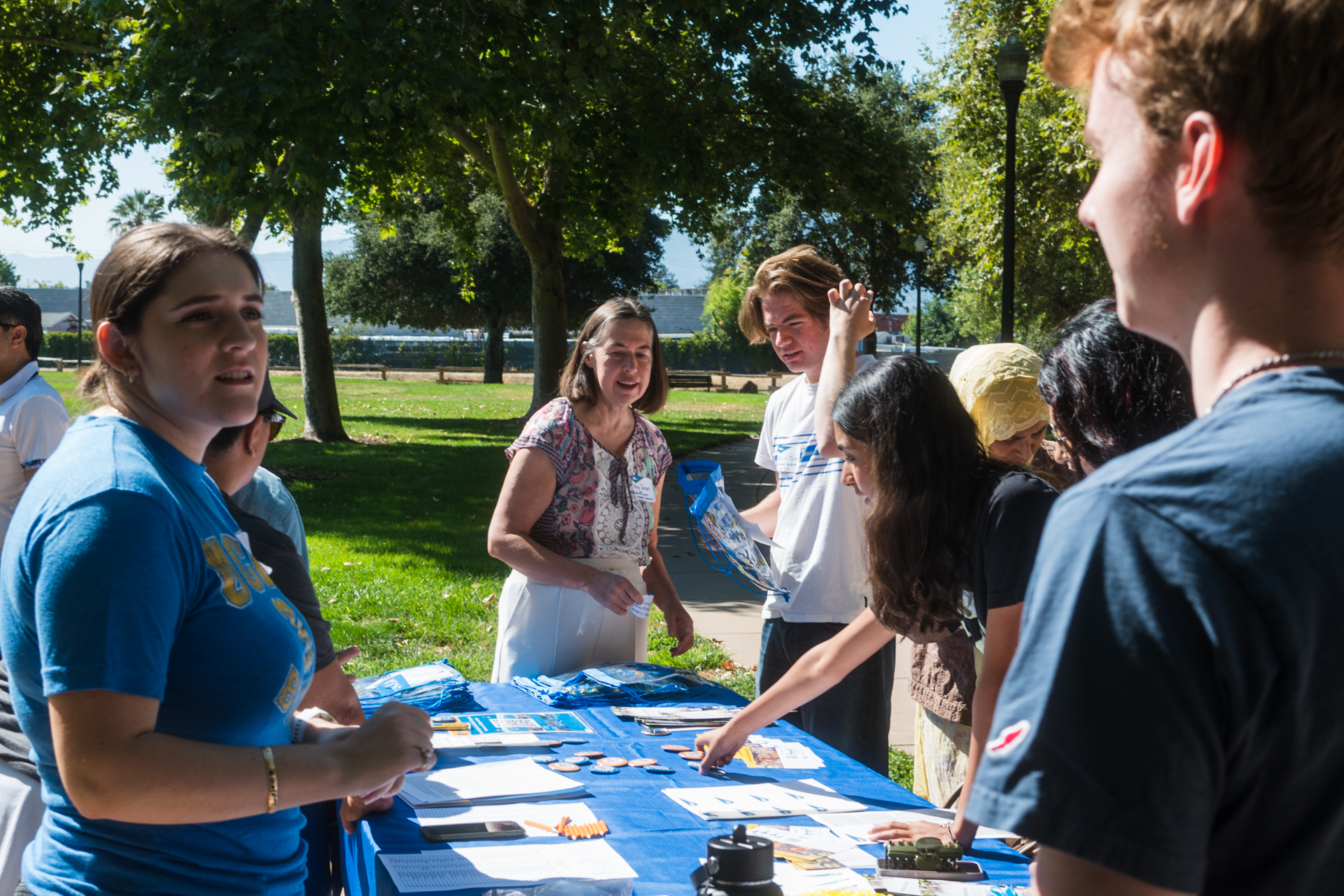
new bruin send-offs 2025 San Mateo
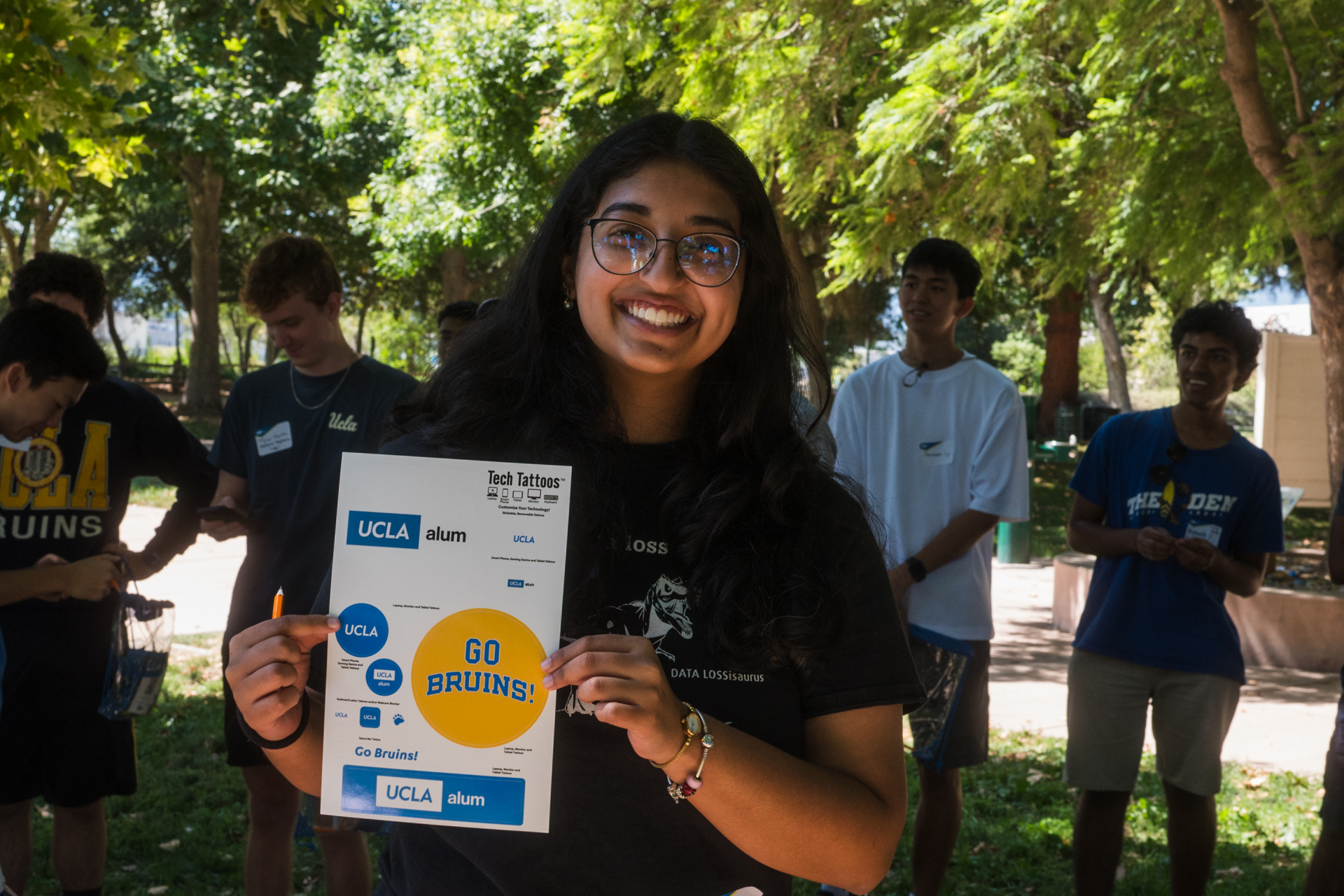
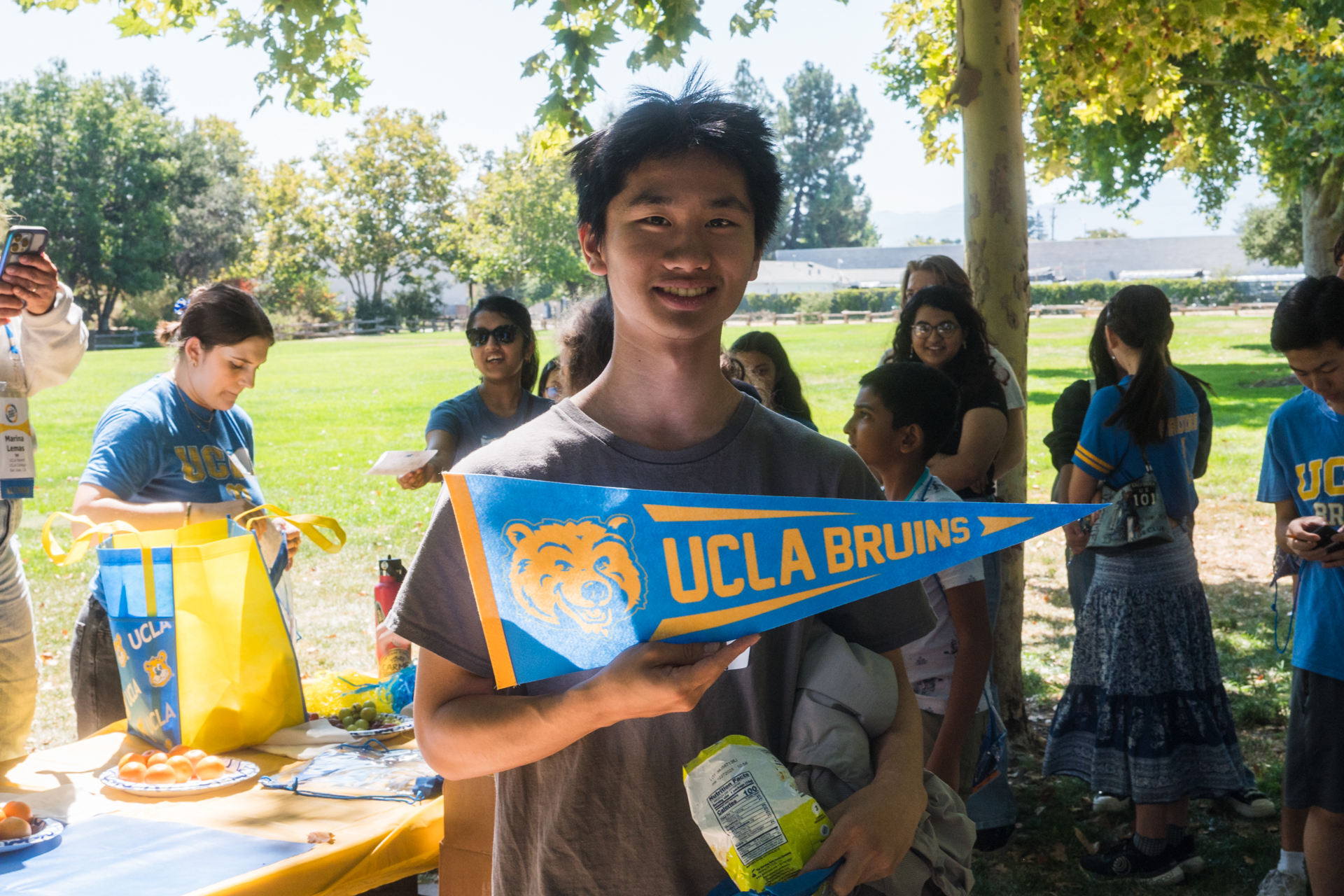
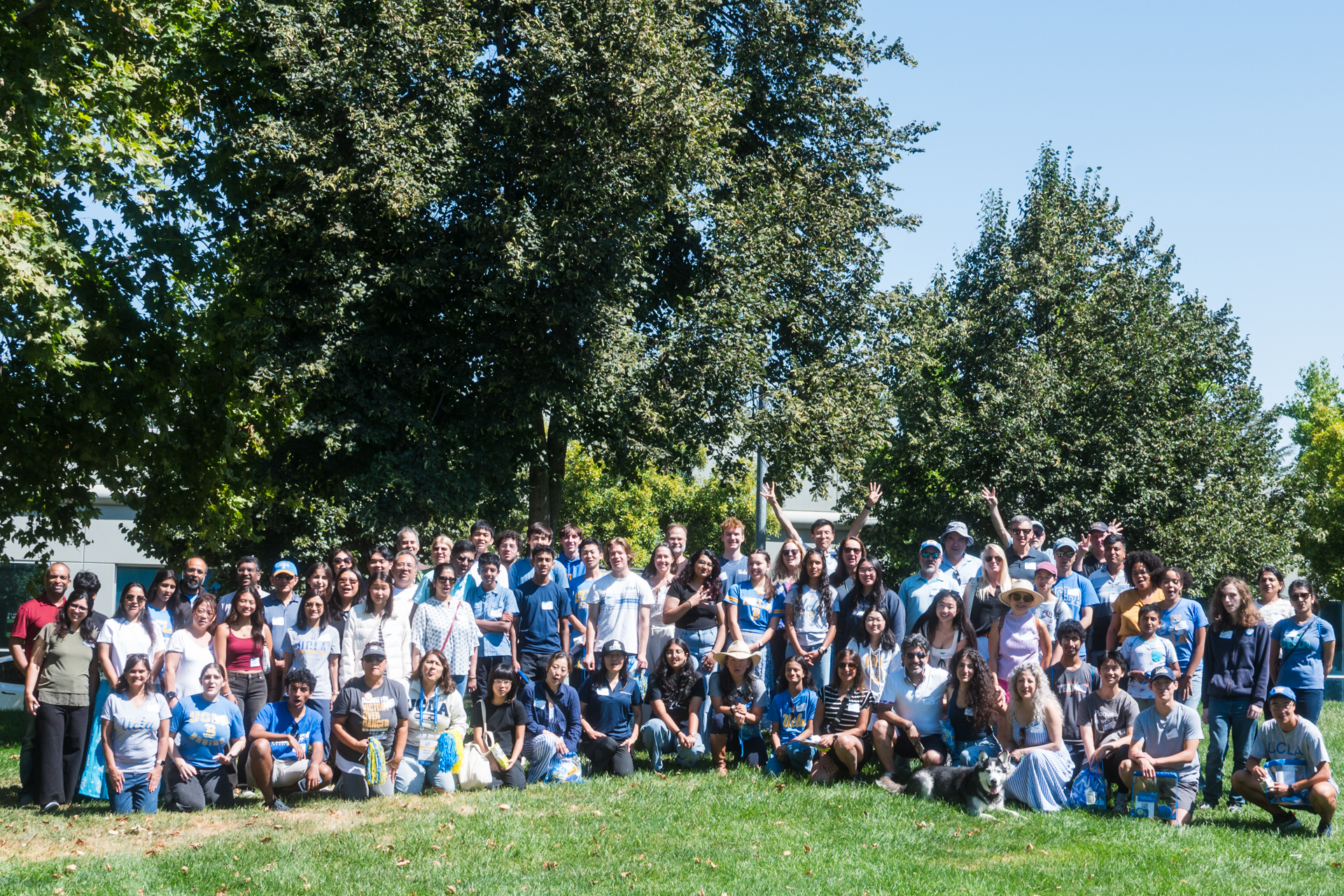
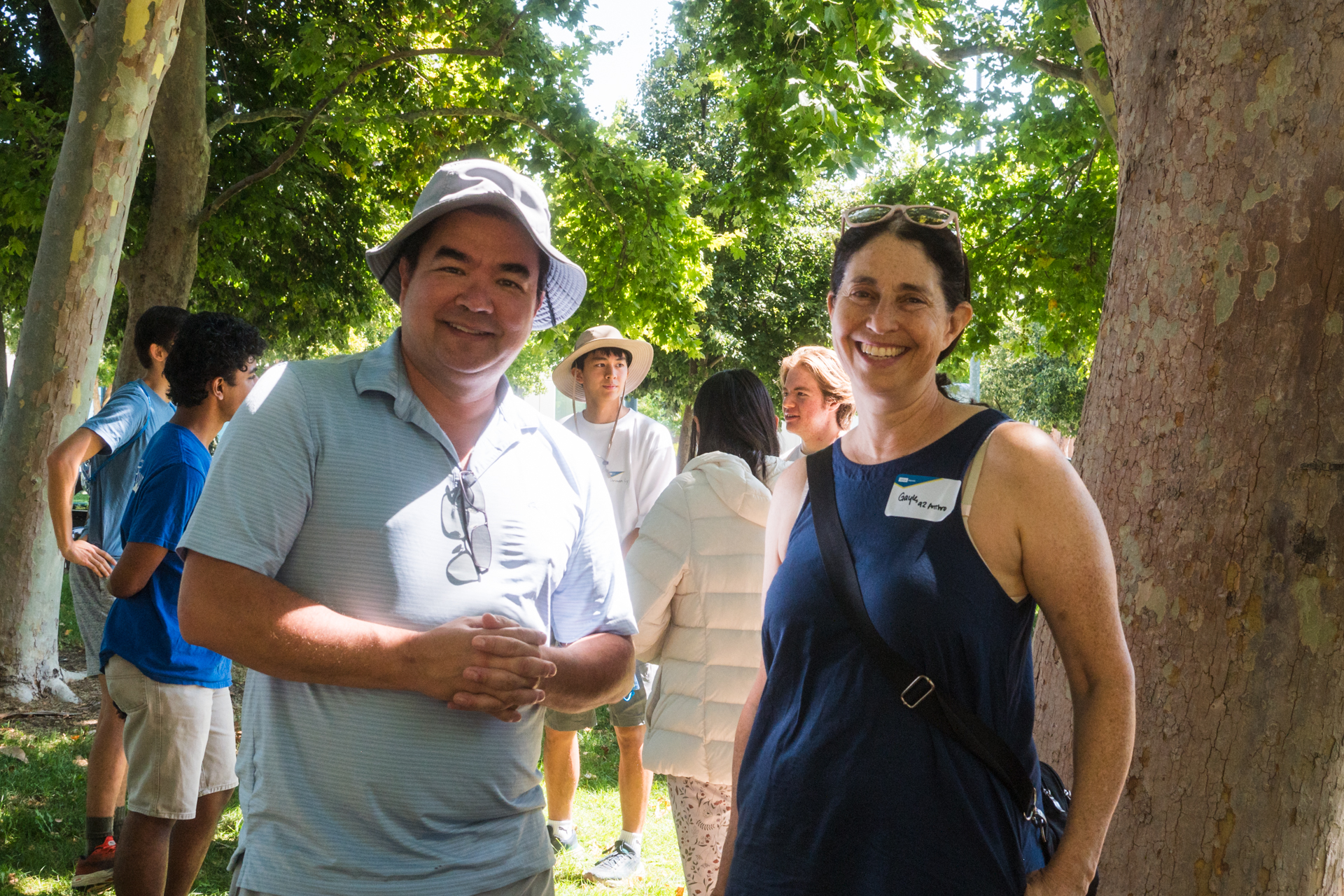
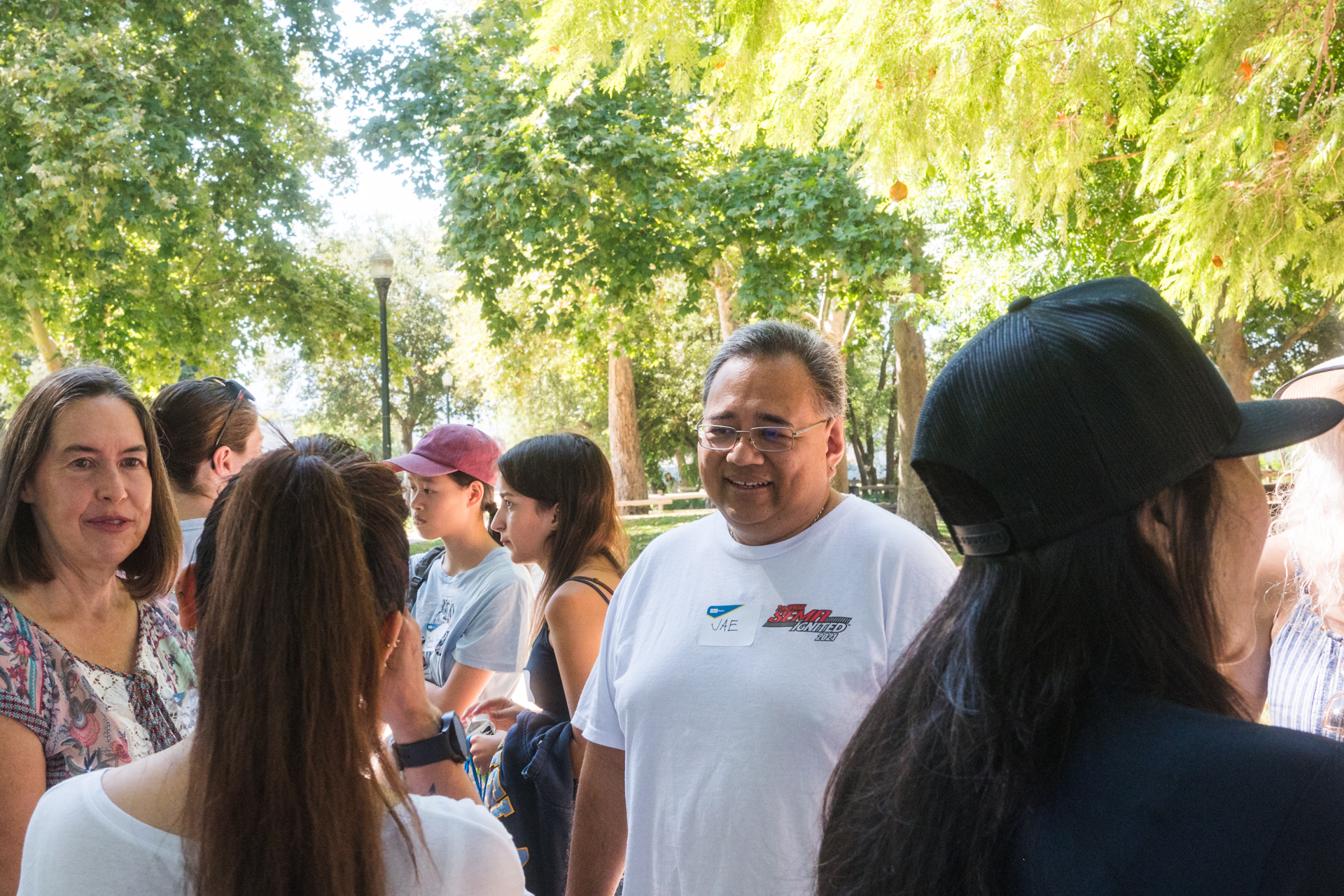
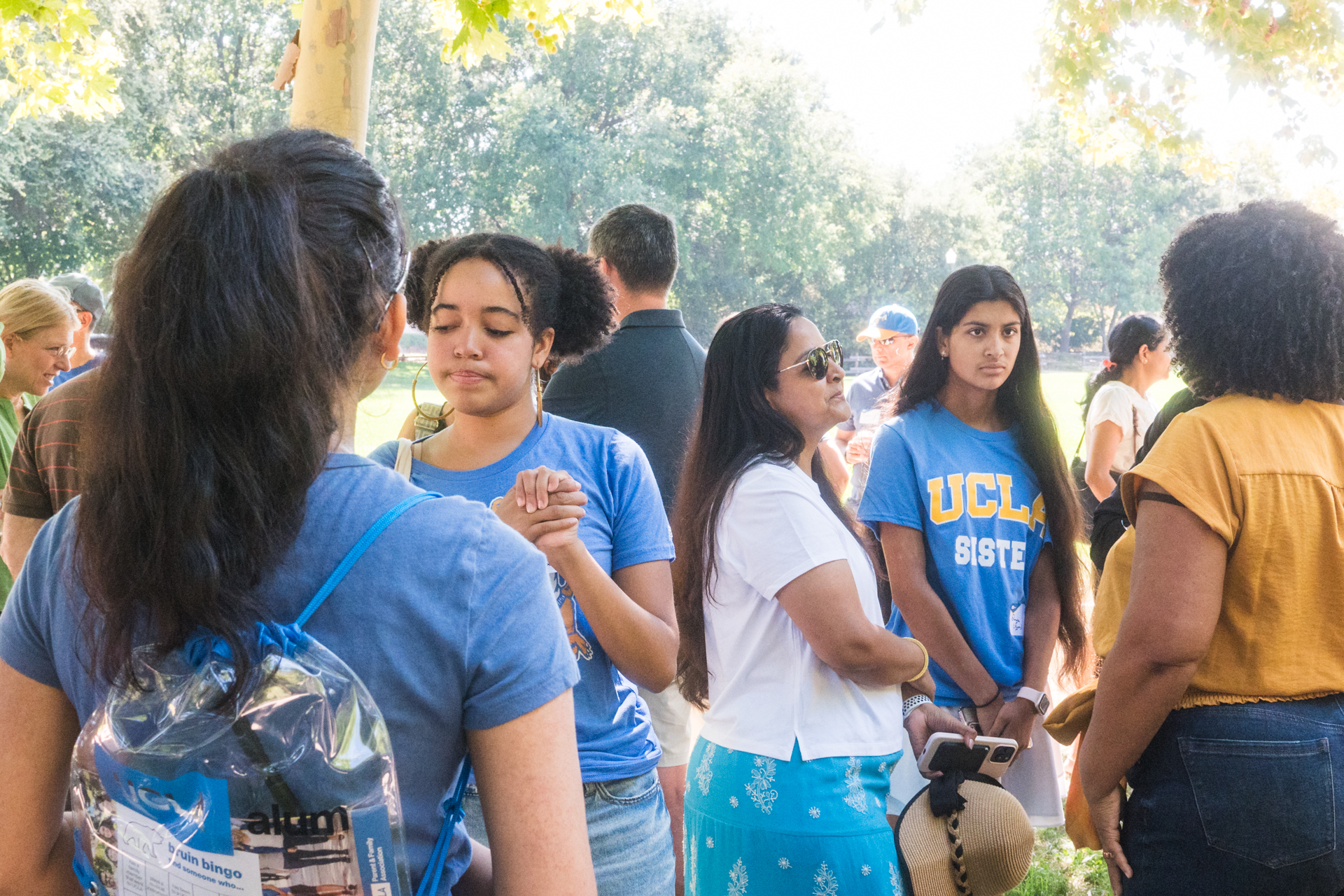
UCLA Alumni Affairs was thrilled to host one of our favorite summer traditions — New Bruin Send-offs!
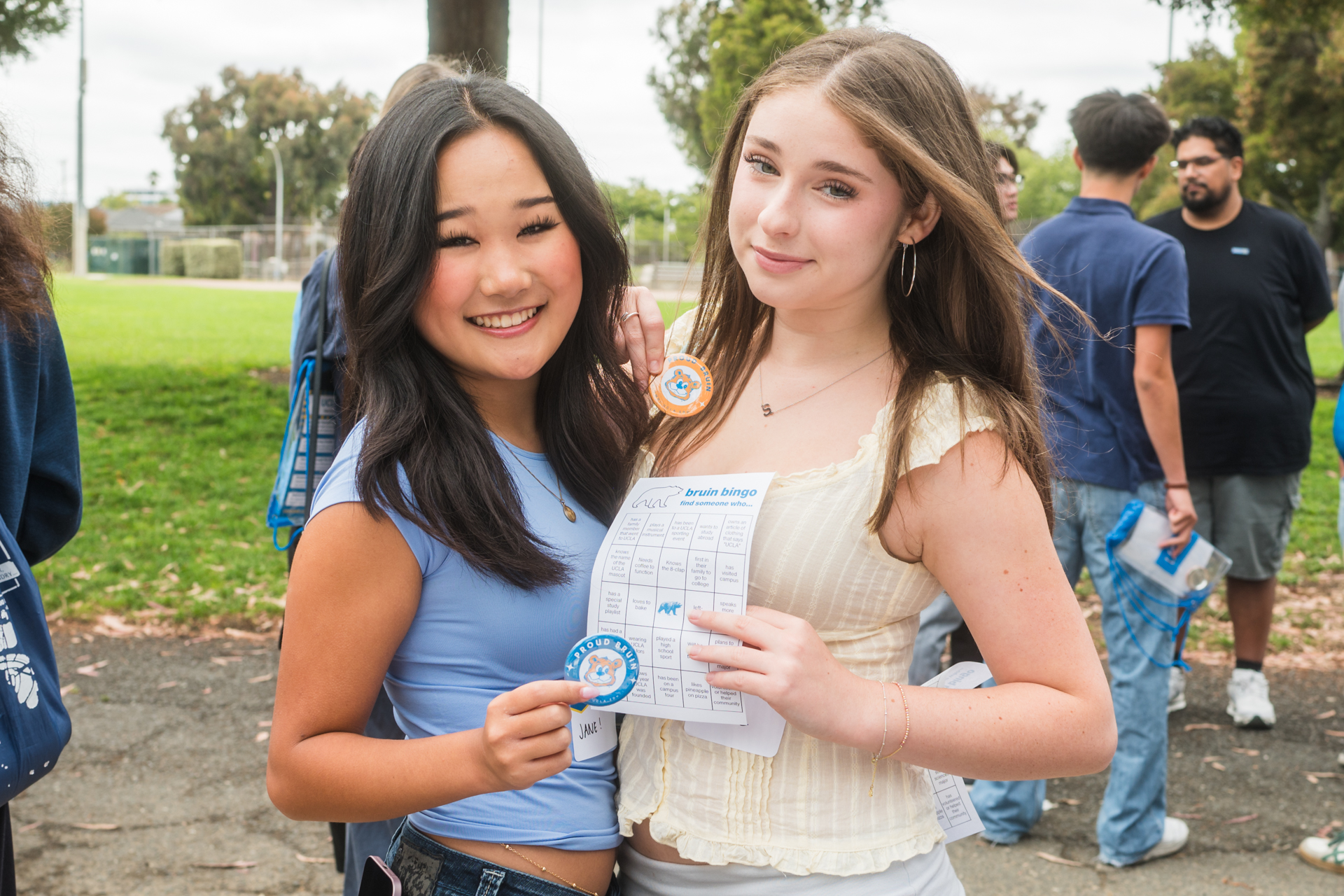
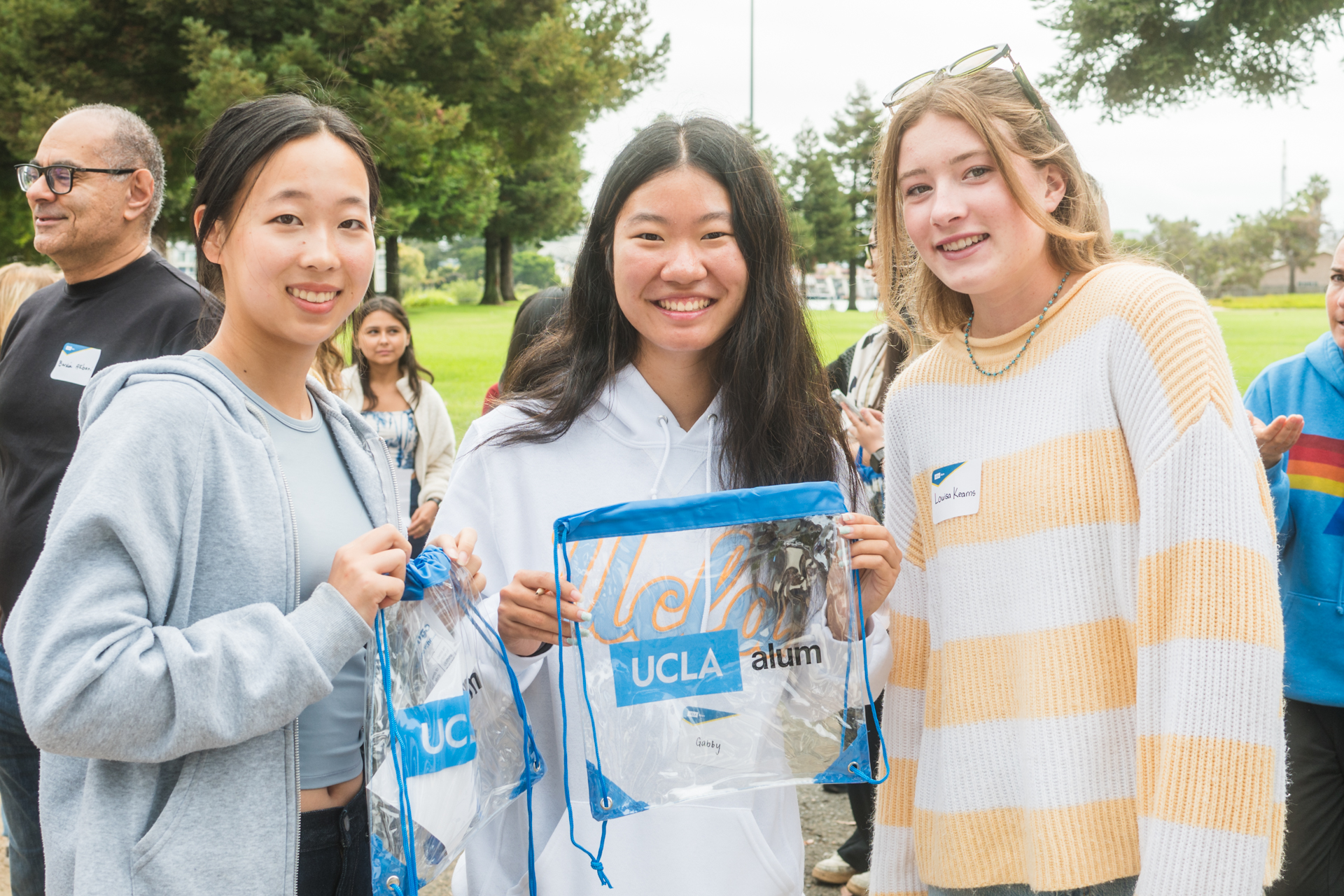
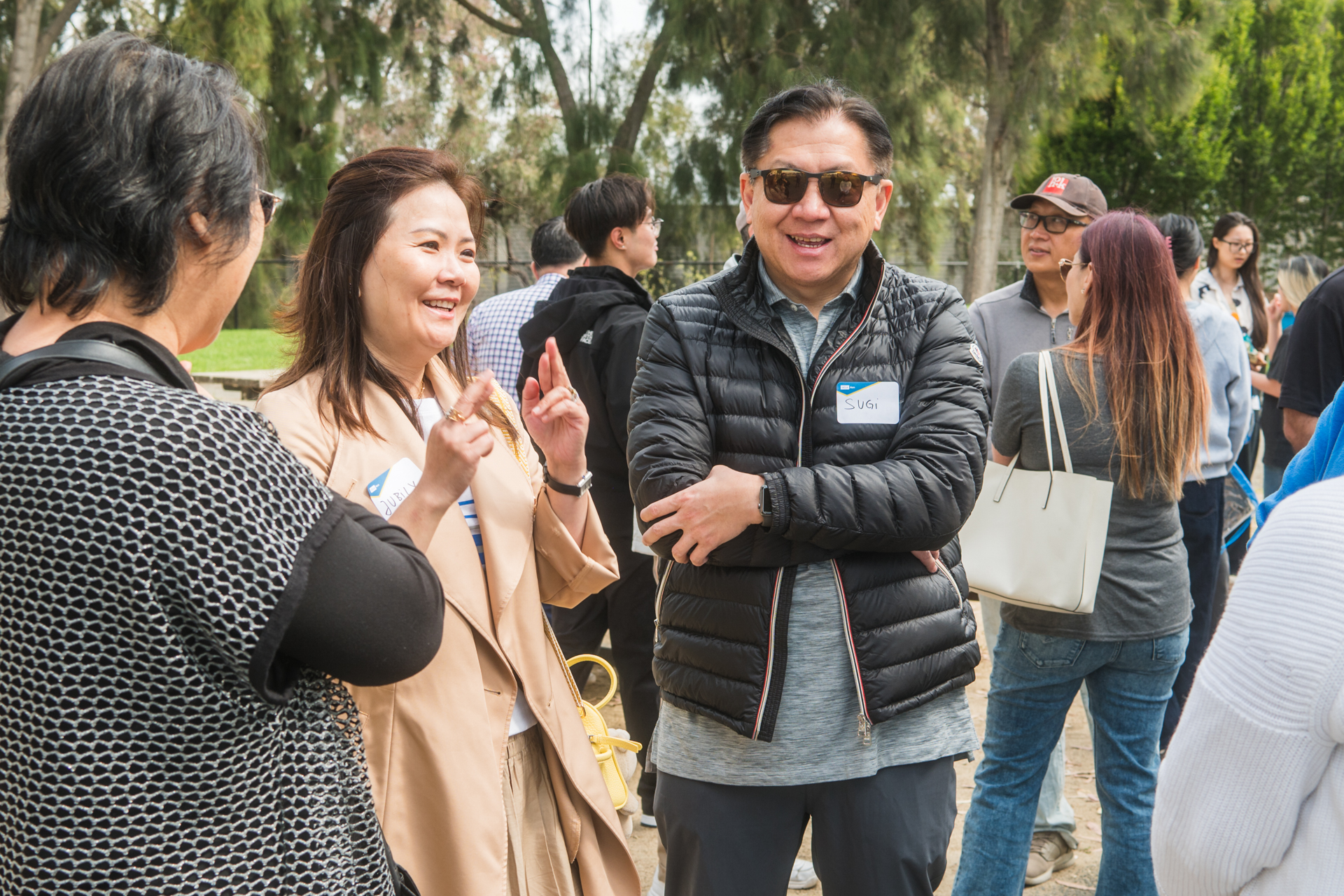
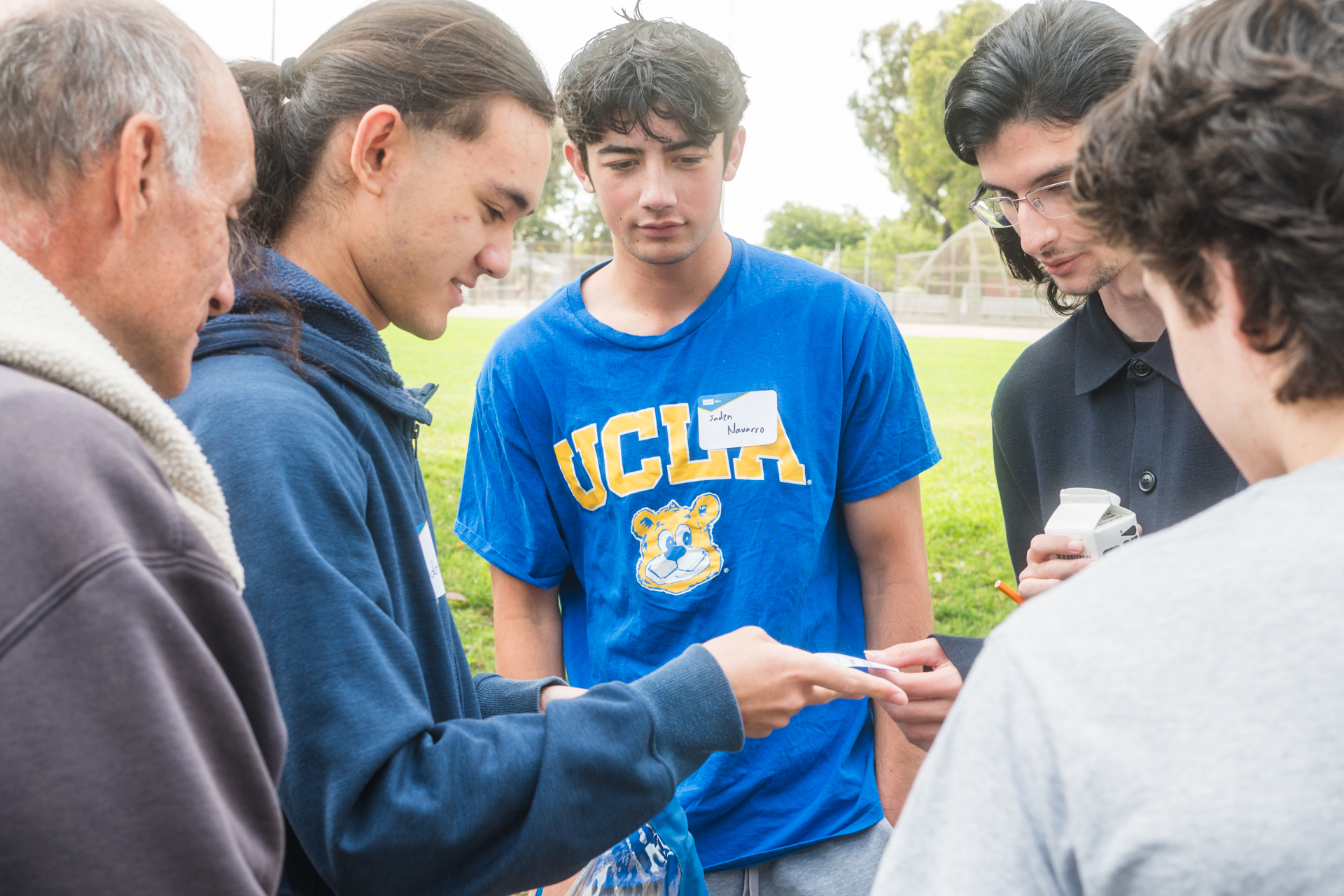
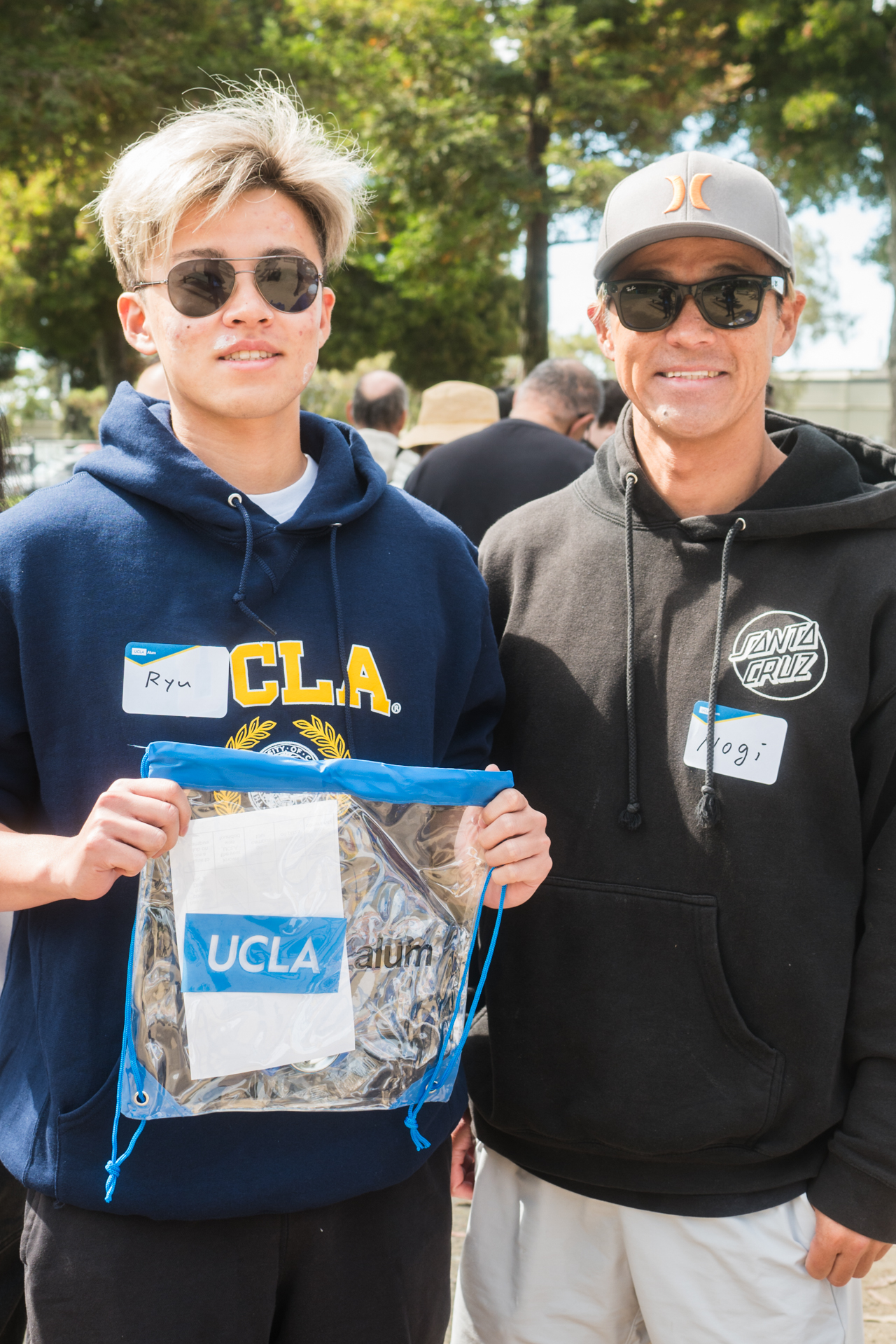
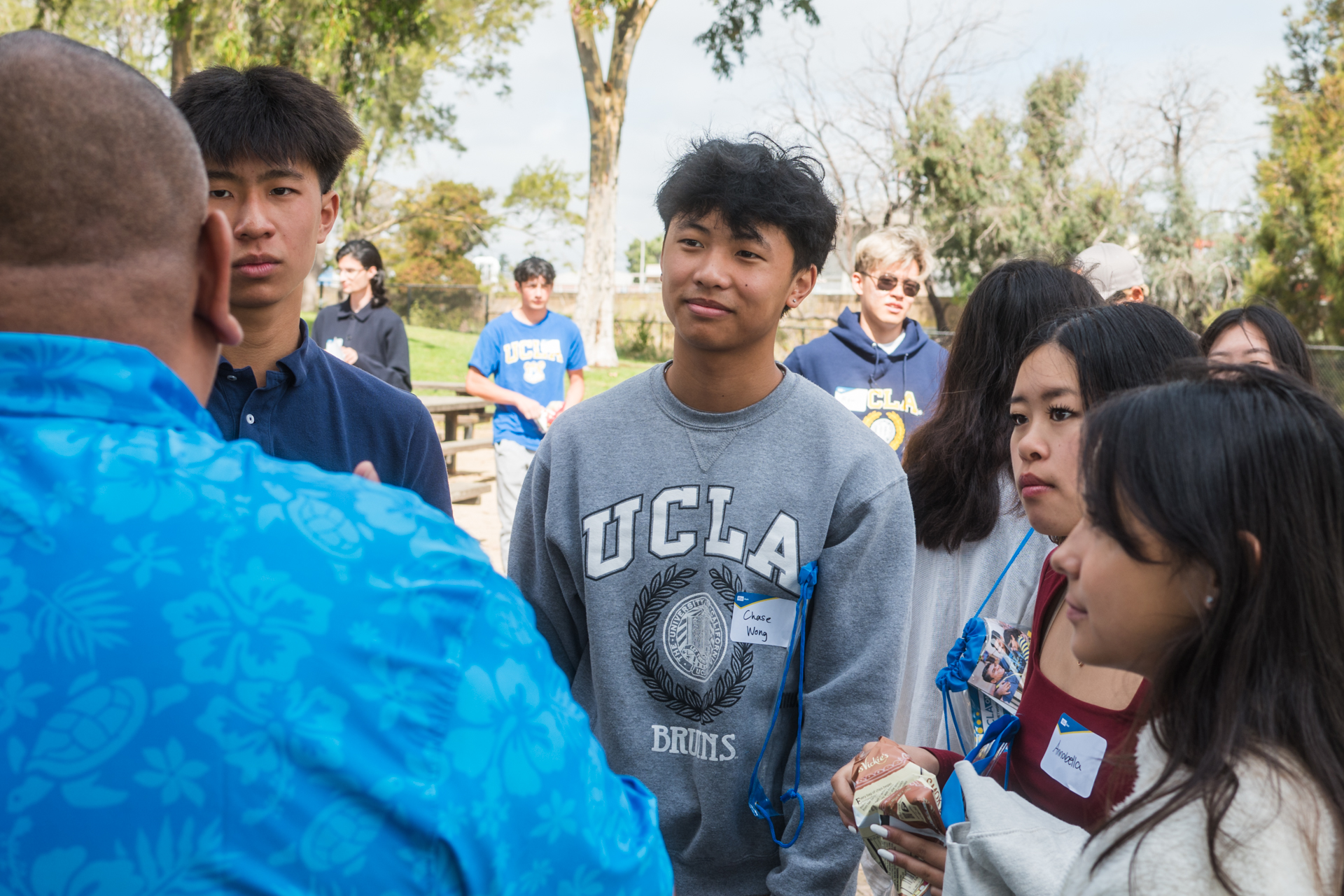
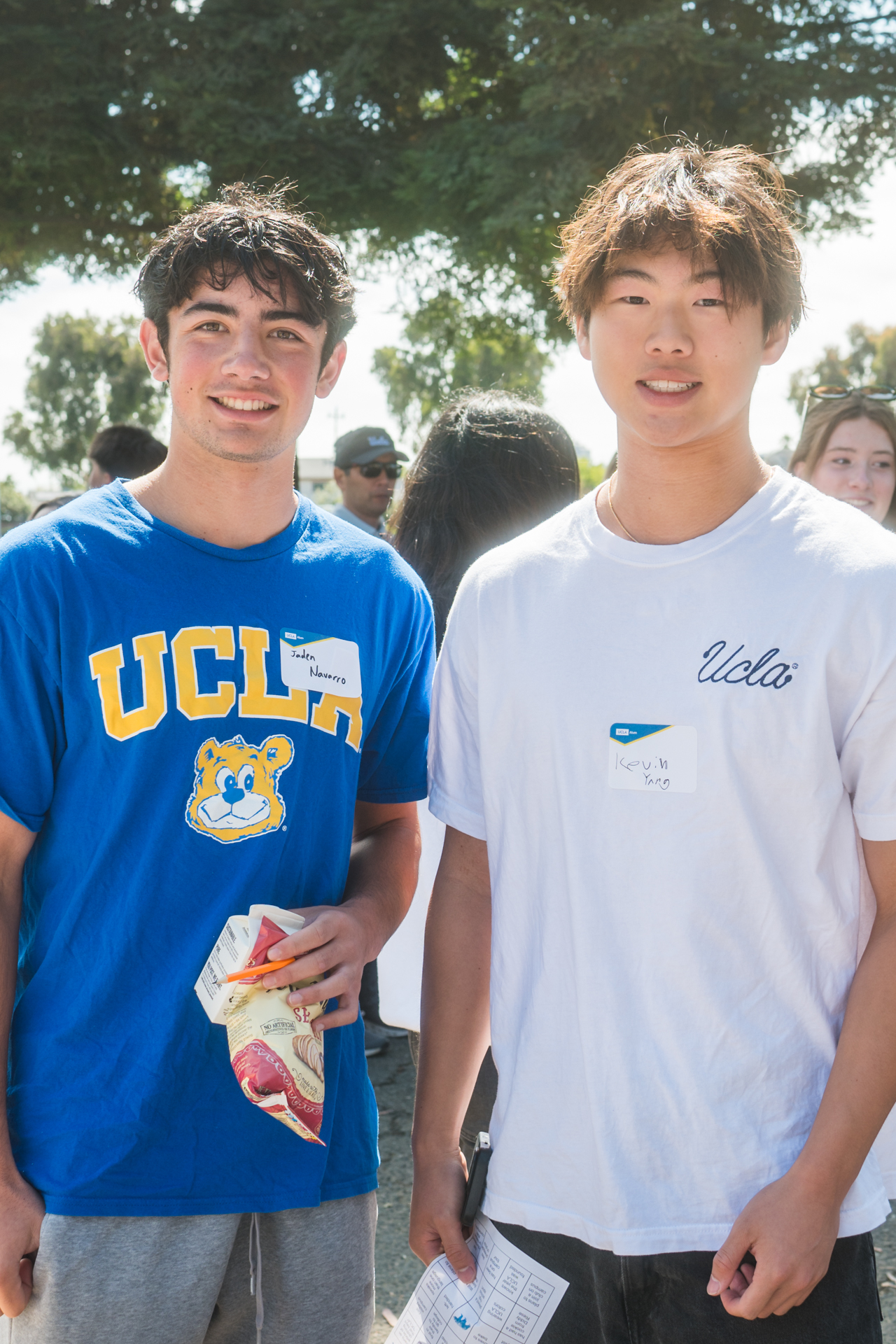
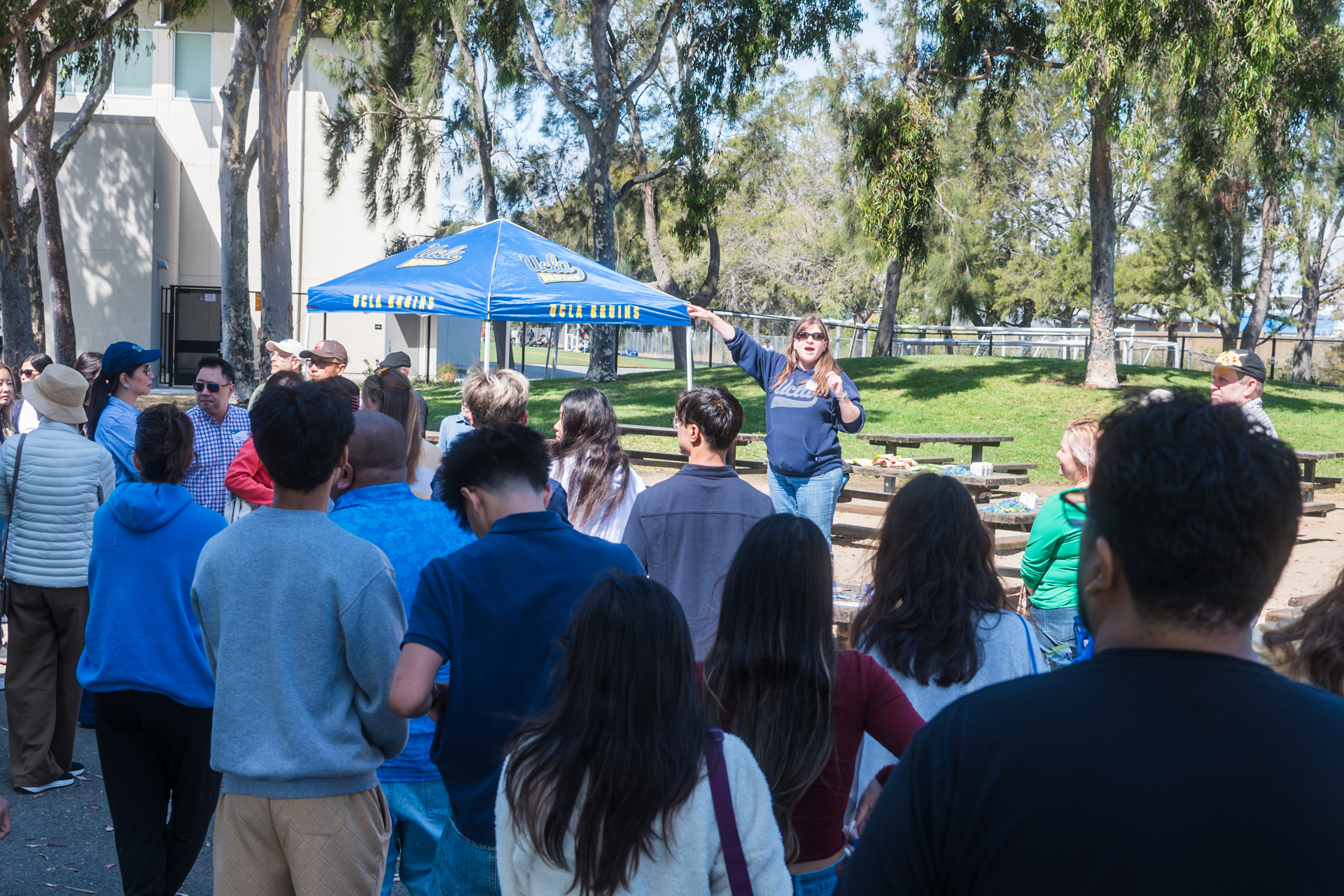
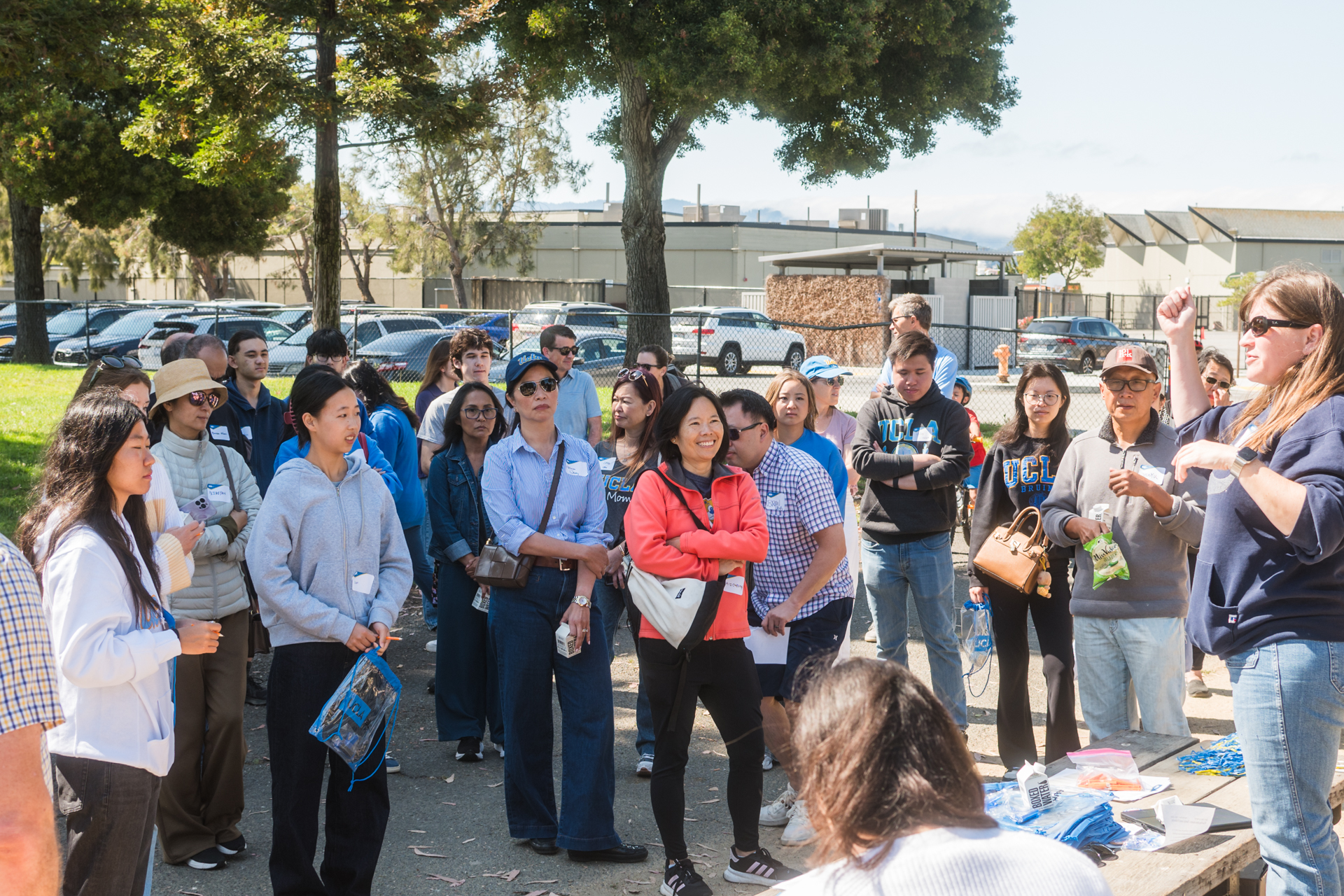
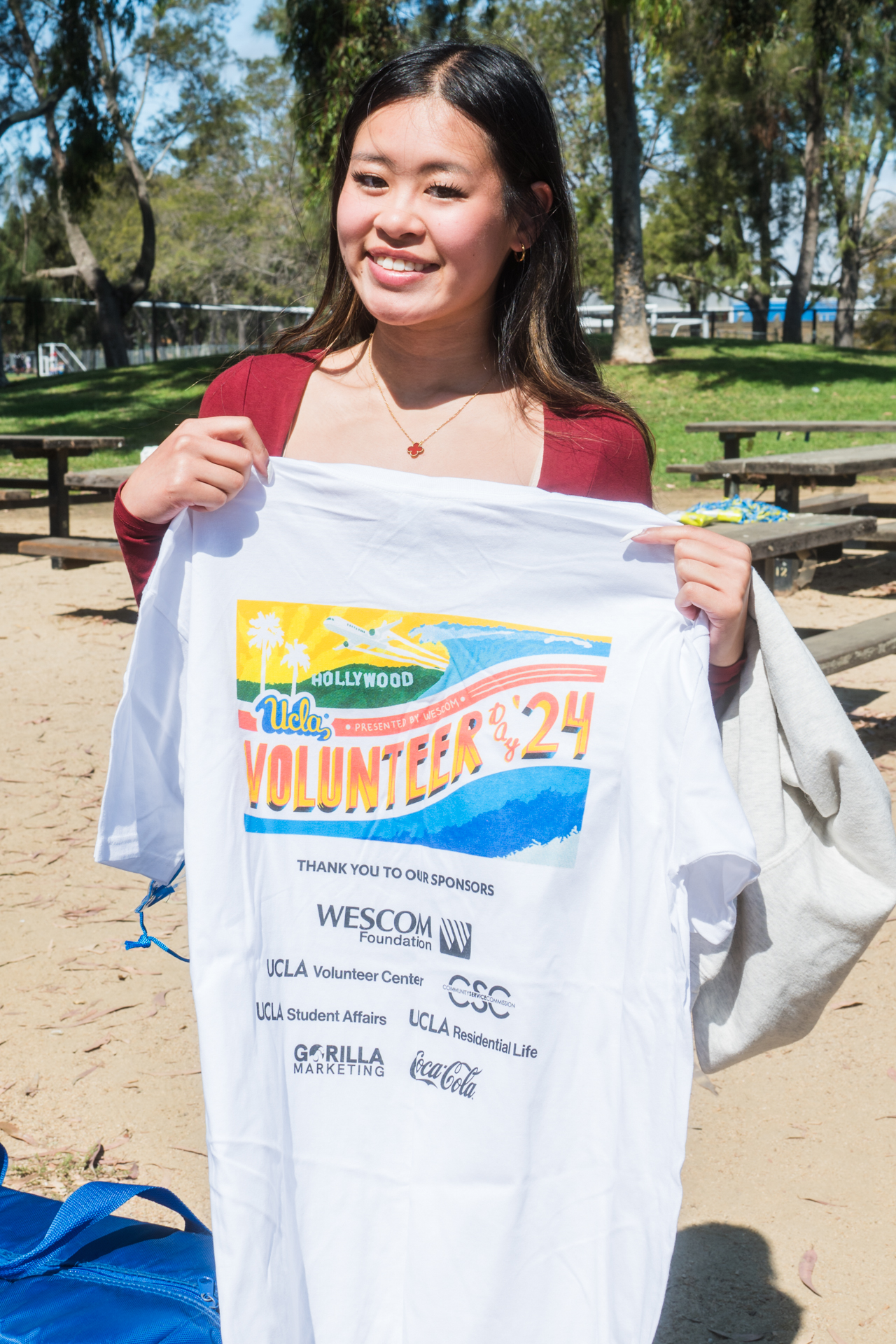
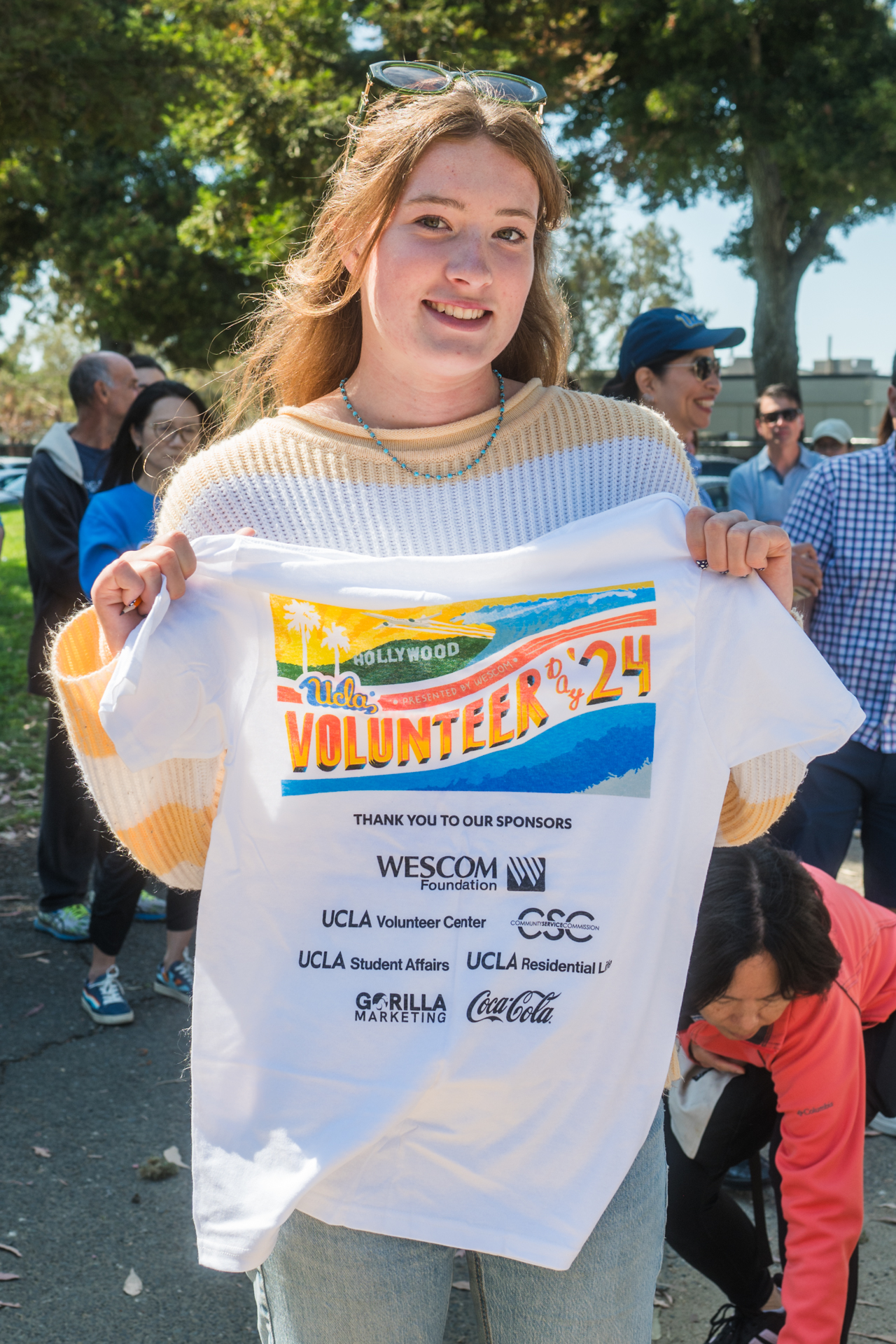
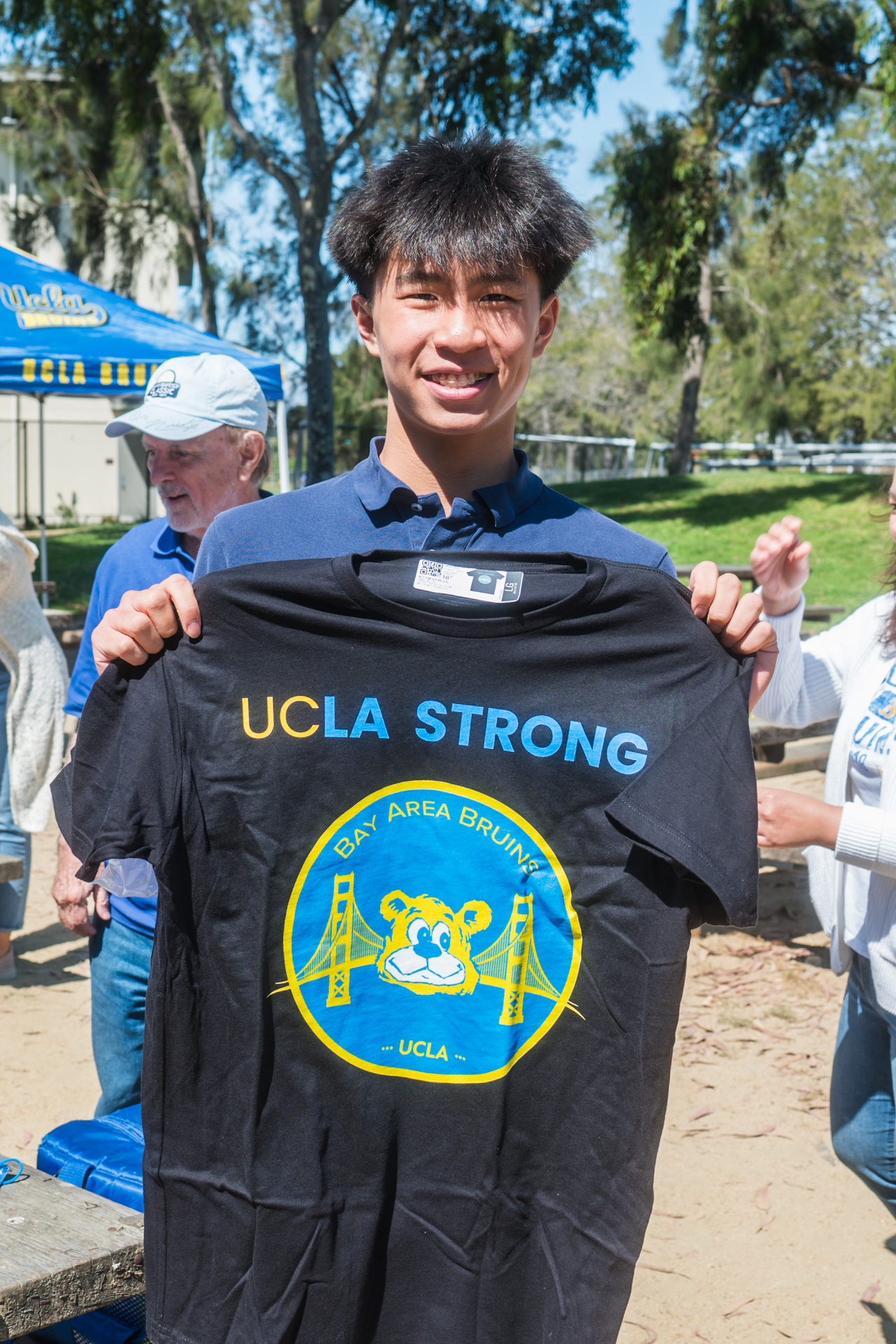
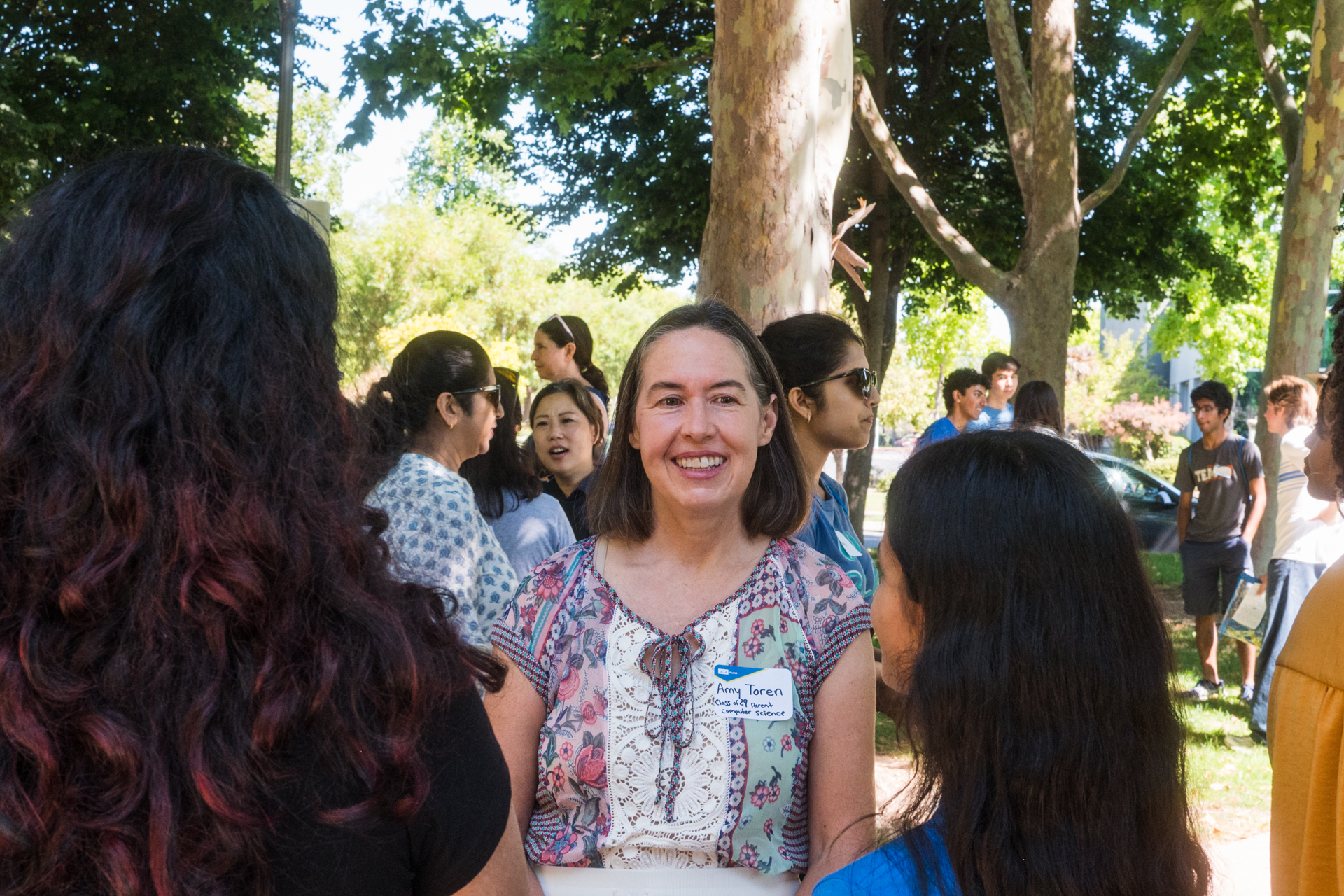
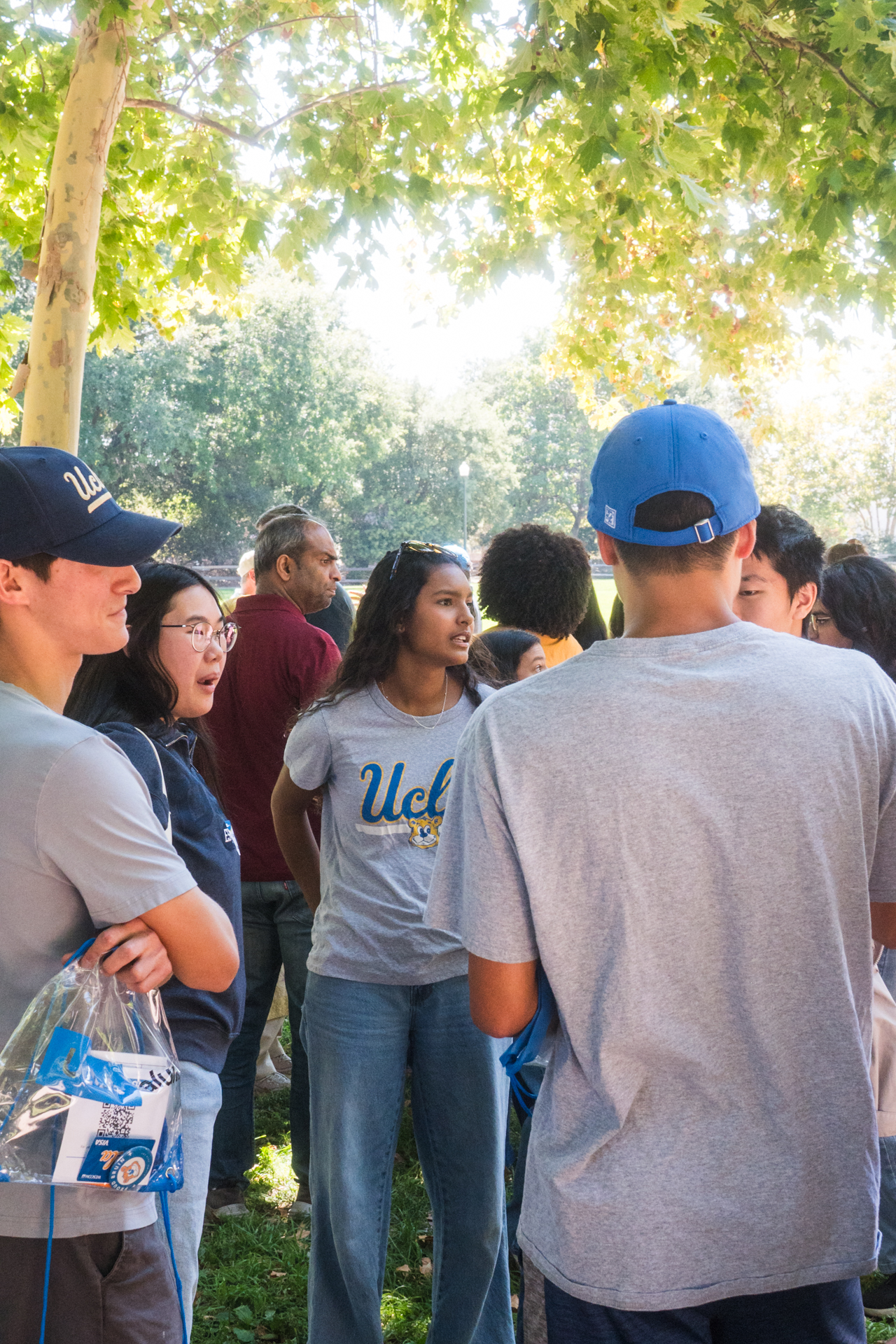
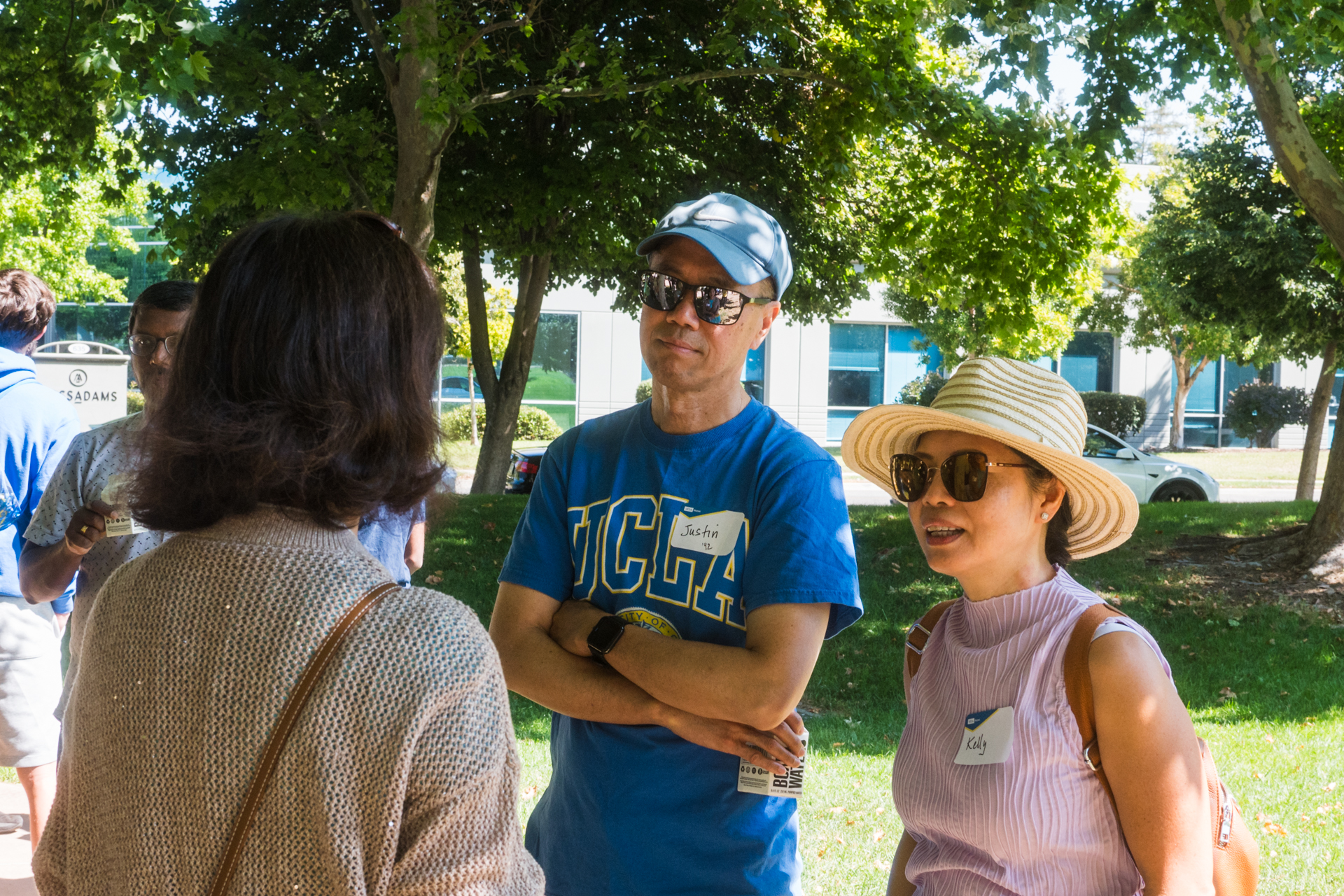
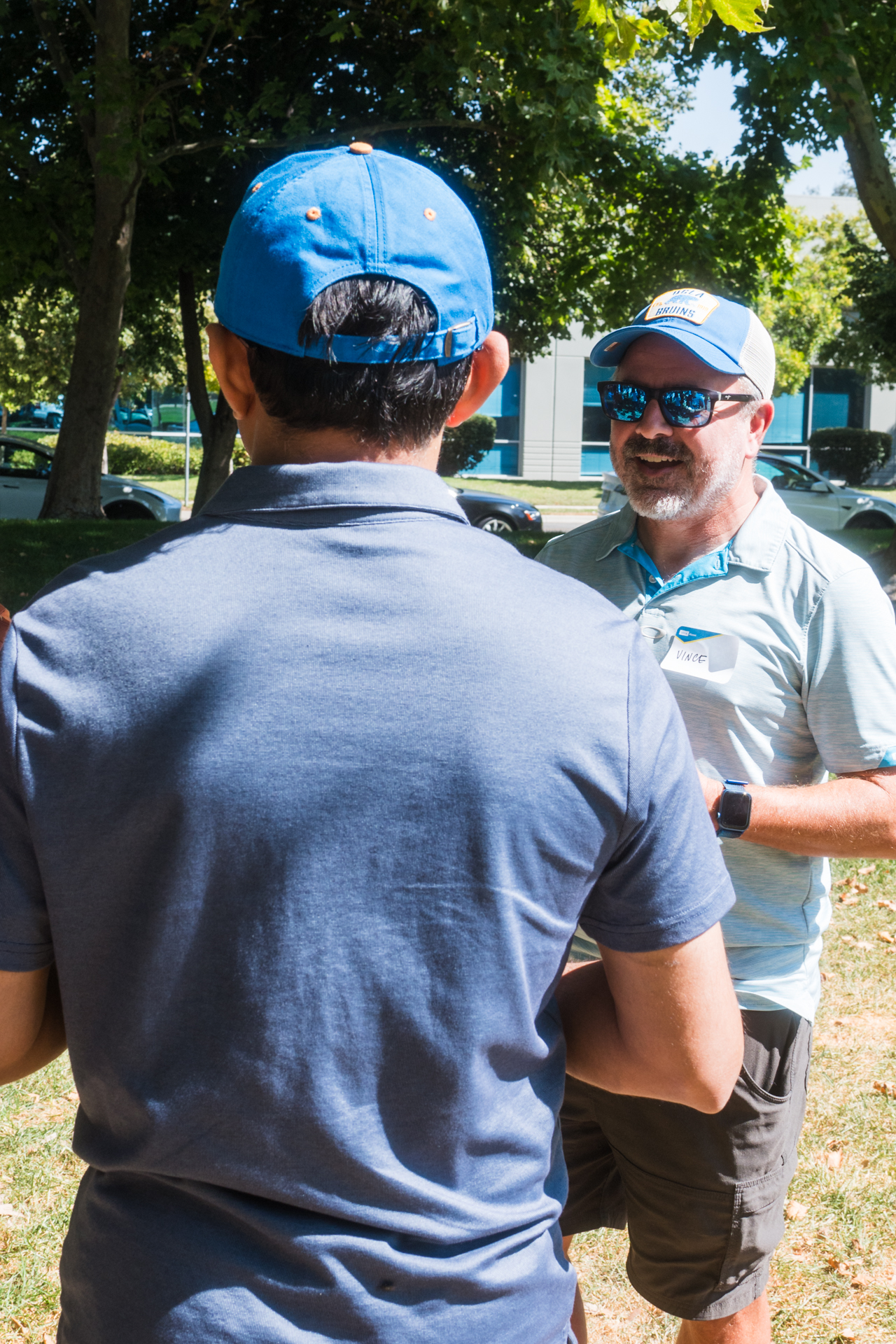
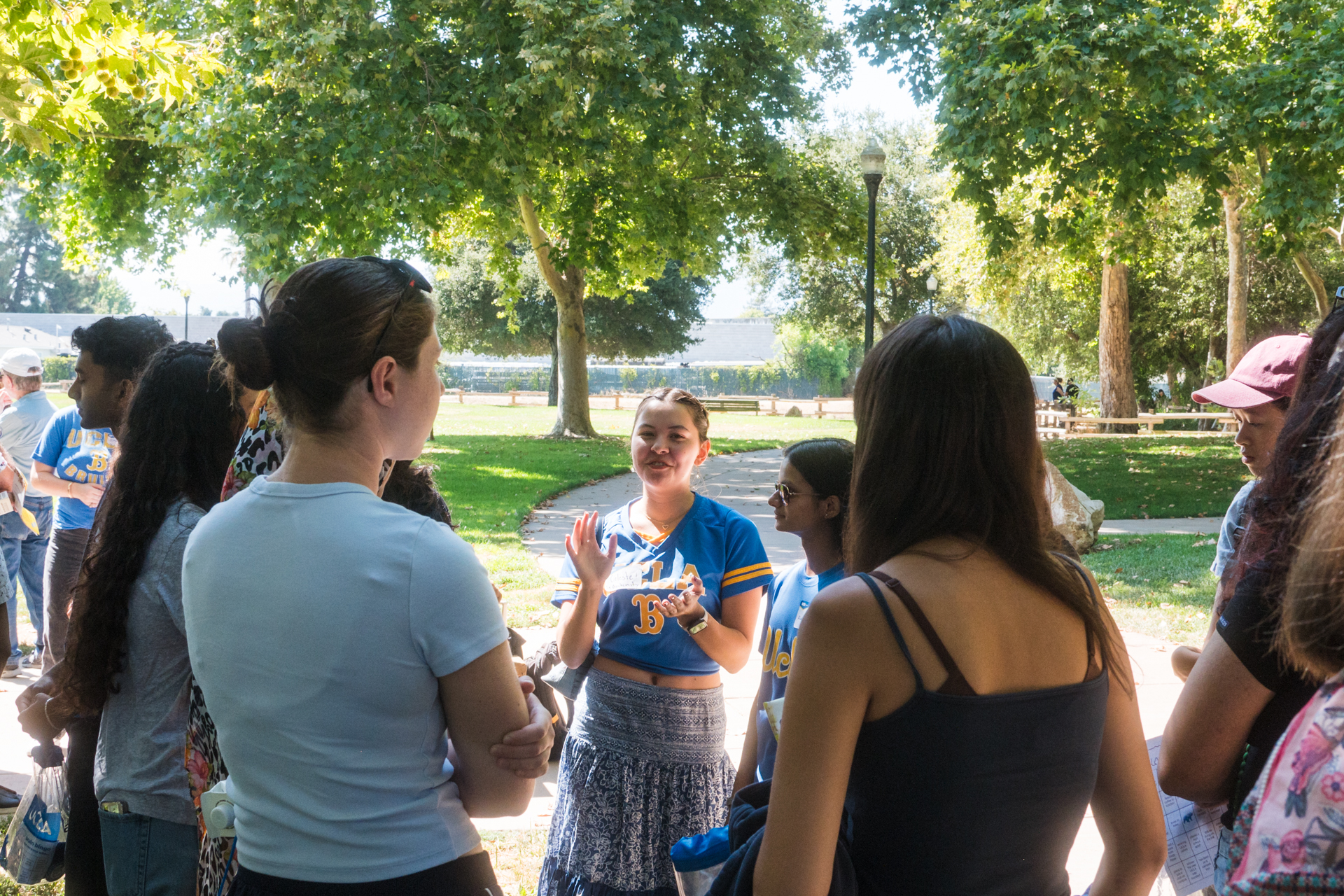
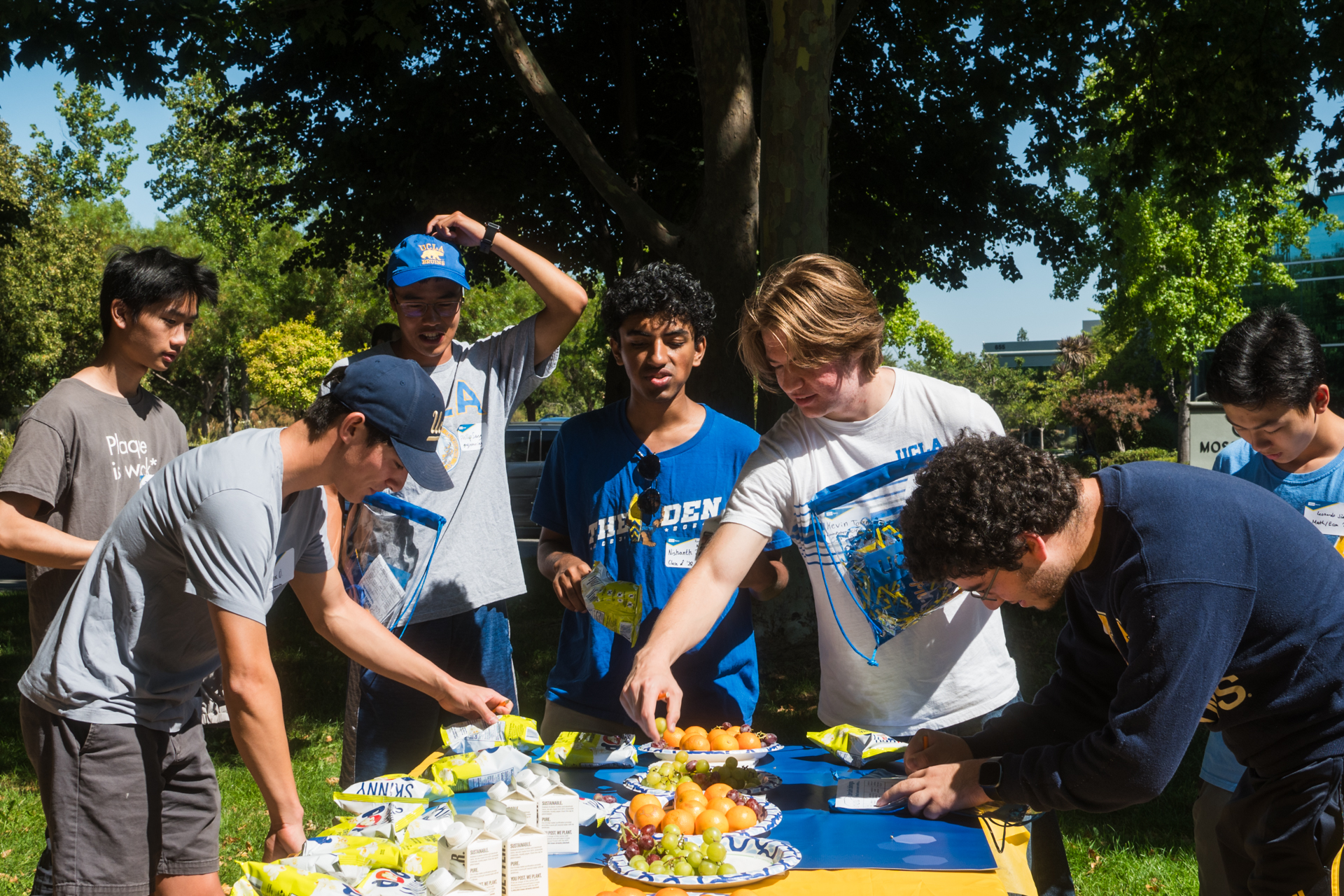
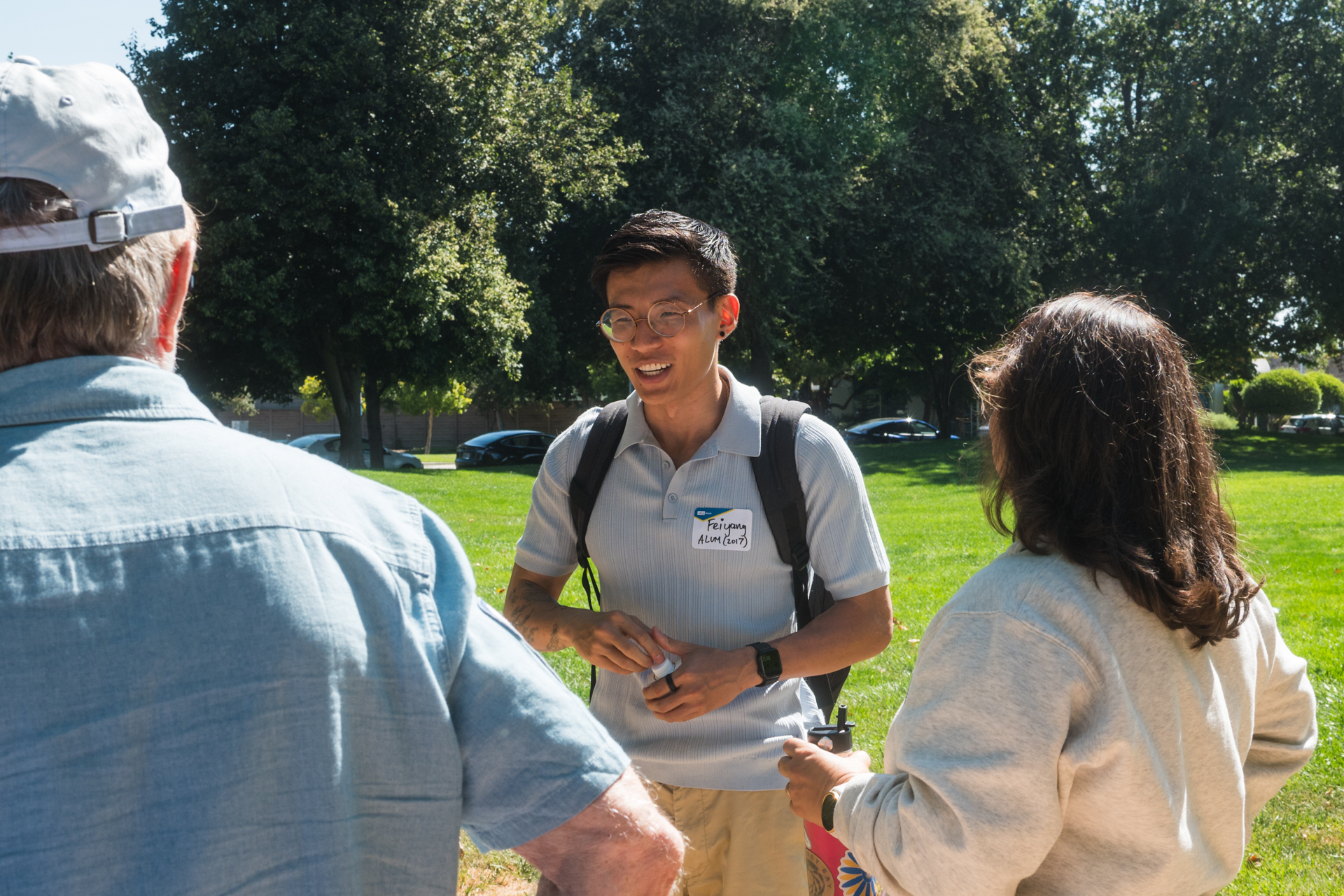
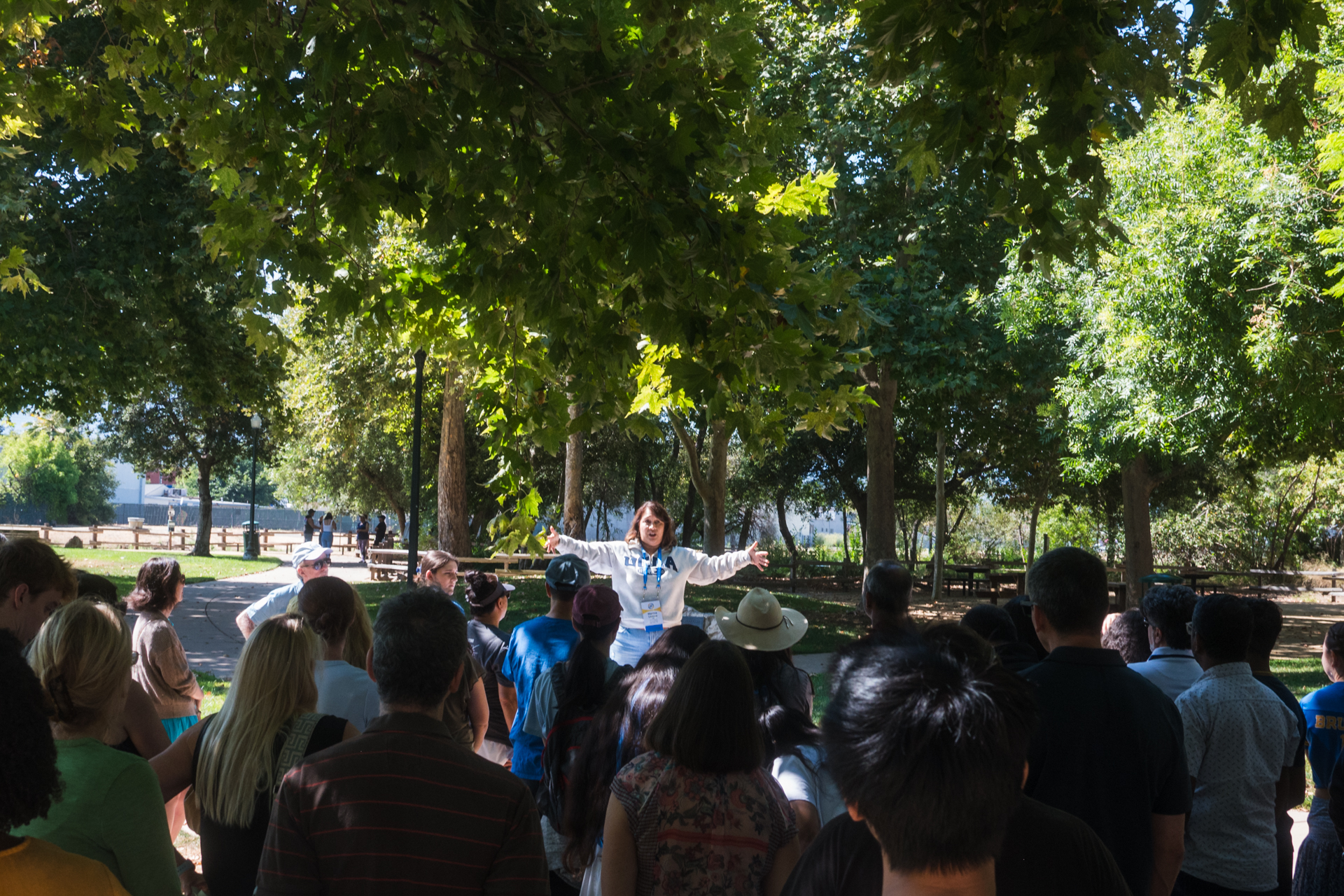
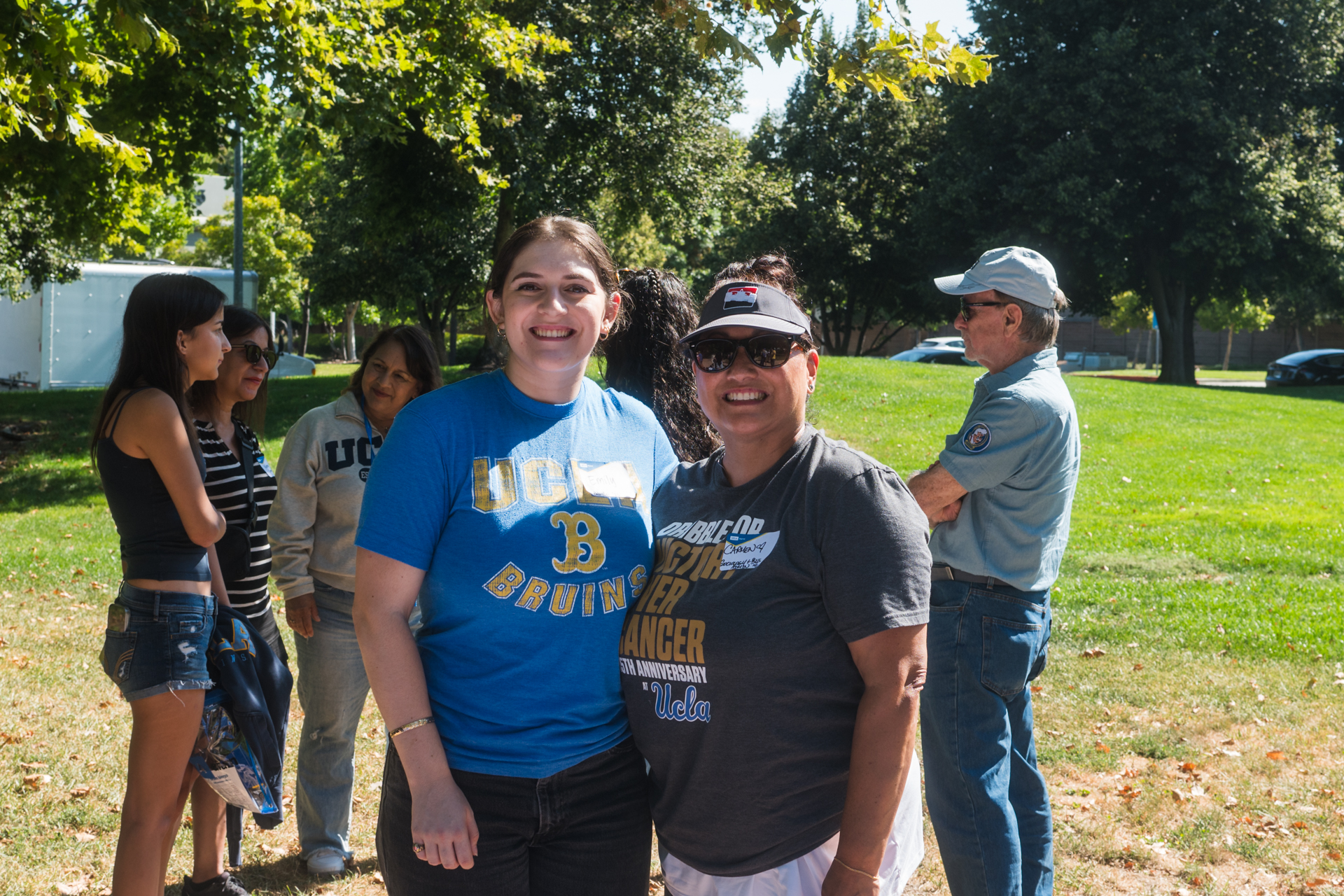
The San Mateo Send-off was an unforgettable gathering where incoming students, families, and alumni came together to celebrate the start of their Bruin story. Hosted by alumni and UCLA families, the event brought everyone together for a lively afternoon filled with Bruin pride, shared stories, and the beginning of lasting memories and friendships.
For students and families in the Bay Area, the San Mateo Send-off was the perfect way to connect with the UCLA community before beginning their Bruin journey.






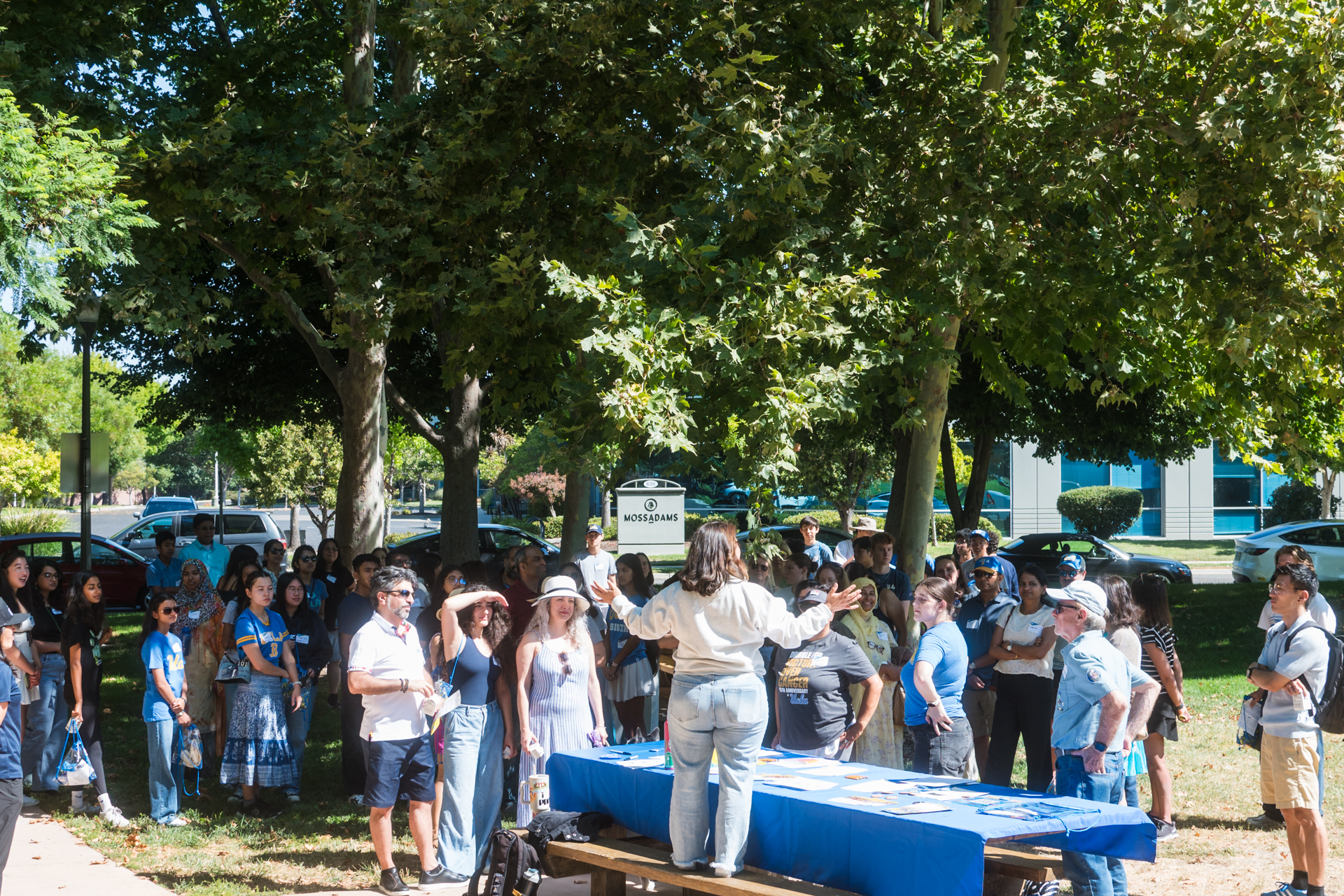
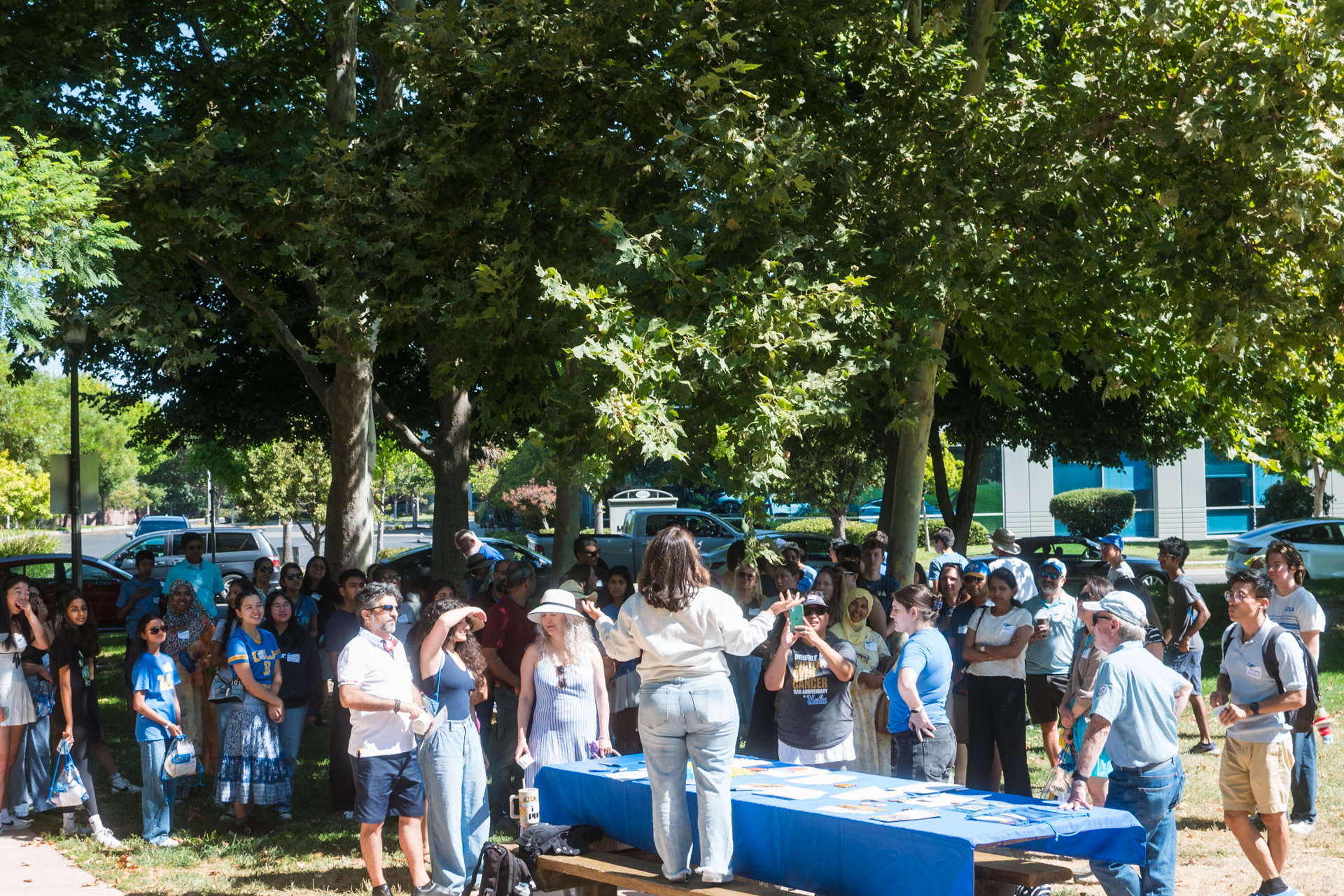
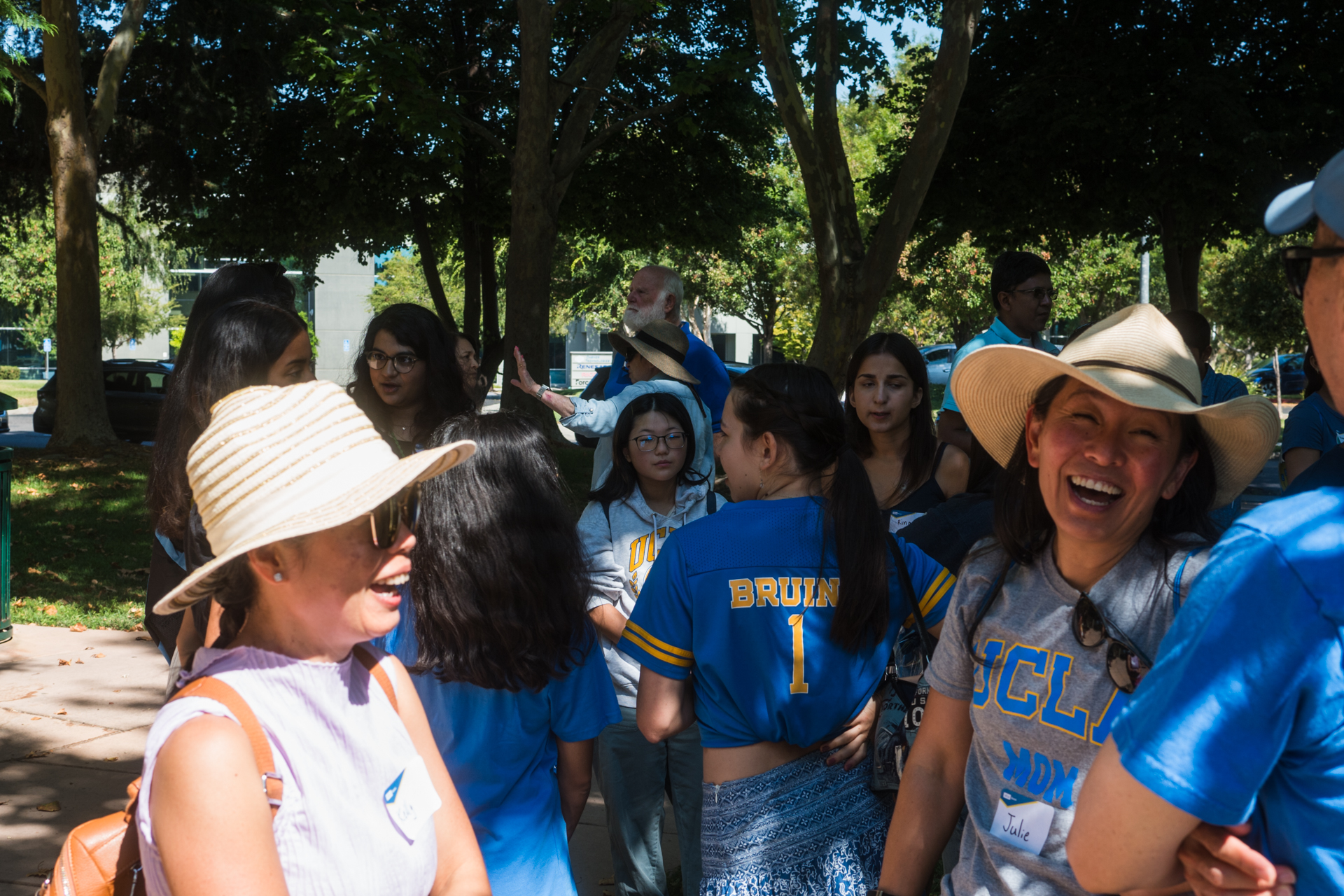
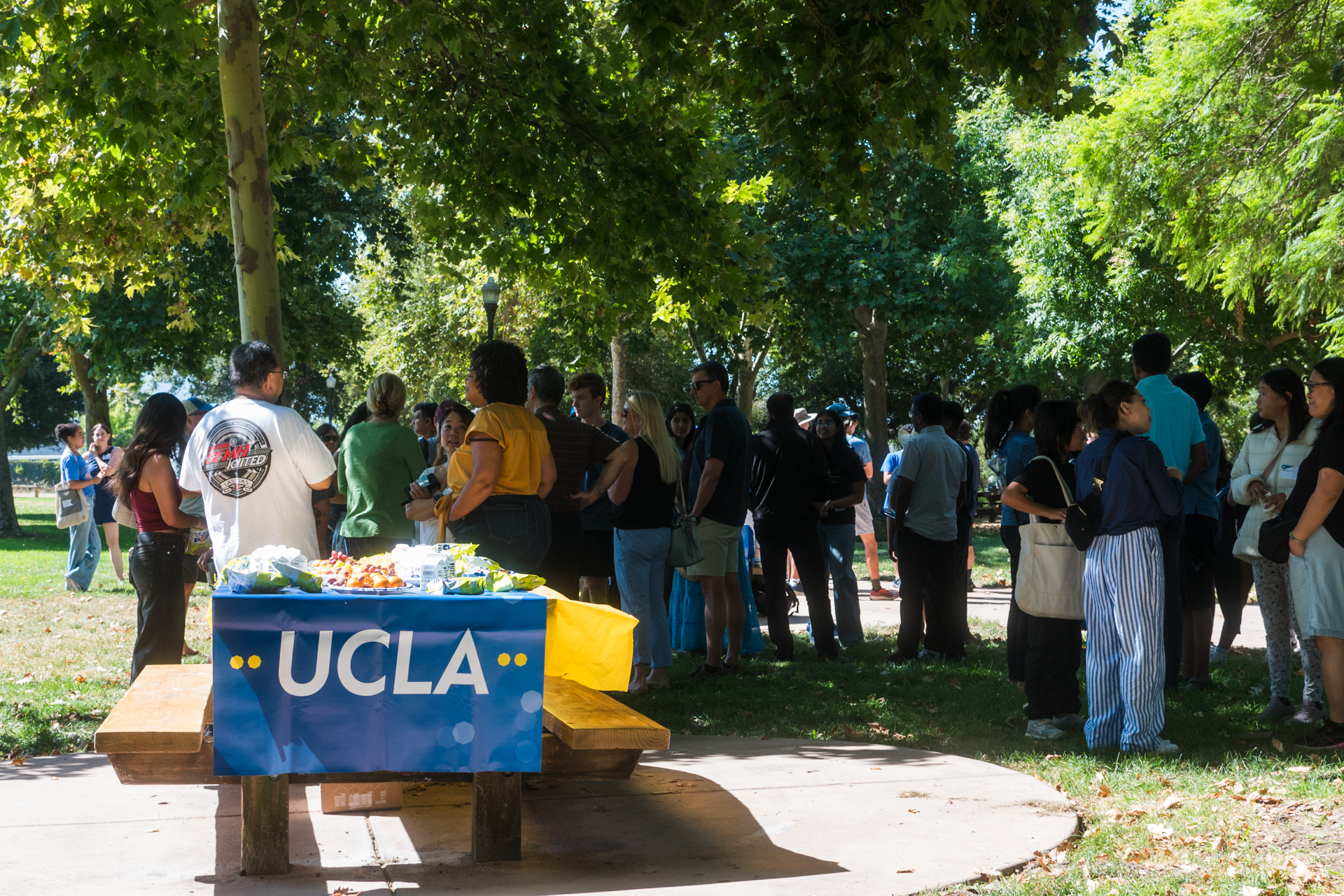
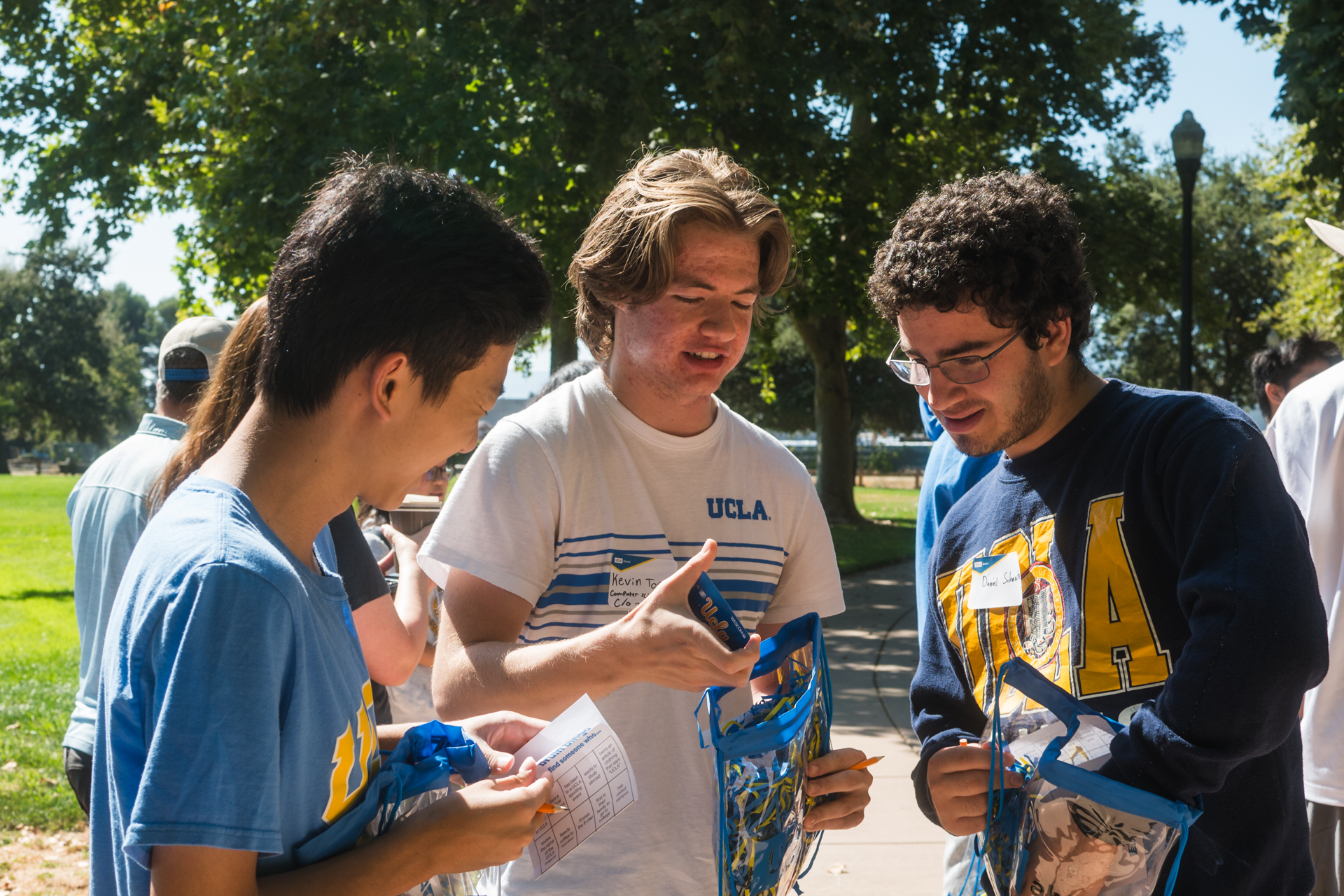
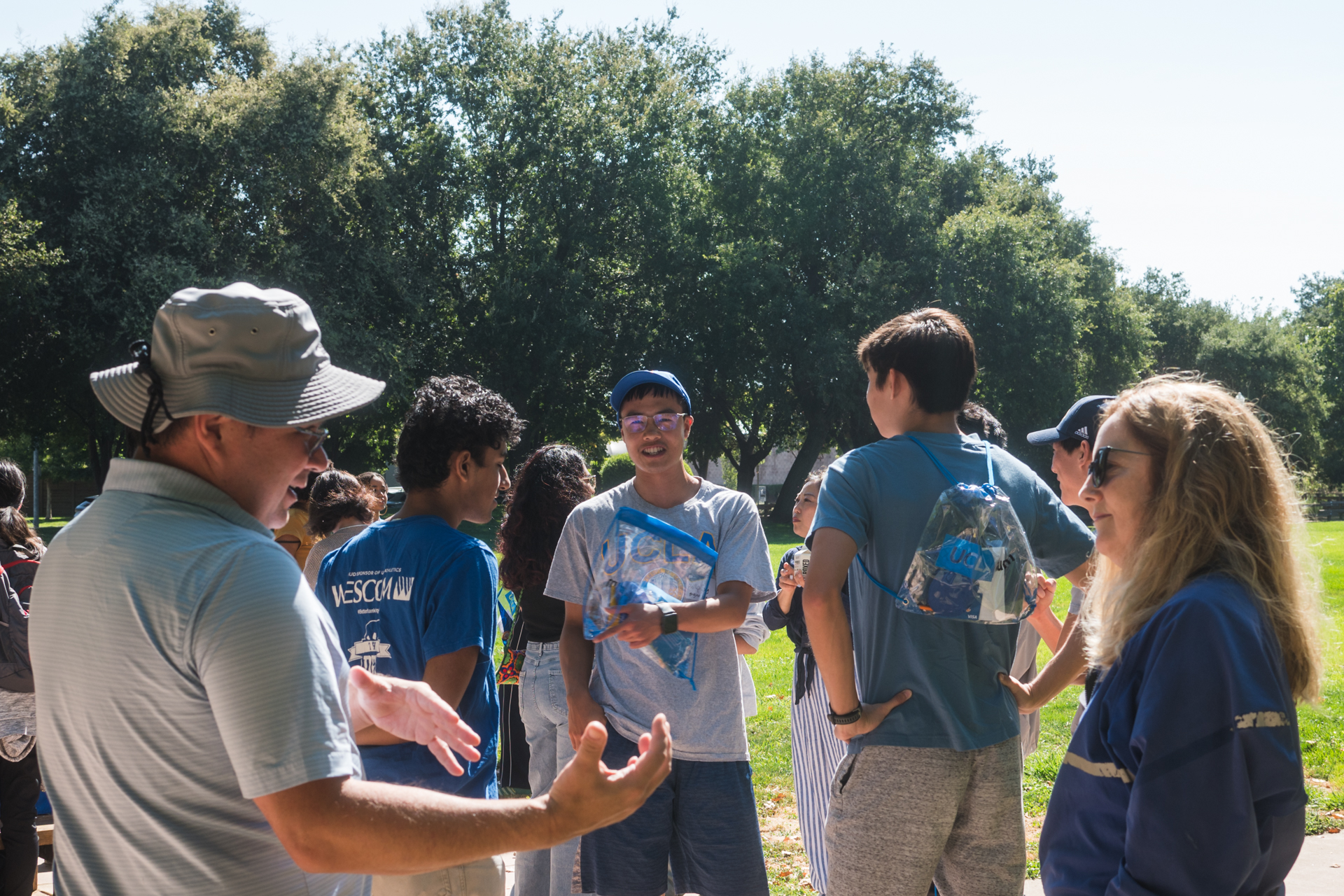
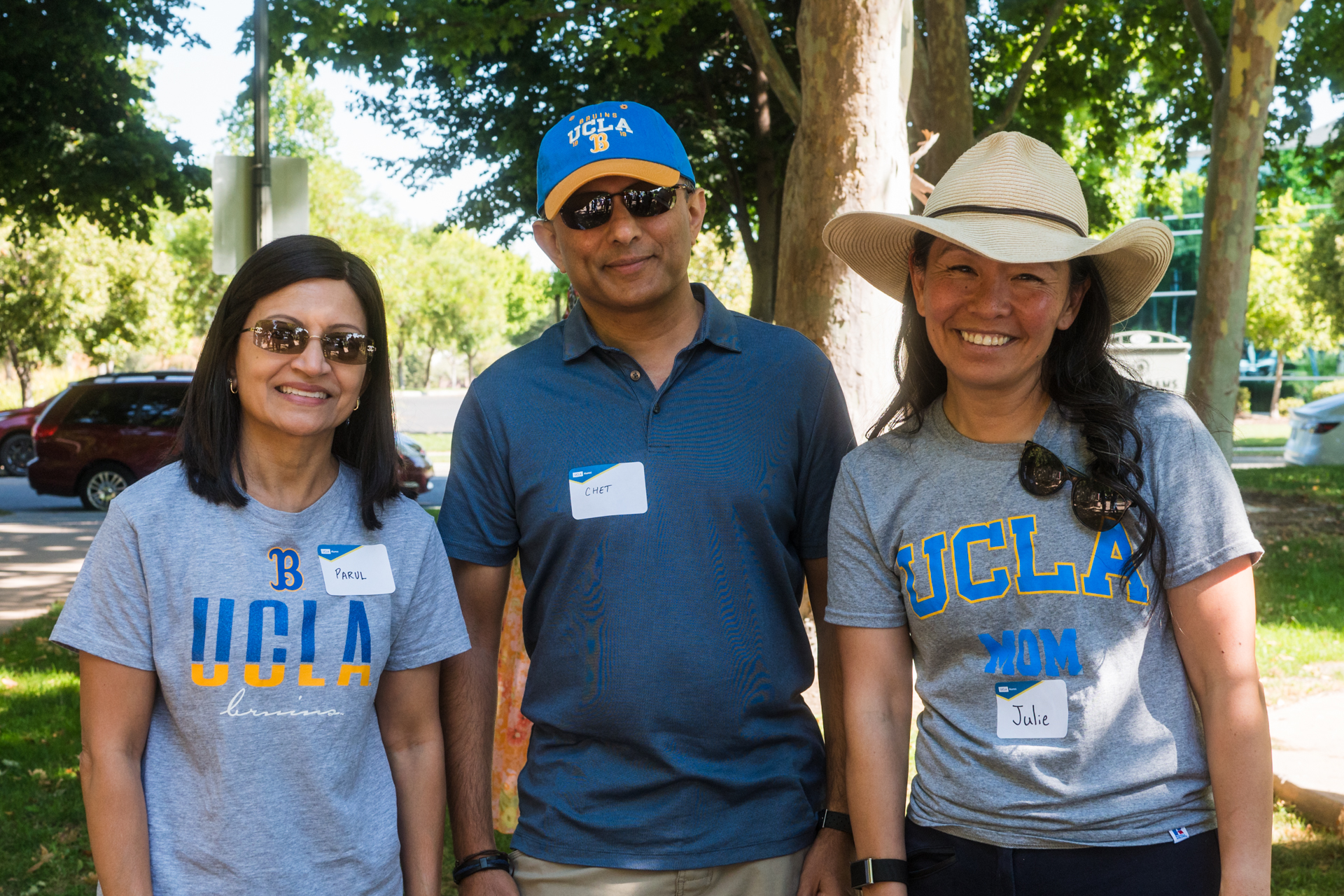
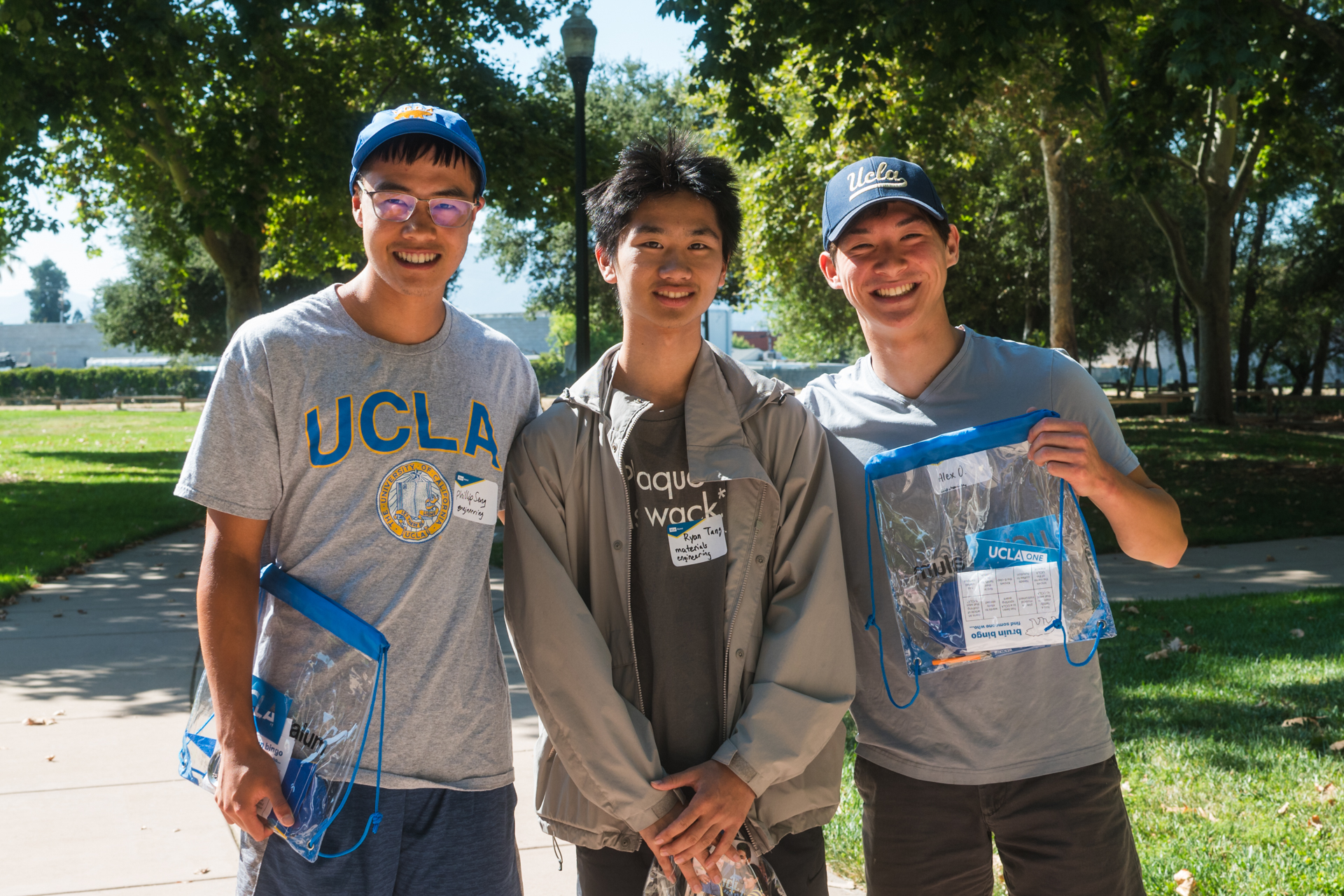
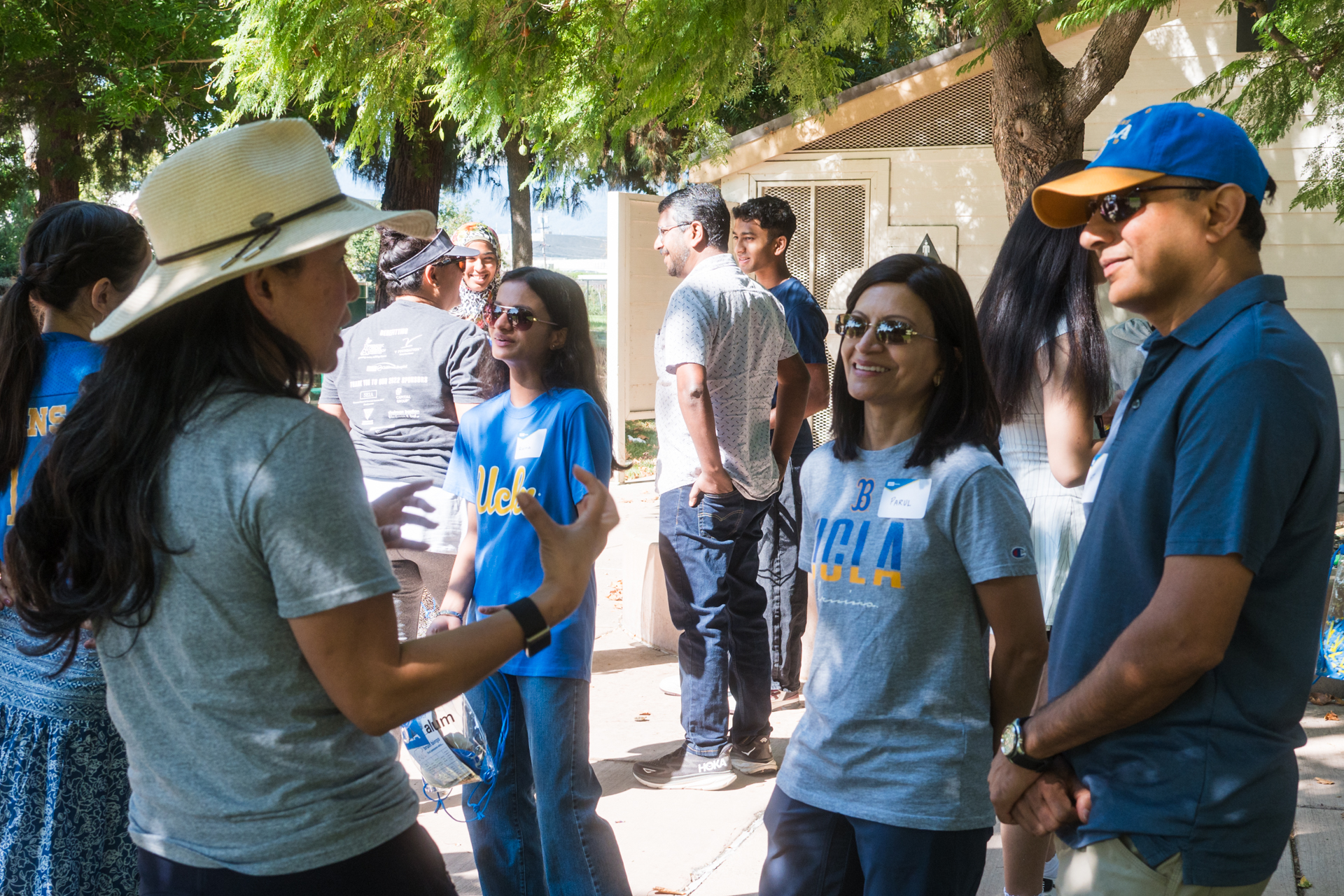
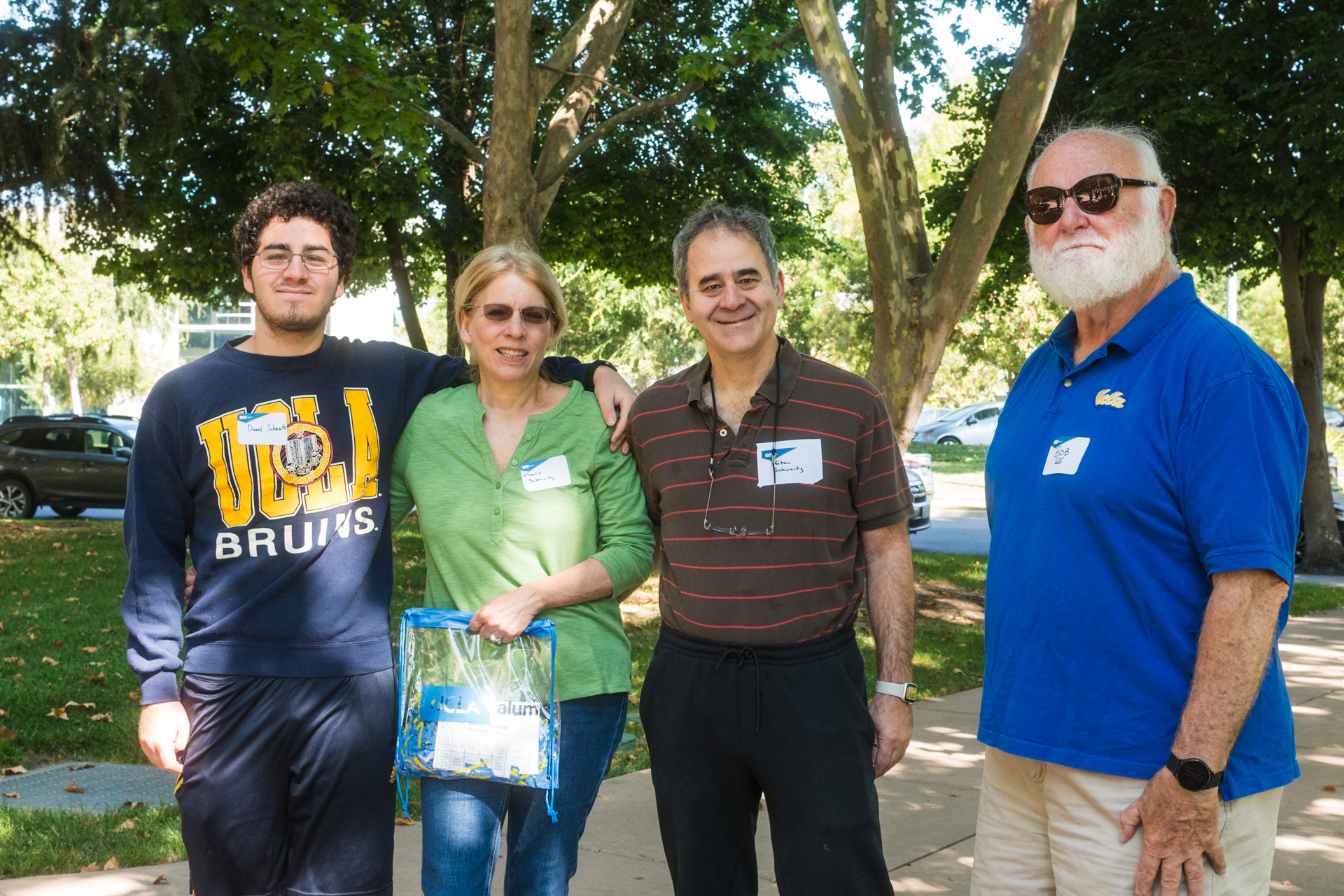
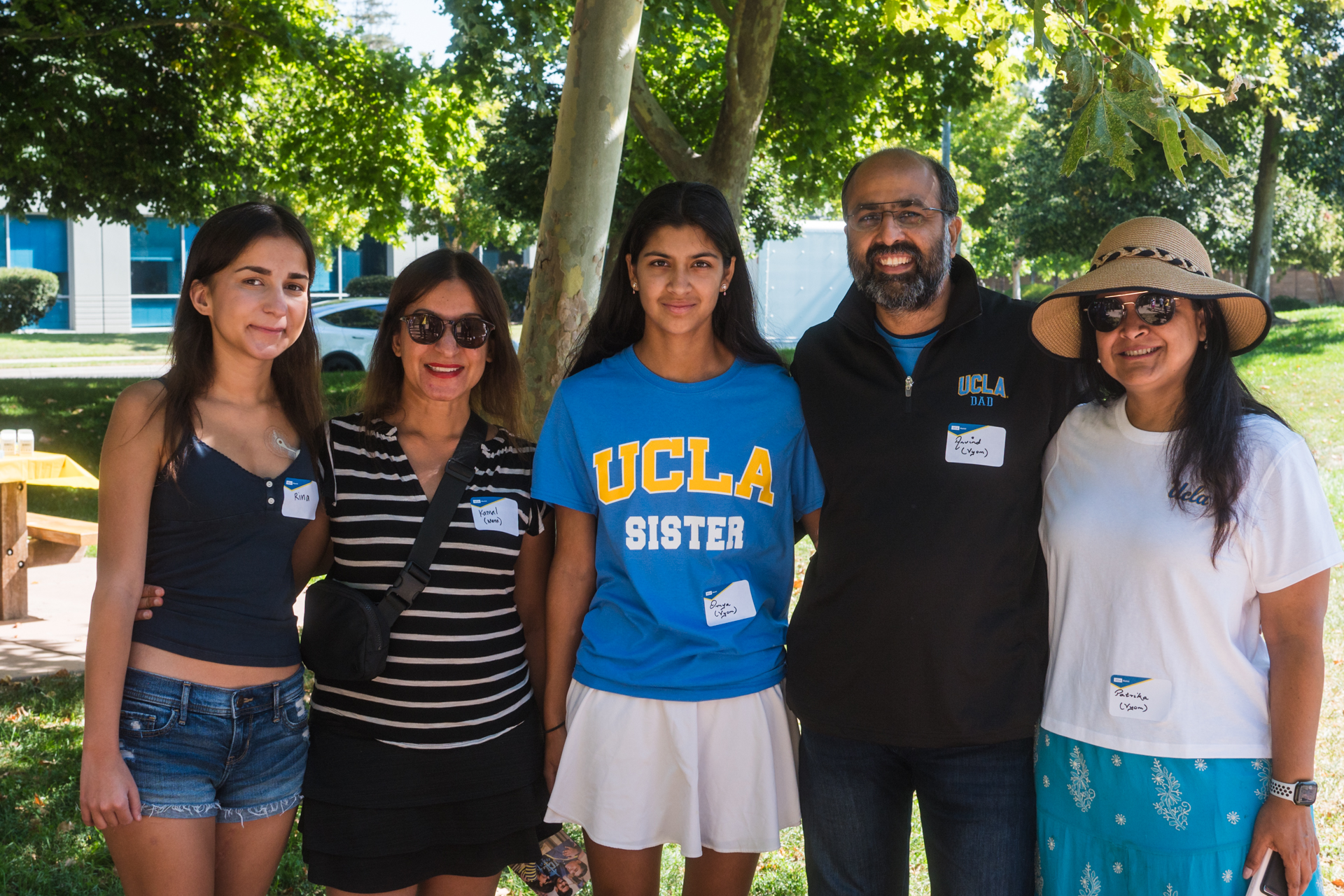
new bruin send-offs 2025 Campbell
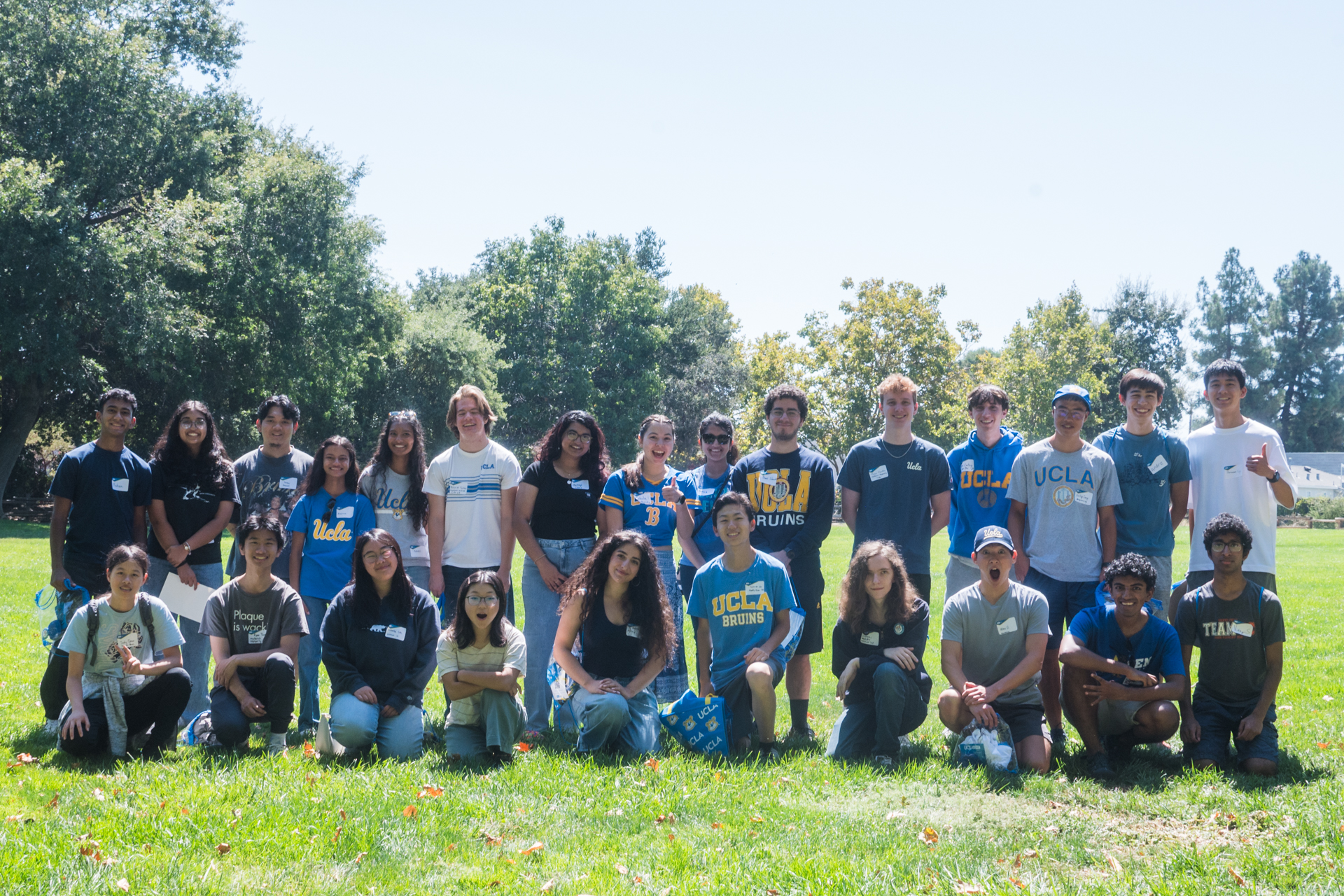
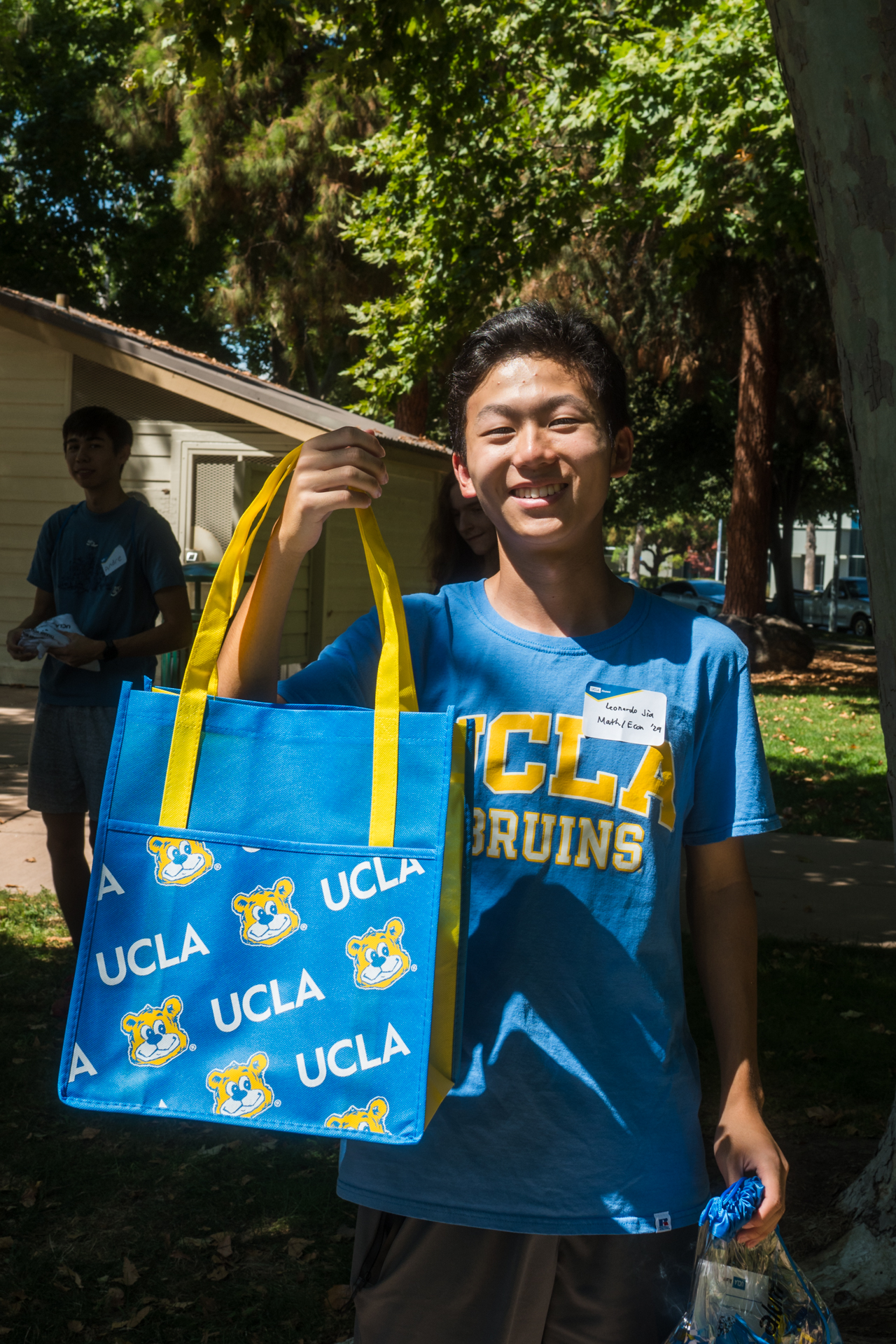
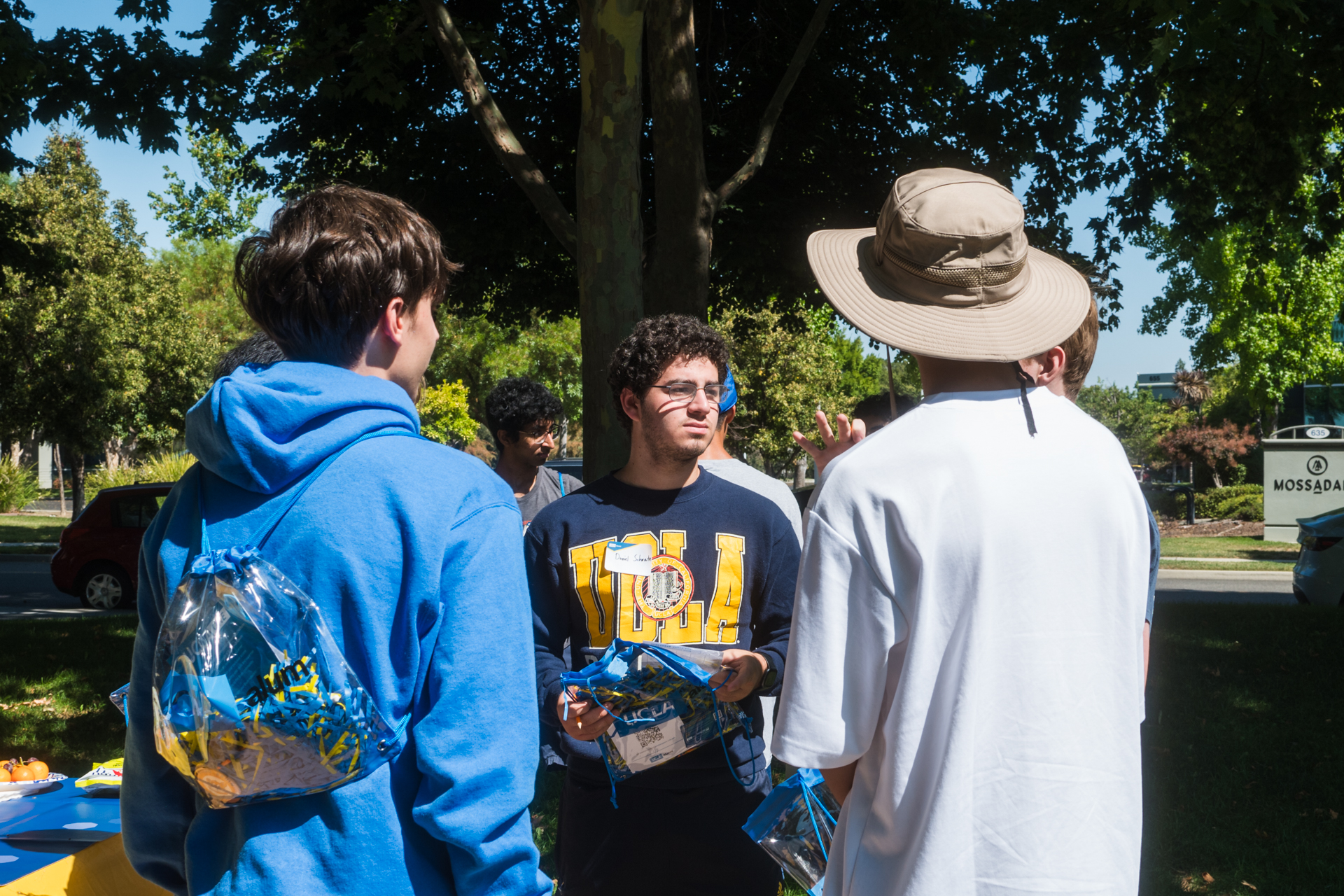
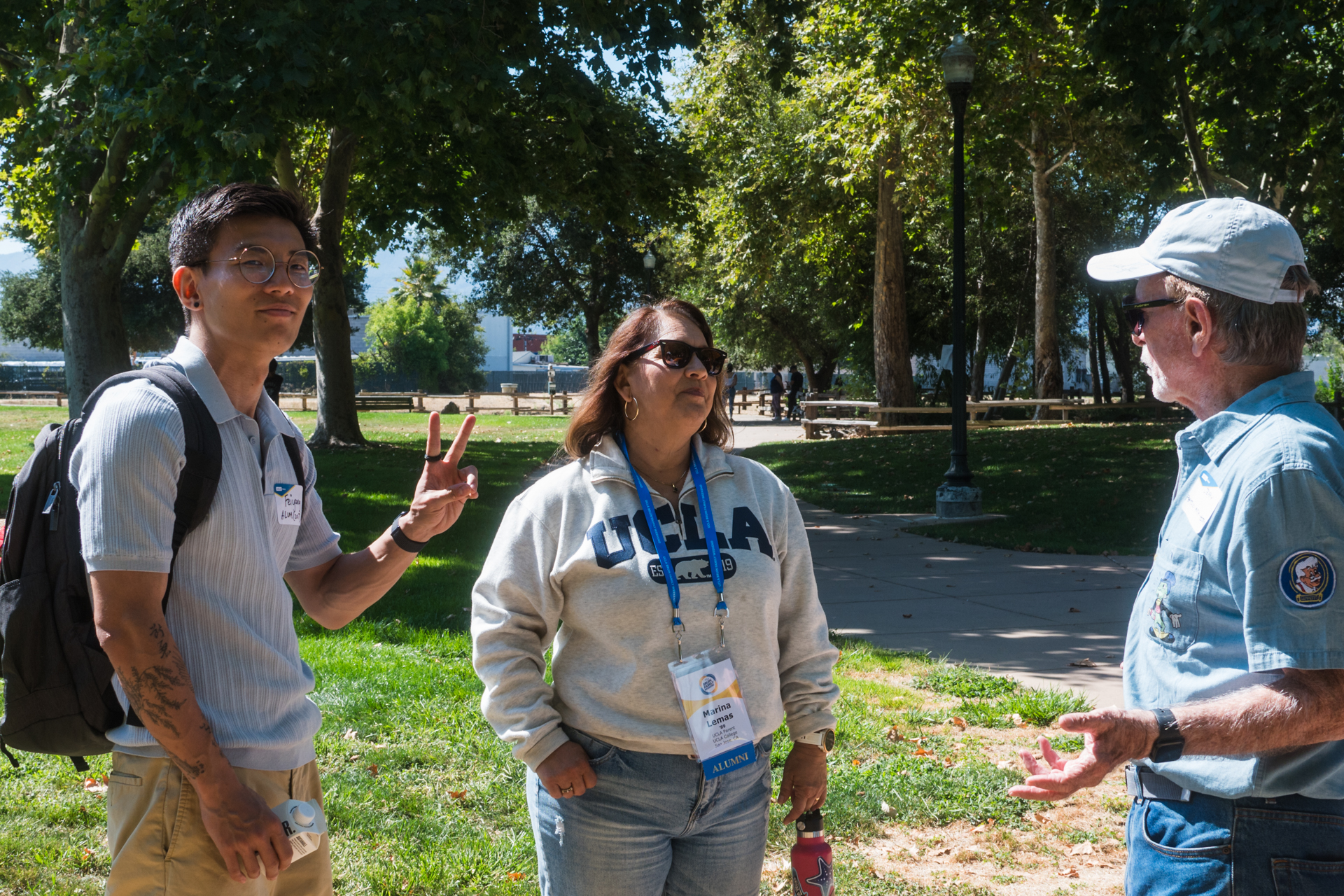
UCLA Alumni Affairs was delighted to celebrate one of our favorite summer traditions — the New Bruin Send-offs!
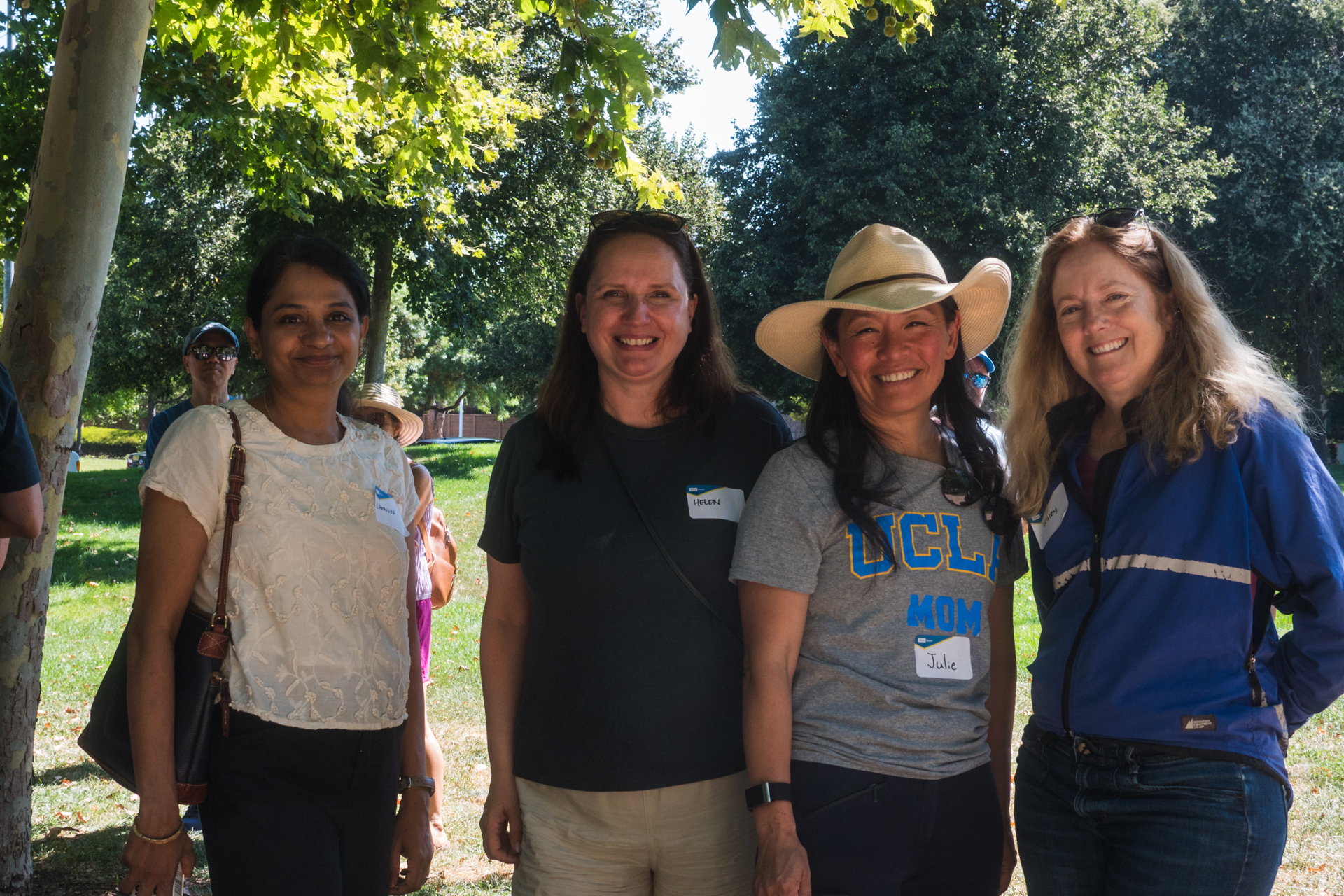
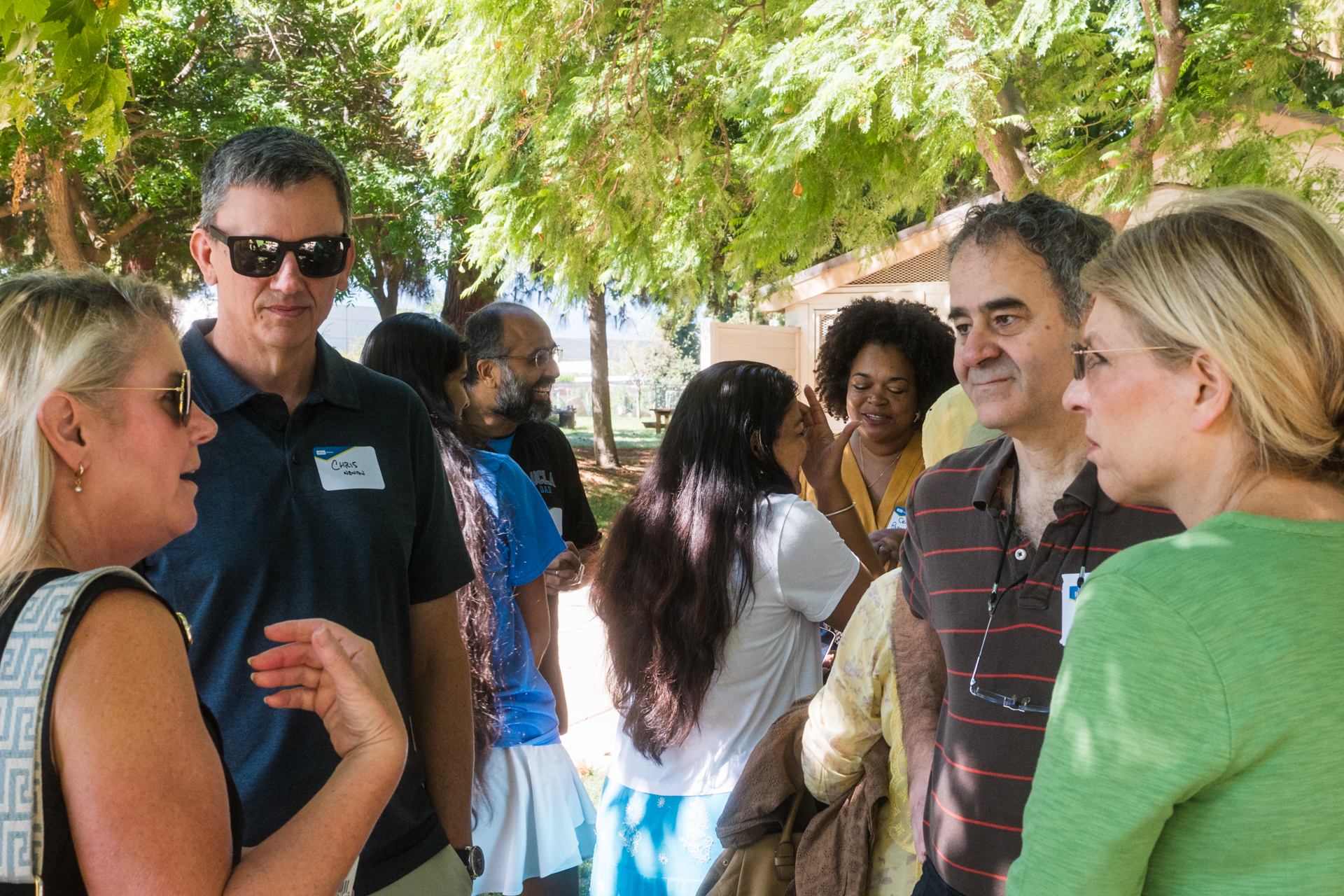
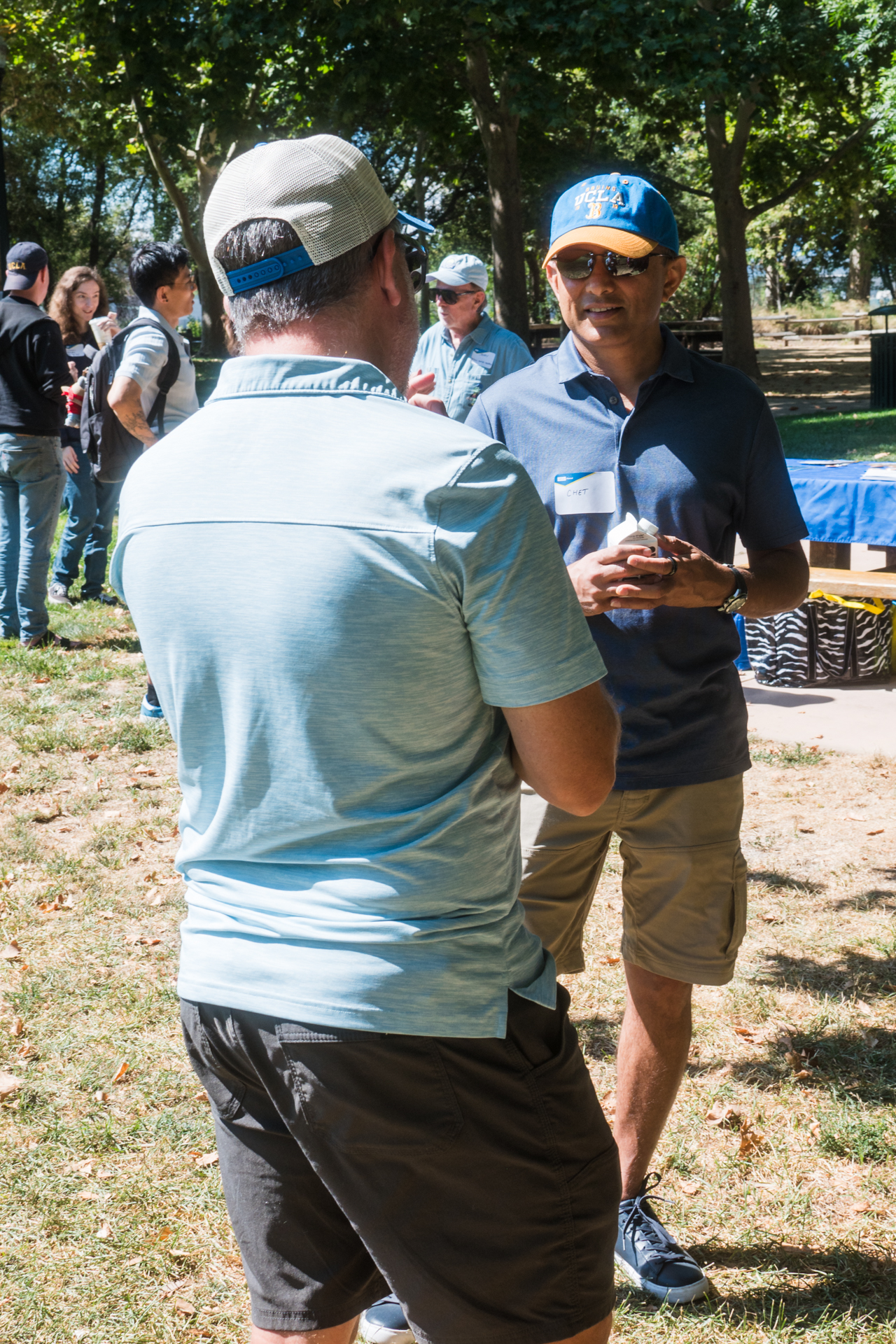
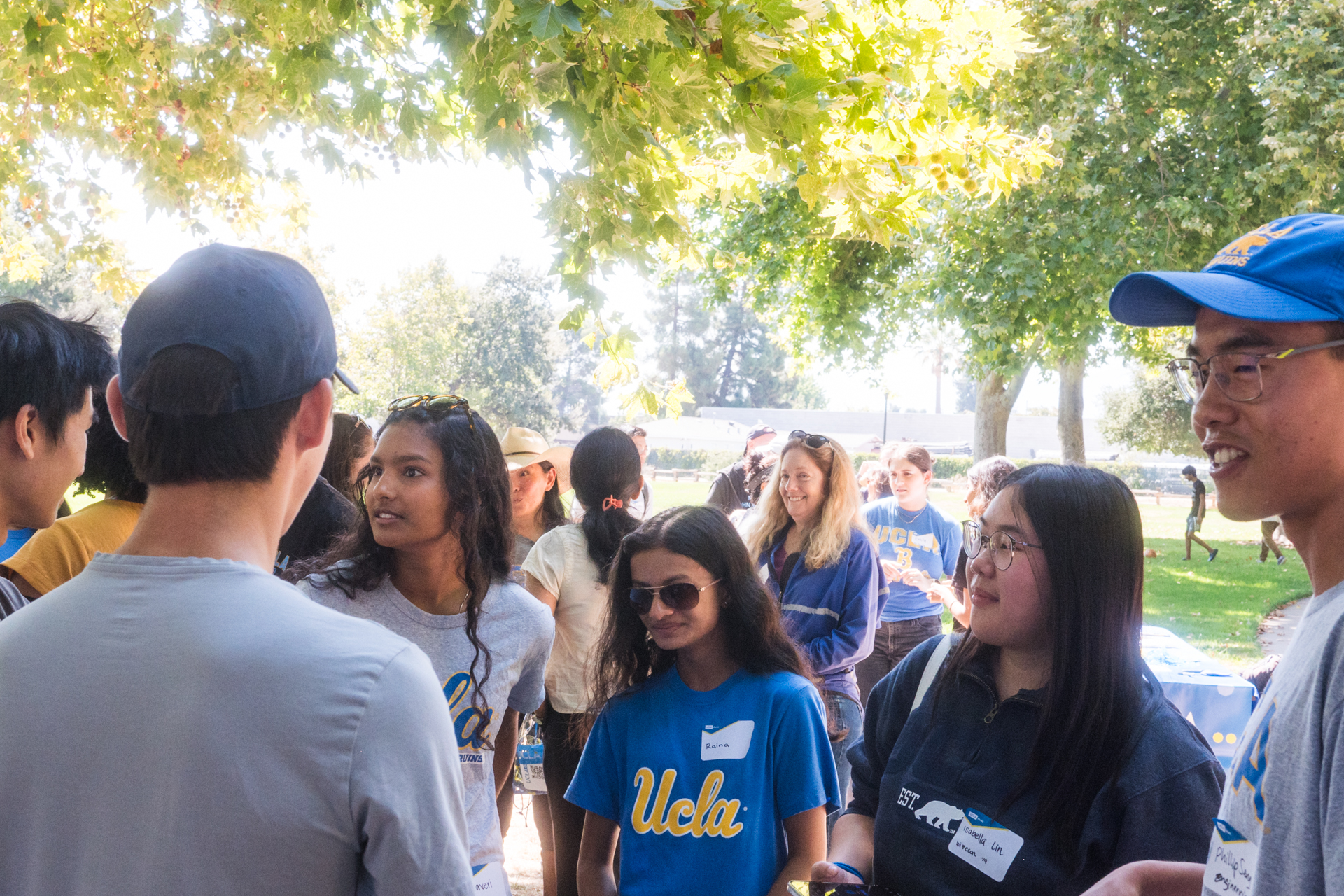
The Campbell Send-off offered an unforgettable afternoon where incoming students, families, and alumni gathered to mark the beginning of each student’s Bruin story. Hosted by dedicated alumni and UCLA families, the event was filled with Bruin pride, shared experiences, and the start of meaningful new connections.
For students and families in the Bay Area, the Campbell Send-off provided a warm and welcoming way to meet the UCLA community before embarking on their Bruin journey.

Musical Bruins: Vol. 1
F
rom rock legends to indie trailblazers, UCLA has been home to musical icons like Jim Morrison of The Doors, composer John Williams ’53 and pop sensation Sara Bareilles ’03. Whether scoring blockbuster films, performing in chart-topping bands or producing genre-bending tracks, Bruins prove that the spirit of creativity thrives long after graduation.
In this first installment of Musical Bruins, we’re shining a spotlight on alumni who’ve turned their passion into powerful sound. The work from these talented Bruins spans pop, hip-hop, rock and more.
Ready to keep rocking? Stream this playlist on Spotify for a curated soundtrack of both rising and legendary Bruin artists.
Musical Bruins - Vol. 1: Listen HereFeatured Artists:
Rey Fresco
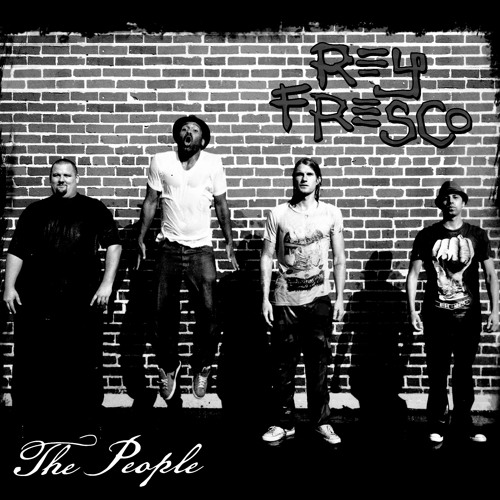
True to their Ventura roots, Rey Fresco combines rock, reggae, world, soul and Latin music — the perfect soundtrack for a sunny day in Southern California. The key to their unique sound? A 36-string Veracruz harp played by founding member and UCLA Ethnomusicology graduate Xocoyotzin “Xoco” Moraza ’06. The band continues to perform along the California coast and opened for Ziggy Marley this summer.

D Smoke
Previously a Spanish and music theory teacher in the Los Angeles public school system, Daniel “D Smoke” Farris ’07 became a breakout artist after winning Netflix’s 2019 season of “Rhythm & Flow.” A three-time Grammy nominee, his music pays homage to his upbringing in Inglewood, California, exploring themes of family, faith, and Black and Latinx cultural identity. His Wake Up Supa tour kicks off Oct. 28.

Alison Brown
Trading investment banking for live touring, Grammy-award winning banjo player Alison Brown, MBA ’86, blends traditional bluegrass with jazz sensibilities. With a career spanning more than three decades, she’s earned international acclaim for her progressive approach to the instrument. She frequently collaborates with fellow Bruin and comedian Steve Martin, and their latest track, “5 Days Out, 2 Days Back,” debuted on “Jimmy Kimmel Live” last month.
BEL
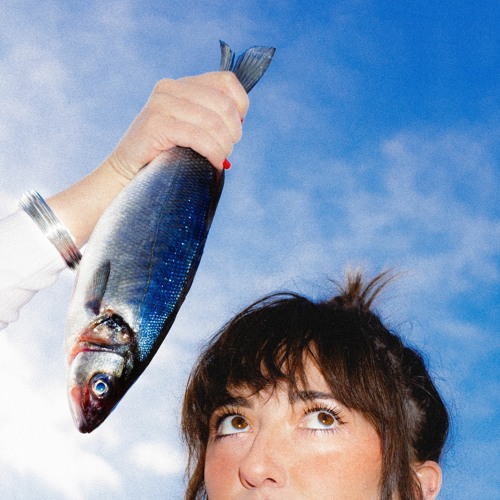
Isabel “BEL” Whelan ’18 grew up in a bilingual, music-filled home, often harmonizing to Joni Mitchell and Joan Baez with her Argentine mother. A third-generation Bruin, she refined her songwriting at UCLA, where she won Best Solo Act at Spring Sing in 2017. Since then, she’s been carving out a space in the indie-pop world, infusing dreamy vocals with introspective lyrics. Her debut album “Holy Grail” arrives Oct. 17.
Interested in being featured on a future Musical Bruins playlist? Email connectfeedback@alumni.ucla.edu with your name, grad year and link to your Spotify profile.
Our Proud Partners


