Category Archives: Article
Books by Bruins: Love Stories
F
ebruary is a month for love stories, whether it’s a romance novel, personal tale of love and loss, or a book about self-care. Bruin authors are telling tales of love, and one of the books listed below might be just what your heart needs!

Maybe Someone Like You (2018)
Stacy Wise ’92
Stacy Wise is an award-winning author of the romance novels “Beyond the Stars” and “Maybe Someone Like You.” After a decade working in television casting, she returned to school and received her teaching credential and master's degree from Chapman University. She has taught both kindergarten and third grade. A native of California, she lives with her family and three fluffy dogs in Los Angeles. After writing two successful romance novels, her most recent book, “Lie, Lie Again,” focuses on the ups and downs of female friendships.
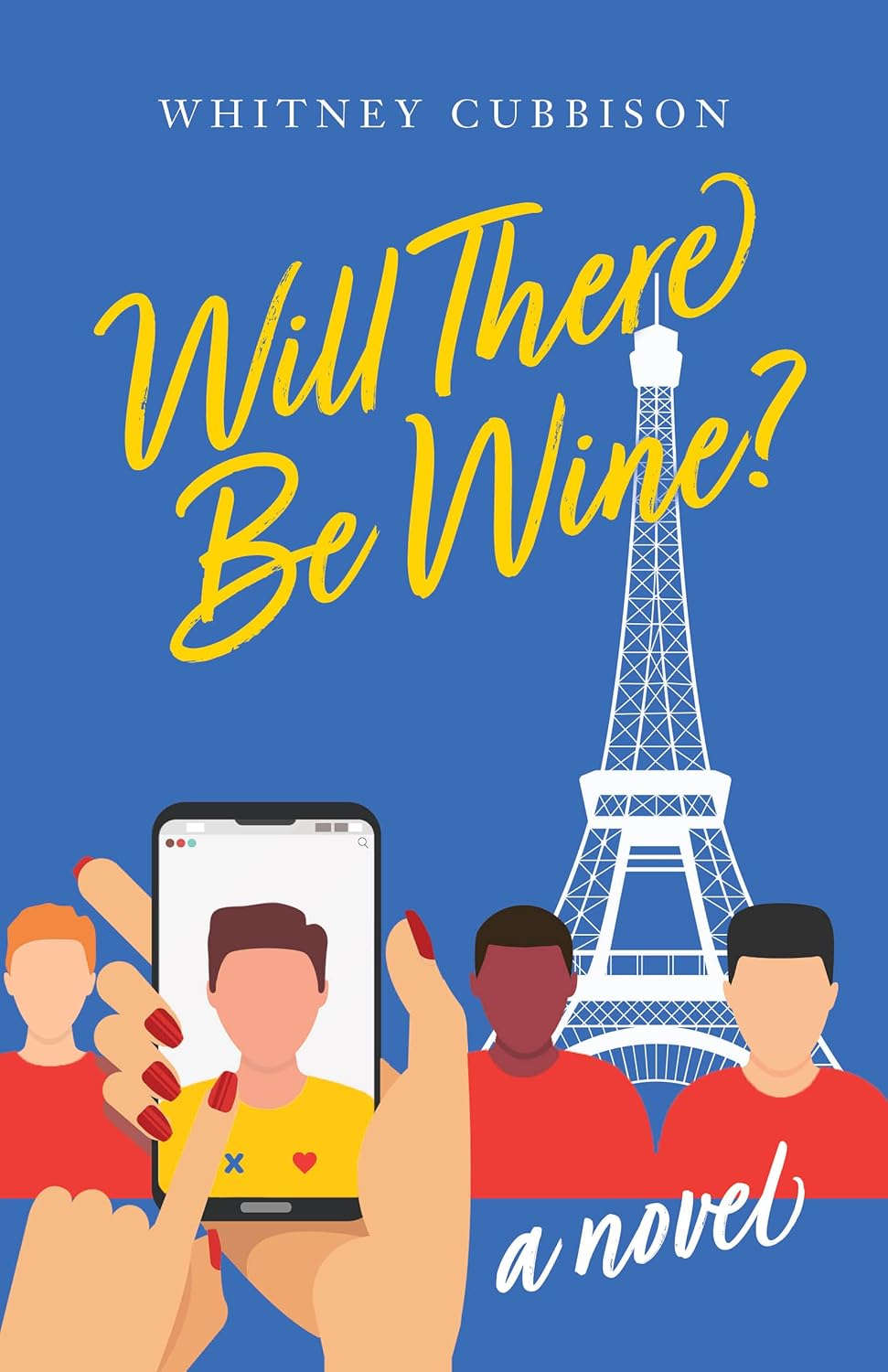
Will There Be Wine?: A Novel (2023)
Whitney Cubbison ’98
The fictional books “Will There be Wine?” and its sequel, “Will There Be Love?” were inspired by the author’s experiences as an ex-pat divorcée living in Paris while navigating the cultural minefield of dating in a foreign country. Whitney Cubbison is a dual American and French citizen living in Paris since 2009. She grew up in Texas and California and graduated from UCLA with a degree in French. She started her career in communications working for high-tech PR agencies in San Francisco and 16 years at Microsoft, mostly in the Paris office. She earned her French citizenship in 2022 and left Microsoft that summer to focus on completing her first novel.
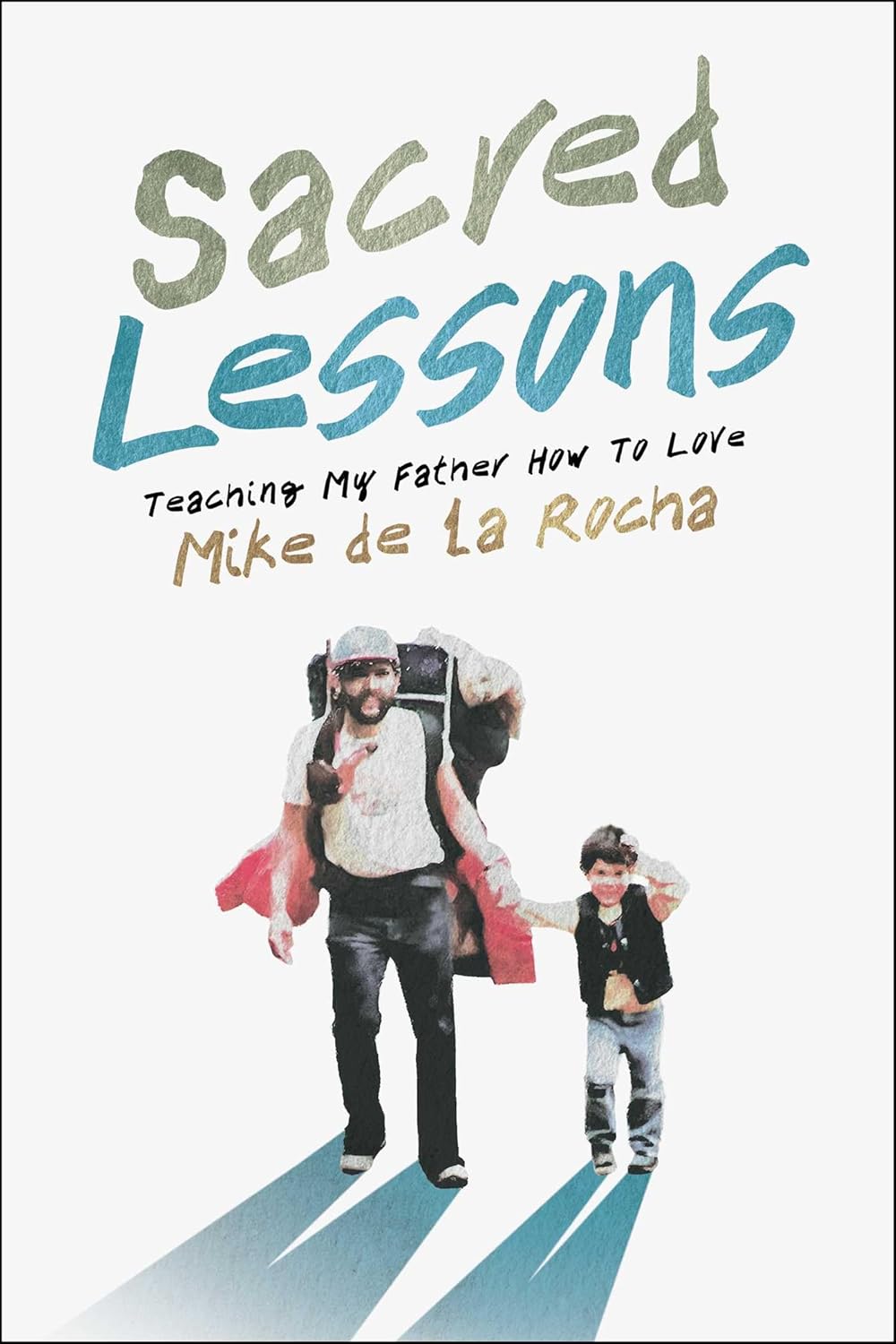
Sacred Lessons: Teaching My Father How to Love (2025)
Mike de la Rocha ’00
“Sacred Lessons” is a deeply moving and inspiring memoir for those seeking self-love and healing. Intensely personal, this memoir delves into the struggle men face in connecting with themselves and others, offering tools for personal growth, and ways to build meaningful and authentic relationships in their lives. Mike de la Rocha is a strategist, artist and voice for change. He’s been named one of GOOD magazine’s top 100 people reshaping our world, received the AFL-CIO’s Justice, Peace and Freedom Award, and has been lauded as a groundbreaking innovator by Stanford Social Innovation Review. A proud alumnus of UCLA, he co-founded Revolve Impact and Tepito Coffee, one of the fastest growing Latinx coffee companies in America. He lives in Los Angeles with his family.
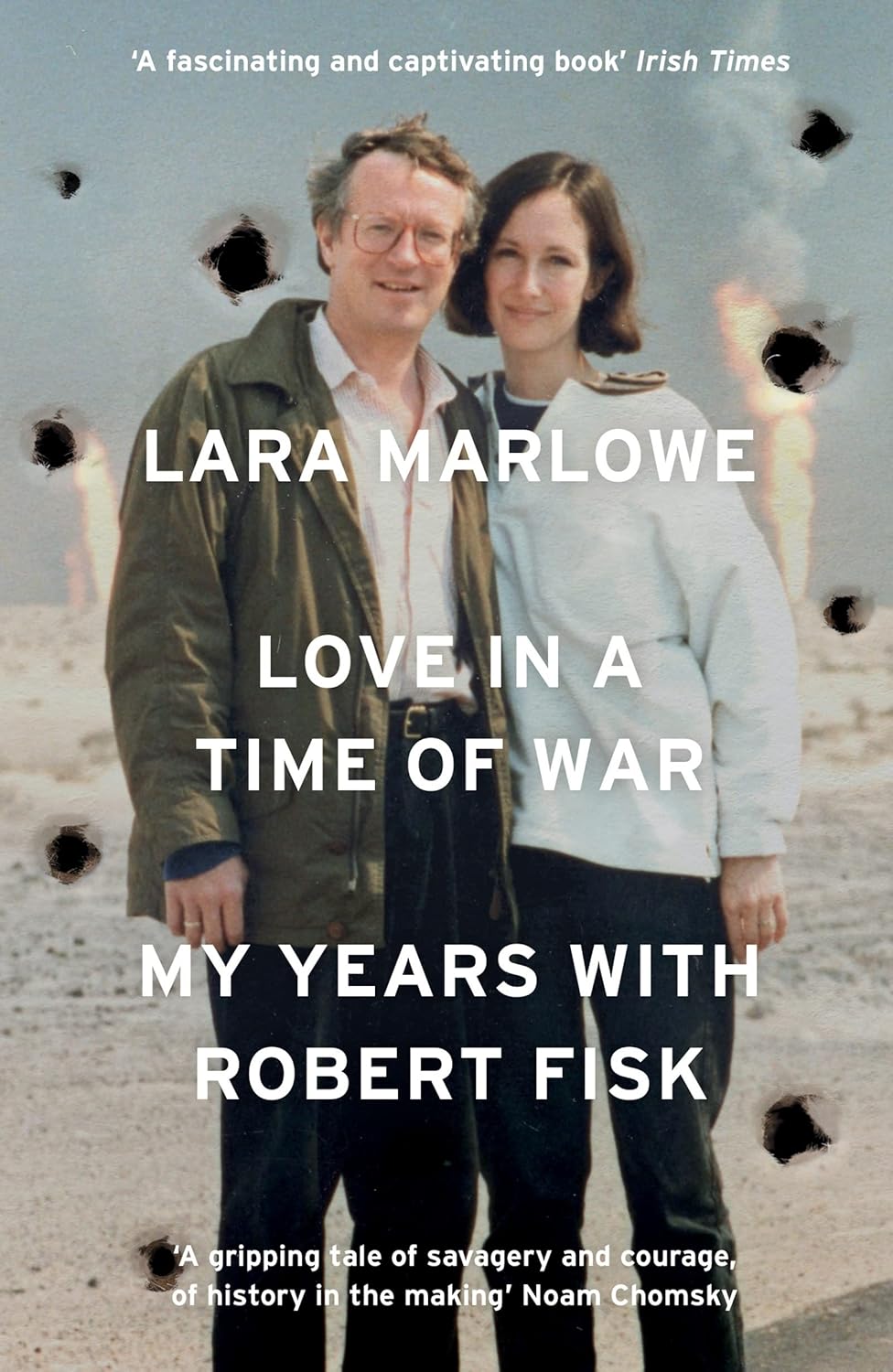
Love in a Time of War: My Years With Robert Fisk (2021)
Lara Marlowe ’78
In this true story of love and war, Lara Marlowe was a young American reporter who would become a renowned journalist in her own right. She met famous war correspondent Robert Fisk in 1983 in Damascus. This book is the story of a remarkable man, war in the Middle East and a moving account of a relationship in dark times. Marlowe studied French at UCLA and the Sorbonne, then international relations at Oxford. She started her career in journalism as an associate producer with CBS's “60 Minutes,” then covered the Arab world from Beirut for the Financial Times and TIME magazine. She joined the Irish Times as Paris correspondent in 1996 and returned to Paris in 2013 after serving as Washington correspondent during the first Obama administration.
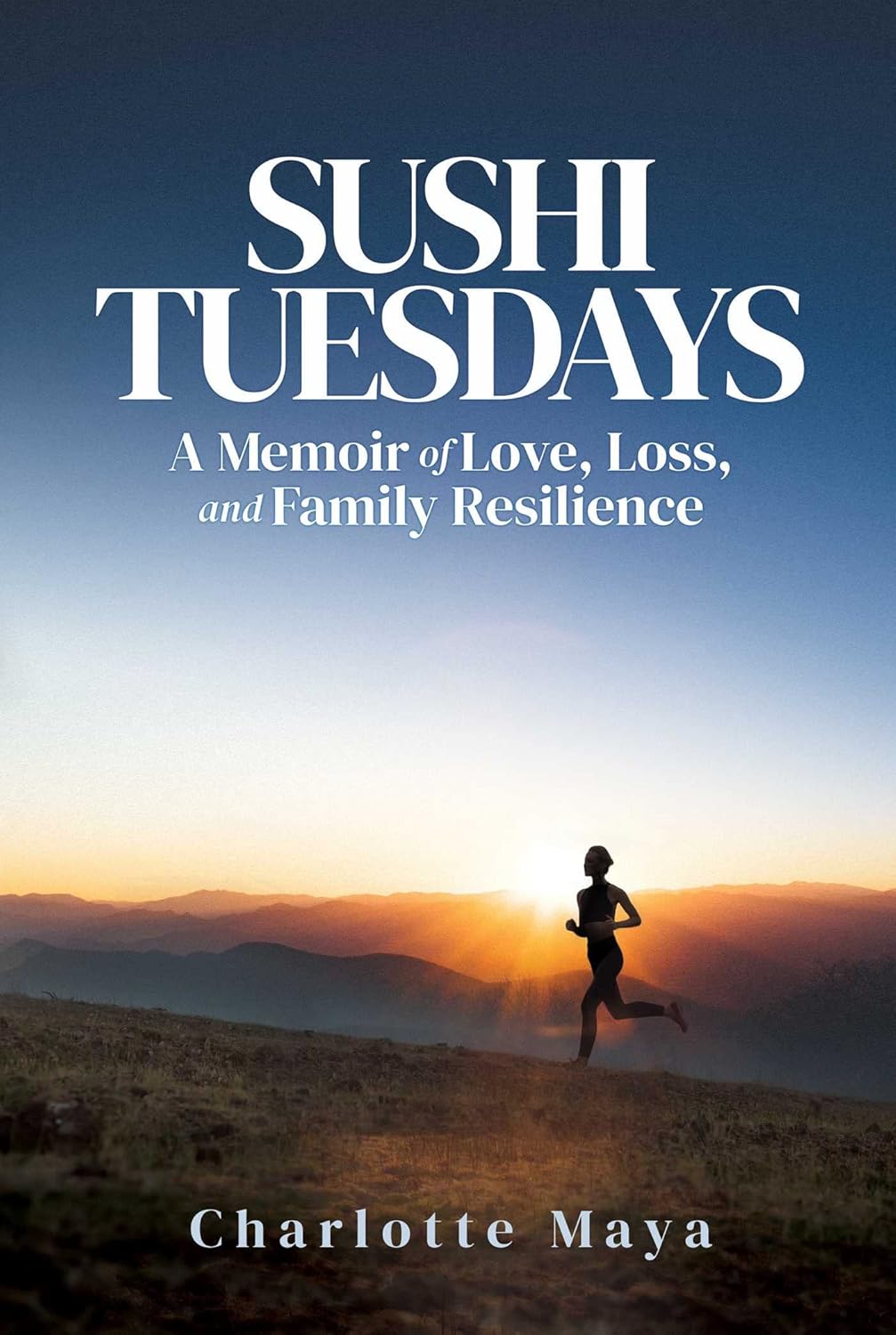
Sushi Tuesdays: A Memoir of Love, Loss, and Family Resilience (2023)
Charlotte Maya, J.D. ’93
Faced with a shattering loss, Charlotte Maya searches for answers, acceptance and family resilience. Her story offers intimate moments, powerful lessons and practical ways to move forward after loss, not only for suicide survivors but for any of us seeking to live a life of joy and purpose. Widowed at 39, when her children were six and eight, Maya’s writing explores the intersections of grief, parenting and self-care. She received her B.A. from Rice University and her J.D. from UCLA.
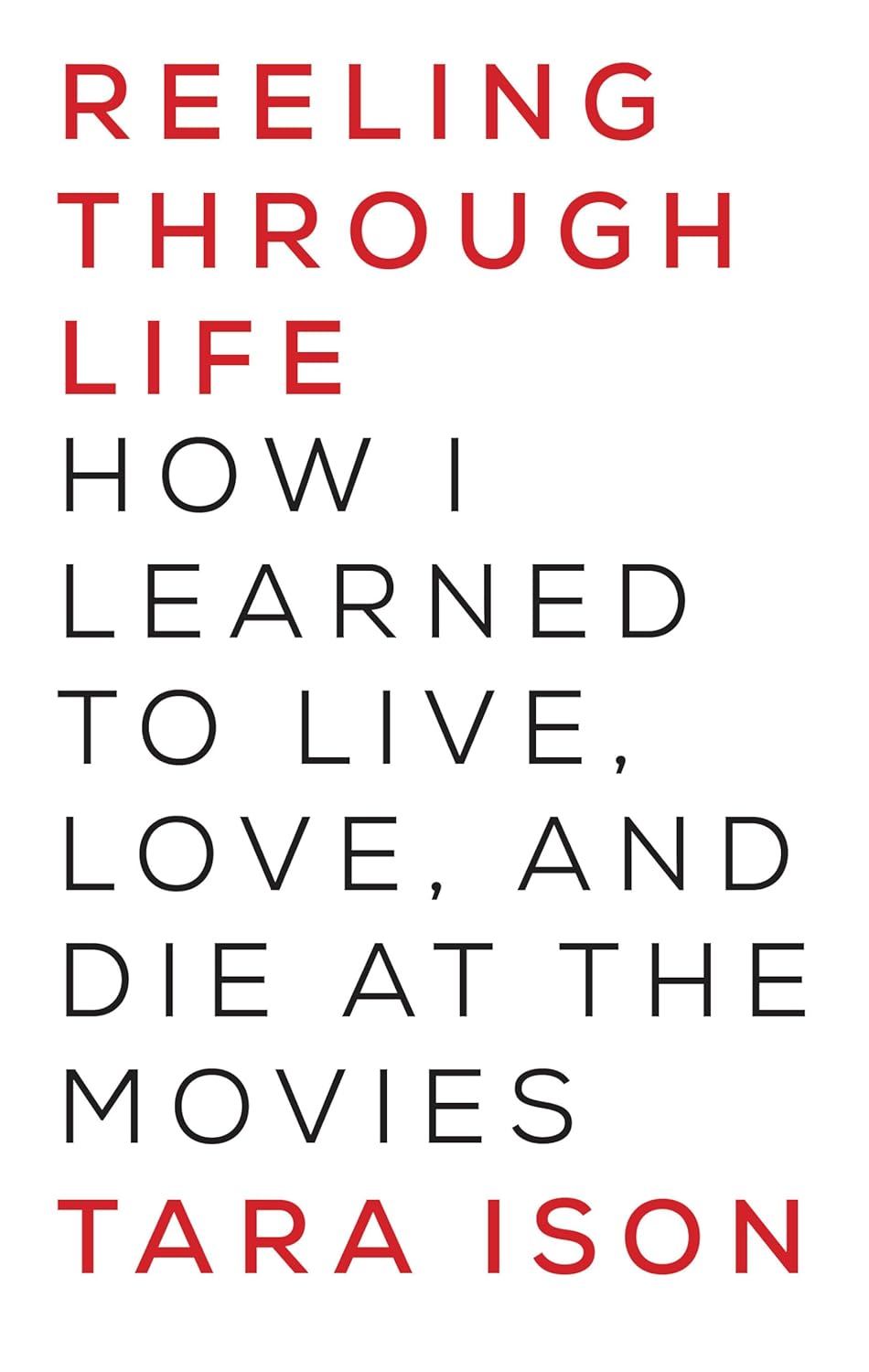
Reeling Through Life: How I Learned to Live, Love and Die at the Movies (2015)
Tara Ison ’87
Through 10 personal essays, Tara Ison explores how a lifetime of movie-watching taught her how to grapple with major life choices, for better or worse. She is the author of the romance novel “Rockaway,” an O Magazine 2013 Best Books of Summer and “The List, A Child Out of Alcatraz,” a finalist for The Los Angeles Times Book Prize. Her short fiction and essays have appeared in Tin House, The Kenyon Review, Nerve.com, Publishers Weekly and numerous anthologies. She is the co-author of the cult film "Don't Tell Mom the Babysitter's Dead."

Getting It Right This Time: Break Free from Your Hidden Blocks to Lasting Love (2025)
Orna Walters ’88, Matthew Walters
Dating is made even more complicated because of the pervasive myth that love will magically happen by accident, like winning the lottery. Or that it will happen when you least expect it. In “Getting It Right This Time,” Orna and Matthew Walters, holistic dating coaches and founders of Creating Love on Purpose, teach readers how to take a conscious approach to relationships. Orna and Matthew didn’t meet until after 40, were married at the Self-Realization Fellowship Lake Shrine Temple, live in Los Angeles with their two silly calico cats and grow organic food in a community garden.
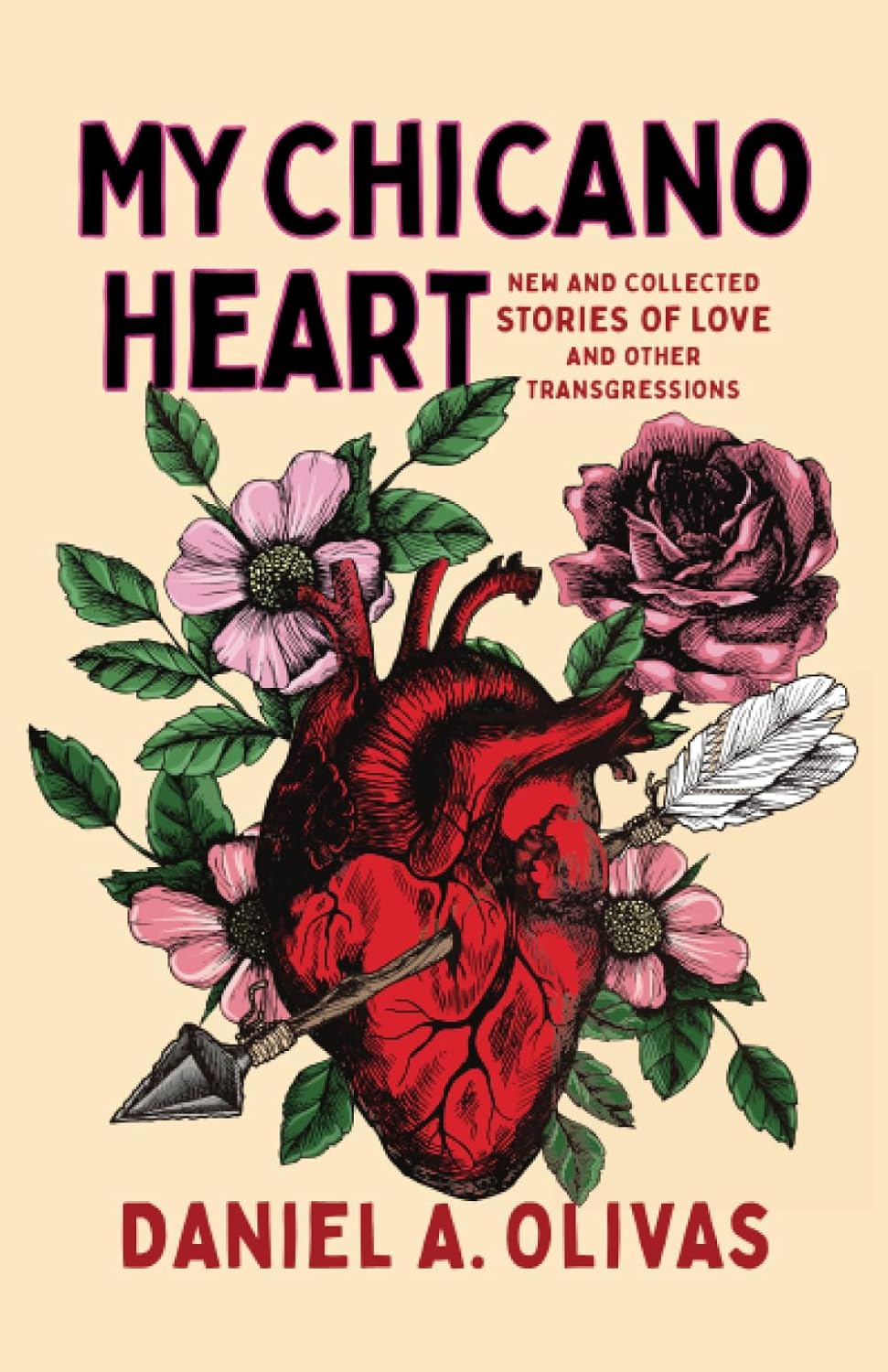
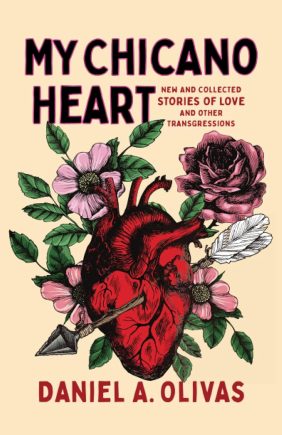
My Chicano Heart (2024)
Daniel A Olivas, J.D. ’84
"My Chicano Heart" is a collection of author Daniel A. Olivas's stories that explore the complex, mysterious and occasionally absurd machinations of people who simply want to be appreciated and treasured. Olivas is the grandson of Mexican immigrants, born and raised near downtown Los Angeles. He is an award-winning author of fiction, nonfiction, plays and poetry. Widely anthologized, Olivas has written on culture and literature for The New York Times, Los Angeles Review of Books, BOMB, Jewish Journal, High Country News and The Guardian. He writes regularly for La Bloga, a site dedicated to Latinx literature and the arts. By day, Olivas is an attorney and makes his home in Southern California.
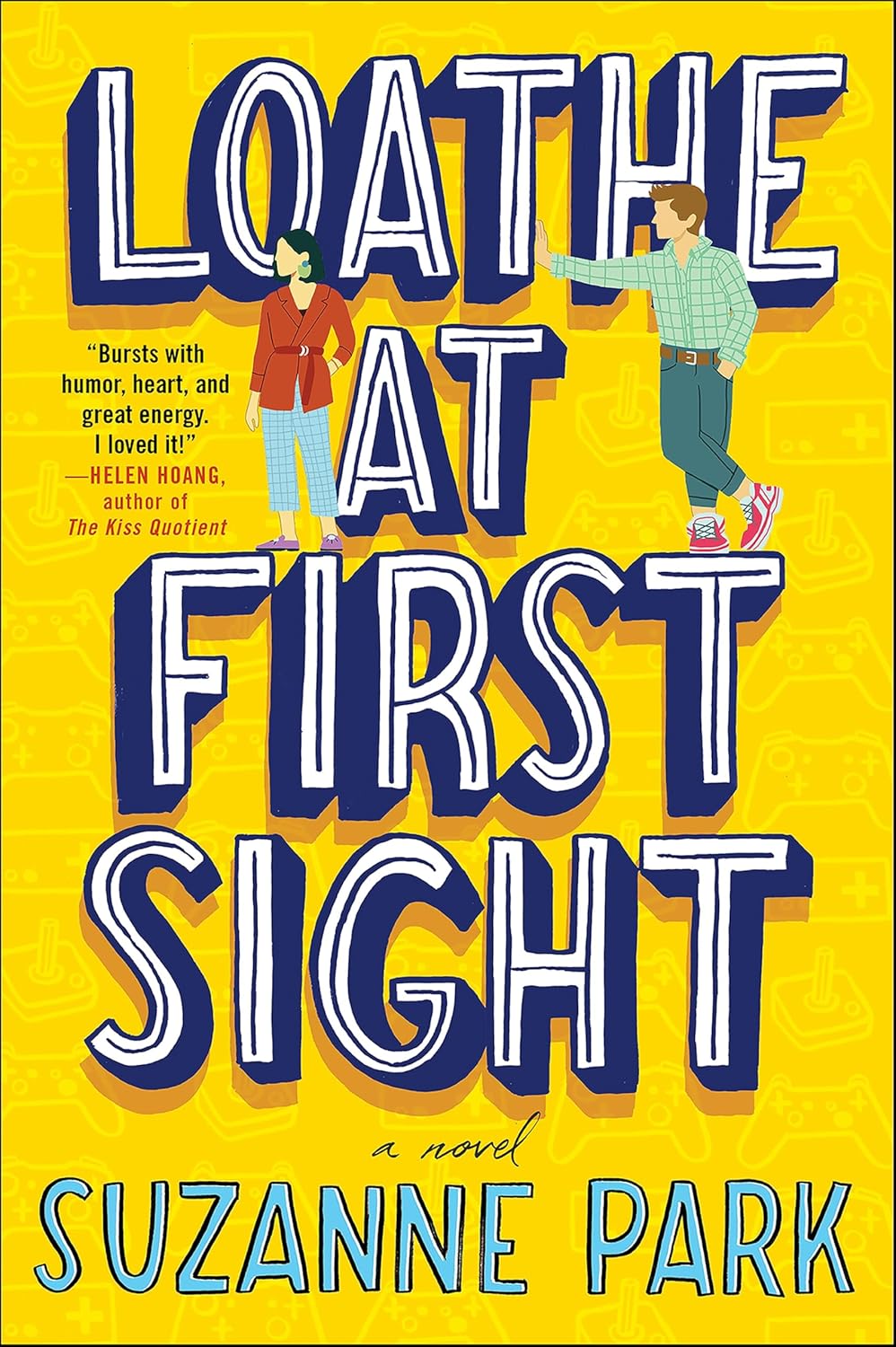
Loathe at First Sigh: A Novel (2020)
Suzanne Park, MBA ’02
In this rom-com romance, a junior video game producer finds herself getting closer and closer to the one person she hates most after a mass troll attack online almost ruins her life. An NPR Best Book of the Year, this workplace story is set in the world of video game design.
Suzanne Park is a Korean American writer who was born and raised in Tennessee. She is also the author of the adult novels “The Do-Over” and “So We Meet Again.” Park currently resides in Los Angeles with her husband, female offspring and a sneaky rat that creeps around on her back patio. In her spare time, she procrastinates.
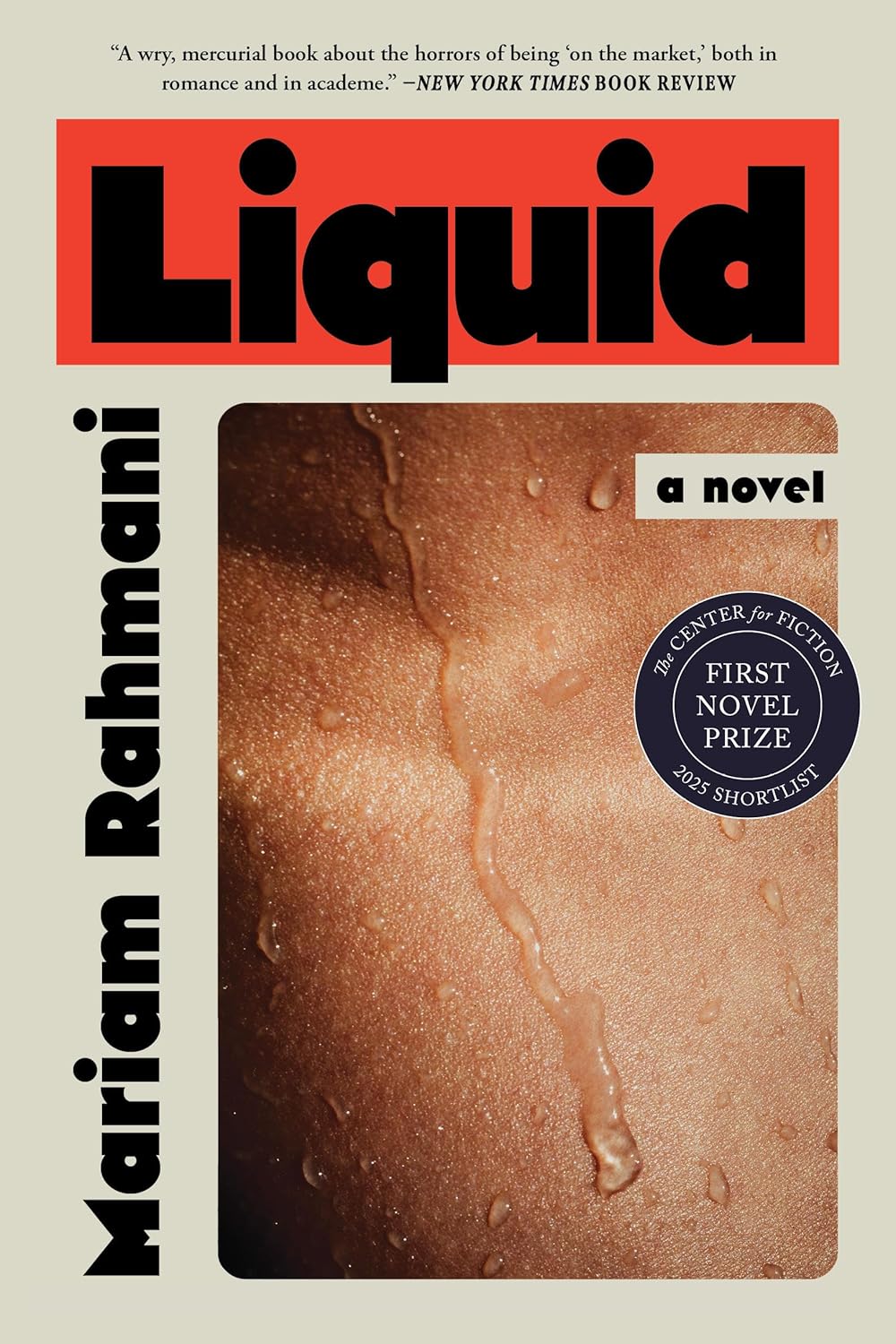
Liquid: A Novel (2025)
Mariam Rahmani, Ph.D. ’19
Mariam Rahmani delivers a modern tale of romance, loss and belonging. This satirical novel tells the story of a young Muslim adjunct professor who decides to give up her career and marry rich, committing herself to 100 dates in the course of a single summer. Mariam Rahmani is a writer and translator. She holds a Ph.D. in comparative literature from UCLA and teaches at Bennington College.
***
As our collection of Bruin authors grows, we’re categorizing the books into an online library, and we’ll need your help to make it as comprehensive as possible. If you know of one, please submit a Bruin author. While all these books are written by UCLA alumni, inclusion into the list is not an endorsement.
Books by Bruins Library
Previous articles in the Books by Bruins series
Recent Articles

From UCLA to Cuddle Sanctuary — How Jean Franzblau Turned Platonic Touch Into a Career
Our Unconventional Jobs series spotlights Bruins who have built meaningful work outside traditional job paths and explores how curiosity, lived experience and their time at UCLA helped shape where they landed.
In this feature, we spoke with Jean Franzblau ’92, founder of The Cuddle Sanctuary in Los Angeles. What began as a deeply personal need for connection eventually grew into a wellness practice centered on comfort, consent and community. Jean’s work challenges assumptions about what well-being can look like and reminds us that sometimes the simplest things, like human connection, can have the biggest impact.
How did you get started with cuddle therapy?
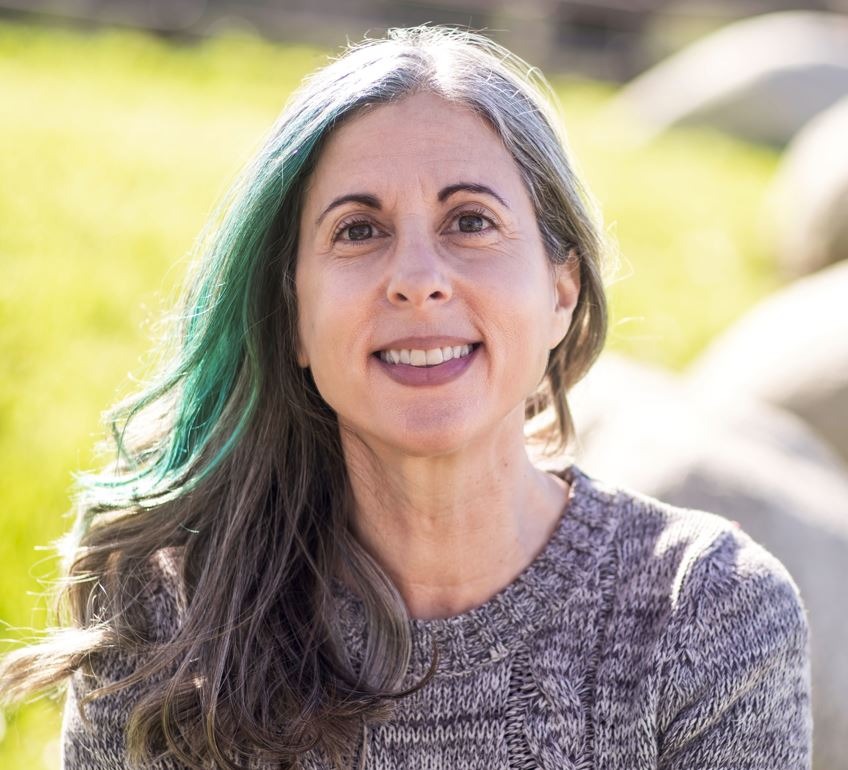
I’m so glad you asked. If you’d like, you can call me your Cuddle Consultant or maybe your Hug Homegirl. I’m the founder of The Cuddle Sanctuary in Los Angeles. You may be thinking, “What the what?” I know. It’s pretty unique. At times, I couldn’t believe it myself.
I laugh a lot these days, but it wasn’t always like that. For years, I was single, independent, and often depressed. Years ago, I was traveling solo for business and feeling incredibly lonely. I latched onto a guy, thinking what I needed was a hookup. That turned out to be completely wrong. Later, I realized I hadn’t been honest with him or myself about what I actually wanted.
What I came to understand is that people do have sexual needs. But we also have needs for connection, affection and simple hugs. For me, those needs weren’t being met. One day, while flipping through an in-flight magazine, I saw photos of people relaxing and platonically cuddling together. I thought, “That’s for me.” I kept Googling “Los Angeles” and “cuddle,” but I couldn’t find anything local.
So I founded The Cuddle Sanctuary. It started as something I needed just for myself, but it’s grown into a wellness practice serving many Angelinos. Now my basic need for affection is regularly met, and I have the connection, community, laughter and fun I always wanted in my life.
What does The Cuddle Sanctuary offer?
In a stressful, often isolating, high-tech world, The Cuddle Sanctuary helps people connect, find community, relax and support their mental health in three main ways.
- Hosting platonic, social cuddle events in West Los Angeles
- Offering individual cuddle therapy sessions
- Training professionals
The social events begin with an explanation of guidelines and include structured ways for people to get to know one another. They’re skillfully led so participants can engage at their own pace. There is no required touch, and people are free to leave at any time if they realize it is not for them. Events typically include about 20 guests, and roughly half are attending for the first time.
Individual cuddle therapy sessions offer a platonic, consent-based experience that can help reduce stress, loneliness and anxiety, while boosting feel-good hormones and overall well-being.
Training through The Cuddle Sanctuary includes online courses, mentorship and two certification programs. One program is for leading group cuddle events; the other is for working one-on-one with clients.
What’s one of the most common misconceptions people have about cuddle therapy?
Think about massage therapy for a moment. Today, you can name a place nearby that offers a therapeutic massage. Years ago, though, massage was often associated with massage parlors and happy endings. Massage therapists had to work hard to legitimize their profession, and it took time.
Professional cuddlers face similar skepticism. People ask, “Is it really possible to have cuddle sessions that are nonsexual?” The answer is a resounding yes.
Our attendees and clients are open-minded people from all walks of life. They include professionals, parents, students, retirees, neurodiverse individuals, introverts and extroverts, people navigating big life transitions, and more. They come from many different backgrounds and nationalities.
For someone booking their first session, what does the experience look like?
First-time clients go through a getting-to-know-you process. It starts with an agreement form, followed by a Zoom call where I ask about their goals, answer questions and make sure we are both comfortable moving forward. I request ID, review payment options and then we schedule the session.
Sessions vary widely depending on the client’s needs. Someone recovering from trauma may have a very different experience from someone grieving a loss. Sessions might include time to relax and breathe, hugs or hand holding, quiet moments, conversation or gentle caresses. I create a calm, relaxed environment where clients can drop their social masks and rest. While cuddles are common, touch is never required.
What does an individual cuddle therapy session typically cost?
I offer a sliding scale starting at $150 for 60 minutes. Factors that can affect pricing include the length of the session and whether the practitioner is hosting or traveling to see the client. Professionals with more training or experience may charge more as their careers progress.
How are boundaries and consent established?
I use The Cuddle Sanctuary’s Stay Safe With Eight protocol to ensure I only work with clients who are a respectful fit. I am deeply committed to practitioner wellbeing, which is why I offer my online Safety Tips for Professional Cuddlers class for free.
I am also a trauma-informed professional, which means honoring each client’s pace, respecting boundaries and checking in regularly. With first-time clients, I often use the Ask and Wait Method. For example, “May I put my arm around you?” or “Would you like me to caress your forehead?” The client decides yes or no. It really is that simple and that profound.
How does someone become a professional cuddler?
I always recommend doing plenty of research before jumping in. I created a free webinar because I get this question so often.
I developed an online certification program that includes 15 hours of class time with me. I have worked with students across Europe, North America, Australia and Africa, which has been incredibly rewarding. Students practice locally with trusted friends or loved ones who act as practice partners. They complete homework, learn trauma-informed care and develop the skills needed to offer high-quality cuddle sessions.
In addition to my own program, I am also a big fan of the training offered by my colleagues at Cuddlist.
What does “success” look like for your clients?
I often ask clients during intake, “How would you like to feel after our session?” For some, success means reduced stress, anxiety or loneliness. Others notice improvements in mood, self-esteem or confidence around giving and receiving touch. Many experience a greater sense of connection, humanity and hope.
How has the cuddle therapy industry evolved?
Over the past 10-plus years, my colleagues and I have done a lot of press to introduce this work to the wider world. When Rolling Stone reached out, I thought that would make cuddle therapy instantly mainstream. It didn’t. Even features in The Los Angeles Times, BuzzFeed, Dr. Phil, The Bachelorette and Keeping Up With the Kardashians were not enough.
Still, we quietly continue the work and change lives. In many places, cuddle therapy has evolved from a misunderstood punchline into a respected mental health modality. I am especially excited to see cuddle professionals and talk therapists working together to support clients. This approach is known as the triadic model.
How did studying communications at UCLA shape you?
I am grateful the UCLA Department of Communication exists. What I really wanted was to study acting, but at 17, communication felt more legitimate. I took acting classes in Hollywood while attending UCLA.
What I learned is that I am not built for traditional academics. I am bored by theory and thrive on experiential learning. My understanding of community came from living in a women’s boarding house on Hilgard Avenue and later through my sorority, AEPhi (hello, sisters!). My understanding of consent came years later through the BDSM community. That is a spicy journey beyond the scope of this article.
What advice would you give current UCLA students?
Be patient with yourself. Throughout school, I was rewarded for finishing the paper and getting the grade. Graduating cum laude was a big achievement. But a few years later, I found myself deeply depressed. I did not know how to slow down and ask, “Am I enjoying this?”
What I eventually learned through lots of therapy is that pleasure matters. With support, I have continued to heal old wounds and develop calm confidence. From that foundation, everything, including my business, has blossomed.
________________________________________________________________________
Previous Content Featuring Unconventional Jobs
- The Ancient Art of the Knife Massage and Holistic Wellness
- 10 Careers You’ve Never Heard Of
- Max Moy-Borgen ’08 Traces His Unconventional Career Path
If you know of a Bruin story for this Unconventional Jobs series, send it to connectfeedback@alumni.ucla.edu.
Recent Articles
- The Fire Within: Leo Rochman’s Story of Resilience

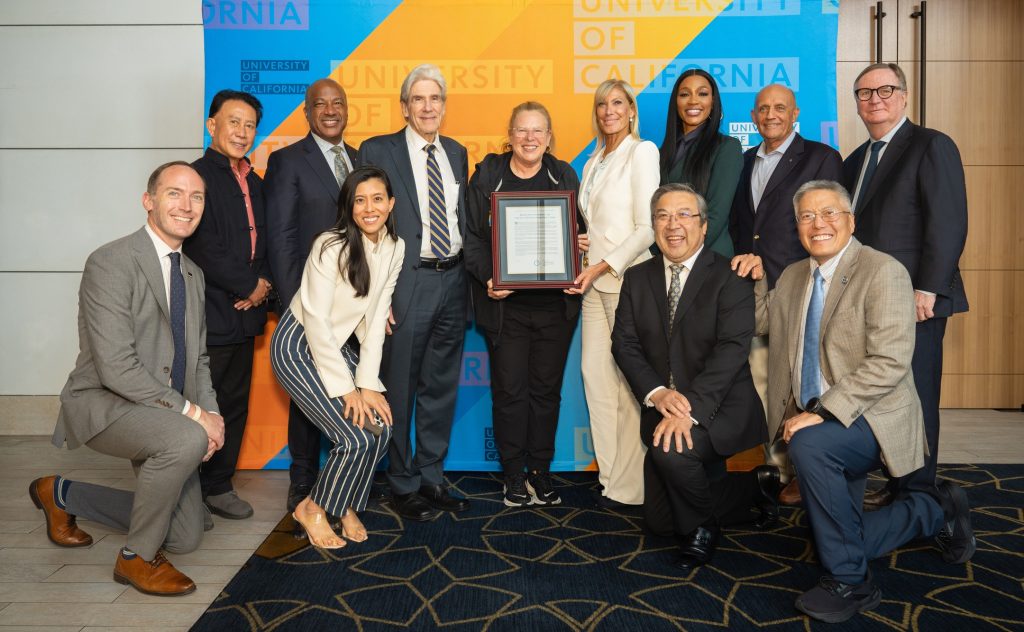
- UC Inspires Honors UCLA Alumni
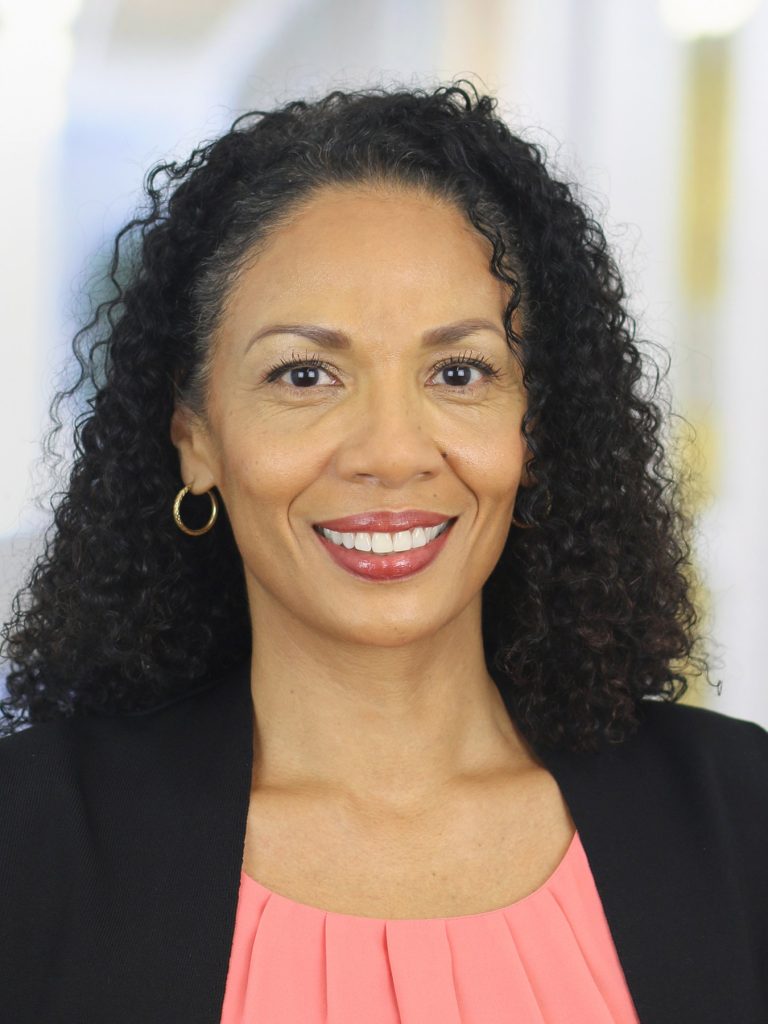
- UCLA AAP Alumni Spotlight - Adrianos Facchetti ’01, J.D.
- The Story Behind Jackie Robinson’s 1946 Reintegration of Organized Baseball

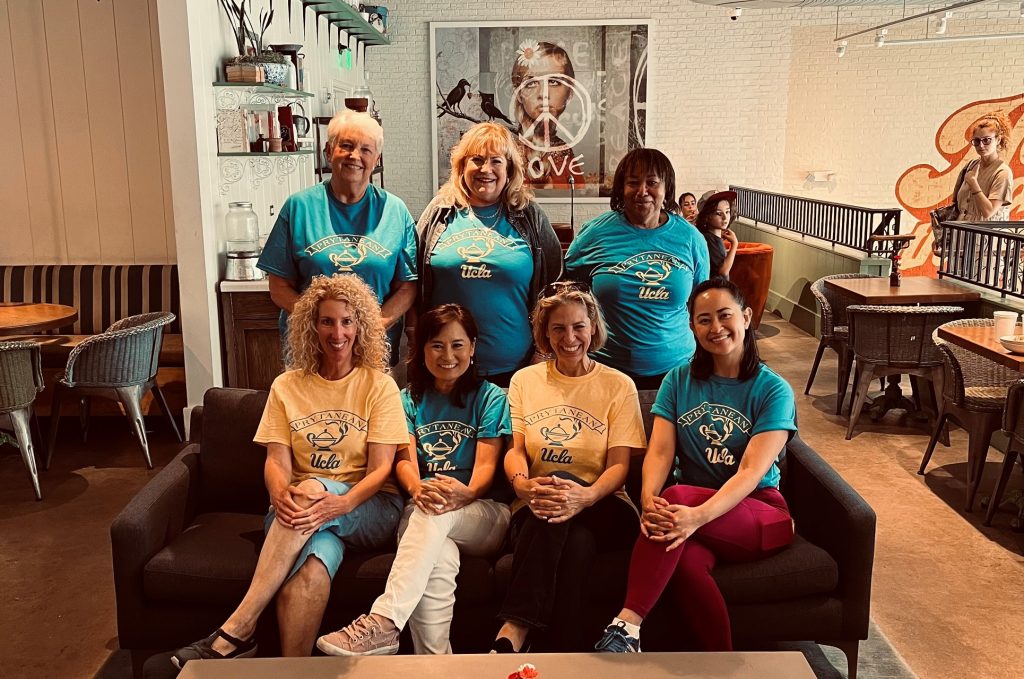
- UCLA Prytanean Celebrates Its Centennial
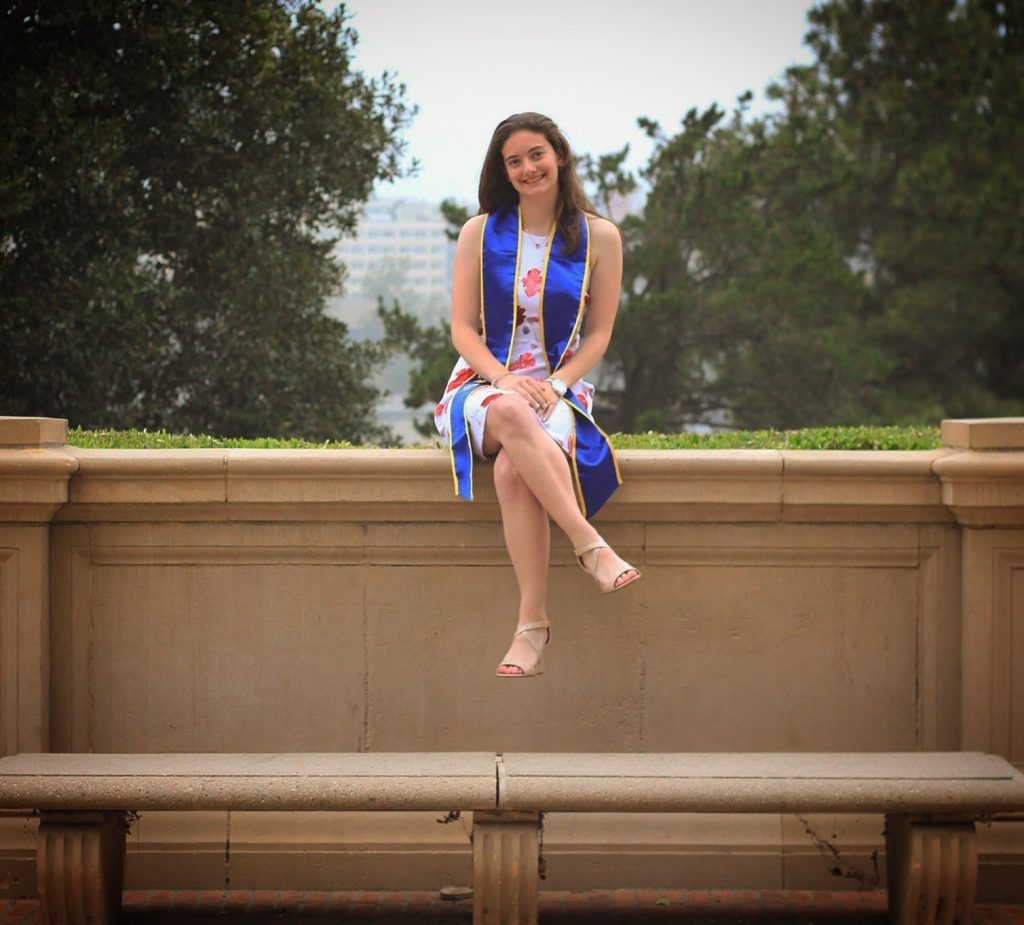
- Building Community: UCLA Disability Alumni Network Focuses on Belonging and Visibility
Never Give Up: Finding a Cure Is Worth Fighting For
Each year on a Saturday in October, thousands come to the UCLA campus to be part of the L.A. Cancer Challenge, a Halloween-themed 5K walk/run benefiting pancreatic cancer research. The day brings patients, family members and supporters together to raise funds for a cause that touches thousands of lives.
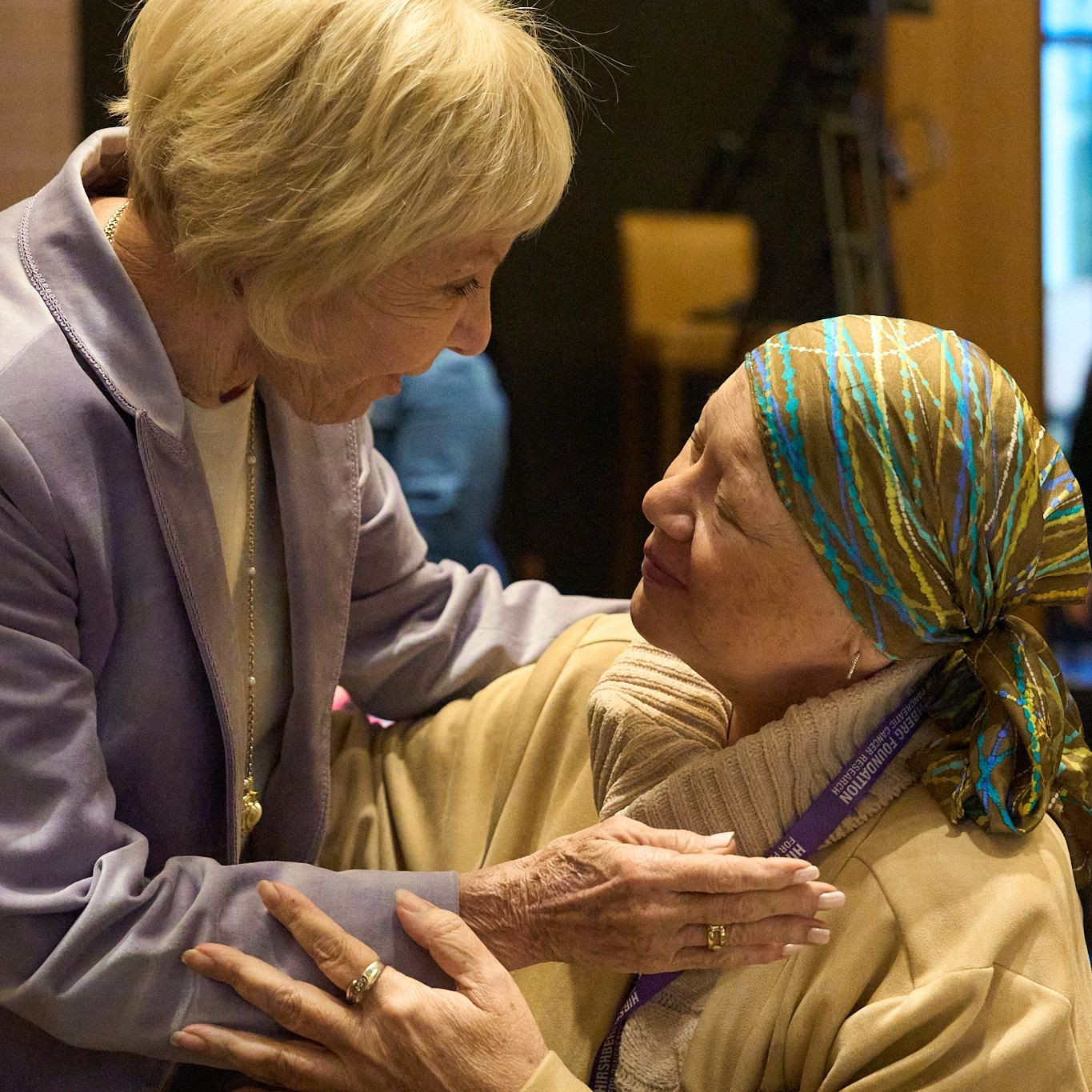
The event, now in its 29th year, is hosted by the Hirshberg Foundation for Pancreatic Cancer Research, a national nonprofit dedicated to fighting the disease. Agi Hirshberg founded the organization in 1997 following the death of her husband, Ronald Hirshberg, at age 54 from the disease. Hirshberg was known as a “retail genius.” He began his career as a buyer at Filene's, a New England department store, and rose to found and run several successful businesses. He was also a fun-loving adventurer, sailing in international competitions and riding Harley Davidson motorcycles.
Although the pancreatic cancer survival rate is increasing, it is currently the third leading cause of cancer-related deaths in the United States. According to the American Cancer Society, in 2025, an estimated 67,440 Americans were diagnosed with this aggressive and difficult-to-detect disease, and tragically, nearly 52,000 will die from it.
Nearly 30 years ago, there were few treatment options available to Ron Hirshberg. After his death, as a gesture of gratitude for his care, his wife, Agi Hirshberg, wanted to support UCLA Health’s pancreatic cancer program. To her surprise, no such program existed at UCLA or anywhere else. Determined to find a cure, Hirshberg vowed to continue her husband’s fight against this disease.
Agi Hirshberg’s daughter, Lisa Manheim ’91 is the executive director of the Hirshberg Foundation. Manheim studied history and business at UCLA. When she graduated, she began working at the Westwood Macy's. She says, “I was one of the youngest store managers in the company, and I loved it. I didn't know what I wanted to be when I grew up, I just knew that I wanted to be in business.”
"if somebody's going to cure pancreatic cancer, we want it to be UCLA"
In 1999, Manheim was pregnant with her first child. Her mother asked if she would help with the foundation during her maternity leave. What began as a temporary arrangement turned into an indefinite stay. "We started in my mom's living room," Manheim recalls. "Almost 30 years later, we’ve built our foundation at UCLA. I always say there’s no better person to work for than your child's grandmother, and the opportunity to stay connected to UCLA is a wonderful bonus."
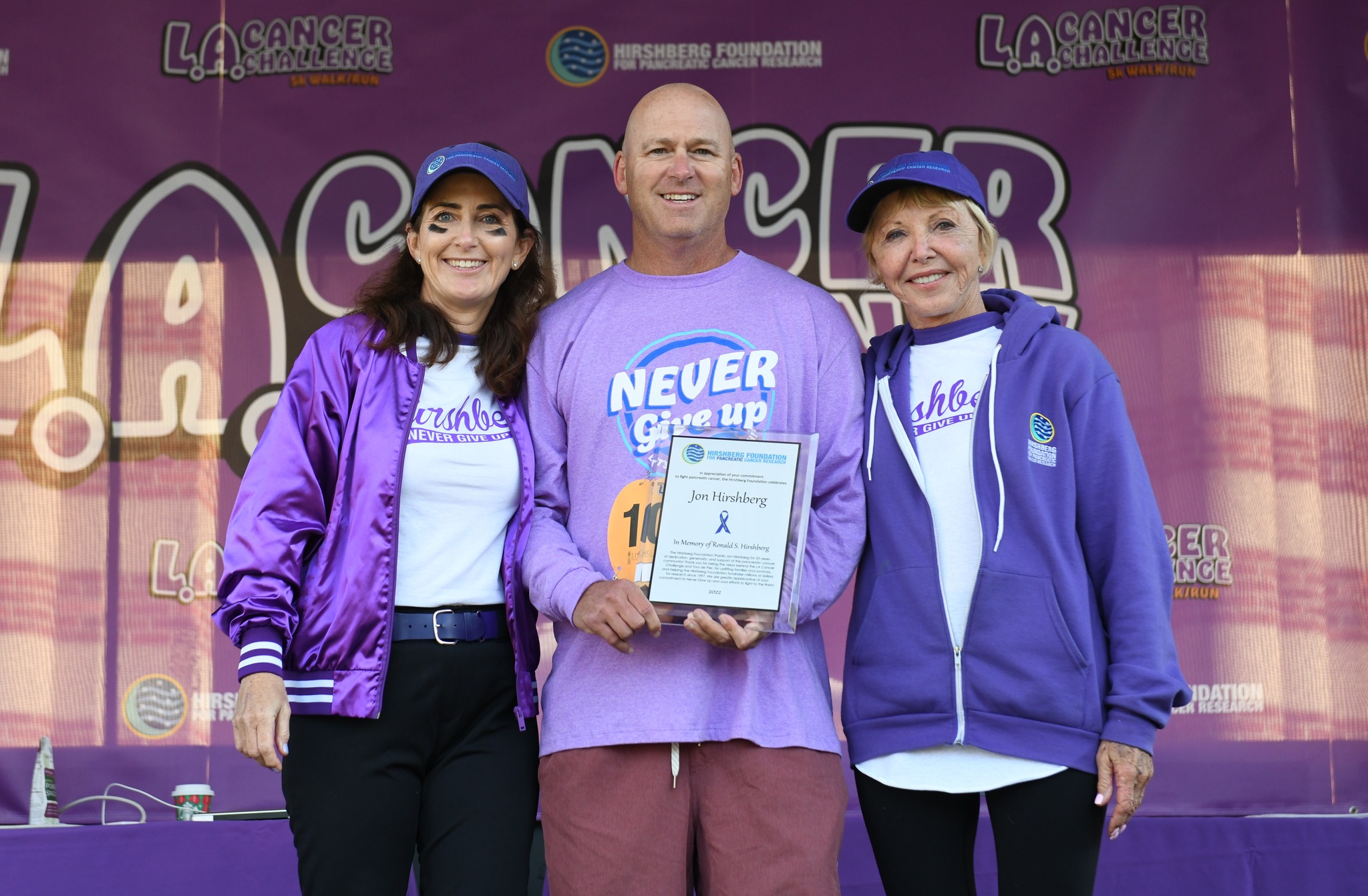
Manheim’s office is painted a vibrant UCLA blue. Her connection to the University is strong: all three of her sons were born at the UCLA Medical Center, and she is a season ticket holder for four different UCLA teams. “We've always said if somebody's going to cure pancreatic cancer, we want it to be UCLA," she says. "What a gift that would be!”
One of the first things Manheim and Hirshberg did was to establish the Hirshberg Foundation five pillars mission statement, a decision that has guided their work from the outset. The first pillar focuses on creating a place where patients can receive all their treatment options in one place. In 2015, the first Center opened, and in 2024 it moved into a state-of-the-art facility within the UCLA Medical Plaza to achieve this goal.
The second pillar is dedicated to funding improved patient care, enhanced treatments and increased survival rates. With the funds they raise, the foundation fuels innovation, awarding "seed grants" to institutions across the country for initial research support and "catalyst grants" for longer-term initiatives. Notably, the seed grant program has generated over $130 million in funding from the National Institutes of Health (NIH).
The third pillar is to be a resource for patients and their families. Their director of patient programs, Amy Reiss, is available to guide patients throughout their journey, from sharing resources to connecting the newly diagnosed with survivors. In addition, the Foundation funds a dedicated patient navigator at UCLA to greet patients and assist them with navigating their treatment. Manheim says, "My mom wanted to make sure that patients have somebody holding their hand, both physically and practically.”
For two decades, the Foundation has organized a patient symposium at UCLA every spring. The event evolved from presentations by doctors on their research into a collaborative forum where patients, families, doctors, caregivers and survivors share information and address questions together. The event is free of charge, entirely funded through sponsorships.
A pancreatic cancer diagnosis carries a mental toll for everyone involved. To build connection and hope, Agi Hirshberg welcomed survivors, doctors and caregivers to her home to share a meal. The event became a beloved yearly tradition known as "Casual Sunday at Agi's."
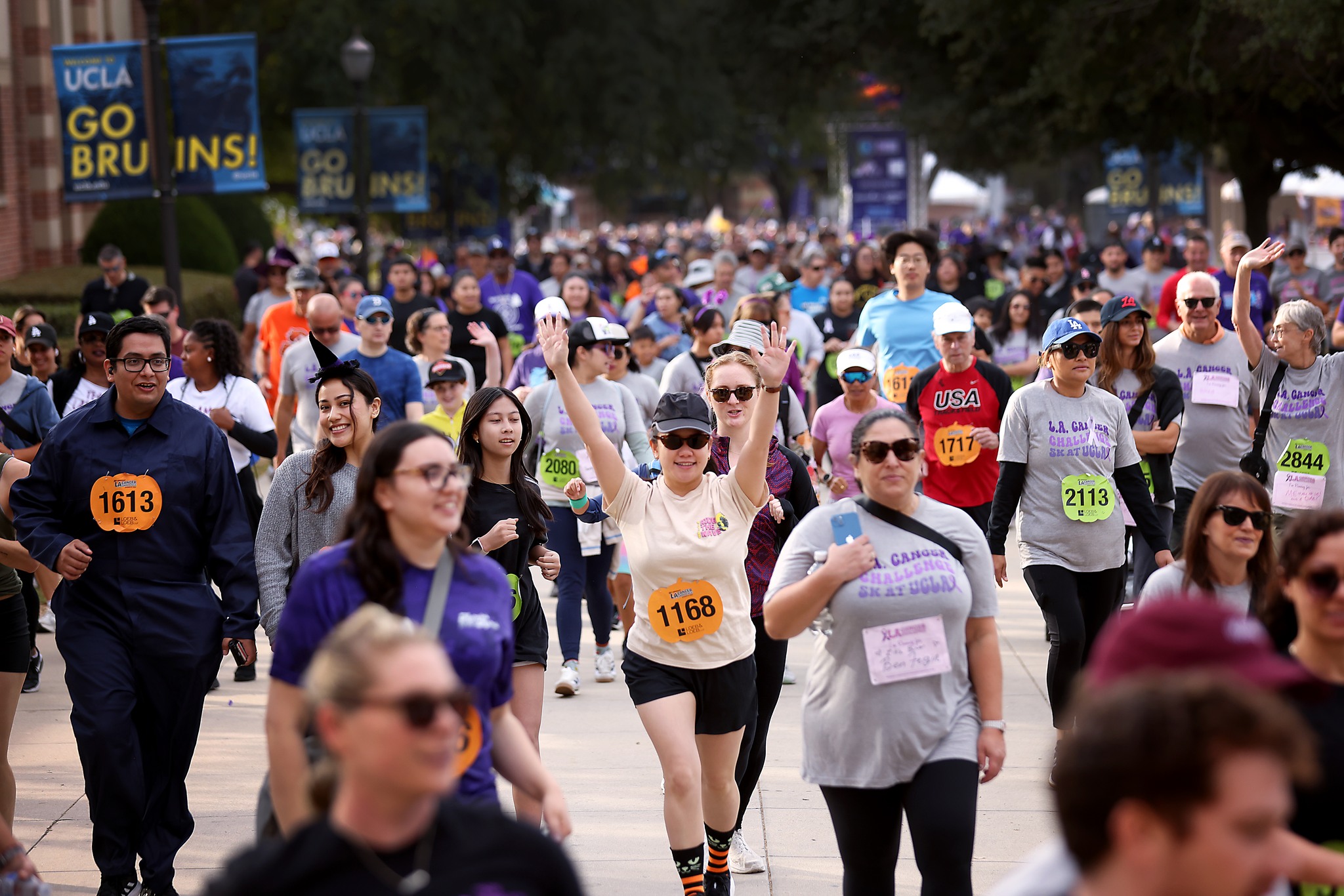
The fourth mission pillar is to bring people together through physical fitness to build awareness and support. Inspired by Ron Hirshberg’s love of adventure, Manheim explains, “We started the L.A. Cancer Challenge 5K because we knew Ronnie would not have wanted to go to a sit-down banquet.” The 2025 event raised more than $734,000 for cancer research.
Each year, the 5K highlights the work of an honorary medical chair — a UCLA doctor or researcher who addresses participants before the race, offering a direct connection to the work being funded by their donations. Manheim says, “I'd love to have more UCLA alumni participate. It's a great event on a spectacular campus; I get goosebumps every time.”
The fifth pillar is to find a cure in memory of Ron Hirshberg and all pancreatic cancer patients. “The work we’ve funded has led to improved patient care, better outcomes and promising treatments on the horizon — work that would not have happened without my mom's determination,” Manheim affirms. “Our motto is ‘never give up’ because finding a cure is worth fighting for.”
There is hope for future developments. In 2025, UCLA researchers developed a nanoparticle that carries a combination treatment with an mRNA vaccine and a small immune-boosting molecule to the liver, reprogramming it to attack pancreatic cancer. UCLA scientists are running trials on off-the-shelf cancer immunotherapies that don’t need to be custom-tailored for each patient. These treatments could ultimately be mass-produced, expanding access and reducing costs.
"Our motto is ‘never give up’ because finding a cure is worth fighting for."
Thanks to the work of the Hirshberg Center, UCLA Health has become a leader in pancreatic cancer care and research. Five-year survival rates have been rising slowly, from 7% a decade ago to approximately 13% today. UCLA’s surgical oncologists perform more pancreatic surgeries than any other hospital in Southern California.
“With the progress we’ve made, we now have a community of people who are multi-year survivors. They're the ones who are able to tell the newly diagnosed, or the people who are about to go into surgery, ‘We've been there. What questions do you have? You're going to be okay.’” Manheim says, “There's nothing like it.”
To learn more about how you can help fight pancreatic cancer, visit pancreatic.org.
Recent Articles
- The Fire Within: Leo Rochman’s Story of Resilience
- UC Inspires Honors UCLA Alumni
- UCLA AAP Alumni Spotlight - Adrianos Facchetti ’01, J.D.
- The Story Behind Jackie Robinson’s 1946 Reintegration of Organized Baseball
- UCLA Prytanean Celebrates Its Centennial
- Building Community: UCLA Disability Alumni Network Focuses on Belonging and Visibility
Winter Holidays Museum Exhibitions
Looking for family-friendly winter break activities? The Fowler Museum on the UCLA campus and the Hammer Museum in Westwood Village are both hosting exhibitions with strong connections to Los Angeles's past, present and future. Northern California alumni can also enjoy art exhibits from various UC art programs coming to the Sausalito Center for the Arts this spring.
Fowler Museum
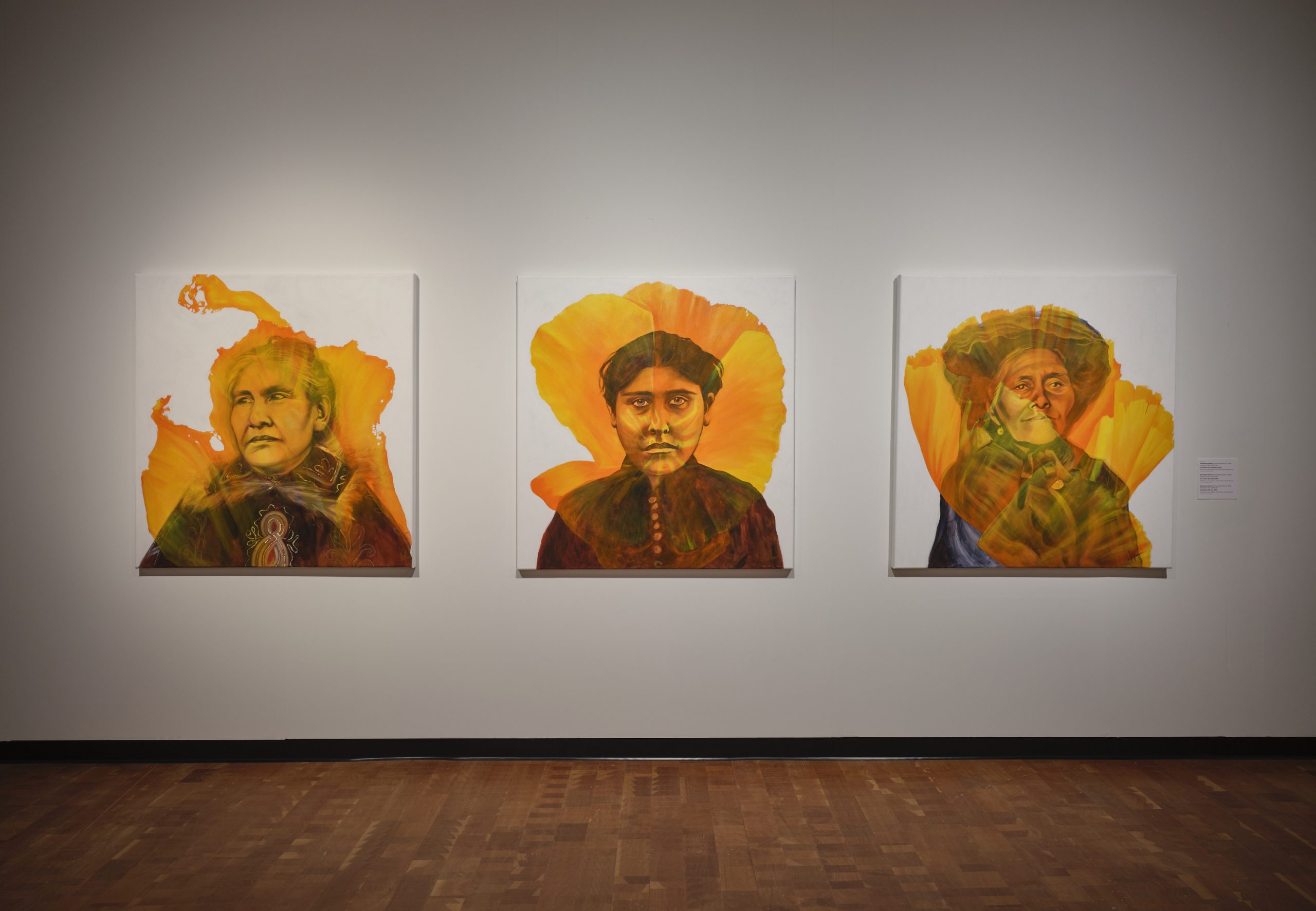
The exhibit “Fire Kinship: Southern California Native Ecology and Art” at the Fowler Museum is an immersive experience which explores the fire stewardship practices of four Southern California Indigenous communities — Tongva, Cahuilla, Luiseño and Kumeyaay — through objects, stories and art.
The exhibit is a timely invitation to consider the first inhabitants of Southern California and their relationship with natural elements. For centuries, these communities have chosen to view fire as a regenerative and vital tool for land stewardship.
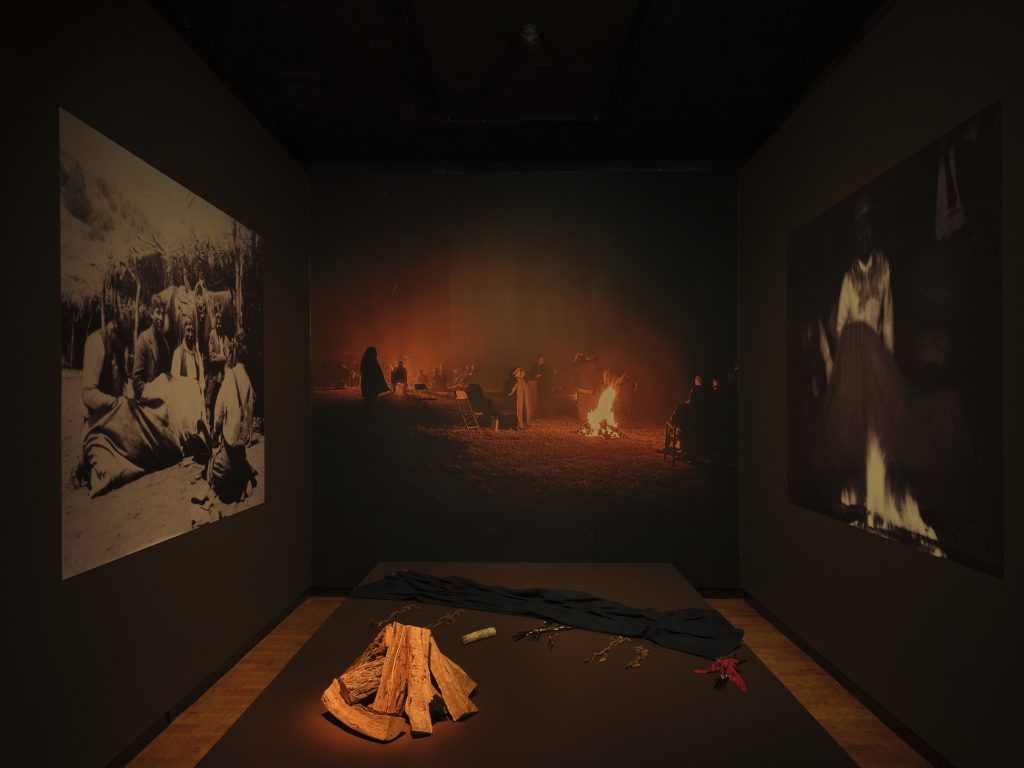
The exhibit begins with a section called “Our Fire Relative,” with everyday objects made from natural materials and an exploration of how the objects are connected to fire practices. Visitors can explore the intricate structure of a woven basket, a practice central to indigenous history. “Basket weavers are experts on the plant materials that need fire. We use that conversation as an entrypoint to get to know not only the ecosystem, but also the challenges of gathering plant material today.”
There are also artworks that have been specially commissioned to explore the fire theme, including Weshoyot Alvitre’s Dormidera portrait series honoring Indigenous women; a multimedia work by Gerald Clarke Jr. with birdsong, video and natural materials; and Leah Mata Fragua’s installation featuring poppy-dyed paper sculptures. Fragua says about her piece, “My mission is to create ephemeral works that honor my community's values around sustainability practices, while shedding light on pressing environmental issues.”
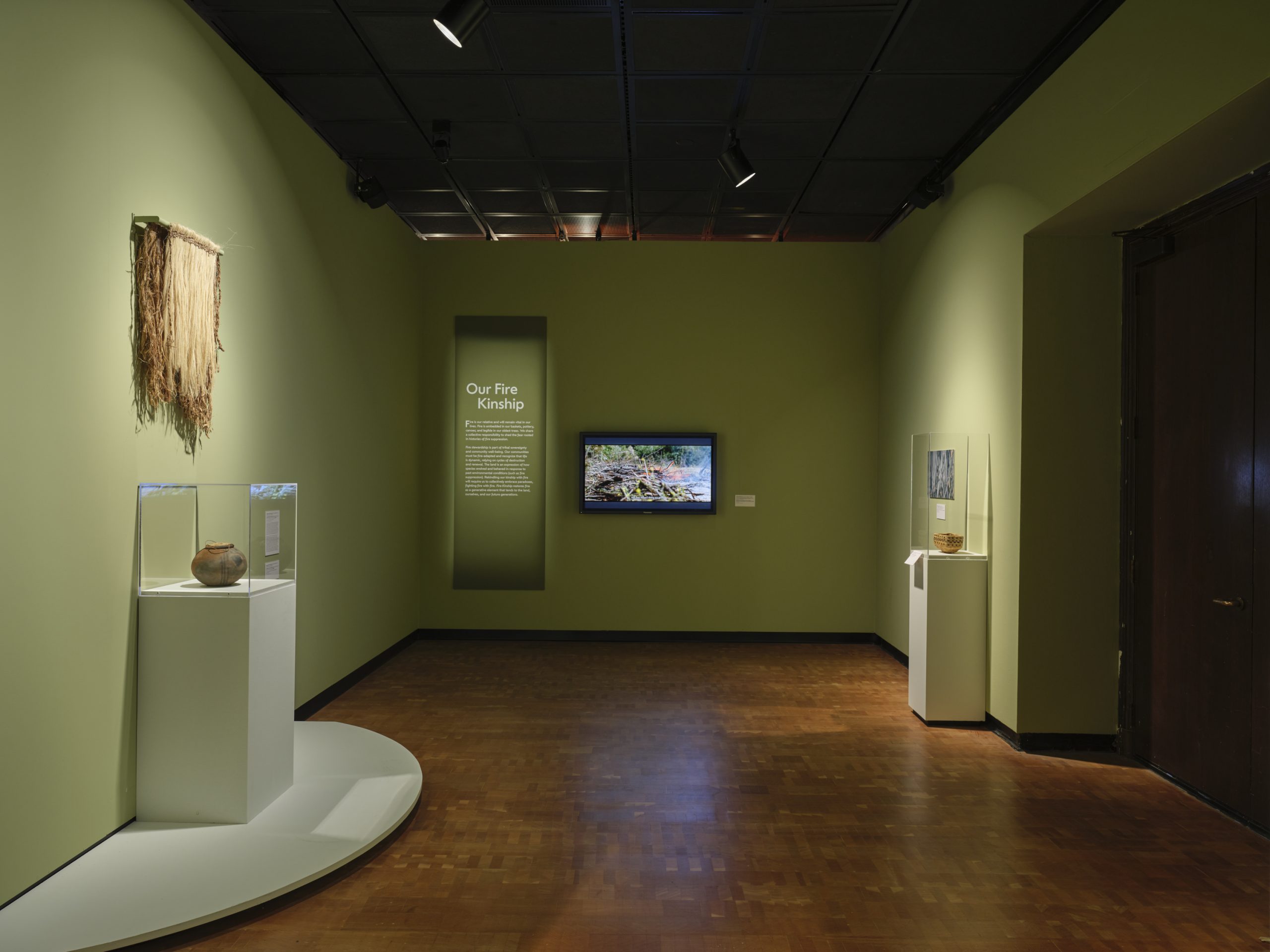
The next section, “Fire Scars,” walks the viewer through the history of fire suppression through archival materials, including a diary entry from a Spanish explorer and the National Parks fire suppression materials. The final section, “Begging to Burn,” explores the revitalization of fire practices and how younger generations are joining the conversation.
The exhibit is curated by Daisy Ocampo Diaz (Caxcan), assistant professor of history at Cal State San Bernardino; Lina Tejeda (Pomo), a graduate student research assistant at Cal State San Bernardino; and Michael Chavez (Tongva), a former Fowler archaeological collections manager and NAGPRA project manager.
As part of their process, the curators gathered a committee of community leaders from the four tribes. They say, “At every gathering and workshop meeting, our partners expanded our scope, connected us across tribal networks, and ensured that we were well on our way.”
“Fire Kinship: Southern California Native Ecology and Art” runs through April 12, 2026. The museum is open to the public Wednesday through Sunday, though holiday hours may vary. Admission is free.
Hammer Museum
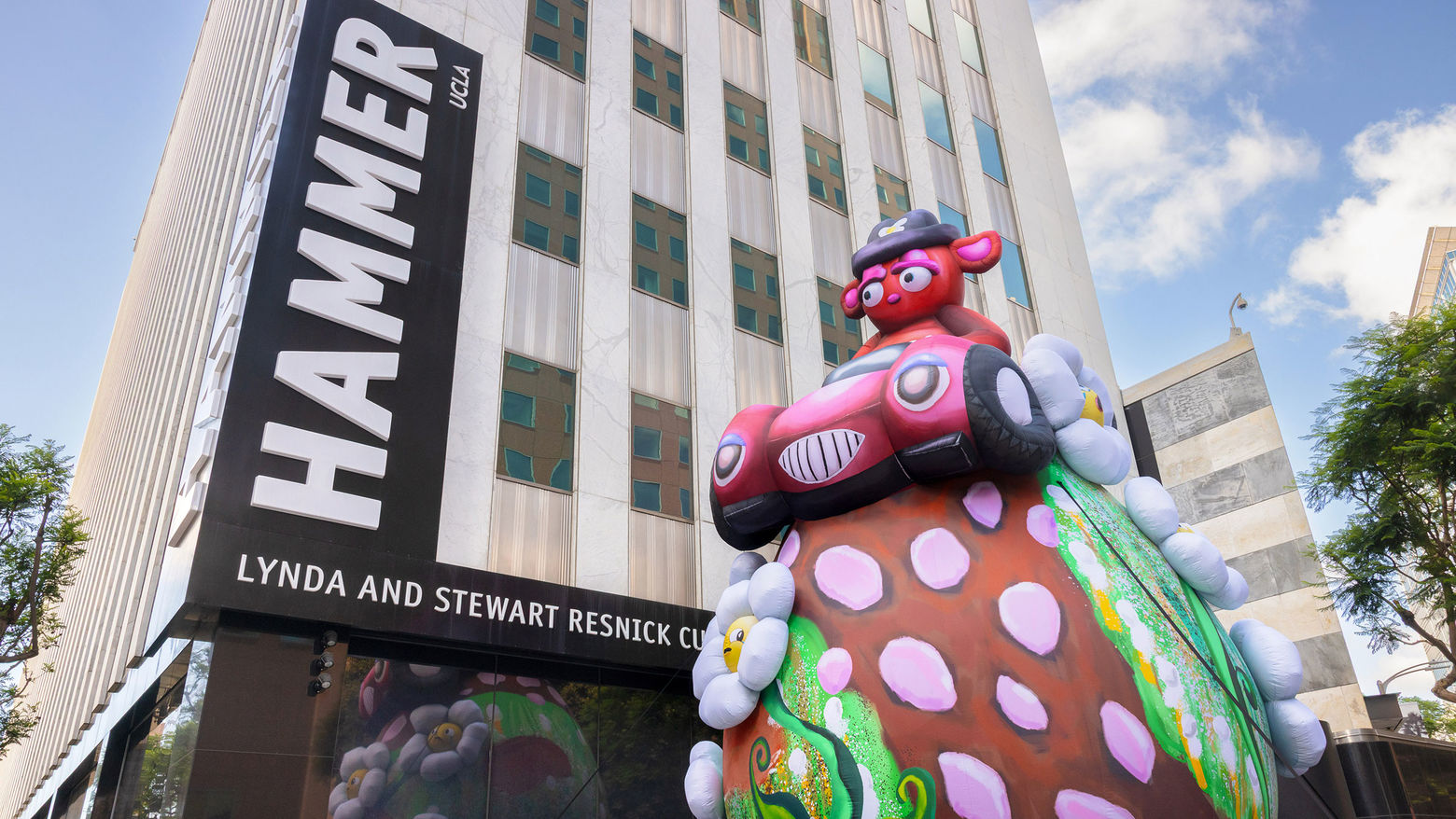
In Westwood Village, the Hammer Museum is hosting Made in L.A. 2025, the seventh iteration of the biennial series. Curators Essence Harden and Paulina Pobocha spent more than a year immersing themselves in Los Angeles’s art scene to develop the exhibition which features the work of 27 local artists and gives the viewer insight into the ideas emerging from Los Angeles’s art world.
The curators have created a mix of new installations, videos, sculptures and paintings commissioned for the show as well as significant archival work. The catalogue for the show states, “Neither myth nor monolith, Los Angeles is many things to many people, and its dissonance is perhaps its most distinguishing feature.”
Six of the artists included in the show are UCLA alumni:
- Pat O’Neill ’62, M.A. ’64, the first American to receive a master’s degree in moving image art from UCLA in the predigital era
- Na Mira, M.F.A. ’13, an experimental artist who creates video and sound installations
- Hanna Hur, M.F.A. ’19, who develops work through time, sight and touch
- Beaux Mendes, M.F.A. ’19, who creates abstract works “animated by latent apparitional figures”
- Carl Cheng ’63, M.A. ’67, whose early sculptures were inspired by aerospace, industrial design and consumer electronics
- Nicole-Antonia Spagnola, M.A. ’18, a multimedia artist whose short film “1-2-3: Apartment Gallery” can be viewed in three locations at the Hammer, including the Billy Wilder Theater box office windows
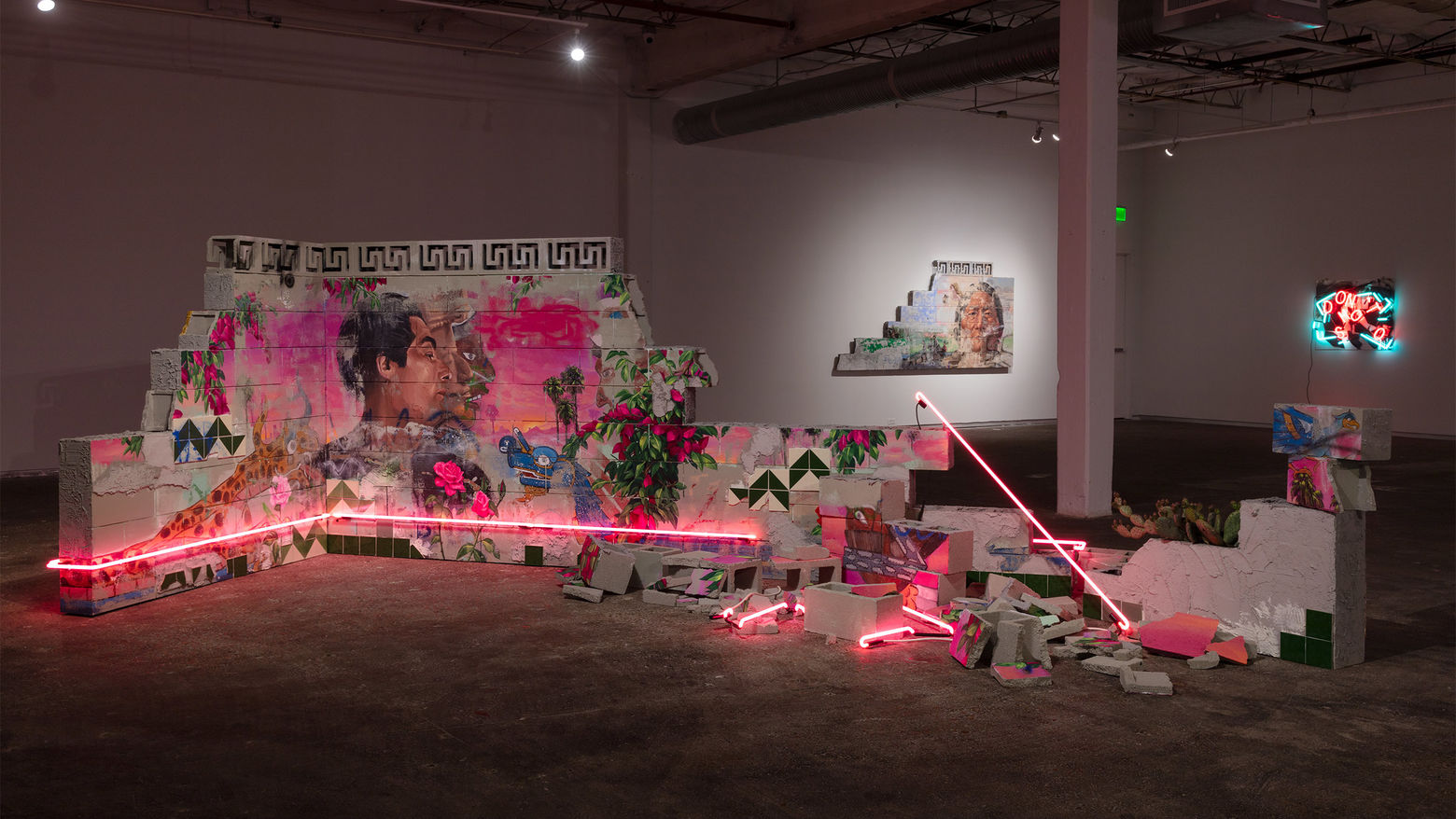
In the main gallery, a giant green pickle leans against a mustard-yellow cylinder and a smear of ketchup-hued red - this is O’Neill’s 1964 piece “Safer Than Springtime.” His sculptural forms are “objects born of science fiction and the very real innovations of the aerospace industry that flourished in Southern California during the second half of the 20th century.”
In stark contrast to O’Neill’s playful sculpture, Hanna Hur’s five- canvases artwork “Suspension” (2025) stands alone in the Vault Gallery. According to the audio guide, “The overwhelming size and visual effect of these vastly scaled fields of white prompt an intense physical response in the viewer, rooted in visual phenomena and enigmatic imagery.”
Don’t forget to bring headphones if you choose to listen to the audio guide, accessible by scanning the QR code on your phone. The guide not only expands on your understanding of the artwork but also poses questions for deepening your engagement with the art. Parts of the guide were written by Julia Park ’25, a UCLA alum and former student educator at the Hammer Museum.
The exhibit at the Hammer runs through March 1, 2026. Admission is free.
Sausalito Center for the Arts
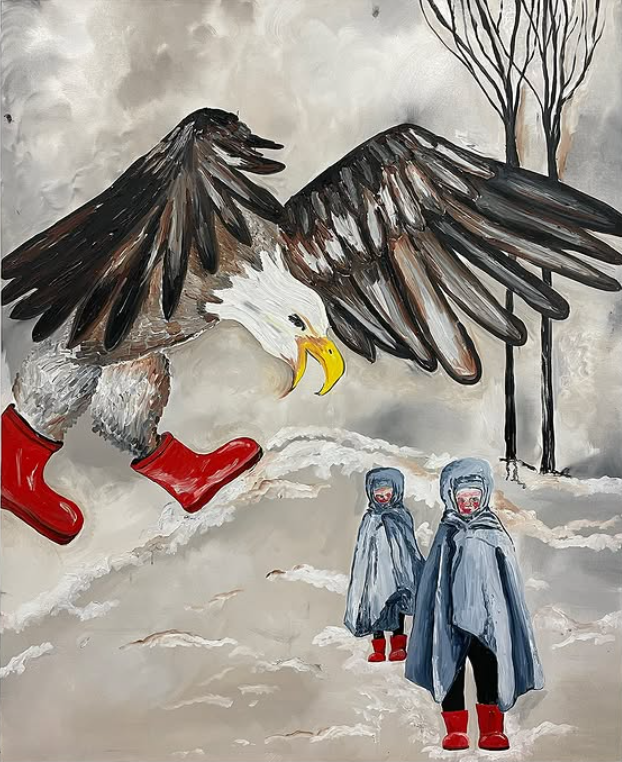
For alumni in Northern California, “Open Inquiry: UC Arts” will open at the Sausalito Center for the Arts this spring. The exhibition brings together artists from the renowned University of California art programs. “Open Inquiry” is a celebration of public arts education and highlights the interconnectedness of research and artistic practice.
The exhibit features 60 works in a variety of mediums by current students and young alumni from UCLA, UC Berkeley and UC Davis. Curator Jennifer Bailey Wechsler, who sits on the UCLA Arts board and is a parent of two recent UCLA graduates says, “Through the practice of art in our daily lives, minds can be changed, stories can be told and personal experiences can be transformed into work that can impact the world.”
The exhibition runs from March 14 through April 16, 2026. Bruins are invited to attend the opening reception on Saturday, March 21, from 3 to 6 p.m. The Sausalito Center for the Arts (SCA) is a cultural community center that revitalized the formerly unoccupied Bank of America building in downtown Sausalito.
Recent Articles
- The Fire Within: Leo Rochman’s Story of Resilience
- UC Inspires Honors UCLA Alumni
- UCLA AAP Alumni Spotlight - Adrianos Facchetti ’01, J.D.
- The Story Behind Jackie Robinson’s 1946 Reintegration of Organized Baseball
- UCLA Prytanean Celebrates Its Centennial
- Building Community: UCLA Disability Alumni Network Focuses on Belonging and Visibility
Bruin-Owned Restaurants Part 4
T
he holidays are the perfect time to dine out with family and friends and rekindle bonds over a shared meal. In this fourth edition of our Bruin restaurants series, feast your eyes on the delicious selections offered by these alumni-owned establishments. Warning: Scrolling further will trigger your appetite.
Little Fatty
Owner/Founder: David Kuo ʼ01
Location: 3809-3813 Grandview Blvd., Los Angeles, CA 90066
Phone: 310-853-5417
Email: info@littlefattyla.com
Website: littlefattyla.com
Social: @littlefattyla
Yelp Rating: 4.0 stars
About:
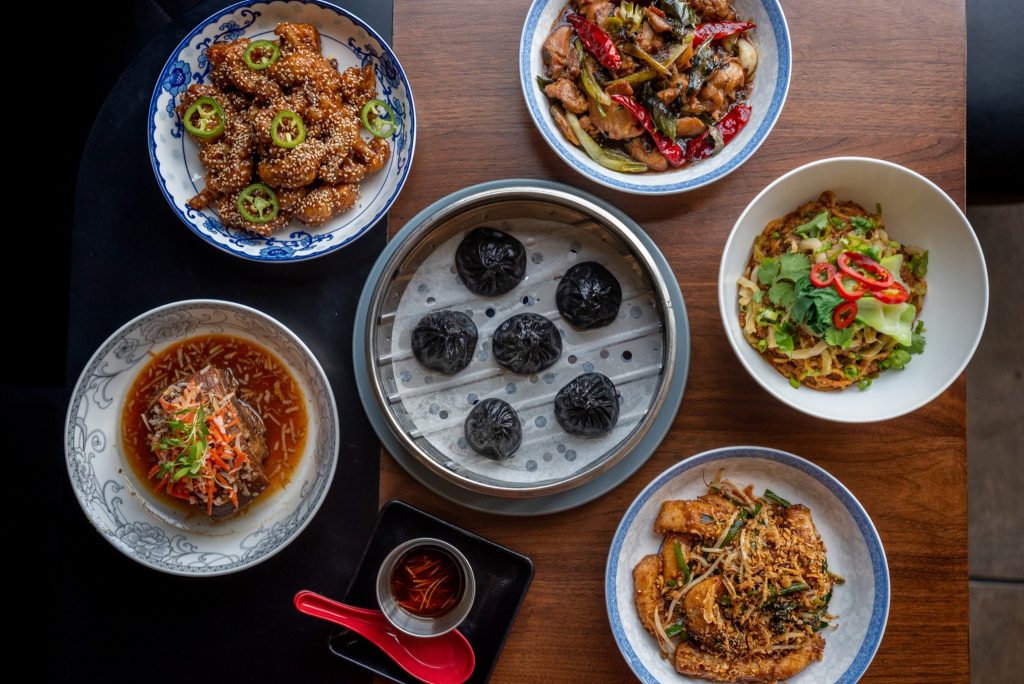
Little Fatty is a lively neighborhood restaurant in Mar Vista, California, renowned for its modern interpretation of Taiwanese comfort food. Founded by chef-owner David Kuo, the spot blends nostalgic flavors with a fun, laid-back atmosphere. The menu features favorites like three-cup chicken, beef noodle soup and mapo tofu, all inspired by Kuoʼs Taiwanese-American upbringing. With its casual vibe, creative cocktails and adjacent bar, Big Bar, Little Fatty has become a go-to destination for locals seeking bold, flavorful dishes and a welcoming community atmosphere.
Review:
“I was looking for a place to eat during lunch time, and I came across this place. It opens at 5 p.m., and I was really excited to try it. I did not have a reservation, but they do tend to get very busy at night, so Iʼd recommend making one. I ordered the 3-cup chicken, beef chow fun and fried rice. I absolutely loved my food. It was so tasty. The service was super fast as well. The place is so nice as well, dark, pretty lights, wonderful atmosphere. I look forward to coming here again on my next trip to L.A.” - Nav C.
AttaGirl
Co-Owner: Alice Hua Mai ʼ09
Location: 1238 Hermosa Ave., Hermosa Beach, CA 90254
Phone: 424-600-2882
Email: info@attagirlla.com
Website: attagirlla.com
Social: @attagirl.la
Yelp Rating: 4.6 stars
About:
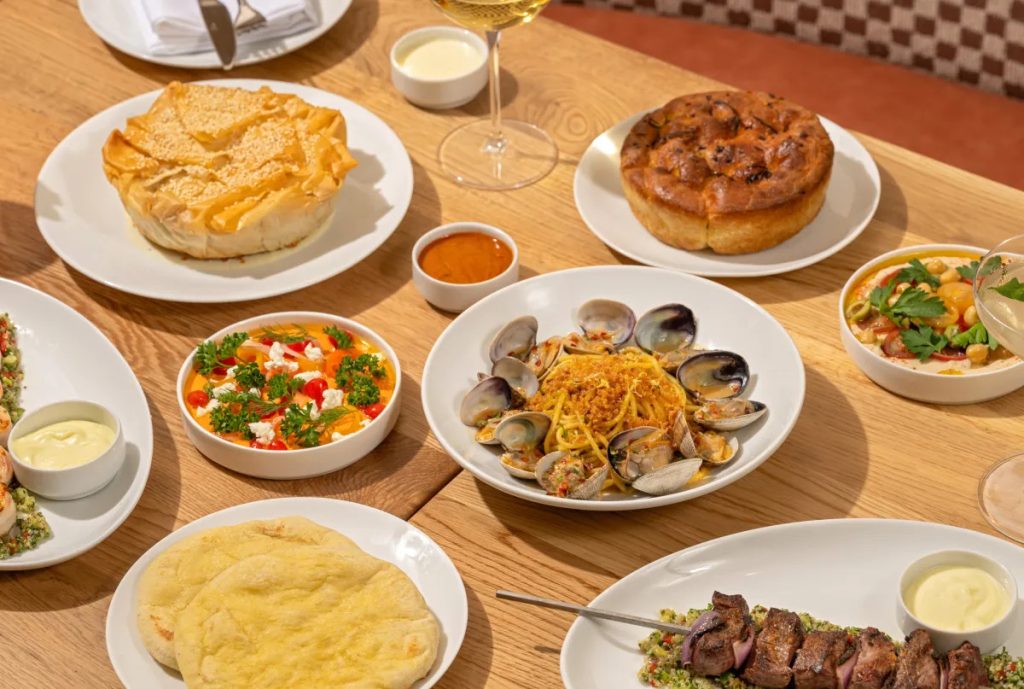
AttaGirl is a Coastal Mediterranean restaurant that balances the fun and excitement of a lively atmosphere with the finesse of engaging and thoughtful service. Featuring a live wood fire, our menu includes grilled meats and seafood, market vegetable-driven mezze, spreads and light pastas. The wine list reflects our passion for renowned Californian winemakers and Mediterranean climate varietals. A vibrant, warm-weather cocktail list honors Southern European archetypes that refresh after a salty day at the beach.
Review:
“I have nothing but outstanding things to say about AttaGirl. The food was phenomenal. I highly recommend getting the chefʼs plate to start. It comes with (4) different types of spreads. They were all good! As for entrees, you canʼt go wrong with the skewers. The beef tenderloin was my personal favorite. The crispy fried prawns were also a great choice. The spinach rigatoni was also good, although not a fan favorite.” - Noesh H.
Chris N Eddyʼs

Co-Founder: Chris Karimian ʼ14
Location: 5539 W. Sunset Blvd., Los Angeles, CA 90028
Phone: 323-544-3600
Email: chriskarimian@yahoo.com
Website: chrisneddys.com
Social: @chrisneddys
Yelp Rating: 4.4 stars
About:
Chris N Eddyʼs is a Hollywood-born burger joint founded by two childhood friends, Chris Karimian and Eddy Poghosyan. What started as a small pop-up in a parking lot quickly grew into a popular brick-and-mortar spot on Sunset Boulevard. Known for its signature smash style sliders served on Martinʼs potato rolls, the menu keeps things simple and satisfying with juicy cheeseburgers, grilled or raw onions, pickles, tater tots and crispy waffle fries. The restaurantʼs laid-back, neon-accented vibe and late-night hours have made it a local favorite for quick, affordable comfort food. With its mix of nostalgic style, friendly energy and crave-worthy burgers, Chris N Eddyʼs has earned a loyal following across Los Angeles.
Review:
“Oh my lanta, the best burger experience we have had in a longggg time :). We have found our new late-night/anytime burger spot! So amazing. First of all, great customer service. Friendly and welcoming as soon as we walked in the door. Major plus. The food was a 20/10. I got the sliders with the inside-out bun. My BF and his friend got the original slider with all the fixings. The fries were fire. Cooked perfectly with the perfect amount of seasonings. Their sauce was insane, kind of like In-N-Out but better! We will definitely be regulars and be happy to spread the word. It is also super cute and clean. Please do yourself a favor and try this place! You will not be disappointed!” - Star S.
Enzoʼs Italian Restaurant
Co-Owner: Tom Jennett ʼ87
Location: 134 N. Mill St., Glen Tavern Inn, Santa Paula, CA 93060
Phone: 805-933-3444
Email: kenneth@glentavern.com
Website: officialglentavern.com
Social: @enzos_italian_restaurant
Yelp Rating: 4.2 stars
About:
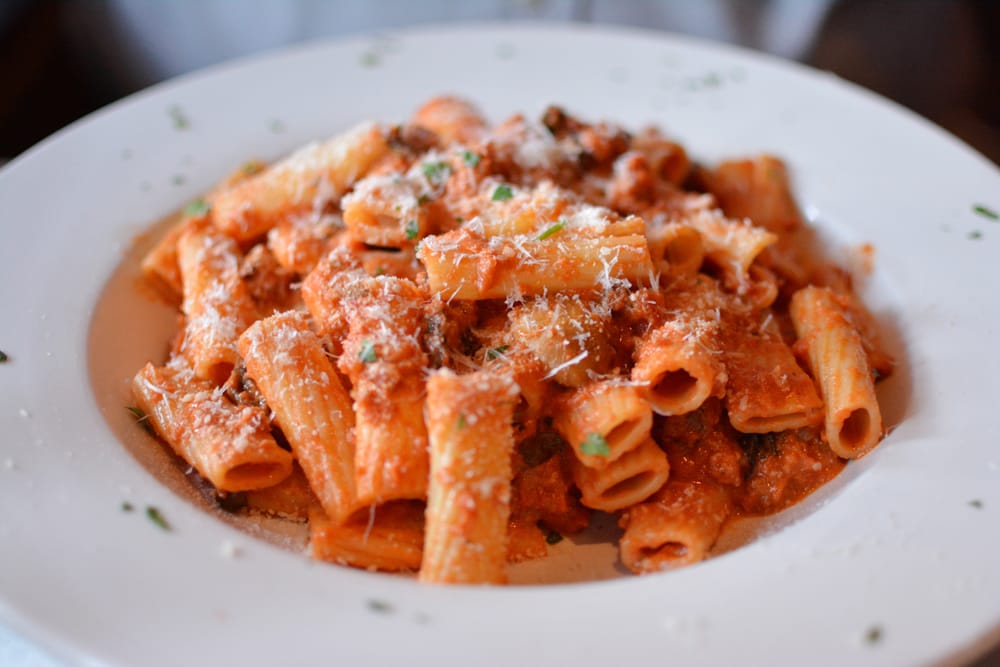
Enzoʼs Italian Restaurant, located inside the historic Glen Tavern Inn in Santa Paula, California, offers an authentic Italian dining experience, serving classic dishes made with fresh, high-quality ingredients in a warm and inviting atmosphere. Guests can enjoy a variety of traditional pastas, pizzas and entrees, all prepared with care to highlight the flavors of Italy. Enzoʼs is known for its cozy, elegant setting, making it a favorite spot for both casual dinners and special occasions. Open Tuesday through Sunday, the restaurant combines excellent cuisine with attentive service, providing a memorable experience for all who visit.
Review:
“Honestly, one of the best meals Iʼve had in a long time. We started with the fig and pig pizza to share as a group, and I ordered a modified chicken parm with charred broccolini!!! Wow, it was amazing! Our server was so kind! Thank you for an incredible meal! Ask to sit with your group in the lobby by the fireplace! So fun!” - Brianna D.
Delicious at the Dunbar
Co-Owner: Adriana Cortes
Location: 4229 S. Central Ave., Los Angeles, CA 90011
Phone: 323-918-2087
Website: deliciousatthedunbar.com
Social: @deliciousatthedunbar
Yelp Rating: 4.0 stars
About:
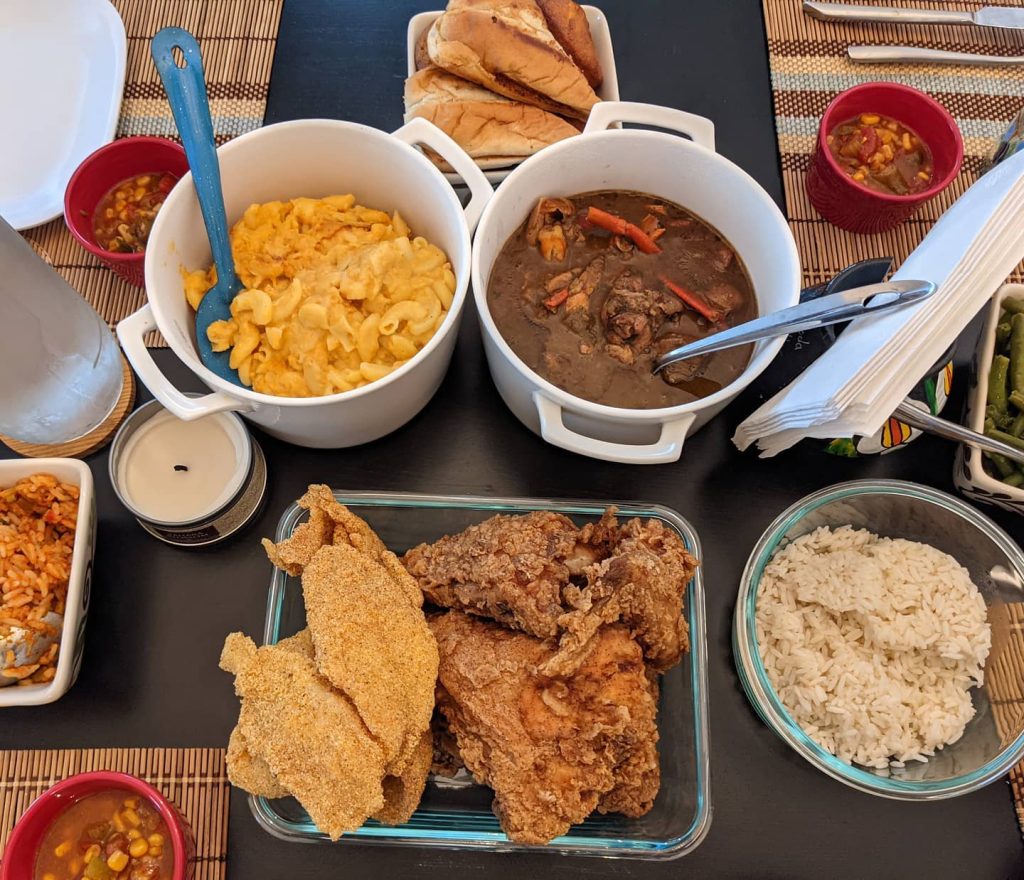
Established in 2018, Delicious at the Dunbar Cuisine is inside of the historic Dunbar Hotel in Los Angeles, which was once considered America's finest Black hotel and a hub for L.A.'s Central Avenue jazz scene. The 3,000-square-foot venue has now revived the old music club that has been decorated to reflect the cultural history of the landmark, which once hosted legends such as Louis Armstrong, Billie Holiday, Ray Charles and Duke Ellington. We serve our food fresh daily so come out and discover our new location, a larger sit-down version with upscale table service. Put our service to the test and come taste the best soul food and Mexican cuisine you'll ever experience!
Review:
Had the pleasure of visiting Delicious at the Dunbar Hotel during a business meeting with a group of eight, and we were all thoroughly impressed. Our waitress was super nice and incredibly attentive, making sure we were well taken care of from start to finish. I ordered the French toast, and it did not disappoint — buttery, light and generously portioned. The scrambled eggs were fresh and fluffy, and the sausage was packed with flavor. A couple of folks at the table tried the chicken sandwich, which looked amazing and the oxtails plate is a definite must-try — tender and flavorful, served with perfectly roasted sweet potatoes. Great service, great food and a warm, welcoming atmosphere. Highly recommend!
Chez Foushee
Owner: Whitney Cardozo ʼ87
Location: 2 E. Grace St., Richmond, VA 23219
Phone: 804-648-3225
Email: info@chezfoushee.com
Website: chezfoushee.com
Social: @chezfoushee
Yelp Rating: 4 stars
About:
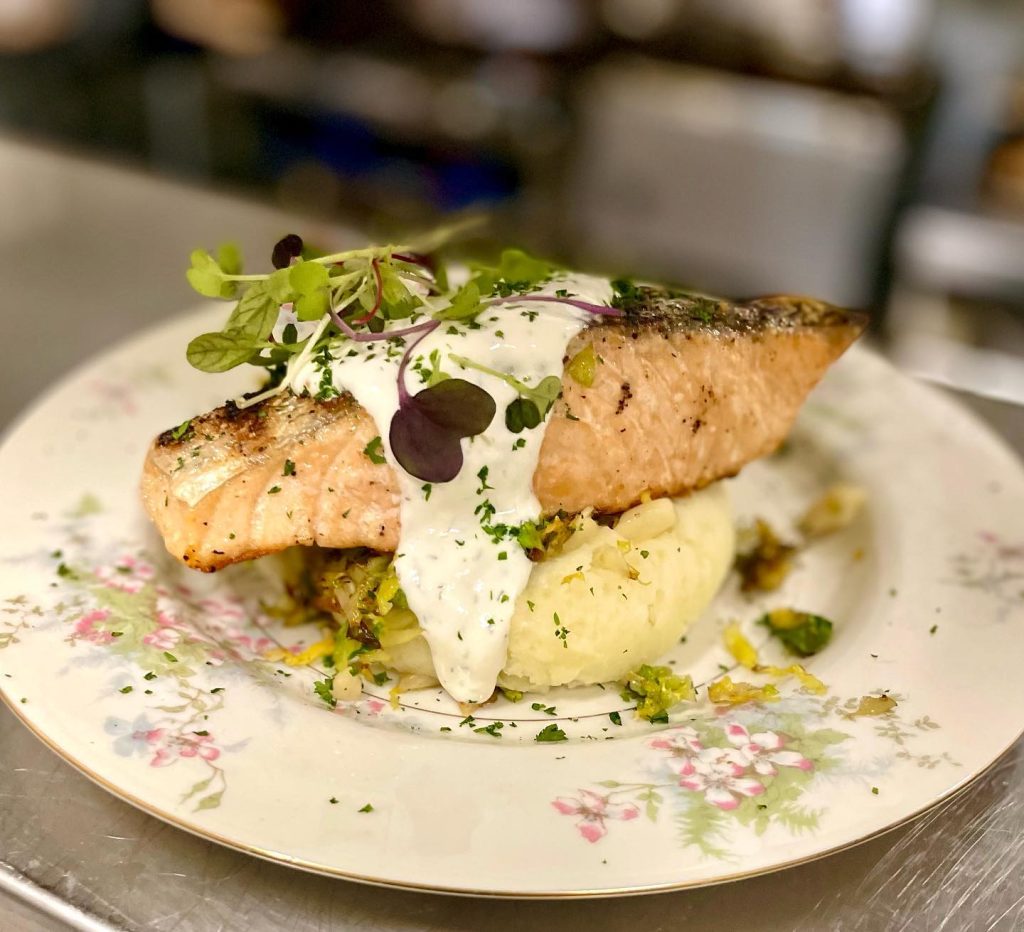
Chez Foushee is a beloved restaurant located in the heart of downtown Richmond, Virginia, known for its inviting atmosphere and refined approach to contemporary American cuisine with French influences. Originally opened in 1989, the restaurant has been a local favorite for decades, continuing to deliver exceptional dining experiences that blend classic dishes with creative flair and seasonal ingredients. The elegant yet comfortable setting makes it a popular choice for both casual lunches and special occasions, reflecting the charm and culinary spirit that have defined Chez Foushee for more than 30 years.
Review:
“Ended up here completely by accident on a nice Sunday morning. It was meant to be just a nearby, safe choice, that seemed ok and had decent reviews. However, after coming here, it is probably now my favorite spot in Richmond! This is an extremely fine establishment with exceptional customer service (just the way it should be in a French-style restaurant), high-quality meals and great decor. Additionally, the restaurant staff has a great selection of French music playing, which completes the whole experience. A totally great place that must be visited, whether you are looking for a fine dining experience or just a quick brunch. I wish I could give 10 stars.” - Alex I.
La Fogata Mexican Restuarant
Co-Owner: Vram Alian ʼ05
Location: 5142 Van Nuys Blvd., Sherman Oaks, CA 91403
Phone: 818-501-9065
Email: info@vivalafogata.com
Website: vivalafogata.com
Social: @vivalafogata
Yelp Rating: 3.8 stars
About:
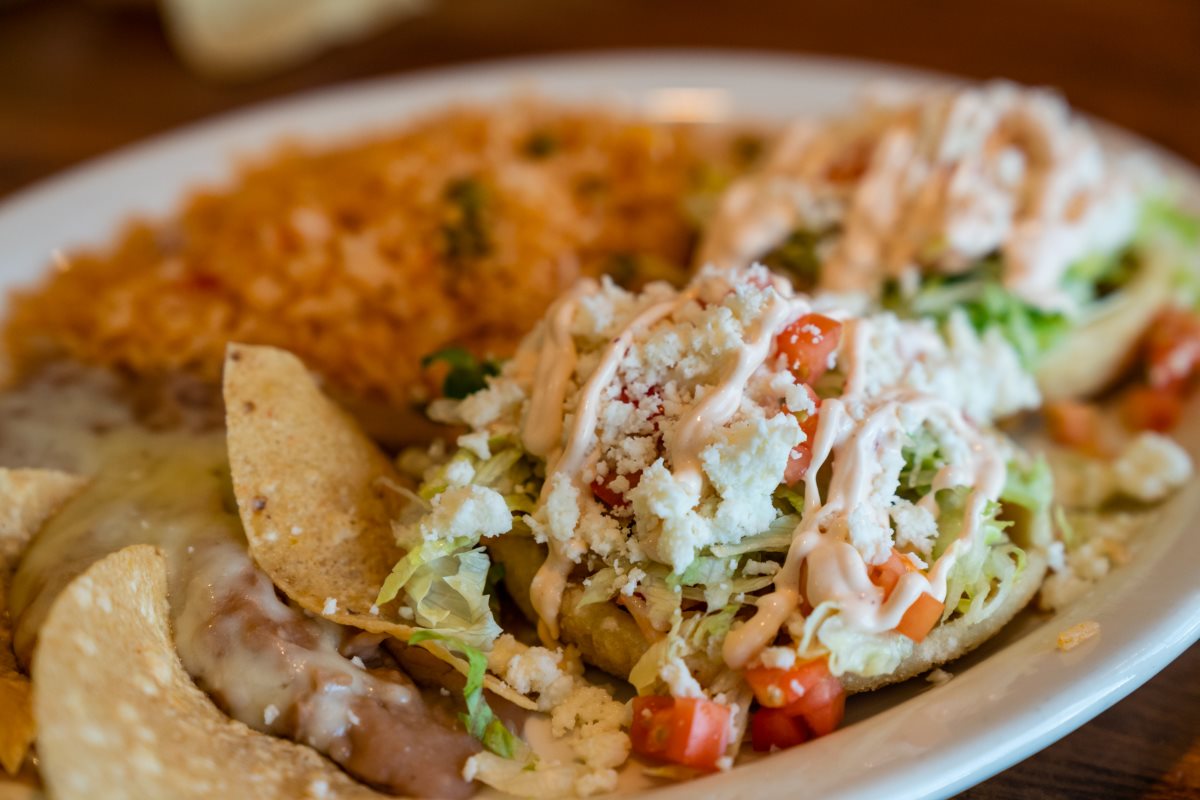
La Fogata Mexican Restaurant in Van Nuys brings authentic Mexican flavors to the heart of the San Fernando Valley. Known for its vibrant, colorful atmosphere and warm hospitality, the restaurant offers a diverse range of traditional dishes, including flavorful tacos and enchiladas, sizzling fajitas and fresh seafood. Guests appreciate the bold, rich flavors, generous portions and family-friendly environment, making it a popular spot for both casual dining and special gatherings. With a commitment to quality ingredients and authentic recipes, La Fogata provides a true taste of Mexico right in Van Nuys.
Review:
“I have seen La Fogata many times driving up and down Van Nuys Boulevard, and finally decided to stop and try it out. Before walking in, I was under the assumption that this was a restaurant with waiters and all that. I was pleasantly surprised at the setup; you walk up and order the way you do at most fast-food joints. But let me tell you, La Fogata is no fast food joint! The food is fantastic! I had the carne asada plate, and it was tasty! I believe I found a hidden gem! Awesome! Will definitely be back!” - Sergio P.
Moo Creamery
Owner/Founder: Jessica Pounds ʼ03
Location: 4885 Truxtun Ave., Suite B, Bakersfield, CA 93309
Phone: 661-861-1130
Email: info@moocreamery.com
Website: moocreamery.com
Social: @moocreamery
Yelp Rating: 4.1 stars
About:
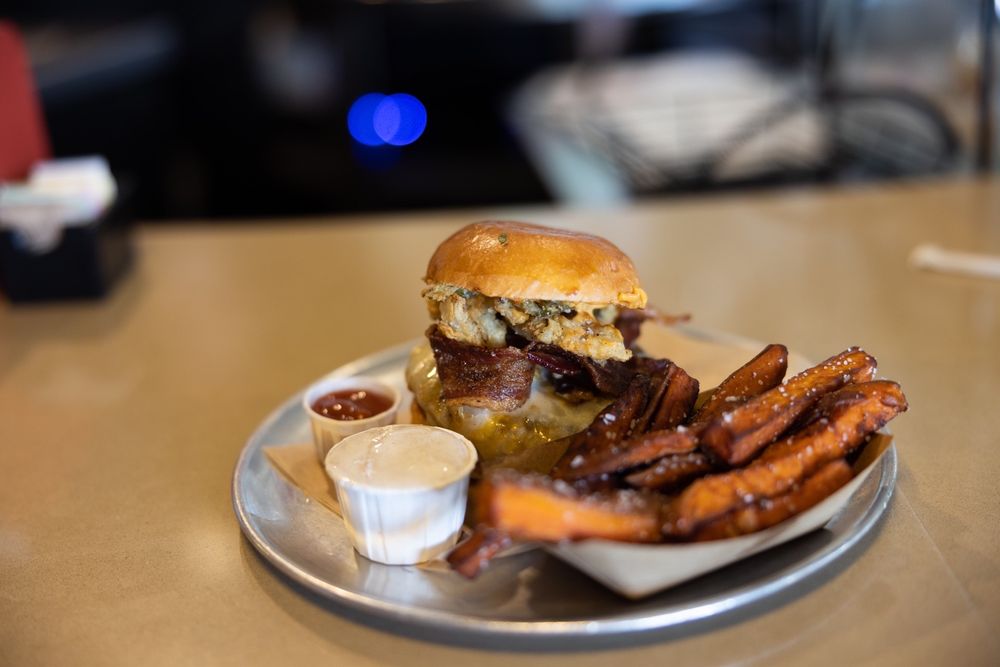
Moo Creamery is a popular local diner in Bakersfield, California, founded by Jessica Pounds in 2008. Known for its gourmet burgers, hand-cut fries and homemade ice cream, the restaurant features creative menu items like the PB & B Burger, which combines peanut butter and bacon, and unique ice cream flavors such as bacon ice cream. Moo Creamery emphasizes fresh, high-quality ingredients sourced from local producers, ensuring flavorful dishes for its patrons. In 2025, the restaurant announced plans to relocate from its original Truxtun Avenue location to downtown Bakersfield, aiming to revitalize the East Chester neighborhood and provide easier access for customers.
Review:
“This is my third time at Moo Creamery and every time it has been what I expected or more! Iʼve been there for breakfast and lunch. This time it was for breakfast, so my husband got the chilaquiles with brisket. I ordered the protein sweet potato waffles and couldnʼt finish it. I got a caramel latte too! Usually itʼs pretty quiet inside, and I love that they have outside seating in case I were to take my kids. The service is perfect; they check on you just enough to make sure you have everything you need, but not too often that you feel rushed out.” - Jillian G.
Christakis Greek Cuisine
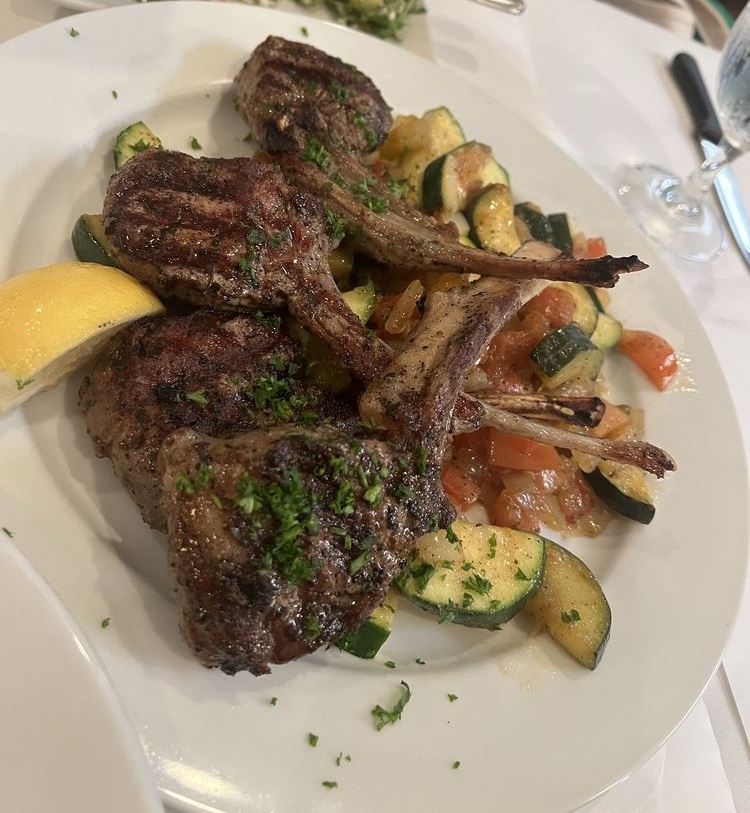
Co-Owners: Michael O’Hare Wallace ʼ94 and Sarah Wallace Rasmussen ʼ02
Location: 13011 Newport Ave., Tustin, CA 92780
Phone: 714-731-6600
Website: christakisgreekcuisine.com
Social: @christakisgreekcuisine
Yelp Rating: 4.5 stars
About:
Christakis was opened by William and Joanne Christakis Wallace on April 1, 1996. A native of Agios Dimitrios, Greece, it was always Joanne's dream to create a little piece of home in California. With her family, and the two Greek Tzoytzorakos brothers, Joanne saw her dream come to life. Although Joanne lost her battle to cancer only three years after creating Christakis, her spirit lives strong. The recipes are based on home meals, and have been expanded by the family at Christakis. We are blessed with regular customers that have been our cornerstone, and delighted by visitors we hope become family.
Review:
“Came here on a spontaneous date night late in the summer. I believe my partner was easily able to grab a reservation. We were immediately charmed by the live music playing in the patio and the decor indoors. My partner had the chance to travel to Greece last year and has been looking for a Greek restaurant to capture the flavors he had there, and according to him, Christakis was exactly it. The pastitsio was what he was seeking, and I really appreciated the meaty, herby flavors. The lamb chops were the most tender lamb chops I've ever had, and I thought it was a nice touch adding both our entrees on one plate to eat with all the sides to eat family style. I've tried recreating the potatoes since coming here but have to come back soon to have the real deal! I would recommend everything we ate. The trio of dips were delicious and the pita tasted fresh. The villager's salad was refreshing. If they have the tomato soup, it's a must try (spoken as a tomato soup lover!). The baklava was a delicious way to end our meal.” - Kim C.
Stationæry
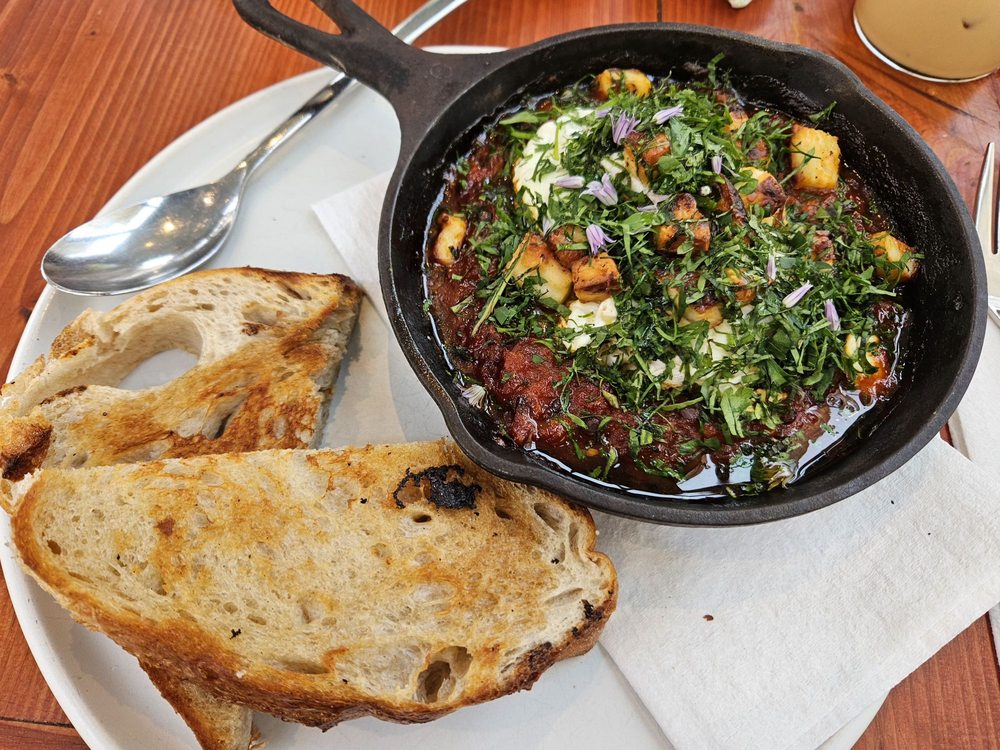
Co-Owner: Alissa Bell Carnazzo ʼ06
Location: 3 San Carlos St., Carmel, CA 93921
Phone: 831-250-7183
Email: info@thestationaery.com
Website: thestationaery.com
Social: @thestationaery
Yelp Rating: 4.0 stars
About:
Stationæry is a neighborhood restaurant in Carmel, California, operated by Anthony & Alissa Carnazzo. Tucked between San Carlos and Mission Streets in the San Carlos Square, this intimate space is a haven for locals. Offering brunch, dinner, specialty coffee and natural wines, they celebrate comforting flavors with elegant presentation. Led by Chef Amalia Scatena, they primarily source from Monterey and Santa Cruz County farms and ranches, according to what is fresh and in season.
Review:
“Great spot for brunch - there was a nice variety of seating (outdoor, greenhouse or indoor) and the service was attentive. The farmerʼs salad was delicious - nice variety of fresh vegetables (broccolini, green beans, radish, carrots) and paired well with an apple cider vinaigrette that had perfect zing. The steak and eggs were perfectly cooked and seasoned! The tenderloin was tender and the potatoes creamy. The chimichurri and sweet onion complemented the dish very well!” - Caly T.
Mariaʼs Italian Kitchen - West Los Angeles
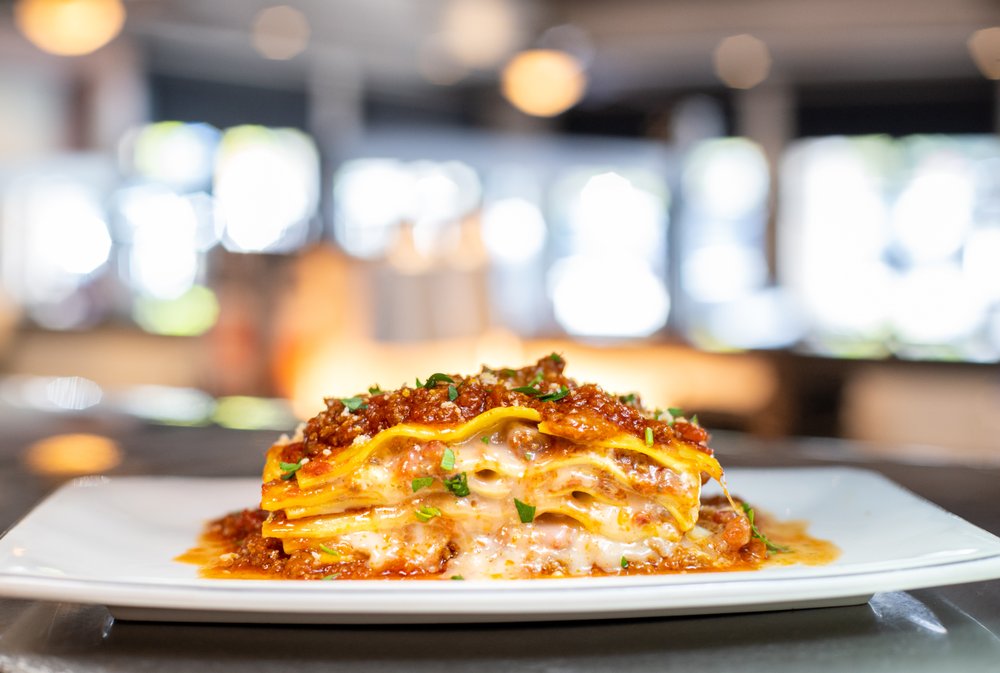
Owner: Madelyn Alfano ʼ80
Location: 10761 Pico Blvd., Los Angeles, CA 90064
Phone: 310-441-3663
Email: maria@mariasitaliankitchen.com
Website: mariasitaliankitchen.com
Social: @mariasitaliankitchen
Yelp Rating: 3.7 stars
About:
Mariaʼs Italian Kitchen in West Los Angeles is a family-owned restaurant founded by Madelyn “Maddy” Alfano, whose passion for food was inspired by her mother, Maria Alfano. What began as Maria selling homemade Italian dishes from her garage grew into a beloved neighborhood restaurant known for its warm hospitality and classic Italian comfort food. Under Maddyʼs leadership, Mariaʼs Italian Kitchen has expanded across Los Angeles, keeping the same homemade recipes and family spirit that started it all. Itʼs a local favorite for hearty pastas, pizzas and traditional dishes served with a personal touch.
Review:
“I cannot recommend this place enough for anyone who is gluten-free. The kitchen was very accommodating and made sure everything was not only safe but delicious, too! Iʼm newly gluten-free, so I remember the taste of bread very clearly and Iʼve yet to find any place that has such delicious food I can eat. They have gluten-free bread, pasta and pizza. Seriously, come eat here; it was delicious.” - Kailyn K.
Smoke Queen Barbecue
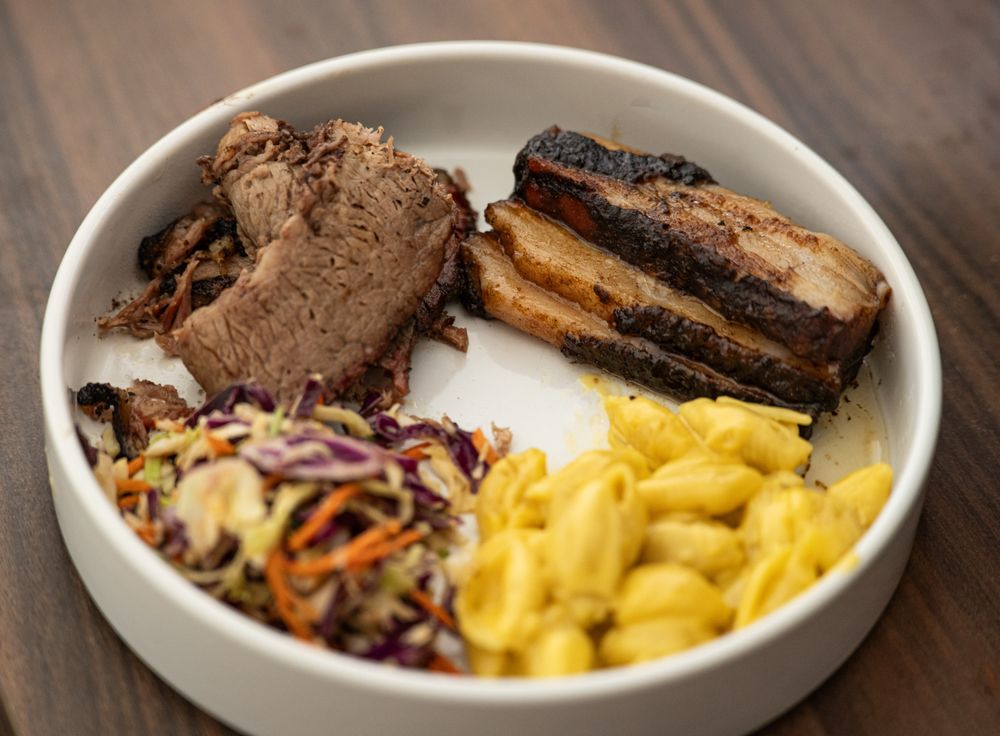
Owner/Founder: Winne Yee ʼ03
Location: 12941 9th St., Garden Grove, CA 92840
Phone: 714-583-8251
Email: winnie@smokequeenbbq.com
Website: smokequeenbbq.com
Social: @smokequeenbbq
Yelp Rating: 4.4 stars
About:
Smoke Queen Barbecue in Garden Grove, California, is owned and founded by Winnie Yee-Lakhani, a pitmaster known for blending classic Texas-style barbecue with Asian-inspired flavors. What started as a pop-up has grown into a popular restaurant celebrated for its smoky brisket, tender ribs and creative sides that reflect Yee-Lakhaniʼs multicultural background. Her approach to barbecue honors traditional slow-smoking techniques while adding bold twists, making Smoke Queen a standout in Orange Countyʼs food scene and a rising name in modern American barbecue.
Review:
“I literally flew in from Texas to California just to try Smoke Queen Barbecue after hearing so much about it, and it was absolutely worth the trip! The food was phenomenal: the brisket was melt-in-your-mouth tender with a perfect smoke ring, the ribs had just the right pull, and the sides (especially the mac & cheese and cornbread) tasted like comfort on a plate. The service staff was top-notch, friendly, attentive and clearly passionate about what they do. Even with a busy line, the staff took time to explain the menu and make sure I got exactly what I wanted. The ambiance is warm and welcoming, with that true barbecue joint feel but elevated with a clean, modern touch. You can tell this is a place built on craft and community. If youʼre anywhere near California (or even if youʼre not), Smoke Queen Barbecue is a destination spot. Iʼd happily fly back again just for another plate!” - Quinton T.
BKLYN Wild
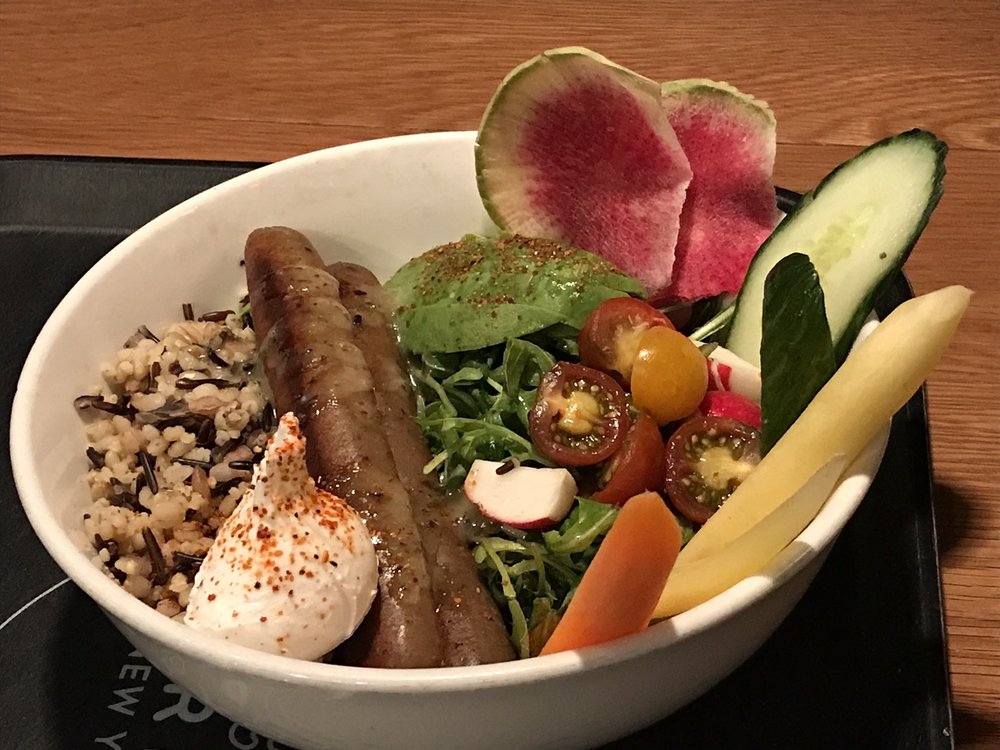
Owner: Ivy Stark ʼ93
Location: 55 Water St., New York, NY 10038
Email: ivy@bklynwild.com
Website: bklynwild.com
Social: @bklynwild
Yelp Rating: 3.4 stars
About:
BKLYN Wild is a plant-forward, vegan restaurant located at 55 Water Street in New York City. The concept, associated with Chef Ivy Stark, focuses on creative, flavorful dishes that highlight vegetables, grains and plant-based proteins. The restaurant emphasizes sustainability and healthy eating while delivering bold, inventive flavors that appeal to both vegans and omnivores alike. With its modern, casual atmosphere, BKLYN Wild has become a go-to spot for those seeking satisfying, eco-conscious meals in the heart of the Financial District.
Review:
“Let me preface by saying Iʼm not a vegan and do not particularly enjoy vegan food. However, I came here with my mom, who is very healthy, and we decided to give it a try. We ordered the Diablo and Feliz bowl, and wow, was it delicious. It was served fresh, and the levels of flavor depth were impressive (it may be the sauce or dressing they added?!). Overall, the service was prompt and fresh and the ambiance was fairly calm but keep in mind we were there when they opened. Iʼd recommend arriving before the lunch rush, so you can have plenty of seating options in the food hall. Pro-tip: bring your food to the rooftop for epic views.” - Mary D.
Chilte
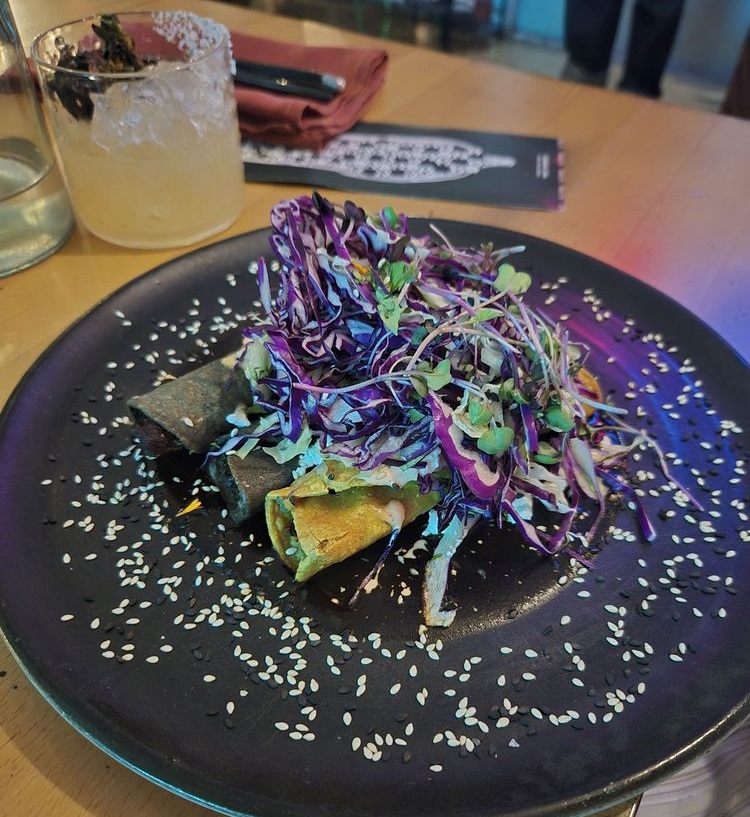
Co-Owner/Founder: Aseret Arroyo ʼ03
Location: 765 Grand Ave., Phoenix, AZ 85007
Phone: 602-807-5226
Email: reservations@chiltephx.com
Website: www.chiltephx.com
Social: @chilte_phx
Yelp Rating: 4.4 stars
About:
Chilte is short for Chiltepan, which means strong but mighty. Starting in a 10x10 pop-up tent, we have always aimed to disrupt the industry at every level, whether cooking on the street or in a five-star restaurant. As we lay the groundwork for our first brick and mortar, we are determined to stay focused on the vision of where we are headed, yet never forgetting where we come from. Food is an intimate universal connection to our past, present and future. It allows us to immerse ourselves and experience palatable and multicultural art. We aim to bring our unique and inspired expression to the table while allowing the dishes to tell the stories untold. Join us as we strive to inspire a new culture in the culinary industry by sourcing locally, cooking from the heart, mentoring one another and building our community through food.
Review:
“Loved the vibe when we walked in. It's eclectic and cozy. The music was not too loud. We ordered the pablanito and ponche margaritas. My second round I ordered the white/rose sangria. We started with the plantain and refried beans with crema starter. Then we decided to try the fried yucca. We ended up with the MSG chicken. They had two choices of meat tonight for that dish. The other choice was the pork chop. For dessert hubs ordered a shot of espresso and we tried the elote cheesecake. It was ALL ridiculously good! Our server was attentive and helpful. The menu is pretty vague and you kind of need to ask to see what really comes with the dish. Overall, it was a great date night and I would like to come back.” - Kelly C.
***
To submit a Bruin-owned business for future consideration, please send a note to connectfeedback@alumni.ucla.edu.
All Bruin-Owned Business Articles
- Bruin-Owned Restaurants Part 4
- Bruin-Led Businesses: Nonprofits
- Books by Bruins: Summer Reading
- Books by Bruins - LGBTQ Stories
- Books by Bruins - Health and Wellness
- Bruin-Owned Businesses: Tech
- Books by Bruins - Stories About Women
- Books by Bruins - L.A. Stories
- Bruin-Owned Businesses: Gift Ideas 4
- Books by Bruins - Vol. II
- Bruin-Owned Beverage Businesses 2
- Bruin-Owned Businesses: Fitness and Wellness 3
- Books by Bruins
- Bruin-Owned Businesses: Gift Ideas 3
- Bruin-Owned Restaurants Part 3
- Bruin-Owned Businesses: Fitness and Wellness 2
- Bruin-Owned Photography Part Two
- Bruin-Owned Businesses: Gift Ideas 2
- Bruin-Owned Photography
- Bruin-Owned Art Galleries and Collectives
- Bruin-Owned Restaurants Part 2
- Bruin-Owned Gift Ideas
- Bruin-Owned Fitness and Wellness Businesses
- Bruin-Owned Event-Planning Businesses
- Bruin-Owned Apparel Businesses
- Bruin-Owned Beverage Businesses
- Bruin-Owned Restaurants
Bruin-Owned Articles
- Bruin-Owned Restaurants Part 4
- Bruin-Led Businesses: Nonprofits

- Books by Bruins: Summer Reading

- Books by Bruins - LGBTQ Stories

- Books by Bruins - Health and Wellness

- Bruin-Owned Businesses: Tech

- Books by Bruins - Stories About Women

- Books by Bruins - L.A. Stories

- Bruin-Owned Businesses: Gift Ideas 4

- Books by Bruins - Vol. II

- Bruin-Owned Beverage Businesses 2

- Bruin-Owned Businesses: Fitness and Wellness 3

- Books by Bruins

- Bruin-Owned Businesses: Gift Ideas 3
- Bruin-Owned Restaurants Part 3

- Bruin-Owned Businesses: Fitness and Wellness 2

- Bruin-Owned Photography Part Two

- Bruin-Owned Businesses: Gift Ideas 2
- Bruin-Owned Photography

- Bruin-Owned Art Galleries and Collectives

- Bruin-Owned Restaurants Part 2

Recent Articles
UCLA AAP Alumni Spotlight - Lena Hines '99 , J.D. '02
Q&A WITH LENA HINES
Class: What year did you graduate, and what degree did you earn?
1999 (B.A.); 2002 (J.D.)
Major / Minor: What was your major (and minor, if applicable)?
English Literature Major
Current role, company, industry: Can you tell us about your current professional role, the company you're with, and the industry you're part of?
I’m a tax attorney; currently a Principal in the National Tax Department of a Big 4 Accounting Firm (Ernst & Young)
What does AAP mean to you? How has AAP supported you and/or its significance to your Bruin journey?
AAP has continued to help me find a community where I can thrive, support others, and work toward becoming the best version of myself—just as it did when I was a student at UCLA. Through AAP, I’ve found friends who sustained me through the 2020 pandemic and beyond, and I’ve been able to reflect on my career, appreciate past wins, and redefine my future goals.
How has AAP impacted your personal and professional development and success? Any specific ways you’ve seen AAP’s influence in your career or personal growth?
Staying connected with AAP has opened doors both personally and professionally. I’ve had opportunities to meet and mentor students through events hosted by groups like UCLA Black Alumni Association (UBAA) and the UCLA Latino Alumni Association (ULAA), and I’ve formed meaningful connections with other professional organizations. I’ve even been able to recruit students to my firm, which has been incredibly rewarding.
How have you stayed connected to AAP? Do you participate in events, mentorship, or any other initiatives that keep you engaged with the AAP community?
Since relocating back to Los Angeles in 2016, I’ve remained deeply engaged with AAP. Shortly after arriving, a fellow AAP alum invited me to a discussion where I met Dr. A, leading to my invitation to join the AAP Advisory Board in 2018. I’ve been connected with AAP and the broader Bruin community ever since—participating in events, mentoring students, and serving on the inaugural board of the AAP Alumni Network. Through these networks, I’ve built lasting relationships and stayed rooted in the Bruin community.
Recent Articles
- The Fire Within: Leo Rochman’s Story of Resilience
- UC Inspires Honors UCLA Alumni
- UCLA AAP Alumni Spotlight - Adrianos Facchetti ’01, J.D.
- The Story Behind Jackie Robinson’s 1946 Reintegration of Organized Baseball
- UCLA Prytanean Celebrates Its Centennial
Faculty on Tour: Amy Mainzer - From Space Telescopes to Global Adventures
Tours to Watch For
- Antarctica – November 2026: A dramatic, remote-continent expedition aboard a purpose-built expedition ship. An opportunity to explore icebergs, penguins, marine wildlife, and polar landscapes with expert narration and scientific context from Professor Mainzer herself.
- Total Solar Eclipse in Tunisia – July 2027: A rare celestial event coupled with guided travel across North Africa, paired with Amy Mainzer’s expertise on cosmic phenomena.
Amy Mainzer is a planetary scientist at UCLA's Department of Earth, Planetary, and Space Sciences and one of the world’s foremost experts on asteroids, comets, and near-Earth objects. With a career that spans major space missions, including her role as principal investigator for NEOWISE, the Earth-orbiting infrared telescope that scanned the skies for Earth-approaching objects, Mainzer has built a reputation for scientific excellence. She is also widely recognized for her commitment to public outreach and real-world scientific impact. Today, she’s leading the development of the next generation space telescope, Near-Earth Object Surveyor, aimed at discovering the large asteroids that pose a regional impact risk to Earth.
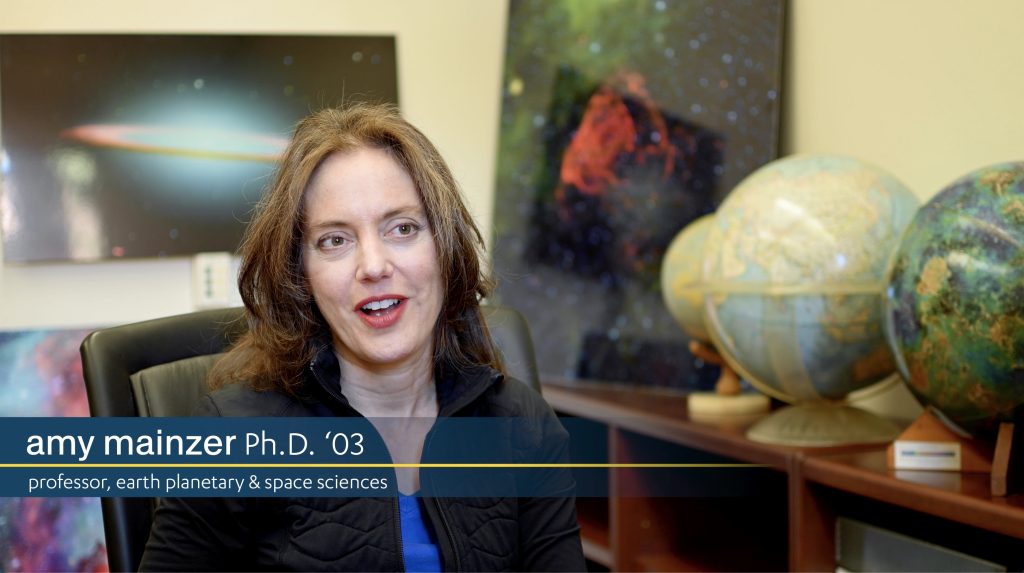
Mainzer’s influence reaches beyond telescopes. She’s received multiple honors including NASA awards and being named a Fellow of the American Astronomical Society. She has also served as a science advisor for children’s programming and major films, helping make complex space science accessible to the public.
Now, she’s bringing her passion for exploration and discovery to travel. Through UCLA Alumni Travel, Amy Mainzer will host special tours that combine her deep scientific insight with unforgettable global destinations, offering alumni and science-curious travelers alike a chance to journey the world with a top planetary scientist leading the way.
Whether you’re drawn by the wonders of Earth’s most remote places or the mysteries of space, traveling with Amy Mainzer promises a rare combination of adventure, education, and inspiration.
Recent Articles
- The Fire Within: Leo Rochman’s Story of Resilience
- UC Inspires Honors UCLA Alumni
- UCLA AAP Alumni Spotlight - Adrianos Facchetti ’01, J.D.
- The Story Behind Jackie Robinson’s 1946 Reintegration of Organized Baseball
- UCLA Prytanean Celebrates Its Centennial
- Building Community: UCLA Disability Alumni Network Focuses on Belonging and Visibility
How DemocraShe Builds Civic Engagement for All
Sarah Jakle, M.P.P. ’04 (she/her) has always believed that leadership must support the whole human being. Her commitment to women’s civic empowerment began long before she founded her organization DemocraShe, but the seeds were planted in the classrooms and mentorship circles she experienced as a graduate student at UCLA.
Jakle studied literature as an undergraduate before beginning her early career working with unhoused communities and individuals living with mental illness. This included an internship at U.S. VETS in Long Beach, where she worked directly with veterans experiencing homelessness, trauma and complex behavioral health needs. The work highlighted the barriers that individuals face when navigating unstable housing, mental health challenges and limited resources.
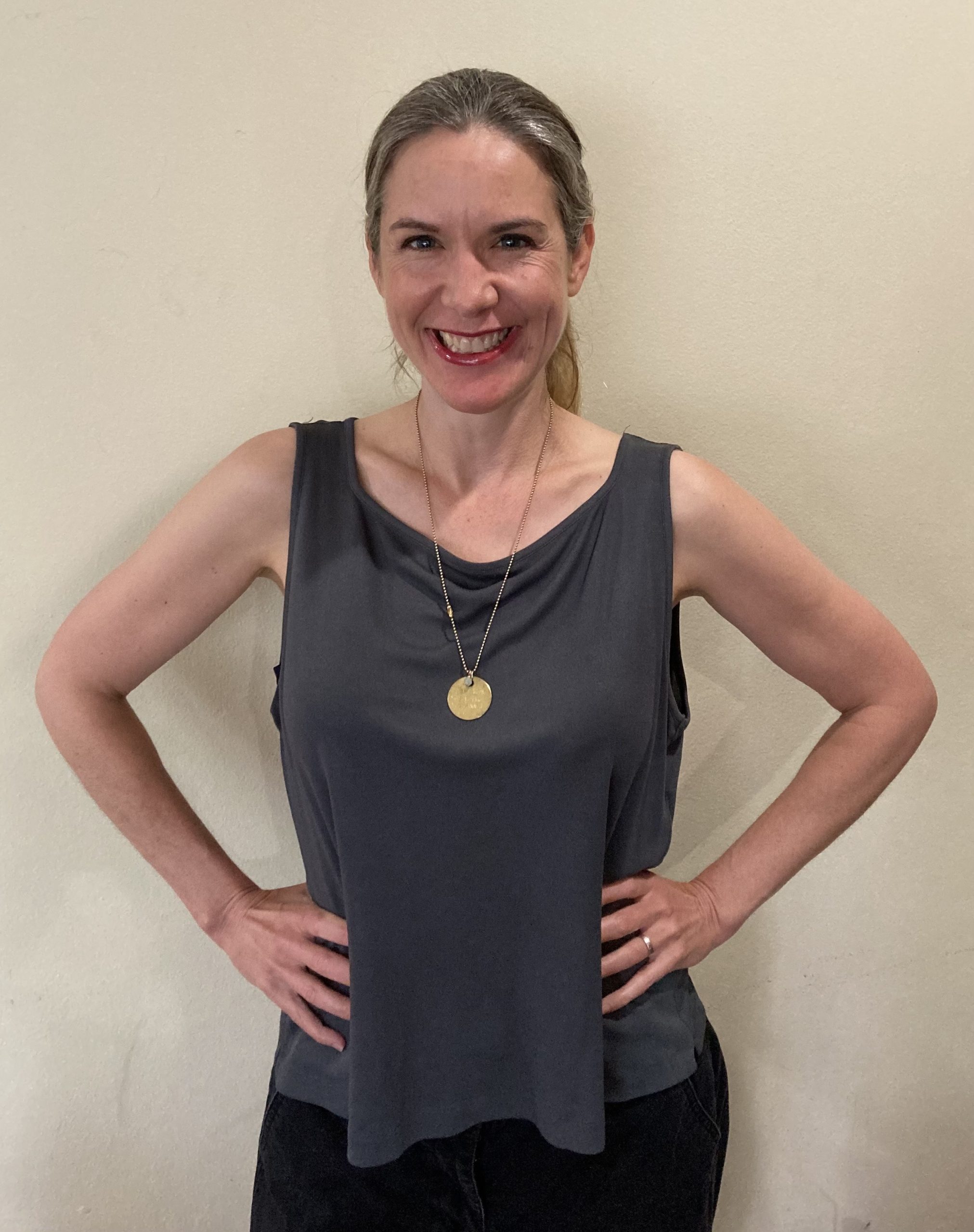
“I was working with unhoused veterans who had survived extraordinary adversity,” Jakle said. “Trauma was everywhere. It became clear that understanding trauma was essential to understanding how to really help people.”
Although she was making an impact one person at a time, Jakle saw how structural policies often determined whether meaningful change was possible. That realization brought her to graduate school, where she sought to understand the systems that shape people’s lives.
She earned a master’s in public policy from the UCLA Luskin School of Public Affairs and later completed a master’s in social work at USC with a concentration in military social work. The dual training created what she describes as a “Venn diagram” of her interests. The public policy curriculum equipped her with analytical and quantitative tools, while her social work training gave her trauma-informed frameworks for understanding the emotional experiences of people navigating public systems.
At UCLA, Jakle took several courses that fundamentally shifted her perspective, including the statistics and evaluation courses that she initially found intimidating as a non-STEM student.
“I was a literature major, so taking calculus-based economics and statistics was a shock,” she said. “But those classes transformed me. They taught me that you cannot assume you have impact. You have to measure it.”
Another defining experience came from her mentorship with former Massachusetts Governor Michael Dukakis, one of her professors at UCLA Luskin. Dukakis invited her to his home, where she met his wife, Kitty Dukakis. Learning about Kitty’s treatment in the press during the 1988 presidential election had a lasting influence on Jakle.
“Kitty was brilliant and compassionate, but she had been deeply mistreated during the campaign,” Jakle said. “It was the first time I truly understood that the emotional experience of being in politics could be as consequential as any policy outcome.”
The experience opened Jakle’s eyes to how women experience public scrutiny, and how often their emotional well-being is overlooked in discussions about civic leadership. This realization stayed with her as she continued her work after graduate school.
From Theory to Practice
Jakle’s graduate training and early career experiences directly shaped the creation of DemocraShe, a nonpartisan leadership program for young women. The organization serves a diverse group of students, with the majority identifying as girls of color and many as first-generation Americans.
DemocraShe teaches students foundational civic knowledge, leadership skills and what Jakle calls “amygdala skills,” which are basic neuroscience tools that help young women regulate fear, discomfort and internalized barriers when stepping into unfamiliar or high-pressure spaces.
“Women are socialized to be perfect, and stepping out of your comfort zone can trigger the amygdala,” Jakle said. “That discomfort often shows up as hesitation or self-doubt, which people call imposter syndrome. We teach girls how to regulate those feelings so they can pursue opportunities that match their ambition.”
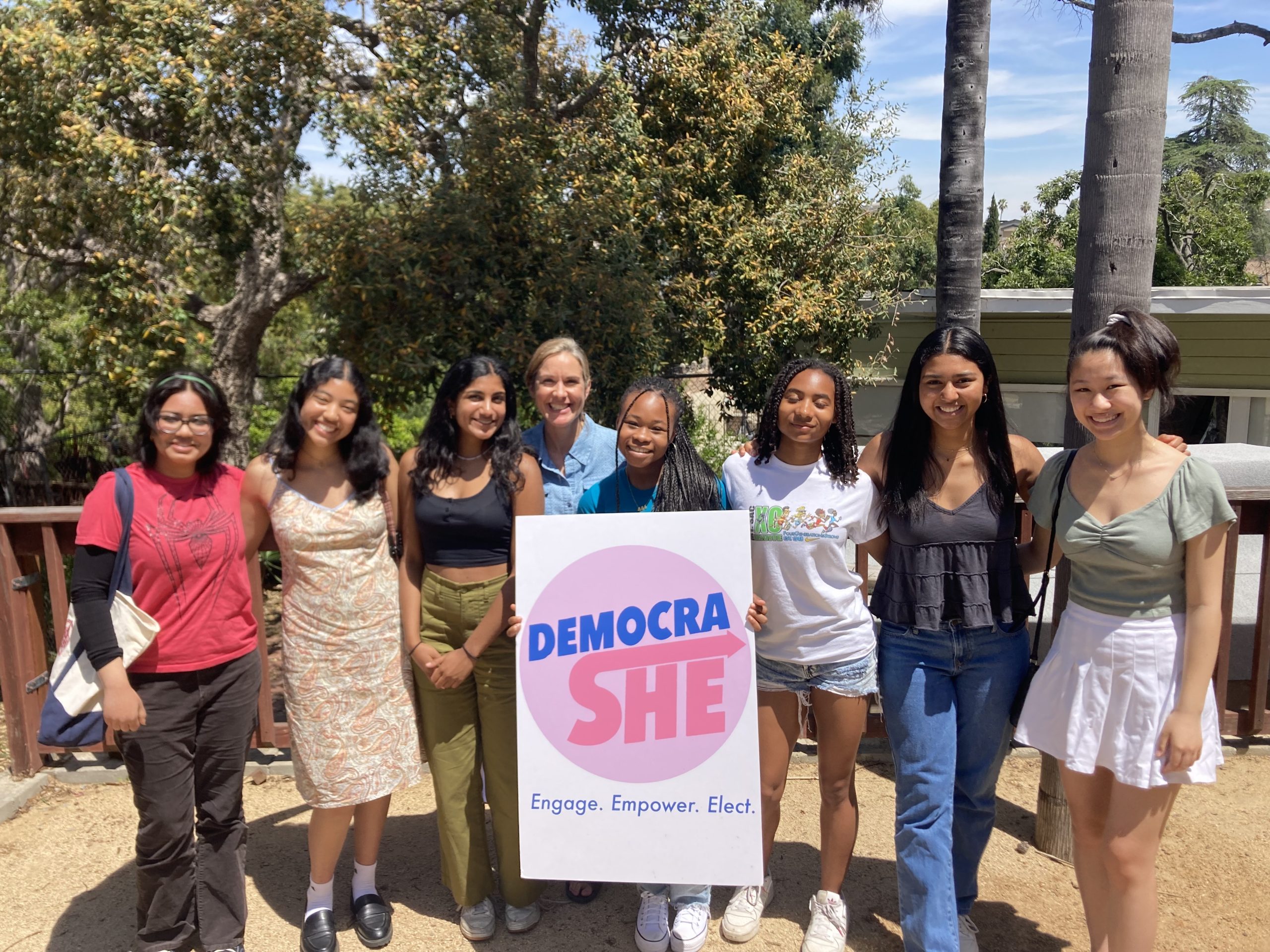
Grounding and resourcing are two of the trauma-informed techniques that students learn. Grounding involves returning to the present moment through sensory awareness. Resourcing involves cultivating an inner supportive voice to counteract internalized criticism. Both practices are drawn from trauma research and help to calm the amygdala, allowing the prefrontal cortex to re-engage.
“We teach girls that the brain is constantly scanning for threat and safety,” she said. “If they can regulate the amygdala, they can make choices from a place of confidence and clarity.”
DemocraShe integrates rigorous evaluation into its programming, a discipline Jakle attributes to her training at UCLA Luskin. Students complete anonymous pre-program and post-program surveys so the team can track changes over time. For the full 2025 cohort, 37% of students reported understanding how to move forward as active participants in American democracy before the 10-week flagship program. After completing the program, that figure rose to 99%.
Another key metric asks whether DemocraShe helped students do something they were previously afraid to try; 92% say yes. Examples range from delivering public remarks in religious spaces, to running for school leadership positions, to asserting themselves in instances of workplace conflict.
“These findings tell us that our work is shifting both leadership skills and resilience skills,” Jakle said. “We are helping young women navigate adversity while stepping into the roles they deserve.”
Mentorship and Civic Leadership
Although UCLA shaped her academic foundation, one of Jakle’s most influential mentors came through her political organizing work. She credits Ada Briceño, labor leader and former chair of the Democratic Party of Orange County, as someone who demonstrated what courageous leadership looks like.
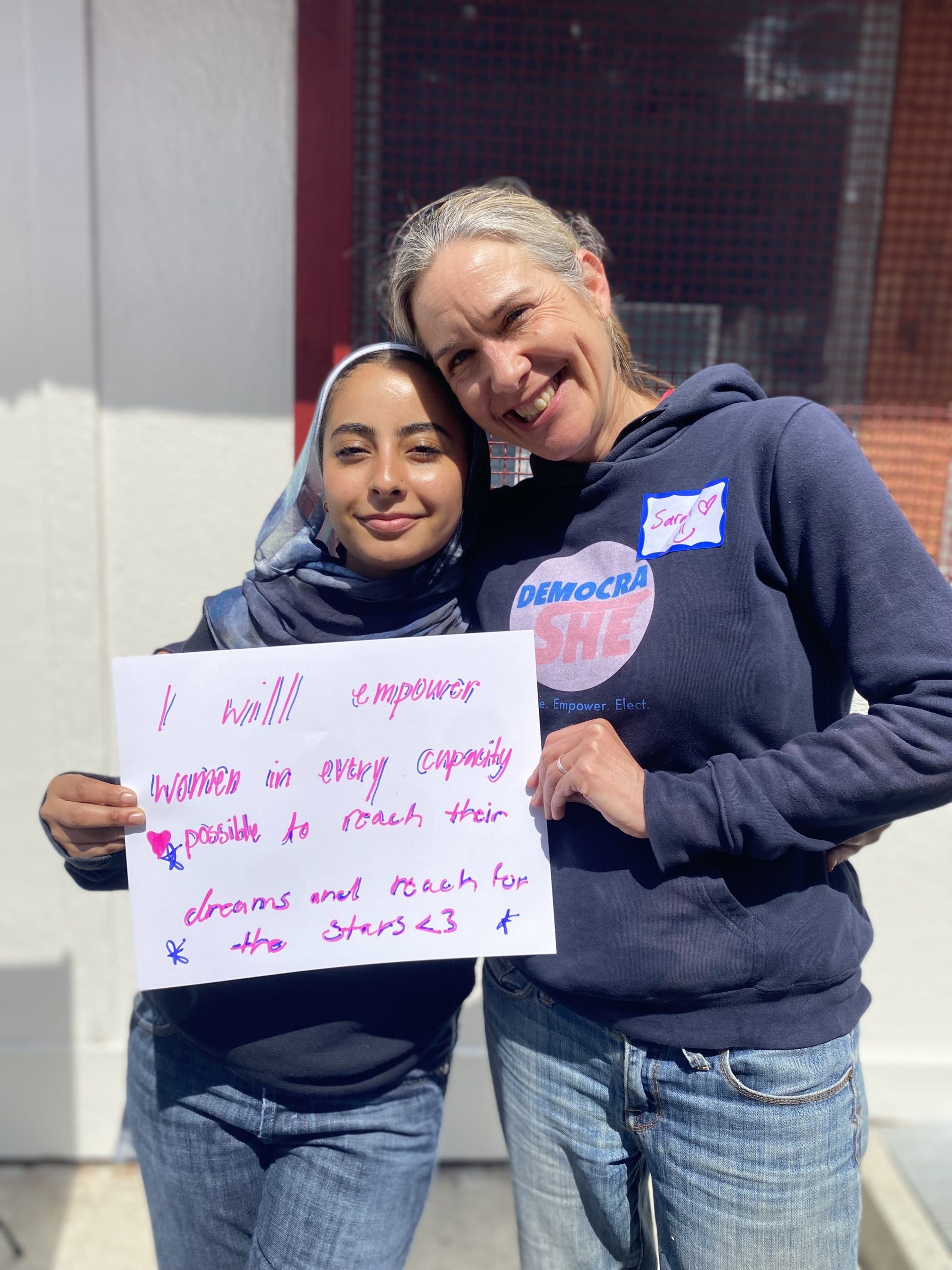
“Watching Ada, I saw firsthand how women, especially women of color, experience systemic pushback in civic spaces,” Jakle said. “It made me passionate not only about strengthening our democracy but also about protecting the emotional lives of the women who lead.”
Jakle has also worked as the Get Out the Vote director for the California National Organization for Women. During that time, she heard many women receive vague warnings that political life would be difficult, without being offered any tangible tools to manage the challenges ahead.
“For me, that felt like a missed opportunity,” she said. “We have decades of research on how people can self-regulate during stress. We should not send women into public life without these tools.”
Navigating the Present and Looking Ahead
Jakle believes that civic engagement extends far beyond voting. She encourages students from all academic backgrounds to understand how policy affects their educational pathways, professional fields and daily lives. She also believes that higher education institutions can play a significant role in preparing the next generation of civic leaders.
One of her priorities is advocating for paid opportunities for students to participate in policy work. She notes that many early political pipeline programs are unpaid, which often prevents students who need to work from participating.
“There are meetings happening right now about the future of the UC system,” she said. “Students should be in those rooms, and they should be paid for their time. Otherwise, only students with financial flexibility will get access to those spaces.”
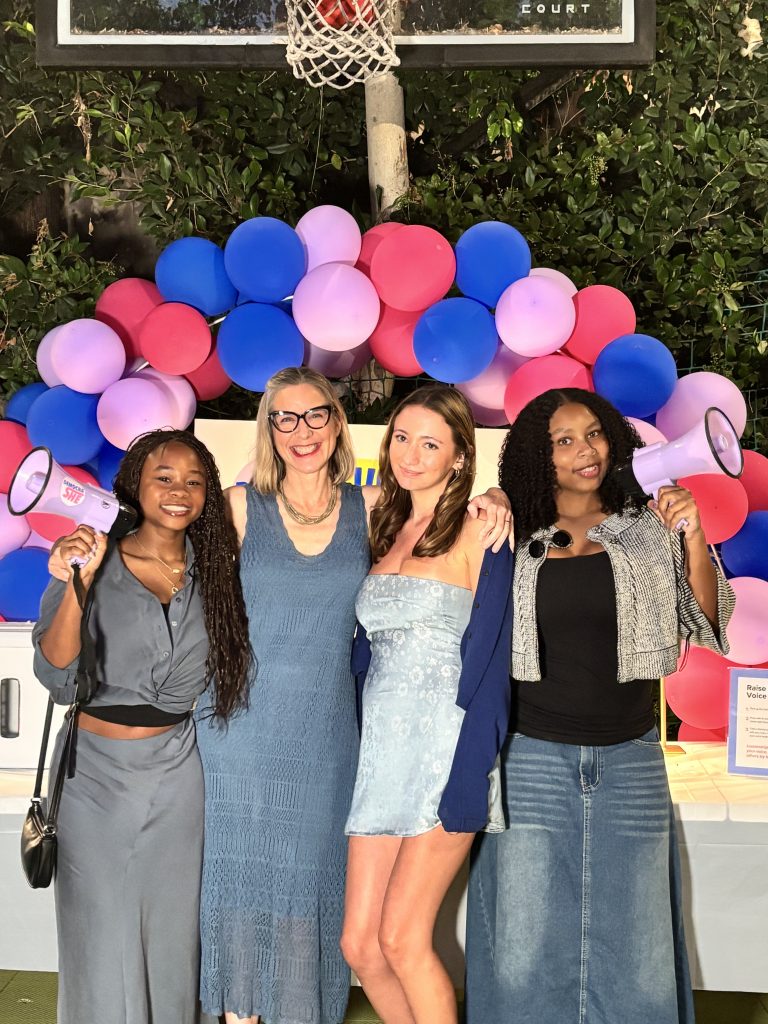
As part of that commitment, DemocraShe pays all participants who take part in its 10-week program or its one-day summer intensives held live on Zoom.
Jakle also recognizes that many young people feel overwhelmed by political uncertainty and social change. She emphasizes the importance of joy as a protective factor for the brain. She teaches a practice called “savoring,” in which individuals spend a few moments each morning noticing two joyful or beautiful things to counter the brain’s negativity bias.
“When there is so much suffering, it can feel like experiencing joy is a betrayal,” she said. “But joy protects the brain. It helps people stay engaged instead of burning out.”
Her advice for those seeking to remain informed and active is simple. She encourages people to find community, participate in local action, and take small, consistent steps that contribute to positive change. She also recommends looking at diverse sources of information and listening to students and young organizers who are at the center of campus activism.
“Democracy is woven through everyday life,” she said. “Small actions matter. Community matters. And every person has a role in shaping the world around them.”
Jakle’s journey from social work to public policy and civic empowerment illustrates how trauma-informed leadership can strengthen democracy. Through DemocraShe, she continues to uplift young women and equip them with tools that support both their public leadership and their inner resilience.
Recent Articles
- The Fire Within: Leo Rochman’s Story of Resilience
- UC Inspires Honors UCLA Alumni
- UCLA AAP Alumni Spotlight - Adrianos Facchetti ’01, J.D.
- The Story Behind Jackie Robinson’s 1946 Reintegration of Organized Baseball
- UCLA Prytanean Celebrates Its Centennial
- Building Community: UCLA Disability Alumni Network Focuses on Belonging and Visibility
From Russia With Love for L.A.
(Editor’s note: due to the topics and opinions expressed in this article, we are concealing the identity of the person being interviewed and will refer to her only as Natasha.)
One sunny afternoon during a San Fernando Valley alumni networking event, I struck up a conversation with a woman in her late 30s, who was born and raised in Moscow, and now happily lives and studies in Los Angeles.
Natasha was well educated, having obtained two degrees in Moscow: the first in economics from the Russian Academy of Foreign Trade; the second from the Institute of International Business. A lover of learning, she was always taking classes and gained over 20 years of work experience, including in IT where she implemented software for big Russian companies, and working for the audit firm Grant Thornton. She says, “I tried to get as much knowledge as I could, but I’m still learning, still studying, because the world is changing constantly, so I need to upgrade my knowledge of everything.”
In 2019, Natasha came to Los Angeles with the hope of getting into a master’s program at a “great university.” She chose California for the great weather and for its many reputable universities. She ended up completing three certificate programs at UCLA Extension from 2019 to 2024 in accounting, finance and general business studies.
Unfortunately, during her first year at Extension, the pandemic shut down in-person instruction and her classes were all taught online, limiting her interaction with classmates. By the time she took her last certificate program, society and the classrooms had completely opened up, campus activities had resumed and she was living the American life she had always dreamed of.
She said, “In Russia, we have a perception that education in Britain and the United States is the best education you can get. I actually agree, because the books that I have for my courses are so much better than Russian books. You can get all the knowledge from the book, plus when you have a great professor, there’s a great synergy there.”
Our conversation veered into comparisons of culture and politics between our two countries. She says, “I’ve traveled throughout Europe and Asia and now the States. From my viewpoint, people are people everywhere you go. There are some cultural differences, and each person has their pros and cons, but in every corner of the world, people have similar problems.”
In Russian propaganda, she says, America is a demonic country that’s trying to conquer Russia and its resources. They’re taught that American people are evil. But after living in Los Angeles, she completely disagrees. She says, “Here in Los Angeles, people are a little bit different, because there’s so many cultures mixed together, but still all these people are Americans who value their freedoms: freedom of speech, freedom of expression, etc. and this kind of mentality makes it different.” She goes on to describe how Angelenos are free to dress however they like to express themselves and people are respectful of one another for these differences.
Not so in Russia, she says, where people have a mental block. She explains, “When I was growing up in Russia in the late '80s, early '90s, it was a period of time during the collapse of the Soviet Union, and it felt kind of like the United States where freedom was absolute and you can do whatever you want. But it was also not civilized and nice because people did very bad things and there were no police to stop them. You would see the Russian mafia shooting each other in the center of Moscow even though it was not legal to own guns. The police were controlled by the mafia and corruption was everywhere.”
Nonetheless, she described Russia during this time as a free society, which enjoyed freedom of speech, an independent press and citizens could say whatever they wanted against the government without repercussions. Slowly this began to change. “This frog has been boiling for a very long time. Little by little, piece by piece,” she alluded to how their democracy began eroding, “and now we actually don’t have any opposition (to Putin’s government).”
“That’s why I’m grateful that I’m here now, where I can express my position and not go to jail immediately.”
Many figures who oppose this current regime have left the country or stayed silent at the risk of being jailed or killed at the hands of the government. This included Putin’s rival, opposition-leader Alexei Navalny, who died in 2024 in a Russian prison.
She says, “In the U.S. Congress, the representatives fight for every vote. In Russia, there is no fight because it’s 100% in favor of Putin every time. Sometimes even dead representatives cast their vote for him.”
Natasha says Russian people live in fear. “People are afraid to say anything and try to avoid sensitive topics when talking to each other or family.” Mainly because they never know who is listening and who might report them. She describes Moscow as having one of the best surveillance systems where cameras are everywhere with facial recognition. People fear that the police are listening for anything inappropriate being said so they can arrest them. It’s become common knowledge that police have an arrest quota they need to meet.
She says, “Since 2022, we got very strict legislation about what can be considered a punishable act. If you say anything bad about the current administration, about Putin, about the war, about anyone in power, you can go to prison for eight years. It’s absolutely crazy.”
Natasha says the independent press has been shuttered in Russia, where the state controls all media. Social media platforms like Facebook and Instagram are blocked in Russia and Meta is labeled an extremist organization. Ironically, WhatsApp continues to thrive as one of the most popular messaging platforms in Russia, despite it being run by Meta. The largest social media platform is VKontakte (VK), which is the Russian version of Facebook. But, she says, because everything is controlled or monitored by the government, posting a critique can land you in jail.
Since coming to Los Angeles, Natasha has been active with her newfound freedom to express herself in social media. Yet, she acknowledges this puts her at risk, especially upon her return to Moscow. She says, “That’s why I’m grateful that I’m here now, where I can express my position and not go to jail immediately.”
We switched topics to discuss the Russian perspectives regarding the war in Ukraine. When the war began, Natasha says people were shocked. Even Putin’s closes allies were shocked, but they had to pledge allegiance to him no matter what. There was a small group of hawkish Russians who were prone to violence and were eager to go to war, but she says, “The majority of Russians are just common people who don’t want to die, don’t want to kill anyone; they just want to live their lives and get through the day.”
There were protests that erupted in Moscow when the war started that were quickly put down by the police and protesters were jailed to discourage future antiwar activity. She says at first the Kremlin justified the war by claiming that Ukranian leadership were Nazis, despite President Zelenskyy being Jewish. Later, the narrative switched to Russians living in the Donbas and Lugansk region were being persecuted by Ukraine.
While the larger war began in 2022, the conflict really started with Russia’s annexation of Crimea in 2014. This was presented in Russia like it was a referendum voted on by the people in that region. Natasha was conflicted with this narrative because, while there is a large population of Russians in Crimea, she has always viewed it as Ukranian territory. Yet from the government’s perspective, it was the majority Russian population in Crimea who voted to return to Russia.
After the Russian invasion, Western countries mobilized to exert heavy sanctions. Western companies also began moving their businesses out of Russia, including Visa and Mastercard. The hope was to collapse the Russian economy and bring them to the negotiating table for peace. But Natasha claims the sanctions actually did a good thing for the Russian economy. That’s because oligarchs who were traveling all over the world were forced to return to Russia with all their money and spend it there. When their accounts and assets were frozen by the European Union, these very wealthy Russians retreated home where they were able to access their other wealth stashed away in untouched accounts.
Like these oligarchs, Russian people were also able to skirt sanctions on products. Natasha says, “Russian people are creative, and they found ways to get all the sanctioned products from different countries.” Trade agreements with places like Iran, China and Hong Kong kept the grocery shelves stocked and buying goods off the black market became commonplace. Coca-Cola was among the U.S. companies who vacated their plant, but what Russia did was convert their factory into a Russian cola factory, creating a similar product to Coke.
Living in Los Angeles during the Trump Administration, Natasha says she’s starting to see some similarities to Russia. In Russia, she says, it took a couple of years to dismantle independent media so there is just one state-controlled media. Whereas in the U.S., political polarization has led to a distrust of the media, dividing people into two camps: consumers of either right-leaning media or left-leaning media. Unlike in Russia, she says, “There is only Fox News (Russian edition).”
Natasha says the terror she’s seeing happening in the streets of American cities from ICE operations has reminded her of tactics used back home. Deportations have always taken place in every administration; however, “it was never like a terror thing. You could at least count on due process. You wouldn’t see this level of violence towards regular people who aren’t criminals.”
She thinks that sort of violence may be effective in Russia but she’s not sure it will work in the U.S. “People in the United States are more fearless. They’re not used to this. They still believe in freedom and they will fight back. Plus, there are a lot of guns here. In Russia, we don’t have guns.”
Despite the changing times in America, Natasha is still very grateful to be here. The freedoms, the weather, the educational excellence ꟷ it still can’t be beat. However, she wants Americans to know what Russians are really like. “Russia has all forms of coldness. The climate, the politics, even the gloomy personalities, because people are oppressed. However, we are like coconuts. After you crack open that hard shell, it’s very nice inside. We are very nice, soft and warm inside.”
Recent Articles
- The Fire Within: Leo Rochman’s Story of Resilience
- UC Inspires Honors UCLA Alumni
- UCLA AAP Alumni Spotlight - Adrianos Facchetti ’01, J.D.
- The Story Behind Jackie Robinson’s 1946 Reintegration of Organized Baseball
- UCLA Prytanean Celebrates Its Centennial
- Building Community: UCLA Disability Alumni Network Focuses on Belonging and Visibility
Bruin-Led Businesses: Nonprofits
A
s a spinoff from the Bruin-owned Business series, we’re highlighting organizations founded or led by UCLA alumni with a mission towards improving the quality of life in our communities. Whether it’s advancing medical science or promoting the arts, protecting the environment or fighting for justice, we owe a debt of gratitude for their work in making this world a better place. On Giving Tuesday (Dec. 2), please consider supporting a business that appeals to your interests.
Westside Music Foundation
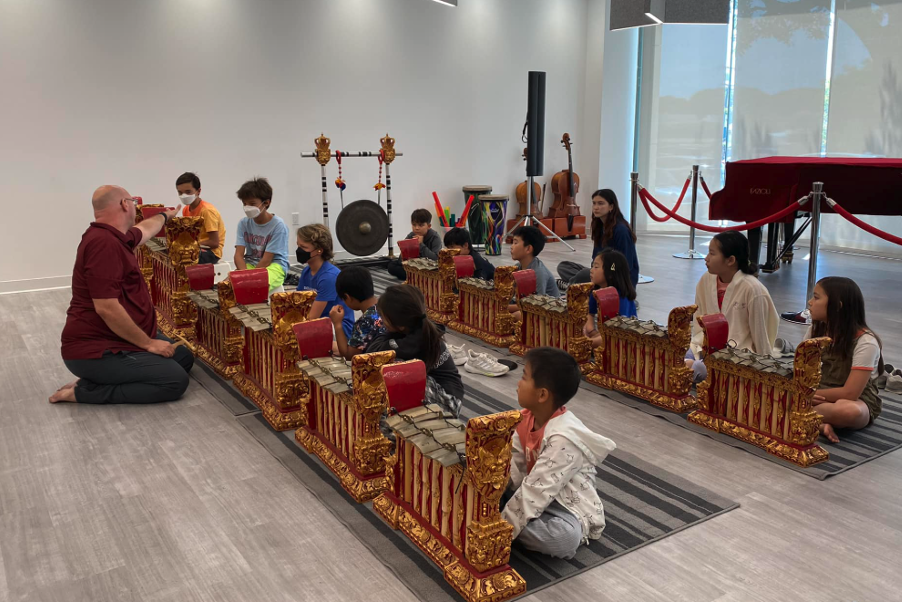
Co-Founder and President: Deborah How, M.A. ’92
Westside Music Foundation
Address: 12424 Wilshire Blvd., Suite 100, Los Angeles, CA 90025
Phone: 424-581-6400
Email: info@westsidemusicfoundation.org
Website: westsidemusicfoundation.org
Social: @westsidemusicconservatory
About:
The mission of Westside Music Foundation is to provide high-quality, inclusive music education and performance opportunities to students of all ages and backgrounds. They aim to foster a lifelong love of music by offering instruction in theory, ear training and instrumental performance, while also promoting cultural understanding and artistic growth. Through community outreach, concerts, masterclasses and youth programs, the organization works to make music accessible, enriching and integral to the broader community.
With My Own Two Hands Foundation

Founder and CEO: Lindsey Pluimer ’08
With My Own Two Hands Foundation
Address: 1278 Glenneyre St., #433, Laguna Beach, CA 92651
Phone: 949-416-5005
Email: info@withmyown2hands.org
Website: withmyown2hands.org
Social: @withmyown2hands
About:
The founder, Lindsey Pluimer, was an All-American basketball player at UCLA. Inspired by a class discussion, Pluimer pledged to visit Africa and work to address inequality there. When she had the opportunity to travel to South Africa, she recognized the immense lack of basic human rights, but she also saw, first hand, the resilience and hope in the communities she visited.
Motivated to take action, she returned to the States, retired from professional basketball and founded With My Own Two Hands Foundation in 2011 with the commitment to provide children with the basic human rights of water, food and access to education.
Asian Americans Advancing Justice
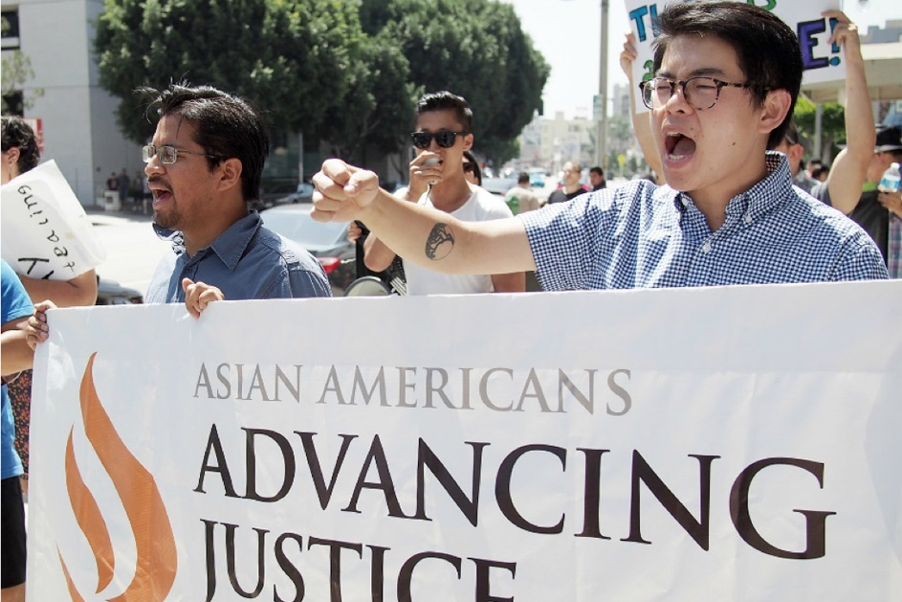
Founder and Former President/Executive Director: Stewart Kwoh ʼ70, J.D. ʼ74
Asian Americans Advancing Justice
Address: 1620 L Street NW, Suite 1050, Washington, D.C. 20036
Phone: 202-296-2300
Email: comrequests@advancingjustice-aajc.org
Website: advancingjustice-aajc.org
Social: @avancingjusticeaajc
About:
Rooted in the dreams of immigrants and inspired by the promise of opportunity, Asian Americans Advancing Justice | AAJC advocates for an America in which all Americans can benefit equally from, and contribute to, the American dream. Our mission is to advance the civil and human rights of Asian Americans and to build and promote a fair and equitable society for all. We serve as a voice for the Asian American community – the fastest-growing population in the U.S. – fighting for our civil rights through education, litigation and public policy advocacy. We serve to empower our communities by bringing local and national constituencies together and ensuring Asian Americans are able to participate fully in our democracy.
Martin Luther King Jr. Community Hospital
CEO: Elaine Batchlor, M.P.H. ’90
Martin Luther King Jr. Community Hospital
Address: 1680 E 120th St., Los Angeles, CA 90059
Phone: 424-338-8000
Email: info@mlkch.org
Website: mlkch.org
Social: @yourmlkch
About:
When we opened in 2015, we recognized we had a unique opportunity: to reinvent the way care is delivered in safety-net communities. Our goal is to provide care equal to that found in more affluent areas and that commitment is reflected in everything we do. From our beautiful, state-of-the-art facilities to our best-in-class technology, systems and operations, to our mission-driven providers from the nation’s leading academic centers, we have established an intentional, quality-driven healthcare culture to address South L.A.’s most pressing health problems.
Alliance for a Better Community
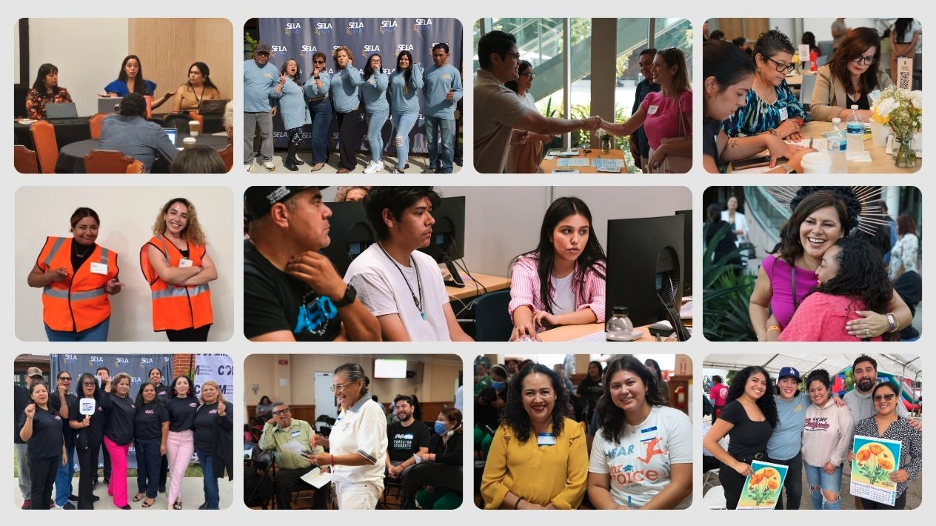
CEO and President: Vanessa Aramayo ʼ01
Alliance for a Better Community
Address: 201 South Figueroa St., Los Angeles, CA 90012
Phone: 213-267-2144
Email: info@afabc.org
Website: afabc.org
Social: @afabc_la
About:
In the mid-1990s, a group of Latina/o civic and business leaders came together regularly and informally to address the many challenges confronting Los Angeles’s Latina/o community. For several years, the group, self-identified as the “Tuesday Morning Breakfast Club,” addressed a variety of regional matters through their personal and organizational networks and resources. While they were successful in redressing many of the various policy challenges they tackled, they ultimately decided that L.A.’s Latina/o policy and advocacy vacuum necessitated the formation of an organization to serve as a voice of Latina/o interests. They created ABC to promote a proactive Latina/o agenda within City Hall, the County, L.A. Unified, the media and other public or influential entities to respond to the needs of the region’s largest and fastest growing population.
SciArtsRUs
Founder and President: Ranjini Ramachander Kaushik, Ph.D. ’04
SciArtsRUs
Location: Los Angeles, California
Phone: 310-892-0794
Email: Info@sciartsrus.com
Website: sciartsrus.com
Social: @sciartsrus
About:
SciArtsRUs is a nonprofit aimed at promoting awareness and sustained interest for science, arts and music via educational opportunities, community outreach programs and events, including accessible and affordable learning modules for children by children.
Los Angeles Inception Orchestra
Founder, President and Artistic Director: Akira Nakano ’94
Los Angeles Inception Orchestra
Address: 2542 Panorama Terrace, Los Angeles, CA 90039
Phone: 213-359-1608
Email: akira@inceptionorchestra.org
Website: inceptionorchestra.org
Social: @inceptionorchestra
About:
TheLos Angeles Inception Orchestra's goal is to bring music composition, drama, dance and arts education to students of all abilities through guided collaboration and creativity. They also aim to shift perceptions of both creators and audiences in the process.
Trickle Up
CEO and President: Lauren Hendricks ’92
Trickle Up
Address: 31 W 34th Street, Suite 7001, New York, NY 10001
Phone: 212-255 9980
Email: info@trickleup.org
Website: trickleup.org
Social: @trickleuporg
About:
Trickle Up is a nonprofit organization that focuses on helping women living in extreme poverty build a better future for themselves and their families. They work by providing seed capital, business training and ongoing coaching to help women start and grow small businesses. The organization partners with local groups and governments in places like Latin America, South Asia and Africa to reach people who are often left out of traditional aid, especially women, people with disabilities and Indigenous populations. Their goal is to help one million women lift themselves out of poverty by 2030, ultimately impacting the lives of about five million people.
Plastic Pollution Coalition
Co-Founder and CEO: Dianna Cohen ’89
Plastic Pollution Coalition
Address: 4401A Connecticut Avenue NW, #143, Washington, D.C. 20008
Phone: 323-936-3010
Email: info@plasticpollutioncoalition.org
Website: plasticpollutioncoalition.org
Social: @plasticpollutes
About:
Plastic Pollution Coalition is a nonprofit communications and advocacy organization that collaborates with an expansive global alliance of organizations, businesses and individuals to create a more just, equitable and regenerative world free of plastic pollution and its toxic impacts.
CureDuchenne
CEO and President: Debra Miller ’77
CureDuchenne
Address: 100 Bayview Circle, Suite 5600, Newport Beach, CA 92660
Phone: 949-872-2552
Email: info@cureduchenne.org
Website: cureduchenne.org
Social: @cureduchenne
About:
CureDuchenne breaks the traditional charitable mold and balances passion with business acumen. We will fulfill our mission to cure Duchenne muscular dystrophy with our innovative venture philanthropy model that funds groundbreaking research, early diagnosis and treatment access. With pioneering education and support programs, our organization drives real change for those living with the disease and their loved ones.
One Mind

Founder and Chairman: Garen Staglin ’66
One Mind
Location: Rutherford, California
Phone: 707-963-4038
Email: info@onemind.org
Website: onemind.org
Social: @onemindorg
About:
At One Mind, our mission is to advance mental health by harnessing the power of science and the wisdom of lived experience to drive bold research, accelerate innovation and transform societal attitudes and workplace practices.
Hacker Fund
Founder and Executive Director: Justin Brezhnev ’14
Hacker Fund
Address: 3435 Ocean Park Blvd., #107 PMB 124, Santa Monica, CA 90405
Email: team@hacker.fund
Website: hacker.fund
Social: @hackerfund
About:
Hacker Fund empowers technologists to support disadvantaged communities, educate youth and protect the environment. It does this through fiscal sponsorship and by providing resources like event support, educational programming, donated hardware/software, makerspaces and corporate volunteers.
Burnham Center for Community Advancement

CEO and President: Tad Seth Parzen ’82
Burnham Center for Community Advancement
Address: 1100 Market St., Suite 424, San Diego, CA 92101
Phone: 619-329-8389
Email: together@burnhamcenter.org
Website: burnhamcenter.org
Social: @burnhamcentersd
About:
Established in 2020 by Malin Burnham and Tad Seth Parzen, the Burnham Center for Community Advancement (BCCA) is dedicated to moving our cross-border region forward, recognizing that meaningful impact requires more than just a good idea. We are steadfast in our commitment to taking decisive action to help make the San Diego region a better place to live, work and play for all. We do this by engaging and informing the public through quality civic dialogue and a dedicated Community Advisory function; identifying opportunities to solve challenges and creating a vibrant future; and collaborating, organizing and mobilizing to bring opportunities to life.
United Against Fentanyl
Founder and CEO: Paul Martin ’03
United Against Fentanyl
Location: Newport Beach, California
Website: unitedagainstfentanyl.org
Social: @unitedagainstfentanyl
About:
United Against Fentanyl is a nonpartisan, nonprofit organization that preserves and protects humanity with a focus on combating the fentanyl/synthetic drug crisis. We focus on three primary areas:
- Organizing survivors, organizations and elected officials to bring change
- Fighting for comprehensive solutions, from enforcement to education
- Creating awareness of common sense bi-partisan legislation
***
To submit a Bruin-owned business for future consideration, please send a note to connectfeedback@alumni.ucla.edu.
All Bruin-Owned Business Articles
- Bruin-Owned Restaurants Part 4
- Bruin-Led Businesses: Nonprofits
- Books by Bruins: Summer Reading
- Books by Bruins - LGBTQ Stories
- Books by Bruins - Health and Wellness
- Bruin-Owned Businesses: Tech
- Books by Bruins - Stories About Women
- Books by Bruins - L.A. Stories
- Bruin-Owned Businesses: Gift Ideas 4
- Books by Bruins - Vol. II
- Bruin-Owned Beverage Businesses 2
- Bruin-Owned Businesses: Fitness and Wellness 3
- Books by Bruins
- Bruin-Owned Businesses: Gift Ideas 3
- Bruin-Owned Restaurants Part 3
- Bruin-Owned Businesses: Fitness and Wellness 2
- Bruin-Owned Photography Part Two
- Bruin-Owned Businesses: Gift Ideas 2
- Bruin-Owned Photography
- Bruin-Owned Art Galleries and Collectives
- Bruin-Owned Restaurants Part 2
- Bruin-Owned Gift Ideas
- Bruin-Owned Fitness and Wellness Businesses
- Bruin-Owned Event-Planning Businesses
- Bruin-Owned Apparel Businesses
- Bruin-Owned Beverage Businesses
- Bruin-Owned Restaurants
Recent Articles
Our Proud Partners


